Prague is aligning closely with Washington on critical security matters, including NATO and Israel, as it prepares to assist in protecting freedom of navigation in the strategically vital Strait of Hormuz.
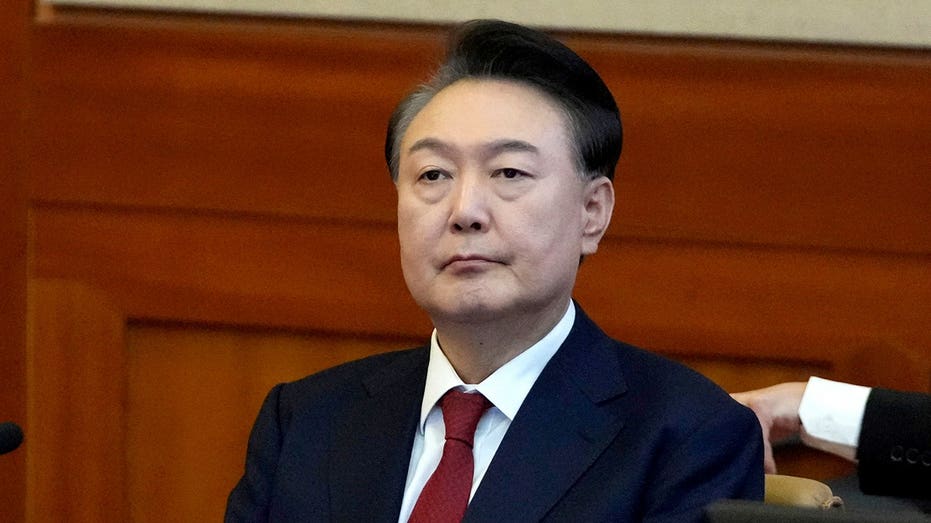
The Czech Republic has pledged its robust support for the Trump administration’s initiative to safeguard the Strait of Hormuz, a critical global oil transit choke point. Czech Foreign Minister Petr Macinka confirmed Prague’s readiness to contribute specialized capabilities during an exclusive interview with Fox News Digital at the United Nations, underscoring the severe global threat posed by Iran.
Strategic Alignment on Global Security
Speaking from the United Nations in New York, Minister Macinka highlighted the Czech Republic’s strong alignment with the Trump administration across key security domains, including NATO and its unwavering support for Israel. This strategic partnership extends to the vital task of securing international waterways against hostile actors.
Macinka stated that Prague had already initiated discussions regarding its potential contribution to securing the Strait of Hormuz. Despite lacking a navy, the nation possesses unique assets that could prove invaluable. “We are ready to contribute to freedom of passage and the Hormuz trade,” Macinka affirmed, noting that the Czech Republic was among the first countries to express such willingness.
Iran’s Multifaceted Threat
The Czech Foreign Minister issued a stark warning regarding Iran’s aggressive posture, identifying four primary ‘war tools’ that pose a significant global risk. These include its clandestine nuclear proliferation efforts, the development and deployment of advanced drones and ballistic missiles, its support for international terrorism, and direct threats to the Strait of Hormuz itself.
“Their nuclear military program must be stopped,” Macinka declared, emphasizing the urgent need to counter this escalating danger. “It’s a global risk and global threat.” This assessment aligns with growing international concerns over Tehran’s destabilizing activities in the Middle East and beyond.
“Their nuclear military program must be stopped. It’s a global risk and global threat.”
Securing the Chokepoint
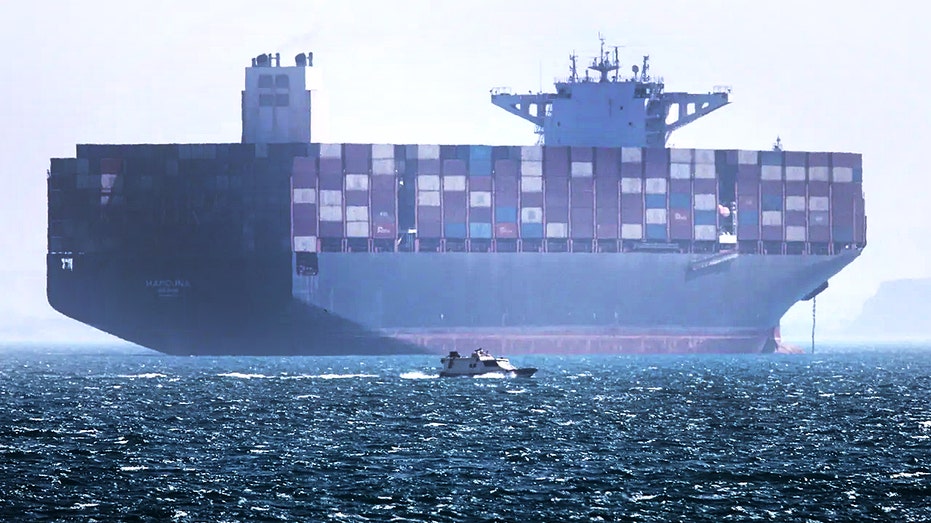
The Trump administration has consistently pressed European allies to assume greater responsibility for protecting international shipping lanes, particularly in response to Iranian provocations targeting the Strait of Hormuz. This narrow waterway, connecting the Persian Gulf to the Arabian Sea, facilitates the passage of approximately one-fifth of global oil consumption, making its security paramount for global economic stability.
The Czech Republic’s offer to deploy its unique passive surveillance capabilities demonstrates a practical commitment to collective security. This specialized expertise can play a crucial role in monitoring activity within the strait, enhancing overall situational awareness without requiring a conventional naval presence. Such contributions are essential in a complex geopolitical landscape where threats to global trade and energy supplies persist.
As international tensions persist in the Middle East, the proactive stance of allies like the Czech Republic underscores the importance of a united front against rogue state aggression. Protecting vital global arteries like the Strait of Hormuz is not merely a regional concern but a fundamental requirement for maintaining international order and ensuring economic prosperity worldwide. Prague’s commitment signals a renewed resolve among European partners to share the burden of global security.