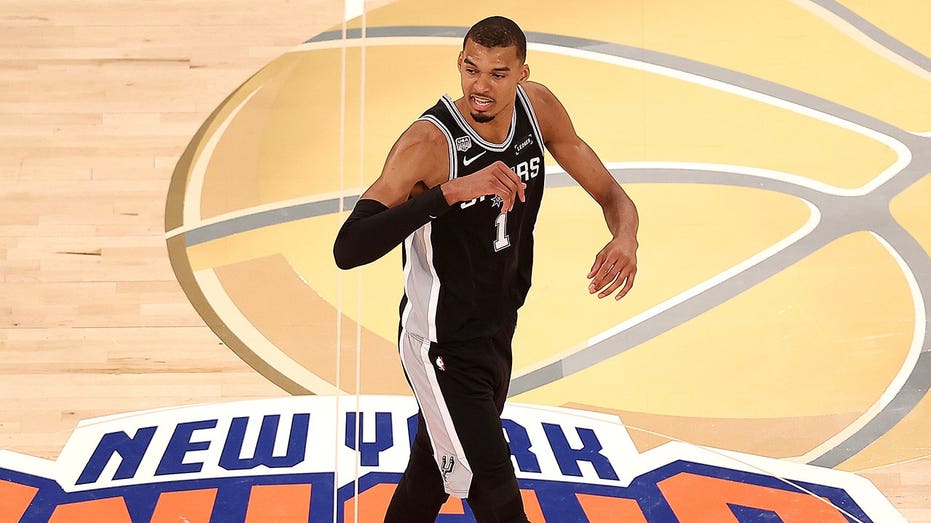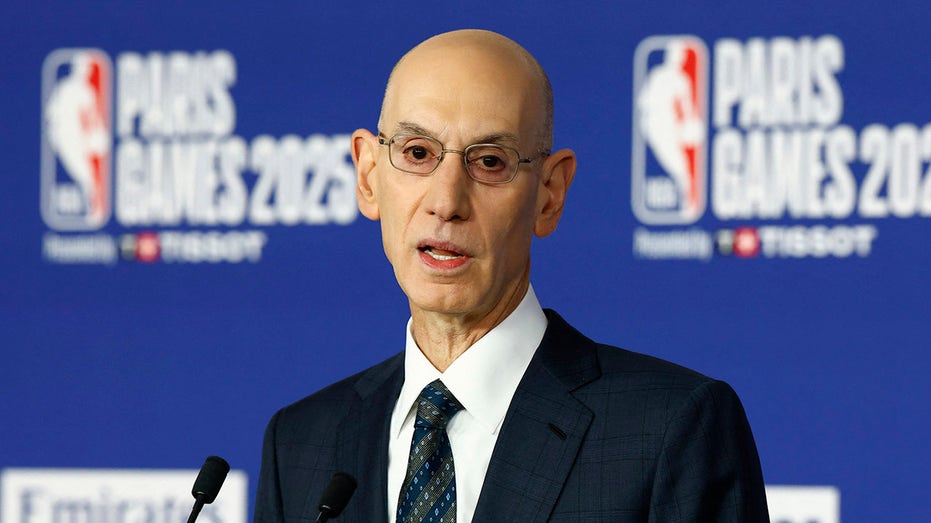
In a decisive move to modernize professional basketball, NBA Commissioner Adam Silver has announced the league is actively pursuing AI-automated officiating systems. This strategic shift aims to tackle two long-standing frustrations for fans and analysts alike: the incessant delays caused by replay reviews and the contentious issue of foul-baiting that often disrupts the game’s natural rhythm.
Speaking on “The Pat McAfee Show” on Wednesday, Silver outlined a clear vision for a future where technology ensures greater efficiency and fairness on the hardwood. The initiative reflects a commitment to preserving the integrity of the game while enhancing the overall viewing experience for a global audience.
Revolutionizing Replay Reviews with AI
The most immediate application of AI technology will be in handling objective replay calls. Commissioner Silver specifically highlighted instances like out-of-bounds decisions, which currently lead to frequent, time-consuming stoppages. “We’re going to get to the point fairly quickly where, for example, on out-of-bounds plays… those kinds of calls will become automatic,” Silver explained. This means an AI-powered system, utilizing an array of court-lined cameras, will make these determinations instantaneously.
The goal is unequivocal: to virtually eliminate replay delays that have increasingly marred the NBA’s primetime product, especially during intense playoff matchups. Such automation represents a significant step forward in ensuring games flow more smoothly, allowing fans to focus on the athletic prowess rather than procedural interruptions.
Addressing Foul-Baiting and Player Embellishment
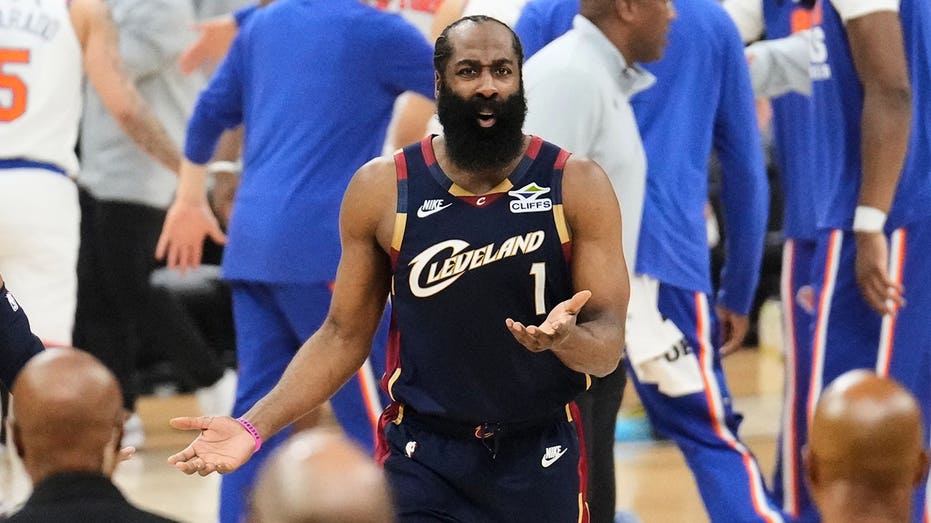
Beyond objective calls, the NBA’s push for automation also implicitly addresses the growing frustration around subjective officiating and player conduct. The Western Conference playoffs, in particular, have brought the issue of foul-baiting and flopping into sharp focus, with Oklahoma City Thunder star Shai Gilgeous-Alexander frequently mentioned in public discourse regarding exaggerated movements to draw fouls.
While Silver noted a distinction between “selling a call” and a “true flop,” the move towards automation signals a desire for more consistent and less exploitable officiating. The league recognizes that players are often taught to “sell calls,” but the public’s appetite for such embellishment is waning. By reducing reliance on human interpretation in certain contexts, the NBA hopes to foster a more genuinely competitive environment, upholding the spirit of the game.
“We’re going to move to a system like that where that whole category of calls will be automated. Those calls will be handled by an AI automated system with cameras lined around the court. It’ll be instantaneous and automatic.” — NBA Commissioner Adam Silver
The Future Landscape of NBA Competition
This embrace of cutting-edge technology positions the NBA at the forefront of sports innovation. The successful implementation of AI for objective calls could pave the way for broader applications, potentially enhancing accuracy and reducing controversies that stem from human error. As reported by News Desk, similar discussions are taking place in other major sports, with MLB having already voted to allow robot umps for challenges in 2026, indicating a wider trend toward technological integration in sports officiating.
Ultimately, the league’s leadership is demonstrating a commitment to adapting and improving, ensuring that the spectacle of NBA basketball remains as compelling and fair as possible. This proactive approach underscores a dedication to maintaining order and high standards within one of the world’s most popular sports leagues, promising a faster, more accurate, and ultimately more enjoyable game for all stakeholders.