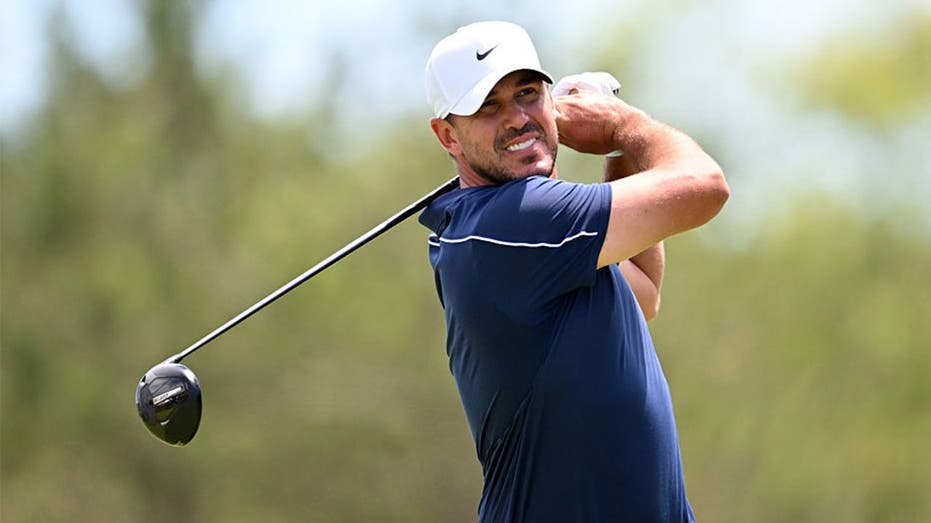
Golf superstar Brooks Koepka has sent ripples of concern through the professional golf community, withdrawing from the RBC Canadian Open on Sunday due to a hand injury. The sudden exit, which occurred just hours before his final round tee time, immediately raises serious questions about his readiness for the upcoming U.S. Open, scheduled for next week at the iconic Shinnecock Hill.
The five-time major champion was positioned seven shots off the lead at six under par at TPC Toronto before making the difficult decision to pull out. His absence from the course now shifts focus to the severity of his ailment and its potential ramifications for the year’s third major, where Koepka has a storied history and a reputation as a fierce competitor.
Injury Details Emerge
Speaking to the media on Saturday following his third-round 72, Koepka offered a candid assessment of the discomfort he was experiencing. He described a struggle to grip the club, particularly with his ring and pinkie fingers. “I don’t know what it is. I’m struggling to grip the club with my ring finger and pinkie finger, so can’t grip it,” Koepka explained, noting his fingers would “come loose” and felt “kind of numb.” This unexpected physical challenge clearly hindered his performance and ultimately forced his hand.
The 36-year-old indicated this was an unprecedented injury for him, stating he had “never dealt with this type of injury before it flared up in Canada.” This unfamiliarity adds to the uncertainty surrounding his recovery timeline, a critical factor with a major championship looming just days away. Such an unexpected ailment could derail even the most meticulously planned season.
“I don’t know what it is. I’m struggling to grip the club with my ring finger and pinkie finger, so can’t grip it.”
— Brooks Koepka
U.S. Open Aspirations Clouded at Shinnecock
The timing of this injury could not be worse for Brooks Koepka. The U.S. Open’s return to Shinnecock Hill holds particular significance for the golfer, as it was the venue for his second U.S. Open victory in 2018. That triumph solidified his reputation as a major championship specialist, showcasing his ability to perform under immense pressure on one of golf’s most challenging courses. A return to such a familiar and successful hunting ground would undoubtedly have fueled his aspirations for another major title.
His recent form had also been impressively promising, signaling a strong lead-up to the major season. Since his highly publicized return to the PGA Tour from LIV Golf at the beginning of 2026 under the Returning Member Program, Koepka had demonstrated a clear resurgence in his game. His consistent performance had positioned him as a strong contender:
- Six top-20 finishes in 11 starts before the Canadian Open.
- A respectable T12 at the Masters in April, highlighting his major championship pedigree.
This track record underscores the competitive blow his absence would represent, both for him personally and for the tournament’s field.
Immediate and Long-Term Tour Implications
Beyond the immediate concern for the U.S. Open, Koepka’s withdrawal also carries implications for his standing on the PGA Tour. As a player who does not currently hold status for the remaining Signature Events on the calendar, opportunities to earn valuable FedEx Cup points are crucial for securing his future playing privileges and optimizing his schedule. Forfeiting an entire event, especially after a solid start, means missing out on these vital points, which could affect his eligibility and scheduling for the remainder of the season, potentially limiting his access to key tournaments.
The golf world, as reported by Fox News, will now keenly await further updates on Koepka’s condition. His presence is a significant draw, especially at a major, and his health will be paramount for his competitive future and the excitement he brings to the sport.
The coming days will be critical as Koepka undergoes assessment and treatment for his hand injury. Golf fans and analysts alike will be hoping for a swift recovery, eager to see the formidable competitor back on the course, particularly at a championship where he has previously excelled. The uncertainty surrounding his U.S. Open status adds an unexpected layer of drama to what is already one of golf’s most anticipated events, underscoring the delicate balance between peak performance and physical resilience in professional sports.