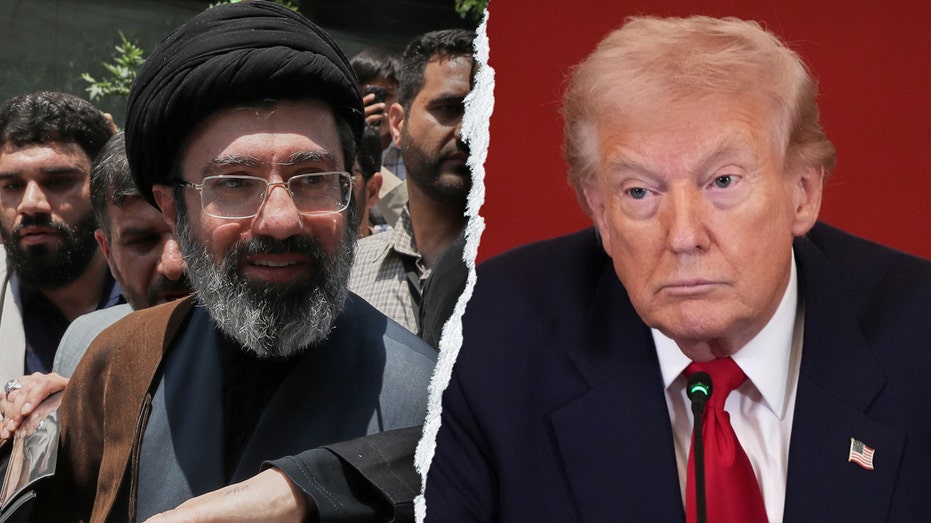
In a significant geopolitical maneuver, Iran’s leadership has launched a robust counteroffensive aimed at diminishing American influence and forging a new anti-US alliance across the Middle East. This strategic push, spearheaded by Mojtaba Khamenei, comes amidst ongoing efforts by President Donald Trump to expand the landmark Abraham Accords, creating a complex diplomatic landscape for regional actors.
An analyst, as reported by Fox News Digital, highlighted that Tehran’s aggressive posturing seeks to position Iran as the region’s new power broker, compelling Gulf states with existing backchannels to choose between Washington’s established security framework and a nascent “New Islamic Civilization” championed by Iran.
Tehran’s Bold Challenge to Regional Order
Mojtaba Khamenei issued a direct call for a “New Islamic Civilization” on May 26, specifically targeting the same regional capitals that President Trump engaged with regarding the Abraham Accords. Khamenei’s public statement invited all Islamic nations to foster friendship and cooperation for the advancement of the Islamic Ummah, explicitly aiming to resolve the Islamic world’s challenges through collective action.
This declaration notably emphasized shared interests that, in Tehran’s view, will shape the future architecture of the region and the world. Furthermore, Khamenei issued a stern warning that the United States ‘will no longer have a safe haven for its mischief,’ clearly articulating Iran’s ambition to dismantle American military presence and influence.
Gulf States Caught in Diplomatic Crossroads
The intensifying rhetoric from Tehran places several key Gulf states in a precarious position. Many of these nations maintain discreet communications with Iran while simultaneously relying on the United States for security guarantees. The current developments force these governments to carefully weigh their allegiances and strategic interests.
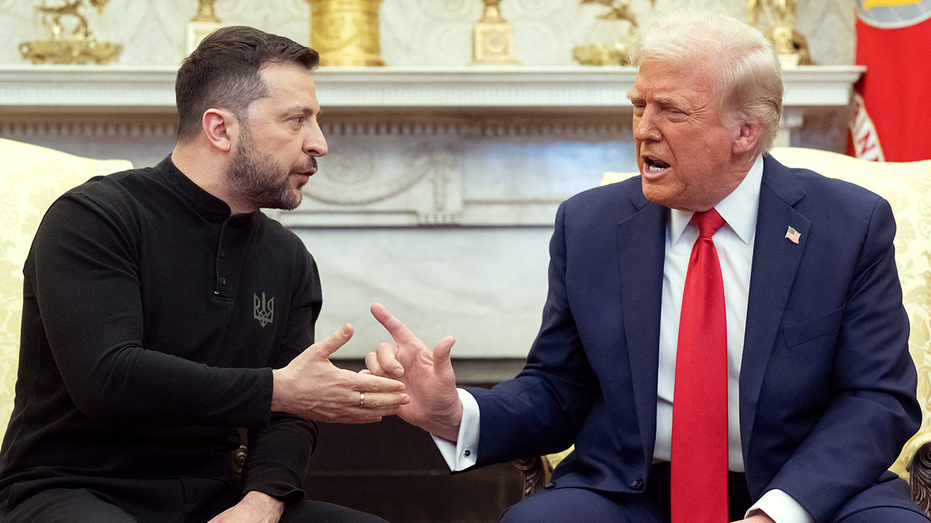
President Trump’s recent diplomatic outreach underscores the shifting alliances. He held phone discussions with leaders from several nations to explore the expansion of the 2020 Abraham Accords, a landmark peace initiative. The countries involved in these discussions included:
- Saudi Arabia
- United Arab Emirates
- Qatar
- Turkey
- Pakistan
- Egypt
- Jordan
- Bahrain
This engagement, followed by a post on Truth Social, highlights Washington’s continued commitment to fostering regional stability through diplomatic normalization, directly contrasting Iran’s efforts to destabilize existing frameworks.
“Iran’s leadership is attempting to rally Middle Eastern nations into an anti-American alliance, seeking to position itself as the region’s ‘new sheriff’ and challenging the established order.”
Strategic Ambitions and Geopolitical Realities
Iran’s strategic objective is clear: to assert itself as a dominant force capable of dictating regional terms and challenging global superpowers. This ambition is not merely rhetorical but is backed by a concerted effort to cultivate new partnerships and exploit existing grievances against Western influence. The ongoing, albeit unconfirmed, negotiations between Iran and the United States further complicate the situation, suggesting a multi-layered diplomatic engagement even amidst public confrontations.
The unfolding scenario represents a critical juncture for Middle East diplomacy. As Tehran pushes for a cohesive anti-US alliance, the imperative for robust and principled American foreign policy remains paramount. Maintaining regional order and supporting allies who champion stability against extremist ideologies is crucial in navigating these complex and evolving dynamics.