The Promise and Peril of Neurotechnology in Society
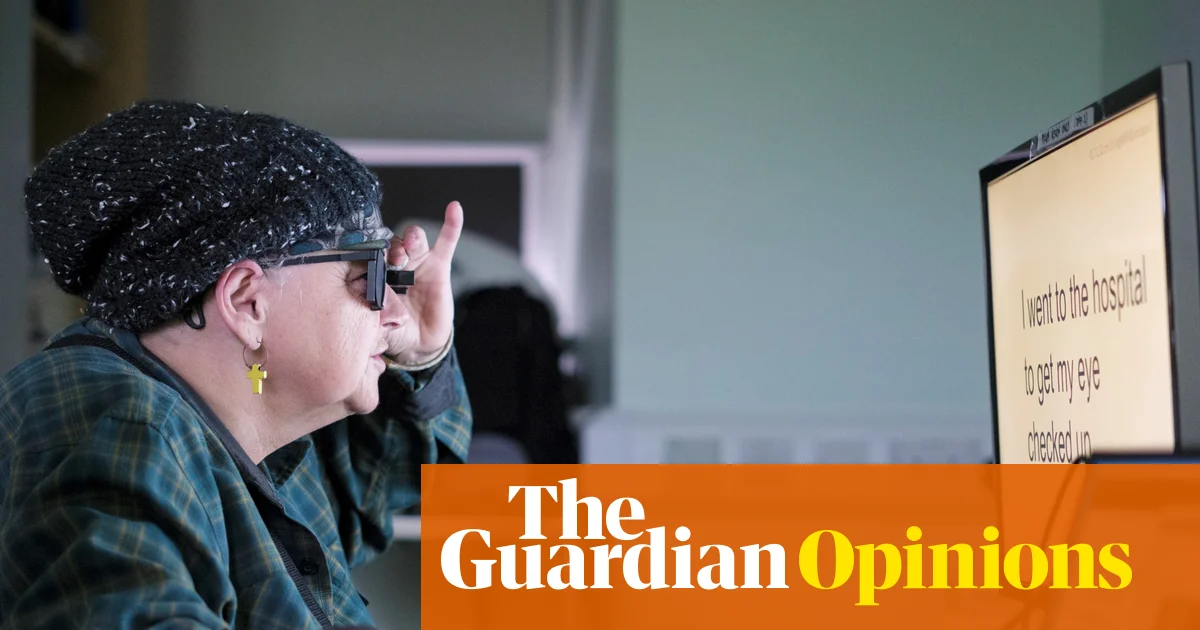
In recent years, the rapid advancement of brain-computer interfaces (BCIs) has opened new frontiers for restoring sight and mobility to individuals suffering from debilitating conditions. Communities affected by age-related macular degeneration, a disease impacting over 600,000 people in the UK alone, are witnessing a glimmer of hope as trials such as those involving the Prima device demonstrate that a new way of seeing could soon be accessible. While these developments evoke visions reminiscent of science fiction—cyborgs seamlessly controlling prosthetics or perhaps even augmenting human capabilities—the underlying social implications merit critical examination.
From a societal perspective, these technological strides both challenge and reinforce existing social structures. Families confronting the limitations imposed by physical decline may find relief in devices that restore independence, but they also face new realities: the high costs associated with such innovations can deepen socioeconomic divides. For example, prosthetic systems like multi-grip hands, with costs reaching up to £37,000, exemplify how advanced medical aid, often bundled with ongoing service expenses, creates disparities in accessibility. Sociologists such as Pierre Bourdieu warn of how technological capital can become a means of social stratification, emphasizing that socieities must grapple with ensuring equitable access to life-enhancing innovations. Moreover, as medical technology becomes more integrated into daily life, communities must address concerns over safety and ethics, given that adverse events—such as retinal damage requiring further surgery—highlight the inherent risks of pioneering treatments.
On a broader scale, the cultural shift towards merging human biology with technology raises urgent questions about societal values and the moral fabric of communities. While the prospect of restoring sight or mobility offers undeniable human benefits, historical voices such as social commentator Neil Postman argue that overreliance on technology risks eroding essential aspects of human experience. As healthcare partnerships between public institutions and private biotech firms expand, there is an ethical imperative to prioritize human dignity above innovation. Policymakers and community leaders are called upon to balance progress with caution, ensuring that access to such cutting-edge treatments does not become a privilege of the wealthy, but a right for all who need it. In doing so, society must remain vigilant against the temptation to view humans merely as therecipients of technology, rather than holistic beings deserving care and respect.
As society stands at this crossroads—where the line between human and machine blurs—the enduring challenge remains: how do we preserve the human essence amid relentless technological progress? While the promise of a future where disabilities are mitigated and new potentials unlocked is inspiring, it is equally vital to reflect on the social fabric that holds communities together. When families confront the possibility of healing and transformation, they are reminded of life’s intrinsic dignity and the unyielding hope for a society that values compassion as much as innovation. Like a story still unfolding, the journey toward integrated human-machine futures calls for wisdom, fairness, and above all, a steadfast commitment to ensuring that technology uplifts society—not divides it.