As the spooky season approaches, a fascinating cultural shift is unfolding in the realm of Halloween festivities. Traditionalists may still be rummaging through boxes for that dusty, decade-old costume, but a new wave of trend-savvy youth is redefining what it means to celebrate. Halloween has transitioned from a night of simple fun to a playground of creative expression, fueled by social media influencers, trendsetters, and the rising obsession with “in-the-know” cultural nods. This generation isn’t just dressing up for the night; they are making statement looks with effortless, last-minute touches that scream trend consciousness.
Leading the charge are the so-called cultural high achievers—from A-list celebrities like Kim Kardashian and Heidi Klum to innovative artists like Janelle Monáe. These icons spend weeks curated their costumes, leveraging platforms like Pinterest and Instagram to craft intricate, highly conceptual outfits. Their obsession isn’t just about costumes but about crafting a narrative that resonates with ever-evolving cultural moments. This influence trickles down to mainstream youth, who now see Halloween as an opportunity to join the conversation on societal trends, pop culture, and political commentary through their fashion choices. The result is a holiday that’s less about candy and more about cultural cachet — a kind of Halloween “manifesto” where costumes are loaded with meaning, parody, or insider references.
However, not everyone is investing hours or dollars into elaborate ensembles. Instead, a new subset of trend-hunters is embracing the art of the “stolen idea”. Inspired by recent headlines—like the daring Louvre jewel theft or viral crime stories—youth are assembling quick, punchy costumes that shout social relevance. For example, donning a hi-vis vest and piling on jewelry from their own collection transforms into an instant costume mimicking the infamous €76m jewel thieves, blending satire with social commentary. It’s a clever way of turning viral stories into wearable, relatable statements. Sociologists like Dr. Emily Chen argue this reflects a broader societal shift: we’re increasingly defining our identities through rapid commentary on media phenomena, where humor and irony are primary tools for social engagement.
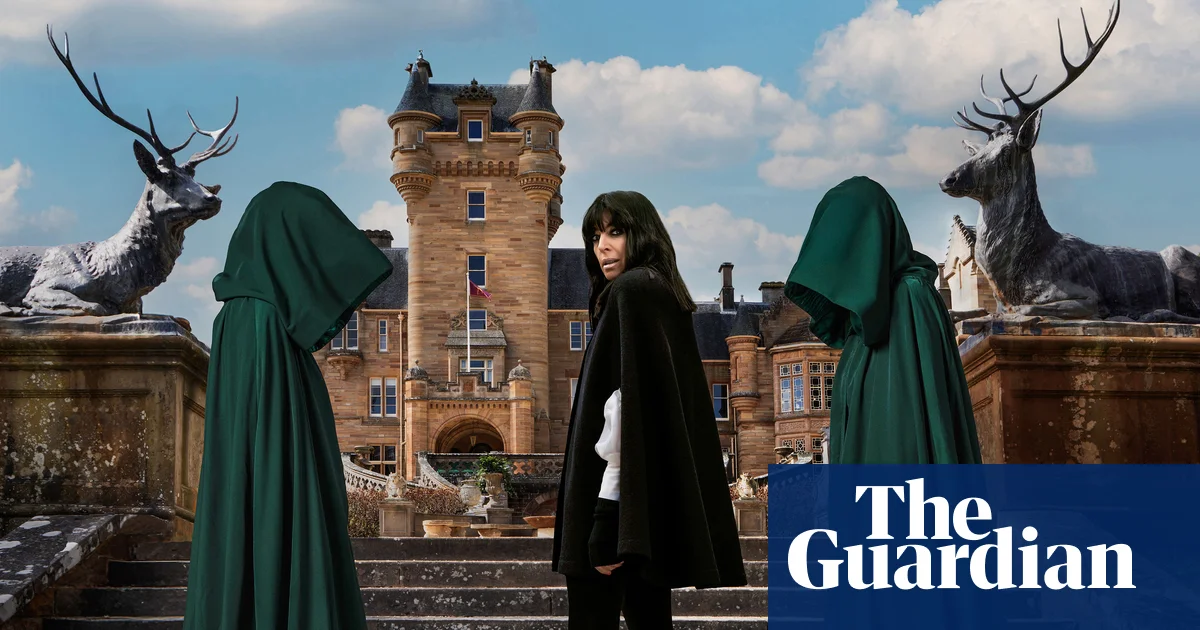
This trend isn’t just about aesthetics; it’s reshaping the social fabric of Halloween. As influencers like Claudia Winkleman showcase DIY accessories—snipping old gloves or layering eye makeup—young people are redefining what it means to participate authentically. The iconic “incognito mode”— Leo DiCaprio’s face-covering at a Venice wedding—embodies this desire to balance social spectacle with a curated sense of mystery, pushing the boundaries of traditional costume conventions. Meanwhile, comfort and humor reign supreme with options like wrapping oneself in a sleeping bag as a “Demon Hunter” or going retro with 2000s-inspired fashion staples—think boat shoes and baggy jeans—reminding us that even throwbacks can amplify current cultural conversations.
Ultimately, the next question we should be asking is whether this rapid, socially charged approach to Halloween costumes signals a deeper shift in youth culture. Are we witnessing the emergence of a new form of digital-era storytelling—where costumes serve as semiotic short-cuts and social commentary—destined to influence fashion, media, and social activism beyond October 31? As trends continue to evolve at breakneck speed, one thing is clear: Halloween’s cultural impact extends far beyond candy and costume contests. This is a reflection of a generation that’s increasingly savvy, strategic, and willing to use their appearance as a canvas for expressing complex societal narratives. The next big challenge? Deciphering how far this desire for meaningful, quick-witted self-expression can take us in shaping tomorrow’s cultural landscape.