Matox News

Truth Over Trends, always!

Top Meta Glasses of 2026: Ray-Ban, Oakley, and the Future of AR Tech

Meta’s Oakley Meta HSTN: Disrupting Wearable Tech Market with Innovation & Disruption

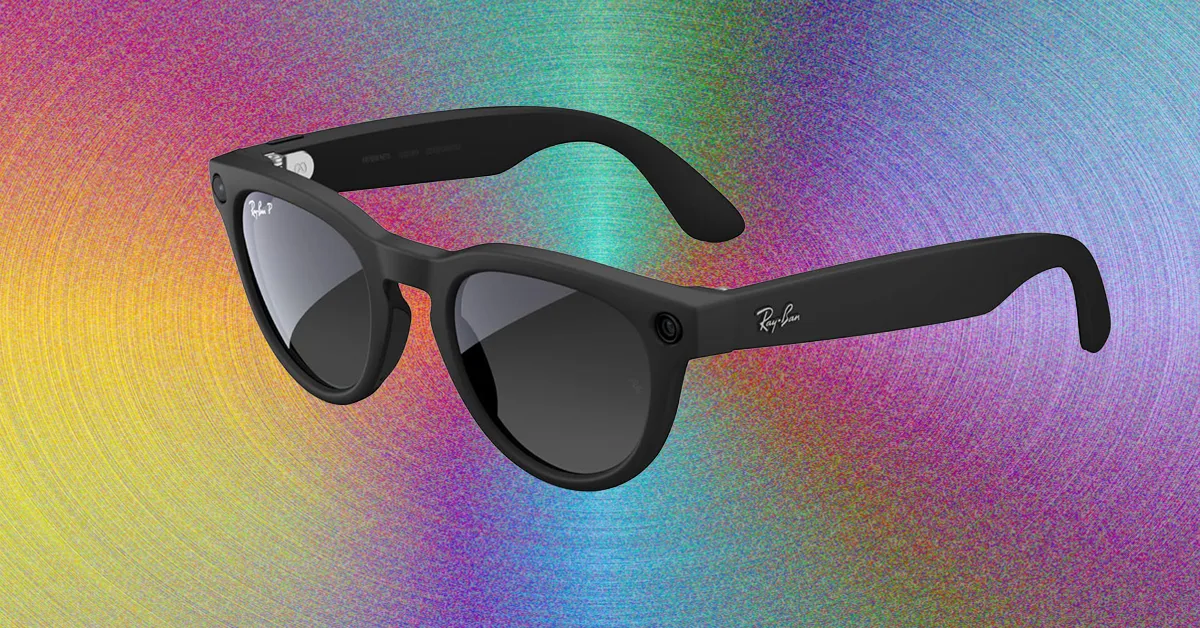
In a bold move that exemplifies the relentless push for innovation in wearable technology, Meta has unveiled a new line of high-performance smart glasses—the Oakley Meta HSTN. These devices are not just another iteration of augmented eyewear; they represent a strategic disruption targeting outdoor enthusiasts, athletes, and social influencers alike. By seamlessly integrating with platforms like Strava and Apple Music, Meta is demonstrating that the future of wearable technology hinges on robust ecosystem integration—an essential for capturing consumer loyalty in an increasingly competitive landscape.

Meta’s move signals a clear industry shift, emphasizing versatility and immersion in outdoor and sports activities. The Oakley Meta Vanguard smart glasses, introduced last year, are designed as multifaceted devices—combining high-end sports sunglasses, workout headphones, and even action cameras. Unlike traditional devices constrained by single-functionality, these glasses embody the ongoing trend of disrupting standalone device markets. Analysts from Gartner emphasize that such convergence of functionalities can redefine consumer expectations, forcing incumbents to innovate or risk obsolescence. The Vanguard’s innovative camera placement—on the bridge of the nose—eliminates fisheye distortion, signaling Meta’s focus on enhanced user experience through technical refinement.

The business implications are significant. As Meta continues to craft devices tailored for athletes, content creators, and influencers, the market approach appears to favor disruption through high-end hardware paired with intelligent AI integration. Features like auto-capture enabled via Garmin watches showcase an emerging trend: smart devices that automate and streamline content creation, empowering users to produce professional-quality material effortlessly. This convergence creates an ecosystem where hardware and AI work symbiotically—a strategy that none of the Big Tech companies previously masterfully executed at this scale. Such innovations threaten traditional camera and audio markets and signal new revenue streams rooted in subscription services, platform lock-in, and data monetization.

Looking forward, industry leaders like Elon Musk and Peter Thiel are watching this evolution closely, recognizing that the integration of AI and hardware is fundamentally transforming consumer behavior and commerce. MIT researchers have highlighted how these disruptions accelerate adoption of AR/VR workflows, with Meta’s advancements setting a new benchmark in wearable tech design and functionality. Time is now for competitors to adapt or face being left behind. As the race for dominance in smart wearables intensifies, the real question is how fast these innovations can scale and integrate into our daily lives—raising both opportunities and urgent calls for strategic agility within the tech sector.

Stella McCartney Teams Up with H&M on Eco-Friendly Collection: Fashion with a Conscience for the Next Generation

The fashion industry has long been criticized for its environmental footprint, but recent collaborations are shifting the narrative toward embracing sustainability without sacrificing style or social relevance. The latest buzz comes from Stella McCartney, the iconic British designer known for her unwavering stance against leather, fur, and feathers. Now, she’s returning to the high street with a groundbreaking collaboration with H&M, set to hit stores this May. This partnership isn’t just about fashion; it’s a bold statement that environmentally conscious clothing can also be *affordable* and *trend-led*—a move that could fundamentally reshape who can participate in sustainable lifestyle choices.

McCartney’s collection exemplifies the blurring of societal and cultural boundaries in fashion. Her line features iconic pieces such as a “Rock Royalty” T-shirt—an homage to her 1999 Met Gala look and her father, Paul McCartney—that retails at just £37.99, a stark contrast to her mainline pieces that often cost over a thousand pounds. This affordability signals a deliberate shift aimed at democratizing sustainability. The collection also offers a high-street twist on her eco-friendly designs, including tailored blazers and trousers made from wool meeting responsible wool standards and vegan accessories crafted from recycled polyamide. As McCartney herself states, “This is not the cheapest of the cheap because there is a price that comes with doing anything good,” but her goal is clear: to make sustainability accessible, especially for the youth who are increasingly demanding brands that align with their values.

The Cultural and Social Impact

The collaboration underlines a profound shift in consumer behavior, especially among younger demographics. Influenced by social media icons and thought leaders who champion eco-conscious lifestyles, this generation is actively seeking out brands that reflect their values. Analysts highlight how influencers such as fashion-forward TikTok creators and Instagram personalities are amplifying sustainable trends, pushing brands like H&M to reevaluate their approach. Critics, however, remain skeptical, citing claims of greenwashing—particularly because H&M’s fast-fashion model produces a staggering 3 billion garments yearly. Nevertheless, Stella McCartney’s involvement lends credibility and pushes the industry toward authentic change, encouraging consumers to demand transparency and authenticity.

Beyond fashion itself, this partnership reflects a larger societal trend: an embrace of responsible consumption. McCartney’s emphasis on transparent tags indicating material sources and her use of recycled glass beads or plastic derived from vegetable oil shows a committed effort to educate consumers. The collaboration’s social relevance is undeniable; it advocates for environmental stewardship while simultaneously creating a platform for youth to participate in meaningful conversations about climate change and ethical fashion. While critics point to ongoing issues such as garment dumping in Ghana and alleged misleading environmental scores from brands like H&M, the reality remains that these efforts are part of a broader movement to hold the industry accountable.

The Future of Sustainable Fashion

As this trend gains traction, the next question becomes increasingly urgent: can fast fashion truly be sustainable? The collaboration between McCartney and H&M exemplifies a pivotal moment—where accessibility meets environmental responsibility. But it also raises the question of whether these partnerships are enough to catalyze systemic change or simply serve as a veneer for ongoing industry practices. The real challenge lies in transforming not just consumer choices but in reimagining the entire supply chain and production model. Ultimately, this shift in attitude—driven by the youth’s desire for more ethical and sustainable lifestyle options—may be the catalyst that revolutionizes the future of fashion itself. Can the industry sustain this momentum, or will it settle into another cycle of greenwashing? The answer holds the key to understanding whether sustainable fashion is truly here to stay or just a transient trend in a rapidly changing world.

Fact-Check: Viral claim about fashion trend accuracy assesses true or false.

Fact-Check: Did Simon Whiteley Use Cookbooks to Create the Coding Effect?

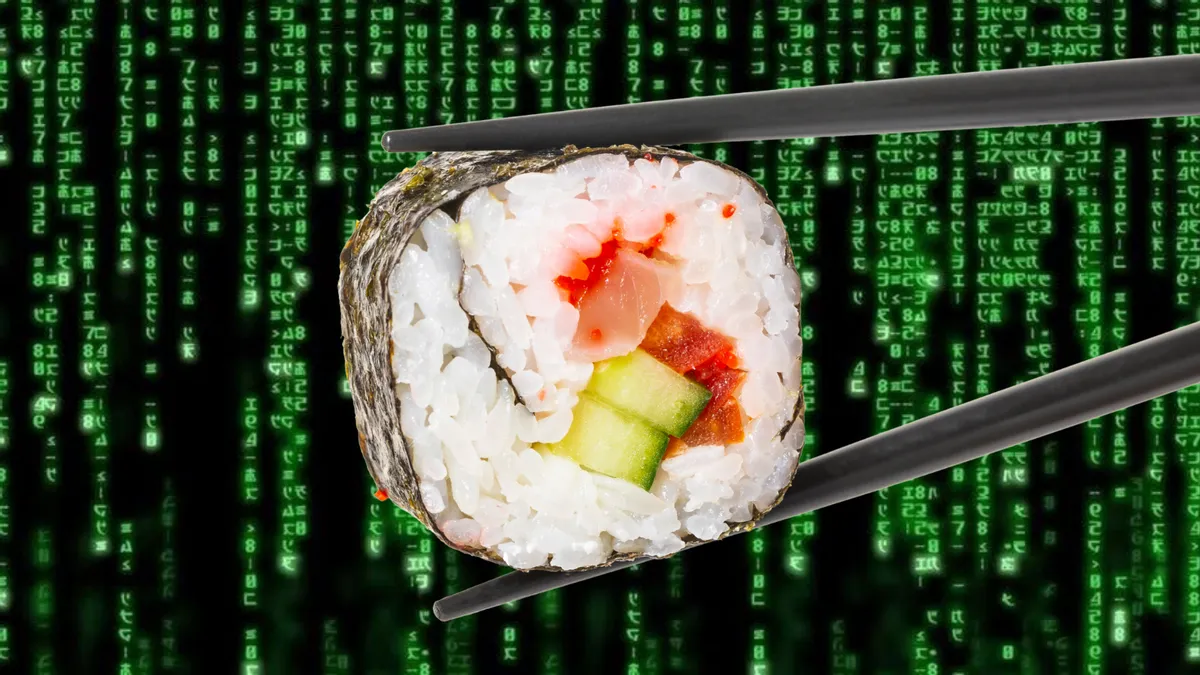
Recently, a claim has circulated online suggesting that Simon Whiteley, the code designer for the beloved film, The Matrix, crafted the iconic “green code” visual effect by scanning characters from his wife’s Japanese cookbooks. This story, while intriguing and adding a touch of literary charm, warrants closer scrutiny to determine its factual accuracy. As responsible citizens and consumers of media, it’s crucial to separate verified facts from alluring myths.

Examining the Origins of the Story

The claim appears to originate from anecdotes shared by The Wachowskis, creators of the film, and Whiteley himself. Reports indicate that the visual effect of the digital rain — cascading green symbols — was inspired by real Japanese characters. However, whether the design was directly created by scanning from cookbooks or whether this story is an embellished account remains in question.

Whiteley’s own explanations and interviews collected by VFX industry sources suggest that, while Japanese characters served as inspiration, the actual process was far more technical and involved digital design techniques rather than simply copying characters from cookbooks. Indeed, interviews with the film’s visual effects team indicate that the code was generated via digital overlays using custom software designed expressly for this purpose, rather than through a straightforward scan of printed material.

Technical Process Behind the Iconic Code

The process of creating the falling code effect involved:

  • Designing characters that evoke East Asian scripts but are not actual readable text.
  • Digitally generating these characters to produce a seamless rain-like animation.
  • Employing software to manipulate the code’s movement, density, and appearance, ensuring it fit the film’s aesthetic and thematic goals.

According to visual effects supervisor Jon Farhat, “The code was crafted digitally with input from linguists and graphic designers, to encapsulate the idea of information flowing in a cloaked, mysterious way.” This suggests a deliberate digital design rather than a mere scan of existing text source material.

Were the Characters From the Wife’s Cookbooks?

The specific claim that Simon Whiteley used characters from his wife’s cookbooks is rooted in a story Whiteley himself has recounted. He stated that he was inspired by Japanese script, specifically noting that some of the characters used in the digital rain were taken from his wife’s cookbooks on Japanese cuisine. However, in the context of animation and visual effects, this can be understood metaphorically as inspiration rather than an exact replication process.

Experts in Japanese language clarify that while cookbooks contain authentic Kanji characters, those used for visual effects in film are typically stylized or morphed to serve the aesthetic rather than represent meaningful language. Therefore, the assertion aligns with a creative process inspired by real characters but not digitally reproducing text from cookbooks line-by-line.

Fact-Checking the Core Claim

Based on the evidence, the following points emerge:

  • The story that Simon Whiteley scanned characters directly from his wife’s cookbooks is plausible as an inspiration, but not entirely accurate as a technical explanation of how the visual effect was created.
  • The actual digital rain effect was generated with sophisticated computer graphics and software designed specifically for the film, rather than a simple scan-and-reuse methodology.
  • Expert statements reinforce that while real Japanese characters influenced the design, the iconic symbols in the film are stylized and generated, not literal text directly copied from printed cookbooks.

The Importance of Truth in Media Narratives

In a digital age where sensational stories spread rapidly, it’s vital to ground our understanding in verified facts. The claim linking Simon Whiteley’s design process to copying material from cookbooks oversimplifies and romanticizes the technical craft behind one of cinema’s most iconic visuals. Transparency about the creative process helps preserve trust in the arts and informs audiences about the craftsmanship involved in filmmaking.

Ultimately, truth is the backbone of an informed citizenry. As viewers and digital citizens, we must distinguish compelling storytelling from factual accuracy — a responsibility that supports a healthy, functioning democracy and respect for responsible creativity.

Why Rocking Traditional Style Is the Ultimate Bold Statement in Today’s Culture | Fashion

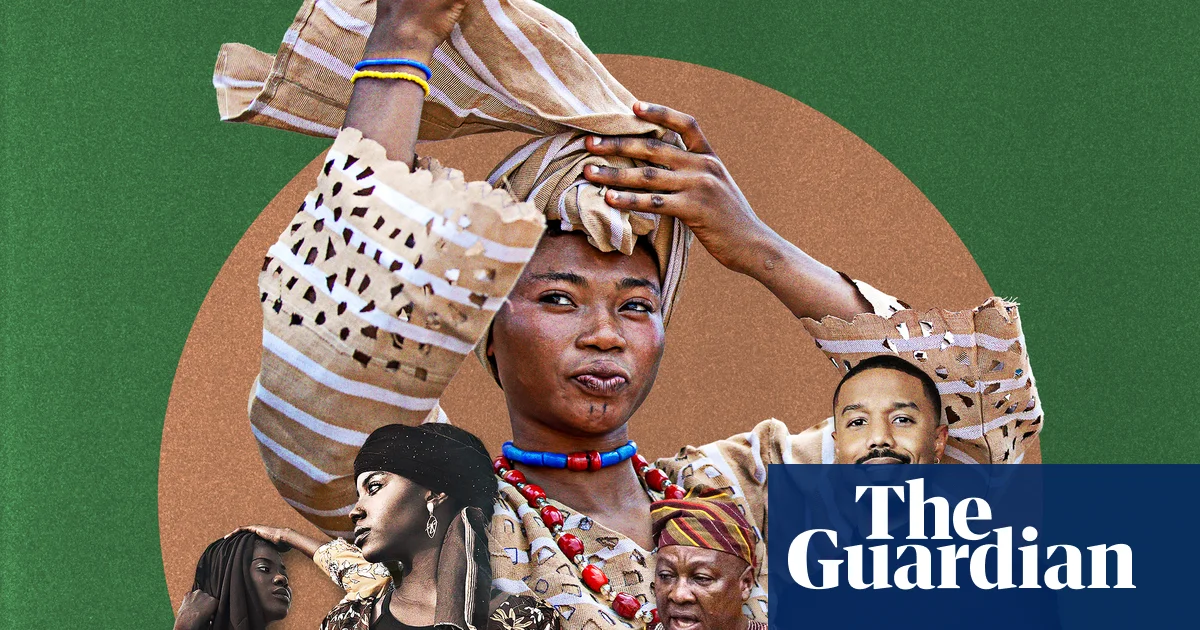
In a world increasingly shaped by fast-paced global trends and digital influences, a fascinating cultural revival is quietly underway across Africa and among diaspora communities. This movement centers around the re-emergence and celebration of traditional attire, which, despite facing some criticism and misunderstood perceptions, is gaining momentum as an expression of identity and social relevance. Recently, such discussions gained media attention after Ghanaian President John Dramani Mahama was seen donning the fugu, a vibrant patterned smock, during a state visit, sparking both mockery and a broader conversation on the significance of cultural clothing in modern society.

This incident led the Ghanaian government to declare every Wednesday as “Fugu Day”, turning what was initially light-hearted mockery into a national movement. This phenomenon reveals a deeper societal undercurrent — that *wearing traditional dress* is not just about fashion but about anchoring oneself in heritage, asserting cultural pride, and challenging the misconception that tradition equals primitiveness. From Nigeria, Sudan, Morocco, to Senegal, traditional garments like the galabeya, kaftan, and dashiki are transforming fashion norms by blurring the lines between heritage and contemporary style, especially among youth and influencers who are redefining what it means to be culturally authentic in today’s world.

Among younger generations, particularly those living in the diaspora, traditional dress is experiencing a **complex shift**. While some embrace their cultural garments openly, others see them as symbols of old-world association or even stereotypes, which has fueled a form of dress-code ambivalence. As sociologists note, there exists a social divide: older generations view traditional attire as an essential part of their identity, whereas *the younger diaspora* often perceives these garments as *out of place* or even a marker of alienation from Western norms. Yet, paradoxically, dynamic influencers and designers are turning this narrative on its head, promoting traditional clothing with contemporary cuts, sustainable fabrics, and bold prints, positioning it squarely as a *trend that’s both authentic and fashion-forward*.

Notable figures like Michael B. Jordan sporting dashikis on red carpets exemplify how traditional aesthetics can be seamlessly integrated into the Western fashion scene, challenging the long-held notions of what ‘acceptable’ dress entails. Meanwhile, *cultural commentators and fashion analysts* argue that the rise of traditional wear is a form of *cultural resistance*—a statement of independence against the dominance of synthetic, muted palettes that often dominate Western fashion. As these garments regain prominence, questions swirl around the **social relevance** of dress codes that once divorced cultural symbols from everyday life. Now, traditional attire is being *mainstreamed* into youth culture, social media campaigns, and even political statements, fueled by influencers, musicians, and creatives who advocate for *authenticity over assimilation*.

However, amidst this wave of cultural resurgence, the **next big question** looms: Will this embrace of traditional dress lead to a more profound societal shift toward *cultural pride and diversity*, or is it just another trend that will fade into the digital ether? Or perhaps, as some sociologists suggest, it is pointing to a future where *multiple identities are not mutually exclusive* but coexist as part of a broader, more inclusive cultural narrative. As we witness this lively dance between tradition and modernity, one thing remains clear — the future of fashion and identity lies in whether we choose to *celebrate our roots* or risk losing sight of what makes us distinctly cultural beings.

Jess Cartner-Morley on Fashion: Primary Colors Are Back — But Styling Them Like a Pro Isn’t Child’s Play

Colorful Revival: The Bold, Bright Trend Shaping Youth Fashion

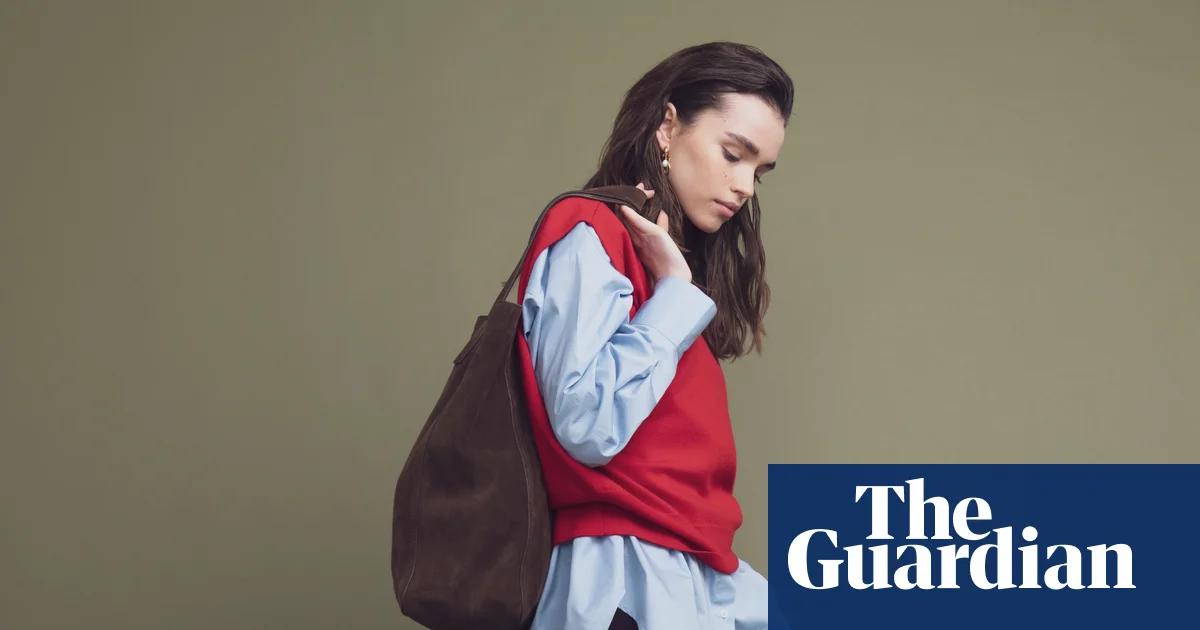
In a world where fashion often mirrors societal shifts, the recent resurgence of primary colors signals a fascinating shift in social attitudes toward self-expression and authenticity. Moving away from a decade-long dominance of muted tones like navy, grey, and black, the latest runway shows and street style icons suggest that bold, uncomplicated hues are leading the charge. High-profile designers at Paris Fashion Week, including Celine and Loewe, showcased ensembles that celebrate eye-catching shades—think blue and red rugby shirts, yellow trench coats, and vibrant, pop-art inspired dresses. This shift not only sticks out visually but carries significant cultural weight, symbolizing a desire for confidence and clarity in a complex world.

What makes this color revival particularly compelling is its social relevance. Fashion analysts note that these striking hues act as visual *loudspeakers* of authenticity, especially among younger demographics seeking to stand out amidst digital noise. Influencers like Camila Coelho and Emma Chamberlain have embraced this palette—pairing bright skirts with crisp white shirts or eye-popping knits with denim—to create looks that are both accessible and aspirational. Experts like sociologist Dr. Liam Carter observe that monochrome minimalism has evolved into a desire for “visual vibrancy and genuine self-representation,” with color becoming a tool to express individual identity without overcomplication.

Tricks of the Trade: How to Wear Bold Colors with Style and Subtlety

While runway designs lean into pure simplicity, translating this trend into everyday fashion requires a bit of finesse. Stylists recommend using neutral or denim tones to temper bright hues. For instance, wearing a luminous red knit with classic jeans provides a perfect balance—you enjoy the statement look without it feeling overwhelming. Texture also plays a major role: a blue brushed mohair or yellow rich crepe can make bold color appear more grownup and refined. Accessories offer an easy way to dip into this trend; chunky earrings with interesting hardware or oversized belts in primary shades can add flair without overcommitting. The key is scale and confidence, as expert stylists emphasize that shaped, confident silhouettes in primary colors command presence, transforming what might seem “shouty” into a deliberate style choice.

From streetwear to high fashion, the social relevance of this color comeback extends beyond aesthetics, challenging perceptions of what “dressed up” or “bold” actually means. As society becomes increasingly fragmented and digital communication more vibrant, fashion’s embrace of simplicity in color—yet boldness in intent—signals a push for authenticity and visibility. However, the question remains: how long can this trend sustain itself before it morphs into a new phase? Will the next iteration bring a return to muted refinement, or does the current movement signal a permanent shift towards color as a core element of self-expression? The landscape of youth fashion, it seems, is at a pivotal crossroads, asking us to consider whether the future of style is about blending vibrancy with purpose or embracing a perpetual cycle of change.”

Prada Keeps It Real: Unveiling Bold New Layers at Milan Fashion Week

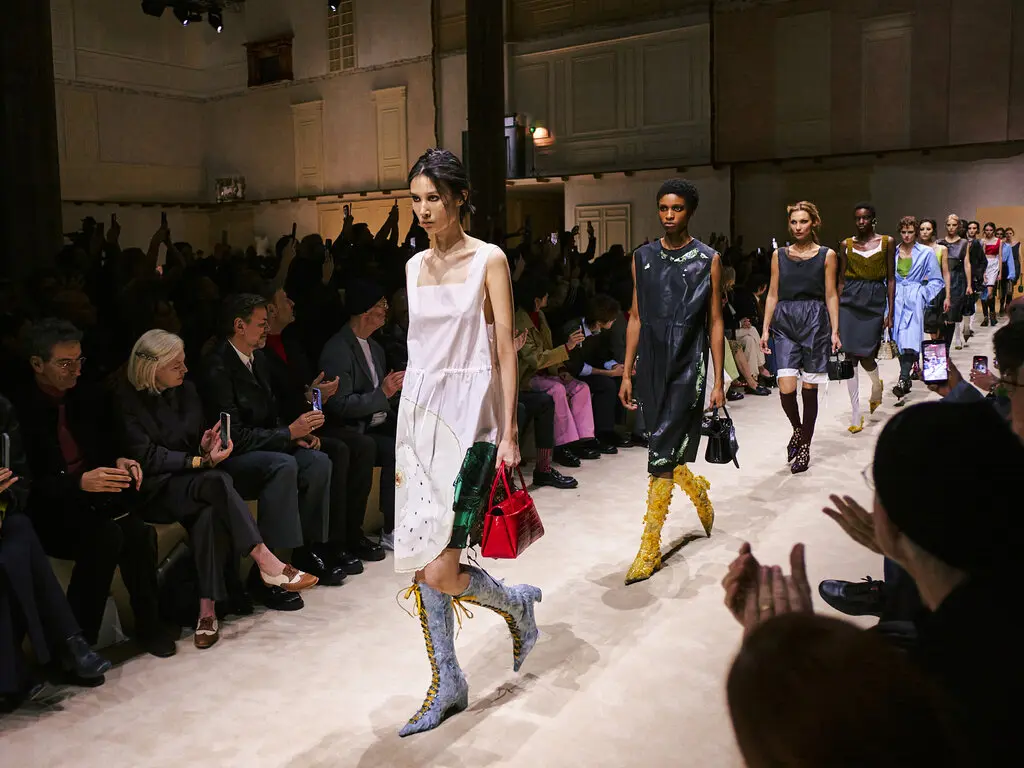
As Milan Fashion Week continues to be the epicenter of cutting-edge style and innovation, Prada set a compelling tone this season with a collection that speaks not just to aesthetics but to the evolving lifestyle shifts affecting our generation. The show was a masterclass in layering, transformation, and reinvention, echoing broader cultural currents that emphasize personal expression through fluid, adaptable fashion. Each model’s walk was akin to shedding an old skin and emerging anew—symbolic of a society increasingly embracing renewal and individuality.

The concept of layering in Prada’s collection transcends traditional fashion boundaries. It invites young people to view their wardrobe—and by extension, their identity—as a canvas for ongoing reinvention. Such runway theatrics are reflective of a cultural push toward wellness and self-care, where minds and bodies are cultivated through a conscious assembly of styles that empower. Influential voices like Dr. Mark Hyman and Tim Ferriss have championed this flexible approach to wellness, encouraging a lifestyle that evolves in sync with personal growth. Prada’s runway serves as a reminder that fashion can be both a statement of personal sovereignty and a tool for navigating the complex layers of modern life.

This emphasis on layered self-expression aligns with a broader movement among youth toward embracing holistic wellness—mind, body, and soul. More young individuals are seeking to craft their environments and routines to foster resilience and authenticity, much like the runway’s dynamic shifts. Travel tips for the modern explorer suggest focusing on versatile, high-quality pieces that serve multiple purposes and reflect a personal impact: better health, increased leisure, and inspiration. Whether it’s visiting bustling metropolitan hubs like Milano or carving out time for mindful practices, today’s youth are rewriting the fashion and wellness playbook based on _adaptability_ and _self-awareness_.

  • Prioritize **quality over quantity** for a wardrobe that adapts with your changing needs.
  • Explore **cultural hotspots** as sources of inspiration for both style and personal growth.
  • Embrace **mindful routines**—from meditation to active leisure—to foster holistic well-being.

Ultimately, Prada’s runway isn’t just about leather and fabric; it’s about embracing the journey of self-discovery. Fashion becomes a lens through which we see our capacity to shed old limitations and emerge resilient, vibrant, and ready for the next chapter. This attitude reflects a culture that values not just superficial trends but the **genuine evolution** of the individual. As we navigate personal and societal layers, the overarching message is clear: lifestyle is an ongoing journey of layered transformation. In an era marked by rapid change, the pursuit of authenticity and wellness remains the most stylish statement of all.

Royal Style on the Rise: How Trendsetting Royals Are Redefining Classic Fashion for the Next Generation

Royal Fashion: The Subtle Weapon of Power and Social Signaling

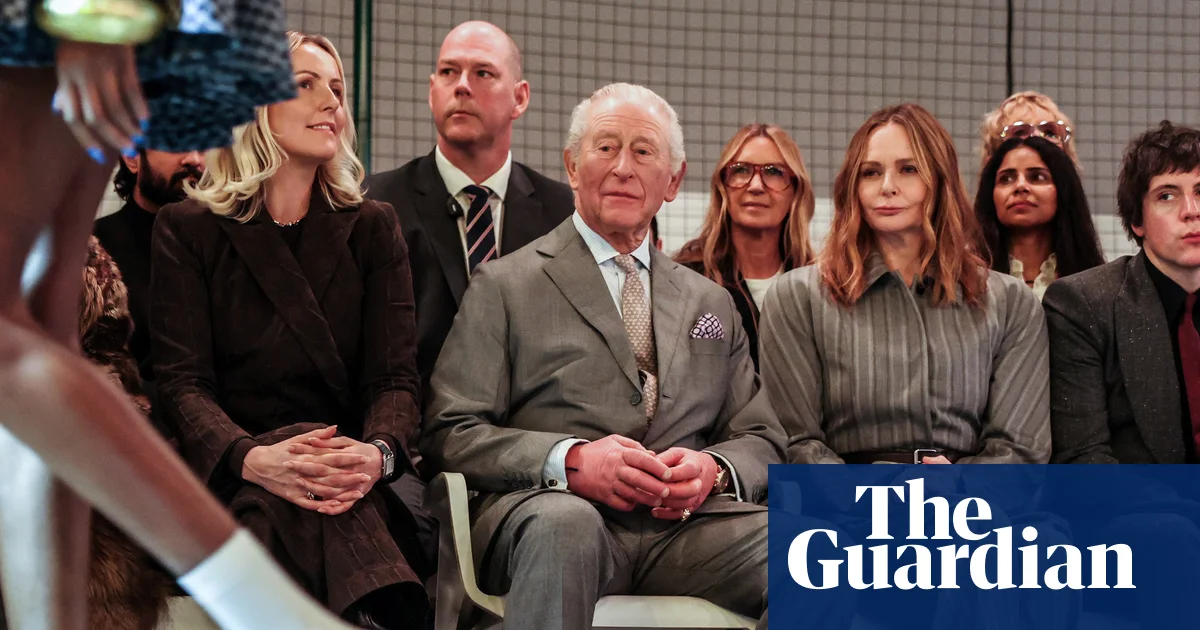
In today’s ever-evolving social landscape, the British Royal Family continues to master the art of dress diplomacy, turning clothing into a potent tool of soft power and cultural influence. While to many their attire might seem like mere tradition or personal style, seasoned analysts like sociologist Dr. Emily Carter argue that the royal wardrobe is a carefully curated narrative device. From King Charles’ British bespoke suits signaling resilience in turbulent times to Princess Catherine’s conscious sustainability choices, royal fashion remains an unspoken language of authority, ethics, and political messaging. It’s an elegant, yet deeply strategic tapestry woven with each carefully selected garment, shaping societal perceptions in subtler ways than any speech or policy could achieve.

Historically, as Justine Picardie notes in her insightful book, Fashioning the Crown, the house of Windsor has wielded fashion as an “instrument of crisis management.” The deliberate choice of attire during pivotal moments—such as Queen Elizabeth II’s wardrobe reforms during the post-war era, or her 2017 colour choices during Brexit debates—illustrate how style functions as situational signaling. When the Prince and Princess of Wales recently appeared in coordinated burgundy velvet at the Baftas, it was dubbed “Pantone diplomacy” by the New York Times. Their outfits symbolized unity and steadfastness—not just fashion statements but social messages of resilience amid the family’s ongoing public scrutiny. Such sartorial signal-coding demonstrates an incredible level of social relevance, as it subtly reinforces the monarchy’s endurance and moral stance amidst crises.

The growing recognition of fashion as “dress diplomacy” underscores an expanding cultural trend. On official visits to countries like New Zealand and Ireland, members of the royal family thoughtfully adopt local symbols—Princess Catherine’s fern-embellished dress or her repeatedly red-and-green ensembles during international outings—further confirming how clothing becomes a language of nationhood and cultural respect. The impact of these choices extends beyond mere aesthetics, shaping national identities and fostering diplomatic goodwill. This strategy, as Picardie observes, is rooted in a long-standing tradition: Elizabeth II, with her famously scrutinized hat choices and her subtle symbolism through brooches, understood how visual iconography could serve as a form of diplomacy and political messaging. Today, her successors continue to refine this craft, ensuring that each outfit maintains social relevance and underlines their role within national narratives.

As royal fashion evolves and the younger generation asserts some independence, questions arise about the future of this coded communication. Will the royal family’s clothing choices become even more transparent and communicative in the age of social media, where every outfit can be dissected and critiqued instantly? Or are we witnessing a shift where fashion’s social and political messages will be replaced by more transparent, direct communication? The next big question for cultural observers and social theorists is whether this “dress diplomacy” will adapt to the digital age—perhaps leaning into influencer-driven, transparent fashion statements or remaining a meticulously guarded tradition. Whatever the future holds, one thing remains clear: the royal wardrobe is not just about elegance; it’s a vital part of the cultural chess game, and understanding it might hold the key to deciphering the subtle power plays shaping our society.

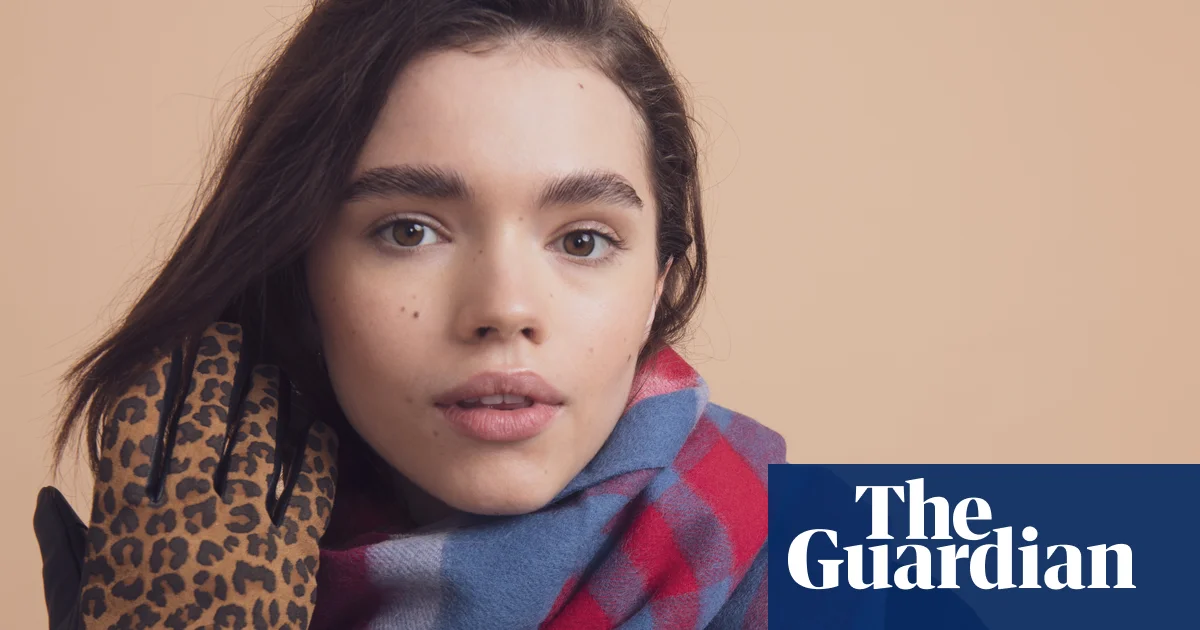
Jess Cartner-Morley on fashion: Power up your winter look with bold accessories that showcase your style

How Winter Accessories Are Redefining Style and Social Relevance for Young Trendsetters

As the chill of winter sets in, many young people are discovering that the true power of cold-weather fashion lies beyond the basics of bulky coats and sturdy boots. In fact, a new shift in behavior is quietly underway—one that elevates accessories like scarves and gloves from simple functional items to essential expressions of personality and cultural identity. This shift reflects a broader societal move towards embracing individuality and creativity even when practicality demands uniformity. Influencers, stylists, and sociologists are tracing this evolution, noting that today’s youth are using these often-overlooked details to make bold statements, challenge norms, and reconnect with a sense of personal warmth amid the urban cold.

Think about the timeless appeal of a personality scarf. It’s no longer just about keeping warm; it’s about making an intentional style choice. Oversized, vibrantly colored, tied in bows, or looped with flair—all serve as a “cherry on top” that signals confidence and individuality. It’s a way for young trendsetters to express themselves unapologetically, reinforcing the idea that what you wear on your neck or hands can have social relevance. More than a fashion statement, this practice fosters a sense of community among those who see these accessories as a form of silent rebellion against the monotony of winter uniformity. As influencers ramp up their styling videos, and fashion-critical sociologists emphasize the importance of self-expression, accessories are becoming more than just utility—they are cultural statements in their own right.

Meanwhile, the social impact of this accessory renaissance is palpable. During major moments in recent history—such as Michelle Obama’s iconic inauguration outfit—accessories played a pivotal role in conveying relatability and authenticity. Her carefully chosen scarves and gloves, subtly contrasting with her elegant ensemble, showcased that fashion could be both functional and meaningful. These details told stories of hope, resilience, and identity—lessons that resonate strongly with young audiences seeking genuine connection in their style choices. Today’s youth are channeling this approach, pairing unexpected colors and details that challenge “safe” fashion norms. This movement shifts the focus from fast fashion to fostering a personal narrative through accessories, cementing their social relevance as tools for identity-building, especially in an age where visual communication is king.

Stylists and fashion analysts agree that embracing these accessory trends isn’t just about aesthetics—it’s about confidence in a climate that often feels impersonal and disconnected. From chic gloves in oxblood or soft green to looped sweaters doubling as scarves, every element becomes part of a larger storytelling canvas. As simple as tying a scarf in a bow or adding a brooch, these choices allow young people to set themselves apart. With coats and boots often standardized, accessories become the playground for individual style, the bits of wardrobe that enable flexible expression. The next big question looming in this evolution is whether this accessible form of self-expression can sustain its social power, or if it will become just another fleeting trend in the fast-paced world of fashion. As society continues to navigate a landscape of shifting norms and digital influence, the future of winter accessories may hold surprising shifts—where even in the coldest seasons, the hottest style conversation remains firmly rooted in the choices we make just above our collarbones.

Alta Teams Up with Public School to Bring Sharp Styling Tools to Your Favorite Sites

Revolutionizing Fashion with Virtual Reality: Alta Sets the Stage for Industry Disruption

In a bold move demonstrating the transformative power of artificial intelligence (AI) and virtual environments, Alta, an innovative tech startup founded by Jenny Wang, is carving a niche at the intersection of fashion and digital innovation. Having secured an $11 million funding round led by Menlo Ventures, Alta is pioneering a virtual closet ecosystem that allows millions of users worldwide to create digital wardrobes, style outfits, and try them on using hyper-realistic avatars. This disruption is not merely a flashy display of technology—it’s a strategic overhaul of how consumers interact with brands, heralding a new era where digital and physical shopping converge seamlessly.

The business implications are profound: traditional retailers are facing mounting pressure to adapt to these rapid technological shifts. Alta’s collaboration with industry heavyweight brands such as Public School exemplifies how established designer names are embracing AI-driven storytelling and immersive customer engagement. As Wang highlights, the company’s app has already generated over 100 million outfit simulations since its 2023 launch, attracting attention from publications like Time and Vogue—a clear marker of mainstream industry recognition. This datastream signals a pivotal shift towards personalization and immersive shopping experiences, compelling brands to rethink their digital strategies if they are to stay competitive.

What makes these developments standout is the integration of digital fashion with e-commerce platforms. Alta’s platform now features interactions with thousands of brands, providing a direct avenue for consumers to style, test, and purchase fashion items within a unified AI-driven environment. Notably, the recent integration with Public School signifies a major milestone—marking the first time a high-profile designer embeds a fully personalized avatar styling tool directly into its website. This innovation fundamentally alters the consumer journey: shoppers can now style pieces on their Alta avatar directly from brand pages, removing friction and increasing engagement. Such features signal a future where digital try-ons become standard, shifting power away from brick-and-mortar stores and into the hands of data-driven, digitally native brands.

Looking ahead, industry analysts from Gartner and MIT suggest that these must-have technologies will influence broader retail strategies across sectors, blurring the lines between digital entertainment, social media, and commerce. As The Economist warns, the rapid adoption of avatar personalization and AI-enhanced storytelling could lead to “industry disruption on a scale comparable to the advent of online shopping itself.” For entrepreneurs, investors, and established players alike, the message is clear: embracing virtual innovation is no longer optional—it’s imperative for survival. The next wave of tech-driven fashion brands will leverage these tools to personalize experiences at scale, fostering loyalty and unlocking new revenue streams.

In this swiftly evolving landscape, Alta and its peers are setting the pace for a future where virtual identities, AI, and digital fashion not only disrupt but redefine consumer interaction. With investments pouring in and visionary brands like Public School actively integrating these innovations, the race is on to harness these breakthroughs at an industry-wide level. For those who ignore these signals, the risk is clear: being left behind as the digital revolution in commerce accelerates at a relentless pace. The future of retail is digital, personalized, and undeniably disruptive—those who adapt today will dominate the markets of tomorrow.

Ralph Lauren, the U.S. style icon and poet of fashion, kicks off New York Fashion Week with signature swagger

Once heralded as the poet laureate of American style, Ralph Lauren has long held an iconic place in the pantheon of fashion legends. His brand emerged during the gilded era of the 1980s and 1990s, embodying an America of sportsmanship, vigor, and prosperity—think polished golf courses, classic baseball caps, and the timeless charm of a well-pressed shirt. Now, at the age of 86, Lauren is experiencing a remarkable renaissance, thanks largely to a societal shift that has seen the younger generation crave authenticity, tradition, and a sense of reassurance amid the chaos of today’s cultural landscape.

This resurgence isn’t just about nostalgia; it signifies a broader societal re-evaluation of societal values. Generation Z—those who grew up amid social upheaval, climate anxieties, and a new digital landscape—are turning away from the ultra-casual, street-styled wardrobe that once dominated youth culture. Instead, they are rediscovering the refined, preppy codes that Lauren made mainstream, such as knits, collared rugby shirts, and loafers. This shift reflects a craving for stability and *timeless elegance*—a visual reassurance that tradition and manners still matter. Fashion sociologists note that this return to classic American aesthetics is also an act of cultural reappropriation, reclaiming a sense of opportunity, optimism, and civility in an era often characterized by division.

Under the guidance of CEO Patrice Louvet, Ralph Lauren has harnessed this mood, translating it into a compelling social media-driven marketing strategy. The brand’s digital presence has helped it reconnect with a younger audience, many of whom prefer scrolling through TikTok or Instagram to traditional malls. The result? A consistent aesthetic that maintains familiarity—roughly 70% of products remain similar year after year—yet feels fresh and relevant. From the iconic quarter-zip sweater to the re-embraced loafers, Ralph Lauren’s products embody a tailored sense of American pride. High-profile endorsements from Taylor Swift and Olympic athletes, along with viral campaigns like “Ralph Lauren Christmas,” amplify this aesthetic, turning it into a cultural movement that resonates far beyond the fashion industry.

At the recent New York Fashion Week, Ralph Lauren showcased this aesthetic with grandeur, transforming a historic marble palace into a cozy, estate-inspired runway. Models strutted in velvet gowns, tailored evening suits, and layered casual-chic pieces, all designed to evoke the comforting yet aspirational lifestyle that connects the brand’s historical legacy with contemporary sensibilities. This was no ordinary show; it was a statement of how fashion can serve as a cultural anchor—offering beauty and stability in turbulent times. Meanwhile, the brand’s flagship store on Bond Street remains a hub for young consumers, where leather jackets might cost thousands, yet a coffee in the in-house café is just five pounds. Here, the synergy of luxury and everyday comfort becomes a social signature—affirming that high-end fashion isn’t just for the elite but can inspire a shared cultural identity.

Given this compelling cultural shift, the question now becomes: Is this revival of preppy Americana merely a fleeting trend or a fundamental redefinition of youth culture? As designers, sociologists, and marketers watch closely, a true revolution seems to be brewing—one built on nostalgia but rooted in a craving for authenticity, civility, and American optimism. In a world increasingly divided, fashion might just be the next frontier where youth find common ground——a mirror reflecting both the enduring American dream and the hopeful future that lay ahead. The next big question is whether this renewed appreciation for tradition will sustain itself or fade into mere trend hysteria. If history is any guide, it will be fascinating to see whether Ralph Lauren’s timeless signature continues to shape the cultural landscape, or if a new wave will rise, challenging the old guard in unexpected ways.

Social Media Auto Publish Powered By : XYZScripts.com