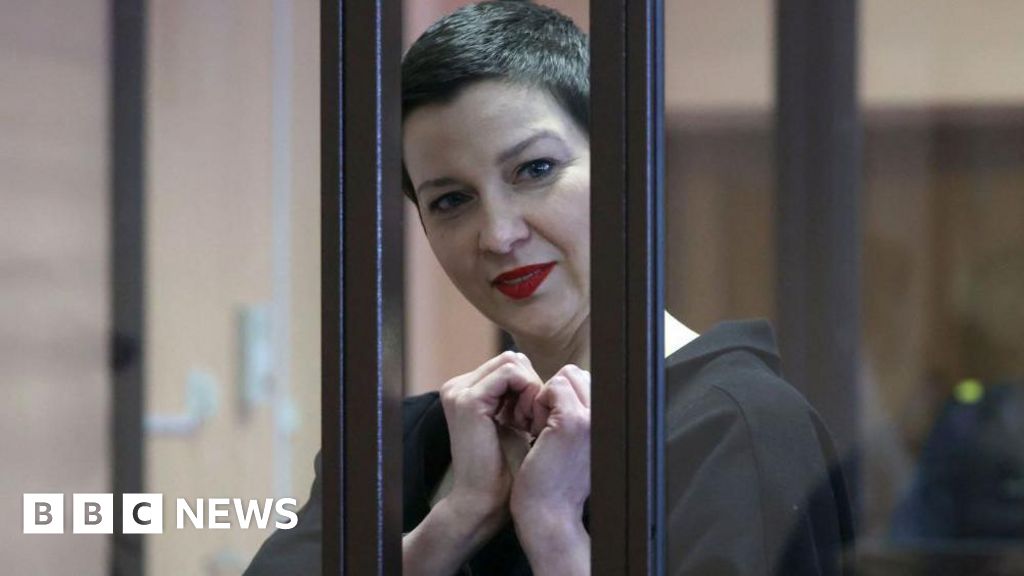
In a significant development that signals a potential shift in geopolitical dynamics, Belarus has released 123 prisoners, including prominent opposition figures such as Maria Kolesnikova and Nobel Peace Prize laureate Ales Bialiatski. This move follows an agreement with the United States to lift key economic sanctions, notably those targeting Belarus’s vital potash exports, which are crucial to the country’s economy and global fertilizer markets. The diplomatic negotiations, held in Minsk with US special envoy John Coale, mark an unusual departure from the longstanding Western policy of isolation and sanctions towards Minsk, and suggest a recalibration of international relations amid evolving regional priorities.
Historically, Belarus, under Alexander Lukashenko, has faced persistent international criticism, especially from the European Union, which does not recognize his presidency following contested elections in 2020 that sparked mass protests. Yet, the recent prisoner releases and the easing of sanctions reveal a strategic pivot by Lukashenko to re-establish economic ties and secure external support, despite internal repression and ongoing political repression. Analysts suggest that these moves serve to bolster the regime’s legitimacy and prepare Belarus for a more negotiated future, while Lukashenko’s government attempts to reframe itself as a pragmatic player in regional security, particularly amidst Russia’s expanding influence.
The geopolitical impact of this shift extends well beyond Minsk, especially in the context of the ongoing conflict in Ukraine. The US and its allies have long sought to isolate Minsk due to its close ties with Russia; however, recent developments involving Minsk’s negotiations with Washington and the potential offering of assistance in Ukrainian peace talks signal a more complex dynamic. The US has indicated that further sanctions relief could follow, a move that is likely to generate tension with European partners committed to maintaining pressure on Minsk for its role in Moscow’s regional ambitions. Notably, the cooperation with Lukashenko also comes at a time when Western powers are recalibrating their strategies, balancing sanctions with diplomatic engagement in pursuit of broader stability and peace.
The historical scrutiny from international bodies and geopolitical strategists underscores the significance of these recent developments. Historian and international analysts have debated whether this signals a genuine change in Belarus’s foreign policy or a tactical maneuver by Lukashenko to withstand pressure from domestic opposition and regional threats. Meanwhile, the United Nations and European Union are watching closely, aware that decisions made now will shape the trajectory of Eastern Europe’s stability for years to come. As the international community grapples with these shifts, one thing remains clear: the future of Belarus, Russia, and Ukraine’s borders is a chapter still being written, with each move adding new layers to a complex geopolitical puzzle. The unfolding story reminds us that history’s pen is never truly still, and that tomorrow’s outcome rests on today’s pivotal decisions—decisions that will echo across continents for generations.