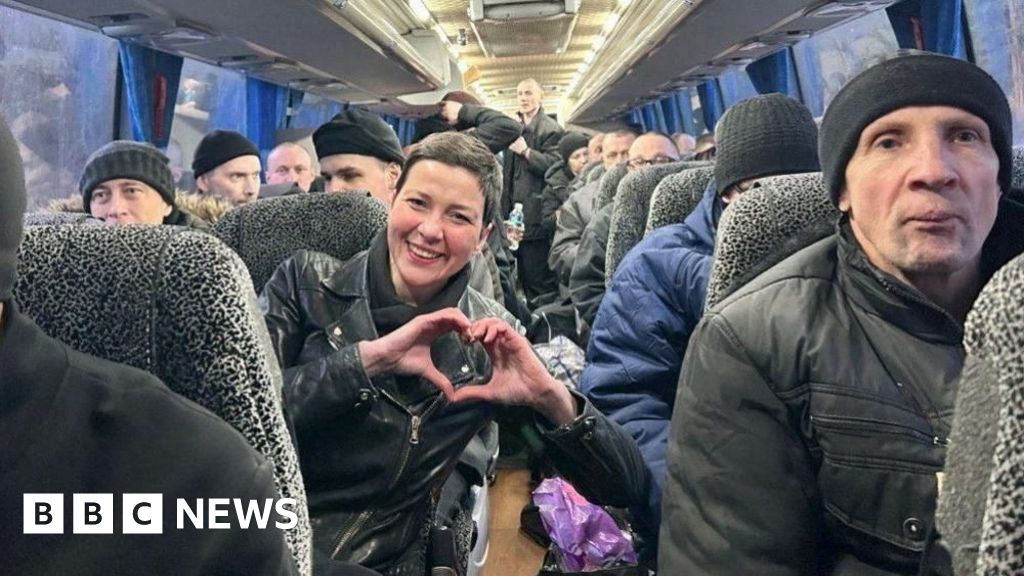
The recent release of 123 political prisoners from Belarus marks a significant, albeit complex, turning point in Eastern European geopolitics. After years of brutal repression under Alexander Lukashenko, the dictator whose grip on power has strained Belarusian society and alarmed Western democracies, this move signals a delicate shift in diplomatic engagement. Driven largely by intense negotiations led by the United States and facilitated through high-profile visits by envoys like John Coale, the prisoner releases seem to hint at a broader strategy—one aimed at softening Belarusian authoritarianism and re-establishing US influence in the region.
The Geopolitical Impact of the Prisoners’ Release
- First, this development alters the geopolitical landscape of Eastern Europe, where Belarus sits as a critical buffer zone between Russia and NATO member states. The release of opposition figures such as Maria Kolesnikova and Ales Bialiatski, who have long represented the resilient spirit of the Belarusian democracy movement, underscores a potential opening for reform—or at least a strategic diplomatic maneuver. Analysts emphasize that Lukashenko’s decision might be motivated less by genuine liberalization and more by diplomatic necessity, as he seeks to regain favor with the West and break free from international sanctions.
- Secondly, the softening stance affects how societies in Belarus and neighboring countries perceive resistance and authoritarian control. The emotional scenes of prisoners reuniting with families in Vilnius and Kiev serve as symbolic victories for activists, demonstrating that even in the shadow of repression, hope persists. However, critics warn that these releases could be carefully calibrated to contain dissent rather than dismantle Lukashenko’s autocratic machinery.
- Finally, this move is intricately tied to the ongoing conflicts surrounding Ukraine and Russia’s military ambitions. With Belarus as an active military partner of Moscow, any diplomatic thaw within Belarus could influence the wider security dynamics of the region. Significantly, the US’s engagement may be viewed by Moscow as a provocation or a sign of shifting loyalties, possibly prompting Russia to strengthen its military presence or diplomatic pressure.
How Decisions Shape Nations and Societies
The decision to release these prisoners is a nuanced calculation that goes beyond human rights advocacy; it exemplifies how international diplomacy directly influences national trajectories. As historians like Anne Applebaum suggest, every such move contributes to the evolving narrative of sovereignty and resistance in post-Soviet politics. The hope for many in Belarus is that this moment signals a genuine push toward reform, but the warnings from analysts remain clear—authoritarian regimes often use strategic gestures to mask deeper power consolidations.
Meanwhile, the societal ripple effects are profound. For the Belarusian opposition and its supporters worldwide, these releases bolster a spirit of activism and resilience. Yet, lingering fears remain among critics—whether these prisoners will be replaced, and whether true democratization is truly within reach. The international community now watches keenly, knowing that such moments are fleeting, and history’s pen is poised to continue writing the fate of Belarus amidst the shadows of great power rivalries.
As the dust settles and the diplomatic chessboard shifts, the weight of history reminds us—what begins as a moment of liberation can quickly become a new chapter in the ongoing contest for influence, freedom, and sovereignty in a region that has never known true peace. The world peers into Belarus’s future, unsure whether this recomposition of alliances offers hope or merely a temporary pause before the next act of a complex geopolitical drama.