Embracing a Mindful Lifestyle in 2025: The Power of Reading Journals
In an era dominated by rapid digital consumption and endless social feeds, the pursuit of mindfulness and wellness has taken on new importance—especially among the youth striving for a balanced, meaningful life. One of the most recent lifestyle shifts among young adults is the resurgence of physical reading journals, transforming the simple act of reading into an intentional, reflective practice. These tangible tools are not only cultivating a deeper connection with books but also fostering a sense of inner calm amid the chaos of modern living.
At the heart of this movement is a desire to slow down, with many opting for well-designed journals like Papier or Revolve’s exclusive offerings that encourage thoughtful engagement. The concept is simple yet powerful: rather than mindlessly scrolling or rushing through books, individuals set aside dedicated moments to reflect, document, and analyze what they read. Wellness experts, such as Dr. Susan Albers, emphasize the benefits of mindful journaling, noting it helps reduce stress, improve concentration, and sharpen critical thinking. For the younger generation, these journals are more than just stationery—they embody a lifestyle shift towards embracing intentional leisure and self-care through self-expression and reflection.
Many users report that maintaining a reading journal significantly impacts their personal growth and health. By writing down first impressions, favorite quotes, or even personal critiques, readers develop a keen awareness of their preferences and emotional responses. This process, as highlighted by authors like Christine Organ, transforms passive reading into an active dialogue with texts, deepening understanding while also offering a portal to nostalgia. The act of journaling creates a physical keepsake; in years to come, flipping through pages can reaffirm one’s journey towards self-awareness and inspiration. Moreover, these journals are highly functional—offering spaces to track books, jot down upcoming reads, or log borrowing and lending dates—perfect for cultivating disciplined yet relaxed reading habits in an age that prizes productivity without neglecting personal well-being.
What exactly is a reading journal?
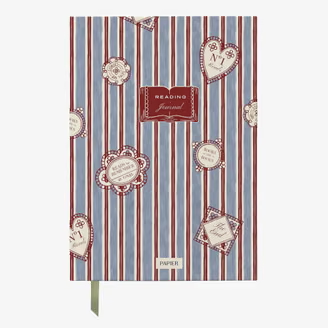
Imagine a diary, but dedicated solely to your literary journey. A reading journal serves as a personalized reflection space, where every chapter and quote finds a dedicated place. Unlike digital platforms such as Goodreads, these journals favor a tactile, mindful experience, encouraging users to pause and savor the moment. Known for its structured approach, Papier’s Reading Journal features an index for cataloging 32 books, spaces for detailed reviews, and prompts that foster introspection—such as “Would I read this again?” or “What was my first impression?” This thoughtful layout helps eliminate the overwhelm often associated with book lists and turns reading into a deliberate, gratifying habit.
Beyond cataloging and rating, these journals inspire users to articulate their unfiltered emotions about books. Whether it’s jotting a favorite quote or contemplating an alternative ending, journaling creates a rich tapestry of thoughts that elevate the entire reading experience. As a result, readers find themselves more engaged and more committed to their literary pursuits, forging a deeper love for books and lifelong learning. In an age of fleeting digital content, the physicality and intentionality of a reading journal serve as a reminder that life’s best moments—like a good book—deserve to be savored and remembered.
How does it help both readers and non-readers?
While avid readers may find their habits deeply enriched by journaling, even those less inclined to pick up a book regularly can benefit from the discipline it introduces. Cultivating a mindful routine—whether through writing, reflection, or simple goal-setting—encourages a more balanced lifestyle. Many wellness authorities, including Cal Newport and his advocacy for “deep work,” underscore how purposeful habits lead to increased productivity, improved mental clarity, and wellness. Journaling provides an accessible entry point to these benefits, translating the act of reading into a broader practice of personal development and wellness.
Furthermore, journaling nurtures a reflective mindset—helping individuals identify their desires, values, and emotional triggers. As many young adults navigate the complexities of careers, relationships, and self-identity, these structured reflections can serve as guiding lights, fostering resilience and *self-awareness*. The physical engagement of writing is a stark contrast to the digital overload, offering a quiet space to pause, breathe, and reconnect with oneself—an invaluable gift in today’s hyper-connected world.
Ultimately, the lifestyle shift towards mindful reading and journaling symbolizes an embrace of intentional leisure—a recognition that life’s quality is often rooted in the small, meaningful acts. Like many who have ventured into this practice, one finds that it’s not just about completing more books or achieving goals but about nurturing the personal impact—healthier habits, richer leisure, and a more inspired outlook. In this journey, each page turned, each thought penned, becomes a testament to a life consciously lived, where each moment is an opportunity for growth and reflection. As 2025 unfolds, the path is clear: the adventure of lifestyle is really about embracing a more mindful, fulfilled version of oneself—one page at a time.