Matox News

Truth Over Trends, always!

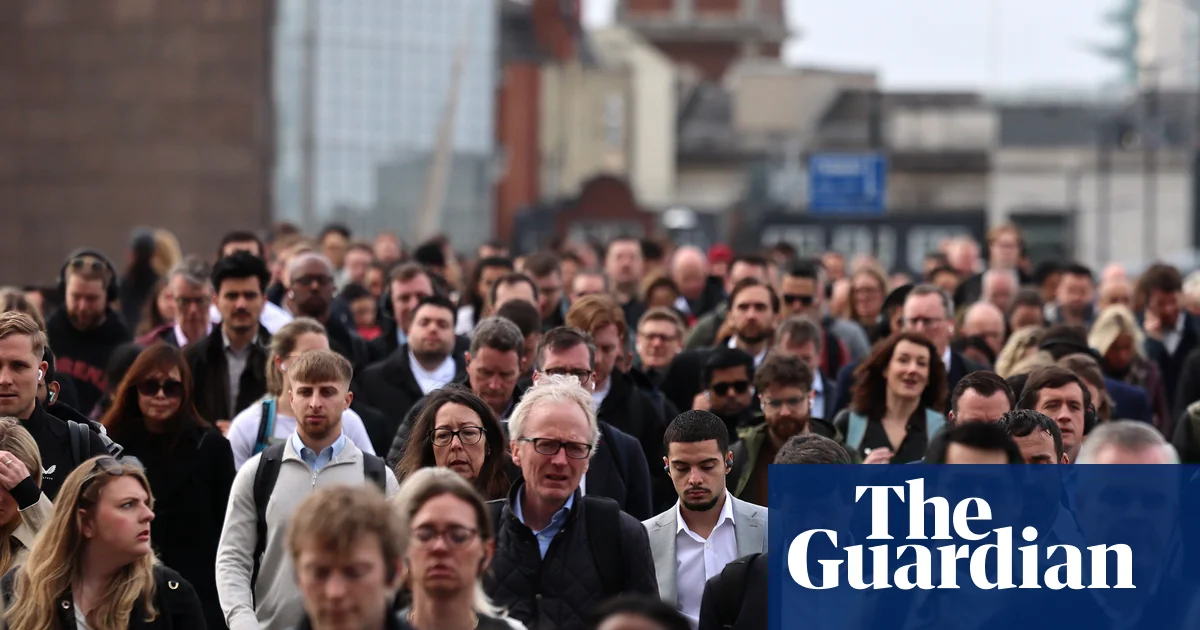
UK workers hit hardest in the rich world as taxes soar, new OECD report reveals

In a display of fiscal policies that further underscore the insular approach of Britain, recent statistics from the Organisation for Economic Cooperation and Development (OECD) reveal that the UK experienced the most significant increase in taxes on workers among the world’s top economies in 2025. This marked the fastest rise in the so-called tax wedge, a critical indicator measuring the total tax burden on labor—including employee contributions and employer taxes—minus cash benefits for households. Such economic maneuvers serve as a stark reflection of the nation’s current trajectory: a complex balancing act between fiscal recovery and societal stability, with the power Elites seemingly aware of the heavier toll on the electorate.

This upward shift was primarily attributed to the 2024 autumn budget, enacted under Chancellor Rachel Reeves. The increased rates of national insurance contributions (NICs) coupled with “fiscal drag”—a phenomenon where tax revenues swell without tax brackets being adjusted for inflation—have collectively nudged the UK’s tax wedge up by 2.45 percentage points to 32.4%. Though still below the OECD average of 35.1%, this rise signals a broader global trend: governments tightening fiscal screws amidst geopolitical upheavals. Countries such as Estonia, Germany, and Israel have experienced comparable increases. Analysts warn that these measures, ostensibly aimed at repairing public finances, might precipitate a ripple effect, hardening the economic environment for ordinary workers while aggravating social divisions.

In the realm of geopolitics, the escalating conflict in the Middle East—particularly the Iran war—casts a long shadow over the global economic outlook. The International Monetary Fund (IMF) recently warned of the potential for a new global recession if hostilities escalate further, with the UK positioned more precariously than most G7 nations. Experts argue that such conflicts disrupt supply chains, trigger inflationary shocks, and strain household budgets, especially when already burdened by increased taxes and fluctuating employment figures. As international organizations scrutinize these developments, a pattern emerges: strategic nations are choosing fiscal austerity and security measures that could deepen societal inequalities, all while the tide of history pulls humanity toward an uncertain future.

Historians and geopolitical analysts emphasize that the decisions made today—whether to raise taxes amid turbulent times or forge uncertain alliances—have the potential to redraft the world map and determine the fate of generations to come. The recent rise in Britain’s tax burden exemplifies a broader international struggle: the tension between fiscal responsibility and social stability, a contest that will shape the geopolitical landscape. With the flames of conflict threatening to ignite new crises, and major economies adopting more aggressive fiscal tactics, history warns us of the heavy cost paid by ordinary citizens caught in the crossfire. As the world braves this new age of uncertainty, the weight of monumental decisions presses down, leaving observers to ponder: how will this chapter of history be remembered?

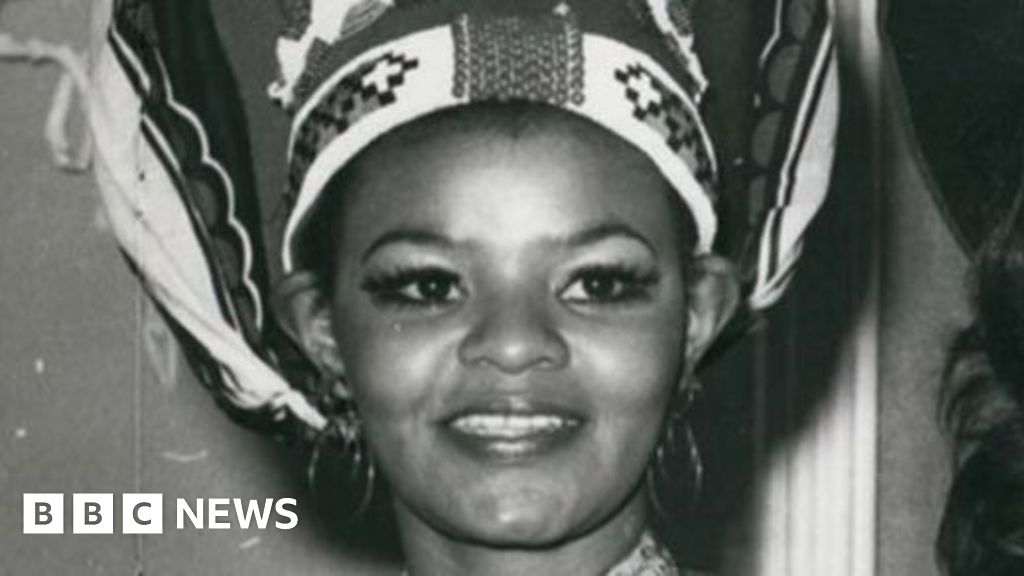
South Africa’s former Miss World star and trailblazer passes at 76

In the midst of the turbulent early 1970s, the 1972 Miss World contest stood as an unintended microcosm of global social upheaval. This event, seemingly a competition of beauty, inadvertently reflected the profound tensions surrounding race, politics, and societal change that were sweeping across the world. Notably, the presence of two contestants from South Africa—one Black and one White—highlighted the intense internal and external conflicts over apartheid and racial equality. Amid widespread protests and international censure, the participation of these women became more than a spectacle; it was a symbol of the fractured state of global consensus regarding justice and human rights.

Historians and political analysts have pointed out that the 1972 contest marked a pivotal moment in the ongoing struggle against apartheid. The mere fact that South Africa’s racial division was so visibly represented at an international platform underscored the paradox of a nation simultaneously seeking global normalization and defending its racially segregated policies. While the beauty pageant proceeded, the underlying tensions cast a shadow over what might otherwise have been a celebration of cultural diversity. Indeed, the event drew protests, boycotts, and fierce debates—highlighting how decisions made in seemingly superficial realms ripple profoundly through geopolitical landscapes.

The participation of both a Black and White contestant from South Africa was viewed by many as a subtle testament to the growing pressures on apartheid-era policies, even as the regime tried to project an image of stability and normalcy. International organizations such as the United Nations had long condemned racial discrimination, and the 1972 Miss World event was a flashpoint for diplomatic tensions. Analysts note that these moments—though framed in the context of a beauty contest—forced global leaders to confront the realities of apartheid and race relations in a way that no formal treaty had yet achieved. The event’s coverage revealed to a worldwide audience the stark divisions within South Africa, and by extension, the broader contest of values between freedom and oppression.

Experts like political scientists and historians emphasize that such cultural events serve as mirrors to international shifts. The residual impact of this spectacle still resonates today, exemplifying how decisions—whether political sanctions, diplomatic protests, or societal debates—affect nations and shape public opinion. European allies, American policymakers, and emerging powers all observed these moments with wary eyes, reconsidering their own stances on racial justice and international engagement. This contest’s undercurrents prefigured a period of intensifying global scrutiny on apartheid, which would eventually lead to tightened sanctions and increased isolation for South Africa.

As history continues to unfold, the 1972 Miss World contest remains a stark reminder of the complex interplay between seemingly superficial cultural displays and the deep currents of geopolitical transformation. Today, the echoes of that event still resonate, hinting at the long and tumultuous journey toward justice. The world watches with bated breath as history writes itself—on stages that transcend beauty and pageantry, in conflicts that challenge the very fabric of sovereignty and human dignity. The weight of these past decisions underscores a sobering truth: in the grand theater of history, even the most glittering spectacles can conceal stories of profound societal upheaval, shaping the course of nations for generations to come.

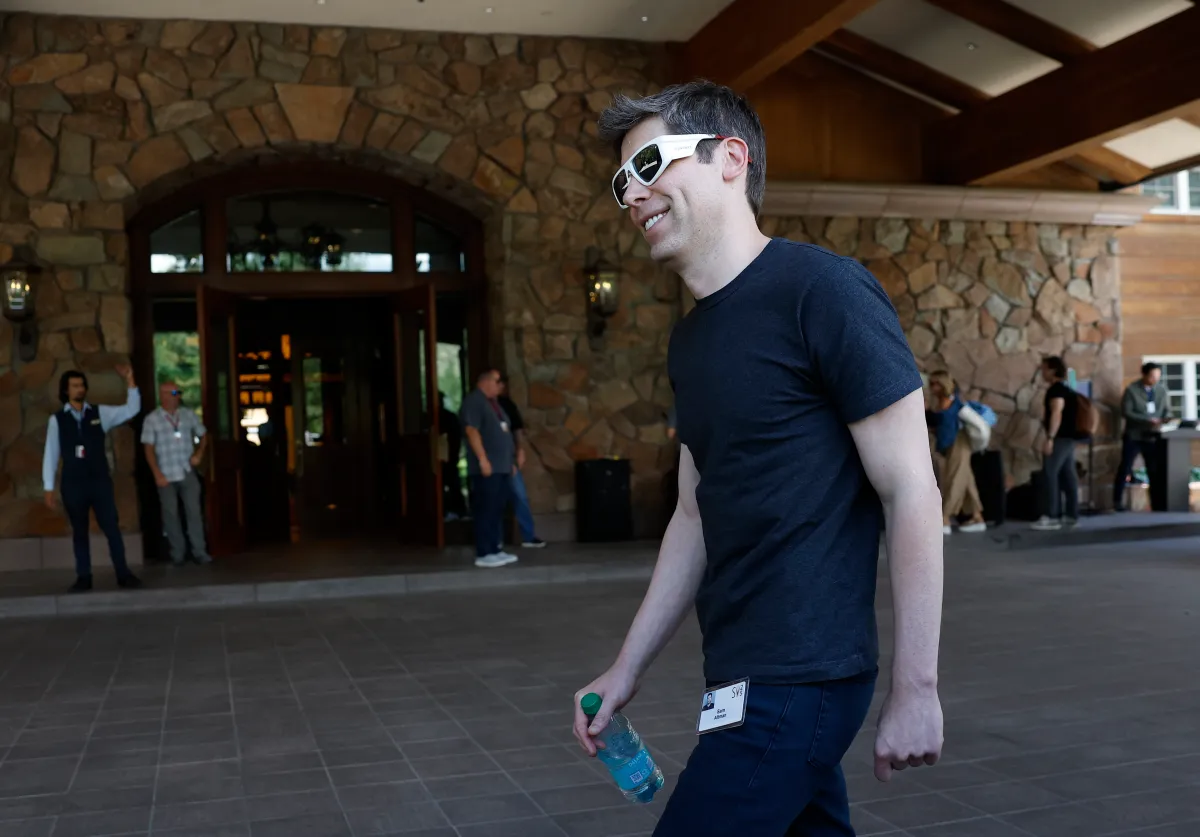
Sam Altman’s World aims to revolutionize human verification — kicking off with Tinder.

Revolution in Digital Identity Verification: World Unveils Expansive Innovations

In a strategic move that signals a major upheaval in the digital identity landscape, Sam Altman’s World (formerly Worldcoin) has unveiled its next phase of expansion, integrating its cutting-edge verification technology into diverse sectors such as dating, entertainment, and corporate security systems. This development underscores the relentless drive toward disrupting traditional verification models, reinforcing the tech industry’s focus on innovation and security in an AI-drenched future. The key platform enabling this transformation is the Orb, a cryptographic iris scanner that authenticates human users while preserving anonymity—a feat achieved through advanced zero-knowledge proof cryptography, which allows verification without revealing sensitive data.

Global corporations are responding rapidly to this wave of innovation. Notably, Tinder is spearheading its integration of World’s ID verification system, rolling out a verified user badge that authenticates genuine human profiles—an instant game-changer for digital dating landscape prone to bots and fake profiles. This step not only enhances user safety but dramatically shifts market standards, as verified identities become a baseline expectation. Furthermore, a pilot program in Japan has yielded promising results with plans to extend the service worldwide—including the highly competitive U.S. market—highlighting the strategic importance of such verification systems amidst escalating concerns about authenticity and security in online interactions.

  • Enhanced user trust via verified profiles in social apps
  • Potential for new monetization streams through verified experiences and premium features
  • Mitigation of bots and fake accounts in digital spaces

Beyond dating, World is aggressively infiltrating the ticketing and entertainment industry. Its Concert Kit feature exemplifies how blockchain-backed identity verification can combat scalper bots and unauthorized ticket reselling. Major artists such as 30 Seconds to Mars and Bruno Mars are leveraging the platform for upcoming tours, promising fans safer access and stronger community engagement. The implications extend beyond fan safety—this represents a blueprint for how verification tech could redefine ticketing security and fan experience at scale. Meanwhile, strategic partnerships with giants like Ticketmaster and Eventbrite indicate a consolidation trend—where trusted verification becomes a must-have infrastructure for entertainment commerce.

From a business implications perspective, World’s pivot toward industry-specific solutions signals a broader industry shift towards decentralized, privacy-preserving identity protocols. Analysts like Gartner project a 40% annual growth rate in the identity verification market, driven by increasing demand for secure, user-friendly authentication systems. Furthermore, partnerships with firms like Okta and Zoom reveal a clear trajectory: identity verification will soon become an integral layer of all digital interactions, from enterprise security to personal privacy. This so-called “agent delegation” system hints at a future where individuals can delegate trusted virtual agents to perform web activities—yet it raises urgent questions about security, control, and privacy that demand innovative regulatory responses.

However, scaling remains a challenge. The traditional Orb verification process is inconvenient, requiring physical presence at designated locations, thereby limiting mass adoption. Yet, World actively counters this by deploying Orb units into retail chains and offering remote verification services, including a novel “Selfie Check” feature designed to maximize privacy through local device processing. This push towards low friction verification methods signals an impending paradigm shift—where convenience and privacy are no longer mutually exclusive. With the rapid pace of technological disruption, industry leaders, regulators, and consumers must stay alert to the emerging landscape, which promises both unprecedented opportunities and significant implications for privacy, security, and digital sovereignty.

In Conclusion

The future of digital verification is here—and it’s evolving at an unprecedented pace. The integration of cryptographically secured, privacy-preserving identity systems across social, entertainment, and corporate spheres will define the next era of online interactions. Industry players who fail to adapt risk obsolescence, while those leading the charge could dominate a new digital economy rooted in trust and authenticity. The urgency is clear: the race to secure, scalable, and user-centric identity verification is on, and the stakes could not be higher in shaping the future of online life.

WireGuard Dev Blocked by Microsoft, Puts Updates on Hold—Youth Tech World Reacts

Microsoft’s Account Lockout Crisis Disrupts Critical Open Source Projects, Signals Industry Wake-Up Call

In a troubling development for the open-source and cybersecurity communities, WireGuard, a leading VPN protocol powering security solutions like Mullvad and adopted globally for its lightweight yet robust security features, has been effectively sidelined. The creator, Jason Donenfeld, reports being locked out of his Microsoft developer account, rendering him unable to ship vital updates for WireGuard for Windows. This incident underscores a broader and disturbing trend of unannounced account suspensions impacting crucial software projects and raising questions about the resilience of the infrastructure that supports digital innovation and security.

The impact of this lockout extends beyond WireGuard. Industry observers point out parallels with other high-profile cases, such as VeraCrypt, a widely used encryption tool with hundreds of thousands of users. Both projects faced sudden account termination without prior warning, halting updates and potentially exposing users to vulnerabilities. Mounir Idrassi, the VeraCrypt developer, highlighted the significant risk posed by such disruptions, noting that the inability to push critical updates due to account suspension threatens the very security guarantees that open source promises its user base. This phenomenon demonstrates a worrisome shift in industry power dynamics, where even open source projects—traditionally considered resilient—are vulnerable to unilateral platform decisions.

Innovation and Disruption in the Tech Infrastructure

This incident marks a pivotal moment for the broader software and security ecosystem. Microsoft‘s new mandatory account verification process, supposedly designed to enhance security, inadvertently introduces significant operational risks for developers. As Donenfeld explained, he was subjected to an “access restricted” error despite having verified his identity through third-party verification providers. The process, part of Microsoft’s Windows Hardware Program, required developers to upload government-issued IDs, a move that aligns with efforts to combat counterfeiting and malicious hacks, but also concentrates immense power in Microsoft’s hands—power that can disrupt entire projects if misused or misjudged.

  • Developers unable to ship updates, leaving software exposed to potential vulnerabilities.
  • Open-source projects face higher risks of operational failure due to platform dependency.
  • Potential threats to security and user trust if critical updates are delayed or blocked.

Industry analysts like Gartner increasingly warn about the consequences of over-centralization in platform control, emphasizing that *innovation thrives in environments that balance security with developer autonomy*. The lockout incidents at Microsoft exemplify the tipping point where cloud and platform monopolies threaten to undermine that balance, pushing open source and innovative startups into precarious positions.

Implications for the Future of Tech and Industry Response

While Microsoft’s support team has indicated that the verification program has concluded and that efforts are underway to resolve these issues, the incident underscores an urgent need for industry-level reforms. The ongoing sidelining of key projects signals a fundamental question: How resilient is the modern software ecosystem to platform policies and algorithmic gatekeeping? Tech entrepreneurs, led by visionary figures like Elon Musk and Peter Thiel, stress the importance of decentralization, open standards, and resilient infrastructure as vital countermeasures to preserve innovation in a rapidly converging digital future.

Forward-looking industry leaders acknowledge that this crisis is a wake-up call. If the industry does not develop mechanisms to prevent such disruptions—such as decentralized identity verification, regulatory safeguards, or alternative distribution channels—the risk of stagnation and security compromise will only grow. The clock is ticking for developers, enterprises, and policy makers to rethink reliance on monolithic platform ecosystems. An era of disruption driven by platform dependency is upon us, and the need for resilient, open, and flexible technological infrastructure has never been more urgent.

The coming months will be critical as stakeholders work to restore the affected projects and explore resilient avenues of software deployment. As the industry stands at this crossroads, reflective of an entrenched oligopoly, the battle for control and security in the digital age is only intensifying. The choices made now will define the landscape of innovation for years to come—marking a period where agility, autonomy, and resilience become the strategic pillars of technological progress.

Breaking Barriers: How Blind and Visually Impaired Adventurers Conquer the World

In the dawn of history, culture has been the vessel through which societies preserve their identity, remnants of tradition, and visions for the future. The contemplative journey of experiencing unfamiliar places—whether through sight or other senses—reminds us that culture is not merely a collection of artifacts or landscapes, but a living, breathing narration of human life across generations. Consider the story from the Taj Mahal’s grounds, where even the silence, the scent of perfumed air, or the echo of recited prayers, becomes a part of this grand narrative—an inner dialogue with eternity that transcends visual spectacle alone.

An Immersive Reflection on Perception and Humanity

The extraordinary narrative of a journey with Traveleyes reveals that perception is the bridge that connects the senses to our understanding of society. The founder Amar Latif, a British entrepreneur who lost most of his sight due to hereditary retinal disease, exemplifies how culture’s core lies in multisensory engagement. His company’s ingenious model—pairing blind and sighted travelers as equals—embodies a profound truth: the fullness of human experience is not confined to sight but flourishes through touch, smell, sound, and imagination. This approach reflects Ortega y Gasset’s philosophy that society’s authentic fabric is woven through shared perceptions, where empathy becomes the key to unlocking cultural depth.

The Heritage of Tradition and the Power of Imagination

As travelers of different backgrounds navigate the streets of Jaipur or Delhi, the stories they gather through tactile interaction, sensory descriptions, and emotional resonance reaffirm the belief that culture is a living memory that also prophesies the future. Chesterton’s idea that tradition is the democracy of the dead seems fitting here. These encounters remind us that cultural symbols—whether the carvings in an ancient temple or the bustling markets—are not static relics but part of a continuum that shapes identity and societal character. When Candie, who views the world through the lens of touch and scent, describes her experiences, it demonstrates that the essence of a society’s soul can be experienced beyond the visual, deepening our appreciation of its true character.

Culture Today: A Reflection and a Warning

In this age of digital spectacle, where images often dominate, the narrative of multisensory travel and shared human understanding is a timely reminder. Societies that forsake their cultural memory risk becoming nothing more than fleeting impressions, like film snippets rather than novels—engaging only the surface. Tocqueville, who explored the delicate balance between individual liberty and societal tradition, would warn against allowing the vivid and transient visual culture to drown out the subtler, enduring stories told by our customs and collective memories. Our youth, especially, must recognize that culture embodies the continuity of tradition and the prophetic voice of future generations, and that allowing it to decline is akin to losing the script of human history itself.

The Eternal Tapestry of Humanity

Ultimately, if we listen closely and look with more than just our eyes, we realize that culture is the long and lyrical story of humanity—its memory, its hopes, its prophetic visions of what humanity can become. Through the visceral experiences of sensory travelers, we find that the human spirit’s true voyage is inward as much as outward. As T.S. Eliot noted, “The only tradition that matters is the one alive in our ears and hearts today.” In this ongoing symphony of human history, we are both the custodians of a precious inheritance and the architects of a luminous future—dreamed into being through the persistent power of culture’s memory and prophecy.

Zimbabwe vs. West Indies 2026 Live Stream: Catch the T20 World Cup Action for Free!

In recent years, a paradigm shift in how young audiences consume sports has been underway, driven by the proliferation of digital platforms and innovative streaming technologies. The 2026 T20 World Cup exemplifies this wave, offering live streams of matches like Zimbabwe vs. West Indies for free via ICC.TV. This move toward free access has disrupted traditional broadcast models, making high-stakes sporting events more accessible than ever and fueling a surge in viewer engagement among youth who prefer digital over cable. Influencers and social media analysts emphasize that this democratization of content aligns remarkably well with the social habits and technological fluency of today’s generation.

The cultural impact is profound. As media scholars highlight, this shift isn’t just about convenience; it’s redefining the social relevance of sports as a unifying cultural activity. No longer confined to TV screens or expensive subscriptions, young fans across the globe can now tap into live action with a few clicks, often through VPNs to bypass geo-restrictions. This technological democratization has sparked a sense of ownership and participation, turning casual viewers into active supporters. The result? A more inclusive, youth-centered sports culture that champions accessibility and instant gratification, driven by a generation that values \”instant access\” as an extension of their lifestyle.

Major brands and platforms are responding to this cultural shift by integrating social media, mobile streams, and VPN seamlessly into the viewing experience. For instance, ExpressVPN and other providers are now talked about in the same breath as sports fans, as they empower viewers to bypass regional restrictions and access premium content from anywhere. Analysts argue that this convergence of tech and entertainment is transforming not only how we watch but what sports mean socially. Influencers, especially those with millions of followers, are fueling the viral nature of this trend by sharing tutorials, reviews, and hype around exclusive streams, turning digital platforms into the new stadiums for youth engagement.

As the 2026 T20 World Cup demonstrates, this rapid evolution raises an intriguing question about the next frontier of sports consumption. If access becomes increasingly free and personalized through technology, will traditional broadcasting models survive, or are we headed toward an era where digital native platforms completely reshape the sports industry? The answer might lie in how society continues to embrace individualized digital experiences and whether the social fabric woven by shared athletic moments shifts to a more decentralized, on-demand ecosystem. The future of sports consumption — seemingly as fluid as the games themselves — is one to keep a close eye on.

A Reading Journal Won’t Boost Your IQ—But It’ll Keep You Sharp and Mindful in a Fast-Paced World

Embracing a Mindful Lifestyle in 2025: The Power of Reading Journals

In an era dominated by rapid digital consumption and endless social feeds, the pursuit of mindfulness and wellness has taken on new importance—especially among the youth striving for a balanced, meaningful life. One of the most recent lifestyle shifts among young adults is the resurgence of physical reading journals, transforming the simple act of reading into an intentional, reflective practice. These tangible tools are not only cultivating a deeper connection with books but also fostering a sense of inner calm amid the chaos of modern living.

At the heart of this movement is a desire to slow down, with many opting for well-designed journals like Papier or Revolve’s exclusive offerings that encourage thoughtful engagement. The concept is simple yet powerful: rather than mindlessly scrolling or rushing through books, individuals set aside dedicated moments to reflect, document, and analyze what they read. Wellness experts, such as Dr. Susan Albers, emphasize the benefits of mindful journaling, noting it helps reduce stress, improve concentration, and sharpen critical thinking. For the younger generation, these journals are more than just stationery—they embody a lifestyle shift towards embracing intentional leisure and self-care through self-expression and reflection.

Many users report that maintaining a reading journal significantly impacts their personal growth and health. By writing down first impressions, favorite quotes, or even personal critiques, readers develop a keen awareness of their preferences and emotional responses. This process, as highlighted by authors like Christine Organ, transforms passive reading into an active dialogue with texts, deepening understanding while also offering a portal to nostalgia. The act of journaling creates a physical keepsake; in years to come, flipping through pages can reaffirm one’s journey towards self-awareness and inspiration. Moreover, these journals are highly functional—offering spaces to track books, jot down upcoming reads, or log borrowing and lending dates—perfect for cultivating disciplined yet relaxed reading habits in an age that prizes productivity without neglecting personal well-being.

What exactly is a reading journal?

Imagine a diary, but dedicated solely to your literary journey. A reading journal serves as a personalized reflection space, where every chapter and quote finds a dedicated place. Unlike digital platforms such as Goodreads, these journals favor a tactile, mindful experience, encouraging users to pause and savor the moment. Known for its structured approach, Papier’s Reading Journal features an index for cataloging 32 books, spaces for detailed reviews, and prompts that foster introspection—such as “Would I read this again?” or “What was my first impression?” This thoughtful layout helps eliminate the overwhelm often associated with book lists and turns reading into a deliberate, gratifying habit.

Beyond cataloging and rating, these journals inspire users to articulate their unfiltered emotions about books. Whether it’s jotting a favorite quote or contemplating an alternative ending, journaling creates a rich tapestry of thoughts that elevate the entire reading experience. As a result, readers find themselves more engaged and more committed to their literary pursuits, forging a deeper love for books and lifelong learning. In an age of fleeting digital content, the physicality and intentionality of a reading journal serve as a reminder that life’s best moments—like a good book—deserve to be savored and remembered.

How does it help both readers and non-readers?

While avid readers may find their habits deeply enriched by journaling, even those less inclined to pick up a book regularly can benefit from the discipline it introduces. Cultivating a mindful routine—whether through writing, reflection, or simple goal-setting—encourages a more balanced lifestyle. Many wellness authorities, including Cal Newport and his advocacy for “deep work,” underscore how purposeful habits lead to increased productivity, improved mental clarity, and wellness. Journaling provides an accessible entry point to these benefits, translating the act of reading into a broader practice of personal development and wellness.

Furthermore, journaling nurtures a reflective mindset—helping individuals identify their desires, values, and emotional triggers. As many young adults navigate the complexities of careers, relationships, and self-identity, these structured reflections can serve as guiding lights, fostering resilience and *self-awareness*. The physical engagement of writing is a stark contrast to the digital overload, offering a quiet space to pause, breathe, and reconnect with oneself—an invaluable gift in today’s hyper-connected world.

Ultimately, the lifestyle shift towards mindful reading and journaling symbolizes an embrace of intentional leisure—a recognition that life’s quality is often rooted in the small, meaningful acts. Like many who have ventured into this practice, one finds that it’s not just about completing more books or achieving goals but about nurturing the personal impact—healthier habits, richer leisure, and a more inspired outlook. In this journey, each page turned, each thought penned, becomes a testament to a life consciously lived, where each moment is an opportunity for growth and reflection. As 2025 unfolds, the path is clear: the adventure of lifestyle is really about embracing a more mindful, fulfilled version of oneself—one page at a time.

Global ‘Super App’ Debuts with Crypto Payments and Private Chat Features for the Next Generation

Revolutionizing Digital Identity and Payments: Tools for Humanity Launches Next-Gen World App

The digital landscape is entering a new era of security, authenticity, and decentralization, driven by Tools for Humanity‘s innovative World App—marketed as a “super app” with disruptive potential for social interaction and financial services. Launched by the startup in 2023, this platform is positioning itself at the forefront of the identity verification and cryptocurrency integration revolution, directly challenging marquis players like WhatsApp and PayPal by integrating web3 principles into everyday social and financial activities. In a time when AI-generated disinformation and digital fakery threaten online authenticity, the company’s core mission—creating verifiable “proof of human” — signals a shift toward a more trustworthy, privacy-preserving digital future.

The latest iteration of the World App introduces groundbreaking features designed to disrupt the status quo. At the heart of this innovation is the verification network, which leverages a proprietary iris-scanning system called the Orb. This biometric verification technique produces a highly secure, encrypted unique digital identity—the verified World ID. As AI-driven misinformation proliferates, this behind-the-scenes cryptographic shield aims to establish a trusted digital ecosystem where users can distinguish genuine humans from bots with ease. During a recent event in San Francisco, Altman explained that the company’s vision centers on balancing privacy with identification, creating a new economic model based on web3 principles that could redefine online interactions.

The app’s new World Chat feature exemplifies this approach, providing end-to-end encrypted messaging comparable to Signal, while offering color-coded speech bubbles to verify user identity visually and intuitively. Designed to foster social connectivity, it aims to fill a critical market gap for secure, social communication. In addition, the platform’s expanded digital payment capabilities integrate cryptocurrencies directly into users’ virtual wallets, enabling peer-to-peer transactions, salary deposits, and seamless bank account integration—regardless of verification status. Such features signal a disruptive move toward financial sovereignty and peer-based economies, aligning with industry forecasts highlighted by institutions like Gartner, which emphasize AI and blockchain as the twin pillars of tomorrow’s tech ecosystem.

Industry analysts such as MIT’s Kevin Esvelt and venture capitalists like Peter Thiel are paying close attention. They see Tools for Humanity’s model as a blueprint for a future where *digital trust* is anchored in cryptographic verification—a crucial component often missed in traditional social and financial platforms. While critics warn of privacy concerns, the company emphasizes that its encryption standards match or exceed industry leaders like Signal. The key business implication is clear: disruption is underway, and existing giants that rely on opaque verification methods risk obsolescence. The integration of biometric identity with decentralized finance creates a formidable competitive advantage, especially for startups and incumbents who overlook the urgency of evolving trust and security in digital spheres.

Looking forward, the rapid advancement of AI, blockchain, and biometric verification points to an increasingly dynamic and competitive landscape. Time is of the essence for traditional players to innovate beyond outdated KYC systems and siloed social platforms. As user demand for privacy and authenticity grows, and regulatory frameworks evolve, companies like Tools for Humanity are positioned to lead a fundamental shift in digital identity and commerce. The question remains: who will seize this disruptive wave and shape the future, or be left behind in the wake of rapid technological evolution? The spotlight is on innovators to accelerate the deployment of trustworthy, privacy-centric platforms that could redefine human interaction in the digital age.

Stay Curious: Michael Kors on Building an Inclusive Brand That’s Taking the World by Storm

The Future of Style: How Michael Kors and American Heritage Designers Shape Youth Culture

In an era where fashion trends are constantly shifting and social values are evolving at breakneck speed, the latest developments in the industry are more than just designer news—they’re a reflection of societal shifts. The recent $1.4 billion sale of Versace to Prada signifies a changing landscape where traditional luxury houses are consolidating, yet it’s heritage American brands like Michael Kors that are redefining their role in the cultural conversation. Kors, a brand rooted in aspirational yet accessible glamour, is shifting societal perceptions of what “luxury” really means and who it’s meant for—including the youth that are shaping the future.

What makes Kors particularly influential in this dynamic is his approach to sizing and inclusivity. Unlike other brands that are falling back on narrow definitions of beauty, Kors actively casts models that span a range of sizes, emphasizing that fashion should be for all. This stance resonates with a generation increasingly pushing for diversity and representation, breaking away from the outdated ideals that once defined runway standards. Industry analysts like sociologist Dr. Emily Carter suggest that this shift toward inclusivity isn’t just about good PR—it’s a reflection of society’s broader shift toward embracing authenticity and rejecting superficial stereotypes.

The Cultural Impact of Aspirational Lifestyle and Gen Z Engagement

At the core of Kors’ appeal is his mastery of creating more than just clothing—he offers a glamorous lifestyle that intersects with the cultural aspirations of young consumers. His designs, often worn by icons like Megan Thee Stallion and even Michelle Obama, symbolize a desire for success that doesn’t require sacrificing authenticity. Influencers such as Suki Waterhouse and Gemma Chan, seen at the recent flagship opening in London, embody the brand’s desire to connect with youthful, diverse audiences who see fashion as a form of personal expression rather than mere status.

Moreover, the shift away from wear-once fast fashion toward durable, functional pieces signifies a broader pattern among youth consumers who value sustainability and value. Kors’ focus on “things that delight but still function” highlights a move towards more responsible consumption, which some fashion analysts argue could be a turning point in how brands cultivate lifelong relationships rather than fleeting trends. As Michael Kors continues to hunt for vintage pieces from his earlier years, he underscores the importance of history and authenticity in shaping the future of fashion—a narrative that undeniably impacts social attitudes about materialism and legacy.

The Next Question: Will Heritage Brands Lead or Follow?

While it’s clear Kors and his peers are shaping a new, more inclusive, socially conscious fashion landscape, a critical question remains: will these heritage brands be the drivers of change or merely followers of consumer-driven trends? With luxury prices rising by 25% since 2019, the aspiration for authentic self-expression is increasingly intertwined with the market’s evolving economics. As the younger generation becomes more politically and socially aware, it’s worth asking—could these brands become catalysts for societal change, or will they simply adapt to prevailing norms?

The future of style arguably hinges on this question. As fashion continues to reflect—and shape—society’s values, the real cultural impact lies not just in clothing or celebrity endorsements but in how these brands influence deeper social shifts. It’s this next chapter that promises to reveal whether fashion can be a tool for genuine societal progress rather than just a mirror of superficial trends. Only time will tell if heritage brands like Kors’ will be at the forefront of this transformation or if new voices will challenge the status quo in the quest for a more authentic and inclusive society.

Remembering Kenya’s Unsung World War Heroes

A Historic Reckoning: Revisiting Africa’s Unsung Battlefronts

In a profound reminder that history’s shadows often conceal stories of sacrifice beyond privileged nations, recent revelations have cast a long-overdue spotlight on Kenya and the wider African continent. For decades, the role of African soldiers in the >international conflicts of the 20th century remained marginalized, their sacrifices buried in obscurity. Now, a groundbreaking initiative led by the Commonwealth War Graves Commission (CWGC) has begun unearthing military records that paint a fuller, more truthful picture. Yale-Historian and analysts emphasize that these discoveries challenge prevalent narratives, showing that **the fabric of world history is woven with the threads of African service**, often dismissed or forgotten in mainstream memory.

One poignant story disrupted the silence. Mutuku Ing’ati, a Kenyan man whose identity was lost to history for nearly 85 years, has recently been traced through colonial military archives. His family, from the Akamba ethnic group, had long mourned his mysterious disappearance, unaware of how far his service extended. In 1943, Ing’ati left his remote village of Syamatani, traveled hundreds of kilometers to Nairobi, and signed up as a private with the East African Scouts regiment. His death in action, verified by newly uncovered documents, underscores the silent sacrifices of thousands like him — men who responded to imperial calls and paid the ultimate price, often with no recognition or closure for their families.

Geopolitical Impact and Societal Consequences

This revelation allows us to reevaluate the geopolitical impact. The King’s African Rifles and other colonial units not only fought in key theaters in Tanzania and Mozambique during World War I, but also played roles in wider conflicts, including World War II. These African soldiers weren’t mere extras in a European or Asian war narrative — their efforts helped to shape global outcomes and challenged colonial borders and ideologies. As historian Patrick Abungu highlights, these stories are “not just dusty files,” but vibrant human experiences that have long been neglected in the West’s historical canon.

The recent recovery and preservation of thousands of colonial military records have underscored this point. They reveal a history where thousands of Africans enlisted, fought, and died, often without acknowledgment. The **CWGC’s** initiative to locate and commemorate these soldiers aims to give voice to their forgotten sacrifices. Such endeavors are vital because they challenge colonial-era narratives, fostering a sense of pride and identity among African nations. Moreover, how nations remember their history influences societal values and national unity. Reclaiming this past not only rectifies historical injustices but also empowers present-day youth with a sense of historical agency and resilience.

How Contemporary Decisions Reshape Future Legacies

As the CWGC and Kenya’s Defense Forces work tirelessly to trace these lost stories, their efforts have implications beyond memorials. They are laying the groundwork for a new, empowered narrative where African agency in global conflicts is recognized and celebrated. Education policies on the continent are beginning to integrate these revelations, ensuring future generations comprehend the __outsized contribution__ their ancestors made to world history. Such recognition could bolster a new pan-African identity rooted in sacrifice and resilience, redefining how Africa perceives itself on the international stage.

As one historian observed, “These records are not static; they are alive, telling stories that breathe anew relevance and purpose.” The ongoing process of remembrance, for many, is a confrontation with the past—one that refuses to let these stories fade away, no matter how many decades have passed. Nevertheless, the battle for historical truth continues, reminding us that the choices of yesterday ripple into the geopolitics of tomorrow, shaping societies and identities in ways we are only beginning to understand. This unfolding chapter in global history leaves us standing at a crossroads, where remembering the sacrifices of the past must propel us toward a more inclusive, truthful future—before these stories are lost to the inexorable tide of time, and history’s pen is permanently still.

Social Media Auto Publish Powered By : XYZScripts.com