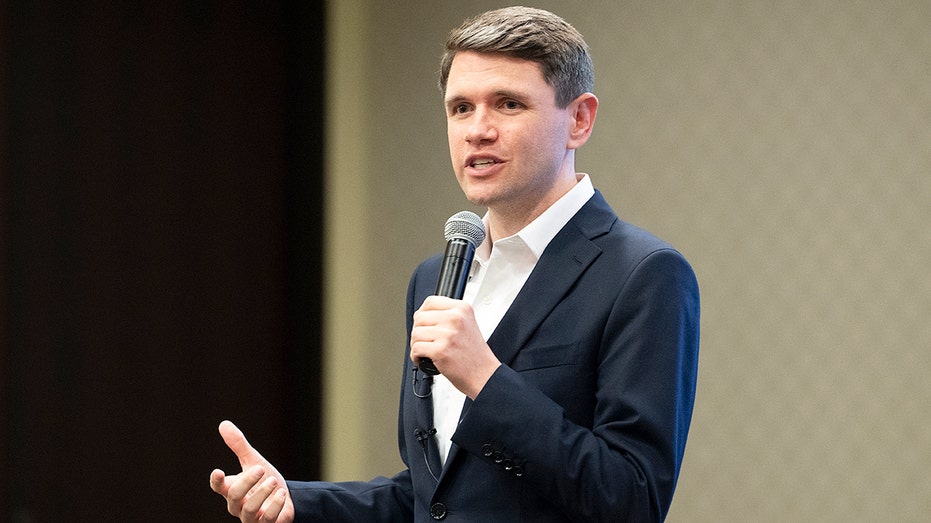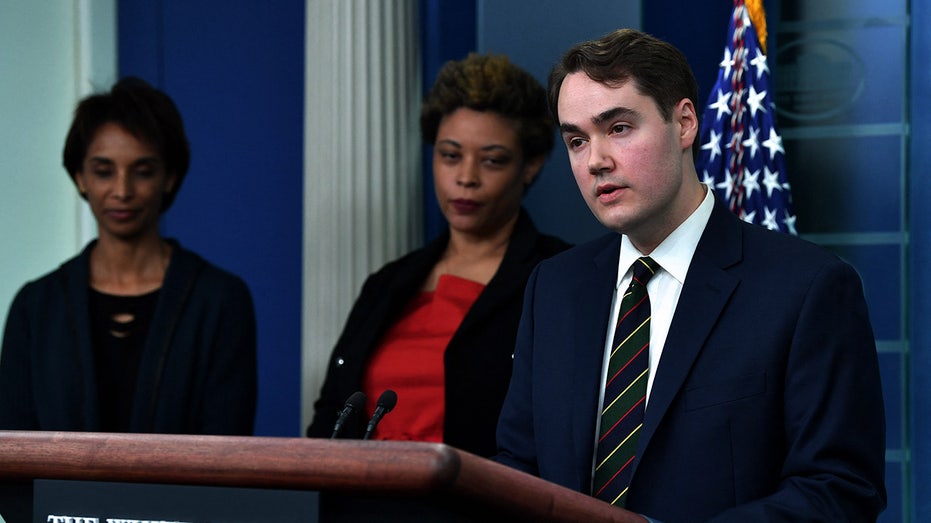
Andrew Bates, a familiar figure in Democratic political communications and a former Biden White House aide, has recently stepped back into the national conversation. Known among conservative circles as “Baghdad Bob” for his staunch defenses of then-President Joe Biden’s fitness, Andrew Bates has stirred fresh controversy with former First Lady Jill Biden and subsequently announced a new position on Senator Ruben Gallego’s team. His reemergence highlights ongoing internal party discussions and the relentless nature of political messaging.
The Tenacity of a White House Defender
During his tenure in the Biden administration, Andrew Bates garnered a reputation for his unyielding defense of President Biden, particularly against criticisms concerning his age and physical capabilities. This aggressive posture, while praised by some colleagues for its loyalty, led to the “Baghdad Bob” moniker from online conservatives, likening him to the Iraqi information minister known for denying obvious battlefield realities. Bates, who promotes himself as a “seasoned communications strategist,” has a history of engaging fiercely with GOP messaging and the Trump administration through his various advisory roles, including Orchestra’s public relations service and his own WolfPack Strategies firm.
A Public Clash with the Former First Lady
The latest chapter in Bates’s public profile unfolded during Jill Biden’s book tour. He contributed a quote to The New York Post, remarking on the 2024 presidential campaign’s outcome. Bates reportedly stated that the party “had a duty to win and we didn’t,” questioning the timing of publicly reopening such a “painful conversation.” This candid assessment, referring to Joe Biden’s withdrawal from the race after a “disastrous” debate, clearly struck a nerve. When confronted with Bates’s remarks, the former first lady issued a direct challenge, stating, “I want to say to Andrew: Call me up, and say it to my face, buddy.” The exchange, reported by Fox News Digital, quickly ignited social media, prompting widespread discussion among both Democrats and conservatives about internal party unity and messaging discipline. While a phone call reportedly smoothed over the immediate tension, the incident revealed underlying frustrations within the Democratic establishment.
“We had a duty to win and we didn’t. I think about that all the time. But I don’t see why that painful conversation for the party needed to be publicly reopened right now.”
Charting a New Course with Senator Gallego
Following the high-profile spat, Andrew Bates has announced a new role, joining the communications staff for Senator Ruben Gallego, a Democrat from Arizona. This move positions Bates at the forefront of another significant political contest, as Senator Gallego prepares for his own electoral challenges. His expertise in navigating complex communications landscapes and his reputation for tenacity will undoubtedly be assets to Gallego’s team. Bates’s career trajectory underscores the constant movement and strategic positioning inherent in Washington’s political communications sphere, where seasoned operatives often transition between administrations, campaigns, and private advisory roles.
The reemergence of Andrew Bates, marked by both controversy and a new professional engagement, offers a glimpse into the ongoing strategic deliberations within the Democratic Party. His willingness to speak plainly about past electoral disappointments, even at the cost of a public rebuke from a prominent party figure, highlights the internal tensions that often simmer beneath the surface of political unity. As he lends his communications acumen to Senator Gallego, observers will watch how Bates continues to shape narratives and engage in the robust, often contentious, world of American politics. The episode serves as a reminder that even seasoned strategists can find themselves in the crosshairs of intra-party disagreements, especially when reflecting on critical electoral moments.