Matox News

Truth Over Trends, always!

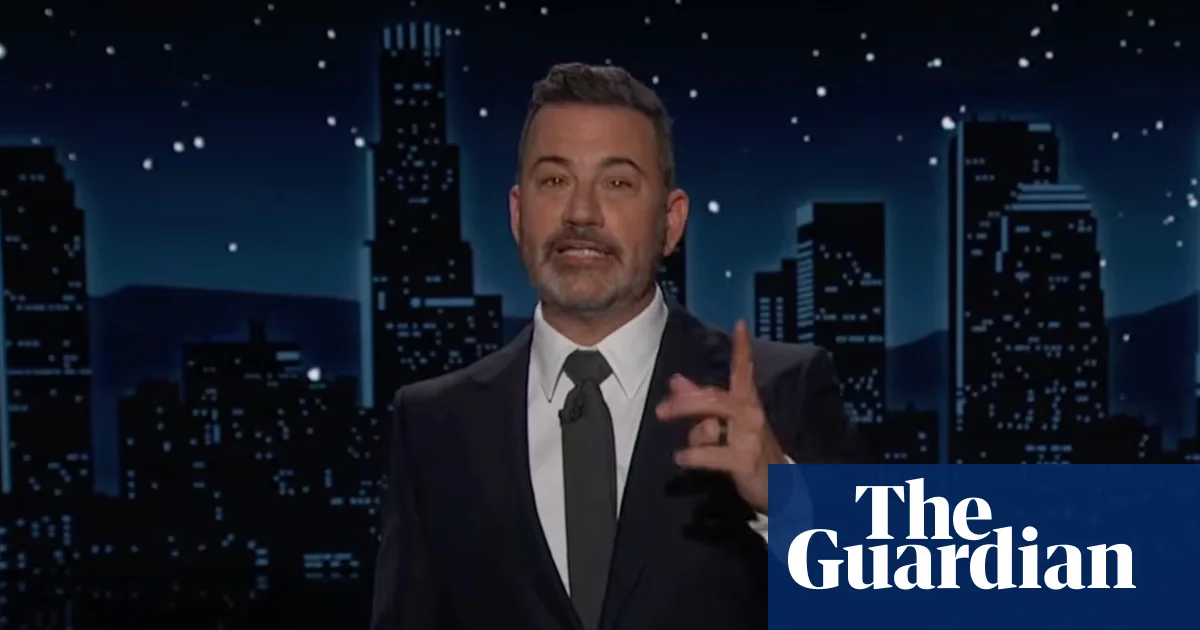
Jimmy Kimmel on Trump receiving an Olympic medal: “Another honor he didn’t earn” | Late-night TV roundup

In the contemporary narrative swirling around politics and media, it becomes evident that culture remains the foundational fabric of societal identity. Yet, as we observe the recent spectacle of late-night hosts mocking political figures and their performances, we must ask: are they mere entertainers, or custodians of a broader cultural dialogue? When Jimmy Kimmel wryly comments on Melania Trump’s self-assured rhetoric, and Stephen Colbert mocks the incoherence in presidential messaging, they underline how cultural symbols and societal narratives intertwine. This critique, while humorous, reveals a truth embedded in human history: culture serves not only as a mirror to our shared identities but as a prophecy of our collective future.

The Battle for Cultural Soul is no trivial matter. As Ortega y Gasset once asserted, a civilization’s vitality hinges on its capacity to preserve its core narratives and traditions. In this context, the political theater—whether it involves the muddled Iran conflict or the spectacle of a president mispronouncing Kentucky—becomes a reflection of our cultural health. Such moments evoke Thomas Sowell’s insight that public discourse and narrative shape the moral and intellectual contours of society. When the media mock the superficiality of political figures, it is not mere jest but an indication of an ongoing cultural struggle—a fight over what values, stories, and collective memories will define the next generation.

From a philosophical vantage, this cultural debate echoes Chesterton’s insistence that tradition is the democracy of the dead. Our history and shared cultural memory are the repositories from which societal resilience springs. Today, this resilience faces threats from fleeting trends and superficial narratives, which often reduce culture to ephemeral entertainment. Yet, as Tocqueville observed, the strength of democracy—true to its nature—rests on the continuity of moral and cultural progress. When the media ridicules the incoherence in political communication, they inadvertently serve as custodians of this continuity, reminding us that our collective identity is both a memory and a prophecy—a living dialogue between past and future.

In the end, the spectacle of late-night jests and political theater underscores a broader truth: Culture is both the memory that anchors us and the prophecy that guides us. It is an ongoing act of remembrance and renewal, where the stories we tell and the traditions we uphold forge the path forward. As the great poet T.S. Eliot mused, “We shall not cease from exploration and the end of all our exploring will be to arrive where we started and know the place for the first time.” In this cyclical dance of memory and prophecy, society itself becomes a living testament—a testament whose history and future are written in the language of shared culture, resilience, and faith in human potential.
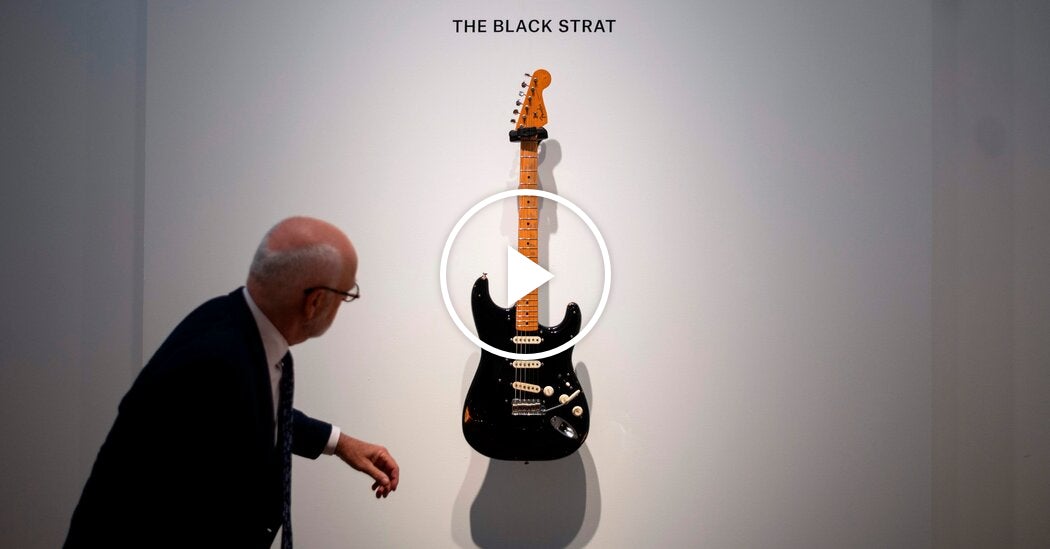
Pink Floyd’s Legendary Guitar Tops $14.55 Million, Setting New Record in Music Heritage

In a testament to the enduring power of artistry and cultural legacy, the recent auction of Pink Floyd guitarist David Gilmour’s iconic black Fender Stratocaster has captured the world’s imagination and shattered records. Selling for an unprecedented $14.55 million, this instrument—famously played on six of the band’s transformative albums, including the legendary “The Dark Side of the Moon”—embodies more than mere craftsmanship; it is a symbol of a generation’s struggles, hopes, and the transcendent capacity of music to mirror human experience. As Tocqueville might observe, such artifacts serve as mirrors to society’s evolving identity—each strum reverberating through history, echoing shared memory and collective longing.

This guitar’s auction underscores the cultural significance of music as a vessel for individual and societal memory, a theme that resonates deeply within the broader narrative of Western civilization. Like the Classical composers who defined their eras, or the Renaissance masters whose brushstrokes reshaped art, icons such as Gilmour’s Stratocaster become sacred relics woven into the fabric of modern identity. Ortega y Gasset might frame this phenomenon as the “vital pulse of society’s creative spirit,” where the collective remembrance of art’s finest moments propels future generations. Here, the guitar is not merely an object but a prophecy—a symbol of timeless rebellion against the mundane, a reminder that authentic cultural expression endures.

Moreover, this symbolic transaction illuminates the cultural dynamics of authenticity, value, and tradition. There lies an intrinsic link between the artist’s soul and the instrument—the very essence of tradition passed down through strings and sound. Chesterton’s notion of culture as the civilized reconciliation of man’s raw instincts is exemplified through this auction: a piece of history that challenges us to understand that true value resides not in fleeting possessions but in the enduring narratives they embody. In a world increasingly driven by materialism, the sale of Gilmour’s guitar serves as a reminder that some artifacts are repositories of the confluence of art, history, and identity, anchoring us to our roots even as we step into an uncertain future.

Finally, as T.S. Eliot suggested, “What we call the present is the frozen form of the future.” In this spirit, the auction is less an end than a gateway—a passing of the torch from the past’s echoes to the silent whispers of tomorrow. Culture, in its most profound sense, is both memory and prophecy: a collective dream woven into the very fabric of human existence. It guides us, shapes us, and reminds us that amid flux and uncertainty, the enduring symbols of our shared history sustain our pursuit of meaning. Perhaps, through the stratified past of a guitar, we glimpse what humanity’s future could be—a song yet unplayed, a story yet unseen, waiting in the echoes of tradition to illuminate the path forward.

Oscars 2026: Cast Your Vote and Shape the Future of Hollywood’s Biggest Night

In an epoch where the conflation of spectacle and illusion threatens to eclipse the foundational role of culture as society’s ethical and moral compass, the upcoming cinematic reflections encapsulated in the 2026 Oscars ballot serve as a potent reminder. As Ortega y Gasset profoundingly asserted, “man is himself a manufacture, a work-in-progress, and his culture—his way of life—is the blueprint of this ongoing construction.” The films nominated—ranging from “Bugonia” to “Sinners”—are not mere entertainment but manifestations of societal soul-searching; they uphold the enduring link between art and national as well as individual identity. Here, the cinematic arts serve as both reflection and prophecy, echoing a cultural heritage that defines, sustains, and often challenges the collective conscience.

In a world increasingly dominated by superficial trends, the cultural role played by revered artists and movements assumes a vital importance. As T.S. Eliot observed, “Poetry and art are the memory of humanity, the hauntings of our collective consciousness,” and so the categories and themes of this year’s nominees—be it the profound narrative of “Frankenstein” or the poignant human stories in “Sentimental Value”—serve as a testament to the resilience of cultural memory. The meticulous craftsmanship highlighted in distinctions such as production design or cinematography underscores the enduring value placed on tradition, precision, and aesthetic excellence. These elements, woven into the very fabric of societal identity, remind us that culture is not a fleeting sensation but a foundational pillar that shapes our understanding of ourselves and our future.

By engaging with stories that often confront the shadows of history—such as “The Secret Agent” or “Mr. Nobody Against Putin”—modern cinema reminds us that every cultural act bears a moral and philosophical weight. Much like those who, in the past, recognized the significance of cultural continuity, contemporary artists serve as custodians of a tradition—a tradition that Chesterton described as maintaining the “truth of identity amidst the chaos of modernity.” They interpret the human condition, offering both solace and challenge to society. As Tocqueville warned, the potential for culture to foster a civilization of individual greatness or mediocrity hinges on our collective will to cherish and preserve what is worth fighting for—a moral and artistic legacy rooted in the remembrance of our shared human narrative.

In essence, culture’s ultimate power resides in its capacity to serve as both memory and prophecy—a wellspring of human hope and resilience. The spirit of art compels us to scrutinize not only where we have come from but where we are heading. As the stars of cinema bring forth these visions, they remind us that tradition is not static but dynamic; it bends and expands, mirroring the human soul’s perennial quest for meaning. In that dance of memory and prophecy, culture bears witness to our humanity, whispering that we are both the heirs and prophets of our destiny—writers of the future inscribed upon the foundations of our collective past.

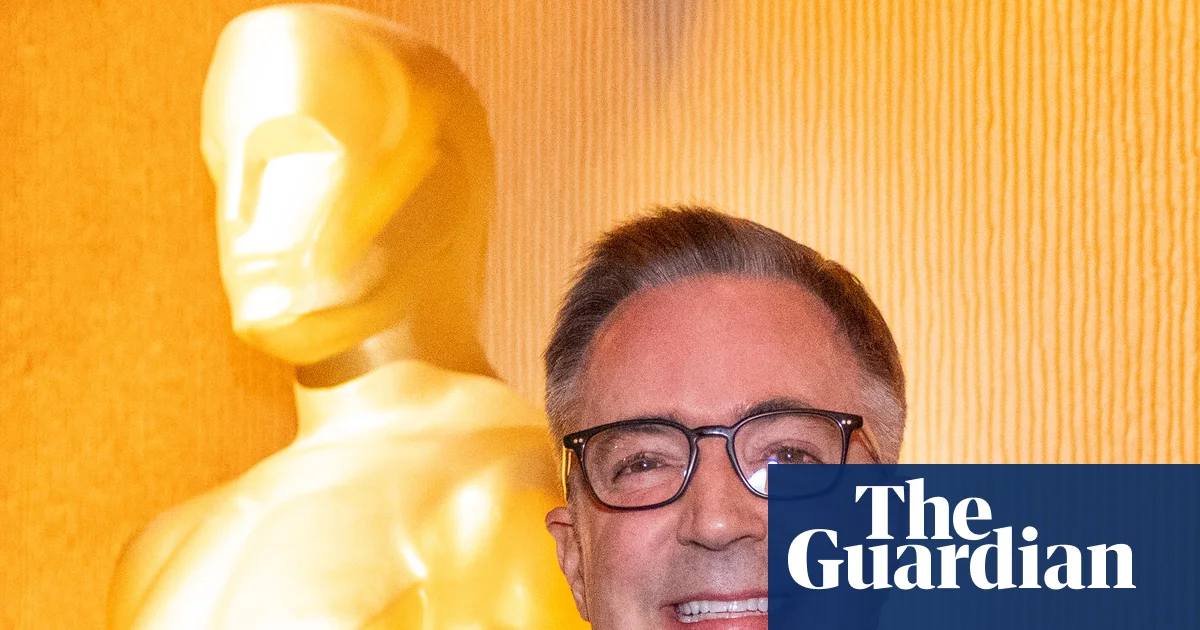
Oscars 2026: Oscars boss Bill Kramer highlights the power of YouTube to engage 2.5 billion viewers—criticizes TV, embraces AI, and advocates for early starts

As the sun blazes over downtown Los Angeles, a city that pulses with dreams and ambitions, the Academy Awards prepares to stage its annual celebration of cinematic artistry. Yet beneath the glitz and glamour, a profound shift is underway—one that threatens to redefine the very essence of cultural tradition. Historically, the Oscars have represented more than mere awards; they are a mirror to society’s soul, a reflection of shared values, myths, and memories. However, as Hollywood leans into the digital future with live streams on YouTube and grapples with emerging technologies like artificial intelligence, questions of authenticity, identity, and cultural continuity come to the fore. Culture—the bedrock of societal coherence—stands at a crossroads, demanding that we consider whether these innovations serve humanity’s collective memory or erode its cherished traditions.

Long regarded as the guardian of artistic excellence, the Academy of Motion Picture Arts and Sciences recognizes its vital role in shaping cultural continuity. As described by Academy CEO Bill Kramer, these changes are not mere technological shifts but signify a broader evolution of what culture represents in a rapidly transforming world. Kramer, a man whose career began with community-oriented work before rising to Hollywood’s highest echelons, echoes the wisdom of thinkers like G.K. Chesterton, who marveled at the importance of preserving the “secret” of tradition amid modern flux. The move towards global livestreaming aims to magnify Hollywood’s reach, extending the spectacle to an estimated 2.5 billion viewers worldwide. Yet, this expansion raises profound questions: Does the digital dissemination diminish the cultural significance that once hinged on communal, in-person experiences? Or can it serve as a contemporary vessel, carrying age-old stories into the modern age, much like the artist and philosopher T.S. Eliot suggested that tradition is the preservation of memory and prophecy intertwined?

This cultural transition also touches upon the industry’s response to technological innovations like artificial intelligence. While some waver in trepidation, fearing that AI could diminish human creativity, Kramer advocates a nuanced perspective. He asserts that AI is merely a tool—an extension of human ingenuity, not a replacement. This viewpoint aligns with the philosophical insight of Ortega y Gasset, who stressed that culture is the ongoing project of human consciousness shaping its tools and symbols. The true challenge lies in maintaining the integrity of artistic authorship—preserving the human spirit at the heart of storytelling. The Academy’s subtle updates on eligibility criteria and its firm stance on theatrical releases stand as testament to this effort to uphold tradition in the face of relentless technological change. Modernity need not dissolve cultural roots; instead, it offers an opportunity to deepen our understanding of what makes art genuinely human—a sentiment echoed by Chesterton, who revered faith in the enduring value of tradition.

Amid these transformations, voices such as Timothée Chalamet remind us of the importance of genuine cultural experience—those moments that etch themselves into collective memory. His remarks, though contentious, highlight a crucial debate: must art adapt to survive, or must it be preserved precisely because it is a window to our shared human essence? The challenge for the cultural custodians, like Kramer, is to navigate this tension—striving to honor tradition without forsaking innovation, fostering a cultural symphony that resonates across generations. As the Oscars prepare to unveil their latest chapter, one can sense that the true significance lies not solely in the awards handed out but in the unbroken thread connecting the past to the future—a testament that culture remains humanity’s memory and prophecy, a luminous testament to what we are and what we aspire to be. In this ongoing dialogue between memory and prophecy, we find a reflection of our very soul, enduring through the shifting tides of time—a reminder that, ultimately, culture is the living, breathing reflection of human spirit’s eternal voyage.

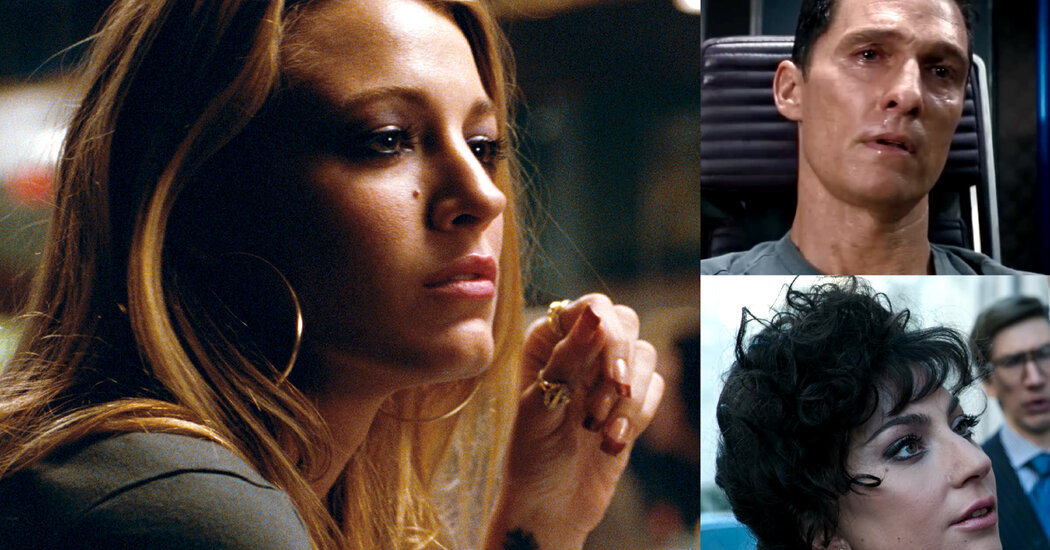
Top 14 Casting Flops That Missed the Mark

In the realm of cinematic artistry, the latest Oscar ceremony has introduced a new accolade that celebrates the nuanced craft of matching actor to role. This recognition underscores an enduring truth: beneath the glitz and glamour lies a profound interplay between identity, tradition, and society’s cultural values. While studios may hire stars based on box office potential or commercial appeal, it is often the mismatches—those unusual, sometimes awkward pairings—that leave the most lasting impression, serving as mirrors and foreshadows of our societal fabric.

The phenomenon of a wrong actor in the wrong role can remind one of Ortega y Gasset’s assertion that “The individual’s authentic self is revealed only through its engagement with society’s narratives.” When actors slip into roles that seem to clash with their off-screen personalities, they inadvertently challenge our expectations, forcing us to confront the fluidity of character and identity. Historically, such moments have served as cultural catalysts—think of Charles Laughton’s transformative portrayal of Quasimodo, which defied conventional beauty standards, or Meryl Streep’s uncanny versatility that blurs the line between actor and character. These mismatches serve a vital purpose: they reveal the underlying tensions within our cultural myths and invite us to reconsider what it means to embody authenticity in a world obsessed with appearances.

From a philosophical vantage point, this thematic exploration mirrors a core principle of cultural continuity and upheaval. Tocqueville observed that democracy’s strength lies in its ability to foster individual expression within a collective identity—yet, it is also susceptible to superficiality when appearances are prioritized over substance. In the arts, mismatched casting can either reinforce or subvert societal norms, echoing Chesterton’s claim that “The true task of the artist is not to imitate life, but to reveal its true nature.” When an actor unexpectedly embodies a role that feels incompatible, it becomes a living question: does authenticity reside in talent, or in the cultural symbols that define our time? Sometimes, these mismatches are not flaws but mirrors revealing the fractures within our cultural self-understanding, prompting both reflection and renewal.

Ultimately, culture functions as both memory and prophecy. It preserves traditions while simultaneously challenging us to envisage what lies ahead. The unexpected pairing of star and role reminds us that human identity is not fixed but a fluid continuum—an ongoing dialogue between our past, present, and future. As we contemplate these cultural currents, we are reminded that the true power of art—like the enduring human spirit—is found in its capacity to evoke a collective memory that guides us and a prophetic vision that beckons us forward. In the quiet dissonance of a mismatched actor and role, we sense the timeless truth: that the human story is inscribed in both the lineages we inherit and the horizons we strive to reach.

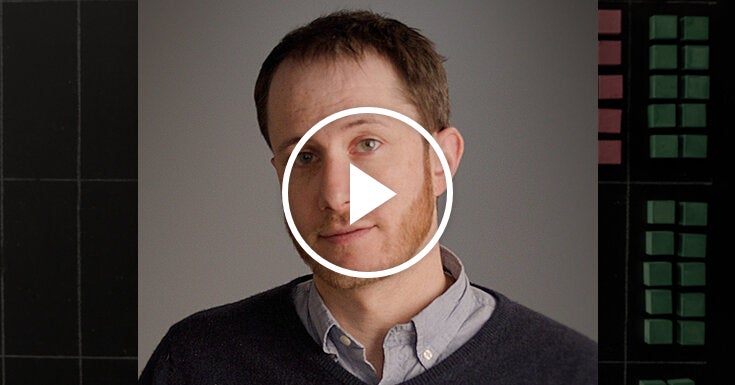
Decoding the Process: How the Oscar for Best Picture Is Decided

In the realm of cultural celebration, few events encapsulate the collective consciousness quite like the Oscars. The prestigious award for Best Picture, uniquely decided by a preferential ballot, exemplifies how art’s decisiveness intertwines with societal values. This voting method, intricate yet profound, reflects more than mere preference; it symbolizes the delicate balance between individual choice and collective judgment. As our reporter Marc Tracy elucidates, this process exemplifies how culture, in its most refined form, acts as a mirror and a compass for society’s evolving identity.

At its core, the preferential ballot is a testament to the nuanced nature of cultural appreciation. Unlike simple plurality votes, it requires voters to rank their choices, fostering a dialogue of values and taste that transcends superficial preference. This method resonates with the philosophical insights of Ortega y Gasset, who asserted that culture is a living, dynamic organism—an expression of the society that sustains it. The Academy’s voting process, therefore, not only determines a winner but also enacts a philosophical statement about the richness of collective taste. It suggests that art and film are not isolated expressions but foundational elements shaping societal identity, anchoring us to shared memories while propelling us into future possibilities.

Historically, cultural critics like G.K. Chesterton warned against the narrowing of society’s moral imagination, emphasizing the importance of celebrating diverse visions within a culture’s narrative. Similarly, Tocqueville observed that democracy’s strength lies in the varying expressions of its people—each individual contributing to the overarching story. The Oscars, then, serve as a modern-day forum where this democratic ethos is celebrated, not merely through votes but through the cultural values they embody. The preferential ballot underscores the importance of harmony among diverse preferences, fostering a sense of unity forged through appreciation of the arts.

In this context, culture functions as both history and prophecy: a collective memory that grounds society in tradition, and a visionary force that anticipates what humanity aspires to become. The Oscars’ voting process exemplifies this duality—each film representing a chapter of shared history and a prophecy of future cultural landscapes. As T.S. Eliot famously noted, “The purpose of art is not a rarified expression but a means of ordering human understanding.” By selecting a film through a method that embodies depth and nuance, audiences reaffirm their collective commitment to cultural continuity and renewal. Ultimately, culture remains the vital thread that weaves the fabric of society—anchored in history, yet forever reaching towards the horizon of human potential.

Live Nation strikes settlement in major US monopoly case, redefining the concert industry for a new generation

In a decisive shift that echoes the greater currents shaping our societal landscape, Ticketmaster—a dominant force in the realm of live events—announces its plans to open segments of its operations to rival companies. This move signifies not merely a business strategy but an emblematic act within the ongoing struggle for cultural stewardship and the preservation of collective memory. As a company that has long held sway over the gateway to our most treasured public gatherings, Ticketmaster’s willingness to diversify its partnerships may herald a broader acknowledgment of the importance of pluralism in cultural institutions.

From a philosophical vantage point, this decision can be viewed as a reflection of the delicate balance between centralization and decentralization, a theme that resonates through historical epochs. Just as Tocqueville observed the American tendency towards individualism within democratic spirit, today’s move suggests an understanding that no single entity can claim absolute dominion over the cultural conduit that connects citizens to their shared experiences. As Ortega y Gasset might remind us, culture is not merely a static relic but a dynamic process—an ongoing dialogue between tradition and innovation. Opening up Ticketmaster’s platform aligns with the notion that society must foster healthy competition to ensure that cultural expressions remain vibrant, accessible, and reflective of a burgeoning national identity.

Importantly, the significance of this shift extends beyond mere commerce, touching upon the roots of community and tradition. Live events—concerts, sports, theater—serve as societal rituals: modern-day equivalents of the Ancient Greek symposia or the medieval village feast. They forge bonds, affirm shared values, and reinforce the collective consciousness. As G.K. Chesterton famously argued, culture is a means of **affirming life’s enduring truths** amidst the chaos of change. When a company like Ticketmaster takes steps towards fostering a more open marketplace, it consciously recognizes that the spirit of community depends on maintaining accessible crossroads for vital cultural exchanges.

In a broader philosophical context, the act of opening its platform to competitors echoes the notion of culture as both memory and prophecy. As T.S. Eliot noted, true culture involves a recognition of the past’s enduring resonance while also projecting the possibilities inherent in the future. It is an ongoing process—an artful alchemy of tradition and innovation. By allowing diverse contenders into the marketplace of live events, Ticketmaster implicitly affirms that **our cultural identity is best preserved not through monopoly but through the vibrant interplay of competing visions**. Ultimately, this moment stands as a testament to the enduring human quest: to forge a society where the echoes of memory shape our hopes and dreams, guiding us towards a future rich with meaning and rooted in the enduring values of community, tradition, and shared destiny.

Jessie Buckley credits acting with helping her conquer teenage eating disorder, inspiring resilience and self-acceptance among young people

In the heart of contemporary discourse surrounding artistry and human expression, recent remarks by the Oscar-front runner have reignited an enduring conversation about the profound relevance of culture to identity, tradition, and society. When she describes acting as “like water to me,” she encapsulates a broader truth: that art, in all its forms, is not merely a pursuit of entertainment but a vital sustenance that sustains the soul of a civilization. In times of turbulence, such expressions of devotion remind us that culture functions as both mirror and messenger, reflecting our innermost selves and transmitting the values that unify a community. As the philosopher Ortega y Gasset posited, humanity’s vital need for meaning is fulfilled through the culturally rooted narratives that shape our worldview, allowing individuals to see themselves within a collective tapestry.

Historically, society has shown a remarkable tendency to regard its cultural icons and arts as pillars upon which collective identity stands. The comment from the actress resonates with the insights of thinkers such as Tocqueville, who observed that the habits of the heart—those intangible bonds forged through shared tradition—are essential for maintaining social cohesion. Today, with a cultural landscape that often feels fragmented and transient, the emphasis on art as a source of mental health and stability becomes even more salient. It is as if the act of engaging with great works—be it the plays of Shakespeare, the music of Bach, or the films of past generations—reinforces a sense of continuity that counters the chaos of modern existence. The artist’s declaration reminds us that our cultural practices are not arbitrary but are woven into the very fabric of who we are and who we hope to be.

Beyond personal well-being, the arts serve as a cultural reservoir that preserves our historical memory and nurtures our collective soul. As Gilbert K. Chesterton once observed, the true artist is a guardian of tradition—not a destroyer but a steward who translates timeless truths into new forms. In this light, culture becomes a living testament to generations past, anchoring the present and forecasting the moral and aesthetic horizons of the future. For youth today, this connection to tradition may seem historical, yet it is precisely through this continuity that a society remains resilient and true to its roots. The arts, therefore, do not merely entertain but elevate, giving voice to the silent stories that define us, and in doing so, inspire us to forge ahead with purpose and hope.

In the final analysis, culture emerges as both memory and prophecy: a reservoir of collective history from which we draw strength, and a beacon illuminating the path forward. As the poet T.S. Eliot mused, “We shall not cease from exploration, and the end of all our exploring will be to arrive where we started and know the place for the first time.” It is within this cyclic dance of past and future that we discover that, ultimately, the arts are not mere decoration but the very essence of human striving—a poetic symphony that sustains the spirit of civilization, echoing through eternity as a testament to who we are and who we aspire to become.

Stephen Colbert Calls Kristi Noem a ‘Domestic Terrorist’ Deserving Gitmo—Late-Night TV Roundup

In the landscape of modern politics and media, the lines between spectacle and substance have blurred, yet beneath this facade lies a profound truth: culture remains the bedrock of identity, tradition, and societal cohesion. The recent upheavals within the American political scene, characterized by high-profile firings, ideological clashes, and media-fueled theatrics, serve as a stark reminder that the narrative we craft around our cultural symbols shapes our collective consciousness. When a figure like Kristi Noem is dismissed and replaced with theatrical fanfare, it underscores a deeper shift—a battle over what our culture signifies, who holds authority over its meaning, and how that meaning guides our societal trajectory.

The spectacle surrounding Noem’s departure, amplified by late-night monologues, reveals more than mere political rivalry: it exemplifies how culture acts as both memory and prophecy. Observers like Ortega y Gasset argued that a society’s vitality hinges upon its cultural self-understanding, a reflection of its roots and aspirations. Today, this struggle is evident in the caricatures and satire that fill our media, where figures are transformed into symbols—be it the hapless ICE agents slipping on ice or politicians dressed as fictional characters—highlighting our cultural obsession with spectacle. Such exaggerations serve a purpose: they remind us that culture is the soul’s language of continuity and change, always echoing the past while whispering future possibilities.

The cultural clash is also manifest in ideological battles over America’s role in a shifting global order, particularly concerning the Iran conflict and the manipulative narratives spun by political elites. As Chesterton once observed, “the test of a truly great culture is its ability to preserve tradition while embracing renewal.” The current discourse reveals a tension: do we honor our foundations—moral and historical—or do we allow populist spectacle and disinformation to erode the societal fabric? Historian Alexis de Tocqueville warned that democratic societies risk losing their identity when they abandon the moral and cultural moorings that give their liberty form and purpose. The media’s role in amplifying chaos thus acts as a double-edged sword—either reinforcing tradition or tearing it apart in a maelstrom of sound and fury.

In this cultural battleground, the importance of understanding our shared histories and moral foundations cannot be overstated. As S.T. Eliot famously argued, “The memory, of course, is neither history nor tradition but the ‘living presence’ of all that has been entrusted to our care.” Culture feeds into our sense of who we are—and, more importantly, who we might yet become. Every act of satire, every political upheaval, and every spectacle serves as a reminder: humanity’s story is both a memory that anchors us and a prophecy that beckons us forward. And it is in the continual dialogue between remembrance and aspiration that society finds its resilience, its meaning, and its hope for the future.

From affordable alternatives to literary shadows: the rising surge of doppelgangers shaping today’s culture | Books

In an era inundated with the noise of digital doubles and disconcerting parallels, the double has metamorphosed from a mere literary device into a profound symbol of our collective consciousness. As Ortega y Gasset once observed, civilization is built upon a fabric of tradition—a tapestry woven from shared memory and cultural identity. Today, this tapestry seems frayed, replaced by a fragmented series of facsimiles, echoes, and simulacra, yet it is precisely through these doubles that we confront the essence of who we are and who we might become. The burgeoning fascination with doppelgängers—from fashion runways to Hollywood, from books to the digital realm—mirrors a deeper societal yearning: the desire to reconcile our inner fears with external images that promise both familiarity and alienation.

Contemporary culture, saturated with images of clones and mirror images, reflects an underlying anxiety about authenticity and selfhood. The literary tradition, from Charlotte Brontë’s Bertha Mason to Nabokov’s Hermann in Despair, illustrates the double as a manifestation of repressed desires, guilt, or unacknowledged truths. Modern works—be it Isabel Waidner’s As If or Deborah Levy’s August Blue—embrace the uncanny, revealing that amidst our technological advancements, the internal struggle for self-understanding remains as primal as ever. Our fascination with flesh-and-bone copies—be they supermodels or Hollywood icons—serves as a cultural assertion: identity is more than appearance; it is a reflection of society’s values, fears, and fissures.

Furthermore, the trend extends beyond entertainment into the realm of political doubles. Parody, duplicity, and illusion have become tools for the powerful, who craft empty promises and brandish pretenses of authenticity as shields against accountability. The proliferation of digital facades—filters, curated profiles, and false identities—only accentuates our collective paranoia. As T.S. Eliot lamented, our modern world risks becoming a “hollow men,” where superficiality replaces substance, and doubles serve both as masks and mirrors. Yet, in this chaos, the double remains a potent critique—a symbol of societal dislocation, yet also a hope for deeper understanding rooted in tradition and shared memory. It reminds us that at the core of our identity lies a mysterious, often shadowy, echo of the past—a prophecy inscribed within our cultural DNA, whispering that, ultimately, to know oneself is to confront the mirror that is both haunting and illuminating.

Social Media Auto Publish Powered By : XYZScripts.com