Matox News

Truth Over Trends, always!

Second brother of French anti-drugs activist shot dead in Marseille—another tragic blow to the fight against crime

Marseille Violence: The Tragedy of Gang Warfare and Its Global Implications

The recent brutal murders in Marseille, France, underscore a critical escalation in urban violence, with profound geopolitical repercussions that extend beyond local boundaries. The killing of two brothers from the same family—Brahim in 2020 and now Mehdi in 2023—illuminates the destructive power of organized crime and its enduring grip over the city’s most vulnerable communities. The tragic pattern, with youth as young as 15 pulled into violent vendettas, serves as a stark reminder of the erosion of social stability within Western nations, challenging political leaders and law enforcement agencies alike. The fact that a young anti-drugs activist, Amine Kessaci, whose work aimed to mitigate this chaos, receives death threats underscores an unsettling turning point—a confrontation with the fracture lines in French society and the wider Western world.

Marseille’s endemic violence is emblematic of a broader uprising of urban insurgencies affecting many Western city-states. As gangs continue to carve out turf within high-immigration neighborhoods, their warfare spills into street-level shootings, often occurring in broad daylight, as seen with Mehdi’s murder by motorcycle gunfire. Local authorities acknowledge that these crimes are not isolated; they are part of a harrowing cycle of revenge and territorial disputes, often fueled by drug trafficking networks that have entrenched themselves in the city’s fabric. The European and international community, including analysts and historians, highlight that such violence threatens the very fabric of civil society, prompting urgent calls for comprehensive reforms. Yet, the persistence of these conflicts raises uncomfortable questions about how nations can reform immigration, law enforcement, and social policy to prevent a slide into lawless chaos.

The Shadow of Organized Crime and Political Reckoning

  • The murder of Brahim, linked to drug gang vendettas, encapsulates the threat posed by criminal organizations that often operate with impunity and difficulty for authorities to dismantle.
  • Mehdi’s murder, seemingly unrelated to gangs, is feared to be a warning aimed squarely at Amine, whose outspoken activism and political ambitions made him a target—symbolizing how criminal violence intersects with political activism.
  • Amine’s establishment of Conscience, an NGO dedicated to aiding families affected by drugs violence, underscores a new wave of civic activism aimed at combating these structures from within.

Such developments signal a warning of a wider societal breakdown, with international watchdogs cautioning that, without decisive action, these localized conflicts could spiral into a broader crisis of governance and security. The French government’s response, characterized by police protection for activists like Amine, reflects a recognition of the seriousness of these threats. Still, critics argue that current policies lack the strategic depth needed to truly unravel the roots of criminal networks. The European Union and other international bodies continue to monitor the situation, with some alarmed by the increasing youth involvement in gangs—an issue that threatens to undermine future generations’ prospects and social cohesion.

Consequences for Europe and Beyond

The violence in Marseille epitomizes a continuing challenge for EU nations attempting to balance multicultural integration with national security. As analysts point out, the situation could serve as a harbinger for similar strains across other European borders, especially in cities with large immigrant populations. The ongoing crisis also raises questions about international cooperation—whether global institutions will rise to the occasion or become overwhelmed by the complexity of such urban war zones. The historical perspective warns that neglecting these issues risks turning once-thriving urban centers into lawless enclaves, where de facto warlord rule replaces civil authority, echoing patterns seen in failed states worldwide.

As history unfolds, the death of Mehdi and Brahim Kessaci will be remembered not only as isolated tragedies but as symbols of a war within cities that threaten to rewrite the social contract. The weight of this moment challenges leaders and societies to confront uncomfortable truths about governance, integration, and the true cost of neglecting the roots of urban decay. The future remains uncertain—balancing on the precipice of change, where each decision could either mend a fractured society or plunge it further into the shadows of chaos. History, it seems, is still writing its darkest chapters, and the fate of Marseille may well serve as a cautionary tale for cities worldwide struggling beneath the weight of their own internal conflicts.

Australian Schools Close Over Kids’ Sand Safeguard Risk

In a startling development that underscores the ongoing challenges of global trade and public safety, Australia and New Zealand have mobilized substantial measures in response to the discovery of asbestos-contaminated sand products circulating within their educational sectors. The contamination, linked to imports from China, has triggered urgent school closures and recalls, raising serious questions about border security, regulatory oversight, and the health safety of young generations.

The Australian Competition & Consumer Commission (ACCC) announced a recall after lab tests identified traces of tremolite asbestos in children’s colored sand. These products, such as Kadink Sand, Educational Colours – Rainbow Sand, and Creatistics – Coloured Sand, had been distributed nationwide through major retail outlets like Officeworks. The health risk stems from the inhalation of asbestos fibers, which can cause severe lung diseases, including cancers; a warning that has led to the full or partial closure of at least 15 schools and seven preschools in the Australian Capital Territory. Similarly, in New Zealand, five early learning services and two schools have suspended operations as authorities conduct further testing. The Ministry of Business, Innovation and Employment (MBIE) swiftly issued advisories urging parents and institutions to cease using the contaminated products and seek professional disposal, highlighting the precautionary nature of this response.

This crisis underscores a broader geopolitical impact that points to the fragility of international supply chains and the importance of strict regulatory controls. Historically, asbestos has long been recognized by global health authorities—including the World Health Organization—as a carcinogen, yet trade restrictions have often been circumvented through imports. The incident reveals vulnerabilities within Australia’s and New Zealand’s border and commercial oversight, prompting analysts to question how widespread this contamination might be and whether other imported goods could pose similar risks. As historians warn, failures in supply chain transparency can unleash public health crises, especially within vulnerable communities such as children in educational environments. The recall and school closures serve as a stark warning of what can happen when economic interests overshadow safety protocols.

International institutions and regulators are now under pressure to tighten import controls and alert systems. The Australian government has reaffirmed that asbestos importation remains prohibited, yet the incident exposes potential gaps in enforcement. Meanwhile, New Zealand’s ongoing testing and voluntary recalls reflect a cautious approach but also highlight the need for more decisive policy action. As the global community watches, the incident could spur stricter international standards for importing hazardous materials, reshaping trade policies that often prioritize cost over safety. Yet, this unfolding story remains a chapter in a broader narrative about the collision of globalization, health security, and the protection of future generations—one where the delicate balance of power, policy, and public trust hangs in the balance.

In a world increasingly interconnected, the repercussions of this asbestos scare transcend borders, shaping the very fabric of societal trust and governmental accountability. The upcoming weeks will determine whether the lessons learned will lead to stronger safeguards or allow complacency to persist. As history continues to be written in moments of crisis, the weight of these decisions resonates: a reminder that in the unfolding mosaic of international relations, every detail—down to colored sand—can carry the profound burden of history yet to be made.

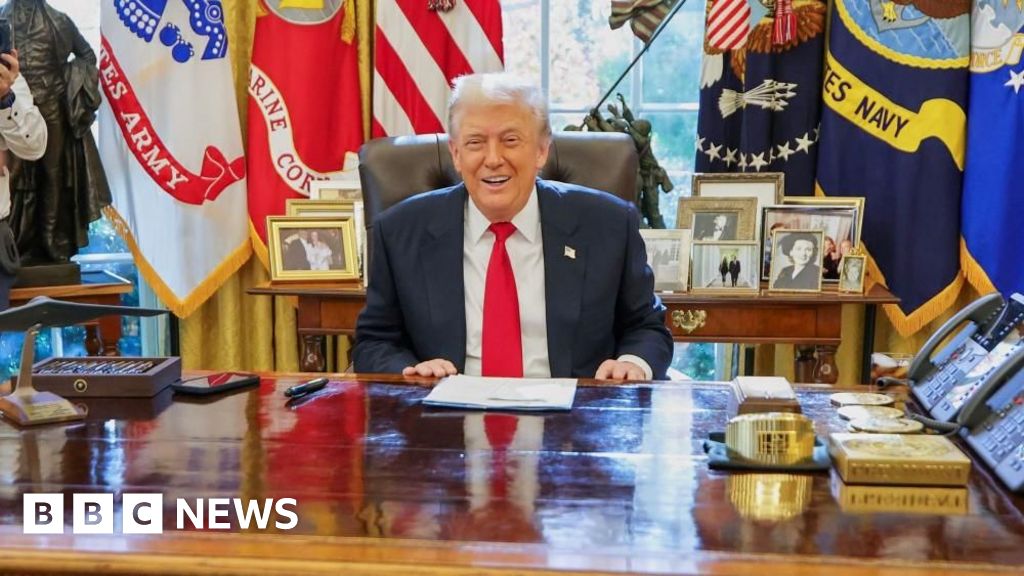
BBC Apologizes to Trump Over Panorama Edit, Won't Pay Compensation
BBC Apologizes to Trump Over Panorama Edit, Won’t Pay Compensation

International Political Landscape Shaken by BBC-Donald Trump Dispute

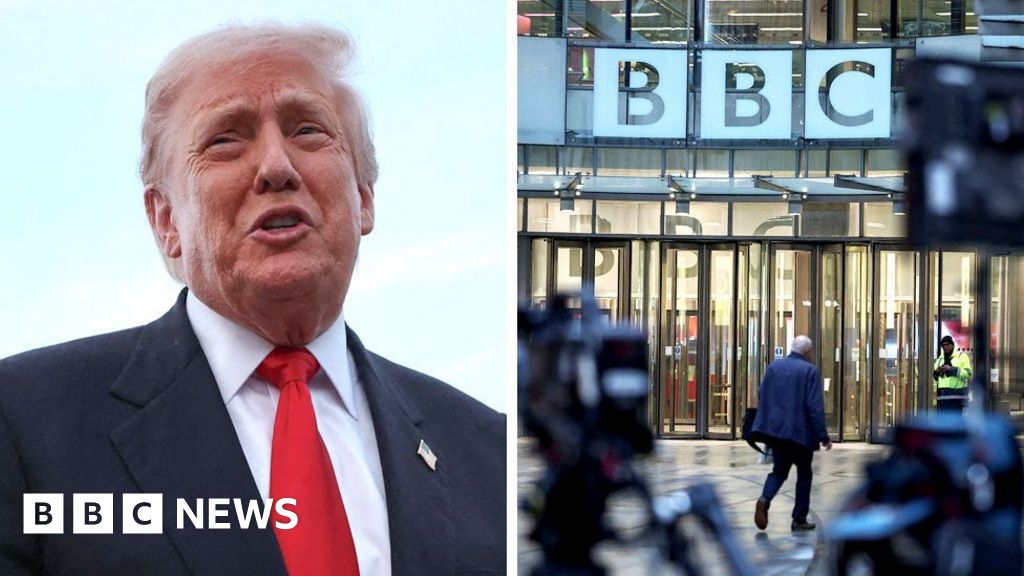
The escalating controversy surrounding the BBC‘s handling of a documentary featuring former US President Donald Trump exemplifies how media missteps can have profound geopolitical repercussions. The British broadcaster’s recent apology for a manipulated portrayal of Trump’s 6 January 2021 speech—which was edited to give a misleading impression of inciting violence—has ignited a legal and diplomatic firestorm. Lawyers representing Trump have demanded a $1 billion damages settlement, asserting that the BBC’s actions have tarnished his reputation and potentially influenced US-UK relations.

Analysts warn that this spat is not just about media ethics but a reflection of mounting global tensions. The BBC, a bastion of Western liberal values, is now embroiled in a crisis that questions the independence of mainstream media in the face of political interference. Historians and political commentators suggest this incident marks a turning point in how nations perceive media bias and propaganda in the era of information warfare. The incident also comes amidst wider concerns over UK’s sovereignty and editorial independence, as the government announces plans to review the BBC’s charter—an effort to ensure tighter oversight amid claims of bias and politicization, especially in politically sensitive content.

Global Institutions and the Future of Free Speech

  • International organizations, including the Organization for Security and Co-operation in Europe (OSCE), have emphasized the importance of safeguarding freedom of expression while maintaining journalistic standards.
  • The rising tensions have prompted calls from conservative voices in the US and the UK to reinforce national sovereignty over what they perceive as international media overreach.
  • Experts warn that if the BBC’s actions are deemed a precursor, other governments will scrutinize Western media more tightly, potentially leading to new forms of media regulation and censorship—an unsettling prospect for advocates of free press.

Meanwhile, political leaders across the Atlantic are divided. British Culture Secretary Lisa Nandy has pledged that the corporation will uphold the highest standards but also acknowledged gaps in editorial safeguards—a recognition that could reshape the BBC’s governance. Conversely, critics allege that internal political influence, exemplified by appointments like Sir Robbie Gibb, has compromised the broadcaster’s impartiality, fueling suspicion and eroding public trust.

This crisis underscores a broader global struggle: how to balance freedom of speech with responsible journalism, especially when powerful figures like Trump threaten legal action. The BBC’s internal review, triggered by leaked memos and mounting public criticism, reveals the deep fissures in contemporary media standards. As the specter of legal retaliation looms, the question arises: what unchecked narratives will shape history when impartiality is compromised? The unfolding drama leaves the world watching—knowing that in this new era of information, the lines between truth and perception are more fragile than ever.

Reeves’ U-turn sends markets into a spin, hikes borrowing costs—UK politics live | Politics

Global Political Turmoil Escalates as UK Budget Shifts Shake Markets

In a striking display of political and economic chaos, the recent developments in Britain’s government paint a picture of a nation on the brink of financial and institutional disintegration. As Prime Minister Keir Starmer and Chancellor Rachel Reeves maneuver through a rapidly changing political landscape, their U-turns and strategic missteps threaten not only domestic stability but also the geopolitical standing of the United Kingdom. The core issue remains rooted in their apparent inability to uphold manifesto promises amidst a turbulent fiscal environment, echoing concerns voiced by international analysts about the risks posed by domestic political instability to global markets.

Historians and financial experts warn that political indecisiveness at such a critical juncture can have repercussions far beyond the shores of London. The UK’s bond markets have already begun reacting negatively, with yields on long-term gilts experiencing their worst day since July, reflecting a perception of increased fiscal risk. This market turmoil underscores the fragile confidence within the international financial community, which is closely watching British politics for signs of fiscal irresponsibility. Such volatility indicates a growing breach of trust in the UK’s ability to manage its debt, thereby undermining its influence and threatening to destabilize global financial corridors.

The internal political strife is amplified by the debate over taxes and public spending. Originally, Reeves had signaled a plan to increase income tax, a move that would have jarred with her manifesto commitments. However, the recent *dramatic U-turn*—prompted by an improved fiscal forecast—has seen the government ditch this unpopular initiative. Yet, this retreat raises questions about the true stability of the UK’s fiscal policy; critics argue it signals a government beholden to financial markets rather than steadfast policy principles. Meanwhile, the Conservative Party has seized on this shift, claiming victory while warning that the underlying issues—such as the possibility of cutting thresholds for higher income taxes—remain unresolved, risking further market instability.

The international community watches as the UK’s political whiplash exposes deeper systemic flaws. Economists argue that such indecision erodes investor confidence, which in turn jeopardizes the UK’s borrowing ability and raises borrowing costs. The International Monetary Fund, along with independent financial analysts, have repeatedly cautioned that unpredictable policymaking can cause long-lasting damage to a nation’s economic credibility. As the European economy and global markets tremble, the UK’s internal crises serve as a stark warning: political instability is no longer an internal affair but a signal that the global order remains vulnerable to the caprices of national politics.

As the dust settles on the UK’s turbulent political landscape, history will judge these events as a critical juncture—yet the narrative remains unfinished. The decisions taken today could ripple through the corridors of power for generations, shaping how nations respond to internal crises amid an interconnected world economy. For now, the UK stands as a testament to the perils of political brinkmanship, with the shadows of uncertainty looming large. Will it find its footing again, or will the current chaos be remembered as the moment the foundations of the mighty British Empire finally shook? Only time, still silently writing its story, will tell.

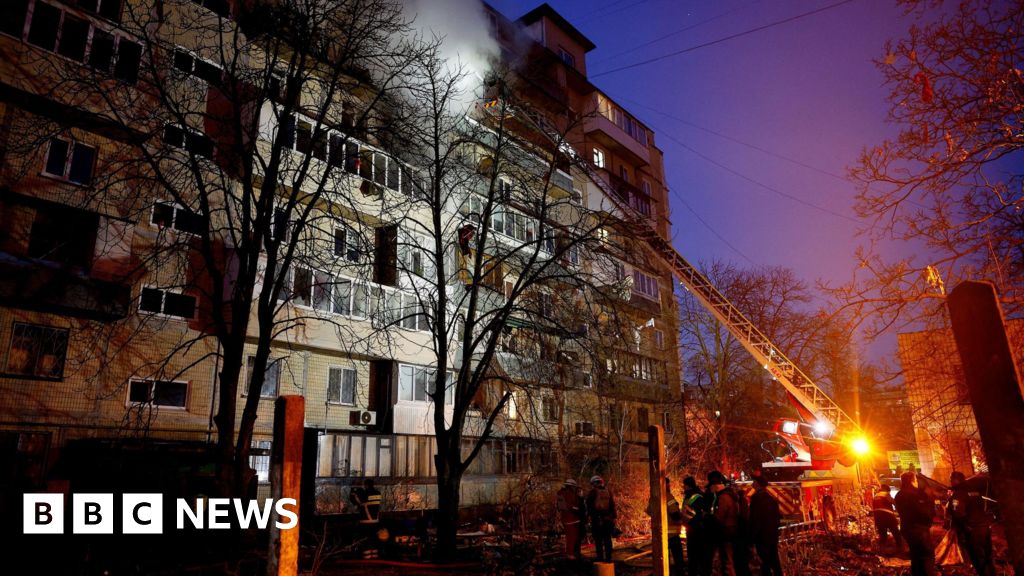
Russia hits Kyiv with deadly strikes in new wave, officials warn

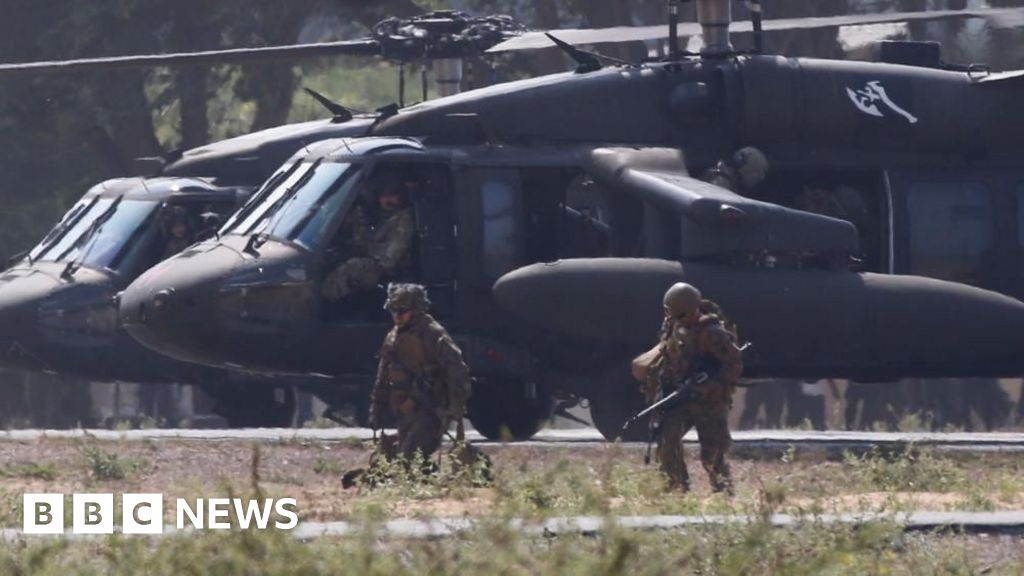
In a devastating escalation of the ongoing conflict in Ukraine, Kyiv has been battered by a wave of Russian drone and missile strikes, resulting in the deaths of three civilians and the injury of over 26 others. Kyiv’s mayor, Vitaliy Klitschko, described the attacks as “massive,” highlighting how residential neighborhoods, hospitals, and critical infrastructure have come under relentless assault. As explosions shook the city’s core, Kyiv’s energy infrastructure suffered severe damage, leaving parts of the city without heat—a bleak reminder of how war inflicts suffering beyond the battlefield. Emergency responders rescued dozens, including victims trapped beneath rubble, emphasizing the human toll of what Moscow claims are targeted military operations, but which Ukrainians see as deliberate acts of terror aimed at civilian populations.

While Russia asserts that its attacks aim to cripple Ukrainian military capabilities, Western analysts remain skeptical. The international community widely views this surge in airstrikes as a deliberate effort to destabilize Ukraine’s resilience—particularly by targeting energy networks that sustain civilian life and undermine morale. Ukrainian President Volodymyr Zelensky responded by demanding “no exceptions” to Western sanctions on Russian energy exports—an urgent call to weaken Russia’s economic backbone. This comes amidst a broader pattern of Moscow’s strategy: deploying drones and guided bombs to weaken Ukraine’s infrastructure, disrupt daily life, and garner pressure for negotiations on Moscow’s terms. Such tactics are reminiscent of a war of attrition where civilian suffering potentially serves as leverage, raising alarms about the broader geopolitical impact on regional stability.

The North Atlantic Treaty Organization (NATO), along with the United States, continues to monitor developments closely. NATO officials have condemned the recent strikes, emphasizing their support for Ukraine’s sovereignty and condemning Russia’s apparent escalation. The turning point came when the U.S., under President Donald Trump’s administration, initially imposed sanctions targeting Russian energy—yet, recent exemptions granted to Hungary reveal a nuanced and evolving geopolitical calculus. Analysts warn that Russia’s repeated targeting of energy infrastructure signifies an attempt to exhaust Ukraine’s civilian resilience and complicate Western efforts to sustain robust support. Additionally, Russia’s claims that these strikes are aimed at “military” targets are increasingly viewed as disingenuous, especially as civilians suffer the consequences.

Historically, conflicts of this nature have underscored a broader strategic contest—one where energy politics, alliances, and military might intersect with societal resilience. As the United Nations and international watchdogs issue warnings about escalating violence, the narrative is shifting toward a larger, more ominous story: a geopolitical chessboard where each strike and diplomatic move could have far-reaching consequences. The future of Ukraine, and indeed the stability of Europe, hangs in the balance, with each side trying to shape the narrative—while the echoes of destruction reverberate through history’s unfolding pages. As Kyiv’s skies burn and civilans endure, the world watches a relentless drama of power, endurance, and the high stakes of a war that threatens to redefine the global order—if not for today, then for generations to come.

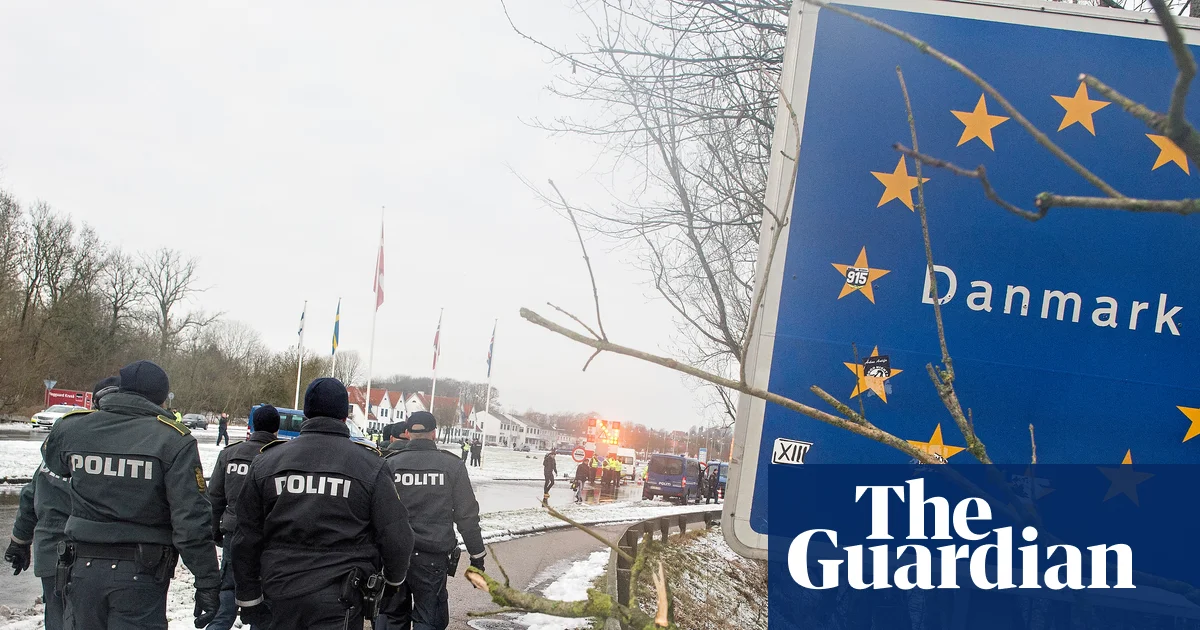
UK Eyes Denmark’s Strict Asylum Approach—But What’s the Reality? | Migration

Over the past decade, Denmark has dramatically reshaped its approach to immigration and refugee policies, employing measures that reflect a broader trend amongst Western nations to prioritize national sovereignty and social cohesion over international humanitarian commitments. This shift, notably characterized by the replacement of permanent refugee status with highly restrictive, temporary permits, signals a deliberate effort by Danish policymakers to deter future asylum seekers. Since reforms enacted around 2015, accommodating the influx from conflict zones such as Syria, Afghanistan, and Iraq, Danish authorities have concentrated on deterrence, emphasizing language fluency, employment, and the unstable nature of residence as keystones of integration. Despite international criticism from organizations like the UN, these policies have clearly achieved their intended effect: a stark decline in asylum applications, from nearly 15,000 in 2014 to just over 2,300 in 2024. How long can a nation sustain such policies before societal cohesion suffers?

In the realm of geopolitical impact, Denmark’s example has reverberated beyond its borders. Following its lead, Britain’s recent efforts to emulate Danish measures show a growing trend among political elites to tighten borders and reduce refugee arrivals, aiming to curb what they perceive as burdens on national identity and social security. Such policies, often justified as pragmatic responses to immigration’s perceived threats, are under increasing scrutiny from international organizations and human rights advocates. Critics argue that the “deterrence-only” approach undermines global humanitarian norms and risks fostering extremism, especially when integration becomes a near impossibility under the current framework. Another layer of tension lies in how these policies reflect and influence internal political dynamics, where populist right-wing parties gain ground by advocating for “remigration” and the mass expulsion of immigrants, further polarizing societies already wrestling with identity and security concerns.

The impact on society and international relations extends beyond mere statistics. As noted by historians and analysts such as Dr. Lars Jensen, a geopolitical expert, Denmark’s policies represent an ideological shift: it’s less about humanitarianism and more about national self-preservation. Denmark’s “paradigm shift” under Prime Minister Mette Frederiksen, emphasizing repatriation and social segmentation, exemplifies a broader move within Europe toward populist political strategies. Internationally, this raises critical questions about the future of humane refugee protocols, especially as the continent faces demographic challenges—such as declining birthrates and an aging population—which threaten the very economies that are now tightening borders. Will the pursuit of short-term political gains compromise the long-term stability and moral fabric of Western societies? This dilemma frames a pivotal chapter in the ongoing contest between liberal values and nationalist sovereignty.

As history turns its uncertain pages, the story of Denmark’s policies underscores a sobering truth: the choices made today shape the societal and geopolitical landscape of tomorrow. While governments may believe they are protecting their nations’ future, their decisions carry the weight of a global narrative that is still being written—one in which the ideals of compassion, inclusion, and international cooperation are tested against the imperatives of national security and cultural identity. The world watches as these policies unfold, aware that the outcome will influence the fate of millions of lives and rewrite the boundaries of human solidarity. In this relentless march of history, the question remains: can a nation’s resolve to safeguard itself coexist with the moral obligation to uphold human dignity, or are we witnessing the birth of a new, fractured global order?

Russia Targets All of Kyiv, Igniting Fires Across the City

Russian Escalation in Ukraine Sparks Global Concerns

In what analysts are now describing as a conspicuous escalation of the ongoing conflict, Russia launched a massive combined attack on Kyiv early Friday, striking multiple districts across Ukraine’s capital. The assault, involving drones and missile systems, resulted in fires, destruction, and at least 11 casualties, including civilians and vulnerable populations such as a pregnant woman. City officials confirmed widespread damage to residential buildings and critical infrastructure, with emergency crews responding tirelessly to contain fires and evacuate the injured. The attack signifies a potentially decisive moment in the open conflict, signaling Moscow’s willingness to commit further resources to dismantle Ukraine’s resilience.

This offensive not only underscores the persistent renewal of hostilities but also highlights the fragile geopolitical stance of Western allies supporting Ukraine. Kyiv’s mayor Vitali Klitschko reported damage to the city’s heating system, power outages, and water disruptions—conditions that threaten to deepen the humanitarian crisis amid winter’s approach. Several districts, including Darnytskyi, Dniprovskyi, and Podilskyi, bore the brunt of the attack, with debris igniting fires and causing widespread destruction. Regional authorities also reported civilian injuries in the Kyiv region and damage to private homes, reinforcing the toll on everyday life amid ongoing military tensions.

International institutions, from the European Union to NATO, have expressed grave concern over the latest assault, warning of the broader geopolitical impact that extends well beyond Ukraine’s borders. The EU, still haunted by questions of Kyiv’s EU accession prospects, has sought to balance support for Ukraine with efforts to curb corruption—a major precondition for integration. European officials, as reported recently, continue to pledge aid, but the message is clear: the path toward stability remains hindered by persistent internal vulnerabilities and external threats. According to security analysts, this wave of attack might foreshadow a tipping point that could reshape regional alliances and accelerate NATO’s strategic positioning in Eastern Europe.

This brutal act of warfare, captured vividly in social media images of flames and rubble, portends a dangerous new chapter in the U.S.-Russia proxy struggle. Historians warn that such brutal tactics are reminiscent of Cold War brinkmanship, where the balance of power hinges on each audacious move. As international organizations monitor Kyiv’s response, the question remains: how will this escalation influence diplomatic negotiations, and what future does this fractured region face? Despite diplomatic overtures, the weight of history presses heavily; the destiny of Ukraine, its people, and indeed the stability of Europe, continues to hang in the balance, as the shadows of past conflicts stretch into an uncertain tomorrow.

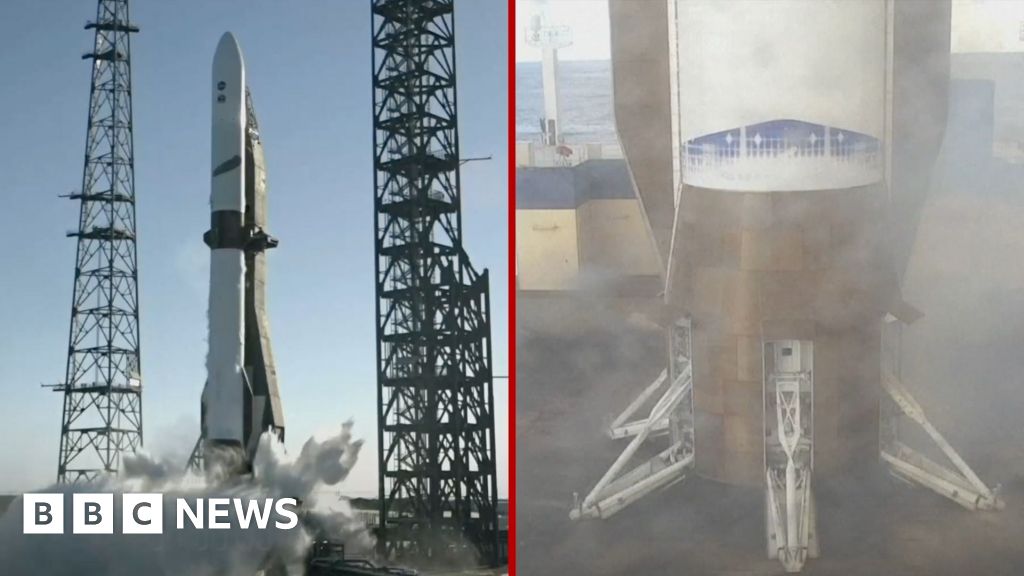
Blue Origin booster lands safely, showing strength and innovation during launch

Blue Origin’s Historic Launch Signifies Shifting Power Dynamics in Space

In a notable development that signals the intensifying competition for supremacy beyond Earth’s atmosphere, Blue Origin, the space enterprise owned by billionaire Jeff Bezos, successfully launched its New Glenn rocket from Florida. This mission, which carried two NASA spacecraft destined for Mars, underscores the strategic importance of commercial space ventures as nations and corporations vie for dominance in the final frontier. The successful landing of Blue Origin’s reusable booster on a floating Atlantic platform marks a crucial milestone, echoing the pioneering spirit that has historically fueled geopolitical influence.

This event underscores a broader shift in international space policy and power. NASA and private companies like Blue Origin and SpaceX are increasingly at the forefront of space exploration, redefining the boundaries of global influence. While SpaceX pioneered reusable rocket technology in 2015, Blue Origin’s recent achievement signals a rapid evolution in the commercial space sector, intensifying the race to establish military, economic, and scientific dominance. Many analysts, including those from the International Space Institute, see this as a compelling reminder that space has become the latest theatre for geopolitical leverage, where control of extraterrestrial infrastructure could translate into future global power.

Consequences of Commercial Space Expansion

As nations and private entities expand their reach into space, the geopolitical landscape is shifting. Historically, the United States has maintained a strategic lead—first through NASA’s Apollo program and later through space shuttle missions. However, the entrance of corporations like Blue Origin suggests a new paradigm—where private enterprise is becoming a pivotal actor in shaping future international order. This decentralization of space exploration creates both opportunities and risks, particularly concerning the potential for weapons proliferation, resource extraction, and sovereignty claims in space. While the Outer Space Treaty of 1967 remains the baseline legal framework, many experts warn that current policies are ill-equipped to regulate the fast-paced development of commercial space activities, potentially leading to a new kind of global conflict with extraterrestrial stakes.

  • The successful launch of Blue Origin’s New Glenn represents more than technological progress; it reflects a strategic move that could tilt the balance of power, especially if space becomes a domain for military and economic competition.
  • Private companies’ advancements catalyze a geopolitical narrative where traditional superpowers must adapt rapidly or risk losing dominance.
  • Major international organizations, including the United Nations Office for Outer Space Affairs, are under mounting pressure to update treaties and enforcement measures, balancing innovation with security concerns.

Unfolding Narratives: The Future of Humanity’s Extraterrestrial Ambitions

With each launch, global powers are rewriting history—shaping a future where space exploration is not solely the pursuit of academia or government agencies, but a strategic chessboard for economic control and military advantage. Many see the recent Blue Origin milestone as a turning point: a reminder that the “final frontier” is becoming a contested domain where alliances shift and new actors emerge with each technological breakthrough. As the world watches this space race escalate, one question remains —will international cooperation prevail, or will the battlefield for celestial dominance turn into a new arena of conflict? The weights of history hang heavy as humanity’s gaze turns upward, where the seeds of peace or chaos are quietly sown in the silence of space, now a vital frontier for those daring to shape the destiny of nations and societies for generations to come.

Multiple ACT Schools Close Amid Asbestos Concerns Over Colored Sand Products

Australia Confronts a Public Health Crisis as Schools Shut Over Asbestos-Laced Children’s Play Sand

In a startling development that underscores the risks of global sourcing and the fragile safety of public health, Australia’s Capital Territory (ACT) has ordered the immediate closure of more than a dozen primary and preschools, following the detection of asbestos in imported children’s sand products. This decision, made in response to serious environmental health concerns, highlights an ongoing challenge for nations navigating the complex web of international trade, safety standards, and domestic regulation. The ACT’s education authorities, led by Education Minister Yvette Berry, have prioritized safety above all, shutting down 15 schools outright and partially closing five others, as testing and remediation efforts continue.

This crisis traces its roots back to the importation of colourful children’s sand products, primarily from China, which later proved to contain chrysotile asbestos—a substance linked to terminal diseases such as mesothelioma. Authorities identified a range of products, including “Kadink Sand,” “Educational Colours – Rainbow Sand,” and “Creatistics – Coloured Sand,” all sold at major retailers across Australia over the last five years. The Australian Competition and Consumer Commission (ACCC) issued a recall of these items, cautioning the public about the potential health risks. Despite assurances from WorkSafe ACT that risk exposure is low, the precautionary closures reflect a growing concern over how unchecked imports threaten societal safety, especially when children are involved.

Implications of International Trade in Public Safety

The incident reveals a broader geopolitical issue that resonates globally: the tension between free trade and safety standards. Australia, like many countries, relies heavily on international manufacturing hubs—particularly China—for affordable consumer products. However, these supply chains can often bypass stringent safety checks, especially for hazardous materials banned since 2003 in Australia. Historians and analysts warn that such lapses threaten not only health but also international trust in trade agreements. The fact that these products were sold across Australia from 2020 to 2025, including via local distributors like Educating Kids and Zart Art, underscores the systemic vulnerability in consumer safety protocols.

Global organizations such as the World Health Organization (WHO) have long issued warnings about asbestos, emphasizing that its carcinogenic effects are well understood and that its importation should be tightly controlled. Yet economic pressures and lax enforcement have allowed hazardous materials to slip through regulatory cracks. This episode serves as a stark reminder of how decisions made in international markets can ripple across societies, impacting everything from public health systems to educational environments. Accordingly, the geopolitical impact is profound: nations must strengthen their trade oversight and internal safeguards if they are to prevent such hazards from becoming a national crisis.

Domestic Response and Rising Concerns

The response by ACT authorities demonstrates a determined, albeit reactive, strategy: immediate school closures, thorough testing, and clear communication to parents and staff. The closure of Cranleigh School and others not only disrupts education but also raises questions about how preparedness measures are structured and enforced. With similar incidents tracing back to older sites in Sydney and Melbourne, where asbestos was historically buried or processed, the broader challenge becomes clear: legacy contamination and the risks associated with historically unsafe disposal practices are still haunting Australian cities. International organizations warn that such legacy issues complicate cleanup efforts, demanding concerted policy shifts and increased investment in environmental remediation.

Experts reveal that vigilance must extend beyond reactive measures. Governments should establish mandatory testing of imported consumer goods, especially those intended for children. Public education campaigns urging safe disposal and raising awareness regarding imported hazardous materials are crucial in preventing future crises. As the Australian government works to ensure that such risks are contained, citizens are left grappling with the uncertainty of what other unseen dangers may lurk in everyday products.

As this unfolding crisis exposes vulnerabilities in international trade and domestic regulation, history reminds us that the true measure of societal progress lies in the capacity to anticipate and prevent disaster. With the specter of asbestos—a material associated with silent, deadly threat—still casting its shadow over Australia’s safe spaces, the weight of history presses upon policymakers worldwide. The question remains: will this incident be merely a fleeting warning, or a catalyst for profound structural change that reshapes how nations safeguard their future? The answer lies in the unfolding stories of remediation and resilience yet to come, where decisions today forge the landscape of tomorrow’s history.

Switzerland steps up charm campaign to slash damaging Trump tariffs

In a striking display of geopolitical influence and economic maneuvering, Switzerland has recently escalated efforts to negotiate a significant reduction of the steep 39% tariffs imposed by President Donald Trump on Swiss exports to the United States. These tariffs, reportedly the highest in Europe, have inflicted tangible damage on Swiss industries, especially the luxury goods and gold sectors. The diplomatic effort, which initially appeared to be a diplomatic dead end, took a decisive turn after a high-profile visit by Swiss business leaders bearing symbolic gifts—a rolex gold watch and engraved gold bar—from the Swiss-based gold refining company MKS. These gestures, viewed by analysts as an unconventional but strategic way to influence Trump’s decision, appear to have contributed to a shift in tone during recent negotiations, with a senior administrative official describing the talks as ‘very positive’ and ‘focused.’

The United States’ trade policy, under Trump, has been characterized by aggressive tariffs aimed at reducing trade deficits, often straining relationships with key allies. In this instance, the Swiss government’s diplomatic playbook was supplemented by an active corporate lobbying campaign, emphasizing the interconnectedness of international trade and national industry. Historians and trade analysts warn that this move could signal a broader realignment of U.S. trade policy—potentially opening the door for other nations to leverage similar tactics. As Swiss industries face potential relief, the global geopolitical impact could be profound, altering the supply chain landscape for luxury goods, pharmaceuticals, and commodities, with ripple effects reaching continents far beyond Europe and North America.

Meanwhile, the diplomatic dance extends beyond mere tariffs. The Swiss delegation’s visit to Washington was not solely about economic negotiations; it involved a display of diplomatic gift-giving, a tradition that underscores the importance of soft power in modern geopolitics. The presence of influential Swiss industry figures, including leaders from Richemont and MKS, alongside the Swiss economy minister Guy Parmelin, highlights a unified front aimed at safeguarding economic interests. Interestingly, Fifa president Gianni Infantino, a prominent Swiss citizen and a close friend of Trump’s, played a subtle but influential role—having previously handed over the World Cup trophy during an Oval Office visit—signaling that even sporting diplomacy could sway political decisions.

This evolving scenario exemplifies how decisions on tariffs are more than economic policies—they serve as a barometer of power, influence, and societal impact. The potential reduction of the tariffs, possibly down to 15%, would not only bolster Swiss exports but would also send a clear message: in today’s interconnected world, diplomatic ingenuity and strategic alliances are crucial in shaping national destinies. As Swiss industry anxiously awaits the outcome, the weight of history hangs in the balance, with the potential to reshape the narrative of U.S.-European economic relations.

Across the Atlantic and beyond, the story remains unwritten, yet undeniably consequential. As Trump’s policy shifts intertwine with international diplomacy—and as influential figures and nations navigate the treacherous waters of global influence—the echoes of these decisions will be felt for generations. Will this be a new dawn of diplomatic finesse, or yet another chapter in a saga of uncertain alliances? The answer, like history itself, continues to unfold amidst the relentless march of power and progress.

Social Media Auto Publish Powered By : XYZScripts.com