Matox News

Truth Over Trends, always!

France doubles down on fight against resilient jihadist threat a decade after Bataclan

Evolution of the Jihadist Threat: A Decade After Paris Attacks

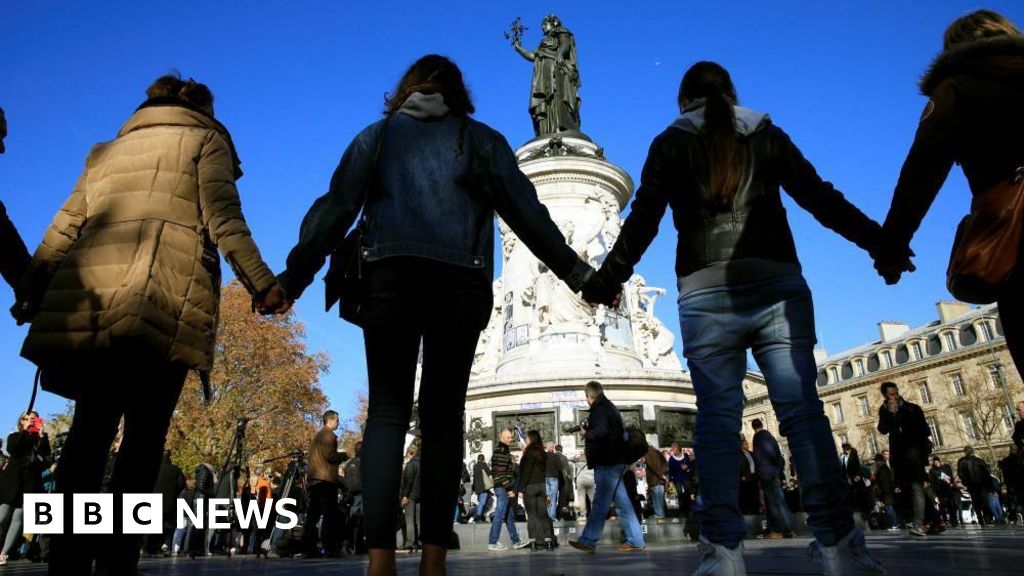
As France commemorates the 10th anniversary of the devastating Bataclan massacres, the nation faces an unsettling reminder that the jihadist threat endures. The attacks, carried out by young militants linked to Islamic State (IS), shattered the façade of security in Europe and transformed its geopolitical landscape. The attack, which resulted in the tragic loss of 130 lives, marked a turning point in global counterterrorism efforts, prompting intense scrutiny of radicalization pathways, international support networks, and intelligence capabilities. While IS has lost its territorial caliphate, analysts warn that the residual ideological and operational networks continue to metastasize across borders, threatening the very fabric of Western societies.

This year, an arrest underscores the persistent danger. A 27-year-old French convert to Islam, identified as Maëva B, has been detained on suspicion of plotting her own act of violence. Her connection to Salah Abdeslam—the sole survivor of the November 2015 attacks—has come under intense investigation. Prison authorities discovered Abdeslam had been communicating with her via a USB containing jihadist propaganda, which traced back to her face-to-face meetings with the convicted terrorist. This connection reveals the disturbing reality of how radicalization can operate clandestinely within the prison system, illustrating that the threat has not diminished but adapted, often lurking in unexpected spaces. Authorities now focus on the so-called “ambient jihadism”, a diffuse threat fueled by online echo chambers, grievances exploited by global conflict, and a fractured national political climate that increasingly resonates with extremist narratives.

Historical and Geopolitical Significance

The 2015 Paris attacks were more than just acts of terror; they were a geopolitical crisis that highlighted the vulnerabilities of modern open societies. The coordination—and brutality—of the assaults by young men of North African origin, trained in IS territory within the Middle East, exposed the porous nature of European borders and the complex web of support supporting radical initiatives. Drawing from the insights of historians like Gilles Kepel, provincial governments and worldwide organizations began to realize that the post-attack security measures were only a partial solution. The global fight had to evolve, targeting online radicalization, dismantling support networks, and countering the socio-political conditions that breed extremism. Yet, despite military defeats, the ideological contagion persists, proving that the root system of radical Islamism continues to thrive clandestinely, metastasizing within vulnerable communities.

The geopolitical impact has been profound, shaping policies across the Atlantic. European nations, especially France, have fortified security measures but remain haunted by the resignation that their enemies are no longer always visible or easily contained. As Kepel suggests, the danger now is less from organized cells and more from “ambient jihadism”, a phenomenon exploited by global conflicts — including ongoing crises in Gaza and Israel — which serve as catalysts for radical narratives. The political crisis gripping France—characterized by a polarized parliament and compromised leadership—further amplifies the risk, diminishing the nation’s social cohesion and increasing the likelihood of violence. International organizations warn that if national unity unravels, extremism could ignite new waves of violence, making the current epoch a perilous turning point in Western history.

The Ongoing Battle and the Weight of History

In the wake of these developments, the collective memory of Paris’ tragedy remains a stark reminder of what is at stake. The Bataclan attack, now a symbol of Islamist violence, echoes a warning that resonates globally. Despite the military’s apparent decline of IS in the Middle East, the threat landscape has shifted, becoming more unpredictable and diffuse. The recent offer of “restorative justice” by Salah Abdeslam—met with outrage by many—symbolizes the moral and political dilemmas facing Western societies. As the day concludes with the Eiffel Tower lighting up in national colors, the question remains: How will history judge these decisions? Will future generations find us resilient or complicit in a still-unfolding saga of conflict, ideology, and the fragile pursuit of civilization amidst chaos?

As the world watches, the shadow of Paris’ wounds lengthens into the present, reminding us that the struggle against radical extremism is not over but evolving. The past informs the present, and in this, history continues its unforgiving march, one that may yet determine the future of free societies across the globe.
Controversy in Nigeria: Clash Over Benin Bronzes at West African Art Museum

Geopolitical Tensions Escalate as Nigeria’s New Museum of West African Art Becomes a Political Battleground

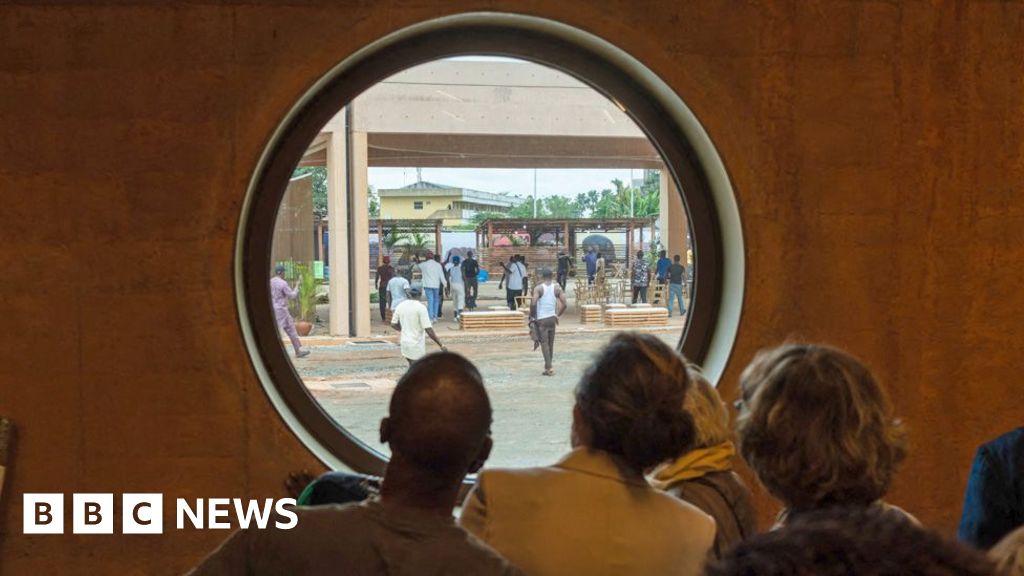
In a dramatic turn of events, Nigeria’s quest to establish a world-class cultural institution has been marred by intense local political rivalry and unresolved historical grievances. The Mowaa project, a sprawling six-hectare museum in Benin City, intended to showcase West Africa’s rich artistic heritage—including the prized Benin Bronzes—was set to inaugurate a new chapter in Nigeria’s cultural renaissance. Designed by renowned architect Sir David Adjaye, the museum aimed to rival global institutions and reassert regional pride. But the ambitious project faced immediate opposition, reflecting deeper conflicts rooted in history, power, and identity that continue to ripple across Nigeria’s socio-political landscape.

As Mowaa within moments of preparing for its grand opening, protesters stormed the campus demanding it be rebranded as the Benin Royal Museum and placed directly under traditional custodianship of the Oba of Benin. The row highlights a simmering debate about ownership and restitution of Africa’s most treasured artifacts—the Benin Bronzes—looted in 1897 during British colonial expeditions. While international museums such as the British Museum and the Berlin Humboldt Forum have tantalizingly returned some pieces, the core debate persists: Should these artifacts remain in Western institutions or be repatriated to Nigeria? The controversy is not merely about artifacts but touches on national identity, sovereignty, and historical justice. Historians and cultural analysts warn this dispute could further complicate ongoing efforts to restore Africa’s stolen cultural heritage.

Politics, Power, and Cultural Legacy in Nigeria

The political impetus behind the backlash stems from internal power struggles, with local elites vying for control over cultural symbols. The recent upheaval traces back to a conflict between the administration of Nigeria’s current governor—aligned with traditional authority figures—and former political allies. The protesters, many driven by historic loyalty to the Oba and regional rivalries, demanded that the museum be under royal authority, echoing the ancient prestige of the Benin Kingdom. Such tensions exemplify how cultural heritage has become a battleground for broader political authority, with historians noting that this rivalry mirrors Nigeria’s persistent struggles with governance, legacy, and decentralization.

Despite diplomatic efforts by President Bola Tinubu to quell the unrest and preserve Nigeria’s global image, the crisis reveals wider geopolitical implications. The focus on indigenous control over cultural patrimony ties into a larger narrative of decolonization and sovereignty that many African nations are eager to champion. Yet, Western museums remain cautious, citing concerns over the conservation and legal ownership of looted artifacts. The ongoing debate about who should hold the Benin Bronzes threatens to derail Nigeria’s diplomatic push for restitution and complicates international collaborations aimed at cultural repatriation, as highlighted by both regional officials and global institutions.

The Future of Africa’s Artistic Heritage and Identity

Amidst controversy, Nigerian artists and cultural leaders advocate for a new vision—one where contemporary African creativity stands at the heart of national identity. The museum’s broader mission now emphasizes fostering a creative ecosystem that includes film, music, fashion, and visual arts, transcending debates over relics and focusing on living, breathing culture. Prominent artist Yinka Shonibare’s thought-provoking installation, Monument to the Restitution of the Mind and Soul, featuring replicas of the bronzes in clay, symbolizes Africa’s spiritual connection and mourning for its lost treasures. His work underscores a vital theme: how nations can reconcile history with modern identity and reimagine their cultural narrative without losing touch with the past.

As Nigeria grapples with these issues, the Mowaa project symbolizes hope for a future where African voices shape their history and legacy. But the shadows of colonialism, political rivalry, and cultural custodianship loom large, reminding the world that this is not just about art—it is about the soul of a continent still fighting to define itself in the face of history’s forces.

In the unfolding story of Nigeria’s cultural renaissance, the weight of history hangs heavy. The battle for the Benin Bronzes* and the soul of Nigeria’s societal identity continues to evolve. Will this chapter mark a victory for sovereignty and cultural dignity, or will it be yet another lost opportunity amid political strife and international indecision? As history watches silently, the echoes of ancient brass and modern ambition forge an uncertain path forward—an enduring reminder that Africa’s story is still very much being written.

South Australia Rejects Restrictive Late-Term Abortion Bill Amid Fierce Debate

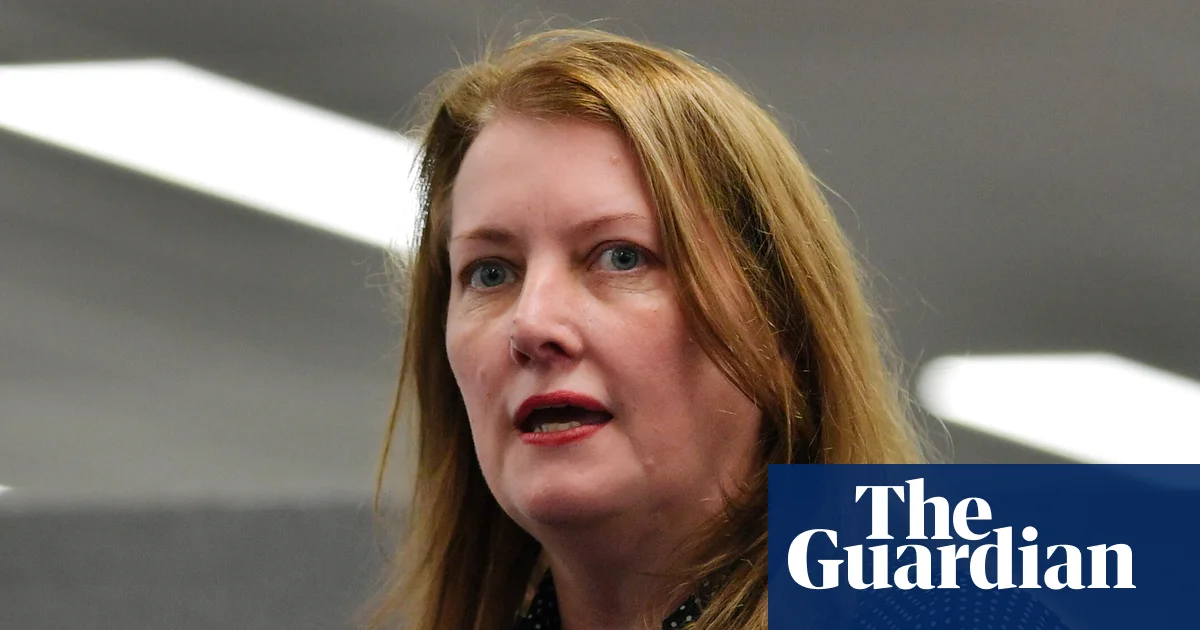
In a decisive turn within Australia, the South Australian Parliament recently defeated a contentious bill aiming to restrict access to late-term abortions. This legislative battle not only spotlights the country’s ongoing internal debate over reproductive rights but also echoes a broader, international struggle over the influence of anti-abortion movements. The bill, proposed by former One Nation member Sarah Game—now an independent—demanded to tighten restrictions on abortions after 22 weeks and six days, significantly narrowing existing laws that permit late-term terminations when the mother’s physical or mental health is at risk.

The motion was defeated by a vote of 11 to 8, with emotional scenes unfolding as several Members of the Legislative Council (MLCs) expressed visible distress during the debate. Health experts from the Royal Australian and New Zealand College of Obstetricians and Gynecologists (RANZCOG) sharply criticized the proposed legislation, asserting it was rooted either in ignorance or deliberate misrepresentation of medical realities. The attorney general, Kyam Maher, underscored that the bill’s premise was fundamentally flawed, emphasizing that it risked erecting unnecessary barriers to essential healthcare.

Global analysts highlight that Australia’s internal opposition to abortion laws is increasingly influenced by imported tactics from United States conservatives, who have long sought to chip away at reproductive rights. As noted by international organizations and historians, this pattern involves focusing on the most rare and medically complicated late-term procedures, which necessarily involve cases of severe fetal abnormalities or maternal health threats. Experts warn that these strategies serve to erode broadly accepted standards of informed consent and patient autonomy, gradually shifting societal perceptions of reproductive healthcare. The defeat of the South Australian bill is thus seen as a victory against these well-funded and strategically driven anti-abortion campaigns, which often cloak their motives under the guise of protecting life.

However, the battle is far from over. In South Australia, controversy is ongoing regarding the device of anti-abortion tactics and their influence on policy. Critics point to the banning of Joanna Howe, who had proposed similar legislation and alleged threats and intimidation tactics by opponents—actions that democratic leaders unequivocally condemned. These developments are emblematic of a strained climate where advocacy, opposition, and political coercion increasingly intertwine, raising concerns about the future landscape of reproductive rights in Australia and beyond. As analysts warn, these national debates are part of a wider geopolitical carriage of value clashes that resonate across borders, influencing laws and societal attitudes worldwide.

With international organizations watching closely, and historians cataloging these moments as pivotal shifts, the ongoing struggle over abortion rights continues to be a defining issue of our era. As the controversy in South Australia evidences, the decisions made today ripple outward, shaping societies and influencing policies that will define generations to come. The scales of justice and morality in reproductive rights hang precariously, and the pages of history are once again being written—this time, with the weight of countless lives and societal values at stake, as the relentless tide of change carries us toward an uncertain future.

Judge orders release of hundreds detained in Chicago immigration crackdown

Legal Ruling Challenges Federal Immigration Policies in Chicago

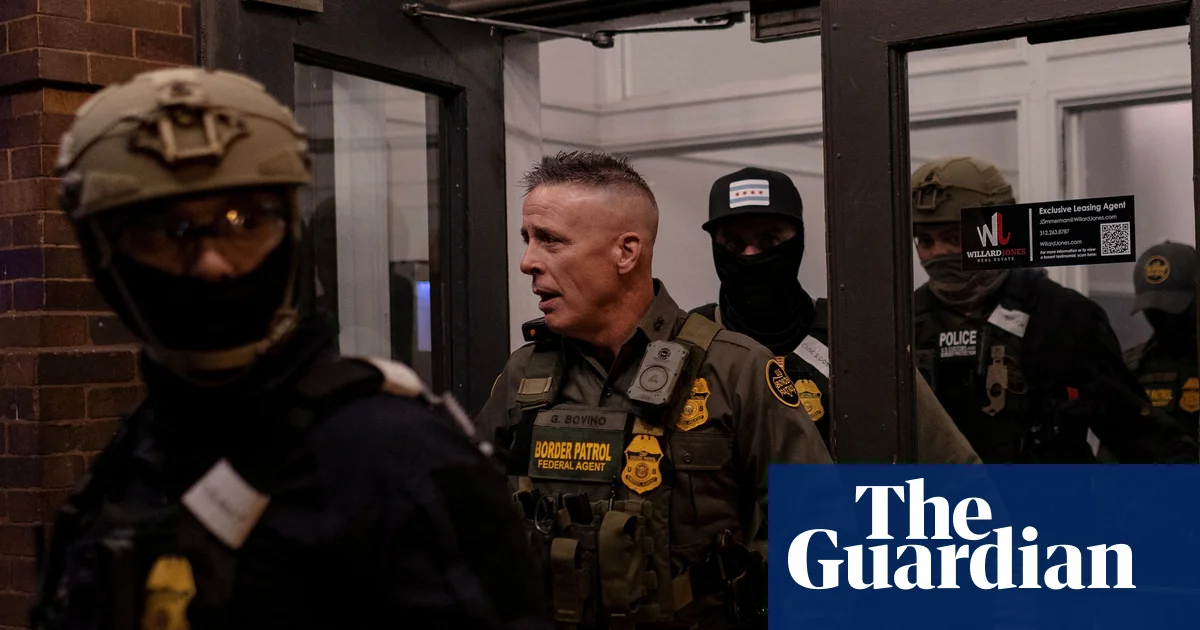
The recent judicial intervention into President Trump’s controversial immigration raids highlights the ongoing tensions between federal enforcement agencies and judicial oversight. A US district court, presided over by Judge Jeffrey Cummings, has ordered the immediate release of hundreds of individuals detained during what critics call an overreach of federal authority under the guise of immigration enforcement. This case exemplifies how international concerns over sovereignty and law enforcement transparency are increasingly intertwined with domestic policy struggles.

This development follows the aggressive “Operation Midway Blitz,” a series of raids that swept through the Chicago area with claims of crackdown on undocumented migrants. However, widespread accusations have emerged of excessive and even abusive tactics, including the use of tear gas and pepper spray against protesters, raising alarm among human rights advocates and international organizations. The judicial decision to release detainees with minimal bonds, contingent on no criminal record or prior removal orders, underscores a broader debate about the limits of federal authority and the importance of adhering to legal protocols—particularly when rights are at stake.

Legal and Political Ramifications of Federal Immigration Enforcement

  • The court’s orders come amidst a lawsuit filed by the ACLU of Illinois, which claims that the federal agents violated a 2022 consent decree prohibiting warrantless arrests. This legal move signals a crucial battleground in the ongoing debate over state versus federal authority in immigration enforcement, with many interpreting it as a pushback against potential overreach by the Biden administration’s predecessor policies.
  • Federal officials, represented by William Weiland, have pushed for a halt to these releases, citing potential security risks posed by at least 12 individuals under review. The ongoing tension reveals the fragile balance between public safety and individual rights, set against the backdrop of a deeply divided nation where immigration remains a highly politicized issue.
  • The impact of international perspectives on immigration cannot be ignored, especially as global reactions to similar enforcement policies continue to shape public perception. Analysts suggest that such judicial rulings may serve as a precedent for other cities, influencing how federal agencies operate under the rule of law.

How International and National Actors Respond

According to historians and legal analysts, this case reflects a wider paradigm shift where judicial oversight becomes a vital mechanism to check executive power in immigration matters. While critics decry certain federal tactics as infringements on civil liberties, others view these decisions as critical to maintaining democratic accountability in a matter that directly affects societal cohesion. The involvement of organizations like the ACLU and the National Immigrant Justice Center underscores the significance of legal battles in shaping policy outcomes, with the potential to influence legislation and executive action at the highest levels.

As the courts continue to scrutinize these enforcement tactics, history’s pen is poised to record whether this confrontation between law and order will yield a new precedent of accountability or mark a turning point towards more unchecked federal authority. With each ruling, the fabric of a nation built on law and liberty is tested, revealing that the final chapter in this saga remains unwritten, yet undeniably profound in its implications for **geopolitical stability** and how societies worldwide will interpret the rule of law in immigration policies.

Australia News Live: Aurora Lights Up Sky After Solar Storm, Liberals Prepare New Energy Plan

International Turmoil and Ecological Crises Reshape Global Power Landscape

In an era marked by aggressive geopolitical shifts, nations are increasingly using environmental policies — or the lack thereof — as a battleground for influence and control. Australia, often regarded as a microcosm of broader international struggles, has become a prime example. Recent reports reveal that over 130 organizations, including influential groups such as 350.org and Friends of the Earth Australia, are demanding their government reject proposed reforms to the nation’s nature laws. Critics argue these changes threaten to regress decades of environmental protection, effectively putting profits ahead of planetary health. The stakes are high: how each nation’s internal decisions over conservation, energy, and climate action can resonate globally, shaping alliances and hostilities in the ongoing geopolitical theater.

  • More than 100 grassroots groups signed an open letter urging the federal parliament to oppose the Albanese government’s legislation, alleging it would diminish community rights and environmental safeguards.
  • The legislation, championed under the guise of streamlining approvals and empowering state authorities, simultaneously weakens public participation. Critics warn this serves corporate interests and jeopardizes Australia’s biodiversity, which in turn impacts regional stability and international reputation.
  • Meanwhile, the Liberal Party is contemplating abandoning its net-zero emissions target, a move that signals a potential shift away from climate leadership. The party’s internal debate, with Dan Tehan and Sussan Ley at the forefront, underscores a broader global trend: major powers wavering on commitments made during the Paris Agreement era, risking international credibility.

From the perspective of historians and analysts like Professor Peter W. Singer, such internal political battles reflect a deeper struggle: the battle for global narrative dominance. Countries that fail to act decisively on climate may suffer diplomatic isolation and economic repercussions, especially as international organizations like the United Nations emphasize sustainable development goals (SDGs). This shifting landscape has the potential to redraw alliances, with resource-rich nations prioritizing raw materials for energy independence, even at the cost of planetary health. The decisions that commence within national legislative chambers now ripple outward, influencing societal stability and the geopolitical balance of power in ways often unseen but profoundly felt.

Meanwhile, on the environmental front, celestial phenomena such as the recent display of the aurora australis and the geomagnetic storms caused by solar activity serve as stark reminders of Earth’s fragile connection to cosmic forces. The spectacular light shows in Victoria and the Blue Mountains, visible due to a severe solar storm, underscore nature’s unpredictability—paradoxically highlighting the urgency for human responsibility. As space weather experts warn of increasing solar activity, the mounting evidence compels nations to prepare for environmental crises that transcend borders. Whether it be climate-induced disasters or space-borne threats, the narrative of humanity’s future is intertwined with understanding Earth’s place in an active universe—an awareness that must drive a responsible and united approach to planetary stewardship.

The Oncoming Era of Change

As the Australian internal debates spill into global consciousness, the broader question emerges: which nations will seize the opportunity to lead the charge in sustainable development, and which will retreat into outdated paradigms of exploitation? Historians warn that indecisiveness or capitulation to corporate interests today may result in the erosion of environmental rights, leaving future generations to face the consequences of short-term gains. Whether the global order leans towards an era of cooperation or descends into conflict over dwindling resources remains to be seen. Yet, the unfolding chapters of this story, written in leadership decisions and societal responses, suggest that humankind stands at a crossroads—where every policy, greater or smaller, could sway the course of history for decades to come.

In the shadow of celestial displays and nuclear debates, the weight of history persists—an unyielding reminder that Earth’s future depends on the actions we choose today. Humanity’s story remains unwritten, an ongoing odyssey dictated by the bravery or cowardice of those who hold the pen.

Georgia Election Board Pays $50K to Settle Ethics Lawsuit Over Private Emails

Georgia Election Board’s Transparency Bid Sparks National Debate

In a notable development that underscores ongoing tensions over election integrity and transparency, the Georgia state election board recently settled a lawsuit brought by American Oversight, a watchdog organization. The lawsuit revealed that key officials within the Republican-controlled board had been conducting official matters through private email accounts and ephemeral messaging platforms, bypassing established public records laws. The settlement, amounting to $50,000, mandates the board to implement stricter protocols requiring members to use official email accounts for all correspondence, and to cease reliance on private messaging apps such as Snapchat and Signal with disappearing messages. This case exemplifies the increasing scrutiny faced by election authorities to adhere to transparency standards in an era marred by skepticism over electoral processes.

Critics argue that such violations, particularly amidst the ongoing debate over the 2020 presidential election results, threaten the foundational trust in democratic institutions. The lawsuit was initiated after it was discovered that Janice Johnston, a member of the board, had been conducting business via her personal Gmail account and refused to produce those emails despite a public records request. The controversy intensified when the Georgia attorney general, Chris Carr, declined to defend the board, signaling a significant divergence within state authorities regarding transparency and accountability. Historians and legal analysts warn that political actors leveraging secretive communications threaten the integrity of electoral oversight, potentially fueling division and undermining democratic legitimacy in vital swing states like Georgia.

This incident is part of a broader international trend where democratic institutions are increasingly scrutinized for hidden agendas and opaque decision-making. The inclusion of ephemeral messaging in the settlement highlights the modern challenge of digital transparency, with authorities being urged to retain and produce all forms of communication consistent with *open records laws*. As American Oversight continues to pursue related litigation, many fear this case exemplifies the ongoing struggle to balance political influence with the principles of an open democracy. The international community watches as the U.S. grapples with these domestic conflicts, their outcomes carrying potential ramifications for US geopolitical credibility, especially as allies and adversaries alike decode the signals sent by America’s democratic processes.

The geopolitical impact of such internal disputes cannot be overstated. In a world where trust in democratic institutions is often leveraged as a tool of soft power, the degree to which the U.S. can uphold transparent governance influences its standing abroad. The rising tide of partisan accusations and legal battles, exemplified by Georgia’s election controversies, risks sowing disillusionment both in the U.S. and amongst international allies seeking reassurance of American stability. For nations observing from afar, these internal conflicts serve as a stark warning about the fragility of democratic systems that allow, or fail to prevent, corruption and opacity at critical levels of governance—an issue that toughens ideological divides and makes international diplomacy more complex.

As history beckons, the ongoing courtroom battles and political turbulence in Georgia serve as a stark reminder of the *unfinished story of democracy*. How these legal and institutional reforms evolve could anchor a new chapter—one where the principles of openness and accountability are no longer just ideals, but established norms enshrined in law. Yet, beneath the surface lies the somber truth: the balance of power and the integrity of election systems remain fiercely contested. As the nation stands at a crossroads, the weight of history presses down, waiting to see whether American democracy will emerge more resilient or if it will succumb to its internal divisions, forever marked by these turbulent landmark moments.”

COP30 Live: US Absence Sparks Tensions as Youth Protests Rage On

Global Climate Diplomacy in Flux: The Geopolitical Impact of COP30 and Civil Society Unrest

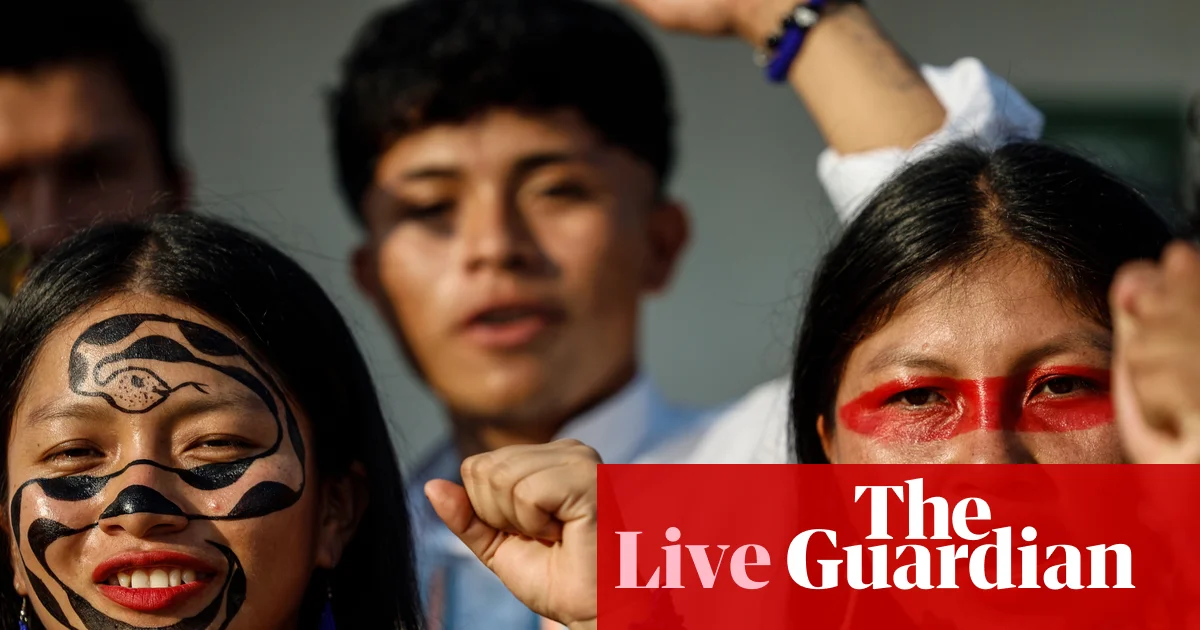
As Brazil hosts the COP30 climate summit amidst a backdrop of upheaval, the geopolitical landscape of climate policy is experiencing a profound transformation. The absence of the United States—the world’s largest historical greenhouse gas emitter—marks a pivotal turning point in international climate negotiations. Meanwhile, civil society activists, indigenous leaders, and environmental guardians are capitalizing on the vacuum created by U.S. disengagement, mobilizing with unprecedented fervor. The arrival of a flotilla of over 100 vessels, including the Greenpeace Rainbow Warrior, symbolizes a new era of direct action that challenges traditional diplomacy and accentuates the deepening societal rifts over climate justice.

The absence of the US delegation— confirmed by research from Carbon Brief—has stoked a wide array of reactions. While former UN climate chief Christiana Figueres declares it a blessing, some analysts warn that this void might embolden petro-states like Saudi Arabia and India to push their agenda, potentially undermining international commitments. Notably, California governor Gavin Newsom has emphasized the importance of subnational efforts, asserting that “what stands in the way becomes the way.” This shifting dynamic indicates a fracture in the once-unified front of international climate diplomacy, where local and regional actors are emerging as critical players, challenging the old paradigms enforced by politician-led negotiations.

Society at the Forefront: Protests, Indigenous Resistance, and the Fight for Land and Life

Within Belém, voices of indigenous and forest communities have become the heartbeat of the summit. The **”Boats for Climate Justice Flotilla,”** representing some 5,000 activists from 60 countries, underscores a widespread awakening among marginalized groups demanding recognition of their rights and the protection of critical ecosystems like the Amazon. Maya-Lou Kayapo and Sarah Rodrigues exemplify this resistance, emphasizing that “financial support needs to go directly to the traditional peoples who protect the forest, not to extractivist industries.” As protesters sing slogans such as “Fight for the Right to Life” and “No to Soy!”, they embody an uncompromising stance that society’s future depends on respecting nature and indigenous sovereignty.

The tensions reached a crescendo when dozens of activists burst into the Blue Zone, confronting UN security—an act signaling the resurgence of civic unrest that had been suppressed in recent years. Such demonstrations mark a strategic shift toward direct action and civil disobedience, reflecting a broader social burnout with diplomatic lip service and a growing impatience for tangible change. The symbolism of the inflatable snake, “the great cobra,” underscores their call for reparative justice, emphasizing that financial and political support must flow to communities at the frontline of climate change, not multinational corporations or fossil fuel interests.

Implications for Global Policy and the Future of Climate Action

The geopolitical impact of these developments transcends mere symbolism. International organizations like the IPCC and climate analysts warn that the new landscape, marked by US absence and grassroots pressure, could either accelerate or derail global efforts to meet the Paris Agreement targets. The “entirely feasible” investment of $1.3 trillion annually by 2035, as outlined by the High-Level Expert Group on Climate Finance, hinges on effective mobilization of public and private funds — a task complicated by geopolitical fractures and societal upheaval.

Historian William K. Reilly and others caution that the ongoing crisis exposes the fundamental flaw in relying solely on international negotiations. Instead, the future hinges on bottom-up initiatives—local leadership, civil resistance, and innovative policy mechanisms. Gore’s portrayal of the climate crisis as “literally insane” underscores the urgency of shifting from brittle diplomacy to resilient societal action. As humanity teeters on the edge of climate tipping points, the unfolding narrative of COP30 reveals a world in tension—caught between the old guard’s retreat and new forces demanding a radical reimagining of our relationship with Earth. The decisions made now may well write the next chapter of history—one either of collective salvation or irreversible decline.

Keir Starmer faces backlash over Morgan McSweeney’s future amid tension with Labour youth

The Inner Battles of UK Politics: A Reflection of Global Power Shifts

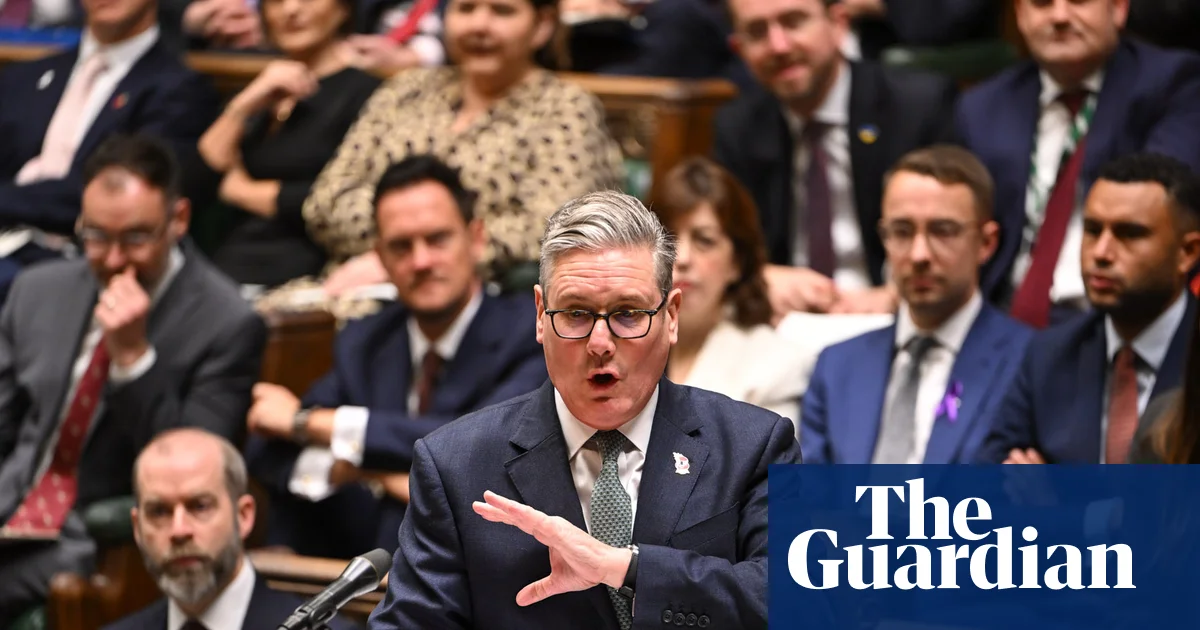
In an era marked by growing geopolitical tension, United Kingdom politics are revealing deeper fractures within Western democracies and their struggle to adapt to a new international landscape. Recent revelations around the turmoil in Downing Street highlight not only internal factions vying for influence but also suggest a broader contest for authority that echoes across the Atlantic and beyond. As Keir Starmer grapples with internal dissent—specifically over the future position of his top aide, Morgan McSweeney—analysts warn that such factional battles could undermine the stability of the UK’s political system and its ability to navigate pressing global challenges.

The controversy centers on allegations that Starmer’s inner circle orchestrated covert operations targeting cabinet members, especially the Health Secretary Wes Streeting. Critics accuse McSweeney of fueling internal strife through unauthorized briefings—a move that has triggered fierce public and parliamentary backlash. The situation underscores the fragility of political institutions under the strain of internal power struggles, with some commentators drawing parallels to shambolic administrations elsewhere. In this context, the internal political chaos reflects a broader collapse of traditional governance models, a crisis that could weaken the global standing of Western alliances.

International organizations and political analysts have been quick to interpret the UK’s domestic chaos as emblematic of the waning influence of established democracies and the rise of ‘crisis governance’ tactics. Historian and policy expert Dr. Christopher Miller cautions that such infighting not only jeopardizes the UK’s credibility but also emboldens authoritarian rivals like Russia and China. The decision by Starmer to publicly affirm confidence in McSweeney, despite mounting evidence of internal disputes, signals a broader dilemma faced by leaderships worldwide: how to uphold coherence in the face of internal dissent that could be exploited by adversaries to destabilize the nation further.

Beyond the borders of Britain, this episode carries dramatic global geopolitical implications. The stability of Western alliances — predicated on the perception of unity and seamless policy execution — is now under threat. As nations watch the UK’s inner discord, they are reminded that internal fragility in key democracies could serve as a strategic advantage for China and Russia. Meanwhile, international institutions are issuing cautious warnings about the erosion of trust in democracies’ ability to govern effectively—a warning that rings loud in the corridors of the United Nations and other global forums.

As history unfolds on this internal battleground, the weight of future decisions holds profound significance. Will Starmer’s leadership be able to forge a path through these treacherous political waters, or will internal discord open the door for more aggressive authoritarian models to fill the void? This unfolding saga exemplifies the core battleground of the 21st century: the battle for control—not only of nations but of the narratives that shape global power structures. In a world where alliances shift and the lines between internal and external conflicts blur, the outcome of UK’s political turbulence may well determine the course of international stability for years to come.

Youthful Heritage: Syria’s Ancient Statues Looted from National Museum

Ancient Artifacts Stolen from Syria’s National Museum: A Worrying Trend

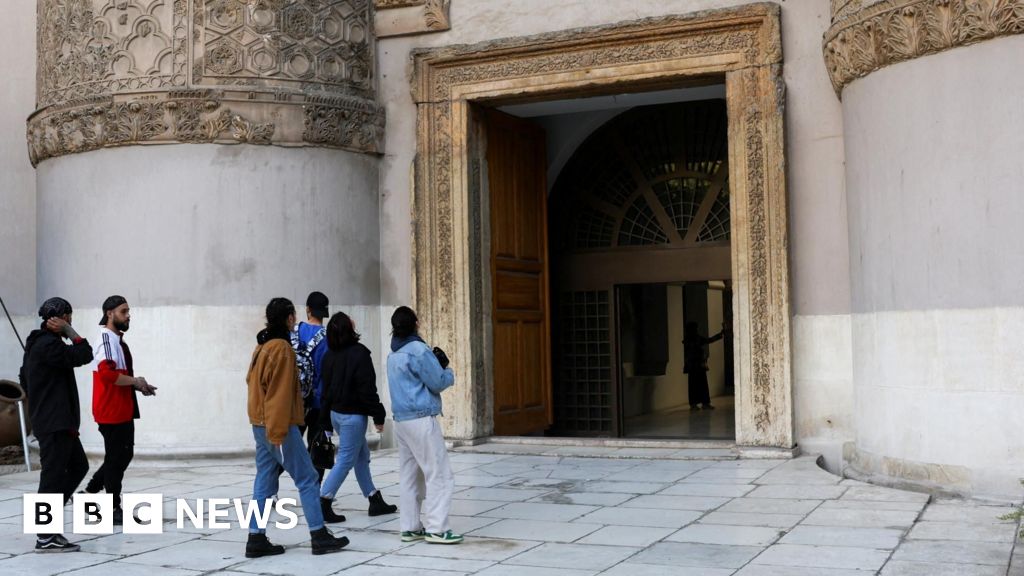
In a disturbing development reflecting the persistent chaos afflicting Syria, officials confirm the theft of several invaluable artefacts from the National Museum in Damascus. The theft was reportedly uncovered on Monday when security staff found one of the museum’s doors had been forcibly broken from the inside—an alarming breach that underscores vulnerabilities in Syria’s security apparatus. Among the missing items are six marble statues from the Roman era, including relics from the ancient city of Palmyra, a symbol of Syria’s rich cultural tapestry and historical importance. This incident signals a troubling erosion of Syria’s cultural integrity and raises concerns on how ongoing turmoil impacts heritage preservation.

Authorities have launched an investigation, with Syria’s Directorate-General for Antiquities and Museums vowing to strengthen protective measures. Yet, this event is not isolated; it mirrors a broader pattern of loss and destruction that the country has endured for over a decade. Since the outbreak of civil war in 2011, Syria’s historical institutions and archaeological sites have suffered extensive damage. Damage to UNESCO World Heritage sites like Palmyra—once a jewel of the ancient Middle East—was carried out by the Islamic State group, which deliberately destroyed temples claiming they were idolatrous. Such acts, condemned internationally as war crimes, serve as a stark reminder that cultural annihilation remains an active weapon in modern warfare.

The significance of these artefacts extends beyond their historical value; they are pieces of civilization that define national identity and serve as symbols of resilience for the Syrian people. Their loss exacerbates the geopolitical impact of the ongoing conflict. By damaging Syria’s cultural patrimony, these acts not only weaken the nation’s historical fabric but also undermine its international standing. Critics argue that the theft and destruction of artefacts are indicative of the broader geopolitical struggle — a fight for influence and control over the region’s resources, history, and identity. International organizations like UNESCO have repeatedly condemned such acts, emphasizing the importance of safeguarding cultural heritage as a form of resistance against barbarism. Experts warn that the loss of these artefacts diminishes the collective memory of mankind, creating a vacuum that fuels radicalization and anti-Western sentiment.

As Syria navigates a complex landscape of rebel factions, foreign influence, and internal upheaval, the question remains: how can international efforts effectively protect what remains of Syria’s battered cultural heritage? The recent theft is a stark reminder that history is fragile and that conflict’s true cost extends far beyond the battlefield. With each artefact stolen or destroyed, the world witnesses not just the loss of history, but also the erosion of national identity and cultural sovereignty. As the narrative of Syria’s future unfolds amidst international debate, the lingering question remains: will the preservation of history become a casualty of geopolitical ambition, or will it serve as a rallying cry for renewed international commitment to protect humanity’s shared legacy? The answer lies in the ongoing struggle to balance diplomacy, security, and cultural preservation — a battle that, ultimately, defines the true cost of conflicts that continue to shape our world’s history.

House prepares to vote on shutdown-ending deal as Democrats face division — US politics update | 2025 government showdown

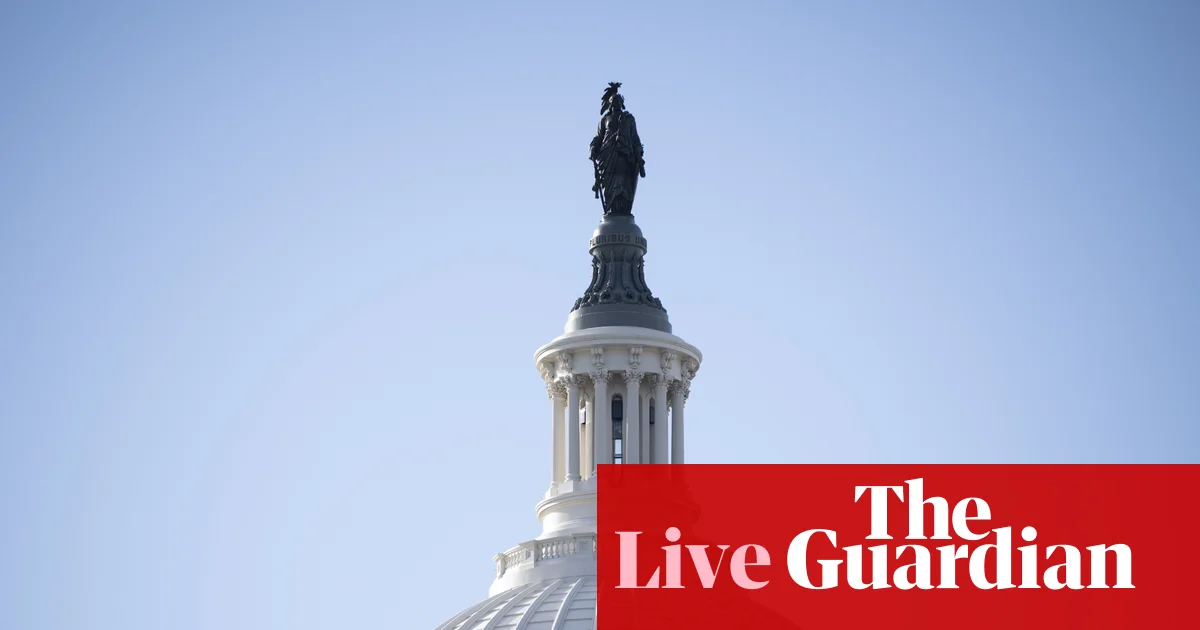
As the United States grapples with its historic government shutdown, global signposts indicate that the geopolitical landscape is entering a new and unpredictable chapter. The recent developments within the US Congress—notably the relentless 50+ days of government paralysis followed by a tentative short-term funding deal—highlight the profound partisan divisions and influence of political factions. Such internal strife, as analysts suggest, does not occur in a vacuum but reverberates around the world, affecting strategic alliances, economic stability, and regional security.

The Joe Biden administration’s handling of the shutdown, coupled with the fiery debates over healthcare subsidies, underscore a broader trend of internal dissonance that echoes across democracies committed to reforms. Meanwhile, the European Union and NATO members watch intently, recognizing that chaos within America’s core institutions compromises collective security. As political commentator and international strategic think tanks warn, the present chaos could weaken the world’s most powerful democracy’s capacity to project power, defend its allies, and uphold a rules-based order.

Meanwhile, abroad, Israel faces its own diplomatic turmoil as President Isaac Herzog receives a letter from Donald Trump urging him to pardon the controversial Benjamin Netanyahu. The plea, based on a perception that legal proceedings against Netanyahu are politically motivated, exemplifies how domestic political battles in one nation can influence geopolitically sensitive decisions. The ongoing trials of Netanyahu, accused in corruption cases, demonstrate how internal legal processes can impact international alliances, especially with a staunch U.S. ally historically central to the Middle East’s stability. Historians argue that such interventions, whether perceived as support or interference, often shape diplomatic landscapes for decades.

Further afield, unprecedented reports allege that Venezuelans deported by the Trump administration to El Salvador endured systematic torture, including sexual assault, and inhumane detention conditions. This revelation shines a stark light on the unresolved dark chapters of U.S. immigration policy, linking human rights abuses to the broader narrative of American influence in Central America. Such actions, condemned by human rights organizations like HRW, threaten to tarnish the global image of the U.S., as critics warn that the patterns of brutality and disregard for international law undermine the moral authority used to justify its foreign policy agenda.

Analyzing these interconnected crises, international relations experts argue that the ripple effects of internal American disputes—from congressional gridlock to diplomatic negotiations—shape the destiny of nations and influence the societal stability of democracies worldwide. As international institutions and watchdogs sound warnings about the erosion of legal norms and human rights, history presses on, reminding us that these moments are not isolated but part of an ongoing, tumultuous saga that tests the very fabric of civilisation. On the horizon, as political leaders, military strategists, and citizens grapple with these unfolding events, one truth remains clear: the choices made today will echo across generations, and the weight of history continues to press down as the future’s blueprint is inscribed with both hope and peril.

Social Media Auto Publish Powered By : XYZScripts.com