Matox News

Truth Over Trends, always!

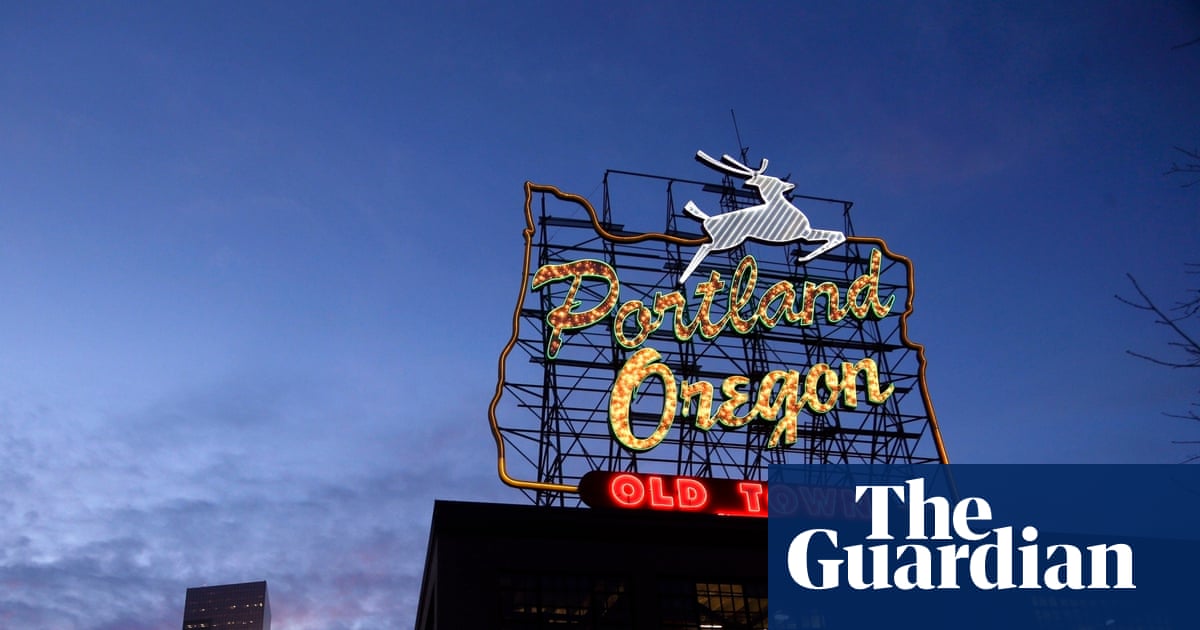
Trump Announces Troop Deployment to Portland to Restore Order

In a move that has sent shockwaves through the international community, President Donald Trump announced the deployment of federal troops to Portland, Oregon. This decision, outlined via social media, signals a controversial escalation in the ongoing unrest that has gripped the city since 2020, and raises profound questions about the trajectory of America’s internal stability and democratic values. Trump’s unilateral deployment of forces—despite opposition from local officials and members of Congress—reflects a broader pattern of asserting federal authority over Democratic-led cities, with significant geopolitical impact on U.S. stature both at home and abroad.

The political narrative surrounding this deployment centers on the administration’s claims of a persistent state of chaos, with Trump accusing local protesters outside an ICE facility of orchestrating violent acts, and describing the city as “amazing” yet “anarchy out there.” However, these claims have been widely contested by local authorities and independent observers. Oregon’s Mayor Keith Wilson voiced concern about the sudden influx of federal agents, asserting that their presence was neither requested nor justified. Meanwhile, video evidence from local media revealed peaceful protesters being subjected to force by federal officers, casting doubt on the administration’s portrayal of the situation. Analysts suggest this gambit may be rooted in an attempt to justify an authoritarian crackdown, reminiscent of historical interventions where order is claimed as a pretext for power consolidation.

International organizations and renowned historians have quickly weighed in on the transformative significance of such developments. Political scholars warn that the escalation of federal intervention in American cities could set a dangerous precedent, undermining the principles of federalism and peaceful protest. The United Nations and human rights watchdogs have expressed concern over reports of excessive force and the potential erosion of civil liberties. How decisions made in the coming weeks will shape the fabric of American society remains a pressing question for geopolitical stability and the future of democratic governance.

As the tumult unfolds, there is an unmistakable sense that the struggle reflects deeper fissures within the United States: a clash between the desire for federal authority and the principles of decentralized governance. The rhetoric employed by Trump and his supporters echoes historical attempts to portray domestic dissent as treacherous, framing vigilantism as a solution. However, critics contend this strategy risks tipping the nation into a more authoritarian phase, with potential ripple effects through allied democracies across the globe. The specter of militarized police and federal agents wielding power over American cities echoes darker moments in history that many nations have fought to overcome. As the nation holds its breath, the story of Portland becomes a microcosm of the global debate over liberty, order, and the limits of state power—a conflict that may very well redefine the course of 21st-century history.
Prince Harry Blames ‘Sabotage’ for Rumors of Tension with King

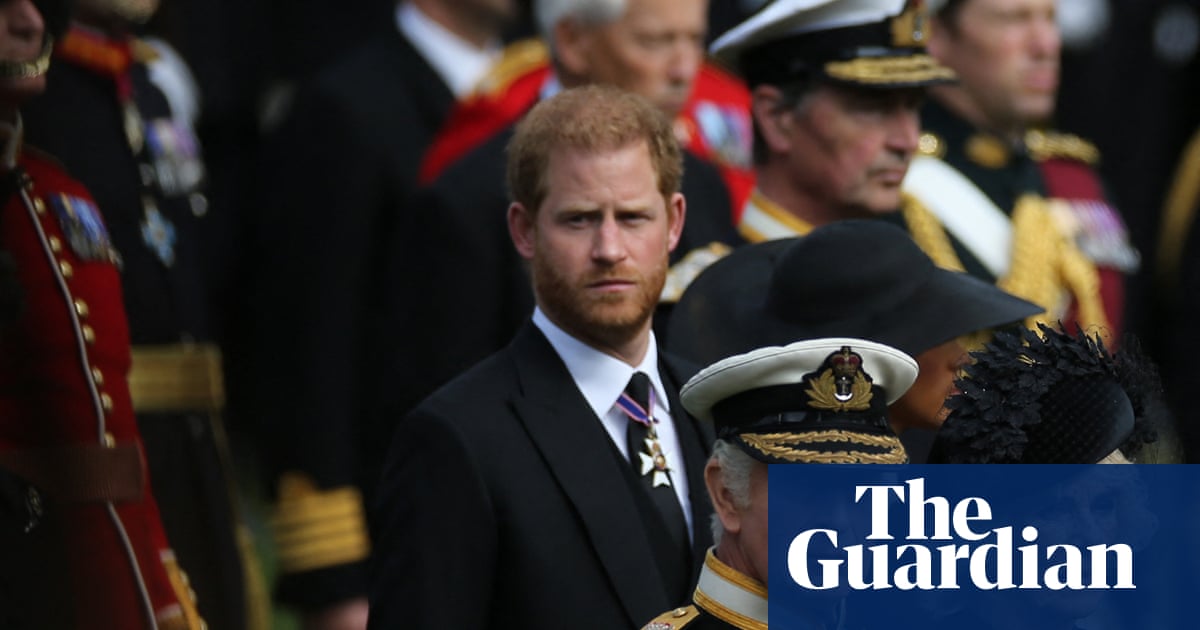
Prince Harry recently made headlines with a rare personal move, suggesting a desire for reconciliation within the British royal family. His meeting with King Charles at Clarence House marks a significant shift after nearly two years of estrangement, reflecting broader themes of family dynamics amidst global scrutiny. The 54-minute private encounter, following Harry’s public expressions of willingness to reconcile, occurred amid ongoing media narratives designed to shape public perception. Harry’s emphasis on the sincerity of his intentions underscores the delicate balance of maintaining intimacy versus public image in a world obsessed with royal drama.

However, this gesture comes under an increasingly scrutinized lens, with media outlets such as The Sun and international analysts dissecting every detail. Harry’s response to reports about gifts exchanged during their meeting—correcting claims that a framed photograph contained images of him and Meghan—highlight the intense media warfare surrounding the royal “family feud”. While Harry’s spokesperson downplayed the significance of the private gifts, the media’s involvement demonstrates how the narrative of royal discord has become a geopolitical tool. As international observers analyze these internal conflicts, the impact extends beyond Britain, influencing perceptions of monarchy and stability across the Commonwealth and beyond.

This ongoing soap opera within the United Kingdom royal family unfolds against a backdrop of increasing geopolitical volatility. King Charles’ recent meetings with foreign leaders, including Anthony Albanese of Australia, exemplify his ongoing efforts to position the monarchy as a symbol of unity amid chaos. Yet, the internal fissures—exposed through Harry’s public statements and the media’s relentless reporting—undermine the royal family’s credibility and, by extension, the soft power they wield. Historians warn that such internal strife can weaken a nation’s diplomatic stature, especially when royal figures serve as international ambassadors. Consequently, domestic upheavals in Britain ripple outward, affecting diplomatic relations, global perceptions, and the space of influence that monarchies hold in a multipolar world.

In a rapidly shifting geopolitical landscape, the internal struggles of the British royal family serve as a mirror to the fragility of traditional institutions in an era of unprecedented change. As Harry’s attempt at reconciliation unfolds amid media frenzy, the international community watches with bated breath—aware that the tides of history are never static but constantly reshaping the power structures of nations. *How these personal dramas unfold will determine not only the future of the monarchy but also serve as a cautionary tale for societies grappling with the erosion of established symbols of authority.* Humanity stands at a crossroads, where familial betrayal and national prestige dance dangerously close, leaving us to wonder: will this chapter be remembered as the beginning of the monarchy’s decline or as an epilogue of resilience amidst chaos? The answers remain hidden in the unfolding pages of history.

FBI dismisses agents seen kneeling at George Floyd protest, reports say

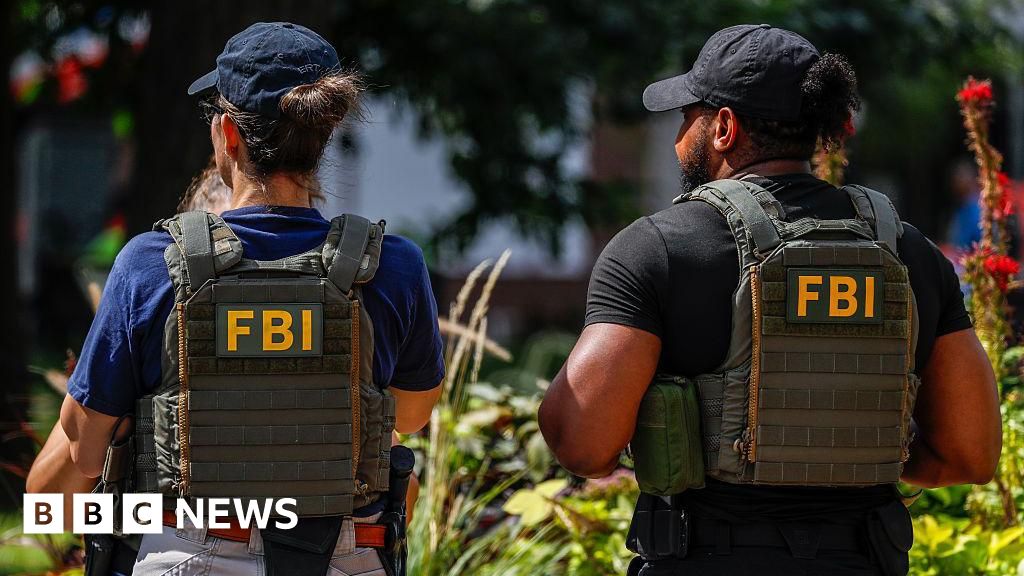
Recent developments within the Federal Bureau of Investigation (FBI) have ignited debates that resonate far beyond the confines of American justice agencies. Reports indicate that between 15 to 20 agents, who were photographed kneeling during a 2020 racial justice protest in Washington, D.C., have been dismissed. These agents participated in a symbolic gesture—kneeling at a demonstration sparked by the tragic death of George Floyd. Floyd, a Black man, was killed in a brutal incident where a police officer, Derek Chauvin, knelt on his neck for over nine minutes. The act became a global emblem of protest against police brutality and systemic racism. However, amidst a climate increasingly tense following the Trump administration’s push to purge what it perceives as “woke” ideology, these firings are portrayed by many as emblematic of the fight over the soul and role of law enforcement in America.

  • The firings have particular significance as they occur against the backdrop of an ongoing political campaign for Trump’s conservatives to reshape federal institutions. Critics argue this purge targets figures perceived as sympathetic to progressive violence and social justice protests, framing the move as part of a broader effort to “restore order” by removing perceived ideological contaminants.
  • International observers and analysts have noted this as a pivotal moment in the internal conflicts within U.S. institutions, where decisions made reflect a clash over how history should be remembered and what values law enforcement officials should embody.

The FBI’s choice to fire agents citing their participation in a gesture observed widely as a peaceful act of dissent raises concerns about the suppression of free expression within the ranks of American federal agencies. The agency has declined to comment on the matter, but the FBI Agents Association issued a blistering statement condemning the firings as violations of the agents’ rights and warning that the integrity and capability of the bureau are at risk. The controversy becomes even more profound considering recent legal actions by former agents suing FBI Director Kash Patel and the U.S. Attorney General, claiming their dismissals are politically motivated, aimed at placating the Trump legacy.

Internationally, this internal crisis feeds into the larger narrative of how Western democracies grapple with the legacies of social activism and identity politics. Historians and political analysts warn that the framing of these firings as ideological purges not only impacts public trust in law enforcement but also signals a shift in how the balance of order and dissent is navigated in the post-pandemic era. As countries across the world watch the unfolding drama, many are debating whether the American model is veering towards a new form of authoritarianism disguised as “restoring order,” or if this is merely a turbulent phase in the country’s ongoing evolution.

The decision to dismiss those who sought only to act as symbols of lawful dissent underscores a larger, more somber reality: history is watching, and the pages of the future are still being written. The unrest over police violence, social justice, and political partisanship has not yet reached its final chapter. As young Americans and global citizens await the next move, they are left to ponder: will history remember this as the moment when law and order surrendered to ideological extremism, or as the dawn of a new era where justice embraces dialogue over suppression? The answers depend on the choices made now, and on the resolve of societies to confront the true meaning of liberty and justice in a fractured world.

Danish Military Bases Spotted Under Drone Watch Amid Rising Air Tensions

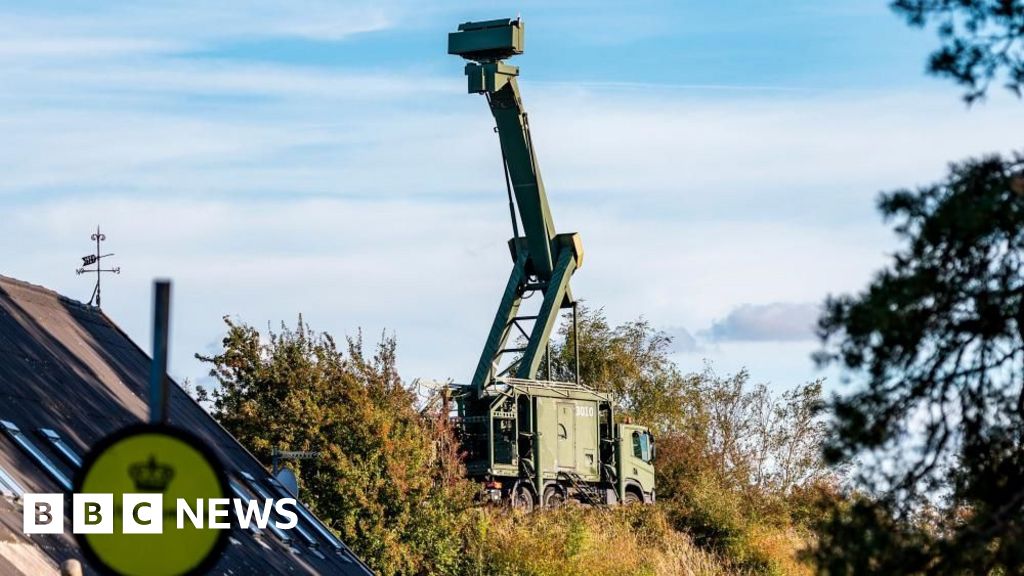
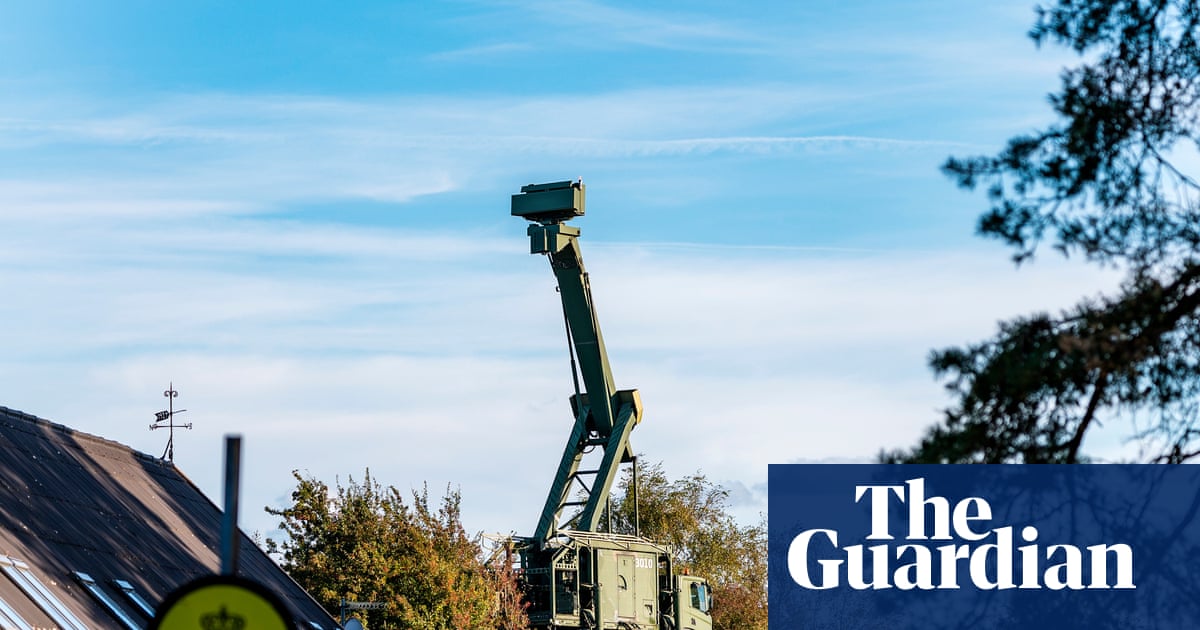
Recent sightings of unidentified drones near military and civil infrastructure across Denmark, Germany, Norway, and Lithuania have sent shockwaves through an increasingly tense European security landscape. The series of incursions, notably the drone activity above key military bases like Karup airbase in Denmark, align with a disturbing pattern of aerial disruptions that threaten the stability of the continent. These events come just days after major airports in the region, including Copenhagen and Oslo, experienced temporary closures due to drone activity, highlighting vulnerabilities within civilian and military airspace alike.

Analysts suggest that these incidents are part of a broader hybrid attack, a sophisticated blend of military and non-military tactics designed to destabilize and undermine interconnected security systems. The Danish Defense Ministry has cautiously refrained from accusing any state actor, though some officials hint at the possibility of Russian involvement. This suspicion is fueled by recent heightened tensions between Russia and NATO allies, with Eastern European countries such as Estonia and Poland reporting similar incursions involving Russian drones and fighter jets. The North Atlantic Treaty Organization (NATO) has responded with urgent consultations, as fears grow that Moscow may be engaging in a broader strategy of indirect aggression, leveraging these covert operations to weaken Western unity and sow discord in the heart of Europe.

Government officials and international organizations warn that these drone incursions signal a new phase in hybrid warfare, where the battlefield extends beyond traditional combat zones to include the cloud of technological vulnerabilities that modern societies have come to depend upon. German Interior Minister Alexander Dobrindt has emphasized the high threat level, ordering further investigations and regional discussions on how to counteract this rising threat. Meanwhile, U.S. and European security analysts cite the increasing frequency of such incidents as a warning that the age of aerial proxy conflicts has arrived, demanding a coordinated, strategic response to prevent escalation into overt conflict.

As Russian officials vehemently deny involvement, dismissing allegations as “absurd provocations”, the weight of history and recent events suggest a more complex reality. Past accusations of hybrid assaults, coupled with Russia’s openly strategic posture in Eastern Europe, leave many experts questioning whether these violations are a form of weaponized diplomacy. The unfolding drama in Northern Europe encapsulates a larger narrative of geopolitical rivalry, where control of information, airspace, and influence determines the fate of nations. The world watches as the specter of war, cloaked in the shadows of digital and aerial warfare, lingers just beyond the horizon, leaving humanity at a perilous crossroads where every decision could tip the balance towards peace or chaos. The consequences of these silent battles will echo through history, shaping the legacy of this turbulent era.

Denmark detects fresh drone threats over major military base — rising security concerns for the youth

Unsettling Incursions in Scandinavia Highlight Growing Geopolitical Tensions

In a series of alarming developments, Denmark has become the latest focal point in what international analysts are describing as a hybrid attack—an unprecedented form of covert aggression involving unidentified drones operating over key military sites. During Friday night, these drones infiltrated numerous Danish military targets, including the nation’s largest airbase at Karup, which houses critical air force assets and command centers. The Danish military and police have acknowledged the breaches but stopped short of confirming their origin, though officials point towards Russia as a prime suspect, emphasizing the strategic threat posed by Moscow’s assertiveness in the region. This series of incursions represents a significant escalation in Europe’s security landscape, signaling a new era where hybrid warfare threatens sovereign borders without traditional military engagement.

Escalation of Hybrid Warfare and NATO’s Response

While Denmark’s prime minister, Mette Frederiksen, explicitly blamed Russia for these “hybrid attacks,” Moscow has firmly denied any involvement, dismissing the incidents as “a staged provocation.” This diplomatic dodge underlines the persistent ambiguity characteristic of hybrid warfare, where plausible deniability complicates attribution and accountability. Analysts, including security experts at the International Institute for Strategic Studies, warn that these drone incursions are more than mere demonstrations; they are strategic tests of NATO’s defenses and the West’s resilience to asymmetrical threats. The incident has prompted Denmark to procure long-range precision weapons and develop enhanced drone detection capabilities, signifying a decisive shift in national defense policies aimed at countering this new threat vector.

European Unity and the Formation of a ‘Drone Wall’

The broader European Union is responding with extraordinary measures, with defense ministers from ten nations uniting to prioritize establishing a “drone wall”—a protective barrier of anti-drone technology. The EU’s defense commissioner, Andrius Kubilius, emphasized the urgency of this initiative, urging Europe to adapt lessons learned from conflict zones like Ukraine. The move signifies a strategic pivot, aiming to reinforce the continent’s defenses against unidentified aerial threats and uphold sovereignty amid ongoing regional destabilization. The upcoming EU summit in Copenhagen, which will also be attended by Sweden’s tech-sharing offer, illustrates the bloc’s recognition that collective action is essential. Failure to act decisively risks allowing hybrid tactics to erode trust and security across member states, fundamentally altering Europe’s geopolitical stability.

How Decisions Today Will Shape the Future of European Defense

This escalating scenario presents a stark warning to the global community: the landscape of warfare has fundamentally shifted. The integration of drone technology into zones of conflict blurs the lines of traditional borders, forcing nations to rethink defense paradigms. As Danish Defense Minister Troels Lund Poulsen and Justice Minister Peter Hummelgaard accurately highlight, the purpose of these provocations extends beyond mere disruption—they aim to provoke fear, deepen divisions, and test Western resolve. History’s course hinges on how swiftly and resolutely nations respond to these invisible threats, with some experts warning that failures to innovate could leave countries vulnerable to future incursions, whether by state actors or splinter groups mimicking hostile nations’ tactics.

As this chapter of hybrid conflict unfurls, the echoes of history remind us—wars are no longer fought solely on battlefields but in shadows and cyberspaces. The coming days could very well decide whether Europe stands firm or succumbs to a new era of unseen threats, where the weight of history is not upon a distant battlefield but hanging in the skies above Scandinavia.

US cancels Colombian president’s visa following UN trip

International Tensions Escalate: Colombia’s President Gustavo Petro Faces US Visa Revocation Amid Bold Calls for Disobedience

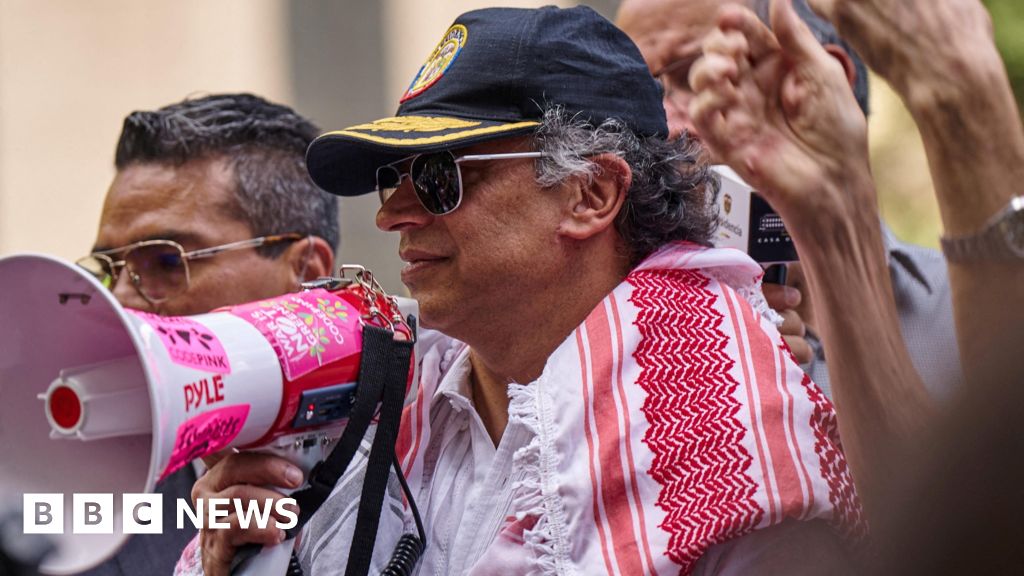
In a striking move that underscores the shifting sands of global geopolitics, Colombia‘s President Gustavo Petro has found himself at the center of an intense diplomatic storm after urging US soldiers to disobey orders from Donald Trump. The former senator and leader of Colombia’s first left-wing government made incendiary remarks during a speech at the UN in New York, calling for a “world salvation army” to liberate Palestine. As Petro implored US soldiers to “disobey Trump’s order,” the US State Department responded swiftly, vowing to revoke his visa—an action that marks a rare diplomatic escalation within the hemispheric relationship.

Petro’s remarks, delivered amidst a pro-Palestinian protest, were characterized by American officials as “reckless and incendiary,” sparking outrage at the highest levels of US diplomacy. His plea to soldiers to “not point rifles at humanity” and to turn their guns instead toward “tyrants” echoes a broader narrative that challenges the existing US-led order. Historically, such rhetoric—particularly when it involves urging soldiers to disobey commands—can threaten diplomatic stability and alter perceptions of US influence in Latin America. Analyzing this development, experts like geopolitical analyst Dr. Karen Mitchell suggest that Petro’s speech reflects a growing dissatisfaction with US foreign policy—especially its aggressive anti-drug operations in Latin America, which Petro has criticized as tools of American domination rather than genuine efforts to combat narcotics. This exchange reveals a possible turning point as Latin American leaders become increasingly vocal in opposing US interventions, risking diplomatic isolation to assert their sovereignty.

The diplomatic fallout extends beyond mere rhetoric.

  • Petro’s visa revocation, announced as he was returning to Bogotá, sets a precedent of punitive measures against leaders critical of US foreign policy.
  • Colombia’s Interior Minister, Armando Benedetti, went further, claiming that Israeli Prime Minister Benjamin Netanyahu should have faced similar visa restrictions—a pointed comment aimed at highlighting perceived double standards.
  • Relations between Colombia and Washington have been strained, especially after Petro’s recent critical comments at the UN, alleging that US strategies in Latin America serve to “control through violence” rather than genuine development. These sentiments echo a broader skepticism rooted in historical grievances over interventionist tactics and the US’s role in shaping Latin America’s political landscape.

Meanwhile, the global stage is witnessing a wider contest for influence, with international organizations and historians warning that these disputes transcend diplomatic rhetoric. The US’s decision to deny visas to Palestinian President Mahmoud Abbas and several officials—despite customary diplomatic privileges—further exemplifies the ongoing shift in US engagement, marking a move toward more aggressive stances on its perceived adversaries. This diplomatic tug-of-war underscores how political decisions here have the power to reshape alliances, fuel regional instability, and redefine sovereignty. As Petro’s calls for disobedience reverberate through international corridors, the world watches, realizing that these acts of defiance, while seemingly isolated, threaten to fracture the current global order. In the unfolding narrative of history—bit by bit, decision by decision—the stage is set for a new era of contestation over sovereignty, influence, and the future trajectory of international relations. The question remains: will the currents of change turn toward chaos or renewal? The answer lies ahead, in the unresolved chapters of a world still waiting to be written.

British Youth Snaps Up Flavored Butter: Affordable Luxury Gains Traction

Britain’s Gourmet Revolution: Flavoured Butter Transcending Tradition

In a clear reflection of shifting cultural paradigms, Britain has witnessed a remarkable transformation in everyday food consumption, notably marked by the burgeoning popularity of flavoured butters such as chocolate and truffle varieties. Once considered mere culinary condiments, these spreads are now central to a broader geopolitical tapestry driven by social media dynamics, changing consumer behaviours, and economic influences. Figures from Worldpanel reveal a 24% annual increase in sales of flavoured butters, underscoring a rising appetite among young, digitally connected populations for experimentation and convenience in their home cooking. Meanwhile, online grocery giant Ocado reports a staggering 184% rise in searches related to flavoured butters in just one year—highlighting how digital culture influences consumer trends, even in traditional markets.

Leading brands such as Lurpak continue to dominate the market with garlic butter sales surpassing £5.6 million, yet the scene is increasingly competitive with emerging players like All Things Butter. Launched during the COVID-19 pandemic as a social media-driven project, the newer firm has experienced exponential growth, especially with its innovative flavors such as cinnamon bun, chocolate, and truffle, reflecting a resilient desire for affordable luxury amidst ongoing economic pressures. Analysts and food industry experts explain that this trend signifies more than culinary indulgence; it is a socio-cultural phenomenon that reveals how young consumers seek to redefine home cooking as an act of experimentation and identity formation.

International Implications: Flavoured Butter as a Reflection of Geopolitical and Cultural Shifts

The escalating interest in flavour-enhanced butters in the UK is emblematic of broader geopolitical shifts, as nations adapt their cultural identities in a fast-changing world. Some analysts draw parallels with similar culinary trends seen in other Western nations, where social media continually fuels lifestyle revolutions. Historians and cultural commentators warn that such small shifts in consumer preferences often carry deeper signals—indicators of society’s evolving tastes, economic resilience, and the resilience of local industries amid global upheaval.

More broadly, these culinary trends play into a larger narrative of global cultural exchange and domestic innovation. While some view flavoured butter as a symbol of youthful rebellion and entrepreneurial spirit, others see it as part of an unending race for consumer attention, driven by technological shifts and social media algorithms. International organizations such as the United Nations Food and Agriculture Organization monitor food consumption patterns as critical indicators of economic health and cultural export strategies. The decision of Britain to embrace such innovations could influence regional markets, challenging or reinforcing traditional culinary hierarchies, especially in the context of post-Brexit economic strategies.

The Future of Food: A Tipping Point in Cultural Identity and Global Power Dynamics

As flavoured butters become commonplace, they symbolize more than taste—this is a reflection of a society increasingly driven by fast-paced consumption and social media influence, shaping national identities and global perceptions. Historians warn that the choices of today’s youth—what they eat, what they promote online—are shaping the cultural landscape for decades to come. In an era where every bite and byte carries geopolitical weight, the humble flavoured butter could be a small yet poignant marker of a new cultural and economic era. With international powers vying for influence, and societies struggling to balance tradition with innovation, the future remains uncertain. Yet, one reality remains clear—these tiny jars of flavoured fat are more than mere ingredients; they are symbols of a world in flux, where the scent of truffle could echo far beyond the kitchen, whispering the stories of nations, society, and history still unfolding.

UN sanctions on Iran to resume after banned nuclear activity emerges

As Iran faces the looming reimposition of UN economic and military sanctions, the international community stands at a pivotal crossroads in Middle Eastern geopolitics. Nearly a decade after the landmark 2015 Joint Comprehensive Plan of Action (JCPOA) temporarily curtailed Iran’s nuclear ambitions, recent developments suggest a significant departure from diplomatic détente. The United Nations is poised to reinstate a broad set of sanctions—spanning arms embargoes, uranium enrichment bans, and asset freezes—that threaten to plunge Iran back into economic hardship, echoing the tumult of the pre-deal era. This move follows a letter from Britain, France, and Germany accusing Iran of violating its commitments—a step that has galvanised efforts by Russia and China to delay the measures, but with limited success.

Historians and analysts observe that the reimposition of sanctions is more than just about nuclear proliferation; it underscores a fundamental shift in international power dynamics. Russia and China have positioned themselves as strategic counterweights to Western influence, with Moscow signing a $25 billion deal to construct four nuclear reactors in southern Iran. Such moves are viewed by Western nations as a bid to deepen Iran’s energy independence while undermining U.S. sanctions. Meanwhile, Tehran insists that its nuclear program remains civilian, condemning any accusations of weaponization as “unfair, unjust, and illegal.” However, the International Atomic Energy Agency (IAEA) has reported a resumption of inspections, highlighting ongoing concerns about Iran’s nuclear trajectory—concerns that are unlikely to be mollified without significant diplomatic breakthroughs.

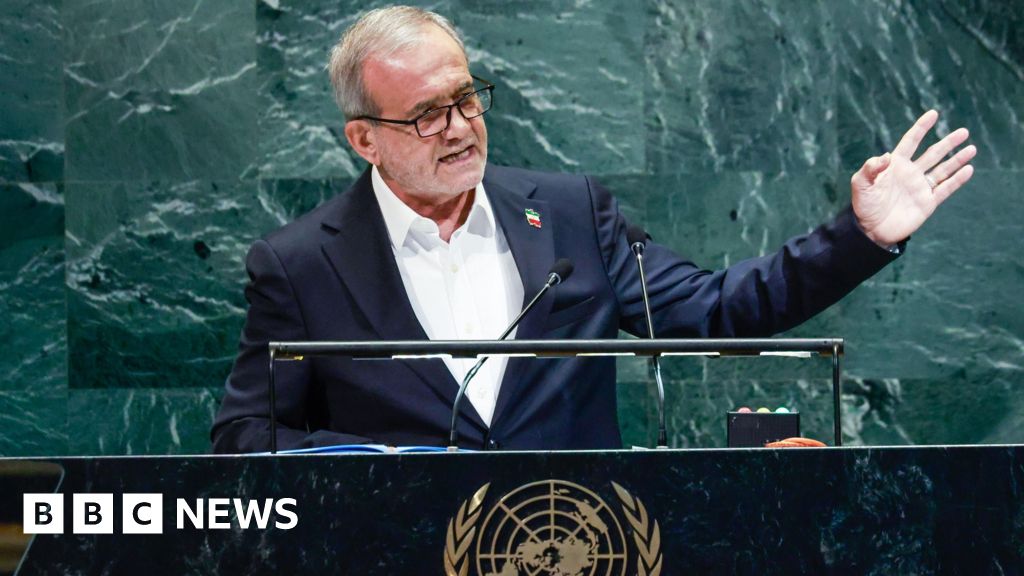
Despite Tehran’s claims of peaceful intent, the European Union and Western powers have intensified efforts to uphold the sanctions, emphasizing that Iran’s continued enrichment activities threaten regional stability. The regional tension is further exacerbated by Israel’s repeated threats to strike Iran’s nuclear facilities, threatening a broader conflict in the Middle East. Iranian Foreign Minister Abbas Aragchi’s assertion at the UN that “the negotiation with the United States is in fact a pure dead end” signals Tehran’s growing distrust of Western diplomatic motives. Nonetheless, Iran maintains it is bound by international treaty obligations to cooperate with the IAEA, even as the possibility of resumed negotiations appears increasingly fragile, and the prospect of conflict edges closer.

The geopolitical impact of these developments extends beyond the borders of Iran. The re-imposition of sanctions could further destabilize the already volatile region, prompting countries across Europe, Asia, and beyond to recalibrate their strategic calculations. International organizations warn that prolonged sanctions may push Iran closer into the embrace of authoritarian allies, reshaping alliances and intensifying the arms race. The looming sanctions serve as a stark reminder that the corridors of diplomacy are narrowing, and that the unfolding drama in Iran could be a significant chapter in a larger story—one written in the language of power, resilience, and the relentless pursuit of national sovereignty. As history continues to unfold, the question remains: will diplomacy prevail, or will this chapter usher in a new era of conflict that tests the very fabric of international peace?

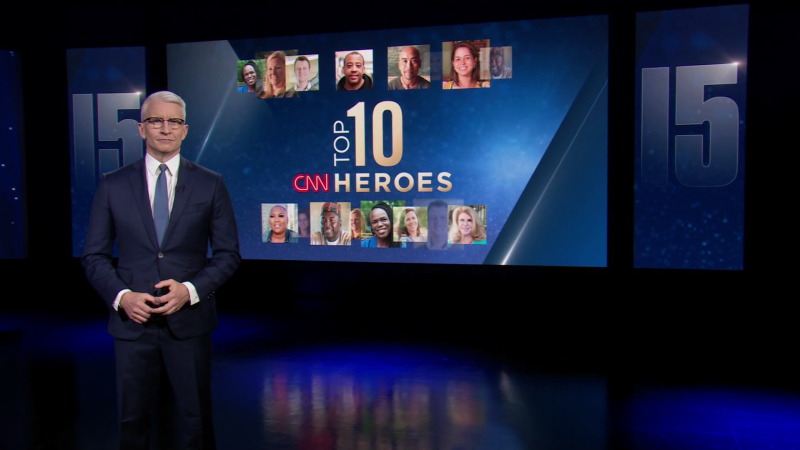
Support a Top 10 CNN Hero—Give Now!

In an era defined by shifting alliances and a tumultuous geopolitical landscape, the role of civil society and international humanitarian efforts remains crucial. The recent emphasis by media outlets such as CNN on promoting donations to 2021 Top 10 Heroes underscores a broader recognition of grassroots activism in shaping global futures. As international organizations like the United Nations stress, *citizen-led initiatives* are increasingly shaping the narrative of resilience and recovery amid ongoing crises. These actions, while often viewed through local lenses, carry profound geopolitical impact—reverberating across borders and influencing diplomatic relations.*

Recent analyses from leading think tanks highlight that *the rise of philanthropic contributions from individuals and communities worldwide acts as a counterbalance to some governments’ insufficient responses to crises.* Such grassroots initiatives frequently focus on issues like health, education, and social justice, fostering a sense of agency beyond traditional power structures. The focus on donor-driven projects continues to challenge the old paradigms of foreign aid, emphasizing “bottom-up” approaches that resonate with young populations worldwide eager for change. These efforts bring to light how societal engagement can sway national policies, especially as geopolitical tensions escalate, and states face internal and external pressures.

Historian and geopolitical analyst Samuel Richards emphasizes that *these movements reveal a critical shift in global power dynamics.* He notes, “How nations respond to the growing chorus of civil society is increasingly determining their place on the international stage.” The recent recognition of humanitarian heroes such as those supported by CNN exemplifies the importance of public diplomacy—a soft power that strengthens national identities and informs global perceptions. Countries that harness this wave of civic engagement effectively can bolster their soft power and redefine diplomatic interactions in a world where traditional military and economic strength no longer sole indicators of influence.

However, these developments do not come without warning. Many experts caution that the rise of decentralized activism could threaten the existing international order if left unchecked. As global institutions grapple with *how to integrate these grassroots movements into formal policy frameworks,* questions arise about sovereignty, accountability, and the potential for increased polarization. For instance, analysts stress that the quest for influence through bottom-up initiatives may muddy lines between local activism and global geopolitics, complicating efforts to maintain stability. As the world witnesses this ongoing transformation, the importance of strategic foresight and diplomatic agility becomes more evident. History has shown that when society’s voice is amplified—whether through donations, activism, or civic engagement—it can catalyze a seismic shift in international relations. The next chapter of history remains unwritten, and the weight of its story will depend on how nations and societies choose to respond to these emerging forces.

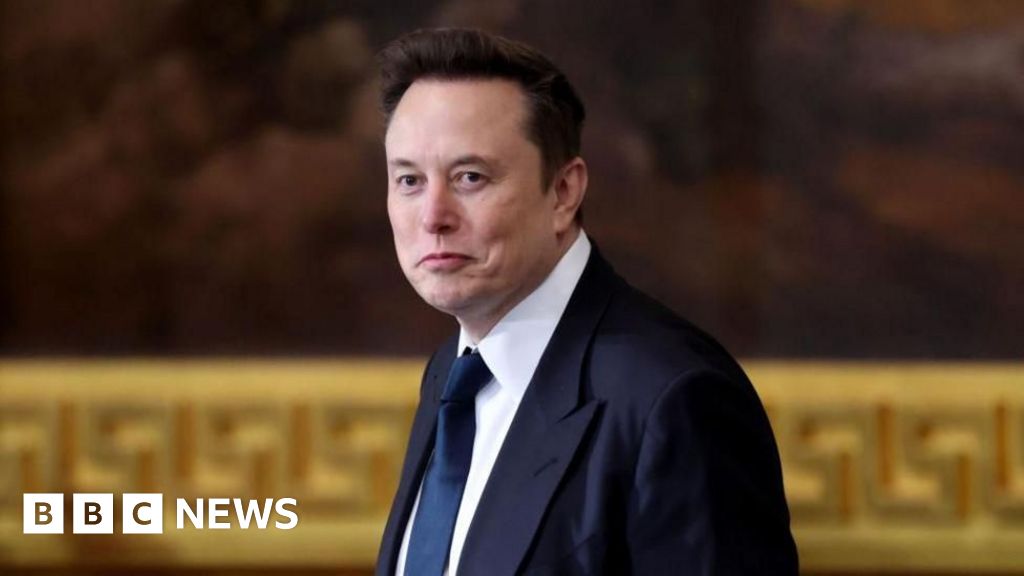
Elon Musk and Prince Andrew linked to new Epstein documents — what’s really at stake?

Geopolitical Reckoning: Epstein Files Unveil Ties to Power Elites

The recent release of documents linked to the late financier Jeffrey Epstein has ignited a storm of controversy that extends far beyond the sordid allegations. These files, handed over by Epstein’s estate to the House Oversight Committee, illuminate a network of connections among some of the most prominent figures from the worlds of business, politics, and royalty. Among those named are billionaire technology mogul Elon Musk, Prince Andrew of the United Kingdom, and other influential personalities like Peter Thiel and Steve Bannon. As the world grapples with these disclosures, the geopolitical impact of such revelations cannot be overstated, as they threaten to reshape public perceptions of power, influence, and the true extent of the clandestine alliances that often operate in darkness.

Historically, Epstein’s web of connections has been a cautionary tale about the complicity and silence surrounding elite misconduct. Legal scholars and international analysts have long argued that Epstein’s relationships with key figures exposed a fragile veneer of morality maintained at the highest levels. New documentation suggests that Elon Musk had been invited to Epstein’s infamous private island in December 2014—an invitation Musk has reportedly declined—raising questions about whether oversight and accountability extend into the realms of technology’s most powerful. Similarly, Prince Andrew features prominently, with records indicating he flew on Epstein’s flight from New Jersey to Florida in May 2000, an event that has long haunted the royal figure. These revelations come amidst growing suspicion about the collusion between the global elite and criminal networks, as international watchdogs urge for thorough investigations. The United Kingdom and U.S. authorities now face mounting pressure to reckon with these covert links that could threaten the foundations of public trust and diplomatic relations.

The files also detail planned meetings with other influential figures, including the Microsoft founder Bill Gates and Steve Bannon. Such connections compound the narrative that Epstein’s influence transcended mere criminal activity, seamlessly intertwining with the fabric of global power structures. As political analysts warn, these associations could have far-reaching implications, potentially impacting international policy, economic negotiations, and diplomatic alliances. The geopolitical impact of this knowledge is profound—drivers of global stability and peace, as well as the credibility of international institutions, hang in the balance. Critics argue that these relationships illustrate a disturbing pattern where personal ambition and wealth supersede justice, exposing how elite immunity shields some from legal repercussions.

Although some figures, like Musk and Prince Andrew, have denied any knowledge of illegal activities, the public outrage remains untamed. The Democrat-led committee has called for expanded transparency, emphasizing that “every new document provides vital clues” towards understanding the extent of Epstein’s influence. The historical significance of these disclosures reflects a turning point: an awakening of public consciousness concerning unchecked power. As the dust begins to settle on these revelations, society must grapple with the unsettling truth that the corridors of influence often hide darker realities—realities that, once uncovered, threaten to rewrite the narrative of global leadership,” warns renowned historian Dr. Margaret K. Howell. The world remains on the precipice of a potential upheaval, where the revelations of today could serve as the catalyst for a reckoning that echoes through the corridors of history—perhaps, the moment when the shadows cast by the powerful finally begin to recede, unveiling truths long suppressed beneath layers of secrecy and complicity.

Social Media Auto Publish Powered By : XYZScripts.com