Matox News

Truth Over Trends, always!

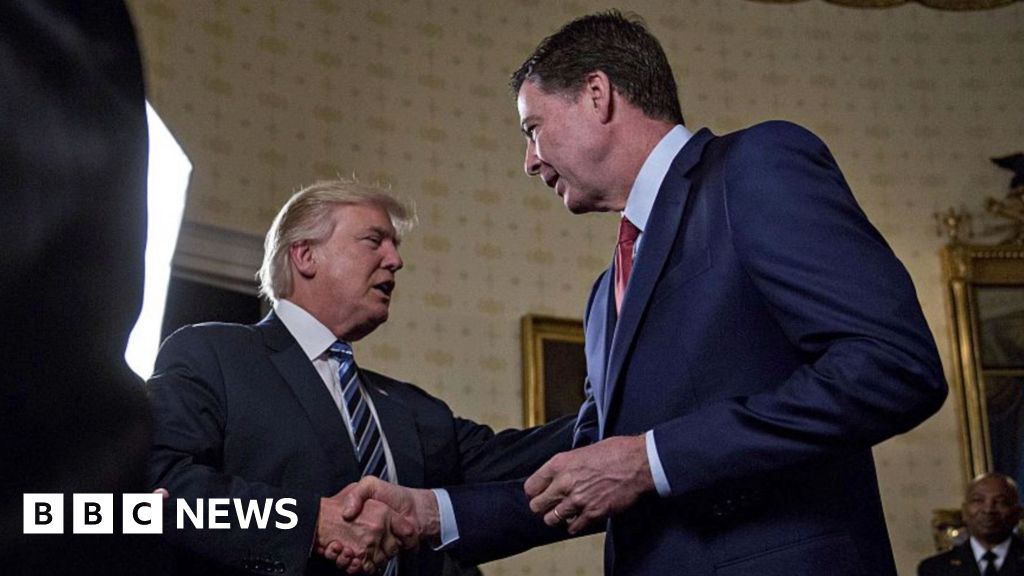
How Trump and Comey’s Bond Broke Down Years Before the Indictment

Former FBI Director James Comey’s Legal Troubles Spark Political and International Repercussions

In a development that reverberates through the corridors of power in Washington and beyond, James Comey, the former FBI Director who once played a pivotal role during the tumultuous years of the Trump administration, has been formally charged with making false statements during a 2020 Senate hearing. While Comey insists on his innocence, the indictment signals a deliberate attempt by the current political establishment to hold accountable figures associated with the previous administration’s controversial tactics.

This legal action is not merely an internal US matter; it has significant geopolitical implications. The case garners attention from international analysts who observe how it fits into a broader narrative of American political stability and institutional integrity. Critics argue that the pursuit of Comey is emblematic of the ongoing partisan battles that threaten to undermine confidence in U.S. legal systems. Meanwhile, President Donald Trump has publicly supported the charges, framing them as validation of longstanding claims of political bias against him. Trump’s rhetoric underscores how internal U.S. conflicts march onto the world stage, influencing diplomatic relations and America’s image as a bastion of the rule of law.

From Allies to Foes: The Evolving Relations Between Trump and Comey

Historically, the relationship between Trump and Comey was marked by high-profile confrontations and complex alliances. Once, President Trump publicly expressed admiration for Comey, calling him a “career man,” but that rapport quickly dissolved amid revelations of FBI investigations into political sensitive topics. The BBC’s Bernd Debusmann highlights that the souring of their relationship exemplifies broader shifts within U.S. politics—shifts that resonate on an international level. As analysts dissect the fall from grace, some international observers see patterns of power struggle and institutional friction that are now characteristic of American governance in the 21st century.

According to geopolitical experts and historians, these internal conflicts are not isolated phenomena—they reflect and influence how nations perceive American sovereignty and stability. The United States, long regarded as a beacon of democracy, faces questions about its internal cohesion and the legitimacy of its legal processes, especially as political figures leverage criminal proceedings to advance their agendas. The unfolding drama surrounding Comey’s indictment may serve as a turning point, shaping how foreign nations and economic partners interpret American political resilience in an era of global instability.

Implications for Global Power Dynamics and Civil Society

  • Emerging alliances and rivalries are affected as nations observe the US internal strife. Countries such as China and Russia perceive internal chaos as an opportunity to advance strategic interests, often criticizing the U.S. as lacking stability and coherence.
  • European allies watch closely, questioning whether emerging domestic crises threaten America’s commitments to NATO and international agreements, including the Transatlantic Trade and Investment Partnership.
  • Meanwhile, the broader international legal community debates what this case reveals about accountability, transparency, and the rule of law amid political upheaval.

As historians and analysts analyze the trajectory of this drama, the question remains: Will this internal conflict serve as a catalyst for constitutional renewal or further erosion of democratic norms? The decisions made today by individuals and institutions could redefine the global order, echoing through history with profound consequences. The ongoing saga of Comey’s indictment is not merely a chapter in American politics but a reflection of a world grappling with upheaval—where the balance of power is shifting, and the weight of history waits silently on the horizon.
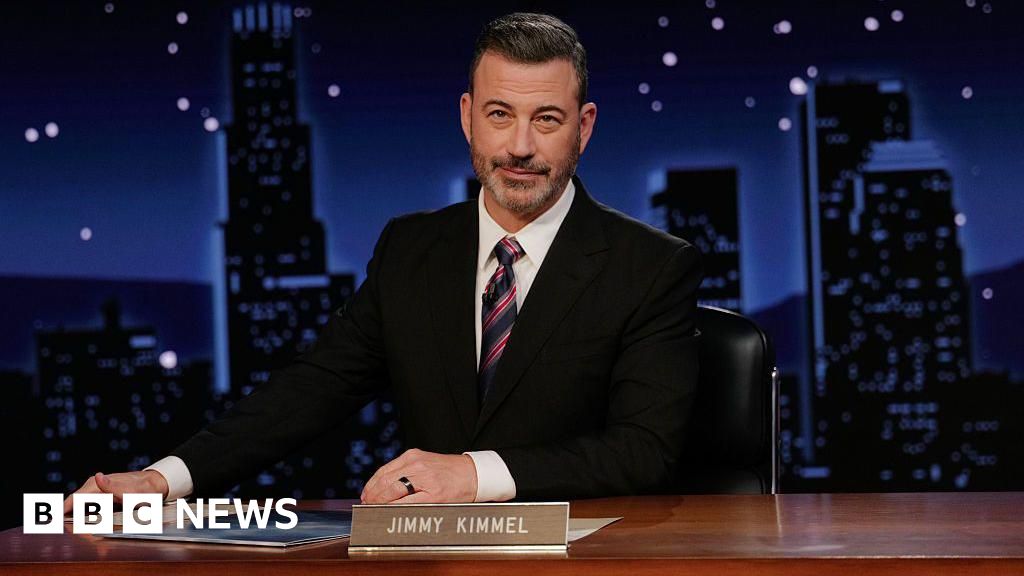

Sinclair and Nexstar Bring Back Kimmel on ABC Stations Amid Conservative Pushback

International politics is increasingly shaped by cultural conflicts and the struggle over free speech—a terrain that, in recent weeks, has erupted into a highly visible clash involving U.S. media giants, government agencies, and public figures. The controversy centers around Jimmy Kimmel’s return to ABC, after a brief suspension and removal from several affiliated stations, amid accusations of censorship and political suppression. This incident underscores a broader, global debate on how societies manage free expression in the era of digital activism and political polarization.

It began when Kimmel made controversial comments on his show about the death of Charlie Kirk, a prominent conservative figure. His remarks, which some interpreted as crossing boundaries of political decency, provoked a chain reaction that saw Sinclair Broadcast Group and Nexstar Media Group, major U.S. media conglomerates, pull his show from hundreds of local ABC affiliates. The move was justified by the companies as responses to public and advertiser feedback. However, critics, including conservative commentators and international analysts, argued that this was a clear case of cancel culture suppressing dissent and undermining First Amendment rights. The ensuing debate has rapidly spread beyond national borders, fueling protests over the erosion of media independence and free speech as the political weaponization of broadcast platforms intensifies, in line with historian Samuel Huntington’s warnings about “clash of civilizations” extending into cultural and media spheres.

The reinstatement of Kimmel’s show on all ABC channels signals an ongoing tension within the United States’ media landscape. Disney’s decision to allow Kimmel back on air, despite ongoing opposition from Sinclair and Nexstar, represents a nuanced shift—an internal conflict between corporate free expression and local broadcasters’ political sensitivities. According to international observers and global press watchdogs, such as Reporters Without Borders, these events highlight a concerning trend: how political and corporate interests influence what gets broadcast, often disproportionate to public debate’s true scope and importance.

Looking beyond America, the episode serves as a case study in the geopolitical impact of media governance. Countries worldwide grapple with similar issues—balancing state-controlled narratives against international standards of free speech. The episode hints at a shift where narrative control is shifting from traditional state censorship towards corporate censorship, which can be equally stifling, especially when media moguls align with political agendas. As analysts warn, the ongoing power struggle over media content is shaping the global information environment, influencing societal perceptions and, ultimately, international diplomacy. Just as the Cold War defined the ideological contours of the last era, it appears the battle over narrative control is becoming a defining feature of the current geopolitical order, where media outlets act as battlegrounds for ideological dominance and societal control.

The conflict remains unresolved, with history yet to be written. As nations and societies continue to navigate these turbulent waters, the outcome will determine whether free expression remains a cornerstone of democracy or becomes a casualty of political expediency. The unfolding drama surrounding Kimmel, ABC, and the broader dispute over speech censorship exemplifies a pivotal moment—an epoch where the world watches whether the ideals of free discourse can survive the relentless march of political interests, or if a new, more controlled era of information will take hold. The future of free speech, and with it the very essence of open societies, hangs precariously in the balance, as history’s next chapter begins to unfold amidst the echoes of a global struggle for truth and transparency.

Big-box stores could cut emissions and save millions with rooftop solar—so why aren't they making the switch?
Big-box stores could cut emissions and save millions with rooftop solar—so why aren’t they making the switch?

Global Shift Toward Rooftop Solar in Big-Box Retail: A Geopolitical Turning Point

Amid escalating concerns over energy security and climate change, the United States is witnessing a quietly revolutionary trend: the transformation of its largest retail giants into decentralized energy producers. As nations grapple with the implications of their reliance on fossil fuels, the potential of rooftop solar on big-box stores like Walmart, Target, and Home Depot emerges as a game-changing strategy to harness renewable energy at an unprecedented scale. The figures are staggering: these retail behemoths possess enough rooftop space to power nearly 8 million average homes—enough to have a tangible impact on national emissions and geopolitical stability rooted in energy dependence.

While critics allege that regulatory hurdles, high labor costs, and infrastructure challenges hinder progress, industry experts and environmental advocates argue that the current global crisis demands bold action now, not later. “Every rooftop in America that isn’t producing solar energy is a rooftop wasted,” asserts Johanna Neumann of Environment America. Analyzing developments across the country, she highlights how solar installations on retail giants’ rooftops could, in aggregate, eradicate emissions equivalent to removing 11.3 million gas-powered cars from congested urban corridors. Such initiatives symbolize more than just environmental progress—they threaten to shift the global power dynamics profoundly, reducing dependency on Middle Eastern or Russian fossil fuels, and thus, diminishing the geopolitical leverage exercised through energy markets.

The numbers speak volumes:

  • Walmart, with over 5,000 stores and a rooftop space larger than Manhattan, could theoretically generate enough electricity to power more than 842,000 homes.
  • Target’s 542 locations with rooftop solar currently support 15% to 40% of their energy needs, with tremendous room for expansion.
  • Home Depot, Kroger, and Costco also hold significant untapped solar potentials—highlighting a strategic opening for national and global power shifts.

This transformation is driven by a confluence of economic necessity and environmental urgency. Many analysts, including Cornell University’s Edwin Cowen, warn that the U.S. has been “behind the eight ball” in adopting such solutions, hamstrung by outdated policies that favor fossil fuel subsidies and complicate renewable deployment. Historic opportunities have been missed, and the window for meaningful climate action is now closing rapidly, especially under the mounting pressure of UN reports and international commitments. The reluctance of corporations to adopt rooftop solar is compounded by structural issues like aging buildings and inconsistent regulations, yet those barriers are increasingly viewed as surmountable—if policymakers and industry leaders align their priorities.

As the energy landscape transforms, the geopolitical impact becomes clear: a decentralized, community-integrated renewable network could weaken authoritarian regimes that leverage energy exports for influence, while empowering local economies. Advocates emphasize that the move towards rooftop solar isn’t just about emitting less CO2 but about reimagining how societies generate and share power—ushering in a new era of energy independence. The stories of workers trained to install these systems, often from marginalized communities, reveal a broader social dimension—one where local jobs and economic empowerment collide with global climate ambitions. The future hangs in the balance, and as history continues to unfold, the question remains: will global leaders seize this opportunity before the window closes, or will they let a vital chapter of energy sovereignty and environmental renewal slip through their fingers?

Lake Powell’s shrinking capacity hits critical levels, new report reveals

Lake Powell, the second-largest human-made reservoir in the United States, exemplifies the mounting hydrological crisis threatening the American Southwest and beyond. Since the construction of Glen Canyon Dam in 1963, this vital water resource has seen an alarming decline, losing nearly 7% of its storage capacity. New reports from the US Geological Survey and the Bureau of Reclamation reveal an ongoing, relentless reduction primarily driven by an intense multiyear drought. This decline isn’t just a matter of water levels but a seismic shift that exposes the fragile relation between natural resource management and national security in a climate-stressed era. As Lake Powell’s capacity diminishes, falling to just about 25% full, the consequences ripple across the geopolitical landscape, affecting millions, economic stability, and regional power dynamics.

Historian Harald Malmgren and analysts at international organizations warn that such environmental distress is more than just a regional concern. Lake Powell’s shrinking is a stark warning about the growing stress on transboundary water systems. The reservoir’s waters—crucial for over 40 million people across seven American states and northern Mexico—serve as the lifeblood for drinking, agriculture, and hydroelectric power. The report highlights sediment accumulation from rivers like the Colorado and San Juan, further diminishing capacity—an internal degradation echoing a broader systemic failure in managing natural resources amid changing climate patterns. This crisis escalates as Lake Powell and nearby Lake Mead — the nation’s largest reservoir — continue to drain at an alarming rate. Lake Mead even triggered the historic declaration of a water shortage in August, the first in history, with mandatory water cuts beginning in January, directly impacting urban centers, industry, and agriculture.

The geopolitical stakes extend beyond mere water rights. The implications threaten regional stability, especially as water scarcity fosters tensions among states and native communities. Analysts argue that, unless federal or international interventions occur, conflicts over access and sustainable management will intensify. Countries like Mexico rely heavily on the Colorado River’s water, introducing diplomatic pressure and potential border tensions. According to United Nations reports, such transboundary resource conflicts could destabilize diplomatic relations and threaten cooperation under international treaties like the 1944 Water Treaty between the U.S. and Mexico. The scenario forewarns a future where scarcity becomes a catalyst for instability, with nations vying for control over dwindling resources. Echoing statements from climate experts, if present trends persist, the Southwest may soon face severe social upheaval, rural depopulation, and environmental degradation that could span generations.

As the crisis deepens, climate change and mismanagement are often cited as primary culprits; however, many critics emphasize that policy failures and insufficient infrastructure investments compound the crisis. With experts warning that drought conditions could worsen in the coming months, the future of this vital water system remains uncertain. The unfolding story of Lake Powell mirrors a broader historical lesson: that ignoring environmental realities in favor of short-term gains can leave societies vulnerable to devastating consequences. The narrative of water scarcity in the American West is nothing less than a dramatic chapter in global geopolitics — a stark reminder that, as the pages of history turn, humanity’s ability to adapt will determine whether societal resilience endures or succumbs to the relentless forces of nature.

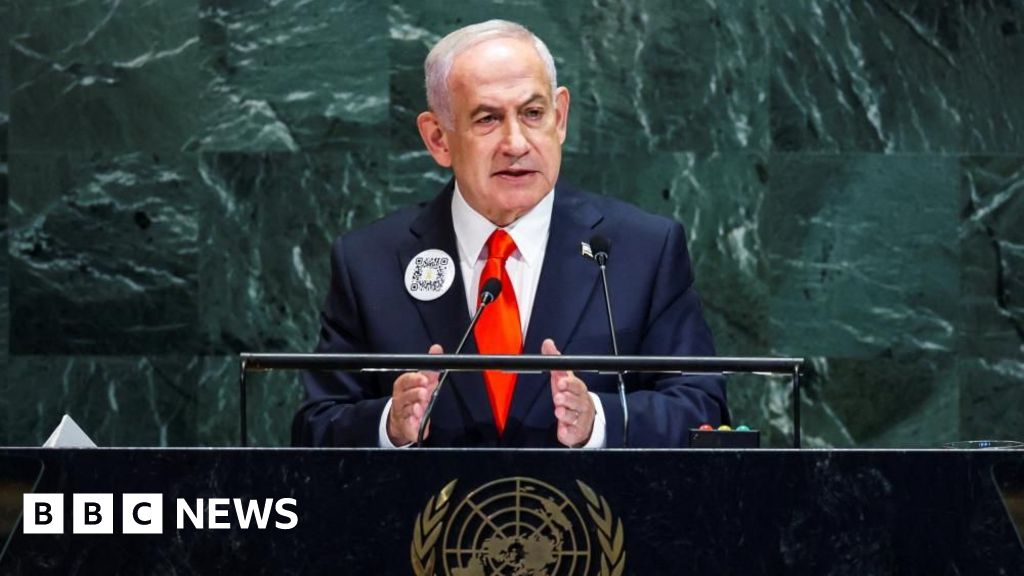
Netanyahu slams Palestinian recognition as dozens walk out during UN speech

The recent UN General Assembly crescendo has set a stark stage for the volatile trajectory of Middle Eastern geopolitics. Israeli Prime Minister Benjamin Netanyahu delivered a speech that sharply polarized the global community, condemning the recognition of Palestinian Statehood by numerous Western nations. His vitriolic rhetoric labeled such recognitions as a “mark of shame”, insinuating that they send a dangerous message—that “murdering Jews pays off.” This inflammatory assertion reverberates through diplomatic corridors, triggering a wave of walkouts and protests, notably in Times Square, where protesters condemned Israel’s military actions in Gaza. The divergence in international opinion underscores a deepening east-west divide over the conflict, with Western nations like the UK, France, and Canada recognizing Palestine, challenging Netanyahu’s hardline stance, and igniting a geopolitical tug-of-war over legitimacy and influence.

Within this storm, Netanyahu’s opening remarks portrayed a narrative of relentless regional threats and existential peril. Showcasing a map labeled “The Curse,” he delineated Iranian proxy groups spanning the Middle East, asserting that Israel faces encirclement by Hezbollah in Lebanon, the Houthis in Yemen, Hamas in Gaza, and Iran itself. Such rhetoric is designed to consolidate domestic support by framing Israel’s military operations as a regional necessity. The Prime Minister went further, lauding Donald Trump’s administration for its alleged role in striking Iran’s Fordo nuclear site, and drew unsettling parallels between Hamas’s October attack and the 9/11 terrorist assaults—both portrayed as threats to global stability. These narratives serve to rally Israel’s allies and justify aggressive military actions, but they also escalate tensions, rippling across borders, and challenging the international consensus for a peaceful resolution. Historians warn that such militant rhetoric risks further destabilization, perpetuating cycles of violence with long-term repercussions for regional security.

Israel’s firm refusal to recognize a Palestinian State remains at the heart of the discord, with Netanyahu asserting that such a state would threaten Israel’s very existence. This stance, aligned with the opinions of the majority of Israeli citizens, continues to entrench division and hinder diplomatic progress. Compounding matters, Netanyahu dismissed claims from UN investigations that Israel had committed genocide in Gaza—a charge he branded “baseless”—and accused international agencies of deliberately restricting aid. With famine ravaging Gaza, as confirmed by UN-backed bodies, the humanitarian toll becomes an unignorable responsibility that frames Israel’s military campaign either as justified self-defense or, by critics, as collective punishment. The contextual backdrop of Israel’s blockade and media restrictions, which have kept independent journalists out of Gaza for nearly two years, amplifies the uncertainty surrounding the true scope of the conflict and its devastations.

In a provocative move aimed at bolstering morale, Netanyahu instructed Israeli forces to broadcast his speech via loudspeakers on Gaza’s perimeter, claiming to reach Israeli hostages and MIA civilians. Amidst contentious internal debates, critics branded the stunt as “propaganda,” highlighting the growing rift within Israel’s own political landscape. Meanwhile, freshly emerging statements from Palestinian Authority leader Mahmoud Abbas suggest a fleeting hope for diplomacy, signaling readiness to collaborate on peace efforts. Lauding the possibility of a de-escalation, the political question remains whether such hopes will withstand the relentless barrage of violence and hardline rhetoric. The chatter from former US President Donald Trump, hinting at a potential ceasefire “deal” in Gaza, adds yet another unpredictable layer to an already volatile chess game where alliances are tested, and history’s pen continues to write its dark, uncertain chapter. As the world watches with bated breath, the unfolding story of this conflict stands as a stark reminder: in the theater of geopolitics, today’s decisive moves shape the course of history, and tomorrow’s history is nothing less than the legacy of today’s choices.

BBC Concedes Some Concerns Over Bob Vylan's Glastonbury Performance
BBC Concedes Some Concerns Over Bob Vylan’s Glastonbury Performance

The International Echoes of Cultural and Political Controversy: A Step into the Turbulent World of Global Power Dynamics

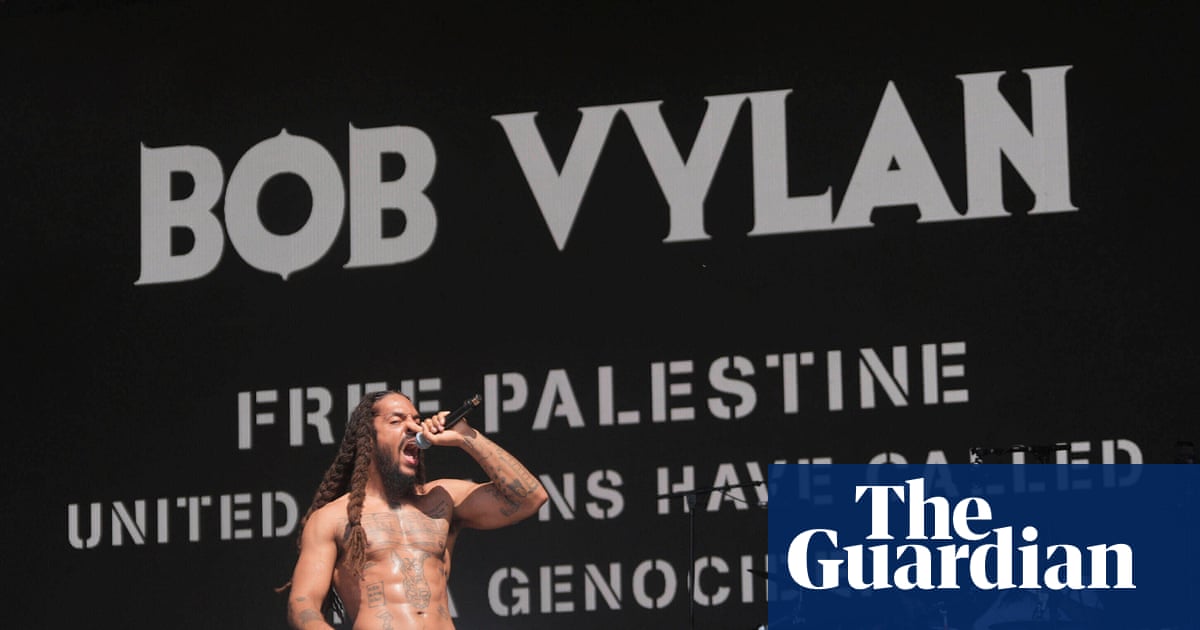
In a striking display of how cultural conflicts serve as battlegrounds for geopolitical influence, the incident involving the punk duo Bob Vylan at this year’s Glastonbury Festival has ignited debates well beyond the music scene. The BBC, a symbol of Western multimedia authority, faced a backlash for streaming the performance where incendiary statements such as “death to the IDF” and “free, free Palestine” were made by frontman Bobby Vylan. The broadcaster’s executive complaints unit justified their controversial decision by citing the potential for harm and offence. However, critics argue it exemplifies how Western institutions are increasingly caught in a clash of values — balancing free expression against the rising tide of identity politics and ideological influence.

The geopolitical impact of this controversy extends beyond the boundaries of Britain’s cultural landscape. Historians and analysts recognize that moves by entertainment industries and media organizations serve as soft power instruments, shaping global perceptions of conflicts like the Israeli-Palestinian crisis. Some experts warn that such incidents reflect a broader narrative war, where Western responses are scrutinized for perceived biases or capitulation to social activism. For instance, the BBC’s decision to remove the performance from its on-demand services and declare it a “high-risk” event signals a cautious approach that could influence how future conflicts are portrayed internationally. This response underscores a burgeoning tendency among Western institutions to treat entertainment content as part of the larger geopolitics of ideological narratives.

Moreover, the ripple effects of Bob Vylan’s statements include consequences for international diplomacy. The band’s US visas were revoked, a tangible repercussion illustrating how entertainment and politics are entwined in the current global era. The revocation not only hampers their ability to perform abroad but also signals a preemptive stance by authorities to curb what they deem provocative or potentially inflammatory. Such actions exemplify a wider effort by governments and agencies to control the spread of narratives they perceive as destabilizing or threatening to national security interests, particularly in an era where social media and global streaming serve as battlegrounds for ideological influence.

In the broader context, the controversy surrounding Bob Vylan illustrates how societal debates over free speech, national identity, and international allegiances are shaping the new global order. International organizations, such as the United Nations, have acknowledged the complex and often contentious nature of conflicts like Palestine, but the ways in which nations and cultures respond domestically and abroad reveal underlying tensions inherent to global leadership. As the West grapples with its identity and values amidst a shifting geopolitical landscape, the unfolding fallout from this incident will serve as a stark reminder that the lines between cultural expression and political conflict are increasingly blurred, and the weight of history still enshrouds this turbulent era.

Australia Update: AFL Grand Final Risks Queensland Measles Outbreak as Albanese Heads to UK

International Moves and Emerging Threats: The Geopolitical Landscape Shifts with Public Health and Diplomatic Developments

In an era marked by unpredictable transnational shifts, recent developments highlight the interconnectedness of health crises and geopolitical strategy. A concerning re-emergence of measles in Queensland, Australia poses a potential challenge to national stability, illustrating how health threats can ripple across borders and influence international relations. Despite Australia eradicating measles in 2014, the nation faces a resurgence intensified by declining vaccination rates—driven, as analysts suggest, by misinformation propagated in the wake of the Covid-19 pandemic. With over 120 cases registered this year alone, health authorities warn that the upcoming AFL grand final in Melbourne could become an unintended vector, as tens of thousands of fans journey from Queensland, where active cases are concentrated, to sporting venues in Victoria. Paul Griffin, director of infectious diseases at Brisbane’s Mater Hospital, emphasizes that “fleeting contact” can suffice for infection, heightening fears that the viral momentum could propel the outbreak nationally, or even internationally.

This health crisis unfolds against the backdrop of major diplomatic efforts by Anthony Albanese, Australia’s Prime Minister, who recently concluded a diplomatic tour in New York, emphasizing the strategic importance of alliances like AUKUS. Notably, the UK has commissioned its sixth SSN-Aukus submarine—an advanced nuclear-powered attack craft—intended to replace its dwindling fleet by the late 2030s. The timing of this deployment is critical; the submarine, which was commissioned ahead of schedule, signifies a shift in naval power projection that directly impacts Australia, whose naval base in Perth will host rotating submarines from 2027. Such rapid military advancements underscore a broader shift in regional power balances, with Australia increasingly encompassed within a new security paradigm driven by Western allies amid mounting regional tensions. Albanese’s diplomatic engagements in London and later in the UAE, where he will discuss a comprehensive economic partnership, reflect a clear intent to deepen international ties and bolster security commitments in the Indo-Pacific. Meanwhile, analysts note that discussions with UK and US officials increasingly revolve around tactics to counterbalance emerging adversaries, including the unpredictable posture of China and the rhetoric of Russia.

These intertwined developments reveal a geostrategic landscape where health crises transcend borders, carrying implications that extend well beyond mere epidemiology, and where diplomatic initiatives are synchronized against a backdrop of rising competition and uncertainty. Historians point to the resurgence of diseases like measles as a symptom of broader societal complacency—an erosion of collective responsibility amidst misinformation campaigns that weaken public health infrastructures. Simultaneously, international organizations warn that failure to maintain integrated health policies could undermine long-term regional stability, especially as military diplomacy—embracing new submarines and modernized fleets—advances rapidly. As Oxford historians argue, the current moment is a turning point in global history, revealing how resilience depends on balancing health, military readiness, and diplomacy.

In the convergence of these narratives—public health crises and geopolitical maneuvers—lies a stark lesson: history remains a dynamic and unfolding story. Decisions made today will reverberate through the corridors of power and across the streets of societies yet to be shaped. The outbreak in Australia serves as a solemn reminder that in geopolitics, as in health, complacency bears price, and uncertainties demand vigilance. As the world watches, the weight of history presses closer, reminding us that the choices made in these moments are the gates through which future generations will pass—whether into decline or renewal.

Israeli Attack Targets Yemen's Houthis, Reports Say Eight Killed
Israeli Attack Targets Yemen’s Houthis, Reports Say Eight Killed

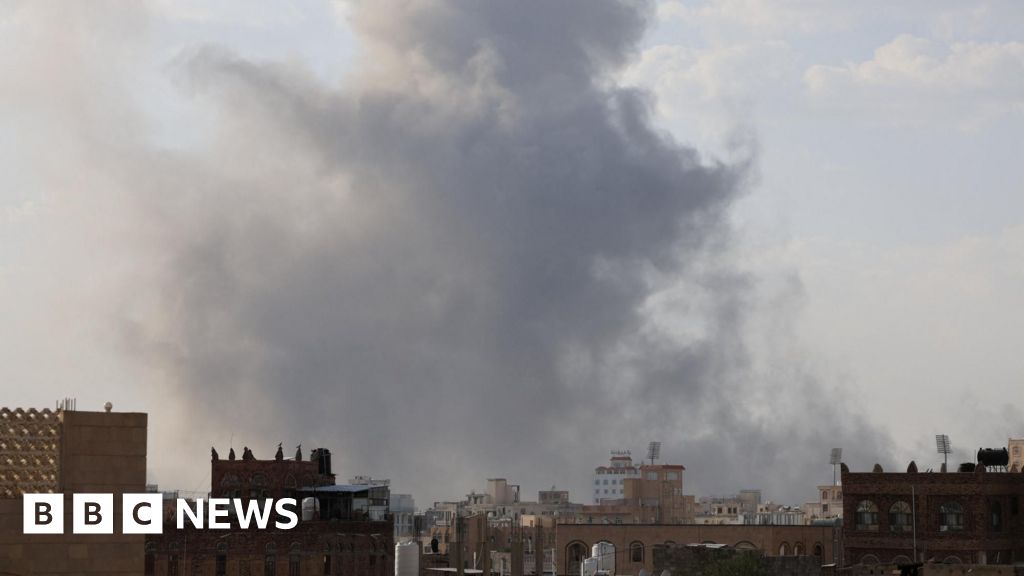
The recent escalation between Israel and the Houthi movement in Yemen signals a disturbing shift in the regional geopolitical landscape, one that threatens to drag multiple nations into a broader conflict. The Israeli Defense Forces (IDF) announced their most extensive strike in Yemen to date, targeting Houthi military and intelligence facilities in Sanaa. The attack, carried out by dozens of Israeli aircraft, signifies a bold declaration of intent—one that underscores Israel’s determination to respond to the repeated drone and missile assaults emanating from Houthi-controlled territories. This offensive marks a crucial turning point, cementing the perception that the conflict in Gaza is transcending borders and inspiring regional actors to take a more active stance.

  • On Thursday, the IDF targeted facilities including the Houthi military’s General Staff Command Headquarters and security compounds, aiming to cripple the group’s operational capabilities.
  • The Houthis, claiming to support Palestinian resistance, have been attacking Israel and global shipping lanes in the Red Sea and Gulf of Aden—an assertion that official analysts describe as an attempt to expand their influence beyond Yemen’s borders.
  • Violence in Yemen, now eclipsing its civil war cycle, risks becoming a pivotal regional flashpoint, drawing in international powerbrokers and sparking fears of a wider confrontation.

In Yemen itself, the fallout has been devastating. Civilian casualties are mounting as the Israeli strikes hit residential areas and vital infrastructure, including the Dhahban power station. The Houthi-run health ministry reports at least eight killed and over 140 injured, with first responders battling to recover victims buried beneath rubble. Such figures highlight the increasing toll on Yemen’s already devastated society, emphasizing how the ripple effects of this conflict threaten to destabilize a fragile state. Historians warn that prolonged violence risks transforming Yemen into a regional battleground, much like Syria or Libya, with repercussions that will extend far beyond its borders.

Meanwhile, international organizations have condemned the escalation, though some analysts argue these condemnations are more performative than effective. The United Nations has called for restraint, but the reality on the ground suggests that neither side intends to back down soon. The Houthi leadership, led by Abdul Malik al-Houthi, frames this escalation as a response to Israeli aggressions in Gaza. Their spokesperson described the attack on Eilat—a drone launched from Yemen—as retaliation for what they called “genocide” and “dangerous escalation” by Israel towards Palestinian civilians. Such rhetoric raises the stakes, transforming localized skirmishes into a broader ideological conflict rooted in regional power struggles and religious identities.

Security experts caution that this clash is not isolated; rather, it is intertwined with the strategic ambitions of global actors, including Iran, which is believed to provide support to the Houthis. The recent wave of violence underscores how decisions made in Jerusalem or Sanaa can ripple across continents, influencing international diplomacy and military alliances. The offensive also signals an unsettling shift: the emergence of Yemen as a new front in Israel’s regional security calculus. Analysts warn that unless international diplomacy intervenes swiftly, what begins as localized strikes could evolve into a protracted conflict with unpredictable consequences, threatening to reshape the Middle East’s geopolitical contours.

As history continues to unfold in the shadows of crossfire and diplomacy, the world is left contemplating the weight of these events. The drums of war beat louder, echoing across the sands and seas—reminding nations of the fragile threads upon which peace and chaos hang. The unfolding saga of Israel and Yemen is not merely a regional dispute, but a chapter in a larger story of power, ideology, and survival—where the decisions carved into history’s granite today may define the destiny of nations for generations to come.

Dallas Ice shooting suspect planned attack, FBI warns—youth warned to stay alert

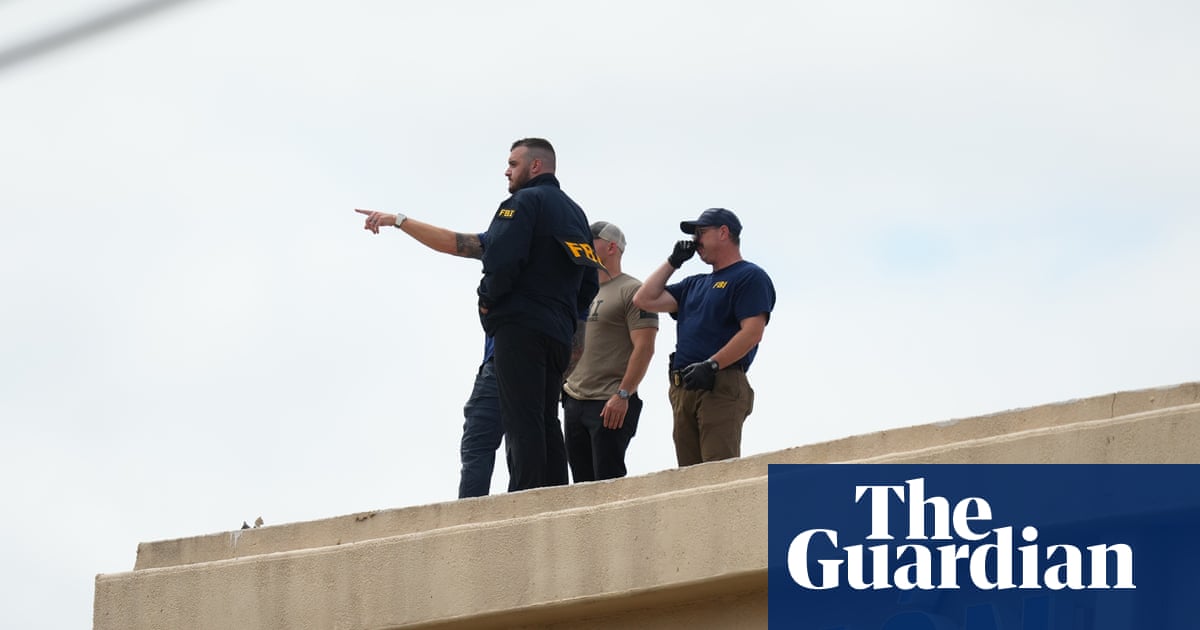
In recent days, the United States has faced a stark reminder of the rising tide of political violence and internal strife. The shocking attack on an Immigration and Customs Enforcement (ICE) detention facility in Dallas underscores the deepening divisions within American society—a nation torn between lawlessness and the rule of law. The FBI disclosed that the suspect, identified as 29-year-old Joshua Jahn, meticulously planned the assault, even deploying a ladder and a high-powered rifle with sniper capabilities. Such details reveal an alarming degree of premeditation, emphasizing that the incident was not an impulsive act but a calculated strike against the very institutions meant to uphold national sovereignty and law enforcement integrity. As analysts from think tanks warn, these acts threaten to destabilize America’s internal security and fuel further polarization, which, if left unaddressed, could usher in an era of increasing chaos and societal fracture.

The geopolitical impact of this domestic crisis extends far beyond U.S. borders. As the Biden administration struggles to manage a surge in political extremism, international observers from Russia to China, along with global organizations such as the United Nations, are watching with concern. The incident comes amid a backdrop of strained global relations, where weak governance in the USA fuels skepticism about American leadership and stability. The rhetoric surrounding the attack, with former President Donald Trump and right-wing commentators framing it as a consequence of what they label as “radical left” policies, exemplifies how domestic issues are increasingly intertwined with international perceptions of American strength. The potential for such violence to influence foreign policy and global stability remains a key concern, particularly as nations contend with their own internal conflicts and the erosion of traditional security paradigms.

Notably, this attack appears to be a manifestation of rising militant tensions fueled by intense partisan conflicts and an emboldening of radical elements. Historians caution that in times of social upheaval, acts of targeted violence against government institutions are often precursors to broader destabilization. Various analysts from NATO to the European Union have warned that the ongoing polarization within the USA may serve as a blueprint for others who seek to undermine Western cohesion. The suspect’s expressed hatred for the federal government, along with notes indicating an intent to instill terror among ICE agents, reveal troubling ideological undercurrents that could inspire copycat violence internationally. These dynamics threaten to ripple outward, challenging the stability of democracies around the world. As the global community observes the U.S. domestic crisis unfolding, the need for decisive leadership becomes undeniable.

Ultimately, the Dallas shooting encapsulates a pivotal moment—an ongoing chapter of history still being written. With each act of violence, the fragile fabric of societal trust is further frayed, pushing nations to confront uncomfortable truths about internal divisions and external instability. The world watches breathlessly, aware that such acts of terrorism, rooted in hatred and ideological extremism, have consequences far beyond national borders. As leaders debate solutions, the weight of history presses down: will the United States emerge resilient, or will this be a harbinger of a new era of chaos? The answer remains unwritten, but the shadows cast by this violence will surely shape the pages of history for generations to come.

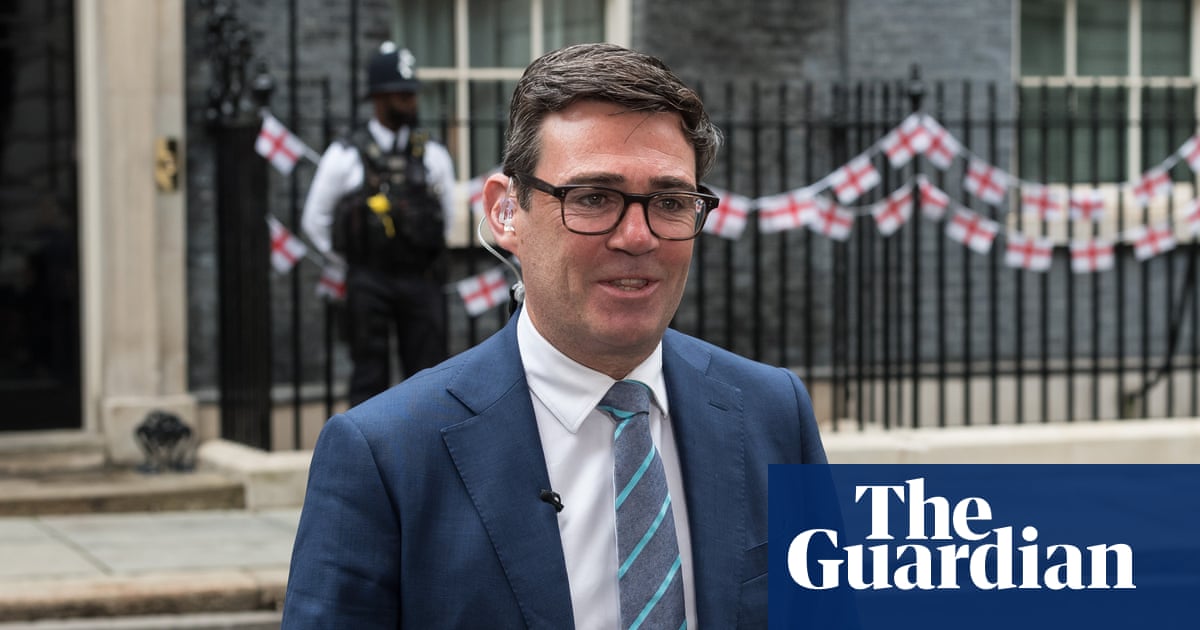
Andy Burnham warns investors: UK must stop relying on foreign lenders to stay strong

In a striking development that underscores the fragile state of Britain’s economic and political landscape, recent comments by Andy Burnham, the mayor of Greater Manchester, have sparked intense debate on both domestic and international stages. Burnham, a prominent figure within the Labour Party, has called for an end to the UK’s dependence on foreign lenders, advocating for measures such as increased taxation, public housing programs, and the nationalization of utilities to fund expanded public services. However, his stance has met with fierce resistance from City investors and international lenders, who warn that such policies could exacerbate the UK’s debt problems and trigger a renewed bond market crisis.

Global Financial Instability and the UK’s Mounting Debt Concerns

As yields on UK government bonds soar, reaching levels not seen since early September, the financial markets are visibly uneasy. The interest rate on 10-year bonds has climbed to 4.726%, while long-term 30-year gilt yields have surged to 5.54%, approaching a 27-year high. Analysts such as Kathleen Brooks, head of research at XTB, warn that these rising yields reflect mounting political risks and lacked confidence among international lenders. Historically, the UK’s 10-year yield was less than 1% in 2021, highlighting a stark shift driven by recent political discourse and fiscal uncertainty.

Historian and financial analysts emphasize that bond markets are often a mirror for a nation’s broader geopolitical stability and fiscal prudence. The escalation in borrowing costs signals more than just economic worries; it represents a deeper concern regarding Britain’s political direction—one that could have wide-reaching geopolitical repercussions. Rising debt costs constrain government options, forcing future leaders to navigate a treacherous landscape of fiscal austerity or confront the economic chaos that may follow from reckless spending or destabilizing policies.

Implications for United Kingdom’s Geopolitical and Economic Futures

The current crisis also underscores the broader vulnerabilities of the West’s fiscal model—particularly as London’s leadership debates how to fund expansionist social agendas amidst global economic turbulence. The specter of a bond market crisis rekindles memories of past financial upheavals, raising questions about London’s ability to maintain its status as a global financial hub. Meanwhile, the possibility of Burnham’s colleagues, including whispers of a challenge to Sir Keir Starmer’s leadership, indicates internal party divisions that threaten to destabilize the UK’s political fabric even further.

  • The UK’s fiscal trajectory is now under intense scrutiny from international financial institutions.
  • Growing bond yields threaten to spill over into higher borrowing costs for consumers and businesses alike.
  • Political rhetoric, especially from figures like Burnham, risks inflaming market fears, potentially accelerating economic destabilization.

These developments unfold at a critical juncture for Britain, with history warning that unsustainable debt levels and political missteps can quickly spiral into larger crises that reverberate globally. Analysts observe that, as the UK navigates this tumult, the challenges faced are emblematic of a shifting international order where economic resilience and political stability are now inextricably linked.

As markets tremble and leaders ponder their next move, the unfolding narrative of Britain’s economic saga leaves us with a haunting realization: the decisions made today will write the chapters of tomorrow’s history, shaping the geopolitical landscape for generations to come. The weight of this unfolding story rests heavily on the future—not just of a nation, but of a world awaiting the next move in a game of high-stakes financial diplomacy and political resolve.

Social Media Auto Publish Powered By : XYZScripts.com