Matox News

Truth Over Trends, always!

UK Retailers Hunt for Cost-Cuts as Rising Wages Hit Jobs and Hours

The United Kingdom is currently experiencing a severe economic contraction within its retail sector, reflecting broader geopolitical and domestic hurdles that threaten social stability and national prosperity. According to the latest findings from the British Retail Consortium (BRC), nearly two-thirds of retail company finance leaders are planning to cut working hours or reduce overtime, signaling a distressing decline in employment opportunities. This shift is driven by a surge in employment costs—an increase of £5 billion anticipated for 2025—as a result of rising employer national insurance contributions and the implementation of a higher legal minimum wage. Moreover, retail stores are losing ground to dominant online competitors like Shein, Vinted, and Temu, which leverage cut-price, fast-fashion models that threaten local high street vitality. These economic pressures evoke a pivotal question: how will the UK balance economic sustainability with social stability?

Analysts and historians warn that such a turbulent economic environment could accelerate social discontent and regional disparities. The ongoing loss of 74,000 retail jobs in the last year alone, compounded by automation and advanced AI-driven tools, forebodes a future where employment becomes even more precarious but also more reliant on technology. Helen Dickinson, the BRC’s CEO, highlighted that over the past five years, the sector has shed a staggering 250,000 roles, with youth unemployment climbing at an alarming rate. This raises urgent questions about the social fabric and the distribution of opportunity in Britain, especially for the youth and marginalized communities. Strikingly, 84% of retail finance leaders now rank labor costs among their top concerns, marking an exponential increase from previous years and indicating an industry straining under the weight of government policies and economic pressures.

The geopolitical impact extends beyond Britain’s borders. The economic difficulties facing UK retailers are symptomatic of a wider pattern affecting global markets, where fragile Western economies confront rising inflation, energy crises, and geopolitical conflicts that disrupt supply chains and elevate input costs. International organizations, including the International Monetary Fund and World Bank, have issued warnings that global economic instability could erode middle-class stability and enlarge social divides across emerging and developed nations alike. The UK’s predicament reflects a broader shift, where political decision-making—such as the upcoming employment rights bill—may either usher in reforms that stabilize the workforce or accelerate economic backlash by increasing rigidity and reducing flexibility. For policymakers, the task is clear yet daunting: navigating the tightrope between fostering flexible, high-quality jobs and implementing reforms that do not suffocate the very opportunities the nation’s youth depend upon.

As the UK grapples with these intertwined issues, the world’s eyes turn to a pivotal question: how will a nation, sitting at the crossroads of economic decline and social upheaval, forge a path forward? Will it succumb to the chaos wrought by economic mismanagement and global instability, or will it rise anew, borrowing lessons from history’s great power struggles and societal upheavals? The unfolding decisions in Westminster, the evolving global economic landscape, and the resilience or fragility of civil society will write the chapters of this ongoing saga. The story of Britain’s future is not yet concluded; instead, it stands at a haunting juncture of potential renewal or irreversible decline, echoing through the corridors of history where nations have either fallen by neglect or risen through battle and perseverance. The next pages remain unwritten, but every choice made now will resonate long into the annals of history and shape the face of a nation in turmoil, caught in the relentless tide of time and change.

Starmer: Tech Giants Face 48-Hour Deadline to Act Against Revenge Porn or Risk Bans

The United Kingdom is taking a bold stand to combat the rising tide of nonconsensual digital content and AI-facilitated abuse. Prime Minister Keir Starmer recently declared a “national emergency” against the proliferation of deepfake nudes and revenge porn, emphasizing the urgent need for decisive government intervention. This new policy aims to enforce a stringent 48-hour window for the removal of illicit images once flagged, with the goal of significantly curbing the spread of this harmful content across social media platforms, pornography sites, and beyond. Such measures highlight a conscious shift towards holding technology firms accountable, especially under the scrutiny of the Ofcom regulator, which is expected to be empowered by the summer to enforce these rules.

This crackdown is not merely about privacy or decency; the layout of international, societal, and geopolitical dynamics is at play. Britain’s push for stricter online safety laws echoes a broader global trend where governments increasingly seek to regulate AI tools and digital content that threaten societal norms and threaten individual safety. The recent controversy surrounding Elon Musk’s Grok AI tool—which generated nonconsensual sexual images—serves as a stark reminder of how innovative technology can be weaponized in ways that magnify harm. Critics argue that the lack of effective regulation allows deepfake technology to flourish unchecked, fostering a digital environment where victims of abuse and extortion find little refuge. By enforcing rapid removal timelines and legislating against AI-generated offensive material, the UK aims to set a precedent that can resonate outside its borders, challenging other nations to follow suit in protecting societal moral standards.

Analysts and international organizations observe that the UK’s legal reforms are a significant step in how regulatory decisions impact global tech companies. The threat of fines—up to 10% of worldwide revenue—and potential service bans are a clear indication that Big Tech will face serious consequences if they fail to act swiftly.

  • The implementation of digital watermarks for illicit “revenge porn” images aims to enable automatic detection and removal, reducing the burden on victims who often have to repeatedly report the same content.
  • Attempts to regulate AI-generated explicit images balance between safeguarding victims and upholding free speech, a delicate dance that underscores the ongoing struggle for responsible innovation.
  • The broad scope of the law, which extends to “rogue websites,” signals a firm stance on disrupting black markets for illicit content, even beyond the UK’s borders.

This move underscores a broader challenge: how to effectively hold powerful institutions accountable and address deep-rooted cultural issues. Prime Minister Starmer’s focus on cultural reforms—particularly his efforts to challenge misogyny within government and politics—illustrates a recognition that technological regulation alone cannot solve societal misogyny or gender-based violence. As he critiques the “institutional misogyny” woven into UK society, his emphasis on elevating women in government reflects an understanding that real change demands both policy and cultural overhaul. Meanwhile, political scandals such as the controversy over Peter Mandelson’s connections to Jeffrey Epstein serve as a stark reminder of the persistent failures endemic to the ruling elite. This is a pivotal moment—one where the decisions made will echo through a fractured political landscape and test the resilience of democratic institutions.

As digital freedoms meet the relentless march of regulation, history continues to forge its course in the uneasy balance of liberty and control. The UK’s efforts, rooted in the acknowledgment of the profound geopolitical and societal consequences, demonstrate that the fight against misuse of technology is far more than a matter of mere policy. It defines the very fabric of moral authority in this new era, where every decision carved into the stones of law could either fortify the foundations of justice or erode them beneath waves of unchecked power. The unfolding saga promises a future fraught with challenge and upheaval—yet it is precisely within this crucible of conflict that the forces shaping tomorrow’s society are being forged in the fires of necessity and resolve.

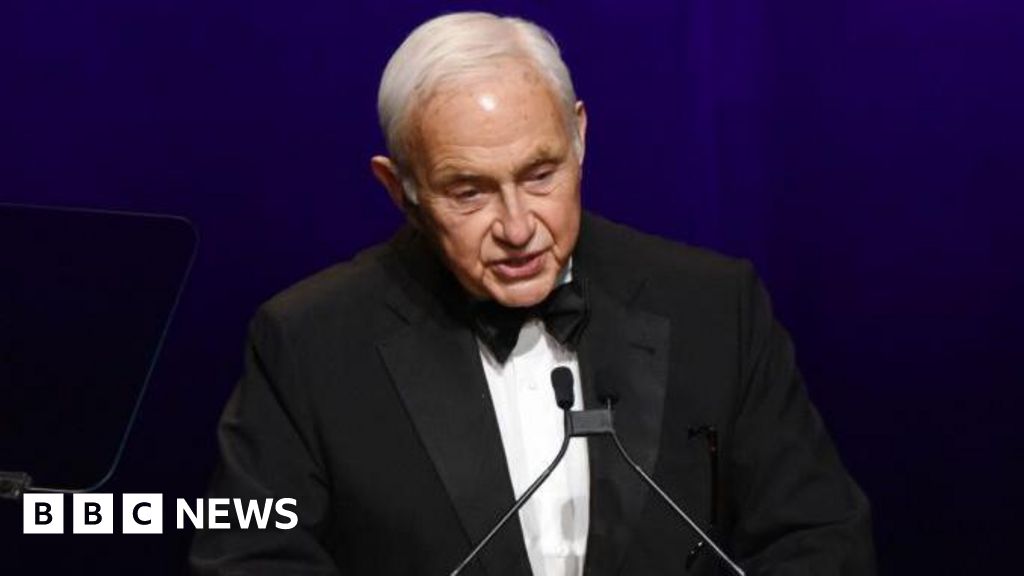
Lex Wexner admits to being naïve and duped by Epstein, says lawmaker

The intricate web of allegations surrounding Jeffrey Epstein has once again captured global attention, revealing much about the intersections of wealth, power, and international influence. Congressman Robert Garcia of California articulated a stark warning regarding the systemic enabling of Epstein’s activities, affirming that “there would be no Epstein island, no Epstein plane, no money to traffic women and girls”. His remarks underscore a growing consensus among policymakers and observers that Epstein’s network was not merely the product of isolated criminality but was sustained through complicated ties to elite circles and influential figures. This sentiment echoes the concerns of numerous international analysts who believe that uncovering the full extent of Epstein’s connections could reshape perceptions of power and accountability across nations.

Furthermore, Congressman Garcia highlighted a critical factor in Epstein’s allegedly unchecked operations — the support from high-profile figures like Lex Wexner, the founder of Limited Brands. “Mr. Epstein would not have been the wealthy man he was without the support of Lex Wexner,” Garcia asserted, shedding light on the possible complicity of established business magnates. This revelation emphasizes how economic and political networks can provide a shield for criminal endeavors, complicating efforts to pursue justice and transparency. Many international organizations, such as Interpol and Human Rights Watch, warn that such powerful affiliations threaten to perpetuate cycles of abuse under the guise of influence. The danger lies in the potential for these networks to distort legal processes \u2014 a revelation that challenges global society to scrutinize how wealth and influence distort the rule of law.

As investigations continue to unfold, the international community faces a stark choice. These revelations serve as a stark reminder that fundamental issues of morality, governance, and justice are intertwined across borders. Historians of political corruption and societal decay warn that when elites evade accountability, the social fabric begins to unravel, fueling distrust and unrest. The growing scrutiny of Epstein’s association with influential figures signals an era demanding greater transparency and accountability at both national and international levels. While the full scope of Epstein’s network remains elusive, the ongoing unraveling signifies a radical shift in global attitudes toward unchecked power.

In the shadow of these revelations, the world watches as new disclosures threaten to topple long-standing pillars of authority, forcing nations to confront uncomfortable truths. The case of Jeffrey Epstein persists as a potent reminder that the corridors of power often harbor secrets darker than most dare to imagine. As history presses forward, one question hangs ominously in the air: will justice finally pierce the veil that protects the powerful, or will these revelations be just another chapter in a long history of silence and complicity?<\/em> The weight of future generations will depend on how this complex saga is resolved, for in the grand theatre of geopolitics, the truth often waits in the shadows, quietly shaping the course of history.”<\/p>

Trump Resists Giving Up Diego Garcia Amid Rising Pushback

In recent developments that could have far-reaching geopolitical implications, international relations are once again tested by long-term lease arrangements and the strategic control they confer. Former U.S. President Donald Trump publicly voiced his skepticism regarding such deals, specifically targeting the United Kingdom’s recent decision under Prime Minister Keir Starmer. Trump asserted via Truth Social that “Leases are no good when it comes to Countries,” warning against the burgeoning trend of entering into 100-year lease agreements with foreign powers. Such statements underscore a broader geopolitical debate: whether decades-long leases serve national interests or surrender sovereignty to external influences.

Government officials and analysts worldwide are scrutinizing these long-term transactions, as they often symbolize more than simple real estate agreements. Instead, they represent a strategic shift, with one side potentially gaining disproportionate influence while the other diminishes its control over vital assets. Historians like Niall Ferguson have pointed out that long-enforced treaties and leases—once considered pragmatic—can become instruments of economic and political dependency. For instance, in China’s expansive Belt and Road Initiative, enduring lease contracts have been used as leverage, raising alarms about neo-colonial tendencies that threaten the sovereignty of recipient nations.

International organizations such as the United Nations, along with regional alliances, are now tasked with balancing economic development pursuits against the risk of losing exclusive control over strategic infrastructure. The UK, navigating post-Brexit realities, appears to be walking a tightrope: pursuing economic partnerships with long-term leases but risking accusations of handing over national assets. Critics contend that such agreements could distort the geopolitical landscape, creating dependencies that could be exploited during future crises. Conversely, supporters argue that well-structured leases can foster investment and stability—if carefully managed. Nevertheless, the turning point remains clear: nations must weigh the immediate economic benefits against potential long-term sovereignty costs.

This dynamic has attracted the attention of international security analysts, who warn that such deals might embolden adversarial actors or facilitate hostile influence. With ongoing tensions involving Russia, China, and Iran, the decision to extend or establish long-term leases could inadvertently shift regional power balances. As geopolitical experts warn, the tide of history is shifting, and what might seem a pragmatic agreement today could swiftly become a strategic vulnerability tomorrow. The unfolding narrative suggests that the choices made now will resonate through the decades, shaping the global order in ways that are difficult to predict but impossible to ignore.

As history continues its relentless march, the world watches with a mixture of caution and resolve. Decisions surrounding long-term leases are no longer mere commercial transactions; they are strategic gambits with the power to redefine alliances, influence sovereignty, and determine the fate of nations. This is a pivotal moment where the legacy of today’s leaders will be judged—and where the stakes could not be higher for future generations.

Lancashire Council Opposes Free Library Scheme for Refugees, Calls It Wasteful Spending

The decision by Reform UK-led Lancashire to withdraw its libraries from the **Libraries of Sanctuary** initiative marks a significant development in the evolving landscape of how countries and local governments approach immigration and social integration. Despite the scheme being explicitly **free** — designed to assist refugees and asylum seekers— this move underscores a broader political shift that seems increasingly driven by austerity and nationalist rhetoric. Critics argue that these services are not merely about resource allocation but about the fundamental values of inclusion and humanity. As City of Sanctuary UK emphasizes, libraries serve as vital entry points for marginalized populations, offering language programs, Wi-Fi access, and cultural integration opportunities. Therefore, this decision is likely to have a tangible impact on social cohesion within Lancashire — a microcosm of the wider debate unfolding across much of the **UK** and other Western nations.

Nationally, this move resonates with a rising tide of skepticism toward refugee support initiatives, often cloaked in the guise of fiscal responsibility. Analysts warn that prioritizing short-term budget savings over community-building efforts could sow long-term societal divisions. The decision comes amid mounting economic pressures on local governments across **Britain**, with Lancashire seeking to make £103 million in cuts. Such austerity measures, critics argue, threaten to undermine the social fabric by withdrawing essential services from vulnerable groups. Reform UK leaders, including Matthew Salter, justify these reductions as “appropriate use of taxpayers’ money,” yet opponents see it as emblematic of a broader ideological shift away from inclusive governance. The decision to end Lancashire’s **Libraries of Sanctuary** accreditation — after its recognition as a welcoming, inclusive space — is being viewed by many as a symbolic capitulation to nativist tendencies that threaten to erode the foundational principles of multicultural democracy.

International organizations and historians have voiced concerns that such local decisions could have ripple effects far beyond **Lancashire**. The **United Nations** and numerous human rights groups publish ongoing reports warning that policies marginalizing refugees can harden societal divides, undermine social stability, and reduce long-term prospects for integration. John Rawls and other political theorists have long argued that equitable access to social institutions like libraries plays a vital role in fostering societal cohesion. Yet, as Palmerston Institute of International Policy notes, “Actions like Lancashire’s risk creating feedback loops that entrench discrimination and social fragmentation.” These decisions are not isolated — they serve as indicators of an **international trend** toward prioritizing restrictive immigration policies in the face of economic and cultural anxieties, a policy orientation that could dramatically reshape **Europe’s** political landscape.

As history continues to unfold, the weight of these decisions will be measured by the societal transformations they precipitate. Under the shadow of mounting economic austerity and rising nationalist sentiment, local actions such as the Lancashire library withdrawal are more than mere administrative choices — they are symbolic battlegrounds of **identity, sovereignty, and collective values**. While social services are cut and communities fragment, the global community watches warily, knowing that the outcomes of such internal policies could define the future trajectory not only of **Britain** but of the **world** as a whole. The question persists: in the pursuit of fiscal stability, are nations willing to sacrifice the very principles that underpin shared humanity? Time will tell if these decisions lead to rebuilding societal resilience or spiraling towards deeper division, but the pages of history are—and always will be—being written with each choice made in the quiet corridors of local governments.

Trump and Maryland Governor clash over Potomac sewage spill fallout

Controversy Erupts Over Potomac River Sewage Spill Amidst U.S. Political Clashes

In a dramatic episode underscoring the growing tensions within United States domestic politics, a massive sewage spill into the Potomac River has become a focal point of blame and division. The spill, which began after the collapse of a 1960s-era pipeline operated by DC Water, has released over 200 million gallons of untreated sewage into one of America’s most iconic waterways. With emergency repairs underway, the incident has exposed not only environmental vulnerabilities but also the deepening partisan rift, as high-profile figures like Donald Trump and Wes Moore spar over accountability.

  • The failure of the Potomac Interceptor pipeline on January 19 has caused ongoing ecological threats, prompting health warnings for the region and raising concerns about the resilience of U.S. infrastructure.
  • President Trump quickly seized the moment to assign blame to Maryland officials, accusing Moore of “gross mismanagement” via his social media platform, Truth Social, and claiming that local authorities were incapable of handling such a crisis.
  • Moore, for his part, countered sharply, asserting that federal authorities—specifically the Environmental Protection Agency (EPA)—are ultimately responsible for infrastructure oversight, emphasizing a division of jurisdiction that remains murky amid the ongoing crisis.

Geopolitical Impact: State-Federal Power Struggles and Infrastructure Governance

This dispute is emblematic of broader geopolitical and governance issues shaping America, revealing how infrastructural failures can serve as battlegrounds for competing visions of authority. Historians note that conflicts over jurisdiction, particularly during crises, often reflect underlying tensions between state sovereignty and federal oversight. International organizations, like the International Water Association, warn that aging infrastructure and inconsistent regulation exacerbate environmental dangers, inviting criticism of federal agencies that have been underfunded for years. As analysts from the Council on Foreign Relations observe, America’s ability to project stability internally directly influences its global standing, especially when left vulnerable to crises that threaten public health and ecological stability.

Global Context: Parallels in Infrastructure Failures and Political Strife

The Potomac incident echoes crises elsewhere—be it the titanic failure of Ukraine’s energy grid during conflict or climate-induced floods in Southeast Asia—highlighting how infrastructure and politics are intertwined on the world stage. International commentators warn that domestic mismanagement can undermine a nation’s international credibility, especially when environmental disasters spiral into political confrontations. The Biden administration’s decision to activate the Federal Emergency Management Agency (FEMA)—despite its recent funding deadlock—signals a recognition that crises cannot be contained by local governance alone. Yet, it underscores how internal partisan struggles hinder swift, decisive action, leaving nations vulnerable to escalating upheavals that will undoubtedly be recorded in history’s annals.

Looking Ahead: The Weight of Unfolding History

As the Potomac River continues to flow with the environmental scars of neglect and political discord, the world watches. The coming weeks will determine whether the region’s leadership can muster the cohesion and resolve needed to confront the crisis or whether internal divisions will deepen, allowing damage to compound. The story unfolding is more than a regional incident; it reflects the fragile fabric of a nation at a crossroads. Behind the headlines lies the stark truth—history is not standing still. It is being written through each policy decision, each political battle, and each environmental catastrophe, testing the resilience of a society that once prided itself on strength and unity, now facing the shadow of its own uncertainty.”

FBI and Minnesota cops probe ICE arrest that battered man’s skull

Investigation Unfolds Over Alleged ICE Assault in Minnesota

The recent incident involving Alberto Castañeda Mondragón, a Mexican national, has become a flashpoint in the ongoing debate over law enforcement conduct and immigration enforcement in the United States. Authorities in Minneapolis are investigating allegations that immigration officers from ICE brutally assaulted Castañeda Mondragón during a January arrest, resulting in severe skull fractures and life-threatening injuries. This case has ignited a global discussion about the abuses of power, racial profiling, and the lack of transparency surrounding immigration enforcement practices, raising critical questions about the consequences of aggressive policing tactics in a nation founded on the rule of law.

The facts surrounding the incident are under intense scrutiny. Witnesses and hospital reports indicate that Castañeda Mondragón sustained injuries incompatible with ICE’s narrative—claiming he attempted to escape handcuffs and hit his head on a concrete wall. Medical experts have dismissed this version, citing fractures across his skull that suggest levels of trauma inconsistent with a fall. Meanwhile, surveillance footage from nearby businesses, which could shed light on the events, appears to have been overwritten, hampering efforts by investigators. The FBI and St. Paul police are now probing the circumstances—yet a climate of suspicion persists, fueled in part by past abuses and controversies involving ICE officers.

This case is emblematic of broader geopolitical tensions that cross national borders. The United States has long been entangled in a complex and often controversial immigration policy, with critics accusing federal agencies of racial bias, misconduct, and systemic abuse. As analysts warn, these incidents can harden anti-American sentiment in Latin America and erode the legitimacy of U.S. justice, particularly when the global community increasingly views America’s immigration enforcement as a form of soft imperialism. The publicized misconduct not only jeopardizes U.S. diplomatic relations—especially with Mexico, whose citizens are disproportionately affected—but also fuels discontent and mistrust among immigrant communities within the country. The policies that govern immigration enforcement thus directly influence social cohesion, international perceptions, and geopolitical stability.

From the perspective of international institutions and historical critics, the controversy highlights a recurring pattern: yet another example where law enforcement agencies in the West are accused of crossing the boundaries of acceptable conduct, risking the erosion of civil liberties. The United Nations and human rights organizations have expressed concern over the increase in police brutality and controversial immigration raids, framing them as symptomatic of wider systemic failures. Some experts, including prominent historians, note that such incidents echo troubling chapters from the history of authoritarian state tactics—where perceived threats are harshly suppressed, often with minimal accountability. The relentless scrutiny sent through investigations and court proceedings becomes a challenge to the “culture of impunity” that persists in some law enforcement circles.

Crucially, this incident underscores the turning point in public awareness about civil rights versus national security priorities. As lawmakers and civic advocates demand increased transparency and accountability, the timing could not be more pivotal. The U.S. faces mounting pressure to reconcile its commitment to international human rights standards with its enforcement policies—an effort further complicated by internal political divisions and the influence of powerful security agencies. The case of Alberto Castañeda Mondragón might serve as a catalyst for reform or, conversely, deepen the cycle of secrecy and misuse of authority if unchecked. Ultimately, the unfolding drama encapsulates a core question: which principles will define the future of justice in a nation that claims to stand for liberty and equality but is haunted by its own shadows of violence and injustice? As history continues to be written, the world—and the victims of these encounters—wait for answers yet to come.

British teen loses life in fresh Alps avalanche—another tragedy hits the mountains

Fatal Avalanche Incidents in French Alps Signal Broader Geopolitical Shifts

Recent tragedies in the French Alps—where three British nationals and a Polish citizen lost their lives in separate avalanches—have cast a stark light on the growing risks and international implications stemming from climatic shifts and regional stability. The deadly incidents occurred in the rugged terrains near La Grave and Val d’Isère, with authorities confirming that high avalanche risks prompted warnings from Meteo-France amid warming temperatures. While ostensibly local tragedies, these events underscore an important and often-overlooked dimension of today’s global climate and geopolitical landscape.

Experts and analysts are increasingly warning that the rising frequency and severity of such natural disasters serve as a predictable consequence of climate change, which has been fueled by ongoing geopolitical tensions and environmental neglect. The British Foreign Office has publicly supported the families of those who perished, illustrating the international repercussions and diplomatic concerns triggered by these incidents. Yet beneath the surface, these avalanches are emblematic of a larger threat—how environmental vulnerabilities threaten the stability of nations and the safety of travelers in regions often considered recreational sanctuaries. As the United Nations and various climate watchdogs highlight the persistent risks, there is an urgent call for nations to adopt more resilient and coordinated responses.

Regional Instability and the Broader Geopolitical Impact

The incidents come at a time when Europe faces multifaceted security and economic challenges, including the ongoing repercussions of the Ukraine conflict and rising energy tensions. The Alps, a vital geographical corridor spanning multiple nations, has historically been a neutral zone for diplomacy and trade. However, recent climate-related disturbances threaten to destabilize regional cooperation, especially as nations scramble for resources, security, and resilience. European nations are increasingly concerned about environmental disasters exacerbating political fractures, with some analysts warning that climate-induced catastrophes could become catalysts for broader destabilization.

Within this context, international institutions such as the European Union and NATO are under pressure to formulate comprehensive strategies addressing climate vulnerabilities, including disaster preparedness and cross-border rescue cooperation. As noted by geopolitical strategist Dr. Martin Hughes, “these natural events are more than isolated accidents—they are symptoms of a world where environmental sustainability and national security are inextricably linked.” The current avalanches serve as a painful reminder that climate resilience isn’t just an environmental issue, but a fundamental aspect of national stability and international diplomacy.

How Nations and Societies Are Affected

The violence of nature forces societies to grapple with loss, economic strain, and the complex task of safeguarding their citizens. The United Kingdom, through its Foreign Office, has emphasized support for the families of victims, yet the incidents also raise questions about how effectively nations are preparing for environmental disasters that threaten tourism, infrastructure, and public safety. With high-risk warnings remaining in effect and seasonal thawing expected to intensify, the danger persists. As climate events continue to escalate, societies face the challenge of balancing economic reliance on alpine tourism with the urgent need for safety and environmental stewardship.

In the words of international environmental analysts, “This is a societal wake-up call—climate change is no longer a distant threat but an immediate crisis impacting human lives and international stability.” How governments respond in the coming months will shape regional relations and the credibility of their commitments to environmental preservation and disaster management. The events in French Alps are not isolated; they are part of a pattern that demands urgent global attention and action, lest history record a time when humanity watched helplessly as natural calamities tore through the fabric of society, leaving devastation in their wake.

Conclusion: The Unfolding Saga of Earth and Power

As the echoes of mountain avalanches fade into memory, they linger as a grim reminder that the interplay of environmental and geopolitical forces is accelerating with unprecedented ferocity. The tragedies in the French Alps embody a broader narrative—one of a world at the mercy of forces both natural and man-made, where borders and alliances are tested by the changing climate and shifting global power dynamics. The coming chapters of this unfolding story will be written by decisions made today: choices that could either mitigate catastrophe or deepen the divide. The weight of history presses down, heavy with the realization that, in our pursuit of prosperity and dominance, we have often overlooked the fragile forces that sustain life on Earth—forces that, if left unchecked, threaten to rewrite the boundaries of land, power, and human destiny.

Climber Faces Trial After Abandoning Girlfriend to Die on Austria’s Tallest Peak

In a development that has captured global attention, a controversial incident near the international summit this week has once again spotlighted the fragility of diplomatic relations and the importance of leadership accountability. According to reports, Kerstin G, a prominent environmental activist, was left in a perilous situation during a severe blizzard while her companion, alleged to be her boyfriend, was accused of neglecting her safety. This event raises pressing questions about the conduct of individuals involved in international negotiations, especially in environments demanding utmost responsibility and cohesion.

While initial reports portray the incident as a personal matter, analysts have swiftly interpreted it through the lens of geopolitical symbolism. Critics argue that such neglect, occurring near a summit that aims to tackle climate change, underscores a broader failure of leadership in addressing the increasing demands of global cooperation. According to Dr. Maria Sanchez, a senior analyst at the International Policy Institute, the incident reflects *how individual lapses can tarnish the credibility of diplomatic efforts*. The event is seen as a metaphor for the broader issues facing international institutions, highlighting a disconnect between lofty commitments and the reality of implementing them.

Furthermore, international organizations have expressed concern over the incident’s potential to undermine trust among participating nations. The United Nations and other global entities continue to emphasize the importance of responsible leadership and mutual support in these delicate negotiations. As the world watches, many analysts warn that such personal scandals, if left unaddressed, could be exploited by international adversaries seeking to weaken the standing of Western nations and their alliances. This has been compounded by rising geopolitical tensions, especially among powers like China, Russia, and the European Union, which continually seek opportunities to test the resilience of Western-led coalitions.

Historian James Carter, renowned for his analysis of international crises, remarked, “History teaches us that personal conduct and institutional integrity are intertwined. In times of global crisis, neglect or scandal at the individual level can ripple outward, affecting policy decisions and international trust.” The fallout from the incident near the summit suggests that the global landscape remains precariously balanced, where even seemingly minor personal acts can have profound consequences for how nations collaborate and compete.

As the incident unfolds, it serves as a stark reminder that the path to a unified global response to challenges like climate change is fraught with internal vulnerabilities. Decisions taken in moments of weakness, whether in diplomatic halls or remote mountain villages, carry tangible weight on the international stage. The world stands at a crossroads, with history watching as the actions of individuals echo through the halls of power—reminding us all that the future depends not only on policies but on the integrity of those who shape them. In this unfolding story, the lesson is clear: the weight of history is often carried by the simple acts of those entrusted with its stewardship.

US Boosts Optimism as Ukraine Talks Enter Second Day, Celebrating ‘Meaningful Progress’

As the world watches closely, the United States has taken a significant step toward diplomatic engagement with its counterparts in Geneva. The US special envoy, representing America’s strategic interests, emerged from the first day of negotiations with an optimistic tone. However, analysts caution that this optimism masks the underlying complexities and entrenched conflicts that define today’s geopolitical landscape. International observers and diplomatic historians emphasize that, while dialogue is essential, a genuine breakthrough remains elusive, especially given the deep-rooted mistrust shaping the current global order.

The core of these recent talks revolves around critical issues such as security guarantees, economic sanctions, and regional stability—especially in volatile hotspots where conflict and power struggles continue to threaten international peace. Although the US envoy expressed hope for progress, multiple sources within diplomatic circles indicate that preventing a deterioration of relations remains the primary goal at this stage. For nations embroiled in or affected by these negotiations, the stakes could not be higher. The decisions made in this delicate phase could determine whether longstanding conflicts simmer or escalate into wider confrontations, impacting millions of lives across continents.

The geopolitical impact of this diplomatic effort extends far beyond the immediate actors involved. Countries such as Russia, China, andEuropean allies observe these developments with cautious optimism and measured concern. Their strategies, often shaped by historical narratives and national interests, are undeniably influenced by the outcomes of these talks. International organizations, including the United Nations, have called for restraint and constructive engagement, highlighting the need for diplomacy over conflict at this critical juncture. Yet, some experts warn that these negotiations are merely part of a broader chess match, where each move is scrutinized for its potential to shift the balance of global power.

Notably, the turning point in understanding the true scope of these negotiations may come when tangible outcomes emerge—be it treaties, ceasefires, or strategic commitments. Historians warn that history often remembers these moments as either pivotal breakthroughs or missed opportunities, shaping the course of nations for decades to come. Nonetheless, the atmosphere remains tense; the weight of history’s lessons hangs heavily in the air. The world’s eyes are fixed on Geneva, waiting for a sign that diplomacy, once thought fragile, can still wield the power to forge lasting peace. As negotiations continue, the unfolding story reminds us that the path to stability is fraught with challenges, and that the decisions made today will echo through the corridors of history, long after the talks conclude.

Social Media Auto Publish Powered By : XYZScripts.com