Matox News

Truth Over Trends, always!

Iranians rally together, forming human chains at bridges and power plants to stand up for their future

The tension in the Middle East has once again escalated sharply following recent threats from former US President Donald Trump against key civilians and critical infrastructure in the region. In response, Tehran has urged its citizens to gather and remain vigilant outside potential US and Israeli targets, signaling a shift toward heightened military preparedness and a potentially volatile escalation of regional conflicts. This provocative move has drawn condemnation from international observers, but also underlines the volatility of a geopolitical landscape that is increasingly unpredictable amid the ongoing rivalries and alliances shaping the region.

Historian and geopolitical analysts emphasize that such rhetoric and actions risk creating a cycle of escalation reminiscent of past conflicts that have destabilized the area for decades. The call for mass gatherings outside sensitive sites indicates a strategic attempt by Iran to project strength and resilience in the face of external threats, but it simultaneously raises the likelihood of miscalculations that could lead to wider confrontations. This response must be understood within the larger context of years of sanctions, covert operations, and regional proxy wars, which continue to fragment national sovereignty and threaten global stability. The United Nations and various international organizations have expressed concern over the potential for conflicts to spiral out of control, warning that such developments could spark a broader regional war with catastrophic consequences.

Experts caution that recent threats and citizen mobilizations serve more than just a symbolic purpose. They underscore the necessity of understanding the geopolitical impact of this escalation. As U.S. and Israeli leaders continue to push policies perceived as hostile in Tehran, the Iranian government seems determined to demonstrate that its defense capabilities are robust and that it is prepared to retaliate in kind if provoked further. Such brinkmanship could threaten to unravel the fragile balance of power in the region, with neighboring states caught in the crossfire and global powers reevaluating their commitments to peace and stability. Diplomatic efforts, while ongoing, appear increasingly strained as the shadow of conflict lengthens over the horizon.

International voices, including prominent analysts and organizations like HSBC’s geopolitical research team, warn of the long-term consequences: the resurgence of hostilities might lead to an era of heightened insecurity and economic disruption across the Middle East. History has demonstrated that such moments—marked by inflammatory rhetoric and military posturing—often open the door to unforeseen conflicts. As the world watches, the region’s fate lies precariously in the balance, remnants of diplomacy fraying at the edges. With each passing day, the decisions made today could forge a new chapter in the history of global conflict, a chapter written in the blood of innocent civilians and the rubble of broken societies. The weight of history presses heavily on the shoulders of leaders and nations alike, as the chaotic dance of war and peace continues to unfold amid the sands of a region on the brink.

MAGA Movement Fractures: Trump Warns Iran Risks ‘Entire Civilization’ Over Deal – Live Update | Trump Admin

As President Donald Trump escalates his rhetoric and military threats against Iran, the geopolitical landscape of the Middle East and international diplomacy faces unprecedented turbulence. Trump’s recent threats, including promises to target Iran’s civilian and energy infrastructure if Tehran fails to reopen the Strait of Hormuz, represent a significant departure from traditional U.S. policy. Historically, such threats have been condemned by international watchdogs and analysts who warn that escalating military rhetoric could spiral into a full-scale conflict with widespread consequences. Prominent geopolitical scholars argue that these actions risk destabilizing the already volatile region, with ripple effects extending far beyond Iran’s borders, impacting global energy supplies and regional alliances.

The U.S. administration’s stance appears to have fractured even within Trump’s own political base. As the crisis deepens, voices from the right-wing echo chamber are voicing concerns over the potential for catastrophic escalation. Former Fox News anchor Tucker Carlson condemned the escalation as “vile on every level,” emphasizing that the threats to kill civilians and destroy Iran’s infrastructure are reckless and unprecedented in American foreign policy history. Meanwhile, figures like Marjorie Taylor Greene have openly called for his removal under the 25th Amendment, citing concerns over his mental stability amid these threats. This internal rift underscores a larger pattern of disunity, as even the most conservative factions begin to question the wisdom of Trump’s aggressive approach.

Internationally, responses have been mixed but increasingly alarmed. The European Union and United Nations have expressed concern over the risk of war, with diplomats warning that such threats undermine efforts toward de-escalation. Historically, analysts like Dr. James Dobbins, a retired U.S. diplomat, have emphasized that miscalculations driven by inflammatory rhetoric could escalate into a conflict that would have devastating regional and global consequences. Oil markets have reacted sharply as well; Brent crude prices have surged above $110 a barrel, reflecting fears of supply disruptions given Iran’s strategic importance. Oil experts warn that such instability could trigger a broader energy crisis, reverberating through global markets and economies already fragile from recent disruptions. The geopolitical upheaval around the Strait of Hormuz thus has the potential to reshape international alliances, reduce U.S. influence in the region, and force nations to recalibrate their foreign policies based on security and economic interests.

This crisis unveils a stark reality: the decisions made today could define the future of international order for decades to come. The dramatic threats by Trump, coupled with internal fractures and global unease, serve as a sobering reminder that the course of history remains uncertain. The coming days will test whether diplomatic channels can withstand this storm or if a misstep will plunge the world into conflict. As history continues to unfold, one thing becomes clear—the era of unchecked military bravado risks turning into a chapter marked by irreversible consequences for nations and societies across the globe. The weight of those choices now hangs heavily in the balance, casting shadows over what the future holds for international peace and stability.

NASA captures first images of earthset and solar eclipse during moon flyby, highlighting innovative space exploration for the next generation

As humanity continues to peer into the cosmos, our perspective of Earth evolves in tandem with shifting geopolitical realities. The images of the iconic ‘Earthrise’ and the recent solar eclipse, captured by astronauts, serve as profound reminders of our planet’s fragile unity amidst a rapidly changing international landscape. These celestial phenomena symbolize not only the beauty of our world but also the pressing need for cooperative stewardship in an era marked by tension, competition, and transformative upheavals.

In recent months, global powers have been embroiled in a series of strategic moves that will undoubtedly shape the future of international relations. The U.S. and China, two dominant forces, have engaged in a high-stakes game of diplomacy and rivalry. As the world’s premier superpowers, their decisions reverberate through every continent, influencing economies, security assertions, and technological advancements. Analysts from the International Institute of Strategic Studies warn that this intense rivalry risks fragmenting global alliances, potentially leading to a new Cold War, unless diplomatic channels are prioritized. Simultaneously, the European Union seeks to assert its sovereignty, forging new trade agreements and reinforcing its position as a diplomatic mediator amid an unsettled world.

Meanwhile, forces such as Russia and regional powers are recalibrating their ambitions, shifting alliances, and embedding themselves into global conflicts that threaten to escalate. Notably, the renewed conflict in Ukraine exemplifies how regional disputes are becoming entangled in broader ideological and strategic contestations. The United Nations and other international bodies face increasing skepticism as their capacity to foster peace and stability is tested anew. Some experts argue that we stand at a historic crossroads — a moment where choices made by globally influential actors could either steer humanity toward greater cooperation or plunge it into prolonged chaos.

Notably, recent cosmological events like the ‘Earthrise’ view and the solar eclipse serve as metaphors for this pivotal juncture. These phenomena remind us that our planet operates within a delicate balance, much like the complex web of international relations. As the world witnesses the universe’s grandeur, nations are urged to reflect on the significance of unity and foresight. The decisions taken today—whether in geopolitical arenas or space exploration—carry profound geopolitical impact. These choices influence how societies evolve, how conflicts are managed, and how future generations will perceive the legacy of this moment in history.

As international analysts and historians continue to document these events, the overarching narrative remains clear: the world is not simply watching history unfold but actively shaping it in real time. The cosmic imagery reminds us that amid terrestrial chaos, the universe’s vastness offers a sobering perspective—one that underscores our shared destiny on this tiny blue planet. With each eclipse and earthrise, humanity is called to consider the eternal questions about survival, cooperation, and the future of freedom. Only time will reveal whether these decisions usher in an era of renewal or plunge nations into enduring darkness—the ultimate test of our collective resolve is still ahead.

Universal Battles $64bn Takeover Bid, Sparks Youth Debate

Bill Ackman’s Pershing Square has extended a significant investment offer to the renowned music conglomerate behind international pop icons such as Taylor Swift and Sabrina Carpenter. This move marks a noteworthy intersection between global financial powerhouses and the booming entertainment sector, signaling potential shifts in the geopolitical landscape of cultural influence and economic strength.

Leading industry analysts suggest that this development reflects beyond just a financial transaction, embodying broader strategic considerations of how nations and corporations leverage entertainment as a tool for soft power. The proposed investment could catalyze an evolution in how the music industry operates globally, with implications for cultural diplomacy and international market dynamics. The conglomerate, which is a cornerstone of the global entertainment empire, stands at the nexus of cultural export and economic strategy, and this move underscores the increasing importance of aligning with influential investors like Pershing Square amidst a transforming global economy.

Historically, control over international entertainment has been a subtle form of cultural dominance, used by influential nations to shape societal narratives and influence perceptions. Now, with international policy shifting towards economic diversification and strategic investments, private firms such as this music giant are becoming critical battlegrounds for global influence. China’s rise in media and cultural exports, along with the European Union’s strategic support for local creators, exemplifies how nations anticipate the importance of this soft power. In such a climate, the involvement of an American investor like Ackman ignites debates among geopolitical analysts, who view the move as a facet of broader competition over cultural hegemony and economic supremacy.

As the world watches these developments, international organizations and historians alike warn of the potential risks. The consolidation of entertainment assets through major investments could consolidate influence within a few multinational corporations, potentially resulting in a vicious cycle of monopoly and cultural homogenization. Such trends threaten the diversity of voices and the independence of local artistic expressions. Meanwhile, critics warn that the pursuit of profit by powerful financial actors could diminish the authentic connection between artists and audiences—a trend with significant geopolitical repercussions reaching beyond simple economics.

Ultimately, this unfolding narrative encapsulates a critical moment in history—one where the forces of capital, culture, and geopolitics collide. As global power brokers maneuver behind the scenes, the future of cultural sovereignty hangs in the balance. The decisions made today could dictate the cultural landscape for generations, embedding a legacy of influence that will echo through the corridors of history. Amidst this turbulent terrain, the world remains a stage—unstoppable in its transformation, yet haunted by the weight of unresolved conflicts and the relentless pursuit of dominance.

Tragedy in France: High-Speed Train Collides with Lorry, One Dead

The recent deadly collision between a train and a lorry in north-western France marks a somber chapter in the history of European transportation safety. The incident resulted in the tragic death of the train driver, with authorities swiftly apprehending the lorry driver implicated in the crash. Such events have once again raised pressing questions about infrastructure security, cross-border coordination, and the resilience of Europe’s rail network amidst growing traffic complexities.

This tragic event has not only domestic repercussions but also acquires an international geopolitical significance. The collision underscores the vulnerabilities that persist within integrated European transport corridors—especially in border regions that serve as vital arteries for economic exchange. Many analysts, including those at the European Transport Safety Council, warn that such incidents could serve as a wake-up call to ramp up safety measures and technological upgrades across the continent. The incident’s timing coincides with ongoing debates about enhanced security protocols and tighter regulations for freight transport, especially given recent trends of increasing cross-border freight volumes facilitated by the European Union’s free movement policies.

Historically, transportation disasters like this serve as pivotal moments redefining public policy and international cooperation. As scholars like Dr. James Robertson, a historian specializing in European infrastructure, point out, the aftermath of such tragedies often accelerates the adoption of advanced safety technologies and diplomatic efforts to harmonize standards among member states. For instance, in the wake of earlier rail accidents, the European Commission mandated the integration of automatic braking systems and real-time monitoring technology. The loss of the train driver, however, shocks policymakers into recognizing that human error remains an enduring vulnerability—a sobering reminder of the need for unwavering vigilance and technological resilience.

Moreover, the incident illuminates the ongoing tension between national sovereignty and international cooperation. The arrest of the lorry driver raises critical questions about criminal accountability and cross-national legal frameworks. As the investigation unfolds, European authorities are under pressure to demonstrate that justice extends beyond borders, safeguarding societal trust in transit systems that billions rely on daily. International organizations such as INTERPOL and the International Transport Forum are expected to evaluate how similar incidents can be prevented through collaborative intelligence sharing and unified safety standards. Yet, critics argue that this tragedy exposes the fragility of present arrangements—how underfunded infrastructure, lax enforcement, and bureaucratic hurdles continue to jeopardize lives and economic stability.

As the dust begins to settle, the visceral reality remains: each accident is a stark marker in history’s relentless march—reminding societies that progress is fragile and safety measures must continually evolve. The collision in France is not merely a localized disaster but a stark manifestation of the broader geopolitical challenge: how nations define security, cooperation, and technological priorities in a turbulent era. With each passing event, the course of history seems to edge closer to a defining reckoning—where the choices made today will echo through generations. The question looms heavily: will this tragedy ignite meaningful change to prevent future devastation, or will it be yet another footnote in the ongoing saga of progress lost to oversight?

Locals Challenge Nigerian Army’s Claim of 31 Rescued After Easter Attack

Recent reports from military authorities have confirmed a tragic incident in which five civilians lost their lives during a violent confrontation involving armed gunmen. The harrowing event underscores persistent instability that continues to afflict various regions across the globe, with international implications for security, diplomacy, and regional stability. While authorities have recovered the victims’ bodies at the scene, this incident marks yet another chapter in a series of violent episodes that threaten to destabilize fragile peace agreements in the affected areas.

The circumstances surrounding the attack remain under investigation, yet the incident is emblematic of broader security failures faced by governments and international organizations operating within volatile conflict zones. These tragedies often serve as tragic reminders of how entrenched violence, political unrest, and failed governance can lead to devastating civilian casualties. Analysts warn that such events contribute to worsening humanitarian crises and fuel anti-government sentiments, which can further destabilize already fragile states. The United Nations and regional bodies have repeatedly called for strengthened peacekeeping initiatives, but several experts argue that the lack of decisive action and sustainable strategies leaves communities vulnerable to ongoing violence.

  • The incident happened amidst rising tensions between local armed groups and government forces, with `factors such as resource disputes, ethnic divisions, and political rivalries` exacerbating the violence.
  • Many international observers cite a pattern where insufficient military presence and intelligence failures allow armed groups to operate with impunity, often targeting civilians to spread fear and assert control.
  • Some geopolitical analysts argue that external powers backing different factions have complicated peace efforts, turning local conflicts into proxy battlegrounds that threaten regional stability.

Of particular concern are the long-term consequences for the international community. As global leaders and institutions grapple with a constantly shifting geopolitical landscape, each violent episode feeds into a cycle of insecurity that directly impacts global markets, migration patterns, and diplomatic relations. The recent incident serves as a stark warning from security experts and historians alike—failure to address the root causes of conflict may lead to a protracted period of chaos, with civilian suffering escalating as violence becomes entrenched. Many argue that without a concerted push for comprehensive peace agreements and economic development, the cycle of violence will only deepen, shaping the course of history with uncertainty and pain.

As the world’s eyes turn towards regions roiled by violence, the question remains: how will international actors respond to this persistent crisis? Will they ramp up intervention, risking further entanglement, or will they retreat into a dangerous passivity that leaves millions vulnerable? The tragic deaths of these civilians are not merely numbers but a somber reflection of a world at a crossroads—one where the decisions made today will echo through the corridors of history, shaping the destiny of nations for generations to come. The weight of this truth presses heavily on the conscience of the international community as history prepares to write its next chapter in the ongoing saga of conflict and resolution.

Taiwan Opposition Leader Makes First China Trip Since 2016, Signaling Tougher Stance

In a clear reflection of China’s strategic diplomacy, Cheng Li-wun’s recent declaration that she “gladly accepted” President Xi Jinping’s invitation” marks a noteworthy development amidst ongoing geopolitical tensions. The statement, emphasizing her aspiration to serve as a “bridge for peace,” signals China’s continued effort to position itself as a pivotal actor in international diplomacy. This move arrives at a critical juncture, as global powers navigate a landscape marked by regional conflicts, shifting alliances, and the ongoing quest for influence.

China’s diplomatic initiatives often serve as a barometer for its intent to reshape global narratives, challenging Western dominance and fostering alliances with nations eager for an alternative. Analysts suggest that Beijing perceives the current international climate as an opportune moment to expand its influence through *soft power* diplomacy—ostensibly fostering peace but also strategically gaining leverage in global affairs. The acceptance of Xi Jinping’s invitation by figures like Li-wun not only underscores China’s unwavering commitment to this approach but also signals a potential shift in regional power alignments. Meanwhile, international organizations such as the United Nations are closely monitoring these developments, wary of China’s expanding footprint amid persistent accusations of coercive diplomacy and military assertiveness in sensitive regions.

Historically, China’s diplomatic outreach has often been viewed in contrast to the more interventionist policies of Western powers, with many countries—particularly in Asia, Africa, and Latin America—seeing Beijing as a counterbalance to Western influence. However, critics warn that these overtures sometimes mask underlying strategic ambitions, designed to secure resource access, economic advantages, and political influence. The recent diplomatic gesture by Li-wun is thus viewed by some experts as a potential turning point—*a signal that China seeks to replace the traditional Western-led model with a multipolar order*. This shift carries profound implications for U.S. and allied interests, as it challenges longstanding assumptions about global leadership and threatens to reshape diplomatic standards across the globe.

As history continues to unfold, the decision of individuals like Li-wun to align themselves with China’s diplomatic agenda underscores how critical moments in the present may define future generations. The international community now faces a stark choice: embrace a new realism that recognizes the shifting tide of power or cling to outdated paradigms that may no longer serve the interests of a restless, rapidly changing world. With each diplomatic handshake, each acceptance of a leadership invitation, history’s weight grows heavier. The stage is set for a new chapter—one that could either bring enduring peace or ignite conflicts that ripple across continents, forever rewriting the narrative of the 21st century.

Ten Killed in Gaza as Israeli Strikes and Hamas Militants Collide

The recent escalation of violence in the Gaza Strip has once again thrust the Middle East into the international spotlight, intensifying concerns over regional stability and the broader geopolitical landscape. According to reports, Israeli forces conducted targeted strikes against Hamas security personnel following a confrontation near the Maghazi camp, an area historically fraught with tension and sporadic violence. This incident underscores the fragile, often volatile nature of the Israeli-Palestinian conflict, where localized clashes frequently ripple outward into larger regional crises.

Analysts and international organizations have pointed to this incident as a likely precursor to a broader escalation. The Israeli military statement maintains that the strikes were aimed deliberately at Hamas operatives engaged in hostile activities, which they argue threaten Israeli security. Conversely, Palestinian sources claim that the attack has led to casualties among civilians and reinforces the ongoing narrative of disproportionate military responses. This cycle of violence not only deepens divisions but also complicates international efforts aimed at fostering peace in the region, which remains a critical flashpoint of geopolitical tension.

  • The incident occurred amidst an increased backdrop of unrest, with Hamas and factions allied with the Palestinian Authority calling for international intervention, while Israeli officials emphasize their right to self-defense.
  • The recent clashes near Maghazi camp mark a significant escalation, illustrating the persistent threat posed by armed factions operating within Gaza’s densely populated areas.
  • Major global institutions, including the United Nations, have voiced concern over the escalation, urging restraint but stopping short of condemning either party outright, reflecting the complex diplomatic balancing act involved.

This episode highlights the geopolitical impact of ongoing conflicts, as regional actors and international powers engage in a delicate dance of diplomacy and military posturing. Countries like Egypt and Jordan are pressed to maintain stability, given their geographic and political stakes in the Israeli-Palestinian plight. Meanwhile, the United States consistently underscores its support for Israel’s security needs, even as it navigates diplomatic sensitivities with Arab and Muslim-majority nations. Some analysts, including noted historians, warn that continued military escalation risks igniting wider regional conflicts that could destabilize entire corridors of the Middle East.

At the geopolitical level, decisions made in the coming days and weeks could shift the balance of power in the region. The escalation of violence serves as a stark reminder of how fragile the current arrangements are — with international diplomacy often overshadowed by the stark realities of violence and retaliation. As the world watches, the question remains: will there be a path toward peace, or are these clashes merely the latest chapter in a persistent saga of conflict that threatens to redefine the very fabric of Middle Eastern geopolitics? History continues to be written in the blood and resilience of those living through it, and the weight of this moment will undoubtedly echo through generations.

UK reviews Kanye West’s visa after festival protests

In a world increasingly divided along political, cultural, and religious lines, recent events highlight how local decisions can ripple into global tensions. Haringey Council, a London-based authority responsible for managing the annual Finsbury Park festival, faced intense criticism after booking an artist whose controversial comments sparked outrage among local residents. The decision has become a microcosm of larger, unresolved conflicts involving free speech, cultural identity, and political values. The Council leader expressed deep disappointment over the move, especially considering the concerns voiced within the community’s large Jewish population. This incident underscores the profound impact local governance decisions can have in international discourse and societal tensions.

Meanwhile, across the Atlantic, similar debates about cultural expression and the boundaries of free speech continue to fuel political debates in the United States. Analysts warn that when local authorities or cultural institutions endorse controversial figures or actions, they risk exacerbating existing divisions. Historians like Dr. Catherine Anders have noted that such decisions often reflect broader societal struggles about identity, tolerance, and historical memories. The decisions made in Haringey echo in wider discussions about how societies navigate the complex terrain of accommodating diverse perspectives while maintaining social cohesion amidst rising populist currents. These are not isolated incidents but part of a pattern illustrating how local decisions can rapidly escalate into international flashpoints.

At the heart of this tension is the role of giants like the European Union and United Nations, which, despite their efforts to promote dialogue and tolerance, often find themselves caught between competing narratives. Critics argue that international institutions have sometimes failed to address the root causes of rising extremism, allowing cultural divides to deepen. Their inability to mediate effectively can weaken global efforts to foster peaceful coexistence, especially as nations grapple with the fallout of diplomatic incidents and social unrest. These international shifts suggest a turning point where the balance of power and the resilience of societal values are being tested like never before.

As global leaders and citizens alike observe these unfolding events, the message remains clear: the decisions made in small local councils ripple outward, shaping the future of international stability. Whether it is a council in London or a policy debate in Washington, the underlying trend is the same. Nations are increasingly interconnected, and actions—no matter how localized—can ignite broader conflicts or foster fragile alliances. The weight of history presses heavily on this moment, as societies stand at a crossroads: continue to fracture under the weight of discord or find ways to forge unity amid diversity. The story of our time is being written in these choices, and the ultimate outcome remains uncertain—lingering like a shadow over a world struggling to hold together the fabric of its civilization.

Trump warns Iran: No deal, and we’ll hit back hard in one night

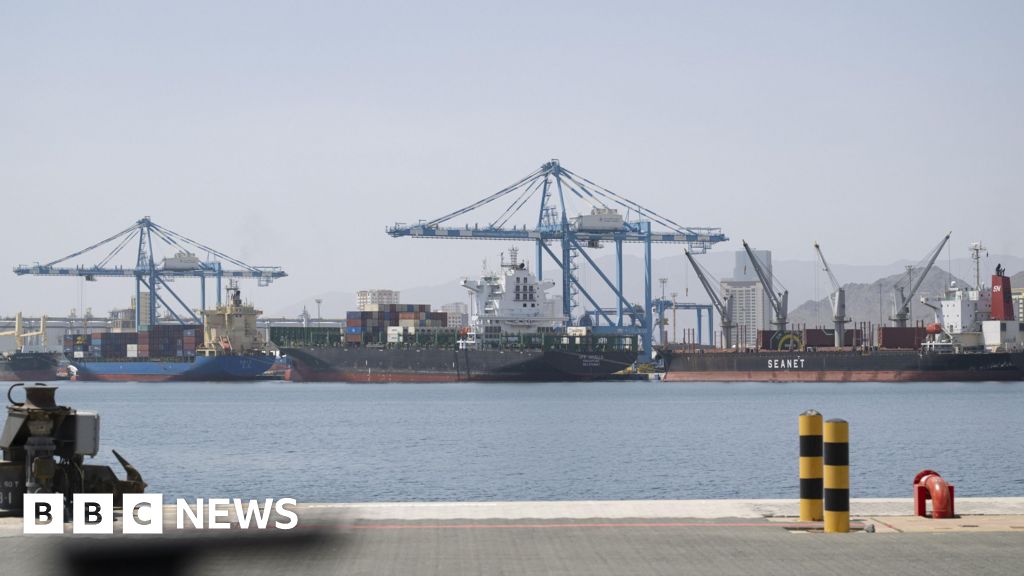
Amid mounting tensions in the Middle East, United States President has issued a stark ultimatum to Tehran, demanding the reopening of the Strait of Hormuz before a crucial deadline on Tuesday. This narrow waterway, a vital artery for global energy supplies, lies at the heart of an escalating geopolitical standoff that could reshape international security and economic stability. The Biden administration’s move underscores a broader strategy to assert dominance in the region while warning that any disruption to this strategic chokepoint could trigger a cascade of consequences worldwide.

The Strait of Hormuz handles approximately 20% of the world’s oil trade, making it indispensable to global energy markets. Its control has long been a point of contention, especially amid Iran’s tense relations with Western powers. Since the US reimposed sanctions and withdrew from the JCPOA (Joint Comprehensive Plan of Action), tensions have soared, with Iran threatening to block the strait in response to American and allied pressures. International analysts warn that a closure—whether intentional or accidental—could spike oil prices, destabilize economies, and ignite broader regional conflicts. The International Energy Agency (IEA) recently cautioned that any disruption here would send shockwaves through global markets, risking a rise in energy costs that could undermine governments and threaten the fragile economic recovery in many nations.

Historically, the control of the Strait of Hormuz has been a flashpoint in regional power struggles. Experts note that the US’s current posture appears aimed at deterring Iran from taking aggressive actions, while simultaneously signaling to Tehran that the West remains steadfast in protecting its interests. Military analysts highlight that the US has increased naval patrols and strategic deployments in the region, signaling a readiness to respond if Iran attempts to close the strait. Meanwhile, Tehran continues to leverage its strategic position, asserting that Western interference and sanctions undermine regional sovereignty. The situation has drawn the attention of international organizations like the United Nations, which have called for restraint and diplomatic engagement to prevent escalation. Yet, with each passing day, the risk of miscalculation increases, and the potential for an all-out conflict looms larger.

Historians and policy experts warn that these tensions are not new but have been accumulating for decades. The decisions made today could set a precedent with far-reaching effects. Scholars like Barry Buzan have argued that control over key maritime choke points is central to modern geopolitics, with the US seeking to maintain influence over strategic waterways while Iran and other regional actors push back to assert their sovereignty. The international community faces a pivotal choice: continue navigating a dangerously fragile status quo or pursue diplomatic paths that could ease tensions. As the US deadline approaches, the world watches with bated breath—every headline, every drone flyby, every command signals the unfolding chapters of history that will define the 21st century. Will cooler heads prevail, or will this be the spark that ignites a broader Middle Eastern conflagration? Only time will tell, but the stakes could not be higher, for every nation, every society, and every future generation.”

Social Media Auto Publish Powered By : XYZScripts.com