Matox News

Truth Over Trends, always!

UK Spring Sunshine Sparks ALERT Over Fake Designer Sunglasses Risks for Youth

Amid the sunny days that beckon youth worldwide, a concerning trend has emerged—not just in individual health but echoing through the corridors of international trade and economic security. Experts warn that the proliferation of counterfeit sunglasses, often masquerading as luxury brands like Chanel, Ray-Ban, or Prada, poses serious health risks due to their lack of effective UV protection. Yet this seemingly isolated health issue is emblematic of a broader global trade problem: the unchecked expansion of counterfeit goods undermines both economic stability and national sovereignty.

Recent seizures, such as the substantial confiscation of counterfeit sunglasses valued at over £38,000 at the Appleby horse fair and a £6 million stash in Rochdale, reveal a thriving black market driven by criminal syndicates exploiting gaps in international enforcement. Governments and global institutions like the World Customs Organization confront the challenge of balancing free trade with protecting consumers and legitimate manufacturers. The intellectual property theft associated with these fakes damages brand reputations, while the illicit financial flows facilitate organized crime networks that threaten societal stability. Historians note that counterfeit economies have long been intertwined with political corruption and destabilization, where the exchange of fake luxury goods often funds other darker activities.

From a geopolitical impact perspective, the infiltration of counterfeit products signals a crisis in market sovereignty—as nations struggle to control their borders and intellectual property rights in an era of rapid global trade escalation. The United Kingdom, for instance, faces ongoing challenges combating counterfeit trade, which not only threatens economic interests but also national security. Experts like Professor James Wolffsohn emphasize that the proliferation of cheap, fake goods erodes local manufacturing and innovation, prompting calls for tighter international cooperation. Conversely, political entities wary of overregulation sometimes turn a blind eye, inadvertently enabling the continuation of these illicit markets—a dangerous precedent that could destabilize economies long into the future.

In tandem with these issues, the health risks highlighted by ophthalmologists mirror risks faced by societies when international enforcement is weak. Just as counterfeit sunglasses lacking UV protection threaten individual eyesight, so too do unchecked illegal trade and piracy threaten the integrity of nations’ economies and regulatory frameworks. Yet this is more than a health concern; it is a symbol of a larger struggle for control over global markets and a wake-up call to secure the digital and physical borders of a globalized world. As history relentlessly unfolds, today’s decisions about trade security, intellectual property enforcement, and international cooperation will etch their mark on the fabric of the 21st-century geopolitical landscape, leaving generations to come to reckon with the true cost of neglecting these silent threats.”
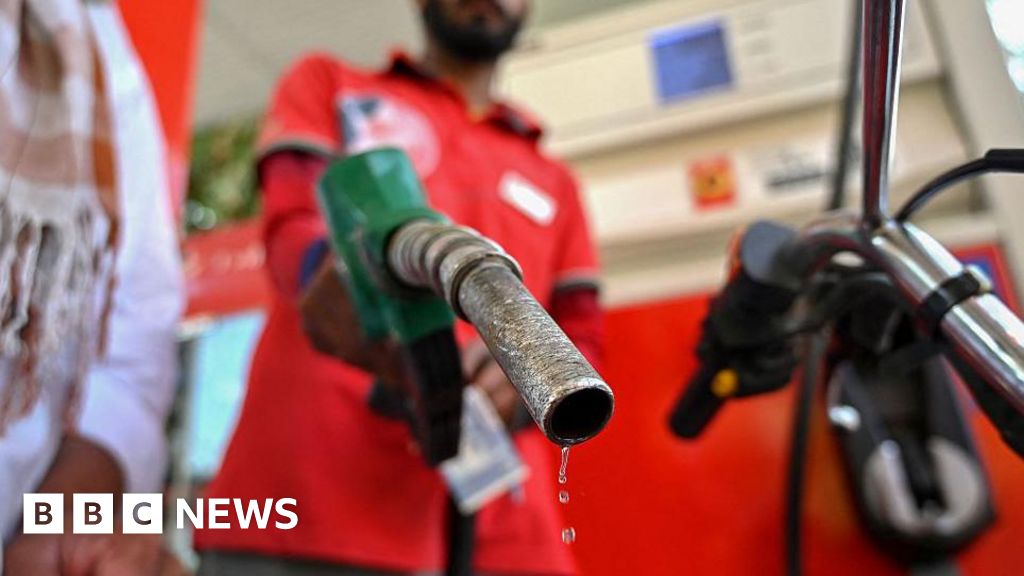
Oil prices jump as US-Iran peace talks hit deadlock

In a surprising development echoing through international corridors, President Donald Trump announced the cancellation of planned diplomatic negotiations with Pakistan. This decision signals a significant shift in U.S. foreign policy towards South Asia, an area already fraught with complex geopolitical tensions and strategic rivalry.

Historically, Pakistan has been a critical player in regional stability, especially given its strategic alliance with China and its long-standing conflict with neighboring India. The United States’ decision to back away from diplomatic talks may reflect broader reassessments of regional priorities, especially amid shifting global alliances and the rising influence of China. Some analysts suggest that this move could be an effort by the U.S. to recalibrate its approach toward Islamabad—perhaps leaning more toward a firm stance rather than dialogue—particularly in the context of ongoing counter-terrorism concerns and security partnerships.

Experts from the Council on Foreign Relations and other influential international think tanks have urged caution, emphasizing that such diplomatic setbacks could have far-reaching consequences. “This cancellation may undermine existing efforts for regional stability, and could escalate tensions between India and Pakistan, potentially destabilizing nuclear-armed South Asia,” warned veteran geopolitical analyst Dr. Marie Johnson. Moreover, the move underscores the evolving geopolitical impact of U.S.-China rivalry, which extends into the Indo-Pacific and South Asian regions, reshaping international diplomacy at a rapid pace.

Within the international community, there are growing concerns that such unilateral decisions might embolden extremist groups or foster greater instability within Pakistan, especially if diplomatic engagement is perceived as a sign of weakness or disinterest from the United States. Historically, U.S. actions—whether diplomatic or military—have had a profound impact on the socio-political fabric of Pakistan and its neighbors. The cancellation could also influence regional economic dynamics, as nations navigate a landscape of uncertain diplomatic relations and shifting alliances.

As the global arena braces for the ripple effects of this diplomatic pivot, history remembers moments like these as pivotal junctures, where decisions made in the corridors of power ripple outwards to shape the future of entire nations. With tensions simmering and new alliances being forged, the unfolding narrative leaves critics and supporters alike questioning: Are we witnessing the dawn of a new geopolitical era, or the dawn of chaos? The weight of history presses heavily as the world watches, awaiting what the next chapter will bring to an already volatile international order.

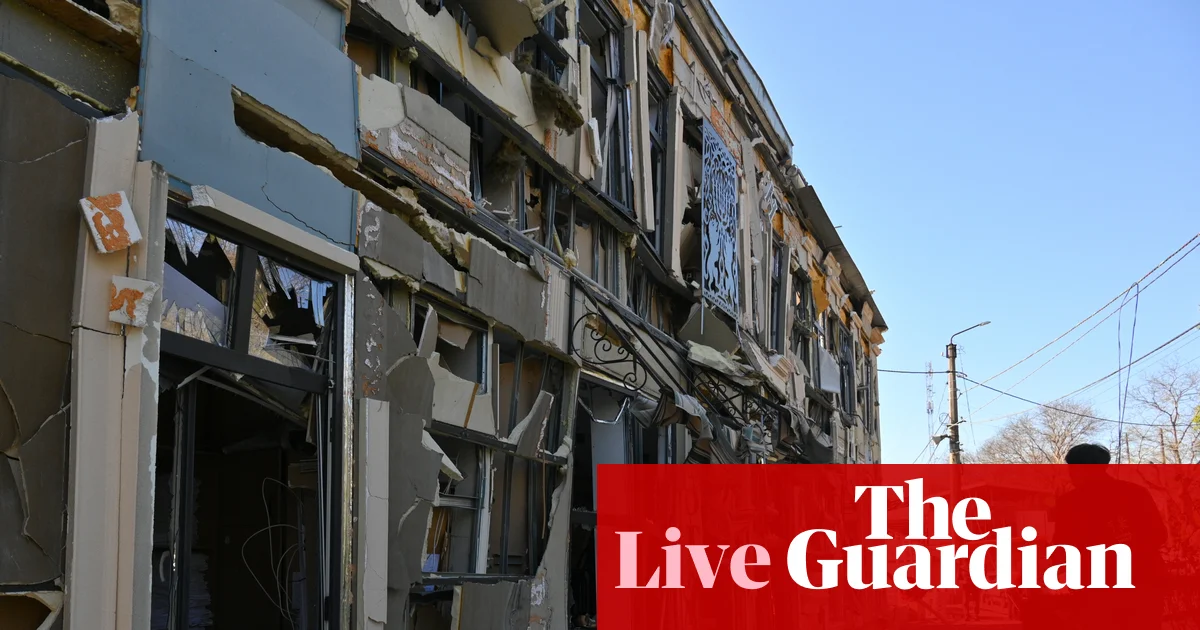
Odesa hits hard as Russia steps up attacks—Europe Watch | Ukraine

In the latest chapter of the ongoing Ukraine conflict, Russian drone attacks persist amidst international concerns about escalating violence and nuclear safety. Overnight reports indicate that more than 10 civilians were injured in Odessa as Russian forces targeted residential areas, hotels, and key infrastructure. The Ukrainian military leadership described the attacks as “extremely difficult” and pointed to a pattern of increased aggression in the region, notably in the strategic Prymorskyi district. Such relentless assaults highlight the fragile state of Ukrainian sovereignty and the precarious safety of its citizens, even months into Kyiv’s resistance backed by Western support.

Amid this chaos, geopolitical analysts warn that the conflict is reaching a critical juncture. President Zelenskyy marked the 40th anniversary of Chernobyl, accusing Russia of “nuclear terrorism” through frequent drone attacks that risk the safety of Europe’s largest nuclear power plant in Zaporizhzhia. The plant, critical for Europe’s energy security, has experienced its 15th blackout since Russian forces captured it in 2022, with Ukrainian officials warning that each disruption amplifies the risk of nuclear catastrophe. This pattern of sabotage underscores how Russia’s strategic use of drone warfare is more than mere aggression—it’s a calculated attempt to destabilize European infrastructure and foment fear.

In an effort to bolster its defenses, Poland’s recent initiatives have gained international attention. Polish Donald Tusk announced plans to develop a “drone armada” supported by Ukrainian technological expertise, aiming to leapfrog a whole technological epoch and secure the Polish skies from future air assaults. Tusk’s proposal signals how nations are responding to the threat of precision strikes and drone warfare by investing heavily in indigenous rapid response capabilities. Meanwhile, the EU is actively pursuing its own “drone wall,” a sophisticated anti-drone barrier to counteract suspected Russian drone incursions across Europe. Historians note that such defensive measures echo Cold War-era tactics, but with new technology that demands a modern, technological response to warfare that is increasingly space and air-centric.

As the international community confronts these emerging crises, nations like Germany and France are navigating diplomatic and strategic challenges. Germany’s Friedrich Merz is engaging with youth about Europe’s future, while President Ursula von der Leyen faces political awkwardness in Berlin. The decisions made in this geopolitical chess game—how to defend borders, secure energy, and deter aggression—will undoubtedly shape the contours of European security for decades to come. With the specter of nuclear risks, escalating violence, and new technologies, history continues to be written in these turbulent days, reminding us that while peace may seem fragile, the resolve to defend it is stronger than ever.

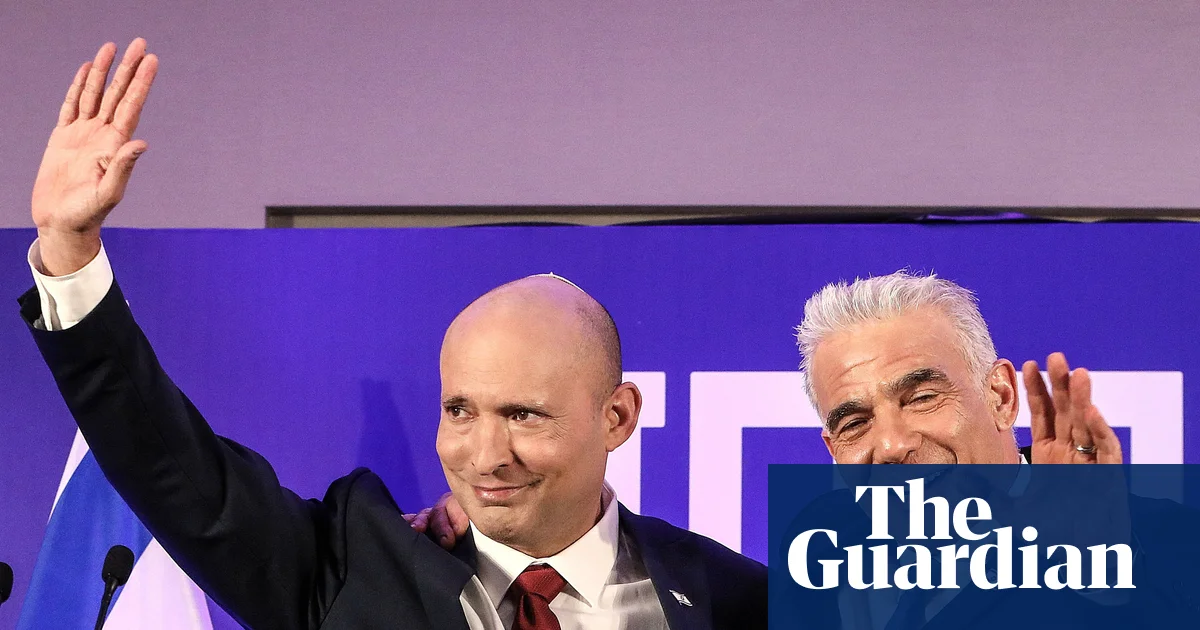
Netanyahu Opponents Unite to Push for New Direction in Israeli Politics

The Middle East continues to be a crucible of geopolitical tension, with recent developments in Israel underscoring how internal political shifts ripple across the broader region. Two of Benjamin Netanyahu’s most prominent rivals—Naftali Bennett and Yair Lapid—have announced a strategic alliance aimed at unseating Israel’s current government in upcoming elections. Their merger, forming the new party Together, signifies a concerted effort to chart a different course for a nation embroiled in ongoing regional conflicts and internal dissent. This political maneuver reflects a broader pattern where leadership change can dramatically influence regional stability, especially as Israel faces mounting security challenges and diplomatic pressures.

Since his first term in the 1990s, Netanyahu has been a deeply polarizing figure, viewed differently on domestic and international fronts. His recent re-election victory in November 2022 cemented the most right-wing government in Israel’s history, a coalition fortified by ultra-nationalist and religious parties. Yet, recent crises—most notably the 2023 Hamas attack on southern Israel—have significantly shaken his standing, revealing vulnerabilities in Israel’s security apparatus. Analysts suggest that the attack not only jeopardized regional stability but also intensified global concerns about the threat of Hamas and Iran’s network of proxy militias. Such an event acts as a crucial turning point—highlighting how internal political divisions directly influence Israel’s ability to project power and maintain stability in an increasingly volatile Middle East.

  • The alliance of Bennett and Lapid signals a shift in the Israeli political landscape, challenging Netanyahu’s dominance and emphasizing the need for transactional stability amidst escalating regional threats.
  • Regional allies and adversaries are closely watching these internal debates, as Israel’s leadership decisions shape their own strategic calculations in the face of threats from groups like Hezbollah, Hamas, and Iran.
  • The potential for political change inside Israel raises questions about future diplomacy, especially concerning the Palestinian territories and the broader Arab world, where trust is fragile and alliances are persistent.

International organizations and political analysts warn that continued political instability could undermine Israel’s strategic capacity to forge effective regional coalitions or engage in credible negotiations. The United States, the longstanding military and diplomatic supporter of Israel, remains vigilant, especially as prospects of a new government emerge, which may prioritize domestic issues over regional diplomacy. Conversely, Iran and its proxies could see the fragile Israeli polity as an opportunity to escalate their activities, thereby further destabilizing the region. Historically, Israel’s internal upheavals have often acted as catalysts or catalysts of regional shifts, reaffirming the narrative that internal politics in key nations are never isolated but woven into the fabric of international security.

As Israel teeters on the brink of potentially significant leadership changes, the weight of history presses upon all players involved. The outcome of this electoral season will not merely shape Israeli politics but could redefine regional alliances and conflict dynamics for years to come. National futures are at the mercy of these political dice, and in this vortex of history, every decision echoes in the corridors of power and across the turbulent landscape of the Middle East. The world watches as the pendulum swings, knowing well that the unfolding story of Israel’s leadership will either usher in a new era of stability or serve as a prelude to further chaos, forging a chapter in the ongoing saga of geopolitical struggle that continues to shape our world.

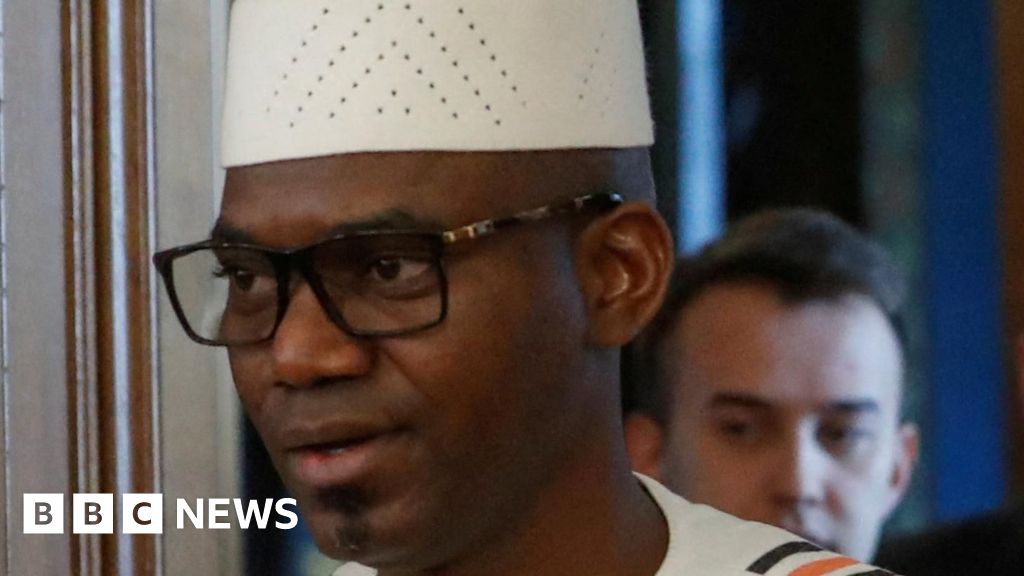
Mali Defense Minister Killed Amid Surge in Rebel Attacks, Threatening Stability

The recent surge of coordinated assaults by jihadist militants and separatist groups across the country marks a pivotal moment in regional stability and international security. These attacks, characterized by unprecedented organization and ferocity, have commenced a new chapter in the ongoing struggle for sovereignty, religious extremism, and heightened geopolitical tensions. As governments scramble to respond, analysts worry that this wave could have far-reaching consequences that extend well beyond the nation’s borders, threatening the fragile balance of power in the international arena.

International organizations, including the United Nations, have issued preliminary statements condemning the violence, yet many experts believe the global community remains insufficiently prepared for the shifting dynamics at play. Historically, jihadist insurgencies have exploited weak governance, economic instability, and social unrest—factors that continue to plague the country. The coordinated nature of this wave suggests a possible resurgence of larger, more organized terrorist networks, reminiscent of past global threats that have required comprehensive military and diplomatic strategies. The region’s security apparatus is now under intense scrutiny, with military forces mobilized in an effort to contain and eventually dismantle these cells.

From a geopolitical impact perspective, this outbreak of violence threatens to alter alliances, create new battlegrounds for influence, and complicate existing diplomatic negotiations. Countries with vested interests in the country, such as neighboring powers and global superpowers, are closely observing how internal instability could spill over borders, destabilize neighboring nations, and impact international markets—especially in sectors like energy and trade. The assessments of prominent geopolitical analysts warn of a broader regional escalation that could draw in external forces, transforming what was once a localized conflict into a broader geopolitical crisis. Historian Dr. Allison Walker emphasizes that “fighting the roots of insurgency is no longer solely a matter of military might; it’s about addressing the socio-economic and political grievances fueling extremism.”

Crucially, the decision-making process within the country’s political elite is under intense scrutiny. Leaders are under pressure to balance security measures with political reforms, as unrest continues to spread. The repercussions of their response could profoundly influence societal stability, civic trust, and the future of national governance. Additionally, international aid agencies face the challenge of providing essential humanitarian assistance amid ongoing violence, complicating efforts to rebuild shattered communities. This confluence of factors underscores how fragile the current security environment is, and how quickly the tide of violence could escalate into a multilateral crisis of unprecedented scale.

As the world watches this unfolding catastrophe, the narrative of the country becomes a stark reminder of history’s relentless march—where each chapter of conflict underscores the complexity and unpredictability of human affairs. Decisions made in the coming weeks—by national leaders, regional powers, and international bodies—will undoubtedly shape the landscape of global security for years to come. With every erupted conflict, a new question is posed to history itself: will this wave of violence be the catalyst for renewed diplomacy and reconciliation, or will it deepen the cycle of chaos that threatens to consume it all? As the dust of these attacks settles, the weight of history continues to be written, leaving a legacy that will be analyzed by scholars and strategists long after the present has faded into the annals of turmoil and resilience.

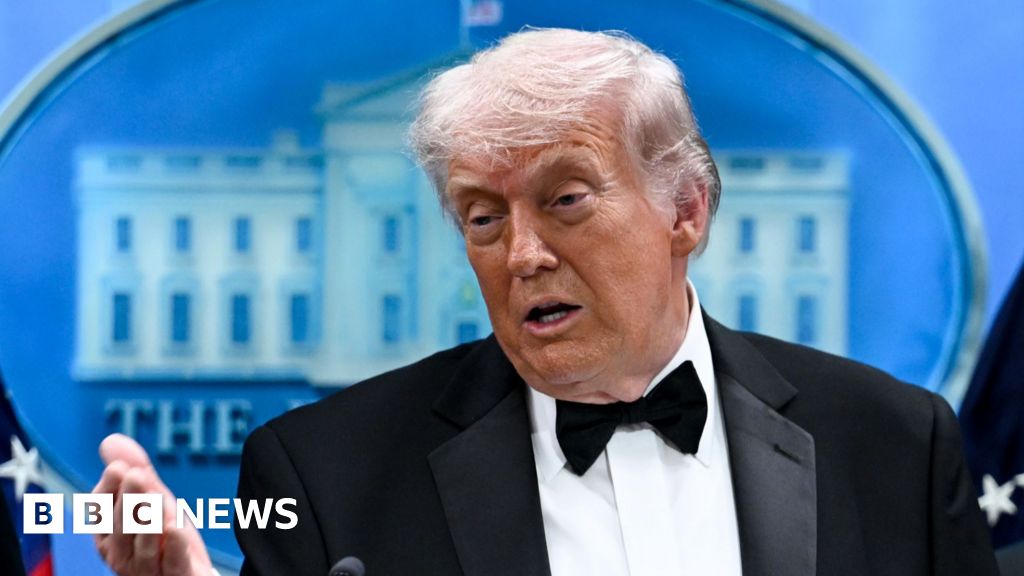
Authorities suggest Trump and officials were likely targets in press dinner shooting suspect’s sights

Global Power Dynamics Shift as U.S. Politics Enter Turbulent Waters

The recent public spat between former President Donald Trump and journalist Norah O’Donnell on 60 Minutes underscores a broader turbulence in American political discourse, with potential repercussions that extend well beyond U.S. borders. While the quarrel seemed localized to domestic media, it echoes a mounting global concern: the fragility of U.S. leadership amid internal discord, which can have profound geopolitical consequences. As international allies and adversaries alike watch for signs of internal fracture, the stability of the world’s superpower appears increasingly uncertain.

Analysts suggest that Trump’s defensiveness and accusations of misconduct during the interview are symptomatic of a broader political crisis within America. This internal strife could influence how the U.S. interacts on the global stage, particularly in matters of security, diplomacy, and economic policy. For emerging powers seeking influence or challenging the established order, such instability offers an opening. Historians caution that domestic discrediting of leaders and dysfunction can be exploited by geopolitical competitors, such as China and Russia, to extend their spheres of influence while the U.S. grapples with its internal divisions.

Meanwhile, international organizations keenly observe this tumult, with many warning that Washington’s internal misfortunes threaten to undermine shared global initiatives. The United Nations, for instance, has repeatedly emphasized the importance of political stability in maintaining international peace and security. As the debates around leadership, integrity, and national character escalate in the U.S., other nations are forced to recalibrate their strategies. Moving forward, the decision whether to engage with a nation seemingly embroiled in internal conflict could redefine alliances and influence global decision-making in ways that historians and political scientists will analyze for generations.

As American politics continues to ripple through the fabric of international relations, the geopolitical landscape confronts a shift: alliances could become more fragile, and confrontations more unpredictable. The narrative of a superpower in crisis is no longer confined to domestic media but has become a mirror held up to the world—highlighting how internal decisions and conflicts infuse the global arena with uncertainty. As history unfolds in this uncertain chapter, nations worldwide watch with bated breath, realizing that the true weight of leadership is often measured in moments of internal adversity, which can swiftly ripple outward to shape the course of history itself.

Michael Jackson Biopic Breaks Records with $217M Opening — Moonwalks to Box Office Glory

In a remarkable display of cultural influence and the shifting tides of public sentiment, the Michael Jackson biopic defied critics and troubled production histories to achieve a staggering $97 million debut in North America. This release, part of a wider worldwide rollout, contributed to its unprecedented $217 million global box office: a figure that not only eclipses numerous previous music biopics but also underscores the enduring power of blockbuster cinema to shape societal narratives. Its international performance, totaling $120.4 million, surpasses recent record-holders like Oppenheimer and Bohemian Rhapsody, highlighting the film’s generational and cultural resonance—regardless of mounting controversies. The film’s selective release, notably delaying its Japan debut to June, epitomizes the delicate balance entertainment executives strike amid geopolitical and cultural sensitivities. As global audiences decide whether their admiration is rooted in nostalgia or credence, the film’s explosive box office success signals a profound shift: how societies process legacy and scandal in the age of instant digital dissemination and polarized viewing.

However, the film’s trajectory is not without its complexities. Critics have lambasted it for glossing over Jackson’s murkier side, while audience scores soar—97% on Rotten Tomatoes—illustrating a profound divide in perception. This division reflects broader societal debates over how history is rewritten and sanitized for mass consumption. The controversy is amplified by Jackson’s troubled legacy, haunted by allegations of child sexual abuse, which the estate and Jackson himself consistently denied. The film’s production history reveals a turbulent process, with directors and screenwriters forced to cut and reshoot substantial portions—costing up to $50 million. These edits aimed to focus on Jackson’s early career, avoiding the more contentious accusations, effectively sugarcoating aspects of a complicated and often dark history. International legal and ethical considerations, such as the 1994 settlement barring mention of Jordan Chandler, underscore the stage upon which this cinematic debate unfolds, highlighting how contentious histories are often shaped by legal constraints and commercial interests.

From a geopolitical perspective, the film’s release underscores the cultural diplomacy embedded in Hollywood’s global influence. Countries like Japan, with a thriving Jackson fanbase, represent strategic markets for American entertainment exports. Yet, the film also raises sensitive questions: **how do global societies reconcile celebrated cultural icons with their darker realities?** As international figures and organizations watch, critics warn that this cultural phenomenon may serve as a microcosm of larger conflicts—between *truth* and entertainment, *legacy* and retribution, *historical memory* and *political correctness*. Historians and analysts observe that, in an era where social media amplifies controversies instantaneously, such biopics become battlegrounds for ideological turf wars. The decision by Lionsgate to proceed despite opposition from some of Jackson’s family members—including his daughter Paris—embodies a broader pattern of corporate interests often prevailing over personal or moral objections, raising questions about the ethical responsibilities of global media conglomerates.

As the dust settles on the film’s blockbuster debut, the narrative remains deeply unresolved—a mirror to our times. With the film’s substantial profits and sequel plans underway, a new chapter is written amidst the clash of fame, scandal, memory, and myth. History continues to unfold in this cinematic epoch, reminding audiences worldwide that legacy is not static but a living, breathing artifact of cultural authority. As audiences leave theaters, whispers of controversy and acclaim swirl, leaving us pondering—will this film reshape how future generations remember Michael Jackson? Or will it simply be another chapter in a saga of fame that perhaps, like all stories, is still seeking its true ending?

Kids’ shoe shops warn closures threaten children's foot health — retail warning shot
Kids’ shoe shops warn closures threaten children’s foot health — retail warning shot

Rising Health Concerns in Children’s Footwear Spark International Debate

Across Europe and the United Kingdom, experts are raising alarms over a disturbing trend—an increase in childhood foot health issues linked to ill-fitting footwear. Footwear specialists emphasize the importance of proper shoe fitting, likening it to the essential health priorities of eyes and teeth, yet data suggests many parents remain unaware of the long-term consequences of neglecting these guidelines. The decline in the number of physical shoe outlets, with more than 1,000 shops shuttering since 2020 — mostly driven by economic realignments—has worsened the problem, pushing families toward online purchases where proper fitting advice is often unavailable. Amidst this landscape, organizations like Footwear Hub are launching campaigns to raise awareness about how improper footwear can lead to issues such as bunions, fallen arches, and faulty gait, which could have lifelong repercussions.

This trend does not merely stay within domestic borders but sends a geopolitical impact that resonates beyond national health concerns. Global health experts, highlighted by the World Health Organization, warn that childhood foot problems, if left unaddressed, can contribute to increased healthcare burdens and potential social disparities. As nations grapple with aging populations, the focus on the health of younger generations signals an urgent need to reevaluate underlying social care frameworks. The importance of proper footwear—akin to preventative medicine— underscores the broader issue of how modern commerce and changing retail landscapes influence societal health outcomes. These decisions, whether in Britain or across the Atlantic, reveal the profound impact of economic shifts on everyday societal health, echoing through the corridors of public health policy corridors worldwide.

International analysts point to the disappearance of specialist shoe-fitting services as a warning sign. How nations respond to these health challenges reflects their priorities on future generations—the true stake in the game of geopolitics. Experts like Dr. Jill Ferrari, a noted podiatrist, warn that deeply ingrained habits of improper shoe choice could lead to more than just aesthetic deformities—they threaten functional mobility and overall quality of life, with risks extending into the realm of national productivity. As the children of Europe and North America struggle with preventable issues, the consequences reach beyond individual discomfort: they threaten the fabric of societal health and the economic stability that hinges on an active, healthy youth. Governments and civic societies must grapple with whether they continue to allow market forces and consumer habits to jeopardize childhood development or champion proactive health policies, including accessible professional guidance.

In the grand tapestry of history, these seemingly small details—shoes, feet, and the health of our youth—may seem insignificant amid the larger geopolitical stage. Yet, as nations teeter on the edge of economic, social, and health crises, the underlining message persists: our choices today carve the foundation of tomorrow’s history. Will future generations look back and see a society that prioritized effortless convenience over enduring health? Or will they recognize a critical turning point—where nations recognized their responsibility to nurture more than just their economies, but the very foundations of societal resilience? The future hinges on how well we heed these warnings—an enduring reminder that the smallest decisions can echo through the corridors of history for generations to come.

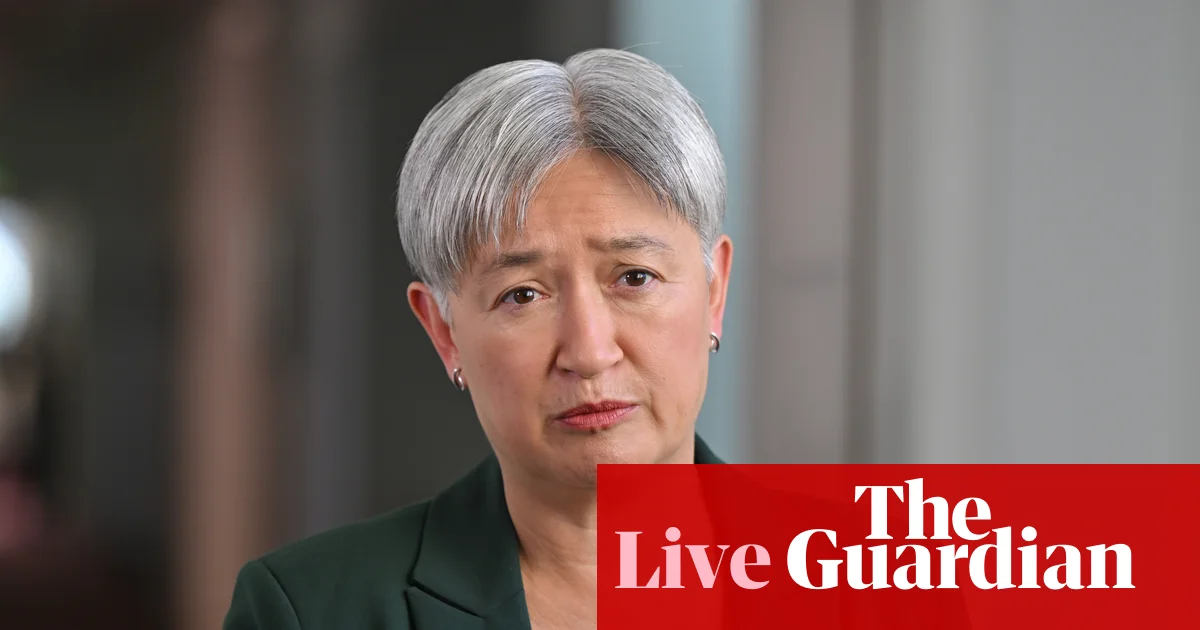
Australia’s Wong On A Middle East Tour to Secure Fuel, Boosts Military With New Armored Vehicles

In an era defined by shifting alliances and rising geopolitical tensions, Australia is reaffirming its strategic commitments through a notable increase in defense spending and international diplomacy. The recent announcement by Prime Minister Anthony Albanese of a $750 million investment in constructing 268 new Bushmaster armored vehicles in Victoria, signals a decisive step toward reinforcing regional security and bolstering Australia’s defense capabilities. This move comes on the heels of recent allocations, including an additional $53 billion dedicated to military modernization over the coming decade, as analysts underscore a deliberate shift towards self-reliance and global influence.

Key to this military renaissance is the production and deployment of the Bushmaster fleet, which has gained international recognition for its durability and protection. Donated to the Ukrainian military amid the ongoing conflict with Russia, these vehicles are now set to serve a more prominent role within Australia’s defense structure, with the Netherlands confirming plans to purchase their own fleet. Defense Minister Richard Marles emphasized that this investment represents a “vote of confidence” in Australia’s defense industry and regional security architecture. However, beyond military hardware, Australia’s diplomatic initiatives are equally pressing. Foreign Minister Penny Wong is scheduled to undertake a series of visits to Japan, China, and South Korea, aimed at securing vital energy supplies amidst increasing global instability caused by conflicts in the Middle East and disruptions within the Strait of Hormuz.

Indeed, the instability resulting from confrontations and blockades in key energy corridors has magnified the importance of international diplomacy, with Wong’s cross-Asian tour designed to ensure Australia’s energy security. Facing potential threats to diesel, petrol, and fertilizer supplies, Australia’s government is actively engaging with regional partners to prioritize the Indo-Pacific region’s stability. This effort highlights the significant geopolitical impact of energy dependencies and the necessity for resilient supply chains in an age where conflicts can escalate rapidly. Historians and policy analysts are warning that failure to secure these supplies could threaten economic stability and national security, forcing Australia to navigate a delicate balance of diplomacy and defense.

Adding to the domestic and regional pressure, Richard Marles condemned the disruptive incidents at Anzac Day dawn services, where booing and disrespect sparked national debate. Marles described such acts as “disgraceful”, asserting that ceremonies like Anzac Day symbolize respect for service and shared history—principles that should unite rather than divide. Meanwhile, the debate over the use of Indigenous Welcome to Country protocols continues, with some politicians questioning their frequency. Still, figures like Michael McCormack have defended these traditions, emphasizing their importance in fostering cultural respect and inclusion. The ongoing discourse underscores how domestic societal values and international gestures intertwine, shaping Australia’s identity on the world stage.

As these developments unfold, history’s tide seems to turn with each decision—whether a new fleet of Bushmasters destined for rugged battlefields, diplomatic missions across Asia confronting energy crises, or national ceremonies seeking unity in diversity. The regional power dynamic is being reshaped, with Australia positioning itself not merely as a participant but as a determined actor amidst global turbulence. With alliances tested and new threats emerging, the course forward remains uncertain—yet unmistakably significant. The pages of history are turning, and the story of Australia’s resilience, its strategic recalibration, and its pursuit of stability continues to be written, with the world watching, waiting for what the next chapter will reveal.

Stalemate persists in Middle East as US, Iran dig in—Tensions escalate with US-Israeli opposition to Iran

The Middle East continues to tremble on the brink of an all-out crisis as diplomatic efforts between Iran and the United States break down amid a sprawling, multi-front conflict. After nearly two months of tense stalemates, hopes for a diplomatic breakthrough have all but vanished, with Washington and Tehran unwilling or unable to bridge their deepening divisions. The latest developments signal a dangerous shift in regional stability, putting global energy markets and international security at unprecedented risk. Despite intensive regional diplomacy, attitudes in both capitals remain entrenched — with no negotiations scheduled to resolve the deadlock, and each side firmly committed to maximalist demands.

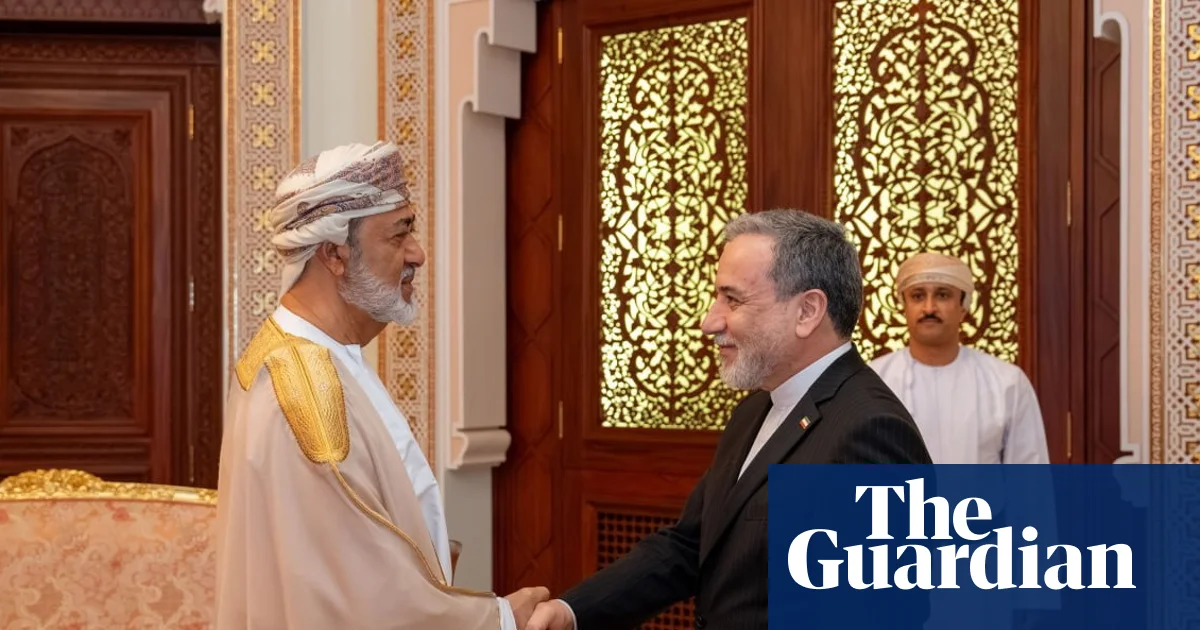
On the diplomatic front, recent visits by Iran’s Foreign Minister Abbas Araghchi to Pakistan and Oman have not yielded progress, despite Iran’s own assessments describing conversations as “very fruitful.” Yet, skepticism persists from Tehran about Washington’s intentions. Iran asserts it will not engage in direct talks until the US lifts its blockade on shipping through the Strait of Hormuz, a vital artery of global energy supply. Meanwhile, Washington, under President Donald Trump, claims to have received “better” proposals from Tehran only after canceling scheduled talks, with officials pushing the narrative that Iran is trying to manipulate negotiations for leverage. This game of brinkmanship is unfolding at a critical juncture, with analysts warning that the stalemate dangerously favors Iran — which holds a strategic advantage given its ability to threaten the strait’s navigation and control oil flows.

The geopolitical impact of this deadlock extends far beyond regional waters. The Strait of Hormuz serves as a conduit for roughly one-fifth of the world’s oil and natural gas supplies, making control over its passage a matter of international economic security. Iran’s Islamic Revolutionary Guard Corps (IRGC) has signaled its intention to escalate its stance by demanding a toll of approximately $2 million per tanker, which could lead to decades of higher fuel prices worldwide. The IRGC’s official rhetoric underscores a strategic intent to leverage control of the waterway as a form of deterrence against the US and regional adversaries, asserting that maintaining this strait is central to Iran’s regional dominance. With U.S. naval forces on alert, and Iran warning of retaliation against ongoing American “blockades,” the risk of an **unexpected escalation remains high**, especially amid fears that miscalculations could trigger a wider regional conflict.

International analysts warn that the failure to negotiate will intensify the conflict’s disorderly expansion across the Middle East. Recent attacks from Lebanon to the Gulf—many attributed to Iran and its proxies—have resulted in hundreds of casualties, including US and Israeli personnel. Experts from institutions like the Dutch Clingendael Institute highlight that both Iran and the US have presented maximalist demands; neither side is prepared to make significant concessions in this environment. This *strategic stalemate* fosters an environment where Iran, emboldened by its perceived military advantages, is less willing to back down, while the US faces mounting domestic pressures, notably from upcoming midterm elections that may influence its foreign policy decisions.

As regional conflicts intensify and international tensions escalate, the global community faces a stark choice: continue down the path of tit-for-tat escalation or risk losing control of one of the world’s most crucial trade routes. The recent history of the Middle East suggests that without decisive diplomacy, chaos will continue to grow — with history’s pen poised to write yet another complex chapter. The unfolding drama underscores a sobering truth: the decision of leaders today shapes the borders of tomorrow’s history, and as the shadows lengthen over the Gulf, the world stands on the edge of a new, uncertain era where the stakes are nothing less than global stability itself.

Social Media Auto Publish Powered By : XYZScripts.com