Matox News

Truth Over Trends, always!

US Navy Chief Resigns Immediately, Pentagon Confirms

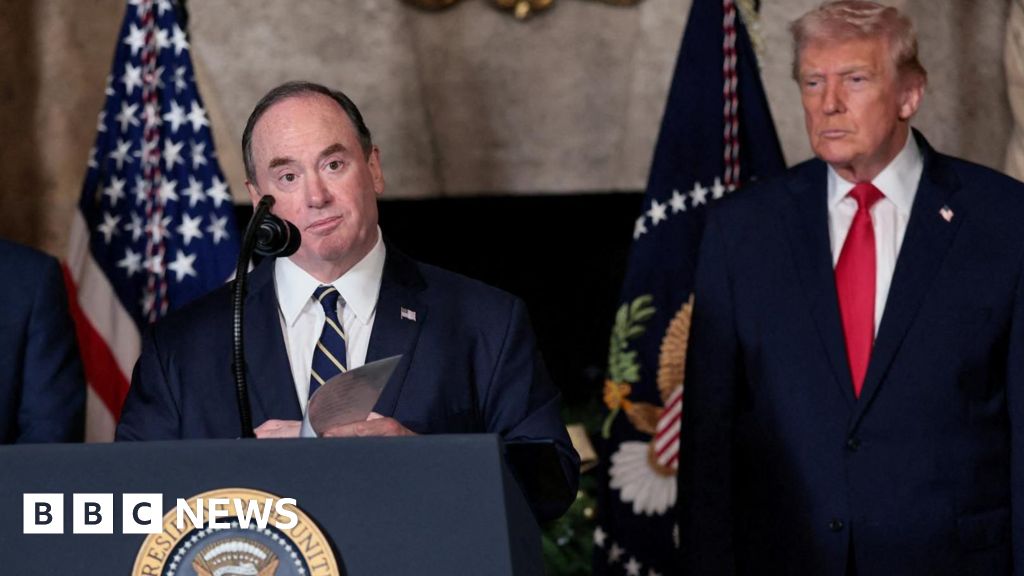
The recent departure of US Navy Secretary John Phelan marks yet another significant shift in the United States’ military leadership amid a period of geopolitical recalibration. As a senior figure entrusted with overseeing naval strategy and defense posture, Phelan’s exit underscores the growing uncertainty within Washington’s military establishment. This trend is emblematic of broader concerns about the U.S. administration’s ability to adapt to rapidly evolving global threats, especially in a context where traditional alliances are tested and regional conflicts threaten to escalate.

International analysts interpret these leadership changes as a potential reflection of internal disagreements over military priorities and strategic commitments. Several experts suggest that the recent churn in high-level military officials may foreshadow a reshaped approach to national defense, one that could prioritize a more assertive posture in the Indo-Pacific and an emphasis on technological superiority. Such shifts are observed at a time when rivals like China and Russia are expanding their influence through aggressive territorial claims and strategic partnerships. Historically, the removal or reshuffling of senior military figures often signals underlying tensions within security establishments, where differing visions for U.S. foreign policy collide.

Organizations such as the International Institute for Strategic Studies (IISS) have warned that frequent turnovers in military leadership can destabilize operational continuity, hampering preparedness and strategic consistency. Meanwhile, the decision-making vacuum at the top could embolden adversaries, potentially altering the balance of power at a time when international stability hangs in the balance. Countries across the world are watching closely, aware that shifts at the summit of U.S. military authority influence everything from NATO’s unity to the security calculations of regional powers in Asia and the Middle East. The inability to project strength effectively may invite unwarranted aggression in hotspots, especially as China’s military modernization continues unabated.

As historians ponder whether these leadership transitions are mere personnel rotations or indicative of deeper systemic change, one fact remains clear: the weight of history is upon this generation of policymakers. The decisions they make now will shape the geopolitical landscape for decades to come, determining whether the tide of conflict recedes or surges forward, rewriting the balance of global power. In a world rife with strategic uncertainties, the recent upheavals within America’s military leadership serve as a stark reminder: the unfolding narrative of international relations is as volatile as ever, and only those with resolve and clarity will navigate the storms ahead.
Lebanese Journalist Slain in Israeli Strikes Amid Heightened Tensions

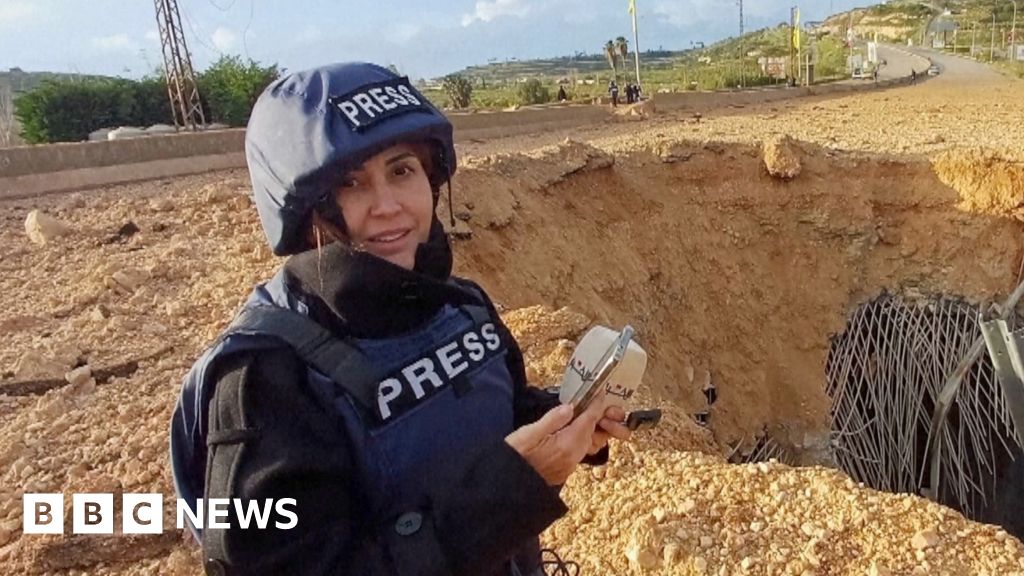
In a significant declaration that underscores the ongoing volatility of the Middle East, Lebanese President Michel Aoun emphasized that safeguarding the nation’s sovereignty remains his paramount objective. Addressing both domestic and international audiences, Aoun articulated that Lebanese negotiators are committed to striving for a comprehensive resolution to the persistent regional conflicts impacting Lebanon. Central to this effort are demands for the cessation of Israeli military operations within Lebanese territory, the withdrawal of Israeli troops, and the urgent release of Lebanese prisoners currently held in Israel. Moreover, Aoun associated these goals with broader national security measures, including deploying Lebanese military units along the volatile border with Israel and initiating reconstruction efforts that aim to stabilize and rebuild war-ravaged regions.

This stance emerges amid heightened tensions and a shifting landscape of regional alliances that are shaping the geopolitical environment of Lebanon and its neighboring countries. The ongoing conflict, rooted in decades of unresolved disputes and intermittent hostilities, regularly draws international concern, notably from The United Nations and other global humanitarian organizations, which warn of the fragile stability of the Lebanese state. While Lebanese officials seek diplomatic avenues, historians and analysts caution that unresolved grievances and external influences threaten to ignite a broader conflict. The region’s history is replete with moments where diplomatic efforts have faltered, resulting in devastating wars and enduring instability.

The geopolitical impact of these developments extends well beyond Lebanon’s borders. As the Lebanese government emphasizes sovereignty and resistance to external threats, regional powers such as Iran and Israel continue to play pivotal roles. They influence outcomes through proxy conflicts, military aid, and covert operations that complicate efforts towards peace. International organizations have called for restraint, but with diplomatic negotiations often overshadowed by military posturing, the potential for escalation remains high. Analysts point out that any permanent resolution hinges on a delicate balance: concessions must be weighed against national sovereignty, security, and regional stability, all under the watchful eyes of global powers vying for influence in an unstable landscape.

As history unfolds, the world watches an intricate dance of diplomacy and power, where each decision leaves a profound mark. Lebanon’s fight for sovereignty is emblematic of a broader struggle—where the echoes of the past collide with the uncertainties of the future. The stakes are immense, not only for the Lebanese people but for the entire Middle East. With every diplomatic twist and turn, the question lingers: will peace finally take root, or are we doomed to repeat the conflicts that have, for generations, torn this region apart? The pages of history are still being written, and their impact will resonate for decades to come, shaping the fates of nations and defining the legacy of this volatile yet strategically vital region.

US and Iran at Deadlock: Pakistan Urges Diplomatic Breakthrough

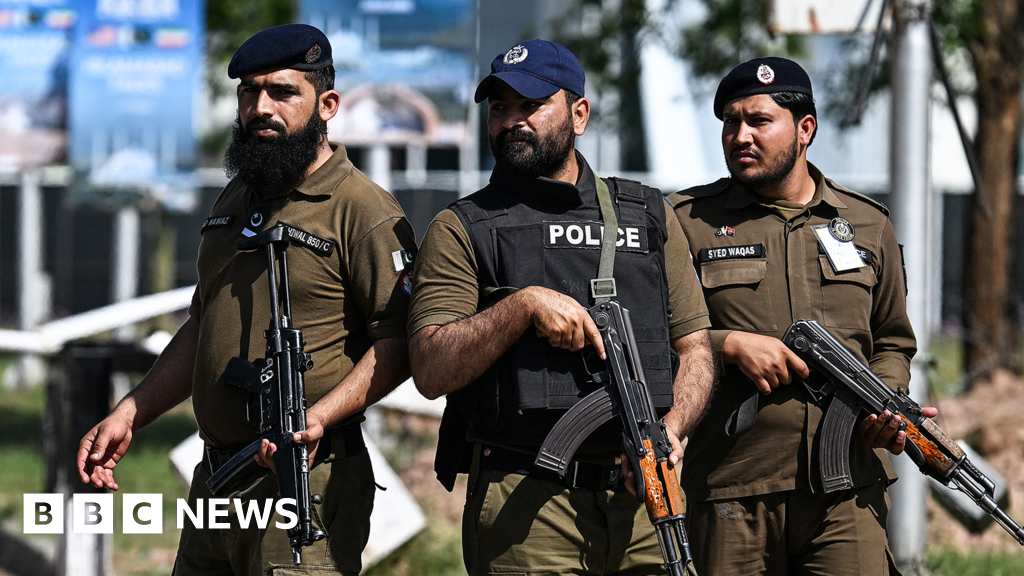
The Strait of Hormuz, a critical artery for global energy supplies, continues to simmer with tension despite recent efforts to de-escalate. The extension of a ceasefire agreement, announced by United States and regional allies, has temporarily subdued open conflict between opposing factions vying for control over strategic waterways. However, analysts and international observers warn that this pause is fragile and unlikely to resolve the underlying geopolitical rifts that have long plagued the region.

As the world watches, the ongoing volatility in the Middle East illustrates a broader struggle for regional dominance. The decision by President Trump and coalition partners to extend the ceasefire is viewed by some as a tactical pause rather than a strategic resolution. Historians like Michael O’Hanlon from the Brookings Institution suggest that this temporary measure “may buy time, but it does not address the core issues fueling conflict in the Gulf.” The local factions and international powers are engaged in a complex chess game, with control of the Strait as both a strategic objective and a bargaining chip. The risk remains high that unresolved tensions could reignite hostilities, especially with the region’s complex web of alliances and rivalries.

The geopolitical impact of recent developments extends far beyond local skirmishes. Since the 2019 attacks on Saudi oil facilities, which several intelligence reports attribute to Iran, the international community has been on alert. These incidents underscored the vulnerability of global supply chains and prompted NATO and the United Nations to call for diplomatic solutions. Yet, deep-seated mistrust persists, fueled by decades of hostility, sanctions, and proxy conflicts.

Meanwhile, regional powers such as Iran, the United Arab Emirates, Saudi Arabia, and Israel are moving carefully within this volatile environment. Their actions are influenced by both internal political pressures and external security alliances. International organizations warn that any miscalculation could trigger a broader regional conflagration, threatening global economic stability. The U.S.-led coalition’s strategic realignments and the recent ceasefire extension are viewed as attempts to contain escalation, but they do little to eliminate the underlying causes—namely, competition for influence, resource control, and ideological divides.

As analysts from the Council on Foreign Relations highlight, the next few months are critical. The fragile ceasefire—while a welcome respite—must be backed by tangible diplomatic efforts and confidence-building measures. Otherwise, the looming threat of renewed conflict in the Strait of Hormuz reminds the world that history is often a fragile tapestry, easily torn. The choices made today will influence the course of geopolitics for decades to come. In this unfolding saga of control, power, and survival, the world must confront yet again that peace is often an elusive mirage in a desert of strategic interests—until, perhaps, history makes its final, devastating judgment.

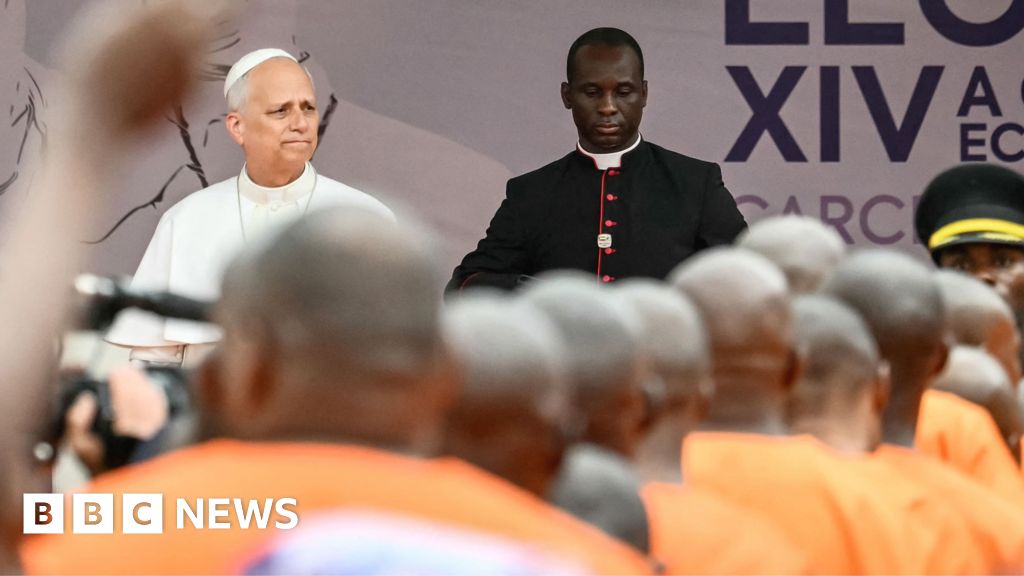
Pope Leo Slams Human Rights in Equatorial Guinea Prisons Amid Africa Tour

In a striking display of diplomatic fervor and moral clarity, the Pope delivered a frank and passionate speech during his recent tour of Africa. This tour, widely watched by international observers, underscores the Vatican’s strategic intent to influence not just religious spheres but also geopolitics across one of the world’s most Dynamic continents. The address came at a pivotal moment, as African nations grapple with an array of economic, social, and security challenges, making the Pope’s message resonate beyond faith, echoing in halls of power and influencing policy debates.

Historians and geopolitical analysts have long noted that such papal visits serve as more than acts of spiritual outreach; they act as catalysts for diplomatic dialogue and soft power projection. The Pope’s appeal to solidarity, moral responsibility, and the promotion of justice signals a conscious effort to shape the intersection of faith and geopolitics in Africa. The speech was delivered amidst a complex landscape of regional conflicts, economic struggles, and fragile political stability—factors that inevitably impact global stability. Major international institutions, including the United Nations, interpret such gestures as vital moments that can sway public opinion, influence aid initiatives, and potentially foster peace in turbulent zones.

  • In his speech, the Pope emphasized the importance of social cohesion and moral leadership in addressing endemic poverty, corruption, and regional conflicts. These messages are seen as a direct challenge to corrupt regimes and external actors who exploit Africa’s resources and vulnerabilities.
  • The speech also touched on environmental issues, calling for responsible stewardship of Africa’s vast natural wealth. This rhetoric aligns with efforts by global powers and multinational corporations whose investments are often contested and frequently criticized for their impacts on local communities.
  • Analysts argue that the Pope’s stance may ignite a new phase of moral activism within Africa, fostering a push for reforms that could redefine relationships between African states and other global actors.

However, the geopolitical impact of the Pope’s visit extends beyond moral appeals. How nations respond to these calls for justice and reform will influence the continent’s future trajectory, as well as global power dynamics. African leaders facing internal dissent may either leverage the Pope’s moral authority to rally support or dismiss it as external meddling. Meanwhile, international organizations such as the UN and African Union remain watchful, recognizing that stability in Africa is pivotal for broader international security and economic prosperity—especially amid the ongoing ripple effects of regional conflicts and the shifting alliances in global diplomacy.

As the echoes of his words fade into history, the true weight of this moment remains uncertain. The continent stands at a crossroads, with choices that will reverberate through generations. The Pope’s passionate plea serves as a reminder that history, with all its complexities and contradictions, continues to unfold in Africa—where every decision is a step toward either chaos or cohesion, liberation or despair. These are not just words—they are the seeds of tomorrow’s legacy.

Billionaire Investor Sues Trump Family’s Crypto Firm Over Alleged Extortion

In a development that has sent shockwaves through the international financial and tech sectors, billionaire investor Justin Sun has initiated a lawsuit against the family-run World Liberty crypto venture, citing a loss of $45 million following his substantial investment in their tokens. This legal action not only highlights the volatile nature of the emergent cryptocurrency landscape but also underscores broader concerns about transparency and regulation within this rapidly expanding economic frontier.

The clash has immediate geopolitical implications that extend beyond the realm of individual investors. As Sun’s lawsuit unfolds, financial authorities and regulatory bodies across multiple jurisdictions are paying close attention. Many analysts warn this case could become a \u201Cbenchmark\u201D for future governmental crackdowns on unregulated digital assets, especially amid a global push for stricter oversight of cryptocurrencies. According to leading economic historians and international organizations such as the International Monetary Fund and World Bank, this conflict is emblematic of a larger struggle—one where nascent blockchain innovations collide with entrenched financial regulatory frameworks, often with unpredictable repercussions for ordinary citizens and national economies alike.

For U.S., European, and Asian regulators, such disputes serve as a crucial test case. The case reveals the urgent need for a cohesive global approach to regulate digital asset markets, which remain plagued by a patchwork of rules and inconsistent enforcement. Potential consequences range from increased regulatory clampdowns to restrictions on cross-border crypto transactions, thus altering global trade flows and investment strategies. Some experts suggest this crisis could accelerate a shift toward clearer international standards, yet others warn of the risk that overregulation might stifle innovation and push activity into clandestine channels, threatening the very essence of a decentralized digital economy.

As Justin Sun and the World Liberty family prepare for court proceedings, the broader battle over control, legitimacy, and the future of digital currencies remains unresolved. Observers like geopolitical analyst Dr. Michelle Porter emphasize that this incident is a harbinger—signaling a critical juncture where economic, legal, and technological forces collide. Her warning echoes a warning often sounded by historians: that history’s most pivotal moments often arise from conflicts that challenge the status quo, shaping the landscape for generations to come. With many nations watching closely, the outcome of this lawsuit could well alter the very fabric of the digital economy, embedding lasting lessons for investors, regulators, and societies worldwide.

As the story continues to unfold, the tale of Justin Sun’s legal challenge against World Liberty stands as a stark reminder of the tumultuous path humanity treads in the quest to harness the revolutionary potential of cryptocurrency. In a world teetering between innovation and regulation, the true impact of this clash remains uncertain—yet its echoes will resonate through history, hinting at a future where old paradigms are finally challenged by new, unpredictable forces. The narrative of global finance is still being written, and with every passing chapter, the stakes grow higher—shaping the destiny of nations and societies in ways that may never be fully understood.

Wildfires ravage Georgia and Florida, destroying homes and forcing evacuations—urgent action needed

Wildfires Escalate Across Southeastern United States Amid Record Drought Conditions

In a striking manifestation of the escalating climate crisis, the southeastern United States is experiencing unprecedented wildfire activity, threatening both communities and ecosystems. Over the past week, intensifying wildfires have ravaged parts of Georgia and Florida, forcing mass evacuations and prompting emergency declarations. These events underscore the mounting geopolitical impact of climate change—placing pressure on local, national, and even international stakeholders to address a crisis that transcends borders and demands urgent action.

The Georgia forestry commission issued its first-ever mandatory burn ban, covering 91 counties—a stark indicator of the severity of drought and fire risk in the region. Governor Brian Kemp emphasized that local authorities are coordinating closely with firefighting agencies, urging residents in affected areas to adhere to safety protocols. Meanwhile, smoke from the region’s fires has traveled hundreds of miles, clouding air quality in urban centers like Atlanta, Savannah, and Jacksonville. Health officials have already classified air conditions as unhealthy, with warnings that prolonged smoky conditions could impact vulnerable populations and strain emergency services.

Record Drought Conditions Fueling Unprecedented Wildfire Activity

Data from the US Drought Monitor reveal that over 61% of the contiguous United States is experiencing moderate to exceptional drought—marking the highest levels recorded since 2000. Particularly, Florida endures an exceptional drought, facing over 131 active wildfires that have scorched more than 34 square miles, mainly in the northern parts of the state. Firefighting agencies are contending with a perfect storm of parched land, low humidity, and gusting winds—conditions that experts like climate analyst Dr. Mark Johnson say are “feeding the flames of a catastrophe that is becoming increasingly routine.”

Across the region, the fires have destroyed hundreds of homes, with some reports suggesting that the total wildfire footprint exceeds 31 square miles just along Georgia’s coast. Emergency crews are staging resources strategically, recognizing that the outbreak of wildfires—some growing sixfold within hours—poses a persistent threat. The Federal Emergency Management Agency (FEMA) reports that nearly 800 residents have been evacuated from hotspots such as Brantley County, with officials warning residents to remain vigilant as shifting winds could rapidly escalate the danger. This ongoing crisis threatens not only property but also critical infrastructure, highlighting how climate-induced disasters are reshaping national security and socio-economic stability.

Broader Implications for the International Community

As nations worldwide grapple with the consequences of rising temperatures and unpredictable weather patterns, international organizations and analysts warn that these wildfires are a harbinger of a new era—one marked by heightened instability. The United Nations has issued warnings that climate change is accelerating global inequalities, with vulnerable regions bearing the brunt of ecological upheavals. For the United States, a nation often regarded as a leader on the world stage, these crises exemplify the importance of implementing resilient policies and investing in sustainable infrastructure. However, domestic political divisions and misaligned priorities continue to hamper meaningful progress, leaving millions at risk.

Looking through a geopolitical lens, the ongoing wildfires serve as a compelling example of how local environmental issues can ripple outward, influencing international diplomacy and security. Countries with similar vulnerabilities—like Australia, Canada, and parts of Europe—are closely watching the US experience, as it underscores the potential for climate crises to destabilize societies and economies worldwide. Historians and analysts argue that the current wildfire season might well be remembered as a pivotal turning point in global climate policy—one that demands a unified response or risk leaving future generations with a legacy of ecological destruction.

As the flames continue to consume the southeastern US and threaten to ignite broader regional instability, the weight of history bears down on global leaders and communities alike. The choices made amidst this crisis—regarding policy, resilience, and responsibility—will determine whether this chapter of environmental calamity accelerates into a new era of chaos or sparks a concerted effort to forge a sustainable future. In the shadow of these raging fires, the world watches and waits, acutely aware that history is still unfolding, and the true cost of inaction may yet be written in smoke and ash.

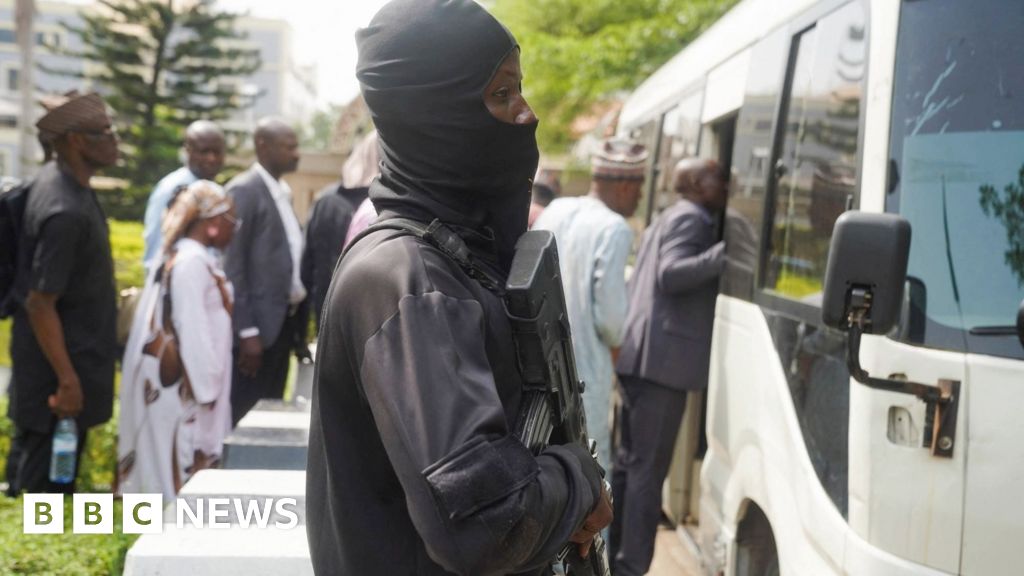
Nigeria’s Alleged Coup Plotters Deny Treason — Defending Their Future

Allegations of Coup Plot Surface Amid Political Unrest in Nation X

The recent emergence of allegations concerning a potential coup attempt in Nation X has sent shockwaves through the international community. Initially surfacing last year when a national Independence Day parade was unexpectedly canceled, these warnings have since evolved into widespread concern among global analysts and diplomatic officials. The cancellation, originally dismissed as logistical or security considerations, now appears to have been a precursor to deeper internal tensions threatening to destabilize the country’s fragile political landscape.

Sources familiar with Nation X’s security apparatus suggest that behind-the-scenes intelligence had uncovered signs of clandestine plots aimed at ousting the current government. These revelations prompted the leadership to tighten control over critical communications and military troop movements. Experts in regional geopolitics warn that such internal power struggles can have severe repercussions beyond borders, especially when they involve nations of strategic importance. Several analysts, including those from the International Crisis Group, emphasize that these developments highlight the vulnerability of many emerging states where institutional resilience is still being tested amid rising populist sentiments and external influences.

Global Reactions and Implications

The unfolding crisis in Nation X has prompted reactions from multiple global powers and international organizations. While some regional allies advocate for a cautious approach, emphasizing sovereignty and non-interference, others call for urgent diplomatic engagement to prevent escalation. At the UN Security Council, debates have intensified over ways to support peaceful political processes, emphasizing the importance of stability for regional security. The United States, the European Union, and neighboring countries have all issued statements expressing concern over the potential for violence and democratic backsliding, which could destabilize broader regional security architecture.

Historian and geopolitical analyst Dr. Lena Marks notes that history shows how fragile regimes can turn into open conflicts when internal factions believe their survival is threatened. “The stakes are high, and the risk of a broader proxy confrontation cannot be discounted, especially if external actors choose to exploit the chaos,” she warned. As the situation continues to evolve, the geopolitical impact remains uncertain, with predictions ranging from a swift resolution to a prolonged period of unrest that could ripple over neighboring nations.

How Decisions Shape Nations and Societies

Nation X‘s internal power struggles underscore the profound influence that leadership choices and judicial integrity have on societal stability. The international community watches with keen interest, knowing that the outcome could serve as a test case for the resilience of democratic institutions in a modern era marked by geopolitical competition. Decisions made now—whether to favor dialogue or suppression—will shape the fabric of Nation X‘s future for generations.

As history hangs in the balance, the potential for conflict looms, reminding all observers that undercurrents of internal dissent can rapidly morph into larger upheavals—events that not only reconfigure national landscapes but also reshape the course of international relations. The unfolding saga in Nation X remains a stark reminder: in an interconnected world, the fate of one nation can become a reflection of global stability, echoing through history’s expansive corridors where every decision writes a new chapter of uncertainty.

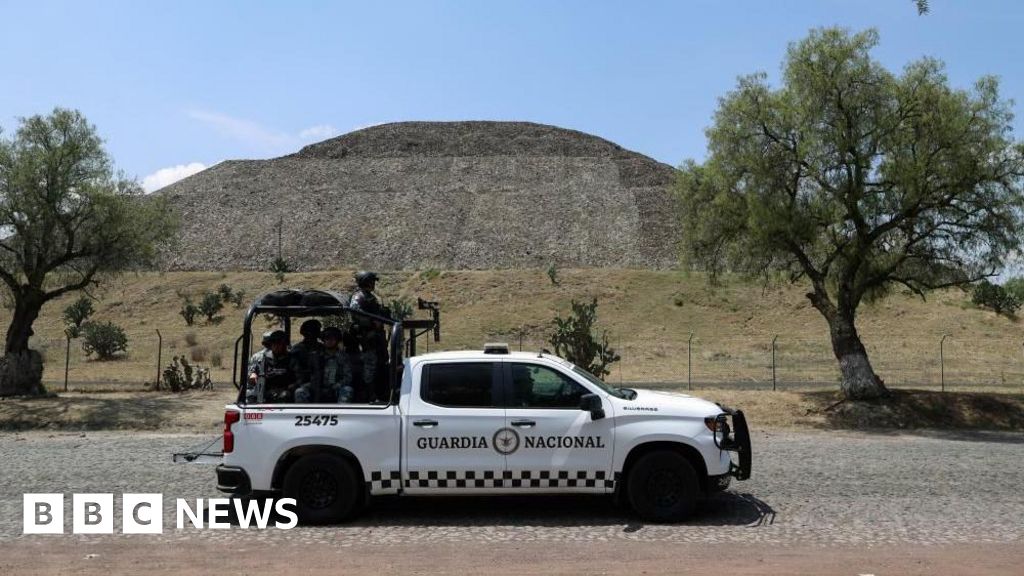
Mexico's Pyramid Attack Stirs New Concerns Despite No Cartel Ties
Mexico’s Pyramid Attack Stirs New Concerns Despite No Cartel Ties

In a stark reminder of the lingering security challenges faced by Mexico, a deadly shooting incident at a prominent tourist destination has sent shockwaves through the nation and attracted widespread international attention. Occurring mere weeks before the highly anticipated 2026 FIFA World Cup, this tragic event underscores the ongoing struggle for stability in a country long plagued by organized crime and violence. The incident not only destabilizes Mexico’s internal security but also threatens to tarnish its global reputation as a safe host for one of the world’s most watched sporting events.

Several eyewitnesses report that the violence erupted unexpectedly in a bustling area renowned for its cultural and tourist attractions, where families, travelers, and locals traditionally gather. Authorities confirmed multiple casualties, prompting an immediate investigation into the motives behind the attack. While initial reports suggest that criminal groups may have been involved, analysts emphasize that such violence also reflects broader systemic issues—including weak law enforcement and the complex interests of transnational criminal syndicates operating within Mexico’s borders. International organizations, such as the United Nations Office on Drugs and Crime (UNODC), have repeatedly highlighted that violence has become a defining feature of Mexico’s security landscape, with implications far beyond its borders.

In response, the Mexican government has vowed to intensify efforts to combat organized crime, deploying additional forces and ramping up security measures in tourist hotspots. However, critics argue that these measures are often reactive rather than strategic, with deeper socio-economic reforms deemed necessary to address the root causes of violence. World analysts, including researchers from several think tanks, warn that unless Mexico’s government broadens its approach to tackling corruption, poverty, and illicit trade, such incidents will continue to threaten national stability. Furthermore, the incident risks deterring international tourists, a vital economic sector, which could result in long-term economic repercussions and ( ) undermine the country’s aspirations for a resilient tourism industry as a cornerstone of economic recovery.

The fallout from this tragedy extends well beyond the border of Mexico; it impacts regional geopolitics and influences international perceptions. Countries such as the United States, which shares a long border and has vested interests in regional stability, are closely watching Mexico’s ability to maintain order. Analysts suggest that both nations’ policymakers must confront the intertwined issues of insecurity and transnational crime collaboratively, lest Mexico’s internal strife spill over into neighboring regions. According to experts from the Council on Foreign Relations, this incident could serve as a catalyst for renewed diplomatic efforts aimed at curbing criminal activity that jeopardizes both nations’ security.

As the world watches with bated breath, the question remains: will Mexico’s leadership rise to meet the grave challenge, or will this tragedy mark a turning point in an ongoing saga of violence and instability? History has repeatedly shown that moments of crisis often serve as the crucible for profound national transformation. Yet, the path forward remains fraught with peril, as the weight of unresolved grievances and corrupt interests continue to threaten to unravel the fragile fabric of societal peace. In the shadow of this tragedy, the future of Mexico — and indeed, the geopolitical landscape of North America — hangs in the balance, forever altered by a single act of violence that echoes through the corridors of history, reminding the world that the battle for stability is never truly won, only fought anew.

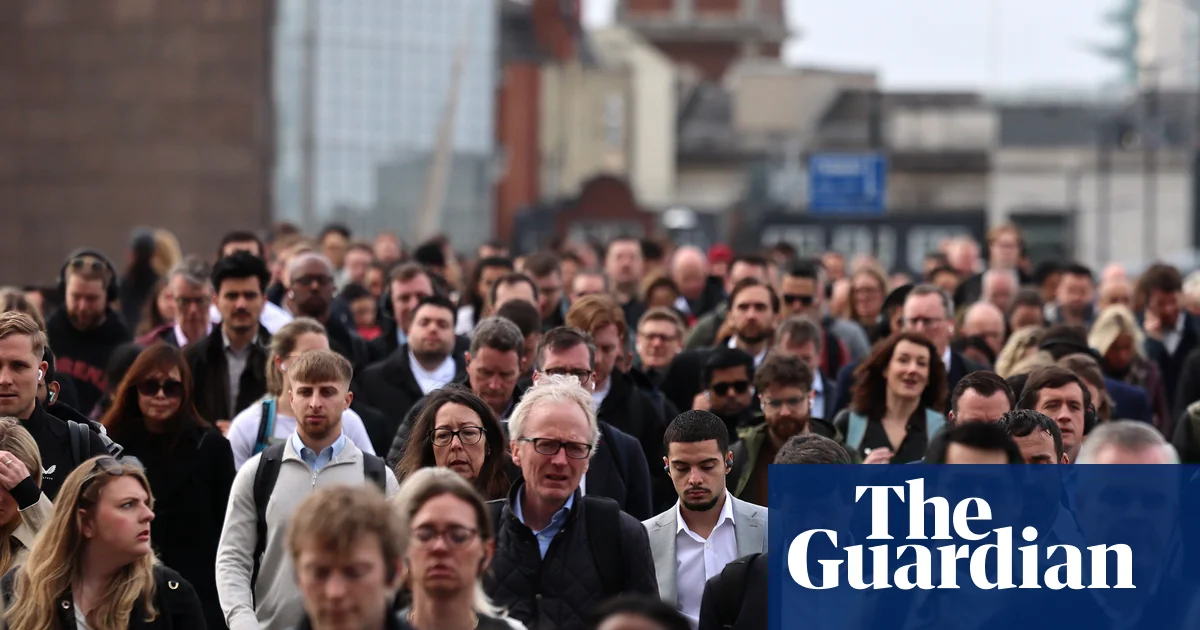
UK workers hit hardest in the rich world as taxes soar, new OECD report reveals

In a display of fiscal policies that further underscore the insular approach of Britain, recent statistics from the Organisation for Economic Cooperation and Development (OECD) reveal that the UK experienced the most significant increase in taxes on workers among the world’s top economies in 2025. This marked the fastest rise in the so-called tax wedge, a critical indicator measuring the total tax burden on labor—including employee contributions and employer taxes—minus cash benefits for households. Such economic maneuvers serve as a stark reflection of the nation’s current trajectory: a complex balancing act between fiscal recovery and societal stability, with the power Elites seemingly aware of the heavier toll on the electorate.

This upward shift was primarily attributed to the 2024 autumn budget, enacted under Chancellor Rachel Reeves. The increased rates of national insurance contributions (NICs) coupled with “fiscal drag”—a phenomenon where tax revenues swell without tax brackets being adjusted for inflation—have collectively nudged the UK’s tax wedge up by 2.45 percentage points to 32.4%. Though still below the OECD average of 35.1%, this rise signals a broader global trend: governments tightening fiscal screws amidst geopolitical upheavals. Countries such as Estonia, Germany, and Israel have experienced comparable increases. Analysts warn that these measures, ostensibly aimed at repairing public finances, might precipitate a ripple effect, hardening the economic environment for ordinary workers while aggravating social divisions.

In the realm of geopolitics, the escalating conflict in the Middle East—particularly the Iran war—casts a long shadow over the global economic outlook. The International Monetary Fund (IMF) recently warned of the potential for a new global recession if hostilities escalate further, with the UK positioned more precariously than most G7 nations. Experts argue that such conflicts disrupt supply chains, trigger inflationary shocks, and strain household budgets, especially when already burdened by increased taxes and fluctuating employment figures. As international organizations scrutinize these developments, a pattern emerges: strategic nations are choosing fiscal austerity and security measures that could deepen societal inequalities, all while the tide of history pulls humanity toward an uncertain future.

Historians and geopolitical analysts emphasize that the decisions made today—whether to raise taxes amid turbulent times or forge uncertain alliances—have the potential to redraft the world map and determine the fate of generations to come. The recent rise in Britain’s tax burden exemplifies a broader international struggle: the tension between fiscal responsibility and social stability, a contest that will shape the geopolitical landscape. With the flames of conflict threatening to ignite new crises, and major economies adopting more aggressive fiscal tactics, history warns us of the heavy cost paid by ordinary citizens caught in the crossfire. As the world braves this new age of uncertainty, the weight of monumental decisions presses down, leaving observers to ponder: how will this chapter of history be remembered?

Ukraine’s Pipeline Revival Sparks Hope as EU Approves €90bn Loan to End Deadlock

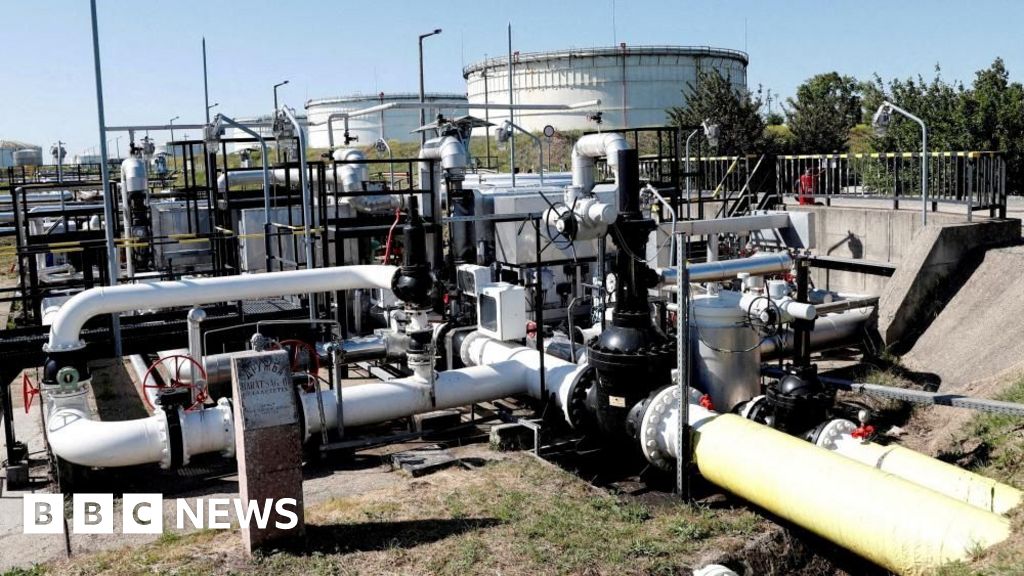
In a significant development that underscores the fragility and intertwining interests of Eurasian energy networks, Slovakia‘s Economy Minister Denisa Sakova announced that the Druzhba pipeline, a critical artery supplying Central and Eastern Europe with Russian crude oil, has resumed its flow into Slovakia after a suspension that lasted since 27 January. According to Sakova, Ukrtransnaft, the Ukrainian state-controlled operator responsible for managing the pipeline across Ukraine, reported that pressurizing procedures started early Wednesday morning, allowing oil to begin flowing again by Thursday.

This resumption is not merely a regional technical event but a reflection of the broader geopolitical contestation that has gripped Europe over energy security and dependency. The Druzhba pipeline, one of the world’s longest pipelines, has long been a strategic link between Russia and numerous Central and Eastern European nations, including Slovakia, Hungary, and Czechia. Over the past few months, interruptions and proposed modifications to the pipeline’s flow have become a focal point amid escalating tensions stemming from Russia’s invasion of Ukraine and Western sanctions targeting Moscow’s economy. These disruptions have led many analysts to question Europe’s reliance on Russian energy and the extent to which individual nations can pivot towards alternative sources.

Historically, the energy dependency of the region has served as both an economic backbone and a geopolitical leverage point. Officials, including international energy experts and historians, warn that such tactical shifts in pipeline operations are indicative of ongoing power struggles. Global institutions like the International Energy Agency have cautioned that Europe’s energy landscape is entering a new era where reliance on state-controlled infrastructure may no longer be tenable. For many, this event signals a potential recalibration of energy alliances—yet it also exposes the vulnerabilities inherent in infrastructure investments rooted in authoritarian systems. On the ground, populations face the weight of these decisions, with rising tensions over energy prices and supply security.

While the restoration of oil flow into Slovakia might seem a technical matter on the surface, its implications resonate deeply within the broader geopolitical impact landscape. Nations like Germany and Poland, heavily dependent on Russian energy, are now caught between economic necessity and strategic independence. Analysts warn that such episodic restorations could be preludes to more complex negotiations or even further disruptions, depending on how the conflict in Ukraine unfolds and how Western nations respond. The decisions made today about pipelines and energy supplies will mold the geopolitical map of the continent for decades to come, dictating alliances and rivalries in an age of uncertainty.

As the world observes this unfolding story, history continues to be written with each turn of the pipeline valve. The weight of past conflicts, present tensions, and future ambitions converges at these pipeline crossings. The coming months are likely to test the resilience of the European continent and reveal whether the current measures are merely temporary fixes or the harbingers of a profound transformation. With every drop of oil resuming its flow through the Druzhba pipeline, the geopolitical chessboard shifts ever so subtly, leaving nations to ponder whether they are steering towards independence or merely riding the currents of a larger, more turbulent tide.

Social Media Auto Publish Powered By : XYZScripts.com