Matox News

Truth Over Trends, always!

Russia and Ukraine Swap Prisoners as Peace Talks Stall

Diplomatic Efforts in the UAE Signal High Stakes in the Ukraine Conflict

In a pivotal move that underscores the escalating urgency of the ongoing Ukraine conflict, Russian, Ukrainian, and US delegations convened in the capital of the United Arab Emirates to negotiate, aiming to find a path toward peace. While details remain tightly guarded, sources indicate that the core issues revolve around territorial concessions Ukraine faces pressure to relinquish and security guarantees vital for Ukraine’s sovereignty and safety. These talks mark a significant shift in diplomatic efforts, illustrating an international community deeply concerned about the conflict’s destabilizing effect on regional and global stability.

Upholding the narrative of the West’s strategic interests, analysts suggest that the negotiations highlight a complex web of geopolitical calculations. The central question remains: can Ukraine surrender some territory without losing its sovereignty? or will the negotiations merely serve as a temporary respite before further escalation? The United States, alongside European allies, continues to weigh a delicate balance—supporting Ukraine’s fight for independence while simultaneously exploring avenues to contain the conflict. “This is about preventing a broader Eurasian conflict,” observes Dr. Jane Henshaw, a prominent historian in international relations, warning that missed opportunities could further entrench divisions and prolong the war.

Strategic Implications for Global Power Dynamics

The potential outcomes of this diplomatic dialogue have far-reaching consequences, extending well beyond the immediate East European theater. Russia’s strategic objectives appear aimed at securing territorial gains while asserting influence over Ukraine, positioning itself as a formidable regional power. Conversely, Ukraine and its western allies insist on maintaining sovereignty and territorial integrity, emphasizing the importance of security guarantees to deter future Russian aggression. The negotiations also hold significance for other global actors, who observe intently, aware that the decisions made will set precedents for international conflict resolution.

International organizations, including the United Nations and the European Union, are closely monitoring developments. While some analysts warn of the risk of a drawn-out stalemate, others contend that diplomatic engagement signals a possible pivot toward peace or at least a fragile ceasefire. Such shifts could alter the trajectory of this four-year war and reshape the geopolitical landscape for years to come. The implications for NATO and its eastern flank are profound—an unresolved conflict could test the alliance’s unity and redefine the boundaries of security cooperation in the 21st century.

History’s Unfolding and the Weight of the Present

As history records this critical juncture, the world stands on the precipice of a future that remains uncertain. Some scholars warn that the outcome of these negotiations could either forge a new era of peace or cement a period of enduring unrest and division. The weight of decisions made today will echo through generations, shaping international norms and expectations for conflict resolution. The shadow of history looms large, reminding all that diplomacy is often a delicate dance—one misstep can lead to chaos, yet prudent diplomacy offers the hope of a more stable future.

This chapter in global history remains unfinished, with each sideline and handshake carrying the potential to alter the course of nations. As the world watches with bated breath, the stakes could not be higher: the possibility of peace hangs in the balance, while the echoes of war continue to reverberate across borders, continents, and the collective consciousness of humanity. The unfolding story may yet reveal the resilience of diplomacy or the devastating cost of missed opportunities, but the next moves made today could define the future of international order for generations.


Intelligence Chief’s Brother Caught Smuggling Cigarettes into Gaza

In a development that underscores the persistent challenges within Israel’s security and law enforcement spheres, Bezalel Zini, an Israeli military reservist on active duty, has been formally accused of engaging in a significant smuggling operation. According to official reports, Zini allegedly facilitated the trafficking of 14 cartons of cigarettes, a seemingly routine contraband, in exchange for approximately $117,000. While this incident might seem isolated, its implications extend far beyond individual misconduct, touching on broader issues of national security, internal stability, and the fragile balance of law enforcement integrity within a key international player.

Israel’s geopolitical landscape remains tightly intertwined with ongoing regional tensions, especially concerning its immediate neighbors and the broader Middle East. The incident involving a reservist on active duty raises questions about potential vulnerabilities within the country’s military and security apparatus. Critics, including prominent international analysts and some human rights organizations, argue that such breaches – whether at the individual or systemic level – could be exploited by adversaries to undermine Israel’s strategic deterrence. Furthermore, questions abound about the extent of illicit activities operating within the military establishment and how they might be leveraged for foreign influence or destabilization efforts.

Historically, Israeli military officers and government officials have emphasized the importance of integrity within the armed forces, viewing any breach of discipline as a potential risk to national security. According to security experts and organizations like the International Institute for Strategic Studies (IISS), maintaining an unassailable reputation is vital not only for internal cohesion but also for fostering confidence among allies and the global community. The Zini case sparks broader debates about whether internal corruption or lax oversight could jeopardize Israel’s diplomatic standing, especially amidst an ever-evolving geopolitical environment marked by regional upheavals and the persistent threat of asymmetric warfare.

The incident also echoes historical warnings given by analysts such as Michael Oren and Avner Cohen, who have long cautioned about the potential for internal fissures within Israel to manifest as external vulnerabilities. As the Jewish state faces mounting security challenges, including threats from Iran and militant groups, any hint of compromised integrity within the ranks could provide openings for opportunistic actors to sow discord and destabilization. This case serves as a stark reminder that internal discipline—or the lack thereof—can have profound ramifications for geopolitical stability. As international institutions continue to monitor developments in the region, the incident is a sobering testament to the importance of vigilance, oversight, and accountability in safeguarding a nation’s sovereignty.

As history unfolds and the world watches, the emergence of internal vulnerabilities remains a potent symbol of the delicate balance upon which national security rests. The Zini affair is more than a simple case of smuggling; it is a microcosm of the challenges faced by modern states fighting to maintain legitimacy and resilience in an unpredictable era. With each decision and each revelation, the narrative of Middle Eastern geopolitics is being written anew—ambiguous, complex, and driven by the ongoing struggle to define the future. In the shadow of this incident, one thing remains clear: the weight of history continues to press down upon us, as nations and societies brace for the next chapter in an unfolding drama of power, trust, and survival.

Bristol Church Repairs Renew Push to Exhume Edward Colston

In a development that underscores the complex interplay between history, cultural memory, and national identity, Britain is at a pivotal moment regarding its approach to confronting its colonial past. The ongoing efforts to refurbish the once-abandoned All Saints Church in Bristol serve as more than mere local infrastructure repair; they symbolize the broader struggles faced by nations grappling with their historical legacies. The church, believed to be the burial site of Edward Colston, a notorious slave trader and financier of the British Empire, has been a focal point of controversy since the 2020 protests. The decision to repair the building and potentially deconsecrate it, removing Colston’s remains, reflects an international debate about how to handle monuments, sites, and symbols tied to a contentious past.

The geopolitical impact of these decisions extends far beyond Bristol, spotlighting a pattern observed across Western nations. European countries, in particular, are facing mounting pressure to reassess their colonial legacies. The removal or contextualization of monuments—sometimes driven by local communities, other times by national governments—has become a flashpoint that exposes underlying divisions about national identity and collective memory. Analysts from international organizations such as the United Nations Educational, Scientific and Cultural Organization (UNESCO) warn that these controversies are increasingly exploited by political factions seeking to reshape societal values. The controversy surrounding Bristol’s church and the fate of Colston’s remains exemplifies this wider phenomenon: the struggle to balance historical acknowledgment with the desire for national unity and social cohesion.

As debates unfold, the international community observes how decisions about the future of such sites affect societal cohesion and diplomatic relations. While some advocate for erasing uncomfortable symbols, others argue that context and education are essential. The diocese’s insistence that repair work is mandated for safety reasons, and the ongoing consultations with the African–Caribbean community, illustrate a nuanced approach aimed at reconciliation. Nonetheless, critics point out how the recontextualization or removal of Colston’s remains could be interpreted as a form of symbolic repudiation, potentially fueling further discord. These internal conflicts within Britain reflect broader tensions experienced by nations worldwide as they reckon with their colonial histories, often prompting uncomfortable questions about justice, reconciliation, and the very fabric of national identity.

The story of Bristol’s All Saints Church and its contentious history embodies a turning point—a moment when society must confront a shared past that is both painful and instructive. As the debate rages about whether to preserve the building, repurpose it, or erase its troubled history altogether, it echoes a larger truth: history is a living force, shaping international relations and societal values. Leaders and historians alike warn that how nations choose to remember—they say—will determine their future stability and integrity. The ongoing negotiations about Bristol’s church are more than regional—they serve as a somber reflection of how history’s shadow continues to loom over modern geopolitics, leaving a legacy that demands humility, understanding, and resolution, even as the world watches and waits.

Zelensky: 55,000 Ukrainian troops lost in the fight for sovereignty

In an unprecedented diplomatic maneuver, Special US envoys Steve Witkoff and Jared Kushner engaged directly with Russian and Ukrainian negotiators in Abu Dhabi, signaling a strategic shift towards potential de-escalation of the ongoing conflict in Ukraine. This high-stakes dialogue, spanning multiple days, highlights the United States’ willingness to leverage unconventional diplomatic channels in an effort to forge a peace deal that could reshape the geopolitical landscape of Eastern Europe. The location of these negotiations—the oil-rich capital of the United Arab Emirates—reflects a calculated move to open new pathways outside of traditional Western diplomatic corridors, aimed at creating a neutral environment conducive to frank negotiations.

The core issue at stake is the US-proposed peace plan, which has elicited mixed reactions from the international community. Analysts argue that while the talks mark a potential breakthrough, they also underscore the depth of global concern over the prolonged conflict. Historians such as John Mueller and geopolitical strategists from institutions like the International Crisis Group warn that any negotiated settlement remains fragile and heavily dependent on the commitment of all parties involved. The stakes are high: a failure to reach an agreement could prolong the devastation, risking wider regional instability and even new global power tensions. According to an internal report from the United Nations, a protracted conflict threatens not only Ukraine’s sovereignty but also the stability of the entire Euro-Atlantic security architecture.

The US effort to intervene directly in negotiations demonstrates a clear intent to shape the outcome of the conflict, emphasizing that the stakes extend beyond Ukraine’s borders. Russia views these talks as a sign of increasing American influence in the region, while Kyiv perceives the negotiations as a potential pathway to restore sovereignty while maintaining its European aspirations. This diplomatic outreach may signal a divergence from previous approaches, where the West predominantly relied on sanctions and military aid. Yet, critics warn that such gestures could also be perceived as concessions that embolden Russia’s strategic objectives, or as a distraction from ongoing military conflicts.

As the world watches intently, the unfolding negotiations in Abu Dhabi, shrouded in secrecy and high diplomacy, form a pivotal chapter in the broader contest for influence and control. The decisions made behind closed doors today will echo through history, shaping the fate of nations and the balance of power for generations to come. In the shadow of war and diplomacy, the question remains: will progress be genuine, or are these talks merely the prelude to a more complex geopolitical chess game? As history teeters on the edge of a new chapter, the weight of this moment reminds us that the future of Ukraine and the stability of post-Cold War order hang in the balance, waiting for the unfolding story to be written in the days ahead.

Trump calls Pretti and Good ‘not angels’ as he hints at milder immigration stance — US politics updates

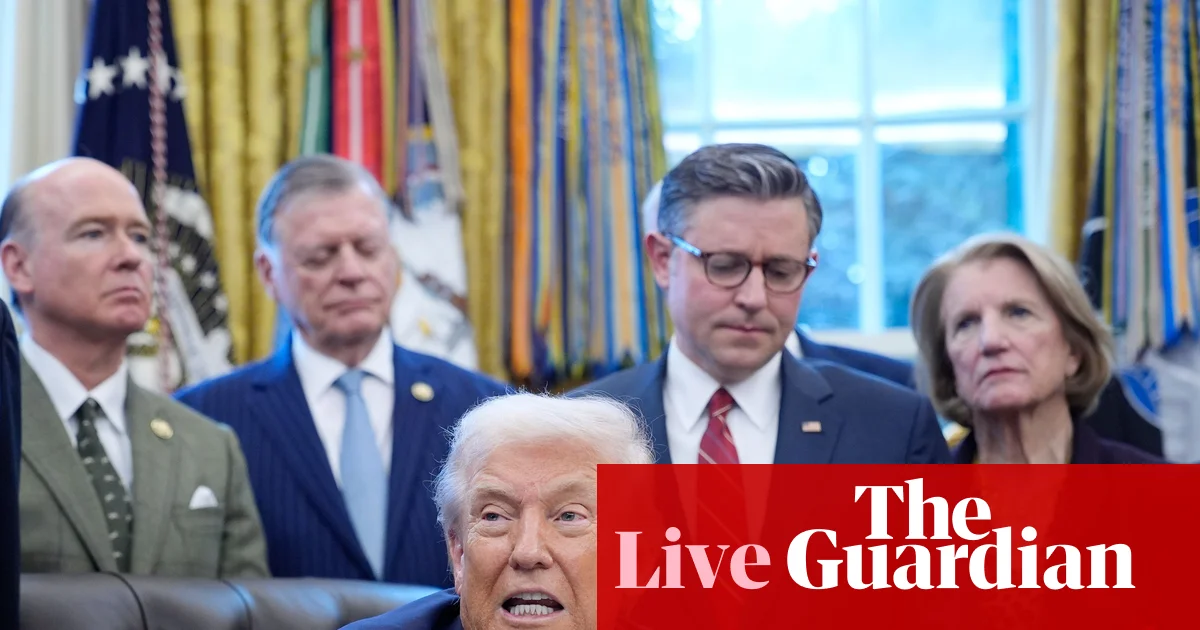
In a tumultuous era marked by shifting alliances and ideological battles, United States actions continue to reshape the global geopolitical landscape. The recent reaffirmation of religious and national values by President Donald Trump at the 74th National Prayer Breakfast underscores a broader ideological push to reinforce traditional faith-based identities amidst a rapidly evolving international order. This event—an annual convergence of political, social, and business elites—serves more than just spiritual purposes; it is a platform where Trump emphasizes his commitment to defending religious freedoms, pushing back against what he characterizes as the divisive policies of the current Biden administration. Analysts argue that such rhetoric aims to rally the conservative base while projecting strength abroad, signaling a deliberate departure from progressive social policies that have faced increasing global scrutiny and resistance.

Beyond the religious rhetoric, American strategy on the world stage reflects a calculated effort to counterbalance China’s rising dominance, especially in critical sectors such as minerals essential for modern weaponry and high-tech industries. The Trump administration’s initiative to establish a critical minerals trading bloc with allies demonstrates its intent to leverage economic and strategic tools to diminish China’s geopolitical influence. This move, supported by tariffs and trade agreements, highlights a concerted effort to safeguard supply chains crucial for electric vehicles, missiles, and cutting-edge defense technology. International organizations, including some from Europe and Asia, are watching these developments closely, recognizing that control over vital resources translates into political leverage—an arena where Great Powers compete fiercely for dominance. Economists warn that this tripwire could solidify a new era of resource nationalism, profoundly affecting society through increased costs and reshaped alliances.

Meanwhile, the internal political dynamics of the United States reveal an ongoing ideological struggle that extends beyond foreign policy. The controversy surrounding immigration enforcement in Minnesota, where ICE agents face opposition from local and national figures, exemplifies the deep societal divide regarding law and order. Recent statements by Donald Trump acknowledging that Renee Good and Alex Pretti were “not angels” but affirming unwavering support for law enforcement, strike a tone of toughness and reassurance to his conservative supporters. Trump’s call for a “softer touch” in immigration enforcement suggests an attempt to balance strict policies with public relations, aiming to preserve his political narrative of law and order—a message that resonates powerfully in a society grappling with safety and national unity. As Senator Chuck Schumer and others demand complete withdrawal of federal agents, the societal tension reveals the fragility of domestic consensus amid international and ideological pressures shaping the nation’s future.

As the world watches, the chessboard of geopolitics continues its relentless advance. Negotiations between Moscow and Kyiv in the shadow of Russian missiles highlight the ongoing \u201cwar of attrition\u201d—a grim reminder that conflicts are no longer confined to battlefield trenches but extend into cyber, economic, and diplomatic realms. Concurrently, the US seeks to form strategic alliances to curb China’s burgeoning influence, while Britain grapples with internal scandals involving past figures linked to Jeffrey Epstein, exposing the persistent scars of political trust and morality. These developments evoke a somber reflection on history—an ongoing saga where decisive decisions today will resonate through generations. The weight of history presses upon every leader in every capital, and the narrative continues to unfold with unpredictable intensity, leaving the global community poised at a crossroads where the future of nations, societies, and values hangs in the balance, teetering on the edge of history’s next great chapter.

Epstein Files Still Show Naked Images Despite Public Outrage

As the international community closely monitors developments within the United States, recent statements by Deputy Attorney General Todd Blanche underscore the complexities of domestic legal processes with far-reaching geopolitical implications. Confronted with a looming deadline imposed by Congress, Blanche announced that the highly sensitive files related to ongoing investigations would not be released as initially scheduled. The reason? An intensive effort aimed at safeguarding the identities of victims, highlighting the delicate balance between transparency and security in the digital age.

This internal procedural shift has stirred international concern, particularly among nations watching the U.S. through the lens of its legal transparency. Analysts from major think tanks note that such delays can ripple across global diplomatic relations, influencing perceptions of American accountability and rule of law. The decision to prioritize victim protection over immediacy in disclosure signals a potential shift in how the U.S. handles sensitive information, especially when considering its impact on joint international investigations or cooperation frameworks. Institutions like the United Nations and global human rights organizations have long assessed transparency as a cornerstone of legitimacy—yet, as this case demonstrates, safeguarding individual identities can complicate broader efforts for accountability.

Historically, the U.S. has wielded immense influence in shaping rules for international law and justice. In this context, such internal decisions are far from isolated; they represent a significant turn in how major powers navigate the tension between domestic security and international obligations. Many geopolitical analysts argue that, in an era marked by rise of authoritarian surveillance and cyber warfare, the decision to withhold or restrict information fuels debates about transparency and sovereignty. As historians warn, moments like these could become precursors for a broader retrenchment from open societies, emboldening regimes that prioritize secrecy over open governance.

What reality are the nations of this fractured world constructing with each passing moment? The decision by the U.S. Department of Justice exemplifies a larger narrative: that of a superpower grappling with its own internal contradictions while the global stage watches, often without the benefit of full knowledge. The repercussions extend beyond legal files—they influence diplomatic trust, national security paradigms, and the very fabric of international cooperation. As international observers contemplate these shifts, they find themselves asking whether the trend toward guarded transparency signals a safeguard or a slide into opacity. History warns that what is concealed today may very well become the catalyst for future crises—a reminder that the true weight of power often lies not in what is revealed, but in what is kept behind closed doors.

Peer Calls Out Environment Agency for Neglecting Toxic Dump in Wigan—Rats, Maggots, Fumes Threaten Local Youth

In a troubling display of environmental negligence with significant geopolitical impact, the recent revelations from the United Kingdom expose a deepening crisis that extends beyond local concerns. A 25,000-tonne illegal waste dump adjacent to a primary school in Wigan serves as a stark reminder of how unchecked waste crime can threaten public health, undermine local governance, and challenge national sovereignty over land management. Despite claims by agencies like the Environment Agency that they lack sufficient funds to tackle such dumps, the problem persists, casting doubt on the UK government’s capacity to uphold environmental standards amid rising criminal activity and economic constraints.

Historian and environmental analyst Dr. James Craig warned that the proliferation of waste crime across the UK reflects a broader, international trend of environmental disorder that threatens to destabilize societal norms. The infamous incident last summer, when the Wigan dump caught fire for ten days—forcing school closures and releasing hazardous fumes—illustrates how such illegal activities can escalate into major public safety emergencies. Meanwhile, drone footage reveals a “mountain” of fly-tipped waste in Oxfordshire, with videos circulating as grim visual evidence of a crisis spiraling out of control. These events are no longer isolated; they are part of a pattern that analysts say risks undermining trust in local authorities and national institutions.

For international organizations and environmental watchdogs, this crisis signals a danger that transcends national borders. The United Nations and the European Union have long emphasized the importance of international cooperation in combating transnational waste crime, which often involves cross-border smuggling and organized networks. Yet, the UK’s internal refusal or inability to mobilize sufficient resources to clean up sites like Bolton House Road in Wigan exposes a key vulnerability: when nations falter in enforcing environmental laws, the ripple effect weakens global efforts against ecological degradation. Experts like environmental lawyer Laura Simmons warn that if this trend continues, it will embolden criminal syndicates and erode the foundations of international environmental agreements.

While the government highlights ongoing criminal investigations—four arrests have been made in relation to the Kidlington site—the overarching issue of land ownership complicates efforts to remediate the damage. Ownership of the affected land in Wigan now rests with the Duchy of Lancaster, which, under common law principles, complicates enforcement. Critics argue that bureaucratic delays and ambiguity in land rights serve as barriers to swift cleanup, thereby prolonging environmental hazards and endangering communities. Such procedural bottlenecks, according to political analyst Mark Selby, threaten to undermine public confidence and exemplify how bureaucratic inertia can impede national security and environmental resilience.

In an age where global instability often arises from internal fault lines, the UK’s waste crisis is a microcosm of larger, geopolitical struggles over sovereignty, resource management, and law enforcement. As nations across the world grapple with similar issues—whether in former colonial territories, emerging economies, or established powers—the question remains: are current political and economic frameworks equipped to confront the rising tide of environmental chaos or will the shocks of future crises catch them unprepared? The unfolding story of illegal waste dumping and legislative inertia underscores a profound truth: history is still shaping itself at the intersection of environmental stewardship and national security, with the weight of the future resting heavily on the decisions made today.

Thursday Brief: Will Epstein Files Tarnish Peter Mandelson’s Legacy?

In an era where power dynamics are rapidly shifting, the recent revelations surrounding Lord Mandelson signify more than mere scandal; they underscore profound vulnerabilities within the Western political establishment. The release of classified files by the US Department of Justice implicates Mandelson in contacts with Jeffrey Epstein, a convicted financier notorious for his alleged crimes and clandestine influence networks. The files detail contact with Epstein that, if proven to involve leaked or market-sensitive information, could fundamentally undermine trust in the integrity of public officials at the highest levels, prompting wide-ranging questions about accountability, judgment, and the opaque corridors of power.

While investigations by the Metropolitan Police are ongoing into allegations of misconduct in public office, what is striking is that Mandelson remains a member of the House of Lords. Such a situation exemplifies the persistent loopholes and ambiguous standards that allow influential figures to retain their titles despite serious allegations. Renowned analysts and legal experts recognize that the ‘good chap’ code—an undefined and largely subjective marker of personal integrity—still governs peer conduct. Historically, peers like Mandelson, with their extensive influence and strategic roles, are often shielded from the consequences that would swiftly befall lesser-known officials, emphasizing a double standard reflective of entrenched elite impunity.

Geopolitical impact of elite scandals

The scandal surrounding Mandelson extends well beyond domestic politics, threatening to destabilize international relations. Mandelson’s brief tenure as UK ambassador to Washington symbolized a strategic bridge between the two nations. The controversy now calls into question transatlantic trust and the integrity of diplomatic appointment processes. Global institutions and foreign partners, notably in the United States and European Union, are watching closely as this case exemplifies the broader issues of corruption, influence peddling, and accountability. Such vulnerabilities could be exploited by rival powers seeking to undermine Western cohesion, especially amid current geopolitical tensions with Russia and China. Accordingly, the Mandelson case has the potential to be exploited as a propaganda tool, emphasizing fragility within Western liberal democracies.

International organizations such as Transparency International have long warned that the erosion of trust in political elites fuels populist movements and destabilizes geopolitical balances. Historians and strategists recognize that these scandals serve as_warning_ markers of systemic decay, capable of igniting political crises that ripple across borders. How Western countries respond—either by addressing these breaches decisively or allowing them to fester—will shape the geopolitical landscape for years to come. In the shadow of this scandal, the challenge lies not just in safeguarding individual reputations, but in reaffirming societal trust in institutions designed to serve the public good.

Concluding thoughts: The weight of history

As history continues to unfold, the Mandelson scandal serves as a stark reminder that the forces of power and corruption often operate in tandem, threatening to erode the foundations of democratic accountability. The decisions made in the coming weeks—whether to press charges, reform peer conduct, or reinforce existing immunity—will determine if the tide of elite impunity persists or if the call for transparency and justice finally gains ground. The choice is clear: the fate of nations and societies hinges on whether those in power will be held accountable, or if the pages of history will record yet another chapter of entrenched privilege triumphing over justice. For now, the weight of history presses down, and the outcome remains uncertain, waiting for the actions of policymakers to define the course of the future.

US-Russia Nuclear Pact Ending: Young Americans Worry Over Resurgence of Arms Race

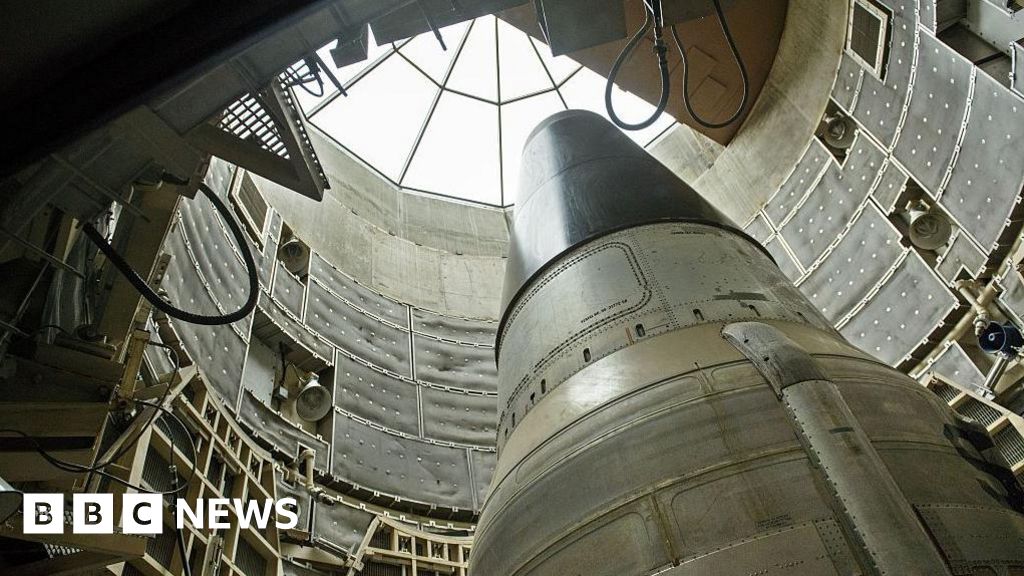
The geopolitical landscape has taken a significant turn as Russia announced a departure from the New START Treaty, a cornerstone of nuclear arms control between Moscow and Washington. In a statement issued by the Russian foreign ministry, officials confirmed that, “in the current circumstances, we assume that the parties to the New START are no longer bound by any obligations or symmetrical declarations in the context of the Treaty, including its core provisions, and are in principle free to choose their next steps.” This declaration effectively signals the end of a crucial era of dialogue and restraint, raising the stakes for international stability and global security.

The New START Treaty, signed in 2010, was a critical component of post-Cold War efforts to curb the nuclear arms race, aiming to prevent an escalatory spiral of nuclear build-up. Its demise, or at least significant weakening, marks a profound turning point in global diplomacy. As the United States and Russia now navigate uncertain waters, many analysts warn of potential arms races and increased tensions that could destabilize entire regions. Experts from the Stockholm International Peace Research Institute (SIPRI) and former diplomats alike highlight how this shift threatens longstanding strategic deterrence mechanisms designed to maintain equilibrium in an increasingly volatile international system.

This development is not an isolated incident; it is part of a broader pattern of renewed geopolitical rivalries, where major powers recalibrate their arms control commitments amid shifting alliances and domestic political pressures. Russia’s decision can be seen as a response to perceived threats and perceived erosion of mutual trust, but it also underscores a wider view among Moscow and other national actors that nuclear diplomacy is becoming increasingly fragile. With the retraction of treaties like START, nations face the grim reality that multilateral agreements once seen as pillars of stability are waning. As President Biden and other Western leaders deliberate responses, the international community faces the devastating prospect of a more uncertain future — where escalation risks are amplified and peace becomes more precarious.

In the broader context, this decision underscores how increasingly complex and unpredictable current geopolitics have become, especially for youth and future generations who will inherit this unsettled order. Historically, periods of arms race resurgence have often led to devastating conflicts, and many experts warn that neglecting these treaties could reopen narratives of nuclear confrontation. Nations must now grapple with whether diplomacy can *revive* past commitments or whether the world on the brink might veer closer to conflict. The weight of history remains heavy, as the unfolding response to Russia’s announcement may define global security for decades to come — a stark reminder that in geopolitics, no decision is truly isolated, and the ripples of today’s actions will shape tomorrow’s reality.

Savannah Guthrie urges proof of her missing mother's survival in Arizona—Join the push for truth.
Savannah Guthrie urges proof of her missing mother’s survival in Arizona—Join the push for truth.

In recent days, a deeply personal crisis involving U.S. television host Savannah Guthrie has captured international attention, highlighting the profound intersections between societal values, national security, and the power of media influence. Guthrie’s public appeal for the safe return of her 84-year-old mother, Nancy Guthrie, who disappeared near Tucson, Arizona, underscores a broader narrative about community vigilance, law enforcement mobilization, and the potential threats lurking in domestic borders. As authorities scramble to determine whether foul play is involved, the incident serves as a stark reminder of the vulnerabilities that face societies on multiple levels, and the international implications tied to the preservation of safety within sovereign nations.

The unfolding case reveals a complex web of local law enforcement inquiries, national political reactions, and global concern over border security. The Pima County sheriff, Chris Nanos, has confirmed the presence of a crime scene, emphasizing suspicions of foul play and intelligence suggesting that Nancy Guthrie’s disappearance might not be incidental. This incident has elicited responses from prominent figures, including former President Donald Trump, who has pledged to deploy “all resources” through major federal agencies to ensure her safe return. Such expressions of concern are not just personal—they resonate across the international stage, raising questions about how nations address missing persons cases amidst rising tensions and domestic instability.

Analysts note that this case underscores the geopolitical weight of security and law enforcement in the United States. The coordinated efforts involving volunteers, border patrol, and the FBI exemplify the integration of multiple agencies responding to threats that could have broader consequences. This situation also occurs against a backdrop ofincreased border mobility, regional drug trafficking issues, and internal socio-political unrest. The case’s progression could influence future policies on immigration, surveillance, and law enforcement authority—not only within America but across allied nations that monitor how their borders and citizens are protected in an era of unpredictable threats.

International organizations and regional analysts are watching closely, noting that the stability of a nation’s interior security impacts the geopolitical landscape at large. As the spectacle unfolds, historians warn that moments like these serve as poles of societal reflection, exposing **the delicate balance between civil liberties and security measures**. Governments across the globe face a choice: prioritize individual rights or embrace more authoritarian strategies to safeguard their populations. This episode in Arizona echoes a broader theme, illustrating how domestic incidents can ripple outward, affecting diplomatic relations, regional stability, and the collective sense of safety that underpins modern civilization.

As the story continues to develop—whether Nancy Guthrie is found safe or deeper, more troubling truths surface—the weight of history remains profound. The decisions made in this moment could define how societies confront internal crises, balance security with liberty, and determine the resilience of their social fabric in an era where threats evolve faster than institutions can adapt. Behind the headlines and social media pleas lies a stark reminder: history’s next chapter is being written, and the outcome will reverberate well beyond the quiet streets of Tucson. It is a testament to the ongoing struggle between chaos and order, reminding every nation that their future depends on the choices of today.

Social Media Auto Publish Powered By : XYZScripts.com