Matox News

Truth Over Trends, always!

The fierce race shaping America's weight-loss revolution
The fierce race shaping America’s weight-loss revolution

The recent decline in weight-loss drug prices in the United States marks a significant shift in the landscape of healthcare globally. Once considered a niche market catering mainly to affluent segments, these medications—particularly innovative drugs like semaglutide—have begun to permeate mainstream consumer markets, fundamentally altering the economics of weight management. The dramatic price reductions are driven by increased competition, advances in pharmaceutical manufacturing, and patent expirations, raising questions about whether this model can be replicated across other nations with diverse healthcare systems.

Analysts suggest that the US market’s openness to regulatory reforms and the free-market dynamics have created a conducive environment for dramatic price adjustments. In parallel, international health organizations and economic think tanks are closely monitoring these developments, as they could have profound geopolitical impact. Countries with struggling healthcare budgets or high obesity rates might be motivated to seek similar approaches to fast-track access to effective treatments. However, experts warn that replicability depends on local regulatory frameworks, pharmaceutical policies, and economic capacities, which differ widely across nations. Some fear that the US’s particular market conditions may not be easily transplanted elsewhere, risking a fragmented global response.

Furthermore, the reduction in costs may have ripple effects well beyond just consumer affordability. Policymakers in various nations are observing how access to affordable weight-loss drugs could influence public health outcomes and economic stability. Increased use of such medications could potentially ease the burden on healthcare systems by reducing obesity-related illnesses, from diabetes to cardiovascular disease. Yet, critics and international health agencies cautions that overdependence on pharmaceutical solutions might overshadow broader preventive measures, including lifestyle changes and public health initiatives. The debate intensifies as global institutions like the WHO consider whether a shift toward pharmaceutical solutions aligns with holistic health goals.

As history unfolds, the blueprint of the US experience holds a compelling narrative of market innovation, regulatory flexibility, and societal demands. If other nations can adapt this blueprint—balancing innovation with equitable access—they might forge new pathways toward healthier societies. However, the stakes remain high: political will, economic resilience, and societal values will determine whether these promising developments lead to a true revolution in global health or become another chapter in a complex story of medical commercialization. The world watches, bearing witness to a transformative chapter where decisions taken today could reshape the fabric of international health policy for generations to come, leaving the global community at a crossroads between progress and caution.

UN warns: El Niño threat raises climate alert for the youth

The Earth’s climate system has reached a critical juncture, according to recent reports from the United Nations’ World Meteorological Organization (WMO). For the first time in recorded history, climate data indicates that our planet is fundamentally out of balance, with temperature anomalies, unpredictable weather patterns, and rising sea levels threatening both natural ecosystems and human societies worldwide. This stark reality underscores a turning point that could redefine geopolitical stability for decades to come.

Global leaders and environmental experts are sounding urgent alarms over the accelerating pace of climate change. The WMO’s data reveals that anthropogenic factors—particularly the relentless burning of fossil fuels, deforestation, and industrial emissions—have pushed the Earth’s climate well beyond historical variability. These shifts stimulate a cascade of consequences: increased frequency and severity of natural disasters, widespread displacement, and economic destabilization. Analysts warn that ignoring these warning signs risks unleashing a cycle of instability that could ripple across continents, threatening international peace and security. The United Nations continues to call for urgent multilateral action, but critics argue that existing commitments fall markedly short of the scale and urgency needed to mitigate the crisis.

Among the most alarming repercussions are the geopolitical impacts stemming from climate-induced upheaval. Displaced communities and resource shortages are fueling conflicts in vulnerable regions, further emphasizing the intersection of environmental and international security. In Africa and parts of Southeast Asia, already fragile states face the compounded stress of climate-related migration and economic disruption. Meanwhile, powerful nations—such as the United States, China, and Russia—are under increasing pressure to balance their own economic ambitions with the moral imperatives of climate stewardship. Many international organizations emphasize that leadership in this crisis will influence how history judges the global response or complacency, with some analysts predicting a possible realignment of global alliances based on climate resilience and resource control.

Historian and geopolitical analysts point out that history has often identified major environmental shifts as catalysts for large-scale change—sometimes violent, other times transformative. The Strategic Foresight Group warns that if current trends persist, nations may soon find themselves in a state of hyper-competition over dwindling resources, with the potential for conflict escalating amid scarcity. The international community faces the difficult dilemma of reconciling economic growth with ecological sustainability—an endeavor complicated by national interests, ideological divides, and economic dependencies. As climate negotiations continue to falter, the collective question persists: will humanity heed the warnings before the window for effective action closes completely?

In the grand scope of history, this pivotal moment carries a weight that cannot be overstated. As global leaders gather once more to discuss climate policies amid a backdrop of increasing chaos, the world may be approaching an inflection point—where decisions made today will either forge a path toward sustainability and resilience or plunge future generations into chaos. The narrative of this century is being written with each policy, each treaty, and each act of defiance or compliance. The question remains: will this be remembered as humanity’s finest hour of collective action, or as a grave warning ignored until it was too late?

Tragedy in Minnesota: Wild Reporter Jessi Pierce and Her Kids Perish in House Fire, NHL Confirms

The tragic loss of Jessi Pierce, a dedicated NHL sports journalist, and her three children in a house fire in White Bear Lake, Minnesota, underscores a broader narrative that resonates far beyond the realm of sports. The incident, confirmed by the league and local authorities, serves as a stark reminder of the unpredictable nature of domestic tragedies that afflict families regardless of background or profession. While Pierce, 37, was a respected figure in the world of hockey, her untimely death—along with her children—elicited a wave of mourning from the global sports community and her local fans, highlighting how individual stories become emblematic of larger societal concerns and the fragile veneer of safety in well-established communities.

This tragedy unfolds against a backdrop of ongoing discussions about safety, community resilience, and national crisis management. As firefighters responded to the blaze, the cause of the fire remains under investigation, but the incident has already ignited a conversation about the importance of emergency preparedness and social safety nets. Experts note that such tragedies often catalyze policy debates surrounding domestic safety and mental health support, especially in communities with tight-knit identities like Minnesota’s “State of Hockey.” At a geopolitical level, these events remind nations that regardless of geopolitical ambitions or international power struggles, the most critical battleground remains within communities—those small, interconnected units where the real fabric of society is woven. The loss of Jessi Pierce resonates beyond her personal tragedy; it is a poignant reflection of how societal stability hinges on the strength and resilience of local communities, which are increasingly vulnerable amid a rapidly changing social landscape.

International institutions such as the United Nations and regional governance bodies have long emphasized the importance of social cohesion and safety in fostering global stability—yet, incidents like these expose gaps in national safety protocols and community support systems. Analysts argue that effective governance must integrate cultural and social awareness, addressing vulnerabilities that often go unnoticed until tragedy strikes. As historians like Samuel P. Huntington noted, the strength of a nation ultimately rests on its ability to maintain social order and foster communal bonds. The death of a figure like Pierce, symbolizing not just a personal loss but a societal rupture, prompts a reevaluation of priorities—reminding the world that behind every geopolitical dispute lie the lives of ordinary citizens, who are often left to grapple with the aftermath of calamity alone.

Looking ahead, nations are called to reflect on the resilience and unity of their own communities. The grief shared in Minnesota echoes globally—an urgent call for action to bolster emergency responses, mental health services, and community-building initiatives. As the National Hockey League mourns the loss of one of its own, what remains indelible is the recognition that humanity’s greatest strength is its capacity to withstand adversity through collective solidarity. But history warns us—without decisive action, society may falter in the face of such tragedies, leaving scars that threaten to weaken its social fabric. As the world watches how communities recover and rebuild, the evidence persists that true resilience begins where the individual meets the collective—an ongoing battle that, in every corner of the globe, will decide the future of human civilization itself.

Canadian Religious Symbol Ban Sparks Constitutional Clash Among Youth

In a significant development within the ongoing struggle between secularism and religious freedom, Quebec’s provincial government has formally brought its controversial law regulating religious symbols to the Supreme Court of Canada. This move marks a pivotal moment in the constitutional debate over individual rights, provincial autonomy, and the limits of government authority in cultural and religious expression. The legislation, often dubbed as the “Religious Symbols Law,” mandates restrictions on public employees in positions of authority from wearing religious symbols, including hijabs, turban, and crosses, aiming to promote secularism within state institutions.

As the case advances to Canada’s highest judicial body, legal analysts and international observers acknowledge its profound geopolitical impact. The law is not merely a provincial matter but a flashpoint in broader debates that resonate across national borders—especially in nations facing similar conflicts over multiculturalism, identity, and religious expression. Opponents argue that the legislation infringes on fundamental freedoms guaranteed under the Canadian Charter of Rights and Freedoms, particularly the rights to religious expression and freedom of conscience. Supporters contend it is a necessary step to preserve the secular nature of Quebec and uphold societal cohesion amidst increasing diversity.

Prominent international organizations, such as the United Nations, have voiced warnings about potential human rights implications, while critics from various legal and civil society groups view the law as a manifestation of rising anti-immigrant and anti-minority sentiments. Historians like Dr. Emily Thompson suggest that the case echoes past cultural conflicts within Quebec, which has long grappled with its identity amid a mosaic of religious and cultural influences. The legal battle is also illustrative of the rising tide of nationalistic movements across the world, where governments assert sovereignty and cultural integrity in the face of global pressures. The Supreme Court’s ruling will not only determine the fate of this legislation but will also influence how governments across the globe navigate personal freedoms versus state secularism.

The decision at hand carries the weight of history, with every juridical word potentially shaping the societal fabric of Canada for generations. As the court prepares to deliver its verdict, the world watches—a stark reminder that the choices made today in courts and parliaments are often the ones that forge the enduring narratives of nations. Will this legal confrontation reinforce Quebec’s cultural sovereignty or trigger broader constitutional debates across entire liberal democracies? The outcome remains uncertain, but the message is clear: the fight over religion, identity, and state power is far from over, and history stands at a decisive crossroads.

Hawaii Storms Cause Over $1 Billion in Damage, Governor Reveals

Recent weather calamities in Hawaii have underscored the devastating toll that climate-related disasters can impose on local infrastructure and economies. Governor Josh Green announced that the full extent of damages to roads, bridges, and essential services remains unassessed but emphasizes that the catastrophic flooding has already revealed vulnerabilities that could have broader geopolitical implications. As global climate change accelerates, such events threaten to destabilize regional stability and heighten the pressure on international aid agencies, prompting a reevaluation of resilience strategies in vulnerable areas.

The rains and flooding — described as some of the worst in recent memory — have caused widespread destruction that not only disrupts daily life in Hawaii but also serves as a stark warning to nations worldwide. Historically, such extreme weather events have been catalysts for policy shifts aimed at boosting infrastructure resilience, but critics argue that many governments lag behind in implementing necessary reforms. International organizations like the United Nations have repeatedly called for urgent action, yet debates persist over responsibility and funding, especially for impoverished or politically unstable regions. This calamity spotlights the ongoing climate crisis, which analysts warn could provoke increased geopolitical tensions as nations scramble for resources and aid.

Geopolitical impact extends beyond environmental considerations. As Hawaii contends with the aftermath, regional and global leaders are assessing how climate change can exacerbate existing tensions—particularly in areas prone to natural disasters. Allegiances are being tested, with some nations using such events as opportunities to leverage aid and influence, while others face internal criticism for inadequate preparedness. Many security experts, including those at the International Crisis Group, warn that in a world increasingly shaped by climate-induced disruptions, failing to prepare could lead to humanitarian crises that destabilize entire regions, causing ripple effects that threaten global peace.

Moreover, the ongoing situation in Hawaii, a U.S. state often perceived as a remote paradise, lays bare the importance of proactive governance in safeguarding national interests. History demonstrates that neglecting infrastructure and environmental preparedness in key strategic regions can have ripple effects far beyond local borders. As international institutions urge for coordinated responses, questions remain about the pace and adequacy of such measures. The unfolding catastrophe in Hawaii is not solely a regional issue—it is a mirror reflecting a world at a crossroads, where climate change, geopolitical contestation, and societal resilience intertwine in a dangerous dance.

As the waters recede and the dust settles, the true magnitude of this crisis will become clear. Yet one thing remains certain: the historical narrative that emerges from this tragedy could redefine how nations prepare for an uncertain future. In the shadows of impending global shifts, the enduring question echoes—will humanity learn to confront its most formidable challenge, or will this be yet another chapter in a story of lost opportunities and rising threats?

British-Iranians Raise Alarm Over Safety Amid Iran War Emergency

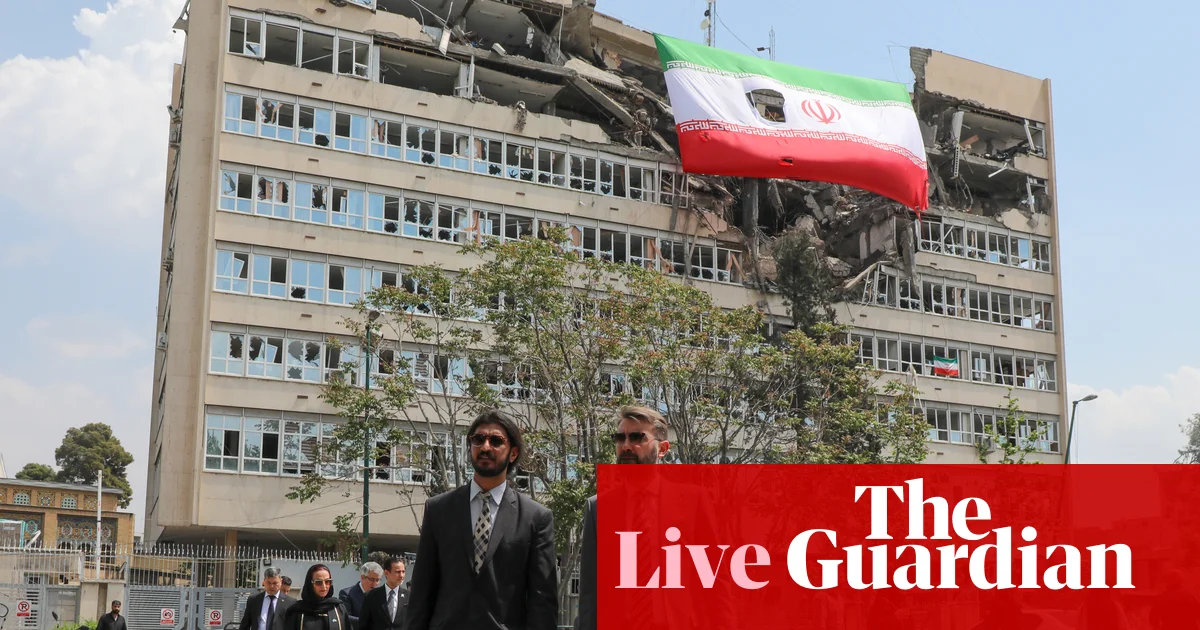
As the geopolitical storm in the Middle East intensifies, its repercussions are rippling across global cities, with London emerging as a flashpoint for Iranian diaspora tensions. Recent reports reveal a surge in concerns among Iranians living in the UK, fueled by escalating conflicts involving the US and Israel. The city’s sizable Iranian community, especially the district known as Little Tehran in Finchley, has become a battleground for ideological confrontations, protests, and fears of harassment. These developments underscore how international conflicts extend beyond distant borders, directly impacting societal cohesion and safety within diasporas. Analysts warn that such utterance of unrest—driven by pro-monarchy groups and factions aligned with Iran’s opposition movements—could have long-term social and security consequences for the UK.

Amid these tensions, law enforcement in London are caught in the middle, tasked with balancing the preservation of free speech and protest rights against the need to maintain public order. Recently, police officials have engaged with community leaders and increased patrols in affected districts, indicating an acknowledgment of the gravity of the situation. London’s police chief, Det Supt Katie Harber, emphasized that “the impact of events happening thousands of miles away” is felt locally, and that “many in our Iranian communities” are understandably fearful. This dynamic reveals a broader pattern: international conflicts are not confined to distant geopolitical theaters but play out tangibly within immigrant communities, fueling polarization and potentially escalating into violence or social fragmentation. Furthermore, the UK’s recent banning of the annual al-Quds Day march, citing risks of disorder, signals an alarming escalation where authorities are actively intervening in expressions of political and cultural identity—often under the guise of national security.

Meanwhile, the conflict’s international ramifications are mirrored in recent counterintelligence efforts, with UK authorities arresting suspected Iranian spies, reflecting fears of espionage and political meddling. These actions dovetail with growing calls from British-Iranian activists for the UK government to be vigilant and refrain from succumbing to external pressures or internal divisions. Notably, Reza Pahlavi, the exiled son of Iran’s former pro-Western monarchy, has garnered both support and controversy. Supporters advocate for his leadership as a potential unifier for Iran’s fractured opposition, while opponents critique the divisive nature of his political stance. A recent

  • petition demanding investigations into pro-Pahlavi groups

highlights how external political factions influence internal UK security and societal cohesion, prompting debate on how to navigate these complex foreign and domestic interests.

At the heart of this unfolding crisis lies a pivotal question: How will the UK and its allies respond to the expanding influence of Iranian opposition factions, and at what cost to civil liberties and social order? The narrative is still being written, with each incident pushing history closer to a potential tipping point. As experts warn of the risks of escalation—both within communities and geopolitically—the world watches a fragile equilibrium teetering on the edge. Today’s decisions and actions may determine whether London remains a welcoming haven for free expression or transforms into a battleground where history’s most profound divisions are played out. The weight of this moment, ripe with unresolved tensions, echoes a stark warning: the global struggle for influence and ideology continues to shape societies from afar, leaving the future uncertain, and the epoch of this conflict yet to be decided.

Iranian missile strikes target town near Israeli nuclear site, injuring 160 residents

In a concerning development, Israel has launched an investigation into how ballistic missiles managed to breach its highly advanced air defense systems. This incident underscores a new level of escalation and challenges that threaten the stability of the Middle East, a region already fraught with long-standing conflicts and geopolitical rivalries. The breach raises profound questions about the effectiveness and resilience of Israel’s military infrastructure amidst growing regional and international tensions.

Experts and analysts suggest that this breach may signal a shift in the strategic landscape of the area. While Israel‘s Iron Dome and other missile defense systems are regarded as some of the most sophisticated globally, recent events highlight potential vulnerabilities or evolving tactics used by adversaries. A series of recent conflicts, including escalating hostilities with proxy groups and neighboring nations, suggest that adversaries are adapting their military strategies to circumvent existing defenses. In this context, the incident serves as a stark wake-up call for Israel and its allies about the persistent threat posed by ballistic missile arsenals.

Global institutions and international observers have weighed in on the matter. The United Nations has reiterated the importance of de-escalation and renewed calls for diplomatic solutions to prevent further violence. Meanwhile, military analysts, including those from independent think tanks, warn that the incident could mark a turning point in regional security dynamics. Countries like Iran and Syria, known for their support of regional militant groups, are often cited as key facilitators of missile proliferation, which complicates efforts to achieve stability. This event pinpoints how fragile peace agreements and ceasefire efforts are when faced with the relentless progression of missile technology and asymmetric warfare tools.

Historically, the region has seen multiple moments of tension, but incidents like these serve as vivid reminders that conflicts are increasingly fought not just on the battlefield but in the realm of technology and intelligence. How nations respond in the coming days will have lasting consequences on regional security and the global order. As Israel re-evaluates its defenses and explores new strategic measures, the world watches with bated breath—knowing that in this era of rapid technological evolution, the lines between peace and conflict are more fragile and more deadly than ever before. The story is still unfolding, but one thing remains clear: history’s heavy shadow looms over a region on the brink of transformation, with each decision echoing across the corridors of power and the lives of millions caught in the crossfire.

Israeli settlers escalate West Bank assaults amid indifferent security forces

The situation in the West Bank continues to escalate, exposing a volatile chapter in the ongoing Israeli-Palestinian conflict that bears profound geopolitical repercussions. Reports of widespread settler violence—attacks involving arson, vandalism, and physical assaults—underscore a disturbing pattern of escalation that challenges international calls for stability and peace. Over recent days, Israeli settlers have reportedly carried out coordinated raids across at least half a dozen Palestinian communities, inflicting injuries and destruction, while Israeli forces have largely remained passive or complicit in allowing these acts to unfold unchecked.

  • Settlers targeted homes and vehicles in communities such as al-Fandaqumiya, Seilat al-Dahr, Masafer Yatta, Qaryout, and Jaloud. Witnesses describe scenes of chaos and destruction, with multiple homes burned, residents injured, and hundreds of vehicles vandalized or torched.
  • These incidents have coincided with key religious and national observances like Eid al-Fitr, marking a period traditionally associated with peace and reflection, yet now overshadowed by violence and lawlessness.
  • The UN and human rights organizations like B’Tselem have condemned the Israeli government’s apparent complicity—arguing it enables settler violence as part of a broader strategy to forcibly displace Palestinians and expand territorial claims.

Amid this climate of unchecked violence, international analysts have begun scrutinizing the dangerous implications of the Israeli government’s approach in the West Bank. Critics point to a concerning trend: the absence of accountability for settler crimes, which often go unpunished, further emboldening settler factions. Yair Golan, leader of Israel’s Democratic Party, has publicly condemned what he describes as government neglect and the promotion of lawlessness, warning that “Jewish terrorism” is proliferating amidst the chaos. Historic trends highlight that such unchecked violence risks destabilizing the entire region, intensifying cycles of retaliation and undermining prospects for peace.

Meanwhile, international institutions warn that Israel’s policies in the West Bank could result in the *forcible displacement* of Palestinian communities, threatening to alter the demographic and territorial status quo permanently. The UN explicitly states that current Israeli practices risk “displacing entire communities,” a move that could have broader destabilizing effects beyond regional borders. The horrific details of Israeli military actions—such as the 2023 killing of a Palestinian family in Tamoun or reports of settler sexual violence—serve to deepen global concern over human rights abuses, as well as the erosion of moral authority in the conflict.

As the international community watches, a shadow of doubt falls over the decades-old peace process. With each act of violence, the prospects for any diplomatic resolution fade further into the horizon, replaced by escalating cycles of hostility rooted in decades of failed policy and missed opportunities. Anxieties loom large, as the global balance of power shifts in the face of these ongoing crises, and the potential for wider regional destabilization grows. The unfolding story in the West Bank is a stark reminder: history’s pen continues to write with an unforgiving hand, and the coming chapters will forever shape the destiny of nations, societies, and the very fabric of international order.

Qatari and Turkish Citizens Killed in Military Helicopter Crash

In a startling development that reverberates across the Middle East and beyond, recent reports have confirmed that a convoy carrying four Qatari military personnel, accompanied by one Turkish serviceman and two technicians from a Turkish defence company, was involved in an incident that has raised critical questions about regional alliances and security. While the nature of the event remains under detailed scrutiny, the presence of Turkish technical experts alongside Qatari military personnel underscores the increasingly intertwined security arrangements in the Gulf and the broader international strategic calculus.

Analysts and international observers are quick to interpret this development as part of a deeper realignment involving Turkey and Qatar, two nations having diverging yet sometimes converging interests within the shifting geopolitical balance of the Middle East. As tensions persist over regional conflicts, such as those in Syria and Libya, Ankara’s involvement signifies a broader push for influence and security partnerships in an era marked by instability and unpredictability. The participation of Turkish technicians from a defense firm further emphasizes the growing importance of military technology and strategic cooperation in shaping regional power dynamics. Policymakers and security experts warn that such collaborations are not merely tactical but carry profound implications for the future of sovereignty, influence, and regional deterrence.

The incident raises the specter of further escalation or complex diplomatic signals. The precise context—whether it involves military training, strategic patrols, or covert operations—remains opaque, yet its significance is undeniably profound. The involvement of these nations’ military and technical personnel exemplifies a broader shift: the Middle East is increasingly becoming a chessboard for global powers. The United Nations and other international watchdogs have repeatedly sounded warnings about regional destabilization, but the pressing need for strategic alliances often overrides concerns about peace and stability.

Historians and geopolitical analysts argue that this scene is emblematic of a larger trend—the reassertion of regional powers willing to challenge the old world order. As Turkey and Qatar deepen military ties, the implications extend well beyond their borders, influencing the balance of power in North Africa, the Levant, and even Europe. The potential ramifications include increased proxy conflicts, shifts in energy routes, and the emergence of new spheres of influence, all of which threaten to redraw the geopolitical map once again. As global powers watch from afar and regional actors seek to secure their interests, history presses forward, often unheeded, with each decision shaping the societies of tomorrow—whose futures remain uncertain but undeniably profound in their consequences.

Experts warn: Climate crisis fueling brutal US weather extremes

The current climate upheavals across the United States serve as a stark warning to the world about the escalating crisis brought on by global environmental mismanagement. This March, Americans have witnessed an unprecedented array of weather extremes, from flooding in Hawaii to rare snowfalls in Alabama, and an intense heatwave scorching the West Coast. These phenomena are indicative of larger, systemic changes in Earth’s climate system, a reality acknowledged by climate experts who suggest that the severity of recent events points to a “climate change footprint.” As the jet stream’s behavior becomes more erratic due to rising global temperatures, the United States finds itself caught in a vortex of unpredictability, with consequences that ripple far beyond national borders.

The geopolitical impact of these climate phenomena extends into heightened tensions over resource control and international stability. Countries with vast dependencies on agriculture, water supplies, and energy are increasingly vulnerable as climate disruptions threaten food security and economic stability. Analysts from the United Nations Climate Change Panel warn that the pattern of record-breaking heatwaves and extreme weather in the US mirrors trends seen in other parts of the world, signaling a shift toward a more chaotic climate regime. These shifts are fueling geopolitical frictions as nations scramble for scarce resources, and populations face growing hardship. The stark reality is that climate change is no longer a distant threat but an immediate challenge, forcing governments and societies to confront the cascading geopolitical ramifications of environmental neglect and policy failure.

Historical scholars and international organizations have long forewarned that dire environmental crises can accelerate geopolitical conflict; today, their warnings are coming true. Recent years have seen a surge in climate-related disasters, which analysts assert are exacerbated by political inertia and funding cuts, notably in the US, where funding to agencies like FEMA has been reduced. This decline in preparedness, despite mounting evidence of worsening conditions, leaves nations—including the US—more vulnerable to natural disasters’, destabilizing impacts. As climate scientists argue, these extreme events are not isolated but part of a broader trajectory—one marked by increased frequency and ferocity of heatwaves and storms. What is truly alarming is the prospect that the current wave of record-breaking heat might surpass even April’s historical temperature benchmarks, signaling an ominous shift in global climate patterns.

The unfolding story of climate chaos is intertwined with political decisions that could either mitigate or accelerate these trends. The US, as a geopolitical leader, has the capacity—and responsibility—to galvanize international cooperation on climate action. Instead, funding cuts and policy ambivalence threaten to undermine global efforts. The narrative is clear: as natural disasters intensify, they serve as a reminder of the urgent need for bold, coordinated action. Looking ahead, the world stands at a precipice; the choices made today will dictate whether humanity can stabilize this runaway climate crisis or succumb to the chaos it breeds. The pages of history are turning swiftly, and the weight of the future presses heavily on us all, as we watch the environment’s grand, tumultuous story continue to unfold amid the echoes of a warming planet.

Social Media Auto Publish Powered By : XYZScripts.com