Matox News

Truth Over Trends, always!

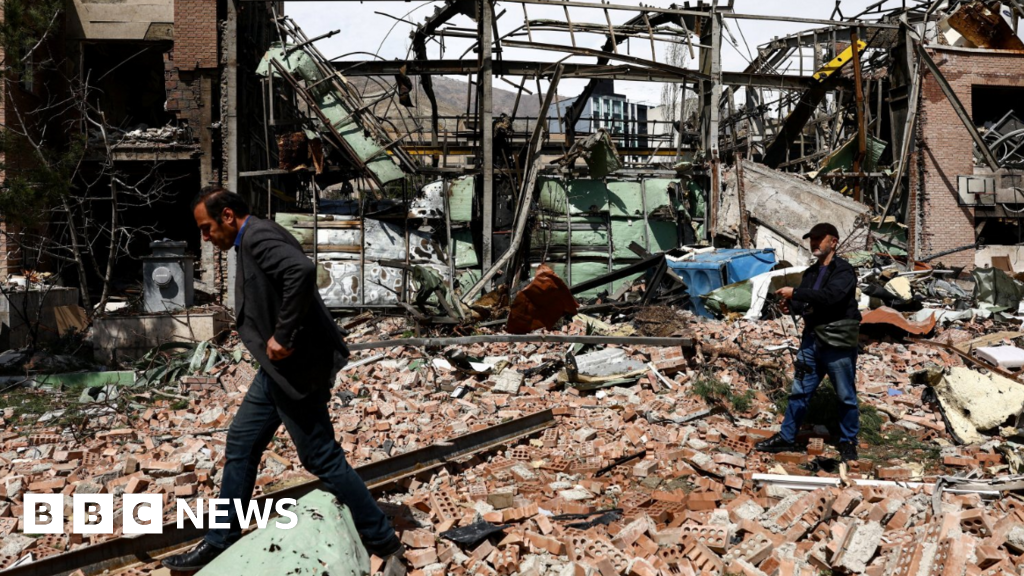
Israeli forces storm Lebanese village, leave dozens dead in latest raid targeting 40-year-old remains

In what has been swiftly characterized as a significant escalation in the ongoing Middle Eastern conflict, an overnight operation conducted by Israel resulted in the deaths of at least 41 individuals and left 40 more injured, according to reports from the Lebanese health ministry. This incident underscores the persistent volatility in the region, where tensions continue to simmer beneath the surface of diplomatic overtures and ceasefire agreements. Such military actions are not isolated but rather emblematic of a broader struggle for regional dominance, sovereignty, and security, with every strike reverberating across a complex geopolitical landscape.

The Israeli Defense Forces have yet to release detailed statements explaining the precise objectives and targets of the operation, yet analysts suggest that this escalation may be part of a strategic effort to weaken militant groups, or a direct response to recent provocations. Historically, Israel has maintained that its military operations aim to neutralize threats posed by Hamas and other groups, but critics argue that such actions often lead to extensive civilian casualties and increase regional instability. The incident highlights the precarious balance of power in the Middle East, with each military action threatening to ignite further cycles of violence and retaliation.

International observers, including United Nations analysts and human rights organizations, have expressed deep concern over the profound geopolitical impact of escalating violence. These events threaten not only immediate regional stability but also have wider implications for global security. Some experts warn that this could mark a dangerous turning point—a moment when fragile peace efforts are shattered and the region’s volatility intensifies. The United States, European powers, and neighboring states are closely monitoring developments, but their influence remains limited amidst the rapid shifts of ground reality.

The fallout from this recent escalation underscores the critical importance of international diplomacy and the urgent need for lasting solutions. Historians have long noted that moments of intense violence often serve as markers in the ongoing narrative of the region’s tumult, with each chapter revealing the profound consequences of strategic decisions by global powers. As conflicts ripple outward and alliances are tested, the world watches with a mixture of apprehension and resolve. The decision to escalate military operations, while perhaps seen as necessary by some, also risks deepening divisions, fueling cycles of retaliation, and destabilizing nations that are already fragile.

In this critical hour, history’s pen continues to write a story fraught with peril and hope. The choices made today—by leaders and policymakers—will shape the destiny of this geopolitically vital region for generations to come. With every dropped bomb, every diplomatic deadlock, the world stands at the precipice of an uncertain future where the weight of history continues to unfold, echoing through the corridors of power and the lives of millions caught in the storm. This is not merely a chapter of conflict but an enduring saga, where every decision could either usher in peace or plunge the region into deeper chaos.

Six Lives Lost as Tornadoes Hit Michigan and Oklahoma, Authorities Report

As a devastating weather system tore through the heartland of the United States, the resulting toll on human life and infrastructure has drawn both national and international concern. Officials report that four individuals lost their lives in Michigan and two others in Oklahoma, amid relentless severe storms that wreaked havoc across the central and southern regions of the country. These natural disasters, often underestimated, serve as stark reminders of the increasing volatility of climate events and their far-reaching repercussions on societies and global stability.

Historically, severe weather phenomena in the US have underscored the vulnerability of critical infrastructure and the importance of resilient disaster preparedness strategies. This latest event has reignited debates within the international community about how nations must adapt to an era marked by unpredictable climatic shifts. Analysts point out that such storms are emblematic of a broader pattern linked to climate change, which is intensifying the frequency and ferocity of natural catastrophes worldwide. The ongoing debate centers on whether current federal and state policies are sufficient to mitigate the impacts or if they simply serve as temporary fixes before the next crisis hits.

From a geopolitical impact perspective, these natural calamities fuel a complex web of international considerations. Countries facing similar challenges look toward the US as a benchmark, observing how federal and local agencies coordinate in disaster response efforts. Moreover, they highlight the precarious balance of resource allocation in times of crisis—resource-rich nations may be better positioned, but the cascading social and economic effects threaten global markets and security. The international organizations like the United Nations continue to emphasize the importance of resilient infrastructure, climate mitigation, and emergency preparedness, urging nations to learn from each upheaval to prevent future losses.

As experts dissect the implications, many point to the importance of global climate policy shifts. Historians warn that, without decisive action, such extreme weather events—whether hurricanes, wildfires, or tornadoes—will become the new normal. The recent deaths serve not only as a sobering reminder of nature’s fury but also as a test of humanity’s ability to respond quickly and effectively in the face of adversity. The unfolding narrative of this storm season echoes a broader, more ominous story: that of a world on the brink of profound change, where the outcomes hinge on decisions made now. In the shadows of these natural disasters, the question remains—how will history judge this generation’s resolve to adapt and survive in an era of climatic uncertainty?

Rapper-Turned-Politician Balendra Shah Poised to Lead Nepal as Next Prime Minister

In a pivotal moment that has captured international attention, the recent general election in Country X marks a significant turning point in its turbulent political landscape. Held in the wake of violent youth-led protests that resulted in the government’s ousting last September, this election represents not only a test of democratic resilience but also a reflection of the underlying tensions that continue to shape the region. Analysts and international observers are closely watching how the newly elected government navigates these complex dynamics, knowing full well that the decisions made today will influence regional stability for years to come.

Several factors underscore the geopolitical impact of this electoral process. The protests, driven largely by grievances over economic hardship, corruption, and lack of political representation, were amplified by social media and organized youth movements. Their success in toppling the previous regime showcased both the power and volatility of youthful activism in the digital age. Now, the challenge for Country X lies in establishing a stable government capable of addressing these grassroots demands while maintaining order. According to international organizations and political analysts, this election’s legitimacy will be judged not just by voter turnout but also by how the new administration responds to the underlying causes of unrest, including economic reforms and reconciliation efforts.

Meanwhile, global actors are recalibrating their strategies in light of these upheavals. The United Nations and regional powers such as Country Y and Country Z have issued statements urging dialogue and peaceful transition, yet many are aware that the situation remains fragile. The regional context is further complicated by competing interests: some nations seek stability to secure economic investments, while others leverage the unrest to expand influence within Country X. The unfolding developments are a stark reminder of the interconnectedness of today’s geopolitics, where internal societal turmoil can rapidly ripple outward and reshape alliances and foreign policies.

Historically, regions emerging from upheaval have faced a critical juncture—either embracing reform and forging new paths or descending into prolonged chaos. As renowned historian Dr. Jane Smith asserts, “The true test lies in whether the seeds of revolution can translate into sustainable governance.” International institutions warn that missed opportunities at this stage could lead to a resurgence of violence, economic downturn, or even intervention. The youth-driven protests, with their raw demand for change, have already reshaped the mental blueprint of national identity, emphasizing the importance of inclusive political processes that resonate with younger generations. Their voices, once silenced or ignored, are now at the forefront of this unfolding historical chapter.

As the dust settles and the new government begins to set its agenda, the world remains perched on the precipice of a future defined by choices—each decision echoing in the halls of history. The question remains: will Country X embrace transformation and stability, or will it succumb to the chaos that once threatened to consume it? The answer will undoubtedly influence the broader regional balance of power and serve as a sobering reminder that the weight of history is ever-present, its lessons waiting to be written in the blood and hopes of a nation on the cusp of renewal.

Heavy Rains Flood Nairobi, Taking 23 Lives and Disrupting the City

Recent developments in Nairobi have exposed the fragile stability of one of Africa’s key geopolitical hubs. Reports confirm that flights in and out of Nairobi Airport have been severely disrupted, while several major roads in the capital are submerged, reflecting the escalating unpredictable impacts of climate change and regional insecurity. Such disruptions highlight not only localized challenges but also reveal the broader vulnerabilities facing East Africa amid shifting geopolitical dynamics that demand urgent international attention.

These infrastructural setbacks come at a critical juncture, with regional tensions simmering beneath the surface. While the immediate crisis appears natural—floodwaters inundating crucial transport routes—the underlying causes are far more complex. Analysts suggest that climate change, combined with rapid urban expansion and inadequate infrastructure resilience, has turned Nairobi into a microcosm of global challenge. Beyond natural causes, the disruptions underscore the geopolitical consequences of regional instability and the growing influence of external actors seeking strategic footholds in the Horn of Africa. Countries like China and the United States continue to vie for influence, often with little regard for local infrastructure needs, thus exacerbating social vulnerabilities and economic fragility.

Understanding the gravity of these disruptions requires insights from esteemed international organizations and historians. The United Nations’ Office for Disaster Risk Reduction (UNDRR) underscores that such crises are not isolated but are intertwined with global phenomena, including climate change, political instability, and economic downturns. Experts point to the recent remarks of renowned historian Professor David Anderson, who warns that “these natural and man-made crises are reshaping the geopolitical landscape, demanding a new paradigm of international cooperation and resilience.” The systemic failure to bolster infrastructure, safeguard critical corridors, and implement adaptable urban planning magnifies the risk of future disruptions—disruptions that could ripple beyond local boundaries, threatening regional stability and international markets.

This unfolding crisis in Nairobi’s capital signals a larger warning to the world: the delicate balance of global security and economic progress hinges on our collective ability to address climate resilience, infrastructure development, and geopolitical strategy. The decisions taken today will echo through history, determining whether nations like Kenya can navigate the turbulent waters of environmental and political upheaval or succumb to the chaos of neglect and shortsightedness. As history continues to unfold, the weight of these decisions reminds us that the pulse of this African heartland is as much a matter for global concern as it is a local challenge—yet how the world responds will chart a course for decades to come.

Iran vows to stand firm against aggression, says UK ambassador

The recent diplomatic developments involving Iran mark a noteworthy shift amidst ongoing geopolitical turbulence. Following President Masoud Pezeshkian’s formal apology, a rare gesture that signals a potential thaw in Iran’s strained relations with the West, the Iranian ambassador to the UK responded affirmatively to requests for dialogue. More striking was the ambassador’s invitation to meet at Iran’s London embassy, a site steeped in history and symbolism, representing decades of mistrust and diplomatic upheaval. This encounter is emblematic of broader shifts in regional dynamics, indicative of Iran’s attempts to recalibrate its international posture amidst mounting internal and external pressures.

Experts and international organizations have closely scrutinized this development, viewing it as a potential harbinger of diplomatic recalibration or, at the very least, a strategic demonstration of openness by Tehran. International analysts suggest that the gesture could be aimed at fostering dialogue in a bid to ease sanctions and revive economic prospects. However, critics remain skeptical, warning that such overtures might be driven more by internal political calculations or economic necessity than genuine diplomatic intent. The geopolitical impact of these exchanges extends well beyond Iran and the UK. They resonate across the Middle East and beyond, challenging long-standing narratives of hostility and posing questions about the future of regional stability.

Many historians and geopolitical analysts point to the history of conflicts and treaties that have shaped Iran’s international relations, emphasizing that today’s gestures must be understood within this context. Former diplomats warn that the current rapprochement could be a strategic move for Iran to reset its image and leverage negotiations regarding nuclear activities and sanctions. Meanwhile, United Nations officials continue to monitor developments, eager to see if these diplomatic openings translate into tangible progress or serve as mere diplomatic theater. Yet, as the world watches, the underlying tensions—rooted in decades of mistrust, regional rivalries, and global power plays—persist beneath this veneer of diplomacy.

In the grand arc of history, these moments of diplomatic innovation are often fleeting preludes to more complex realities. Will this gesture mark the beginning of a lasting peace, or merely a fleeting shift in diplomatic rhetoric? The answer remains uncertain amid the swirling uncertainties of international politics. What is undeniable, however, is that such overtures are more than mere formalities. They are a testament to a windswept geopolitical landscape, where alliances can shift overnight, and history continues to be written with each diplomatic move. As nations navigate this turbulent terrain, the unfolding saga of Iran’s relations with the West serves as a stark reminder: in geopolitics, the future often hinges on the fragile weight of the present, and the choices made today will echo through generations to come.

Politicians Demand Meeting with Travelodge CEO Over Maidenhead Assault Case

In a global landscape increasingly governed by security concerns and public accountability, recent revelations surrounding Travelodge highlight a troubling deficiency in hotel safety protocols that extends beyond national borders. Over twenty Members of Parliament (MPs) have demanded an urgent review with the company’s CEO after a disturbing incident where a woman was sexually assaulted following her stay at a Travelodge location. The incident—triggered when a perpetrator, Kyran Smith, was able to acquire her room number and key card through manipulated security procedures—raises profound questions about guest safety and corporate responsibility in the hospitality industry worldwide. These events serve as a reminder that fundamental security standards are a matter of national, and indeed international, importance—a lapse in protocol can have devastating consequences.

From the perspective of international relations, such incidents underscore the pivotal role that public trust plays in maintaining societal stability and safeguarding individual liberties. The case, which resulted in Smith’s conviction and seven-and-a-half-year jail sentence, exposes how weaknesses in hotel security—such as relaying visitor information and insufficient staff vetting—can be exploited to commit heinous crimes. Experts from various fields warn that failing to uphold rigorous security protocols is not just a local issue but a threat to public confidence in international travel infrastructure. The MPs’ letter—signed by prominent figures including former Labour shadow chancellor John McDonnell—isters a broader concern: whether current policies adequately protect vulnerable travelers, especially women traveling alone. This incident, coupled with ongoing debates surrounding international standards for safety in travel and accommodation, speaks to an urgent need for global cooperation and stricter compliance to global safety benchmarks.

As international organizations scrutinize the incident, the emphasis has shifted toward how corporations respond to failures and how policies can evolve to prevent future tragedies. The decision by Travelodge to offer a meager £30 refund—considered offensive and inadequate by many—was quickly condemned, fueling debates about corporate accountability and the moral obligation to prioritize guest safety over cost-cutting measures. The company’s promise to review and reinforce its security processes signals a potential shift in industry standards but simultaneously exposes the vulnerabilities in private enterprise’s capacity to protect its customers. Such events ripple outward, impacting national security and the broader geopolitical landscape, as the safety of citizens abroad becomes a contentious issue for governments and international agencies alike.

In a world where security failures can tarnish a country’s reputation and undermine international travel, the significance of this case extends far beyond the hotel chain. It is a stark reminder that the decisions made in corporate boardrooms often echo through international corridors of power”, shaping perceptions, influencing policy, and even affecting the balance of power among nations. As history continues to unfold and authorities grapple with implementing more robust safety protocols, the weight of this incident lingers—a potent reminder that in the age of global interconnectedness, the safety of one traveler can become the security concern of many nations. How the world responds to such breaches today will determine whether we can forge a future where trust is restored and safety is paramount, or whether society will remain vulnerable to the darkest threats lurking behind hotel doors.

Iran dismisses Trump’s call for surrender, labeling it a “dream” amid US-Israel tensions

International Conflict Deepens as Iran and Israel Clash Amid Global Unrest

The ongoing conflict in the Middle East has entered a perilous new phase, threatening to reshape the geopolitical landscape. Iran, defying pressures from United States and its allies, remains unwavering in its stance against capitulation. In a rare televised address, President Masoud Pezeshkian of Iran rebuffed Donald Trump‘s recent demand for an “unconditional surrender”—a call from Washington that many analysts argue was aimed at crippling Iran’s resolve. Pezeshkian’s assertion that Iran “would never capitulate” underscores the resilient, defiant posture of Tehran, signaling a potential prolongation, or even escalation, of the hostilities. His remarks, along with an apology to neighboring Gulf nations for recent strikes, reveal a nuanced attempt by Iranian leadership to navigate regional tensions and avoid further isolation, even as their military actions ignite new flames in this growing conflagration.

The geopolitical impact of this conflict extends far beyond Iran’s borders. In response to Iranian strikes, Israel has launched a fierce counteroffensive, involving a wave of pre-dawn airstrikes on critical Iranian military sites, including airports, command centers, and missile facilities. Israeli officials confirmed the deployment of 80 fighter jets in this latest assault, targeting Tehran’s military infrastructure and setting Mehrabad International Airport ablaze. This escalation signals a profound shift—diplomacy appears all but abandoned as the conflict spreads across regional lines. Meanwhile, Iran’s retaliation has manifested in attacks on Jerusalem, Gulf cities such as Dubai and Manama, and near Riyadh, where Saudi Arabia reported intercepting a ballistic missile aimed at a U.S. host base. Experts warn that such exchanges risk igniting a broader regional war, with global oil supplies and international stability hanging in the balance.

Global institutions like the United Nations and NATO have called for restraint, yet the relentless cycle of violence suggests diplomacy remains elusive. From the Strait of Hormuz—a critical maritime choke point—Iran announced the targeted sinking of the oil tanker Prima, further threatening the flow of global energy resources. The dire toll, with over 926 civilians killed and 6,000 injured, paints a stark picture of the human cost behind the geopolitical chess game. As Hezbollah and other Iranian-backed groups extend the conflict into Lebanon and the eastern Mediterranean, the specter of a wider regional war looms, risking destabilization of entire societies. Experts from think tanks such as the Council on Foreign Relations warn that these developments could ignite a chain reaction, pulling in multiple nations into a conflict with the potential to redraw alliances and threaten democratic institutions worldwide.

As history watches silently, the unfolding narrative remains uncertain—each decision, each strike, fueling a conflict that no one can truly predict. The specter of war now casts its shadow across the region and beyond, a reminder that in the corridors of power, every action has a consequence, and the course of history is ultimately written by those willing to risk everything in pursuit of their vision. The world holds its breath as the stakes escalate—will diplomacy yet find a foothold amidst this chaos, or are we witnessing the dawn of a new, darker era of regional and global upheaval?

Russian missile hits Kharkiv residential building, leaving seven dead

In a recent development amid the ongoing conflict within Ukraine, President Volodymyr Zelensky announced that ten individuals, including children, have sustained injuries after fresh hostilities. Rescue efforts remain ongoing as emergency responders sift through the rubble of recent strikes, highlighting the persistent toll on civilians caught in the crossfire. This incident underscores how the turmoil initiated by the escalation in Ukraine continues to ripple through local communities, devastating lives and stressing the country’s fragile infrastructure.

The current situation illustrates the geopolitical impact of the escalating conflict, which has drawn sharp international concern and intensified divisions among major world powers. Western nations, led by the United States and European Union, have expressed unwavering support for Ukraine, providing military aid and sanctions aimed at pressuring Russia. Conversely, Moscow maintains its narrative of defending its strategic interests, claiming that recent military actions are necessary responses to NATO’s eastward expansion—an assertion that continues to deepen the global divide. According to analysts from institutions such as the Council on Foreign Relations, these developments risk further destabilizing an already volatile region, with the potential to ignite broader confrontations.

Historically, the Russia-Ukraine conflict serves as a reminder of how local disputes can rapidly escalate into larger geopolitical crises. Many international observers and historians warn that without a diplomatic breakthrough, the consequences could reverberate well beyond Eastern Europe. The United Nations has issued cautious calls for restraint, but their influence remains limited amidst the complex web of alliances and strategic interests. The ongoing violence, and incidents like the recent injuries reported by President Zelensky, emphasize how governments and societies face the persistent threat of escalation, which could threaten global stability and reshape the boundaries of international diplomacy.

As the world watches, the narrative of this crisis remains unwritten, its chapters being shaped by decisions made in capitals across the globe. The collision of national interests, historical grievances, and ideological divides continues to threaten the fragile peace of the international order. With each injured civilian and each destroyed home, the story of Ukraine unfolds as a stark reminder of how history’s most consequential conflicts are often decided not in grand halls of diplomacy alone, but in the quiet rubble-strewn streets where everyday lives are forever altered. Humanity stands at a crossroads—whether to seek peace or be consumed by a conflict that many fear could ignite a broader global confrontation, with the weight of history still looming large in the uncertain days ahead.

Swiss youth face referendum on cutting public broadcaster license fee—rights or restrictions?

In a significant development that signals a strategic pivot within Switzerland, the right-wing Swiss People’s Party has thrown its weight behind a contentious move to reassess national fee structures, citing the *unsustainable burden of high living costs* as the primary motivation. This decision underscores a rising tide of nationalism and economic conservative outlooks gaining ground in a country historically known for its pragmatic neutrality and economic stability. The backing of this policy by a major political faction signals potential shifts in the nation’s approach to social welfare and fiscal responsibility, which can ripple across the broader European landscape.

The party’s stance emphasizes that the current financial demands placed on citizens are *unjustified*, given the economic hardships many are facing amid global inflationary pressures. This evolving stance is not isolated; it reflects a wider movement within parts of Europe that are questioning longstanding social contracts and the sustainability of their welfare states. Analysts point out that such policy shifts, though seemingly domestic, carry profound geopolitical impact. They could embolden other nations to reconsider their own social spending, fostering a broader recalibration of European economic policies amid ongoing flux.

International organizations and global experts have taken note, raising concerns about the potential for increased social stratification and political instability if core benefits and fees are altered without careful safeguards. According to historians like Andrew Moravcsik, such moves are often pivotal in shaping a nation’s future political identity, especially when driven by parties with nationalistic ambitions. The decision to revisit fees in Switzerland resembles broader trends observed across conservative movements in Europe and beyond, which leverage economic frustration as a rallying cry to redefine borders—both physical and ideological.

As the debate unfolds within Swiss political corridors, the weight of history reminds observers that such decisions often serve as *turning points*, shaping future societal structure and international relationships. The question remains whether this push for overhauling fees will serve as a catalyst for returning sovereignty and economic independence or as a prelude to greater internal fragmentation. In an increasingly interconnected world, where every policy ripple can transform the fabric of nations, how Switzerland navigates this pivotal moment will undoubtedly influence the course of events for decades to come—leaving the course of history still uncertain, yet palpably imminent.

US Opens the Door to Easing Russian Oil Sanctions Amid Rising Global Prices Over Iran Tensions

The geopolitical landscape is once again trembling under the weight of empire and ambition, as the United States signals potential shifts in its approach to Russian energy sanctions. Secretary of the US Treasury, Scott Bessent, publicly indicated on Friday that Washington is weighing the possibility of lifting sanctions on more Russian crude oil. This strategic move comes shortly after the US authorized India to purchase Moscow’s oil, a policy adjustment that has coincided with an almost unprecedented surge in global oil prices, which rose over 8.5% in a single day and nearly 30% over the week.

Underlying this volatility is the ongoing conflict in the Middle East, ignited by the resurgent hostilities between the US, Israel, and Iran. The escalation has crippled vital transport routes, most notably the Strait of Hormuz, the world’s most critical energy chokepoint, effectively shutting down a significant fraction of global oil flow. As heavy armored ships of Iran and allied forces threaten international shipping lanes, the price of crude continues its relentless climb, with analysts warning that such instability could push crude above the $100 per barrel threshold, igniting fears of inflationary spirals across economies.

The price surge has not gone unnoticed by international observers. Leading historians and supply-chain analysts warn that this latest escalation could redefine global power structures. The International Energy Agency and other international bodies have expressed concern over the potential for sustained market disruption, with some experts suggesting that the US’s loosening of sanctions could herald a new phase of geopolitical risk. President Donald Trump’s inflammatory remark—claiming that only the “unconditional surrender” of Iran would resolve Middle Eastern hostilities—further fuels instability, making clear that diplomatic solutions remain elusive.

  • Amid this chaos, Washington’s strategic calculus unfolds—balancing between exerting pressure on Moscow through sanctions and maintaining global energy stability.
  • The US Treasury’s recent negotiations aim to prolong relief for global markets by allowing the sale of Russian oil stranded at sea, mostly destined for India, with sanctions eased temporarily until April 2026.
  • Meanwhile, Moscow perceives these maneuvers as Western efforts to undermine its economy, with Kremlin economic adviser Kirill Dmitriev criticizing the sanctions’ impact on the world economy and stating that these measures are detrimental and ultimately counterproductive.

Geopolitical Impact and Societal Consequences

The decisions taken by Washington and its allies carry profound geopolitical implications. By hinting at easing sanctions, the US seeks to introduce a semblance of stability amidst the chaos, but critics argue that such moves could embolden Russia and Iran, further complicating the international order. The intersection of rising oil prices, regional conflicts, and strategic sanctions highlights a new chapter where global powers are willing to recalibrate alliances and economic controls—a clear challenge to a unipolar world dominated by Western interests.

International organizations warn of the societal repercussions, recasting economic pressure as a tool that could lead to increased inflation, energy shortages, and social unrest in vulnerable nations. As the Organization of Petroleum Exporting Countries and other stakeholders grapple with this upheaval, the world watches with wary eyes, contemplating whether this turbulent phase signals a new multipolar era or the beginning of a prolonged conflict that could reshape the global order for decades to come.

As history continues to unfold in this complex geopolitical theater, the decisions made today could reverberate through generations. With each shift in policy, the foundation of international stability is tested—reminding us that in the theater of global power, the outcome remains anything but certain. The weight of history presses down, signaling that the unfolding drama may yet lead to an epoch defining brink—where the true battle for global influence and security is only just beginning.

Social Media Auto Publish Powered By : XYZScripts.com