Matox News

Truth Over Trends, always!

Mary, Queen of Scots’ Last Letter to Be Exhibited After Nearly a Decade in Scotland

Historical Reconsideration: Mary, Queen of Scots’ Last Letter on Display in Scotland

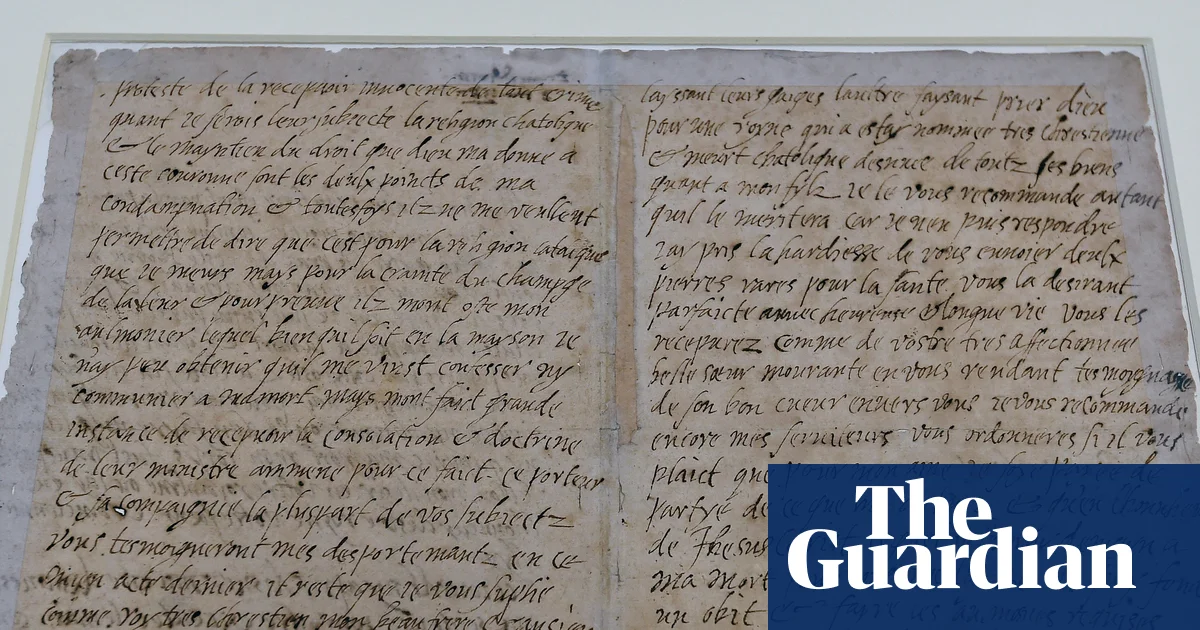
In a remarkable event that transcends centuries, the National Library of Scotland has announced that the last letter of Mary, Queen of Scots, penned mere hours before her execution in 1587, will be showcased at the Perth Museum. This rare exhibition, which opens on 23 January 2024 and continues into April 2026, offers a visceral connection to a pivotal period in Scottish and European history. Mary’s final words, written in French, constitute a rare surviving artifact of a turbulent reign marked by intrigue, rebellion, and international diplomacy — archetypes of the age of monarchs. For scholars and the public alike, this display signifies an extraordinary opportunity to witness an integral shard of history, reminding us of the enduring influence of monarchy and the fragile fabric of sovereignty.

This event gains geopolitical significance beyond its historical value. As Scottland asserts its cultural identity through such exhibitions, it also serves to highlight the broader narrative of British history and its intertwined European history. The letter, kept under tight conservation by the National Library of Scotland, has rarely left its vaults, underscoring the importance placed on preservation amidst the age of digital and rapid consumption. The upcoming display coincides with ongoing efforts to emphasize Scotland’s unique legacy, especially as debates about independence and regional sovereignty continue. Analyzing this moment, international historians note that cultural heritage serves as a vital anchor in asserting national identity for parts of the UK, in a continent increasingly defined by regionalism and resurgence of localized histories.

In addition to Mary’s letter, the exhibition will feature a range of documents from the National Library, including early manuscripts from poets and playwrights such as Robert Burns and Liz Lochhead. These artifacts, situated within the historic context of Mary’s life—including her imprisonment, abdication, and dramatic escape from Lochleven Castle—emphasize how cultural renaissance and national memory are often interconnected. Alison Stevenson, the library’s director of collections, describes this event as a “once-in-a-generation opportunity”, highlighting that this is a moment for collective cultural reflection. The exhibition’s location at Perth, a city central to Mary’s life, transforms her story from distant history into a living, national narrative that stirs patriotic sentiment and historical consciousness alike.

Such events invoke broader geopolitical themes. As Scotland shapes its narrative within the UK, the display acts as a potent symbol of regional identity asserting itself amidst global shifts. The Scottish government recognizes the importance of heritage in fostering national pride—especially as debates over independence and sovereignty persist. The cultural secretary, Angus Robertson, stresses the lasting value of these artifacts as “a priceless record,” emphasizing that their preservation and public display matter profoundly in an era where history is often commodified or politicized. The drama of Mary’s story, with its themes of power, betrayal, and tragedy, resonates well beyond just Scottish borders, reminding the world that history is not static but a battlefield of identity and influence. International institutions such as UNESCO continue to advocate preserving such educational treasures, acknowledging their power to shape perceptions of sovereignty and cultural legacy.

The unveiling of Mary, Queen of Scots’ last letter transcends simple historical curiosity; it is a saga of resilience, tragedy, and national pride woven into the fabric of geopolitics and cultural identity. As her poignant final words are revealed, one cannot help but sense that the story of her life, and the lessons embedded within, are still unfolding—an ongoing narrative that may very well influence the course of regional and global history for generations to come. In the shadows of history’s corridors, the weight of her final notes whispers with an enduring significance, echoing through time as a silent testament to the enduring power of memory and the unending pursuit of sovereignty.
France on Edge: Kids Caught in Crossfire of Marseille Drug War

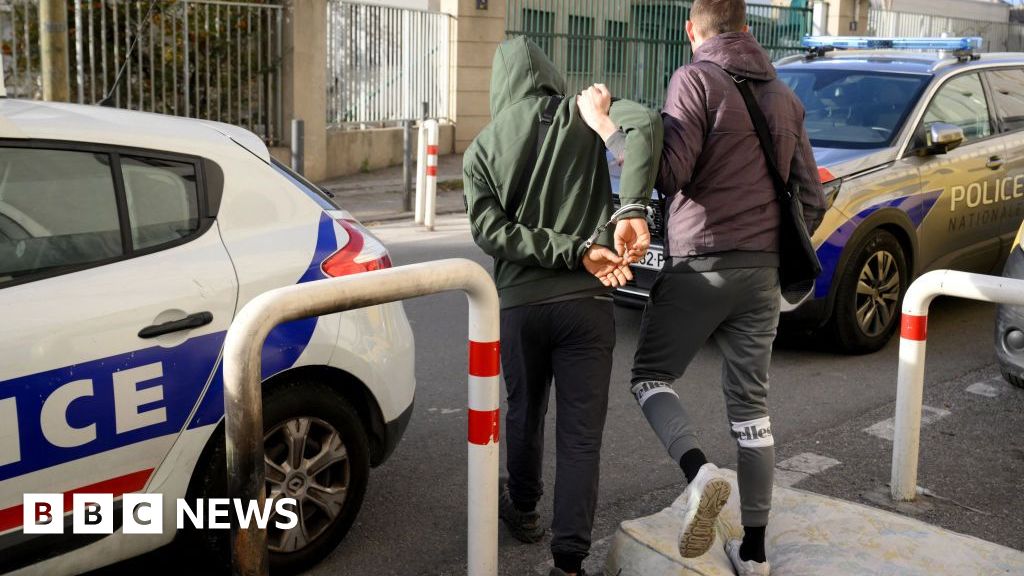
In the historic port city of Marseille, a disturbing psychose has gripped its once lively streets, revealing the devastating impact of unchecked organized crime and social neglect. Reports emerging from local authorities, community leaders, and international analysts depict a city in chaos, where the fabric of law and order is unraveling amid a surge of violence, juvenile involvement, and a rapidly evolving drug trade. The harrowing scenes of children witnessing brutal murders, such as in the recent case of 15-year-old Adel, serve as grim symbols of a society under siege, with violence becoming part of everyday life.

Over the past eight years, France’s Ministry of Justice estimates a more than fourfold increase in teenagers recruited into the drug trade, a crisis amplified by social media’s dark influence and the erosion of traditional social structures. French police have responded with what officials euphemistically term “security bombardments,” raiding disorganized drug dens and arresting hundreds, yet the problem persists. With an estimated 20,000 individuals involved in Marseille’s illicit industry—culminating in confiscated assets worth €42 million in a single year—the city remains a battleground. Analysts warn that such measures are merely surface responses, failing to address the root causes entrenched within poverty, marginalization, and systemic corruption.

Adding fuel to the fire is the growing role of *foreign* actors, with local politicians like Franck Alissio claiming that much of the criminal leadership comprises immigrants or foreigners with dual nationality. This controversial assertion, though difficult to verify, underscores the debate over national sovereignty and social integration. Meanwhile, community organizer Mohamed Benmeddour describes children as young as 13 being coerced into violence and drug trafficking, often under threat of torture or death. The social fabric is fraying, as a younger generation becomes ensnarled in cycles of violence, with the grisly murder last month of Mehdi Kessaci, a young police trainee, serving as a stark turning point. His family’s mourning, coupled with the community’s trauma, illustrates how violence is now a weapon used by gangs to sow fear and exert control.

Many experts, including Philippe Pujol, caution against over-reliance on stronger police actions alone, emphasizing that such tactics only mask deeper societal wounds. Instead, they advocate for comprehensive reforms addressing the chronic poverty, educational neglect, and political failures that nourish organized crime. Yet, political factions such as the far-right National Rally propose draconian measures—including stricter border controls and immigration policies—as quick fixes. This discourse reveals a fractured society struggling to reconcile its rich history as a melting pot with the realities of modern urban chaos.

As Marseille teeters on the brink of societal collapse, her streets tell a story of decline, where hope battles the specter of despair. Amid the relentless gunfire, scorched bodies, and the sirens echoing through alleyways, history remains an unfinished narrative—a story not just of crime, but of nations failing to safeguard their future generations. With each new tragedy, the city’s scars deepen, serving as a dark warning: unless decisive action is taken to confront the deeper roots of this crisis, Marseille’s story may become a tragic blueprint for the unraveling of urban societies across the world.

Mexico sets tough tariffs of up to 50% on China and others to protect its economy

In a bold move signaling a shift towards economic nationalism, Mexico has recently approved a comprehensive tariff package impacting over 1,400 products, many sourced from China. This policy, championed by President Claudia Sheinbaum, aims to bolster domestic manufacturing and reduce reliance on foreign imports amidst mounting economic pressures. These tariffs allow for duties of up to 50%, a clear indication of Mexico’s intent to recalibrate its economic strategies in a rapidly changing global landscape. While the move is framed domestically as a matter of economic sovereignty, its geopolitical implications ripple beyond borders, especially as Mexico engages in delicate negotiations with the United States.

  • The tariffs come at a fraught time, with U.S. President Donald Trump threatening steep import taxes on Mexico, including potential 50% duties on steel and aluminum. These measures are part of a broader strategy to exert economic pressure, ostensibly aimed at curbing the flow of synthetic opioids like fentanyl into the U.S., but also revealing a deeper struggle over trade dominance.
  • In addition, Trump has signaled intentions to impose a 5% tariff on Mexican goods, citing the longstanding Rio Grande treaty—an 80-year-old agreement—regarding water rights as a pretext. Through social media, the U.S. leader accused Mexico of “not meeting the terms” of this treaty, which historically grants the U.S. access to water from the Rio Grande tributaries, raising questions about the truthfulness and strategic motivation behind these claims.

International reactions have been swift and cautious. Warnings from Beijing to Mexico included a reminder to “think carefully” about the implications of imposing tariffs on Chinese products. Analysts note that these measures reflect a broader realignment of economic alliances in which Mexico seeks to navigate between two superpowers—the United States and China. As the world’s second-largest economy, Beijing remains deeply entrenched in Latin America, its investments and trade ties reshaping regional power dynamics. The decision by Mexican lawmakers underscores a strategic push to assert economic independence, but also signals potential shifts in regional stability, especially if tariffs spark retaliatory measures or escalate into trade conflicts.

Impact on Society and Future Trajectory

The societal impact of Mexico’s tariff policy cannot be understated. For consumers, increased costs on everyday products threaten to fuel inflation, while domestic industries may benefit from increased protection. However, historians and economic analysts warn of the long-term consequences of such protectionism—potentially fostering a fragmented global trade system that complicates international cooperation. The moves also reflect a broader pattern of nationalist resurgence across the globe, where nations challenge existing treaties and alliances in pursuit of national interests.

As Mexico confidently asserts its economic independence amid a tense geopolitical climate, the world watches with bated breath. The pending negotiations with the United States—a trading behemoth and regional neighbor—could set a precedent for how nations leverage tariffs and treaties in a new era of economic brinkmanship. The decisions made in Mexico today are not isolated policies but artifacts of a larger, ongoing competition for influence and sovereignty. With history unfolding before our eyes, the question remains: will these tariff maneuvers carve a path towards renewed national strength, or will they spiral into a broader confrontation that reshapes the very fabric of global geopolitics? The answer lies in the unfolding chapter of international relations, where every move could tip the delicate balance of power, leaving the world to witness the next act in this high-stakes geopolitical play.

US seizes Venezuelan oil tanker, Trump calls it a win for America

US Seizes Venezuelan Oil Tanker in Bold Show of Force

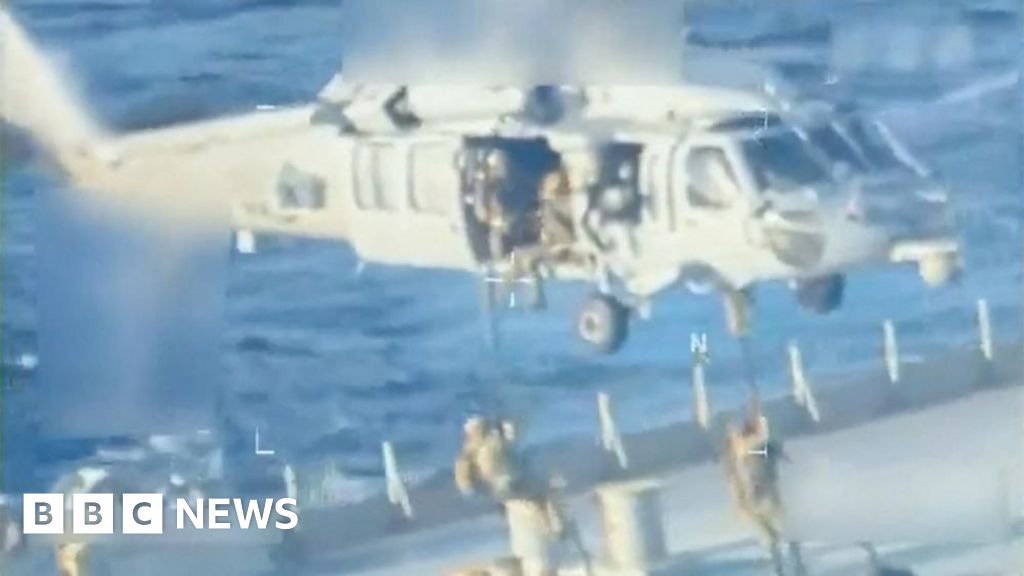
The recent interception of a Venezuelan oil tanker by U.S. forces off the coast of Venezuela signals a significant escalation in the ongoing confrontation between Washington and Caracas. President Donald Trump announced the operation, claiming the vessel was the largest ever seized and was involved in transporting sanctioned oil linked to Iran. This move, under the pretext of cracking down on illegal oil smuggling supporting foreign terrorist organizations, underscores the U.S. administration’s relentless attempt to exert economic and military pressure on the Maduro government. The seizure was a coordinated effort involving multiple agencies, including the FBI, Coast Guard, Department of Defense, and Homeland Security, utilizing assets like the USS Gerald Ford, the world’s largest aircraft carrier, deployed to the Caribbean last month.

Venezuela swiftly condemned the seizure as an act of international piracy, with President Nicolás Maduro asserting that his nation would never accept becoming an “oil colony.” These exchanges are but the latest chapters in a broader geopolitical chess game where Venezuela’s vast oil reserves make it a crucial resource prize for global powers. Historically, analysts warn that such aggressive maneuvers threaten to destabilize regional security and fuel further conflicts, especially as oil prices respond to fears of supply disruptions. The seizure has already impacted global markets, pushing Brent crude prices higher amidst speculation of increased volume restrictions and risks for maritime shippers in the region.

From Sanctions to Seizures: U.S. Strategy and Global Repercussions

The Trump administration’s rejection of Maduro’s government has taken a decidedly aggressive tone, rooted in accusations that Caracas traffics narcotics into the United States. These claims bolster Washington’s narrative of a corrupt regime hell-bent on undermining regional stability. Meanwhile, Venezuela charges that the United States is seeking to loot their resource wealth. Such accusations reflect a broader struggle over resource control, with international organizations warning of the dangerous precedence set by unilateral military actions in sovereign waters. Historians like William Blackstone have long argued that the extension of maritime force outside traditional frameworks risks igniting larger conflicts, a warning that now resonates as the world watches a new proxy battleground unfold in the Caribbean.

  • The seizure involved a vessel named Skipper, reportedly flagged under Guyana but accused of falsifying its registry, raising questions about transparency and legality.
  • Diplomatic protests erupted from Venezuela, condemning the operation as a breach of sovereignty, with Interior Minister Diosdado Cabello branding the U.S. as “pirates”.
  • U.S. officials claim that the operation was aimed at disrupting illicit networks supporting hostile regimes and terrorist groups like Hezbollah and the Quds Force.

Amidst these tensions, President Maduro’s wry response at a rally—singing “Don’t worry, be happy”—underscored the fraught state of U.S.-Venezuela relations. His statement further highlights how diplomacy has become a battlefield of rhetoric, with Caracas viewing American military mobilizations as an infringement on its sovereignty. As the Caribbean becomes a chessboard for geopolitical influence, military buildups and covert operations threaten to ignite a broader regional conflict, with unpredictable global consequences. The world is now witnessing a pivotal moment: a clash over resources, sovereignty, and ideology, where history is not merely being written but forcibly reshaped in real time, leaving nations to grapple with the fallout of decisions that could echo for generations to come.

María Corina Machado Lands in Oslo After Nobel Peace Prize Victory

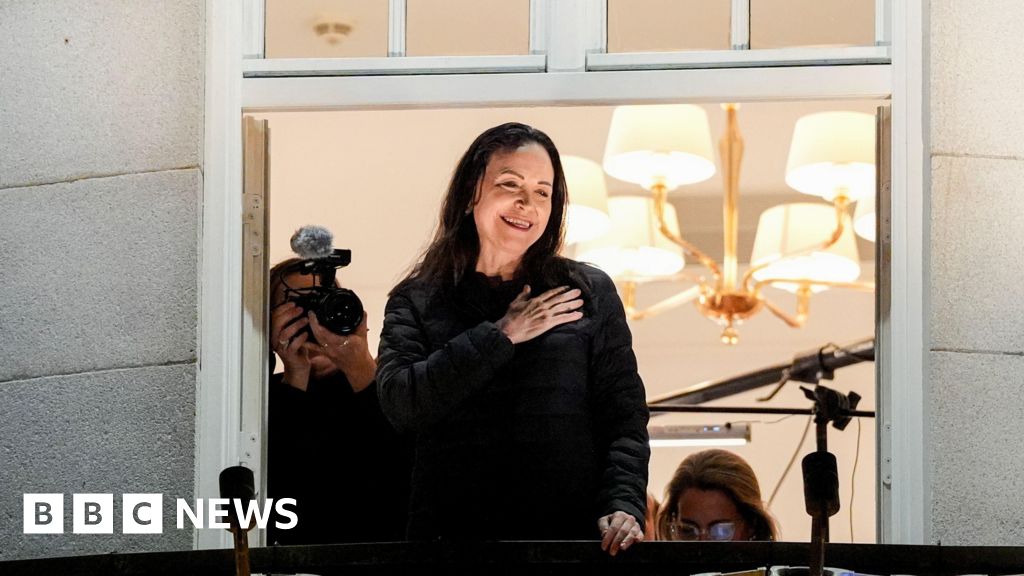
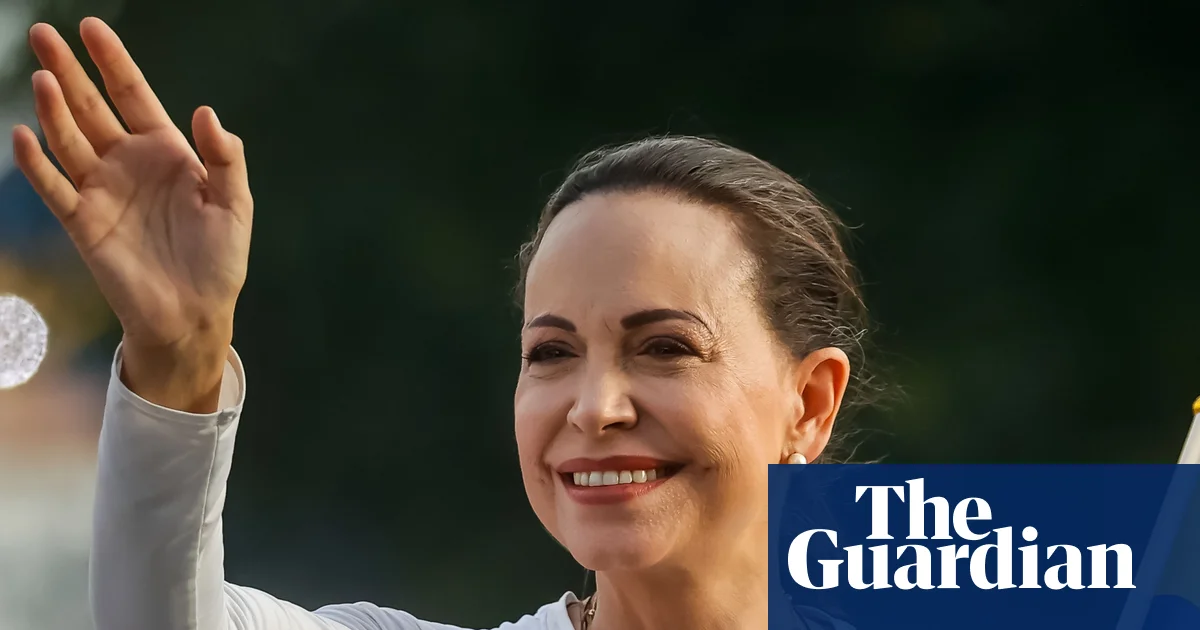
The recent appearance of Venezuelan opposition leader María Corina Machado in Oslo, Norway, following her Nobel Peace Prize award, marks a critical juncture in the persistent struggle for democracy versus dictatorship in Venezuela. Having gone into hiding amid ongoing political turmoil, Machado’s covert journey and public show of support from her supporters outside the Grand Hotel symbolize a resilient opposition defying both domestic repression and international indifference. Awarded for her relentless pursuit of a “just and peaceful transition,” her recognition by the Nobel Institute underscores the global spotlight on Venezuela’s fractured political landscape, which continues to define geopolitical tensions across the Americas.

Her historic public appearance coincides with mounting tensions involving the United States, which recently announced the seizure of an oil tanker off the coast of Venezuela. The US administration claims the vessel was engaged in illicit oil shipping supporting “foreign terrorist organizations,” prompting accusations of theft and piracy from the Venezuelan government. This escalation is emblematic of broader geopolitical struggles in the region, where the US seeks to exert pressure on Venezuela’s socialist regime. As Washington’s rhetoric intensifies, analysts warn that such actions threaten to ignite a broader conflict, potentially destabilizing an already fragile region. Experts from international organizations and historical scholars warn that these maneuvers could provoke a new chapter of conflict, with unpredictable consequences for both nations and societies alike.

The global impact of these developments is profound. The US’s aggressive stance coupled with Venezuela’s defiant response illustrates a geopolitical impasse, where the ideals of democracy clash with the interests of regional dominance. Amid the political upheaval, the international community’s role has been scrutinized, with critics alleging that external intervention risks exacerbating internal divisions. As Machado convalesces publicly and receives international recognition, the battle for regional influence extends beyond the streets of Caracas to Washington’s corridors of power. According to a report by the International Crisis Group, such confrontations threaten to deepen socio-economic devastation and could set a dangerous precedent for other authoritarian regimes under international pressure.

In this unfolding narrative of international power struggles, the true weight of history remains unresolved. The moment encapsulates a broader question: will the global community choose to mediate with diplomacy or escalate to conflict? As Machado’s supporters cheer and look to a future of possible change, and as U.S. military actions threaten to deepen the crisis, the world gazes upon a pivotal crossroads, where the decisions made today could echo through generations. History’s pen is poised, waiting to write the next chapter in the ongoing saga of liberty, sovereignty, and international power—an enduring testament to the inescapable reality that every choice shapes the future of nations and their people.

Portugal gears up for major protests in first nationwide strike in 12 years

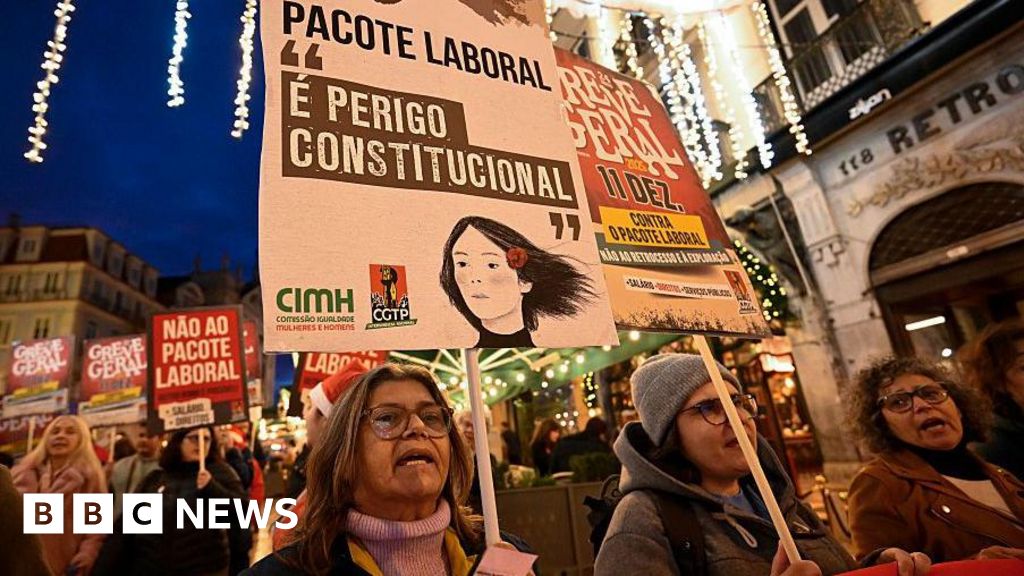
The recent general strike in Portugal underscores a critical juncture in European geopolitics, where national sovereignty encounters the relentless pressures of international economic forces and domestic ideological battles. As transport, healthcare, and public services grind to a halt, the union federations CGTP and UGT, both historically resilient, have united against a sweeping labor reform package championed by Prime Minister Luís Montenegro. These reforms, which threaten to erode decades of worker protections, symbolize an underlying tension—one that reflects the global contest between free-market policies and the social safety nets cherished across European societies.

At the heart of the upheaval lies a package of over 100 proposals that, critics argue, serve primarily to empower employers at the expense of workers’ rights. Key among them are measures allowing firms to roll over temporary contracts indefinitely, facilitate sackings via outsourcing, and eliminate guarantees for reinstating unfairly dismissed employees. While Montenegro insists that these reforms are essential for Portugal’s economic revival, many see this as veering dangerously close to undermining the country’s robust employment protections rooted in its 1976 constitution. International economists and local workers alike warn that such measures could set a precedent, not just for Portugal, but for other nations apprehensive about losing sovereignty amid the global push for deregulation.

This internal struggle is compounded by political intrigue and external pressures, as Montenegro’s government seeks support from both the Liberal Initiative and the far-right Chega party—an alliance that raises eyebrows among observers. Since the recent elections, the leader of Chega, André Ventura, has expressed reservations about the reforms but remains open to negotiations, hinting at a broader political realignment. This maneuvering occurs against the backdrop of a *pre-election landscape*, where the very fabric of Portugal’s constitutional safeguards is threatened. Critics fear that the government’s attempts to relax employment laws could lead to the amendment of the constitution itself, thus weakening one of Europe’s most steadfast legal frameworks for workers’ rights.

In this tense climate, international organizations such as the European Union and the International Labour Organization watch with concern as social unrest takes center stage. Many analysts argue that Portugal’s crisis is emblematic of a broader phenomenon—where **sovereign nations** are caught between the economic imperatives imposed by transnational institutions and the rising tide of populist nationalism defending national sovereignty and social contracts. Historically, similar episodes—such as during the eurozone crisis—have foreshadowed future tensions that threaten the EU’s unity and the stability of the European project. The language of reform has often masked deeper struggles over who holds power in shaping the social fabric, and Portugal’s current upheaval signals that this question remains fiercely contested.

As the saga unfolds, the weight of history presses heavier on all involved. The impending presidential election and the looming threat of constitutional amendments have transformed what began as economic policy into a battlefield for national identity and sovereignty. The story of Portugal’s labor reforms is not merely about local politics; it’s a microcosm of a global power struggle—one where the outcome will determine whether societies retain their social protections or capitulate to international economic forces. In the shadow of historic institutions and the echoes of past crises, the future remains uncertain, with Portugal poised at a crossroads—its decisions shaping the trajectory of entire nations yet to come. The pages of history continue to turn, writing a chapter that will resonate far beyond Europe’s borders.

Why Are They Failing to Resolve Their Border Dispute?

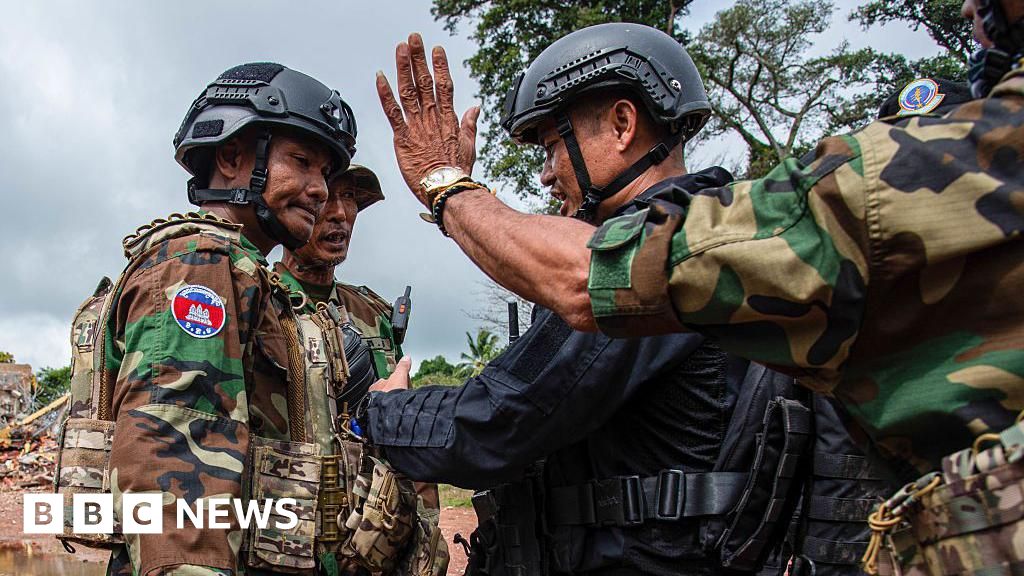
In a stark reminder of the fragility of peace in the Asia-Pacific region, renewed hostilities have erupted along the border between Thailand and Cambodia. After a brief lull post the US-brokered ceasefire in July, violence has resumed with artillery, rockets, and air strikes echoing across a corridor that has seen villagers evacuated twice within five months. The incident that ignited this latest flare-up—a Thai engineering team being allegedly fired upon by Cambodian troops—may seem minor, but in a geopolitically volatile environment, even small provocations can escalate swiftly into broader conflict. Analysts warn that both countries are engaging in a dangerous game of brinkmanship, with trust between them shattered and diplomatic channels almost entirely severed.

  • The ceasefire signed in July was heralded by President Trump as a significant breakthrough. However, scholars and international observers have been quick to point out that the agreement was inherently fragile, largely dependent on external pressures, particularly from the US. The fact that it was secured primarily through threats of tariffs and economic leverage, especially in Thailand’s case, underscores the superficiality of the peace. Now, with both nations resuming confrontation, it becomes increasingly clear that geopolitical patience and trust are in short supply, paving the way for a protracted conflict that could destabilize the entire region.

The ongoing clashes are marked not only by the resumption of conventional combat but also by the disturbing use of land-mines laid deliberately in disputed zones. Reports from Thai sources reveal at least seven soldiers injured or maimed by these devices, which Cambodia continues to deploy despite international criticism. Cambodian leadership, particularly Hun Sen, appears motivated less by strategic necessity and more by a desire to assert dominance and suffer no diminution of their territorial claims. While publicly pleading for restraint, their actions on the ground tell a different story, with military leaders expanding fortifications and increasing their provocations. This stark paradox feeds into a narrative of regional instability, where sovereignty is challenged by aggressive posturing and unverified claims.

From a geopolitical standpoint, this conflict exemplifies how small conflicts over minor border territories can snowball into broader regional crises. Experts at the International Crisis Group warn that without decisive international intervention or renewed diplomacy, the risk of a wider confrontation remains high. The complex web of relationships—Thailand’s sensitivity about its border integrity, Cambodia’s own strategic vulnerabilities, and the shadow of US influence—creates a tinderbox environment. Equally concerning are the political dynamics affecting leadership in Bangkok and Phnom Penh, with military influence expanding amidst government instability and public opinion supporting a hard-line stance. The situation underscores how fragile peace remains when trust and diplomacy are sidelined in favor of military might.

The weight of history hangs heavy over this ongoing saga, where the decisions of the present are shaping the future geopolitical landscape. As historian Robert D. Kaplan notes, such border disputes are not merely about land but about asserting sovereignty, pride, and national identity—elements that are difficult to reconcile with diplomacy under the shadow of nationalistic fervor. Tonight, as artillery still rumbles and families wonder if they will return to their homes, the world watches a narrative of conflict that risks spiraling beyond control. The unfolding chapter remains unwritten, but the lessons of history suggest that unresolved grievances, when compounded by international indifference, can ignite regional crises with consequences reaching far beyond the immediate battlefield. It is here, amid the echoes of past disputes and future uncertainties, that history continues to be forged—one skirmish at a time.

Nobel Officials Baffled on When Peace Winner Will Show Up for Ceremony

Venezuela’s Ongoing Struggle for Democracy and the International Power Play

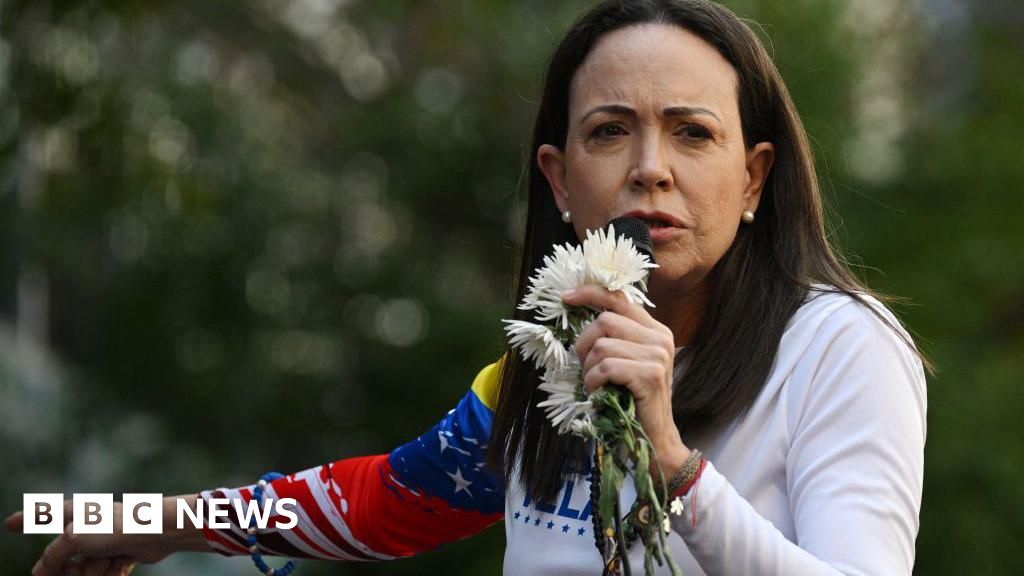
Venezuela faces a critical juncture as opposition leader María Corina Machado, a Nobel Peace Prize laureate, remains in hiding amidst escalating political repression. Her absence from a planned press conference, coupled with the Nobel Institute’s statement that they are “in the dark” about her whereabouts, signals a broader pattern of the regime’s clampdown on dissent. For years, Venezuelan rulers have dismissed opposition voices and manipulated electoral processes, but Machado’s situation underscores a much deeper crisis that extends beyond national borders.

The controversy surrounding Machado’s official recognition and her refusal to accept the legitimacy of the 2024 election result stands as a stark reminder of the crisis of democracy in the country. Critics argue that the election—widely regarded as fraudulent—was designed to cement Maduro’s grip on power, dismissing international calls for free and fair elections. Yet, the global community remains divided. Some nations, including the United States, have officially recognized the opposition candidate, Edmundo Gonzalez, as the legitimate president-elect, further fueling the geopolitical tensions that threaten regional stability.

International Dimensions and Broader Geopolitical Impact

The Nobel Peace Prize awarded to Machado was intended to elevate the fight for democratic principles, but her current situation reveals how authoritarian regimes aggressively suppress such efforts. The Venezuelan government’s statement branding Machado a “fugitive” and her criminal investigations—centered around alleged acts of conspiracy, incitement of hatred, and terrorism—highlight the use of state apparatus to silence dissent and resist international pressure. Analysts warn that these tactics not only embolden regimes in Latin America but also set a dangerous precedent for authoritarian resilience across the globe.

From an international geopolitical perspective, the crisis in Venezuela stands as a clear indication of shifting alliances and power struggles. While the U.S. and some Western nations push for regime change and the restoration of democratic norms, Russia, China, and allies in Latin America maintain support for Maduro’s government, citing sovereignty and non-intervention. This diplomatic standoff underscores a broader contest for influence in the Western Hemisphere, reminiscent of Cold War-era polarizations. According to prominent international organizations, such as the United Nations, stability in Venezuela is integral to regional security, yet their capacity to influence the regime remains limited.

The Future of Venezuela and the International Community’s Role

The unfolding narrative leaves the world with a stark question: Will international diplomacy and strategic interests prolong the suffering of the Venezuelan people, or can a new political order emerge? If Machado defies intimidation and attends her Nobel ceremony, her public appearance would symbolize a defiance of authoritarian oppression — a powerful rallying cry for millions seeking freedom. Historically, such moments have served as turning points, mobilizing international pressure and fomenting change. Conversely, if the regime’s tactics succeed in de-legitimizing opposition, it risks further entrenching tyranny and sowing instability that could ripple beyond Latin America.

As history unfolds in Venezuela, the world remains watchful. Every decision, every alliance, and every act of resistance carries the weight of fate and legacy. In the theatre of geopolitics, the links between dignity, democracy, and power are more intertwined than ever — and the next chapter is yet to be written, with the weight of history hanging in the balance.

Trump Paves Path for Nvidia to Export Advanced AI Chips to China

US-China Tech Duel Reshapes Geopolitical Landscape

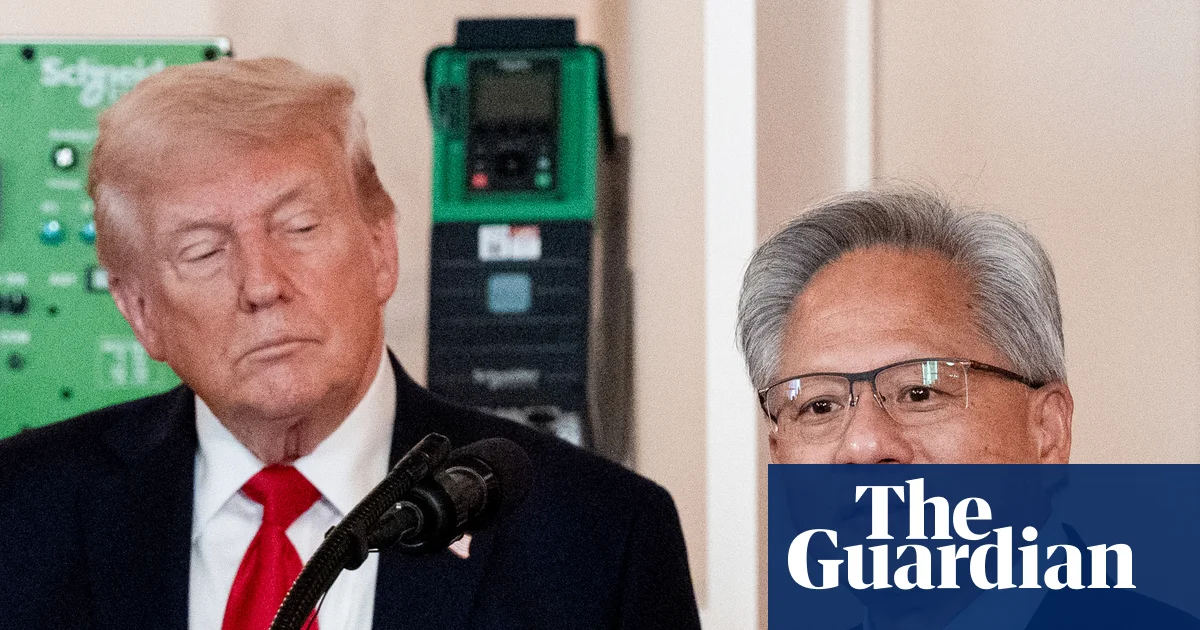
In a dramatic turn of events, former President Donald Trump has authorized Nvidia to resume sales of its advanced AI computer chips to China, breaking decades of strict export controls designed to safeguard US national security interests. This decision marks a significant divergence from previous administrations’ policies, which prioritized technological supremacy and the containment of Chinese technological ambitions. The move was announced via social media, with Trump asserting that the US would “allow NVIDIA to ship its H200 products to approved customers in China, and other Countries,” and emphasizing that the US would retain a 25% share of proceeds—more than the prior 15% agreement. Such a financial arrangement signals a strategic pivot, highlighting the evolving calculus over global technological dominance and economic leverage.

However, this shift isn’t without controversy. Congressional Democrats like Elizabeth Warren and Andy Kim voiced substantial criticism, warning that such sales could empower China’s surveillance, censorship, and military capabilities. Their concerns underscore a broader debate: does the pursuit of economic gains outweigh the risks to security and sovereignty? The reassessment of US-China relations under the shadow of new geopolitical realities is emblematic of a larger struggle—one that involves not only technology but the very fabric of international power. Although Trump’s administration claims these steps bolster US manufacturing and job creation, critics argue that they could inadvertently accelerate China’s technological independence—a development that could have long-lasting destabilizing effects on global balance of power.

Meanwhile, China has responded cautiously, with the foreign ministry noting that “China and the United States can achieve mutual benefit” through “cooperation.” Yet, behind these diplomatic words lies a complex chessboard of strategic calculations. Chinese regulators are reportedly debating whether to curtail or facilitate the import of Nvidia’s chips, an indication that the internal dynamics within Beijing itself remain unsettled. As analysts like Ma Jihua observe, years of restrictive policies have inadvertently created opportunities for China’s burgeoning domestic chip industry. The current liberalization of US exports could thus serve as a catalyst—either as a boon or a challenge. Historically, such decisions ripple across the entire geopolitical fabric—stoking fears of a new class of technological arms race.

The geopolitical impact of this development is profound. By reconfiguring the rules of engagement in AI technology—a sector many analysts call the “new frontier of military and economic power”—the United States has opened a new chapter in the competition for global dominance. The move fuels the ongoing narrative of a great power rivalry, where economic policy intertwines with national security, and technological innovation becomes the battleground for influence. As the world watches, this unfolding saga will determine whether nations can balance progress and security, or whether the chaos of uncontrolled competition will fuel conflicts that threaten the stability of the international order. The choices now being made echo through history, shaping a future where the line between cooperation and confrontation will become increasingly blurred, leaving the course of history suspended in a tense, uncertain horizon.

Oslo Cancels Appearance by Nobel Laureate María Corina Machado—Youth Voice Silenced

In a remarkable twist of international diplomacy and ideological rivalry, Venezuela’s opposition leader and fierce critic of Nicolás Maduro, María Corina Machado, has been awarded the Nobel Peace Prize for her relentless efforts to challenge the authoritarian regime in Caracas. The decision by the Norwegian Nobel Committee has sent seismic waves through the geopolitical landscape, prompting discussions on the effectiveness of Western institutions in defending democracy and human rights against entrenched authoritarian governments. However, the celebration was marred by controversy and uncertainty surrounding Machado’s safety and whereabouts, as her planned appearance at the Nobel ceremony was abruptly canceled, underscoring the sinister stakes in Venezuela’s ongoing political crisis.

The **Nobel Peace Prize** announcement underscores a shifting global narrative: how Western support for opposition movements can act as a catalyst for change, yet also provoke fierce retaliation from ruling regimes. Machado, often whispered about as Venezuela’s “Iron Lady,” champions her people’s cause amid a climate of suppression and violence. To many analysts, her award is a **symbolic victory** for grassroots democracy; yet, it also highlights the risks faced by opposition figures under Maduro’s control. As international organizations and historians debate whether Western backing emboldens regimes or fosters real change, the fact remains that Machado’s escape from Venezuela—possibly aided by clandestine support from the U.S.—marks a notable escalation in covert geopolitical maneuvering. The U.S., which has ramped up naval activity and issued threats of land strikes against drug-trafficking suspects, clearly views Venezuela as a pivotal battleground in the global fight against authoritarianism and organized crime.

Meanwhile, the U.S. administration has sharpened its rhetoric, framing its military and diplomatic actions within a broader effort to destabilize Maduro and bolster opposition factions like Machado’s. Reports suggest her family, including her mother, Corina Parisca de Machado, and her children, have traveled clandestinely to Europe for her safety, with some analysts speculating about secret departures via Puerto Rico. This clandestine movement underscores the **high-stakes diplomacy** occurring behind closed doors, where international allies weigh their support amid the risk of increased repression and possible violence. Historians warn that such covert operations can either **accelerate democratization** or deepen divisions, depending on how the global community manages its influence.

As the Nigerian, European, and Latin American bodies prepare to honor Machado amid protests of suppression and international intrigue, the ultimate question remains: **how will this act of recognition influence Venezuela’s future**? Countries like Argentina, Panama, Ecuador, and Paraguay are set to send representatives, turning the event into a geopolitical showdown, where symbols of Western solidarity collide with Maduro’s autocratic resilience. The global community stands at a pivotal crossroads, facing the reality that history is _not_ simply being made—it is _being rewritten_ in real-time. As Machado’s fate hangs in the balance and Russia and China observe from afar, the specter of what’s to come remains shrouded in uncertainty. For now, the world watches, breath held, as the story of Venezuela’s liberation—perhaps its darkest hours—continues to unfold amid the echoes of a battered democracy fighting to breathe amidst the smoke of repression and international intrigue.

Social Media Auto Publish Powered By : XYZScripts.com