Matox News

Truth Over Trends, always!

Middle East Tensions: Trump Predicts Quick End; Rubio Calls to Rethink NATO | US-Israel Confront Iran

International Stage Shifts as Middle East Crisis Deepens

The geopolitical landscape is experiencing a profound upheaval as a cascade of conflicts and strategic recalibrations ripple across the globe. French President Emmanuel Macron’s recent remarks in Japan highlight Europe’s desire for stability through “predictability,” standing in stark contrast to the erratic decisions of other major powers. Macron’s critique appears pointed at the United States, especially amid its ongoing military engagements and diplomatic positions surrounding Iran. Macron emphasized the importance of consistent policy directions, implicitly criticizing the United States’ stance which, in recent weeks, has been marked by unpredictable shifts and assertive military postures. Such remarks signal a growing divergence within Western alliances, raising questions about the future cohesion of NATO and transatlantic strategic unity, especially as Washington contemplates reevaluating its alliances in light of emerging threats.

The Middle East: A Theatre of Escalating Conflict

Across the Middle East, the situation remains perilous, with escalating hostilities between Iran and Israel threatening regional stability. Israeli defense systems identified and intercepted missile launches from Iran, with war warnings activating across central Israel. Meanwhile, Iran reported attacks within Tehran, underscoring the country’s vulnerability amidst a barrage of recent assaults. Saudi Arabia and Bahrain have intercepted and neutralized multiple drones originating from Iranian-backed groups, illustrating a pattern of proxy warfare that complicates the regional security landscape. The United Arab Emirates suffered a tragic incident when drone debris fell on a farm in Fujairah, killing a Bangladeshi national. Such incidents underscore the dangerous spillover of proxy conflicts and asymmetric warfare into the heart of the Gulf states, stirring anxiety among their populations and foreign investors alike. Furthermore, Iran’s retaliatory strikes and the United States’ deployment of additional military assets, including the USS George W. Bush strike group, exemplify a dangerous escalation that threatens to ignite a wider regional war. Analyses from international military strategists warn that these actions could spiral into a broader conflict entangling major powers, with catastrophic implications for global stability.

Strategic Repercussions and Evolving Alliances

The unfolding crisis has prompted serious discourse among international leaders about the redefinition of alliances and the future of global security arrangements. US Secretary of State Marco Rubio’s statement that NATO might need to re-examine its role after the Iran conflict signals a paradigm shift in North Atlantic security policy. The U.S. appears to be reevaluating its strategic commitments, especially given the strain of ongoing military operations and diplomatic setbacks. Correspondingly, reports indicate that the United Arab Emirates is considering aiding the US in efforts to reopen the Strait of Hormuz by force, a move that could set a precedent for regional intervention under the banner of international legitimacy. Such developments reflect a fragile nexus of alliances, with traditional partnerships strained by divergent priorities and emerging regional powers asserting their claims.

Meanwhile, the economic repercussions are becoming increasingly apparent. Asian markets surged on hopes that the Iran conflict might conclude swiftly, but the risk of prolonged warfare looms large. Domestically, countries like Australia are implementing measures to buffer their economies from the cascading effects of conflict—fuel price hikes, supply chain disruptions, and financial market volatility. The global economy, intertwined with geopolitical stability, teeters on a knife’s edge, with young voters around the world questioning whether their leaders will choose confrontation or diplomacy in this critical juncture of history.

As the geopolitical chessboard continues to shift, the weight of history presses heavily upon the present—every decision, every conflict, etches a new chapter into the annals of international relations. The question remains: will this spiral of violence lead to a new era of global cooperation or plunge us into the chaos of unchecked conflict? Only time will tell, but one certainty persists: the pages of history are turning, and humanity stands at a crossroads, watching the shadows of war lengthen across the horizon.


Chiang Mai's Clean Air? Not for Kids—Nosebleeds Spark Health Concerns
Chiang Mai’s Clean Air? Not for Kids—Nosebleeds Spark Health Concerns

Thailand Battles Unprecedented Fires During Peak Pollution Season

As the dry season intensifies in Thailand, the city of Bangkok and surrounding regions face a devastating surge in wildfires that have pushed air quality to alarming levels. This period, typically marked by environmental vulnerabilities, has become a critical test of the nation’s capacity to manage natural and human-induced crises. According to recent data from the World Health Organization and environmental watchdogs, Bangkok now ranks among the world’s most polluted urban centers, with particulate matter (PM2.5) concentrations exceeding safe thresholds by wide margins. This dire situation ushers in a broader discussion on the geopolitical repercussions of environmental mismanagement and the global implications of climate-related events.

The fires, which are primarily believed to be exacerbated by agricultural slash-and-burn practices, urban encroachment, and climate change, have sparked widespread concern across Southeast Asia. Historians point out that, traditionally, such seasonal phenomena have been manageable through local policies and community action; however, recent years have seen a marked deterioration in air quality, fueled by a complex web of environmental stressors. Analysts from international organizations like the United Nations Environment Programme warn that these fires do not merely threaten local health but also underscore a fragile ecological balance that impacts regional stability. As smoke drifts across borders, neighboring countries such as Myanmar, Laos, and Cambodia face similar air quality crises, potentially fueling cross-border tensions and complicating diplomatic relations.

How nations respond to this crisis will shape the geopolitical landscape in Southeast Asia for years to come. Under increased global scrutiny, Thailand finds itself at a crossroads. The government has introduced emergency measures, including restricted wildfire activity and heightened pollution alerts; yet, critics argue that these steps are insufficient and that a deeper, systemic reform is urgently needed. Environmental analysts note that the situation exposes underlying issues such as inadequate enforcement of environmental laws, deforestation, and weak urban planning. The broader question remains: how will Thailand and the region balance economic development with environmental sustainability? International observers emphasize that failure to address these challenges could escalate into broader societal unrest and economic decline due to health costs and reduced productivity.

Official statements from Thailand emphasize a desire for regional cooperation, yet skeptics highlight that limited international influence and internal governance challenges have hampered meaningful progress. The crisis has also attracted attention from global institutions like the World Bank and various NGOs, which warn of the long-term consequences if immediate actions are not prioritized. As climate scientists warn of increasing frequency and severity in such fires worldwide, the region faces a stark choice: intensify efforts to mitigate environmental degradation or face the irreversible consequences of neglect. Historically, environmental crises have often acted as catalysts for policy shifts — whether positive or disastrous — and the current smoke-filled skies of Bangkok threaten to become a symbol of missed opportunities.

The unfolding situation in Thailand echoes a sobering narrative seen across the globe: as climate change accelerates, our choices today will echo through history, determining the stability, health, and sovereignty of nations. The smoke rising from fires in Bangkok is not merely a local nuisance but rather a potent reminder of the interconnectedness of environmental stewardship and geopolitics. With each breath Americans, Europeans, and Asians take, the weight of history presses down, urging decisive action before the flames and smoke become the defining mark of this era — a testament to the urgent need for international resolve in safeguarding our shared future.

US Army pilots near Kid Rock’s home suspended, then quickly reinstated

In a recent development that has sent ripples through the global strategic community, the armed forces announced the suspension of crews operating two military helicopters, a move shrouded in secrecy and controversy. According to official sources, the decision was handed down swiftly, with Defence Secretary Pete Hegseth explicitly stating that there would be “no investigation”. Such a stance on accountability raises serious questions about transparency in military operations and hints at deeper tensions within the nation’s defense apparatus. This incident, while seemingly isolated, underscores the fragile balance of military oversight amid an increasingly volatile international arena.

The suspension serves as a potent reminder that national security decisions are no longer merely internal matters but have profound geopolitical repercussions. Analysts warn that the lack of thorough investigation into potentially operational or safety breaches could undermine military readiness and erode public trust. Furthermore, the decision not to investigate positions the country on a precarious edge of accountability, hinting at a governance approach that might prioritize swift action over procedural transparency. Longtime security experts, such as Dr. James Montgomery of the International Defense Review, caution that unchecked military discipline actions can lead to unpredictable blowback, especially when other nations are meticulously scrutinizing similar moves among their rivals.

On the international stage, this incident occurs at a time of heightened tensions in global geopolitics. Countries monitoring the region—many of which have their own interests in military transparency and strategic stability—are watching closely. Alliances and rivalries are often affected by such internal decisions; for instance, NATO member states might interpret the lack of accountability as a sign of internal discord, risking misinterpretation that could escalate to wider confrontations. Conversely, opponents could leverage these events to question the reliability of the nation’s military commitments. As United Nations bodies and think tanks analyze recent trends, some argue that’s the very nature of modern conflicts: a war of narratives and perceptions, where the truth becomes a casualty.

Ultimately, this episode exemplifies the delicate dance of decision-making in an unstable global environment. The unfolding narrative underscores how internal military dynamics—whether procedural or political—have far-reaching consequences on international peace and security. As historians and political analysts sift through the details, one thing remains clear: history is being written not just by the giants who make treaties and wage wars but also by the quiet, often concealed, decisions of military and political leadership. The world waits, poised on the edge of what could either be a step toward increased transparency or a slip into deeper chaos. The weight of this moment is a stark reminder that in the arena of global power, every move—big or small—is etched into the ongoing story of our shared future.

Peacekeepers Hit by Blast in Lebanon: Casualties Reported

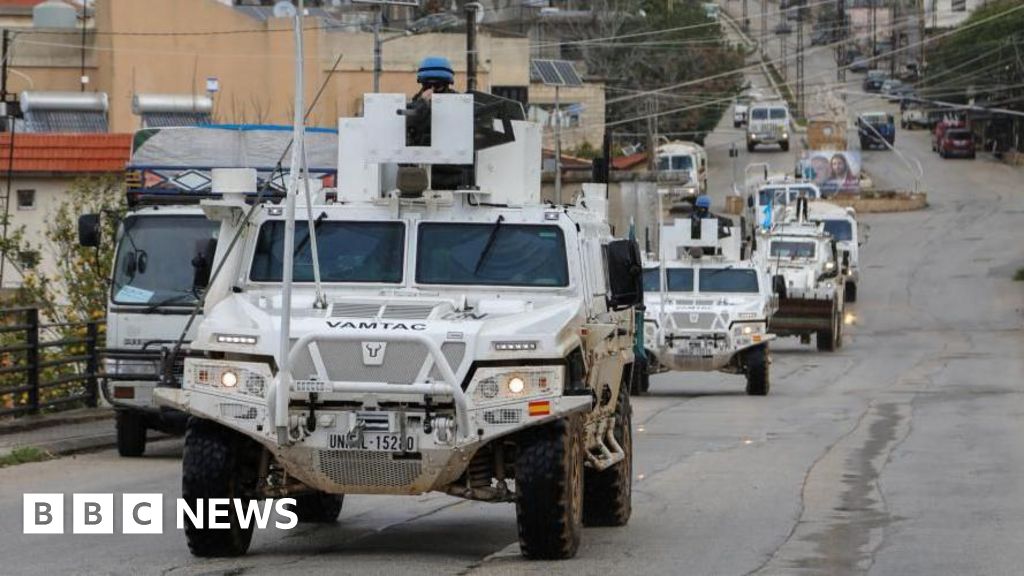
In a tragic escalation that underscores the volatility of Middle Eastern geopolitics, two Indonesian nationals lost their lives in Lebanon less than a day after another Indonesian UN peacekeeper was killed in the region. This series of events has sent shockwaves through international security corridors, raising urgent questions about the safety of peacekeeping missions and the stability of Lebanon’s fragile political environment.

The deaths arrive amid a complex backdrop of regional tensions where multiple factions vying for influence continue to destabilize Lebanon. Historically, Lebanon has served as a battleground for external and internal conflicts, often influenced by broader powers such as Iran, Israel, and Turkey. The recent fatalities seem to amplify a concerning pattern of violence that threatens to derail diplomatic efforts aimed at restoring order. Analysts from the International Crisis Group argue that these incidents are a stark reminder of the risks faced by UN peacekeepers operating in a highly unpredictable environment, where local factions rarely shy away from lethal retaliation.

Global institutions such as the United Nations have repeatedly called for increased safety measures and clearer rules of engagement, yet the recurring losses expose loopholes in current strategies. Some veteran diplomats and military analysts warn that the current approach may be insufficient to deter or prevent attacks, urging a reassessment of international peacekeeping policies. The death toll among peacekeepers is not merely a tragic loss but also a symbol of how the decision to deploy forces into conflict zones involves weighing political resilience against human costs, a calculation that remains perilous. From a geopolitical standpoint, the incident underscores how regional conflicts ripple beyond borders, affecting international peace and security.

Over recent years, historians and geopolitical commentators have analyzed Lebanon’s plight as emblematic of a wider systemic decline in Middle Eastern stability. Dr. Alice Perkins, a renowned scholar in Middle Eastern politics, remarks that “the deaths of these peacekeepers are both a symptom and a catalyst—highlighting the perilous state of regional diplomacy and the consequences of external power struggles.” Underlying these tragedies is a complex web of alliances and hostilities that continually undermine efforts to establish sustainable peace. The death of these peacekeepers also resonates as a cautionary tale for nations invested in maintaining order—reminding global actors that intervention carries inherent risks, especially when local factions operate with impunity.

As the international community grapples with these fresh tragedies, the question remains: how can peace be achieved in a region where violence seems cyclical and deeply rooted in history? The deaths of the Indonesian peacekeepers reflect not only on Lebanon’s ongoing instability but also on the broader geopolitical dance involving regional and global powers. History may look back on this moment as a turning point—either as a catalyst for renewed diplomatic efforts or as a harbinger of prolonged chaos—yet the scores of history are yet to be written, and the stakes could not be higher.

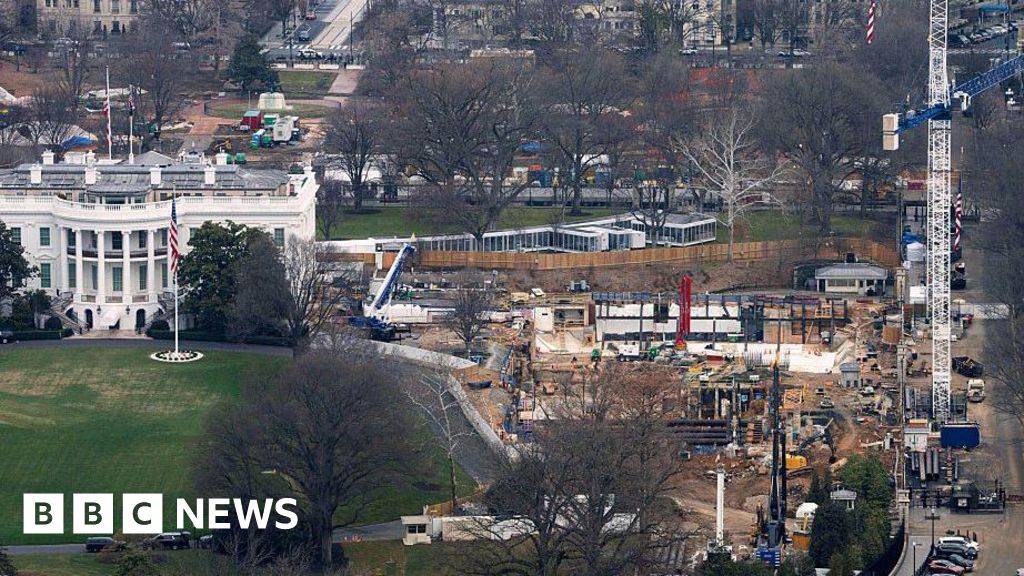
Judge blocks Trump’s White House ballroom construction in setback for the project

In a landmark decision that underscores the ongoing tensions within the U.S. legal and political systems, a Republican-appointed judge recently issued a ruling delineating the distinction between leadership and ownership of the White House. The court asserted that former President Donald Trump was to be regarded as the “steward” rather than the “owner” of executive authority, emphasizing the separation of personal influence from institutional governance. This decision marks a renewed chapter in the battle over executive power and accountability, echoing debates that resonate across democracies worldwide.

The ruling, while seemingly confined to domestic jurisprudence, sends ripples through the international arena. It signals a broader recognition of the limits of executive privilege and accountability measures—topics scrutinized heavily by transnational organizations like the United Nations and European Union. As global analysts interpret this court decision, many argue that it highlights the importance of institutional integrity over individual political ambitions, especially in a geopolitical climate simmering with uprisings, authoritarian incursions, and fragile democracies. Such judicial clarifications could influence how other nations interpret the balance of power, especially those with institutions strained by political polarization.

Historian and political analyst Dr. Samuel Hart points out that this ruling could act as a precedent in international legal practices. “It reaffirms the notion that no leader, regardless of their influence or electoral mandate, should hold unchecked power,” Hart notes. “In an era where power vacuums and populist movements threaten to overturn established norms, reaffirming the rule of law becomes vital for maintaining stability and democratic legitimacy,” he adds. Such perspectives underscore the geopolitical impact of the ruling—potentially prompting other nations to revisit their own legal frameworks concerning executive authority and checks and balances.

  • The ruling emphasizes that even influential leaders must operate within institutional constraints, which may influence international diplomatic dynamics.
  • Global institutions are expected to scrutinize national actions more carefully, especially in countries with authoritarian tendencies.
  • Shifts in legal narratives could embolden reformers worldwide seeking stronger rule-of-law frameworks, thereby shaping future governance models.

As South Asian, African, and Latin American nations observe the unfolding developments, the underlying lesson remains clear: the corridors of power must be scrutinized, and accountability enforced. The decision’s implications reach beyond American borders, stirring debates about sovereignty, civil liberties, and the nature of leadership. The weight of history continues to press down on this era of tumult, where the boundaries of authority are being tested and redefined. The question remains: how will the international community respond as the blade of justice swings, carving a new shape for the future of governance?

Israel vows to hold onto southern Lebanon amid ongoing tensions

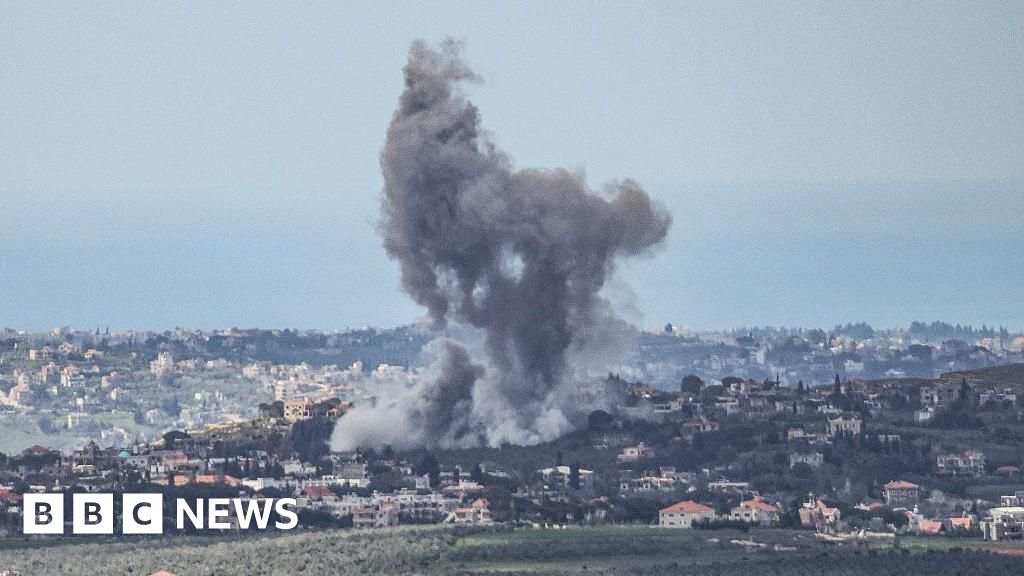
In a provocative move that has sent shockwaves through the Middle East, Israel’s Defence Minister Israel Katz announced plans to demolish homes in Lebanese villages situated near the Israeli border. This statement underscores a deepening of hostilities amidst a fraught regional landscape, where longstanding conflicts threaten to ignite broader regional instability. The decision, rooted in concerns over security threats emanating from southern Lebanon, reveals a gravely tense environment that has persisted for decades—yet now edges closer to a potential flashpoint.

Analysts and international observers have begun examining the geopolitical impact of Israel’s latest assertion. The region remains defined by complex alliances, with Hezbollah—Lebanon’s armed faction—serving as a key proxy for Iran and contributing to the proximity of conflict. Many experts suggest that Israel’s move to demolish Lebanese homes could escalate violence, prompting retaliation or preemptive actions from Hezbollah, which perceives such measures as existential threats. This shift in policy marks a significant escalation in Israel’s perceived security posture in its northern front, intensifying fears of a renewed conflict that could spiral beyond control.

  • The decision to destroy homes has been met with widespread condemnation from Lebanese authorities, who argue it exacerbates already fragile political and social tensions within Lebanon.
  • Regional powers such as Egypt and Saudi Arabia have called for restraint, emphasizing the importance of dialogue over military escalation to prevent further destabilization.
  • International organizations—particularly the United Nations—have issued cautious statements, urging both sides to avoid actions that could provoke a broader conflict and calling for diplomatic solutions to longstanding border disagreements.

Historian and geopolitical analyst Dr. Emily Carter remarks that such aggressive tactics by Israel are rooted in a decades-long security dilemma, but warn they risk undermining diplomatic momentum in a region desperately in need of stability. The United Nations and other global institutions recognize the implications: a flare-up in the north could lead to a resurgence of violence across borders, affecting millions of lives from Tel Aviv to Beirut. This is precisely what some cautioned against as the region teeters on a precipice; unilateral actions, no matter how justified they seem in the short term, threaten to spiral into years of chaos.

As history has repeatedly demonstrated, decisions made in moments of high tension leave lasting marks on the geopolitical landscape. The statement from Israel’s Defense Minister functions not only as a stark warning to Lebanon but as a signpost for a regional world that remains dangerously unpredictable. Where once diplomatic channels promised peace, the conflict over borders and sovereignty now looms larger than ever. The next chapter remains unwritten, but the echoes of such decisions will resonate through history—reminding us that in this volatile region, the line between diplomacy and destruction is perilously thin.

Unilever strikes $44.8bn deal to merge food division with McCormick, reshaping the snack battlefront

Global Food Industry Shake-up: Unilever and McCormick’s Strategic Merger

The international landscape of consumer goods is witnessing yet another pivotal shift as Unilever, a historic titan in the sectors of beauty, personal care, and home products, embarks on a transformative journey by divesting its food division to US-based McCormick. This $44.8 billion deal marks a definitive change from nearly a century of unilever’s focus on broad consumer markets, signaling a deliberate repositioning aimed at sharpening its focus on high-growth sectors such as beauty and personal care. Analysts attribute this to strategic moves within the constraints of geopolitical uncertainties and shifting consumer preferences, emphasizing the importance of international agility in a rapidly evolving global economy.

The merger creates a formidable global flavour powerhouse, combining brands that dominate kitchens worldwide — from Knorr and Pot Noodle to McCormick’s French’s mustard, Cholula hot sauce, and Old Bay seasoning. According to leading economists and industry analysts, this consolidation is more than a corporate reorganization; it is a calculated geopolitical maneuver with tangible ramifications. The control of sprawling food brands spanning multiple continents could influence supply chains, pricing structures, and even national agricultural policies. While McCormick retains its headquarters in the US, the new entity will maintain a significant international presence through Unilever’s existing Dutch base, illustrating the ongoing trend toward corporate decentralization in global markets.

However, this strategic alignment comes with notable **geopolitical implications**. The divestment excludes parts of Unilever’s operations in India and renowned brands such as Horlicks and Boost, underscoring the company’s focus on core markets while signaling an exit from some of the most dynamic and rapidly growing economies. Moreover, the decline in stock prices—Unilever falling 7% and McCormick 5.6%—amid concerns over job security and integration complexities, highlights the risks embedded in such international consolidations. As historians like John Meehan and analysts emphasize, it showcases how **decisions made in boardrooms** can ripple through the geopolitical fabric, affecting employment, local economies, and forms of international cooperation or rivalry.

This amalgamation also signifies a transformative strategy, with Unilever shedding several sectors—ranging from spreads and teas to plant-based meats—to focus on its core personal care and home products. This deliberate shift reflects what some international strategists label as “a move to unlock trapped value”. Still, critics argue that reducing economies of scale could undermine efficiency, provoking a reevaluation of global trade dynamics. The fallout—potential job cuts, changing manufacturing hubs, and the reshaping of supply chains—may serve as a warning for other multinational corporations navigating geopolitical waters increasingly fraught with uncertainties. As the world watches, the decisions of these corporate giants will inevitably impact countless societies, shaping the very structure of consumer culture in the years ahead.

As history continues to unfold under the weight of new alliances and shifting economic power, the global community remains on edge. The marriage of food giants—with all its promise of innovation and efficiency—also exposes vulnerabilities rooted in geopolitical tensions and economic upheavals. From Europe to North America and Asia, the intricate web of corporate interests and national sovereignty teeters on a knife’s edge, making it clear that the forces shaping today’s food industry are also shaping the future stability and order of the international system. The next chapter is unwritten, but the echoes of this historic merger will resonate for generations to come, leaving society to grapple with questions of power, influence, and the true cost of globalization.

Wolf bites woman in shocking Hamburg assault amid growing wildlife concerns

In a startling development that underscores the evolving landscape of Europe’s natural ecosystems, Germany has recorded what is believed to be the first wolf attack on a human in decades. This incident marks a significant milestone in the ongoing reestablishment of wolves within the region, a process that has garnered both ecological praise and societal concern. Experts, including leading conservationists and historians, note that the resurgence of this apex predator signals profound shifts in Germany’s ecological balance—shifts that carry implications well beyond conservation corridors into the geopolitical arena.

The return of wolves to parts of Germany is a direct consequence of broad environmental policies aimed at restoring natural habitats and promoting biodiversity. Since the early 2000s, European nations have partly embraced an ecosystem-based approach, allowing predator populations to recover naturally after centuries of eradication. As documented by international organizations such as the European Environment Agency, this strategic shift aims to foster healthier ecosystems; however, it also introduces contemporary challenges for local communities. The recent wolf attack, believed to be the first of its kind in Germany, is being scrutinized as a possible harbinger of increased human-wildlife interactions—interactions that could redefine the safety and safety policies in rural and suburban regions.

This incident notably echoes similar patterns across Europe, where the reintroduction of predators like the European grey wolf has ignited tensions among farmers, conservationists, and policymakers. Analysts from the International Wildlife Conservation Society suggest that such events may accelerate debates regarding the balance between ecological restoration and societal safety. As the German government and neighboring countries grapple with these realities, the overarching concern pivots around the geopolitical impact—how ecological decisions ripple outward to influence policy, security, and societal cohesion. Decisions driven by international treaties and conservation commitments are now intersecting with local realities, forcing policymakers to navigate a complex web of ecological integrity versus human safety.

Reflecting on history, some scholars argue that this moment echoes the broader pattern of nature reclaiming its territory—a movement that can be simultaneously inspiring and disruptive. Historian Dr. Hans Meier notes that “this event signifies not just a biological resurgence but a turning point in how nations respond to ecological change.” As Germany and its European neighbors reevaluate their strategies, the ongoing debate underscores a larger truth: the delicate equilibrium between human ambitions and the relentless force of nature. The wolf’s return serves as a potent reminder that choices made today about conservation, territorial sovereignty, and international cooperation will shape the fabric of society for generations to come.

As the world watches from afar, the unfolding story of ecological rebirth—the return of the wolf—becomes a chapter in the greater narrative of global environmental transformation. Yet, the current incident in Germany stands as a stark warning: the boundary between civilization and wilderness is neither fixed nor inviolable. The true weight of history is still being written, leaving humanity standing at the cusp of a new chapter where the past’s lessons and future’s fears intertwine in an uncertain dance.

Israeli Law Targets Palestinian Attackers with Death Penalty

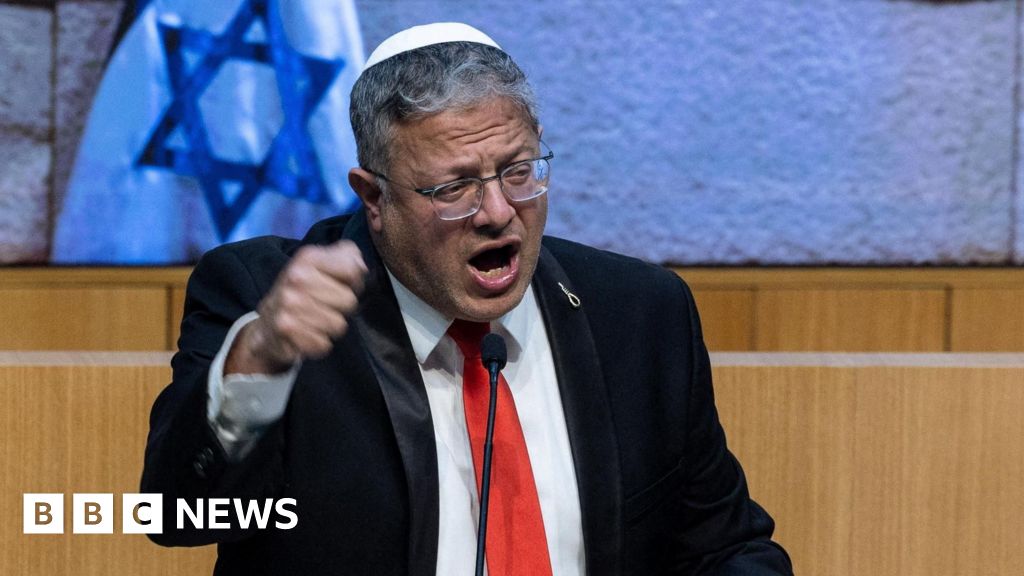
In an era marked by persistent conflict and geopolitical shifts, Israel remains at the forefront of international concern, as its internal political debates and security policies continue to influence its relationships with neighboring nations and global allies. Recently, a poignant case surfaced within Israel’s contentious legal and security framework, illustrating how domestic decisions ripple outward to affect regional stability and international diplomacy. Limor Son-Har-Melech, a member of Ben-Gvir’s party, survived a brutal attack by Palestinian gunmen in which her husband was tragically killed, exemplifying the profound personal toll of ongoing violence.

Son-Har-Melech’s argument for the necessity of stringent security laws underscores a troubling pattern—one that has attracted widespread international attention and criticism from human rights organizations. She cited the fate of her husband’s killer, who was released and later participated in the 7 October 2023 attacks on Israel. This sequence of events exemplifies a deeper, systemic issue: the perceived failures of legal and diplomatic frameworks to effectively contain or rehabilitate threats originating from the Palestinian territories. Such incidents fuel the narrative pushed by right-wing factions within Israel that advocate for tough security measures and assert that current policies are crucial for national survival. Meanwhile, critics argue these measures risk further alienating Palestinian populations and jeopardizing any hope of a lasting peace, illustrating the complex domestic debate over justice versus security.

The geopolitical impact of these internal debates extends beyond Israeli borders. Countries like the United States and European Union closely monitor Israel’s approach, as the stability or instability of its internal politics directly influences regional dynamics. Analysts warn that escalating security measures, or alternatively, a perceived capitulation to violence, could destabilize neighboring states or trigger broader conflicts. International organizations such as the UN have long called for renewed negotiations and adherence to international law, yet the cycle of violence persists, complicating diplomatic efforts and emboldening extremist factions both within and outside Israel.

Historians and geopolitical analysts emphasize that each decision made by Israel’s government not only shapes its own society but also signals to the world whether it chooses a path of resilience or retreat. The recent case of Son-Har-Melech’s detention and the subsequent release of her husband’s killer exemplifies how internal security policies are intertwined with international perceptions. How Israel handles such incidents will decisively influence future negotiations, peace initiatives, and its standing on the global stage. As global powers watch and weigh their responses, the question remains whether Israel will continue down a path of confrontation or seek a strategic shift toward dialogue. The unfolding story of internal advocacy, security dilemmas, and international pressures leaves the world on the edge of a profound turning point—one where the weight of history looms large, and the fate of future generations hangs in the balance.

Minister hints at support package as energy prices expected to climb in July—UK Politics Update

As the 21st century unfolds, geopolitical landscapes are rapidly transforming, driven by pivotal decisions that redefine alliances, influence societies, and shift global power dynamics. Recent developments highlight an international stage where traditional alignments are being challenged, and emerging powers are asserting new claims—most notably through strategic energy policies and diplomatic realignments. The significance of these shifts is not only in their immediate geopolitical impact but also in how they resonate across economies and societies, setting the stage for future conflicts and cooperation.

One of the most striking indicators of this transformation is the ongoing energy policy debate that echoes across Western and Eastern nations alike. The recent forecast by Cornwall Insight predicts an 18% rise in the energy price cap for UK households in July, indicating a looming escalation in domestic energy costs. This increase—anticipated to reach £1,929—comes amidst growing tensions over energy security and resource dependence. As analyst Craig Lowrey underscores, “how high prices go remains uncertain,” but the timing provides a temporary relief, given the reduction of demand during summer. Yet, the very debate reveals deeper geopolitical undercurrents, where control over energy supplies and access to resources are at the core of national security strategies, especially as regional conflicts threaten supply lines and increase volatility.

Alongside energy conflicts, diplomatic measures are reshaping international alliances. The UK’s decision to review its internal security policies, such as instructing police to cease recording non-crime hate incidents, illustrates a broader trend of governments recalibrating their social policies amid geopolitical pressures. The move, justified by the Home Office as a means to streamline police focus, sparks a debate about balancing societal cohesion with security interests. Empowered by recent reviews from Police Chiefs and policy analysts, this shift could influence how societies respond to internal threats, possibly reflecting a broader move by states to prioritize domestic security over social liberalization—an approach that aligns with a global pattern of assertive national sovereignty.

Priority shifts extend to the internal political arena as well. Keir Starmer chairs a Cobra emergency committee amid escalating tensions over the Iran war. Simultaneously, the Labour leader confronts a critical strike threat from resident doctors, with Prime Minister Rishi Sunak threatening to withdraw NHS training offers within a tight 48-hour window. Such domestic challenges underscore the intertwined nature of global and national crises, where foreign conflicts and economic stability directly impact social cohesion, workforce morale, and public trust. Experts warn that these decisions—particularly in healthcare and national security—can have long-term consequences, influencing societal attitudes and the stability of policy frameworks.

Global repercussions ripple through these domestic and diplomatic shifts, shaping a new international order where cooperation is often overshadowed by strategic competition. International organizations voice concern over the unpredictable energy market and the mounting internal tensions within and between nations. Historians like **Paul Kennedy** highlight that “the current era resembles past moments when resource scarcities and strategic rivalries precipitated prolonged conflicts.” As nations navigate a complex web of alliances, disputes, and internal challenges, the balance of power remains fragile. The unfolding narrative suggests that the decisions taken today—be it energy policies, security reforms, or diplomatic engagements—will not only determine geopolitical trajectories but also define the societal fabric of future generations.

In the shadow of these profound shifts, the world teeters on a precipice where the weight of history presses down. Every treaty, policy amendment, and diplomatic handshake becomes a chapter in a larger story—one of resilience, rivalry, and the persistent pursuit of national sovereignty amidst a volatile tapestry of global change. As history continues to be written, the question remains: which nations will emerge as the true architects of the future, and which will become mere footnotes in the ongoing saga of international power?

Social Media Auto Publish Powered By : XYZScripts.com