Matox News

Truth Over Trends, always!

Benin coup attempt against President Talon stopped by loyal troops, says minister

Emerging Turmoil in Benin: A Mayhem for Stability in West Africa

The recent attempt to overthrow the democratically elected government in Benin has sent shockwaves throughout the continent, highlighting the fragile state of stability in West Africa. In a series of alarming events early Sunday, members of the Beninese armed forces broadcasted on national television that they had ousted President Patrice Talon, a leader who has long been regarded as a pragmatist with deep ties to the West. Eyewitnesses reported gunfire and confirmed that state broadcasters had been taken hostage, stirring fears of a wider regional destabilization amid ongoing upheavals across the Sahel region — a hotbed of jihadist insurgency and political volatility. Despite the swift response from loyalist forces, with the military reportedly arresting 14 individuals involved in the coup attempt and deploying helicopters across Cotonou, the incident underscores how the security fabric in West Africa remains dangerously thin.

Historically a bastion of relative stability, Benin has enjoyed a reputation as one of Africa’s more democratic nations—although recent political developments have cast a shadow over this status. President Talon, a wealthy businessman dubbed the “king of cotton,” has prioritized economic reforms and infrastructure development since his assumption of power in 2016. Nevertheless, critics accuse him of suppression of dissent, and his government’s handling of opposition has prompted internal unrest. A constitutional amendment passed last month, which extended parliamentary terms from five to seven years without altering presidential term limits, has further eroded faith in the democratic process. Analysts warn that these moves, coupled with allegations of electoral suppression, are fueling discontent and destabilizing democratic institutions from within.

Amid this turmoil, the regional context cannot be ignored. In recent years, West Africa has witnessed a surge of coups in countries such as Mali, Niger, Guinea, and Burkina Faso. Driven by insurgencies linked to Islamic State and al-Qaeda affiliates, these destabilizations have strained security forces and compounded political crises. Russia’s growing influence across the Sahel adds another complex layer, with Burkina Faso, Mali, and Niger forming the Alliance of Sahel States — a regional bloc that challenges Western-led stability efforts. These developments have been met with condemnation from organizations like Ecowas and the African Union, both emphasizing their ‘zero tolerance’ stance on unconstitutional changes. Yet, some observers suggest that regional powers and external actors may be inadvertently fueling unrest, as rival geopolitical interests clash on African soil.

The geopolitical impact of these events extends well beyond borders. As countries grapple with internal divisions and external influences, the future of democracy, security, and economic growth in West Africa hangs in the balance. The crisis in Benin serves as a stark reminder that the region’s stability is fragile and that every decision made today could shape the course of history for decades to come. With international actors watching anxiously, the unfolding stories of courage, conflict, and resilience will determine whether this moment marks a breakthrough toward regional stability or a tragic descent into chaos, leaving behind a legacy defined by uncertainty and upheaval.

As history’s pages continue to turn, the question remains: will the forces of destabilization or those of democracy prevail in the heart of Africa? The answer, like the region itself, is still being written—and the world holds its breath.

Iran arrests marathon organizers over women running unveiled

In a stark display of Iran’s ongoing internal struggles over religious conformity and societal control, recent actions by judicial authorities highlight the fragile balance the regime seeks to maintain amid mounting pressure from conservative factions. The arrest of two organizers involved in a marathon on Kish Island, after images surfaced showing women participating without hijabs, serves as both a political signal and a reminder of the strict Islamic regulations that continue to define public life in Iran. This event, seemingly routine on the surface, underscores a broader struggle over control, identity, and the country’s future direction—a struggle with profound geopolitical implications.

The involvement of Iranian authorities in cracking down on this event reflects ongoing tensions within the regime itself. The arrest of officials from both the Kish free zone and the private event organizers illustrates the regime’s attempt to enforce religious laws amid increasing criticism not only from ultraconservatives but also from segments of society demanding greater liberties. This crackdown occurs just months after the tragic death of Mahsa Amini, which ignited widespread protests and exposed the deep divisions over the country’s strict dress codes and authoritarian rule. Analysts warn that such internal conflicts threaten to destabilize the regime further, with international observers watching keenly as Iran’s internal governance becomes more volatile.

  • Authorities cite violations of “public decency” and the need to uphold religious laws, emphasizing the regime’s unyielding stance against non-conformity.
  • Conservative media outlets condemned the marathon, framing it as a breach of Islamic morality, thus amplifying internal ideological battles.
  • Recently, many lawmakers voiced discontent over the judiciary’s perceived failure to strictly enforce hijab laws, prompting calls for tighter regulation and penalties from top government officials.

The geopolitical impact extends beyond the borders of Iran. Every act of internal repression, especially concerning social and religious freedoms, signals to the outside world that the regime remains deeply committed to ideological conservatism. This stance risks isolating the nation further from Western nations and complicating diplomatic negotiations over Iran’s nuclear program, regional influence, and economic sanctions. Global institutions and Western allies have long argued that Iran’s domestic policies threaten regional stability and human rights — this recent incident accentuates those concerns.

Experts like Middle Eastern analysts warn that Iran’s internal crackdowns coincide with increased regional instability, as conservative factions seek to rally nationalist sentiments around Islamic values. The regime’s resistance to ratify legislation that would impose harsher penalties for dress code violations signals a balancing act — trying to satisfy ultraconservative factions while avoiding further unrest. Ultimately, these clandestine battles over societal norms reveal a regime deeply divided, fighting to preserve its ideological bedrock in a changing world. As history continues to unfold, every arrest, every crackdown echoes beyond its borders, signaling a country caught between the suppressive forces of the past and a future that may demand profound transformation. The question remains whether Iran’s internal strife will catalyze reform — or plunge the nation into deeper chaos, with consequences reverberating across the Middle East and beyond.

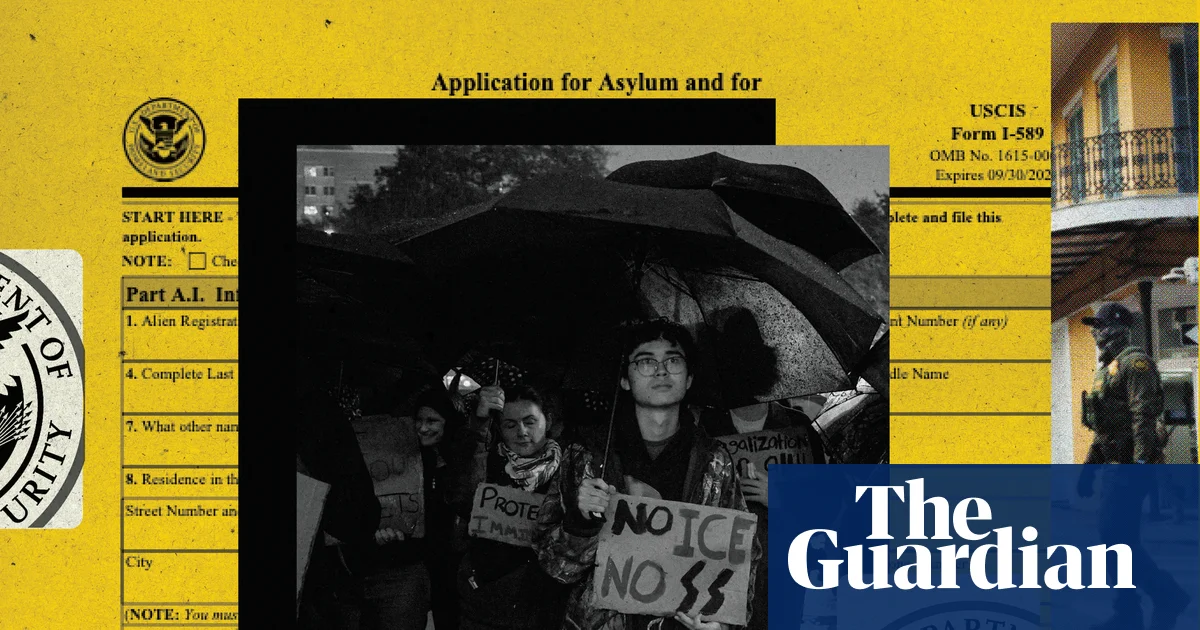
Trump vows to close America’s doors, mocks immigrants in bold stance on immigration

In a startling turn of geopolitical significance, recent events in the United States signal a dangerous escalation of racially charged rhetoric and anti-immigrant policies under Donald Trump’s ongoing presidency. The attack on two West Virginia national guards outside the Farragut West metro station near the White House was manipulated by the administration as a turning point, fueling a wave of discriminatory policies that threaten the social fabric of the nation. With the tragic death of Sarah Beckstrom and the critical wounding of Andrew Wolfe, the incident exposed both the vulnerabilities in the nation’s security apparatus and an alarming shift towards openly racist discourse. America’s leadership responded not with statements of unity or grief, but by focusing on the suspect’s immigrant background, specifically highlighting Rahmanullah Lakanwal, an Afghan refugee once affiliated with a CIA-linked Afghan force, who had been granted asylum after a thorough vetting process.

However, the real crisis lies beyond individual tragedies, as Trump and his allies intensify efforts to curtail immigration and target entire communities based on their ethnicity or country of origin. On the day after Thanksgiving, the president issued a stark decree to halt migration from all Third World Countries, accompanied by vows to denaturalize U.S. citizens and deport foreigners deemed incompatible with Western ideals. The unprecedented crackdown was justified with baseless fears of “failed states” crossing borders and recreating the chaos of their homelands, as Stephen Miller, a key architect of the policies, emphasized that migrants and their descendants carry the “conditions of their broken homelands” with them—a sentiment echoing some of the most historic racist rhetoric of the early 21st century. Such policies threaten to dismantle the very foundations of America’s tradition as a land of opportunity, with analysts warning that these measures could lead to mass deportations, discrimination, and the erosion of civil liberties for those from diverse ethnic backgrounds.

The geopolitical impact of these policies cannot be overstated. Targeting communities such as Somalis in Minnesota exemplifies the process of racializing immigration to galvanize political support, but it also frays international relations and undermines America’s moral standing. Leaders like Governor Tim Walz and members of Congress, such as Ilhan Omar, have been publicly insulted and marginalized, fueling societal division and xenophobia. Meanwhile, aggressive enforcement actions led by ICE have targeted cities like New Orleans and the Twin Cities, with officials announcing plans to arrest thousands of undocumented individuals—some of whom have been integral to local communities and economies. The declaration of a full travel ban on 32 countries announced by Kristi Noem further exemplifies this escalation, evoking memories of past bans condemned as unjust and illegal by legal experts such as Amanda Frost.

As these actions unfold, international organizations and analysts are cautioning that these policies could herald a new chapter of global instability, heightened racial tensions, and humanitarian crises. The United Nations and various human rights voices warn that the erosion of America’s commitment to asylum and legal immigration processes may serve as a precedent for other nations to follow, undermining decades of progress in international human rights standards. The meticulous balance of laws, human decency, and sovereignty now hangs precariously in the shadows of what could become one of the most contentious eras in American history.

This new wave of racial nationalism and authoritarian enforcement could very well set the stage for a future where the past’s darkest nightmares are realized on American soil. The fate of millions of foreign-born residents, refugees, and citizens alike remains uncertain, as a nation once lauded for its openness teeters on the edge of a new dark age—where the echoes of history’s worst chapters threaten to rewrite the American story itself, and the weight of these unfolding events serves as a stark reminder that the struggle for a truly just society is far from over. The pages of history continue to turn, and only time will reveal whether this chapter leads to renewal or the dawn of a new, divided era.

Man detained after Heathrow crowd reportedly assaulted with pepper spray, authorities say

In a stark reminder of growing security vulnerabilities within vital global hubs, Heathrow Airport experienced a disturbing incident this morning involving an assault with what authorities described as a weaponized spray, akin to pepper spray. The incident, which unfolded in the bustling terminal 3 car park, underscores broader concerns about public safety in one of the world’s busiest international gateways. Despite swift police response, the event raises questions about how such disruptions could escalate in an environment where security is paramount for both national sovereignty and economic vitality.

The Metropolitan Police reported that armed officers arrived at approximately 8:11 a.m., responding to multiple reports of assault. A group of men, believed to be known to each other, allegedly used a chemical spray on several victims before fleeing the scene. The immediate response led to the arrest of one individual on suspicion of assault, while authorities continue to pursue additional suspects. The incident’s details suggest an escalated argument, possibly reflecting underlying tensions that, if left unaddressed, could manifest in more severe forms of violence at international points of contact—areas where security is not just about prevention but about safeguarding sovereignty against asymmetric threats.

While the injuries were reportedly not life-threatening, the incident’s implications extend far beyond the individual victims. Security analysts warn that such attacks at major infrastructure sites are emblematic of evolving threats that challenge the posture of border and airport security. International organizations and national governments are increasingly attentive to these vulnerabilities, driven by the reality that in today’s interconnected world, even a small-scale attack can have disproportionate repercussions, shaking public confidence in international travel and economic stability. Moreover, as global tensions heighten, adversaries and terror groups may view crowded, high-profile sites like Heathrow as viable targets for disruptive action.

The incident has set off a wave of discussions among geopolitical experts regarding the importance of strengthening security protocols, especially in the face of *relative geopolitical shifts* that threaten global stability. U.S. and European nations continue to navigate a complex web of threats—ranging from terrorism to organized crime—requiring a concerted, international response. Analysts from organizations such as the International Security Council underscore the necessity for *innovative security measures* like integrated surveillance, intelligence-sharing, and targeted operations to preempt future incidents. It is a stark reminder that our interconnected world offers fewer safe spaces from those willing to exploit weaknesses for disruptive ends.

As history unfolds in the shadow of escalating global tensions, the Heathrow incident could be seen as a microcosm of the wider challenges nations face—balancing openness with resilience. Decisions made today on security posture, international cooperation, and societal cohesion will influence how societies withstand future upheavals. The weight of history persists, and with it comes the sobering realization that the landscape of security is ever-shifting, demanding vigilance and decisive action. In this delicate hour, where everyday safety hinges on choices made at the highest levels, the future remains an unwritten chapter—one that could either deepen divides or forge stronger resilience in the face of uncertainty.

BBC reports tragedy at Goa nightclub blaze—youths caught in deadly fire

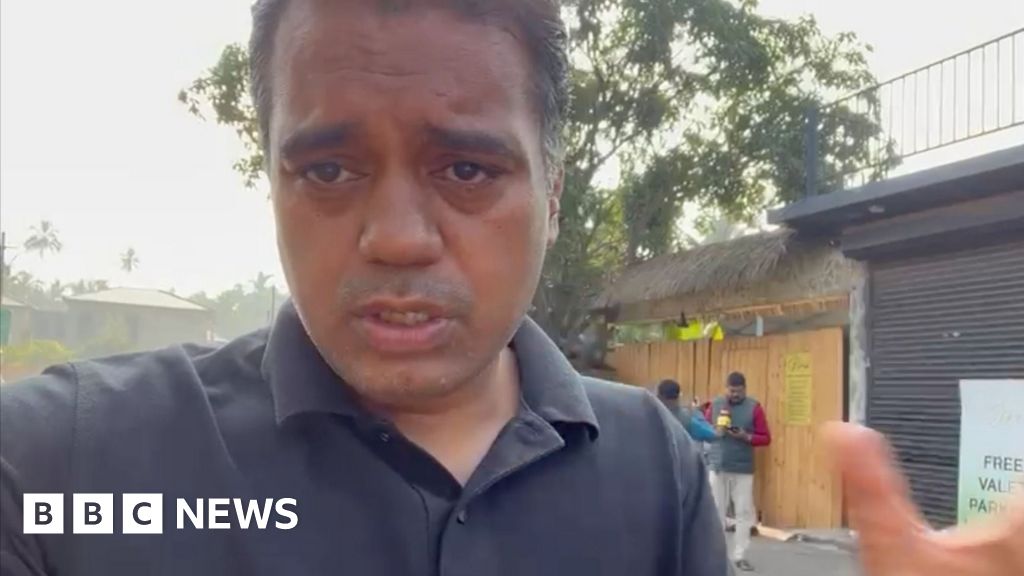
The devastating fire at the nightclub Birch in Goa, India, which claimed the lives of 25 individuals, including staff and tourists, has sent shockwaves across both local communities and the international community. As authorities launch investigations into the cause of the blaze, this tragedy emphasizes the persistent dangers faced by social venues worldwide, especially in countries where regulatory oversights may be insufficient.

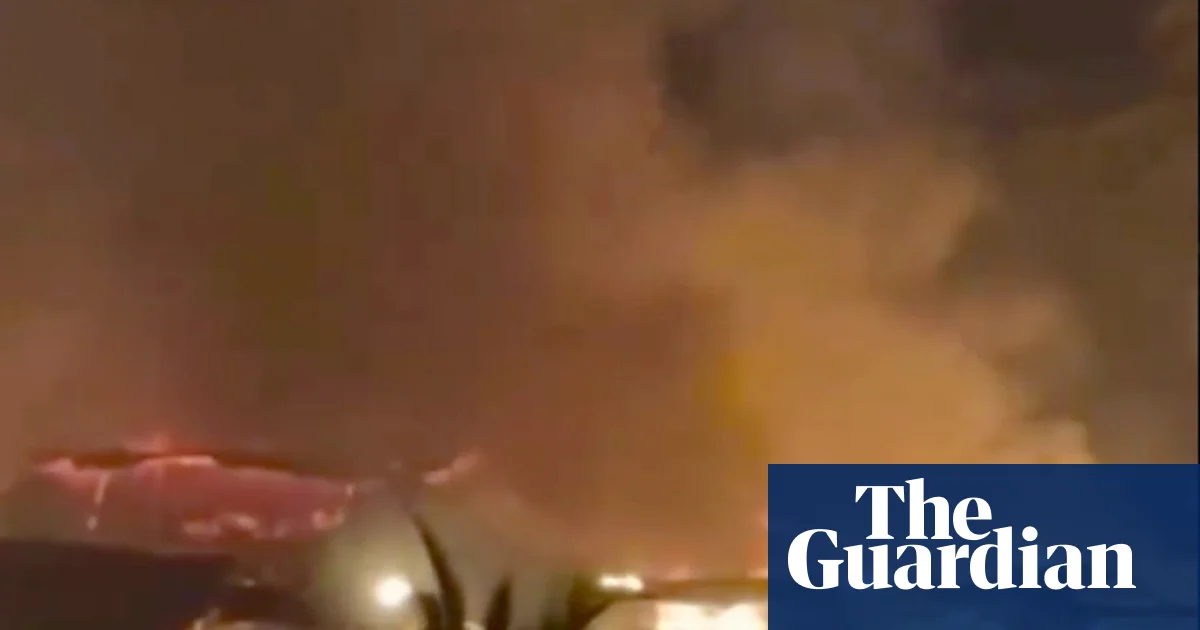
The incident unfolded when witnesses described the nightclub being engulfed in what one eyewitness called a “complete fireball,” suggesting a rapid and catastrophic spread of flames. The BBC’s India Editor Vikas Pandey’s visit to the scene illuminated the extent of the destruction, prompting urgent discussions about safety standards in popular tourist destinations. Fire safety lapses, poor infrastructure, and inadequate emergency response protocols have become recurring themes in such disasters, prompting international analysts to caution against complacency. Global institutions such as the World Health Organization and UNEP have long warned that lax safety regulations in developing nations not only threaten lives but also tarnish their reputations on the tourism and investment fronts.

While investigations continue, the geopolitical impact of such incidents cascades beyond India’s borders. Countries heavily dependent on tourism, like Thailand and Mexico, watch these events with concern, recognizing the fragile balance of economic reliance on safety and hospitality standards. Decisions regarding regulation enforcement and safety investment directly influence how tourists perceive risks, ultimately affecting international travel flows. Moreover, this tragedy compounds existing narratives about safety in emerging markets—narratives that are often exploited by political actors aiming to undermine confidence or push for reforms. How nations respond to such crises can determine their future standing on the world stage.

Analysts and historians stress that history repeatedly demonstrates how failures in public safety often serve as catalysts for systemic policy shifts. In India, this incident could become a pivotal moment, accelerating reforms in safety standards for entertainment venues nationwide. Such reforms, however, carry their own political and economic implications, potentially imposing burdens on local businesses and shaping regulatory landscapes for years to come. The international community, through organizations like the International Labour Organization, emphasizes the importance of proactive measures—yet many developing nations grapple with implementing such policies amidst the pressures of tourism-driven growth. How governments prioritize safety and regulatory adherence reflects a broader question about their commitment to citizen and visitor security.

As the smoke clears over Goa and investigators sift through the charred remains of the nightclub, the true weight of this tragedy is yet to unfold. The loss of life serves as a stark reminder that beneath the allure of entertainment and relaxation, societal vulnerabilities remain. History’s pages are being written in real-time, and while nations strive to rebuild and reform, the shadow of this fire looms large—its echoes urging the international community to wake from complacency and remember that the margin for error in safety is razor-thin. This incident is a stark chapter in the ongoing saga of human resilience and societal responsibility, with the weight of history still unfolding.

First wild beaver in Norfolk in 400 years sparks curiosity and debate

England’s Rewilding Shift: Beavers Make Wild Return in Norfolk

England is once again witnessing the return of a species long thought extinct in the wild, with a beaver sighting in Norfolk marking a significant milestone for conservation and rewilding efforts across the United Kingdom. After nearly five centuries of eradication, the sighting of a lone beaver navigating the River Wensun near Pensthorpe exemplifies the ongoing transformations in Europe’s ecological landscape. This resurgence, while inspiring, raises critical questions about international environmental policy and the future of native ecosystems.

Historically, beavers were hunted to extinction in England by the early 1500s, primarily due to their valued fur and the perceived threat they posed to timber transportation. Now, their return signals a *potential turning point* in the European environmental movement, emphasizing the importance of native species revival. Since 2015, when a wild litter was first documented in Devon, efforts by organizations such as Natural England to facilitate beaver reintroduction have gained momentum. According to recent reports, the UK government is considering licensing more projects aimed at restoring these ecological engineers, with at least twenty applications pending from entities like the Wildlife Trusts. These decisions are not merely about individual species but about shaping a new chapter in European nature conservation.

Yet, the geopolitical impact of these ecological initiatives extends beyond the British Isles. With Scotland having formally permitted the movement and release of beavers since 2021, the broader European response hints at a continent increasingly embracing rewilding as a tool for environmental stability and climate resilience. These efforts have fervent supporters among environmentalists and scientists, who argue that beavers enhance biodiversity, improve water quality, and mitigate flooding — benefits sharply contrasting with the fears of land-use conflicts and economic interests. However, critics caution that such reintroductions must be carefully managed to protect agricultural interests and prevent unforeseen ecological shifts that could destabilize existing habitats.

International organizations, like the European Environment Agency, emphasize the importance of cooperation and scientific oversight in these initiatives. Meanwhile, the UK’s fragmented approach, with nations like England still cautiously advancing, underscores the complex dance between ecological restoration and socio-political realities. Historians such as Dr. Elizabeth Hall have noted that the return of a species like the beaver is not merely a biological event but a powerful symbol of human commitment to correcting past ecological mistakes. The recent sighting in Norfolk, possibly the product of natural dispersal or a controversial ‘beaver bombing,’ highlights ongoing debates about the legal and ethical frameworks surrounding rewilding.

As the British landscape begins to reclaim its lost species, the larger narrative unfolds with a sense of historical gravity. The moment the beaver was first seen in Norfolk may seem small, but it resonates as a *warning* — a sign of how far the world has come in recognizing the importance of partnerships between nature and humanity. Still, with each return comes increased responsibility. The future of this ecosystem, and perhaps others across the continent, now hinges on a delicate balance. As the pages of history turn, the question remains: will these efforts forge a sustainable path forward, or will they become another chapter of ecological hubris? One thing remains clear: the story of the beaver, once lost to the depths of history, is only just beginning to be written in the chronicles of European renewal.

Indonesia Floods Claim Over 900 Lives in Devastating Disaster

Disasters Strike Asia: A Wake-Up Call for Global Geopolitics

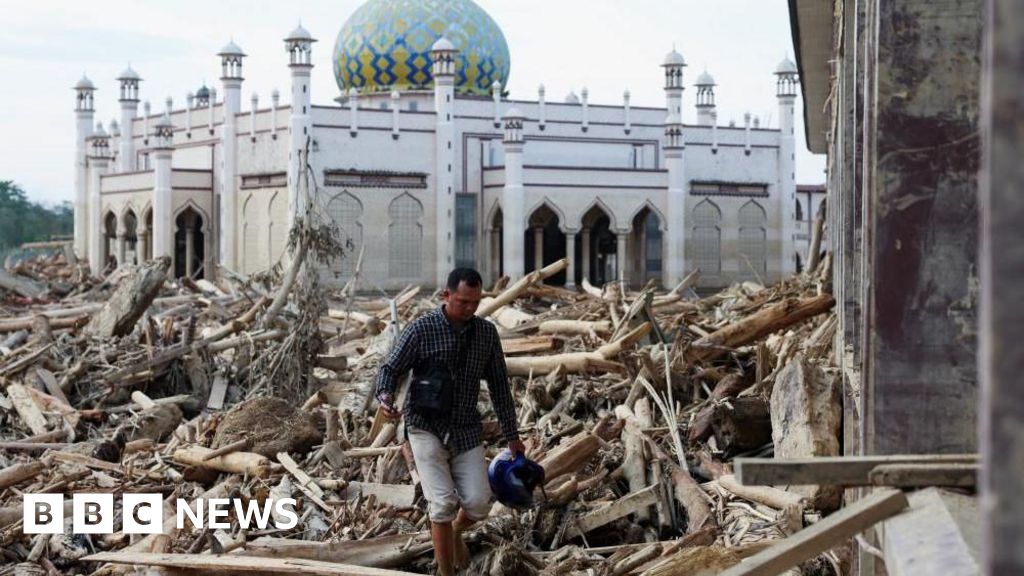
The recent surge of extreme weather events across Asia underscores a troubling development in the climate and geopolitical landscape. In Indonesia, catastrophic flooding resulting from a rare and powerful cyclone has claimed over 900 lives and left hundreds more missing. The devastation is compounded by the destruction of more than 100,000 homes, displacing thousands and overwhelming local authorities’ ability to respond effectively. As Indonesia grapples with this unprecedented calamity, the event highlights the tangible consequences of climate change, which global organizations warn could intensify in the coming decades, thereby destabilizing fragile infrastructures and societies.

The damage isn’t limited to Indonesia; neighboring countries such as Sri Lanka, Thailand, Malaysia, and Vietnam are also experiencing a surge in extreme weather, with cumulative death tolls nearing 2,000. Experts, including climatologists and geopolitical analysts, argue that these synchronized disasters expose vulnerabilities in regional cooperation and preparedness. The floods in Aceh Tamiang and other affected areas have revealed a stark reality: governments are often ill-equipped to handle natural crises of this magnitude. Rescue operations are ongoing, with aid being airdropped into inaccessible regions, illustrating a growing dependence on international assistance, yet also exposing deficiencies in domestic resilience.

The geopolitical impact of these events extends beyond immediate humanitarian concerns. As nations scramble to respond, questions of climate migration, resource scarcity, and internal stability loom large. Many have pointed to recent statements by international organizations warning that such disasters could exacerbate political tensions, particularly in nations with fragile governance structures. Furthermore, the crisis has laid bare the risks of looting and law enforcement challenges, highlighting vulnerabilities in the social fabric of affected societies. As the world watches Indonesia’s struggles unfold, the stakes for global stability escalate, raising the question of how prepared the international community is to address climate-induced crises at scale.

Moreover, some experts, including renowned historians and regional analysts, suggest that these disasters are not isolated incidents but rather harbingers of a new era—one where climate malleability will reshape geopolitical alliances and demands for urgent, coordinated action. The Indonesian floods serve as a stark reminder: how decisions made today regarding climate policy, resource allocation, and international cooperation will determine the future stability of nations and societies. With the nation’s infrastructure stretched thin and communities in ruins, the aftermath of this disaster could reverberate long into the future, affecting regional politics and economic stability for years to come. As aid workers navigate muddy, treacherous roads to reach survivors, the echoes of this historic event are a somber call to the world—these are not merely environmental crises, but battles for sovereignty, resilience, and survival in a rapidly changing world.

Tourists Among 23 Killed in Goa Nightclub Fire—A Tragic Blow to Our Tourism Sector

In recent years, the alarming frequency of destructive fires across India has become a stark reminder of the profound risks inherent in rapid urbanization and insufficient safety regulation. The tragic loss of at least 23 lives in a nightclub fire in Goa, a renowned tourist haven, underscores a troubling pattern with direct repercussions for national stability and international perception. While the immediate focus centers on the victims and emergency response, the broader geopolitical impact cannot be ignored, as such incidents reflect poorly on India’s ability to ensure the safety of its citizens and visitors, impacting foreign tourism and international confidence.

Historically, India has grappled with the challenge of enforcing rigorous building safety standards amidst a booming economy that often prioritizes quick development over quality control. Recent events, including a fire in Hyderabad resulting in 17 deaths, and a deadly blaze in Kolkata that claimed 15 lives, reveal systemic failures that span across urban planning and regulation enforcement. Prominent international organizations, such as the United Nations, warn that neglecting safety standards exacerbates vulnerability during emergencies, leading to increased fatalities and societal destabilization. Experts like Dr. Arun Malhotra, a prominent urban safety analyst, argue that these tragedies are largely preventable, given proper adherence to safety protocols. Yet, the persistent recurrence of such incidents underscores a deeper problem: the inability of local authorities to uphold or enforce effective fire safety laws, which in turn erodes public trust in governance.

Moreover, these recurring tragedies serve as a geopolitical reflection of India’s complex internal challenges. As the world’s largest democracy, India seeks to project strength and stability on the international stage, but these failures threaten to undermine that image. The late 2020s have seen heightened scrutiny from foreign investors and tourists, concerned about security and infrastructure conditions. The recent proposed safety audits by local officials, spurred by these fires, highlight efforts to address this concern. Yet, critics remain skeptical, warning that without systemic reforms, such incidents could metastasize into crises that diminish India’s soft power and economic prospects. In particular, Goa’s status as a world-famous tourist destination puts immense pressure on local and national authorities to balance growth with safety. International observers and foreign governments are watching closely, as the potential for a large-scale tragedy could have ripple effects, unsettling regional stability and strategic alliances.

On a broader canvas, these fire incidents are emblematic of an urgent need for comprehensive reform, not only within India but as a warning to global partnerships. The collapse of safety standards in some of India’s busiest shared spaces stands as a cautionary tale against complacency amid rapid development. As China, Pakistan, and other regional powers navigate their own internal crises, the international community must recognize that the stability of each nation impacts collective security. The unfolding chapter of India’s safety crises serves as a stark narrative in the geopolitical saga—a reminder that progress is meaningless if measured in economic terms alone, without safeguarding human lives and social order. History’s relentless march dictates that the true measure of a nation’s strength lies in its ability to protect its citizens, yet, tragically, India’s recent history reveals a dangerous gap between aspiration and reality—a gap that may yet widen if urgent reforms are not enacted to prevent the next catastrophe from writing its chapter in the annals of history.

Ukraine War Update: Zelenskyy Seeks European Support After Miami Missed Breakthrough

Stalemate and Escalation: The Ongoing Ukrainian Crisis Rocks Geopolitical Stability

In the midst of relentless conflict and diplomatic attempts, recent developments underscore the complex dynamics shaping the ongoing crisis in Ukraine. Over the past week, diplomatic negotiations in Miami, Florida, between Ukrainian and US officials yielded little tangible progress. Despite Ukrainian President Volodymyr Zelenskyy‘s claims of “substantive and constructive” dialogue, the absence of clear breakthroughs highlights the formidable obstacles on the path to peace. Zelenskyy’s commitment to continue working with American allies, coupled with upcoming European summits involving leaders like Emmanuel Macron of France and Keir Starmer of Britain, emphasizes a concerted effort to forge a united front. Yet, as Macron and others deliberate on deploying a European peacekeeping force, the risks of prolonged conflict loom large, threatening regional and global stability.

Russian Escalation and the Fragile Peace

Russian military operations have not abated; instead, recent strikes involving over 700 drones and missiles have targeted Ukraine’s vital infrastructure, plunging thousands into energy and water shortages. Ukraine‘s leadership, including Zelenskyy, has condemned these attacks as ruthless attempts to inflict suffering and destabilize the nation. French President Emmanuel Macron has openly criticized Russia’s “escalatory path,” warning that without robust security guarantees, any lasting peace remains elusive. As international analysts analyze the situation, the ticking time bomb of unresolved tensions continues to threaten broader regional stability. The International Atomic Energy Agency has issued a stark warning: the nuclear safety shield over the Chernobyl site has been compromised after a drone strike damaged the new safe confinement structure. This incident exemplifies how the conflict’s collateral damage extends far beyond conventional battlefield zones, risking disastrous nuclear consequences if ongoing vulnerabilities are not addressed.

Impacts Beyond Ukraine: Europe’s Complex Stance

Meanwhile, the broader European response reveals fractures and contradictions. Hungary, under Prime Minister Viktor Orbán, continues to maintain close ties with Russia, considering acquisitions in Russian oil and gas assets under the umbrella of US sanctions. This highlights a fracture within the European Union, as Budapest remains reliant on Russian energy, defying the bloc’s drive towards diversification and self-sufficiency post-February 2022 invasion. In the Black Sea, the aftermath of recent vessel attacks underscores the murky interplay of covert Russian oil exports and Western sanctions. The sinking and towing of ships like the Kairos and Virat reflect a clandestine shadow fleet operating in defiance of international pressure, challenging the measure of Western influence in curbing illicit Russian economic activities. Bulgaria’s recent protests over the towing of a damaged tanker into its waters further expose the region’s simmering tensions, with diplomatic channels strained yet deeply critical as nations grapple with unpredictable escalation risks.

Geopolitical Ripples and a Future Uncertain

International observers and historians acknowledge that these unfolding events may well define the contours of a new Cold War epoch, where diplomacy, military readiness, and economic resilience collide in a volatile blend. The decisions being made in these pivotal moments resonate far beyond the battlefields—shaping the future of European security, transatlantic alliances, and the global order. As Ukraine holds firm against relentless assault and diplomatic corridors echo with strategizing and warnings, the urgent question remains: will the world’s leaders succumb to a prolonged stalemate, or will they find a path toward decisive action that can truly alter the course of history? The weight of this narrative hangs heavy—an unfolding story where the choices of today will echo through the corridors of history and shape the fates of nations for generations to come.

Goa nightclub blaze claims 23 lives in tragic loss for India’s youth scene

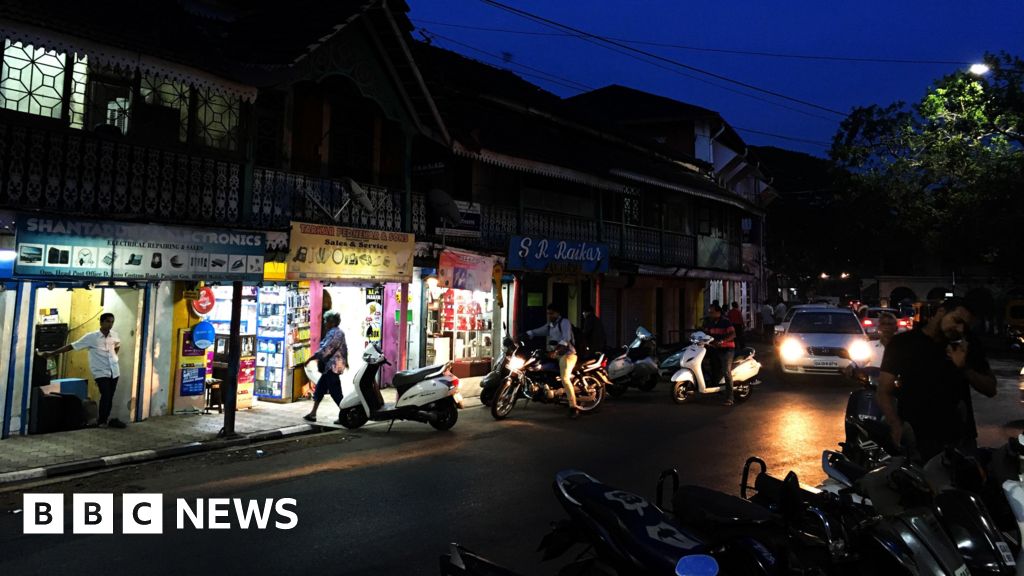
Goad, India—In a devastating incident that underscores the ongoing challenges of public safety and regulatory oversight in popular tourist destinations, at least 23 individuals lost their lives in a nightclub blaze on India’s western coast. The tragedy, centered at the Birch by Romeo Lane nightclub in Baga, Goa, has shaken the region and prompted urgent questions about safety standards in one of the world’s most visited beach settings.

Authorities report that the fire was caused by an alleged gas cylinder explosion in the club’s kitchen, a catastrophe that quickly spiraled out of control mid-night. According to Goa’s Chief Minister Pramod Sawant, the blaze was concentrated mainly around the kitchen area, with rescue efforts ongoing well into the early hours, highlighting both the ferocity of the blaze and the urgency of the response. Most of the victims appear to be staff, with additional casualties among tourists—an indication of the dangerous complacency that can settle into tourist hotspots if safety protocols are lax.

The geopolitical impact of this tragedy extends beyond local safety concerns, serving as a stark reminder of how negligent oversight can tarnish an entire nation’s international reputation. Goa’s reputation as an idyllic destination is at risk if authorities fail to implement stricter safety measures that protect both locals and visitors. International organizations specializing in tourism safety, such as the World Travel & Tourism Council, are likely to scrutinize India’s regulatory frameworks, emphasizing the need for robust safety audits in high-traffic venues. Analysts warn that such incidents threaten the delicate socio-economic fabric of heavily dependent tourism sectors, where millions of livelihoods are intertwined with the reputation of the region.

Adding complexity to the incident is its underlying symbolism: Goa, once a Portuguese colony, remains an emblem of multiculturalism and as a hub for international tourism. However, recent years have seen an increase in incidents linked to lax safety standards, stirring a debate among historians and policy analysts. Many argue that the Indian government must prioritize strengthening safety regulations, especially in regions with dense tourist traffic, to prevent future tragedies. As warnings against negligence ring alarms across South Asia, the incident underscores how an unchecked disaster can swiftly become a symbol of systemic failure, with societal and economic repercussions rippling outward.

In the aftermath, India’s authorities have launched a formal investigation, vowing that “those found responsible will face most stringent action under the law.” Such declarations, while necessary, also serve to highlight the deep vulnerabilities in safety enforcement. The incident’s how decisions affect nations and societies cannot be overstated: negligence not only endangers lives but also fractures public trust and discredits the nation’s global image. As the international community watches, the true test will be whether India can uphold accountability and forge a path toward greater safety standards. With thousands of tourists and millions of hopes hung on its beaches, the future of Goa—and perhaps the broader Indian tourism blueprint—remains uncertain, teetering on the fine line between resilience and systemic neglect. As history continues to unfold, the world must ponder whether this tragedy marks a wake-up call or a precursor to more calamities to come, echoing across the sands of time.

Social Media Auto Publish Powered By : XYZScripts.com