
Investigating the Truth Behind Minaj’s “Gold Card” Claims
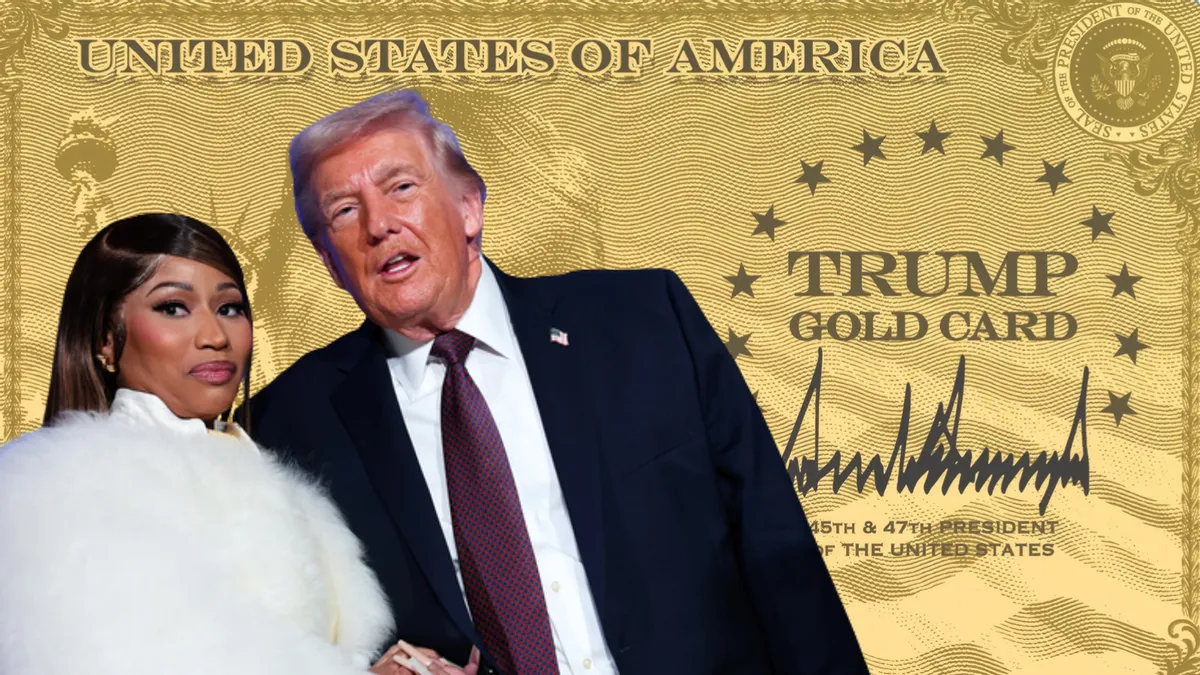
Recently, rumors circulated suggesting that rap artist Nicki Minaj received a special “gold card” from the U.S. government. The claim, exaggerated by social media and some news outlets, led many supporters to believe Minaj was granted exclusive privileges. However, a clear statement from a Commerce Department official clarified that what Minaj possesses is merely a “memento”, not an actual privilege or special status. This correction warrants a closer examination of the facts to understand what the “gold card” actually signifies and whether it reflects any extraordinary government endorsement.
The Origins of the “Gold Card” Claim
The narrative around Minaj’s supposed “gold card” gained traction when initial reports suggested she had been given a rare, exclusive government-issued card. Social media posts proliferated, often citing unverified sources or misinterpreting official documents. The term “gold card” typically evokes images of high-status membership cards or exclusive access privileges, and such imagery has historically been used in various contexts—like credit cards or VIP access passes. Nevertheless, the U.S. government emphasizes that official documentation for citizens, such as visas, permits, or identification, does not commonly feature such “gold cards” in a means that signifies privilege outside of standard procedural use.
The Statement from the Commerce Department Official
In response to inquiries, a Commerce Department official clarified that Minaj’s “gold card” was not an official government-issued privilege. Instead, it was described as a “memento”, a token or keepsake rather than a card that confers any rights or immunities. The official confirmed that this was merely a commemorative item—perhaps a promotional or celebratory gesture—rather than a symbol of special status. This aligns with standard practices where agencies occasionally produce memorabilia for promotional or ceremonial purposes, which should not be mistaken for an official document granting privileges or immunity.
What Is a “Memento” and How Does It Differ?
- The term “memento” refers to an object kept as a reminder or souvenir of a person, place, or event.
- Such items are often produced to commemorate achievements, campaigns, or milestones but do not grant any rights or protection.
- The official statement underscores that Minaj’s “gold card” was one such souvenir, devoid of any legal or official government status.
Role of Experts and Official Sources
Political and governmental experts agree that the issuance of badges or memorabilia as tokens of recognition is common and typically indicates appreciation or celebration, rather than privilege. The Government Accountability Office (GAO) and other oversight bodies have documented instances where official memorabilia might be mistaken for privileged documents, leading to misinformation. In this context, the official clarification from the Commerce Department is consistent with established practices and underscores the importance of verifying claims through credible sources.
Conclusion: Transparency and Responsibility in Public Discourse
It’s crucial for the public discourse to distinguish between facts and embellishment. While the idea of a “gold card” evokes images of exclusive privilege, the reality is that Minaj’s “gold card” is nothing more than a commemorative token—an official memento with no legal or official privilege attached. Misinterpreting or sensationalizing such tokens not only misleads the public but also undermines trust in institutions. In a healthy democracy, responsible citizens must rely on verified information from credible sources to hold leaders and officials accountable. As the evidence clearly shows, transparency and fact-based understanding are vital for an informed society that values truth and integrity over sensationalism.