Matox News

Truth Over Trends, always!

Hegseth pushes for death penalty for Fort Hood shooter

The ongoing saga of justice and authority within the United States military continues to unfold with high-profile certainty. Defense Department Secretary Pete Hegseth is actively pursuing the imposition of the death penalty for former Army Major Nidal Hasan, whose heinous act at Fort Hood nearly 16 years ago left 13 dead and dozens injured. This case’s significance extends well beyond its immediate tragedy, revealing in stark terms how power struggles in the corridors of authority influence both the public conscience and the intricate machinery of justice.

At the heart of this debate lies the question of how justice is delivered in a nation founded on the rule of law yet riddled with conflicting interpretations of morality and authority. Hegseth’s push for the death penalty is not just about retribution; it underscores the assertion of military discipline and national security over individual rights. He is seeking President Trump’s final approval for military execution. Historically, such decisions echo the constitutional debates sparked by early American theorists like Alexander Hamilton, who championed a strong federal authority to uphold order. Today, the very fabric of constitutional boundaries is tested by the intersection of martial justice and civilian rights, illustrating how power struggles shape the ideological landscape of justice in the post-9/11 era.

The case also exemplifies the strategic how decisions echo through communities and national consciousness. Critics argue that the pursuit of the death penalty for Hasan risks fueling polarizations, while proponents emphasize the necessity of demonstrating unequivocal national resolve. These tensions reflect the enduring debate over the role of the state—whether as an arbiter of mercy or an agent of relentless justice. The military tribunals, uniquely insulated from civilian oversight, serve as battlegrounds where the boundaries of authority are redefined. Such decisions ultimately reflect a broader political narrative about who holds the moral and judicial power to shape the future of American society.

As the drama finalizes in the corridors of power, it serves as a reminder: politics is where destiny gets written, often in ink of blood and conviction. The enforcement of capital punishment within the military context demonstrates that controversial, decisive actions are integral to the enduring tension between authority and liberty. This case, much like historical parallels such as the Nuremberg Trials or the moral quandaries faced during the Civil War, reminds us that the exercise of power in justice often defines national character. As citizens watch these proceedings unfold, it becomes clear: in the theater of politics, every decision, every ruling, writes a chapter in the larger narrative of where this nation is headed, and what it stands for.

Sadiq Khan Responds to Trump’s Controversial Remarks on Diversity Issues

Power Struggles at the UN: Analyzing the Clash Between Trump and Khan

The recent exchange between Donald Trump, the President of the United States, and Sadiq Khan, the Mayor of London, highlights ongoing power struggles that not only define individual political careers but also shape international relations. In a pointed address at the United Nations General Assembly, Trump labeled Khan as “terrible” and accused the mayor of steering London toward “sharia law.” This sparked a vehement rebuttal from Khan, who described Trump as “racist, sexist, misogynistic, and Islamophobic.” Such rhetorical confrontations exemplify the divisive political landscape both leaders inhabit, raising questions about the impact of national leadership on urban governance.

The fallout from Trump’s comments has galvanized members of the Labour Party, who rushed to defend Khan, emphasizing his role as an advocate for diversity amid growing societal tensions. Health Secretary Wes Streeting labeled Khan a leader who “stands up for difference of background and opinion.” This defense plays into a broader narrative within the party that posits the importance of progressive values against what they deem regressive politics represented by Trump and his supporters. The accusations of racism and Islamophobia are not just mere insults; they are part of a calculated effort to frame the dialogue around inclusivity and acceptance, positioning Khan’s leadership as both a symbol and a product of contemporary multiculturalism.

The implications of this exchange extend far beyond personal animosities; they reveal how political rhetoric affects public perception and policy. As political theorists have often noted, the narratives set by leaders can have a profound effect on the populace. By invoking claims of sharia law, Trump not only incites controversy but also dredges up fears rooted in historical conflicts over cultural integration and sovereignty. Such discussions can lead to tangible shifts in policy, potentially affecting the civil rights and liberties of the populations involved. When mayors like Khan are accused of fostering extremism, it opens the door for legislative changes that may restrict freedoms under the guise of security.

As both figures navigate this highly charged atmosphere, one must ponder the long-term implications of their exchanges. Each statement is a calculated move in a chess game of political strategy, echoing the past struggles of political leaders who once faced similar challenges in their quests for power. The currents of thought and ideology set forth by leaders define the societal landscape, often leading to profound changes in governance and civil rights. In this theater of politics, every confrontation holds the potential to reshape destiny itself. After all, as history has taught us, it is often within these power struggles that the true character of a nation is revealed, with echoes of leaders past guiding the steps of those present. The quest for identity, values, and governance is never merely a personal journey—it is a collective odyssey where the stakes are nothing less than we, the people, and our futures.

Choose the Right Card for Holiday Savings: Cut Interest Costs!

In a significant political development, young Americans are increasingly finding themselves concerned about the rising costs of living and the state of the economy. This was underscored in a recent poll showing that inflation continues to be a top worry for voters, particularly among the youth demographic. Many are expressing dissatisfaction with the current administration’s handling of economic issues, pushing for solutions that prioritize fiscal responsibility and job creation.

Moreover, millennials and Gen Z voters are becoming more politically engaged, driven by issues like student loan debt and rising housing prices. Instead of turning a blind eye, they’re actively discussing potential reforms to improve their financial situations. Many are advocating for policies that support small businesses and promote entrepreneurship, viewing these as viable pathways toward economic empowerment.

Social media has played a pivotal role in shaping political discourse among younger voters. Platforms like TikTok and Instagram have become essential tools for spreading awareness about critical issues, allowing young activists to mobilize quickly and efficiently. This new wave of activism often emphasizes conservative values such as personal accountability and limited government, resonating strongly with younger individuals who value independence.

As the 2024 elections approach, the political landscape will likely be heavily influenced by this active youth segment. Candidates aiming to appeal to these voters will need to adopt strategies that address their specific concerns, focusing on reducing burdensome regulations and fostering job growth. By tapping into the ideals of fiscal prudence and self-sufficiency, candidates can effectively engage the rising generation of voters looking for a brighter economic future.

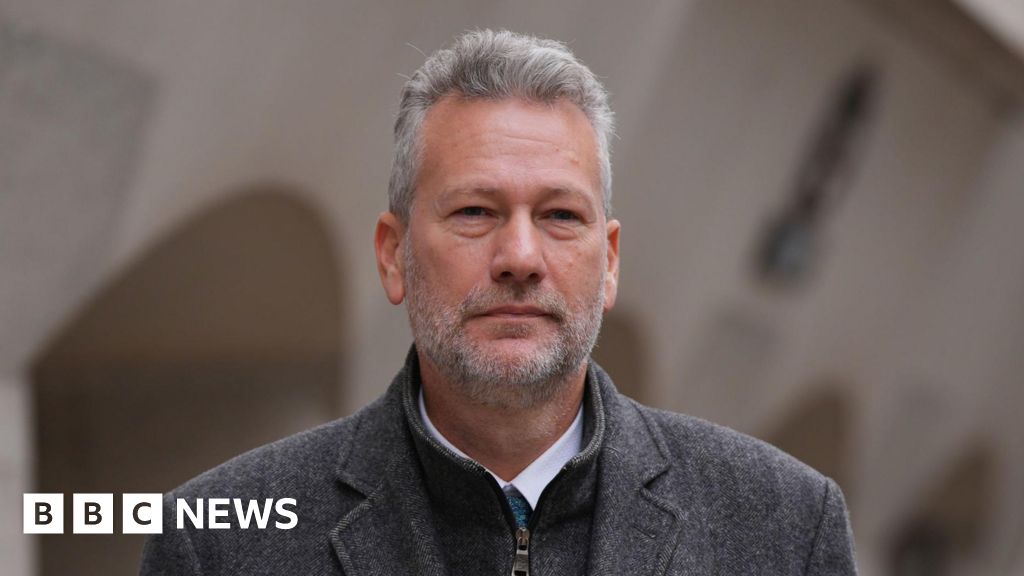
Corbyn clarifies ‘confusion’ over new party membership announcement.

The Shifting Landscape of British Politics: A Closer Look

Political dynamics are ever-changing, but recent events in the United Kingdom illustrate a particularly tumultuous phase. Following a period of leadership turmoil, it has become evident that the new alignment of parties is not just reshaping the political discourse but also triggering significant policy shifts that resonate with citizens. The former leader of the Labour Party has candidly acknowledged that these past days were marked by fraught challenges, highlighting the urgency and intensity of internal conflicts within his party.

As political theories often predict, power struggles among party factions can lead to unforeseen consequences for governance. In the context of the current coalition-building efforts, the stakes have never been higher. For instance, the rise of more moderate splinter parties has forced the traditional players to recalibrate their platforms to appeal to a broader spectrum of voters. This shifting landscape creates a dilemma: will parties remain true to their core values, or will they bend under the pressure of electoral expediency? The historical parallels are clear; one only need look back at the fracturing of the Labour Party in the 1980s to understand that these tensions can have long-lasting ramifications.

Policy positions have also evolved in response to these intense power struggles. Key parties have made important pledges that have caught public attention. Consider the following

  • The Conservative Party has reaffirmed its commitment to fiscal responsibility, promising to reduce the national debt while maintaining essential services.
  • In contrast, Labour has floated ideas around universal basic income, marking a significant leftward shift in economic policy.
  • The emerging Lib Dems are advocating for increased investment in green technologies, attempting to capture the youth vote by emphasizing sustainability.

As these developments unfold, it is vital to recognize how decisions shape the people. The electorate is not just a passive observer; it is an active participant in the political stage, and the choices made by leaders will have real-world implications. As the political theorist Alexis de Tocqueville noted, democracy is defined not just by the act of voting but by the engagement of citizens in shaping their own destinies. The current situation serves as a vivid reminder of his words. We are, in a sense, witnessing the political theater of life, where each move can alter the course of not only party fortunes but national identity as well.

In conclusion, the ongoing power struggles and the accompanying policy reforms underscore a crucial moment in British politics. The landscape is rife with possibilities, but it is equally fraught with tensions that require careful navigation. As new alliances crystallize and old rivalries resurface, one cannot help but feel that we are on the precipice of historical decisions—decisions that will define the ethos of a nation. Thus, it becomes increasingly clear: in the grand theater of politics, where ambition and ideology collide, the destiny of a people awaits its final act.

Women claim Andrew Tate abuse, call out ‘misleading’ Spectator coverage.

Concerns have been raised over an interview featuring Andrew Tate, a controversial figure known for his inflammatory views, published in the Spectator magazine, which is edited by Michael Gove. Four women alleging sexual abuse by Tate have lodged a formal complaint with the Independent Press Standards Organisation (Ipso), challenging the portrayal of their accusations in the piece.

The women, who have filed a high court claim against Tate for serious allegations—including rape and coercive control—are claiming that the article, penned by Deputy Editor Freddy Gray, misrepresents their experiences and undermines the gravity of their claims. They believe that the publication failed to adequately address the impact of Tate’s actions, which they argue contributes to a broader culture of dismissing survivor voices.

This situation highlights an ongoing debate about how media outlets handle sensitive topics, especially when it involves high-profile figures. Critics argue that sensational interviews can inadvertently glorify problematic individuals while silencing the narratives of those who have suffered. The women in question are pushing back, advocating for responsible journalism that prioritizes truth and sensitivity over sensationalism.

As this story unfolds, the implications for media ethics and the accountability of influential voices remain significant. It’s a critical moment for young people to engage in discussions about representation and responsibility in media, ensuring that survivor stories are not merely used as a backdrop for flashy headlines but are respected and treated with the seriousness they deserve.

BBC Explores Asylum Hotels: Illicit Work and Taxi Services Uncovered

Recent reports have shed light on the day-to-day experiences of asylum seekers and hotel staff across four different hotels. While the refugee crisis continues to prompt significant debate on social and economic grounds, these firsthand accounts provide a unique lens through which we can understand the human side of this complex issue.

At these hotels, life is a mix of challenges and support systems. Asylum seekers describe their journey as one filled with uncertainty, yet they have found a degree of comfort in the temporary shelter provided. Hotel staff, on the other hand, emphasize the complexity of balancing hospitality with the realities of managing diverse needs. From navigating language barriers to catering to special dietary requirements, the interactions between guests and staff illustrate the necessity for both compassion and practicality in these settings.

It’s crucial to recognize that this situation reflects broader national discussions about immigration policy and its implications for local communities. Many young people are concerned about the impact of such policies on job opportunities and public resources. Therefore, these accounts from the ground level serve as a reminder of the urgent need for balanced solutions that prioritize both humanitarian considerations and the well-being of local residents.

As the conversation surrounding asylum seekers evolves, it is essential for the younger generation to engage thoughtfully. Understanding the complexities of the crisis, including both the struggles faced by asylum seekers and the challenges encountered by those providing support, is vital for creating informed and constructive dialogue. By fostering awareness, we empower ourselves to advocate for solutions that respect human dignity while also safeguarding the interests of our communities.

Streeting: Rely on doctors, not Trump, for paracetamol advice.

In a recent discussion surrounding a contentious claim made by former President Donald Trump, medical experts are urging expectant mothers to disregard any assertions suggesting a connection between the painkiller and autism. This issue has gained traction as the debate around vaccines and autism continues to polarize public opinion. Health professionals emphasize that scientific evidence does not support such claims and encourage pregnant women to prioritize their health and the well-being of their unborn children.

Trump’s remarks have sparked a wave of reactions, particularly among those who value evidence-based medicine. Experts argue that misinformation can have harmful consequences, particularly for vulnerable populations. It’s essential to rely on credible studies and expert consensus when making health decisions, especially during pregnancy, as the stakes are incredibly high for both mother and child. The prevailing view in the scientific community is clear: there is no proven link between the use of this painkiller and autism, so it’s vital that pregnant women receive accurate information.

The conversation around this topic highlights a broader concern about how misinformation can spread rapidly through social media and political discourse. Youth today are particularly susceptible to these narratives, making it crucial for them to seek out reliable sources of information. As we navigate these discussions, we must foster an environment where facts and research stand at the forefront of public health discussions, rather than sensationalized claims that can undermine trust in medical professionals.

In conclusion, as young people engage with political figures and their statements, it’s important to cultivate critical thinking skills and prioritize factual information. By encouraging pregnant women and the wider community to consult medical experts and rely on established research, we can promote a healthier society that is better informed about the issues that matter most. Let’s champion accuracy in our discussions while advocating for policies that truly benefit public health.

Millionaire encourages Lib Dems to support a wealth tax initiative.

A campaign group is gearing up to influence policymakers this autumn by advocating for an increase in taxes on the ultra-wealthy. This initiative aims to rally support around the idea of financial responsibility among the nation’s richest individuals, arguing that they should contribute a fairer share to the public good. This movement reflects growing sentiment among certain segments of the population, particularly younger voters, who are increasingly skeptical of income inequality and its impact on society.

As the government debates fiscal policy and budget allocations, proponents of higher taxes on the wealthiest argue that such measures could provide much-needed resources for essential public services. Educators, healthcare proponents, and advocates for social programs are citing evidence that higher tax rates on the rich can lead to more equitable funding for critical initiatives. This aligns with a broader desire among younger generations for a fairer economy that works for all, not just the elite few.

Critics, however, warn that higher taxes on the wealthy could deter investment and slow economic growth, potentially harming the very people these new policies aim to help. There’s a growing conversation about striking the right balance—ensuring that the wealthy pay their dues while also maintaining an environment that fosters innovation and job creation. This debate is crucial as it lays the groundwork for potential reforms that could shape the economy for decades.

As the campaign group gears up for a season of advocacy, it brings to the forefront the question of how to foster a fair economic landscape without stifling growth. Young voters have a significant stake in this issue, and understanding both sides of the tax debate is crucial as they engage with the electoral process. With their financial futures on the line, the coming months will be pivotal in determining how tax policy evolves, and whether it will prioritize equity or economic growth.

Today’s Politics: Youth Perspectives Shape the Future of Our Nation

In the current landscape of American politics, the decisive battle for the soul of the nation continues to unfold amidst mounting power struggles that determine the direction of future policy and influence. At the center of this evolving tableau is President Joe Biden, whose administration endeavors to project authority while navigating the turbulent waters of division and discontent. The confrontations between the executive branch and legislative bodies reveal much about the undercurrents shaping American governance—where policy reforms are not merely legislative acts, but battlegrounds for ideological supremacy.

The Biden administration’s push for broad reforms—ranging from economic recovery to social equity—has been marked by an ambitious agenda that echoes traditional Democratic objectives. Yet, these initiatives often encounter fierce resistance from Republican-led legislatures and conservative interest groups desperate to preserve their influence. This dynamic not only underscores the power dynamic in play, but also raises questions about who truly holds sway over the policy outcomes that will shape the lives of millions. Here, the narrative echoes the enduring philosophical debate on who determines the governance of a nation—the voters, the elites, or the institutions.

Historical parallels are instructive. Like the fierce constitutional debates during the New Deal era or the more recent battles over healthcare and executive power, today’s political climate signals a struggle over constitutional interpretation. Constitutional scholars and theorists such as **Ronald Dworkin** and **A.V. Dicey** remind us that the document—while framed in the 18th century—serves as a battleground for contemporary ideologies. The very fabric of the U.S. Constitution is being tested as executive orders clash with legislative statutes, and questions around *who* wields *ultimate authority* become increasingly contentious. When institutions clash, it becomes clear that the ruling power defines the destiny of democracy itself—placing the social contract under continuous renegotiation.

In this constant push-and-pull, the decisions of today forge the societal landscape of tomorrow. Policy shifts—be they related to immigration, economic reform, or civil liberties—are rooted in broader ideological conflicts that resist simple resolution. The stakes transcend mere legislation; they shape the identity of the nation. As political theorist **Carl Schmitt** argued, sovereignty resides in the ability to decide on the exception, and in such moments, the true supremacy of power is revealed. The question remains: who will define the narrative from this stage of history? Will it be the advocates of order or the champions of change? Ultimately, the stage is set, and history is watching—to see who will write the final chapter in this ongoing saga of power and destiny.

Biden’s Student Loan Forgiveness Plan: What Young Americans Must Know

The recent suspension of President Joe Biden’s ambitious federal student loan forgiveness program underscores a pivotal moment in the ongoing power struggles within American politics. Announced as a bold move to provide up to $20,000 of debt relief for millions, this policy was intended to serve as a cornerstone of Biden’s broader economic and social agenda. Yet, its current indefinite hold, amidst mounting legal challenges, reveals how deeply entrenched conflicts over authority and visions for national policy continue to shape the lives of ordinary Americans. With progressive allies championing debt relief as a matter of fairness, conservative opponents see it as an overreach of executive power—highlighting the fundamental clash of constitutional interpretations.

The legal roadblock emerges from a broader power struggle between the executive branch and the judiciary. While the Biden administration asserts that the federal government has the authority to modify student debt policies under existing statutes, opponents argue that this action exceeds the constitutional limits of executive power, demanding congressional approval instead. This dynamic recalls historical moments where executive orders or policies have become lightning rods for constitutional debates. Legal experts and constitutional scholars point to the importance of checks and balances—with some arguing that the courts are asserting their role as guardians against potential overreach by the administration. Conversely, supporters interpret the move as an essential step toward addressing economic inequality, emphasizing that the executive branch must sometimes act decisively amidst legislative gridlock.

The impact of this debate extends beyond legal circles, as it directly influences the political landscape and the fabric of American society. For proponents, the forgiveness program symbolizes ashift in government responsibility—one where the state is seen as a remedy for economic hardship, fostering a new social contract. For detractors, it signals a disruption of fiscal discipline and fairness, claiming that such policies unfairly favor certain demographics and threaten long-term economic stability. This controversy highlights a crucial question: who truly holds the power to redefine the social contract in an age of mounting debt? As the courts deliberate, the decision will inevitably underscore which branch has the authority to decide the fate of millions struggling under the weight of student loans—an emblematic struggle for the soul of American governance.

In this high-stakes theatre, political actors are engaging in a battle for influence—a contest that will determine the contours of policy, the limits of executive agency, and the future of economic justice. Just as historical figures like Alexander Hamilton argued for a strong federal government, and Thomas Jefferson emphasized states’ rights, the current debate echoes the foundational questions of American democracy: whose interests does government serve, and who ultimately wields sovereign authority? As each side stakes its claim, citizens are left to ponder whether political power is truly a force for reform or merely a stage for conflict—a battle where the outcome writes the next chapter of American destiny. The conclusion of this constitutional clash may well determine whether the nation advances towards a future of shared prosperity or slides further into disillusionment and division.

Social Media Auto Publish Powered By : XYZScripts.com