Matox News

Truth Over Trends, always!

Keeping phones aside at school, teens find stress drops—time to prioritize focus over distraction.

Smartphone Bans in Schools: A Reflection of Society’s Evolving Nature

The recent decision by Alderbrook School in Solihull to enforce a strict smartphone ban marks a significant development in the ongoing debate about technology’s role within educational settings. While some students have welcomed this change, citing increased focus and better interpersonal interactions, others remain resistant, fearing loss of autonomy and social connectedness. This shift underscores broader societal tensions regarding the influence of digital devices on our youth, families, and communities.

Social commentators and sociologists have long observed that the pervasive presence of smartphones has reshaped social dynamics, especially among minors. Alphonso G. Berger, a noted social psychologist, argues that technology can serve as both a bridge and a barrier—enhancing communication but also fostering dependency and distraction. In schools like Alderbrook, administrators see the immediate benefits of reducing distractions—improving attention spans, fostering better classroom engagement, and creating a safer environment free from cyberbullying. Yet, critics warn that such measures may inadvertently hinder students’ development of digital literacy—an essential skill for their future participation in society.

This conflict directly affects families and local communities. For parents, the smartphone ban may represent a double-edged sword—offering relief from the constant classroom alerts but raising concerns about their children’s ability to regulate digital use outside of school hours. Historical analyses by social historian Dr. Margaret Liu highlight that the rapid technological change within a few decades has outpaced the development of appropriate social and ethical frameworks. The challenge now is to find a balanced approach that promotes responsible digital citizenship without alienating youth from essential social realities.

Furthermore, the debate transcends individual schools and touches on wider policies impacting educational institutions nationwide. As schools grapple with declining attention spans, rising instances of cyber harassment, and issues of digital equity, solutions must be comprehensive.

  • Implementing digital literacy programs that teach responsible device use
  • Encouraging parental involvement and monitoring
  • Establishing clear guidelines that respect student needs while safeguarding educational integrity

In essence, society faces a delicate balancing act: preserving the capacity for authentic human connection amid pervasive digital influences while nurturing the skills needed for responsible participation in a technologically driven future. As Alderbrook School’s move demonstrates, sometimes the most significant societal shifts begin with small acts—an evacuation of distractions, a return to face-to-face conversation, and a collective effort to forge a society that values genuine human bond over transient digital approval. In the quiet moments beyond the classroom walls, society is reminded that the true challenge lies not in banning devices but in cultivating resilient communities—where young individuals learn not just to survive, but to thrive amidst constant change.


National Student Pride Closes After 21 Years of Fighting for Youth Voices

End of a Community Tradition: A Reflection of Broader Social and Cultural Shifts

The announcement that this weekend’s community event will be its last signals more than just the loss of a local tradition. Organizers have cited a significant decline in sponsorship support over recent years, underscoring a troubling trend of diminished communal investment and engagement. Such events, often rooted in shared cultural heritage and local solidarity, serve as vital touchpoints for building social cohesion, nurturing civic pride, and strengthening familial bonds. Their fading points to a society where economic pressures, shifting social priorities, and demographic changes threaten to erode the fabric that binds neighborhoods together.

As sociologists and social commentators have observed, the decline of community-centered initiatives reflects, in part, broader uncertainties and tensions within society. Economic strains have compelled many families and local businesses to prioritize immediate financial survival over participation in cultural or communal endeavors. Historically, institutions such as schools, local councils, and community organizations have played crucial roles in maintaining social stability and transmitting shared values. However, as these institutions face challenges of funding, relevance, and engagement, the social fabric begins to fray, further complicating efforts to foster a sense of belonging among youth and families alike.

How social issues directly impact families, education, and communities becomes evident when local traditions fade. The absence of ongoing communal events deprives younger generations of generational storytelling, cultural inheritance, and opportunities for active civic participation. This vacuum fosters a sense of disconnection, potentially leading to increased social alienation and polarization. Many social analysts argue that without deliberate intervention and innovative approaches, these losses threaten to deepen societal rifts, undermining the foundational values of shared responsibility and community service.

In examining such decline, some sociologists, like Christopher Lasch, emphasize the importance of *cultural resilience*—the capacity of communities to adapt and preserve core values amid change. Historians point to past periods of social upheaval, noting that renewed community engagement often emerges from intentional efforts to reconnect residents through shared projects and local history initiatives. Moving forward, solutions may involve fostering youth involvement, revitalizing local institutions, and encouraging cross-sector collaborations that prioritize cultural preservation and social cohesion. Only through these concerted efforts can communities hope to bridge the gaps caused by economic and demographic shifts, restoring a sense of collective purpose.

As society stands at this crossroads, the fading of this cherished event serves as a somber reminder of the complex social dynamics shaping our world. Yet, it also beckons us to confront these challenges with hope and resilience—recognizing that the strength of a community lies not solely in its traditions, but in its willingness to adapt, rebuild, and forge new paths toward lasting social unity. In the end, these societal upheavals challenge us to reflect on what it truly means to be a community, and whether we are willing to invest our shared hopes for the future into the causes that bind us—before they, too, become memories of what once was.

Remembering John Donnelly: A Legacy in Architecture and Society

In an era marked by rapid urbanization and cultural shifts, the life and work of John Donnelly serve as a poignant reminder of the profound role that dedicated professionals play in shaping our communities and preserving our heritage. A distinguished architect, educator, and conservationist, Donnelly’s contributions extended beyond brick and mortar to the social fabric that binds families and influences the education of future generations. His meticulous approach to design and deep appreciation for human skill exemplify a moral ethic that underscores the importance of integrity and community-centered planning in an increasingly fragmented society.

Throughout his career, Donnelly was deeply involved in projects that directly impact families and local communities. His work ranged from

  • housing schemes in London and Kent
  • waterside redevelopment
  • the sensitive conservation of historic buildings

, all of which have a lasting influence on the social cohesion and economic stability of the areas they serve. Sociologists and urban thinkers emphasize that well-designed spaces foster social interaction, support mental health, and create a sense of belonging — factors that are vital in an age of rising social tensions and demographic upheavals. As Donnelly often collaborated with fellow architects and heritage conservation efforts, his work epitomized a balanced approach that prioritizes community needs, cultural continuity, and environmental resilience.

The importance of such work extends into the realm of education. As a tutor and mentor at various polytechnics and art schools, Donnelly influenced generations of architects who carry forward his values of precision, fairness, and dedication to societal betterment. His teaching emphasized that building for people requires moral responsibility and a nuanced understanding of social issues—something sociologists like Herbert Gans and Leslie White have long highlighted as crucial for fostering healthy urban environments. In a world where social disparities are often reflected in the condition of our built environment, Donnelly’s emphasis on beauty, function, and respect for history underscores the need for future professionals to prioritize community well-being over superficial trends.

The social challenges faced today—ranging from housing crises to cultural identity tensions—demand not only innovative ideas but also a moral compass rooted in respect and fairness. The insights of social commentators reveal that the fabric of society is woven through our shared spaces, stories, and collective memories. Donnelly’s legacy reminds us that cultural preservation and thoughtful urban planning can serve as anchors amidst social upheaval, fostering stability for families and inspiring hope for a more harmonious society. As communities grapple with change, the enduring lesson is that architecture and conservation are not merely technical pursuits but moral acts—acts that redefine how society perceives itself and its future.

Looking forward, society faces the ongoing challenge of reconciling demographic shifts and cultural tensions with a shared commitment to dignity and inclusion. The hope lies in embracing the values exemplified by individuals like Donnelly: a dedication to craftsmanship, fairness, and a love for community. These qualities can serve as a moral compass guiding policymakers, educators, and citizens alike. As the twilight of our societal sunset approaches, perhaps the most vital reflection is this: that through the honest effort to build and preserve with integrity, we can forge a society resilient enough to confront its deepest challenges and compassionate enough to nurture hope for generations to come.

Schools Told: Parents Must Be Involved When Kids Question Their Gender

Recent statements from school leaders have been met with cautious optimism as they welcome the “greater clarity” provided on how to manage contentious issues within educational settings. This development signifies a deliberate shift in how institutions approach topics that often evoke fierce debate among parents, pupils, and community members. The move aims to create safer, more inclusive environments, yet it also underscores enduring social tensions that continue to shape our society’s landscape.

The polarising nature of current social issues—ranging from gender identity and cultural values to moral education—has historically placed educators in the difficult position of balancing educational integrity with societal expectations. Experts like sociologist Dr. Margaret Collins argue that these debates reflect deeper cultural shifts within the fabric of families and communities. As society grapples with an increasingly diverse demographic landscape, the challenge for schools is to serve as mediators—not merely transmitters of knowledge, but as guardians of social cohesion and moral development.

Educational commentators note that such clarity offers a pathway to address conflicting perspectives head-on, fostering an environment where respectful dialogue becomes possible amid disagreement. However, critics warn that this process remains fraught with risk, especially when parents and students feel excluded from decision-making.

  • Reforming curricula to reflect balanced perspectives while respecting individual beliefs is a persistent challenge.
  • Training educators to navigate sensitive issues without bias or alienation remains a priority.
  • Engaging families proactively can help bridge gaps and foster community trust.

At the heart of these developments lies a fundamental question: how can society uphold the values of open dialogue and moral integrity, while also respecting individual differences? From the perspective of social historians, such negotiations are not new but are part of a continuous evolution of societal norms. Sociologists warn that neglecting to confront these issues openly risks further fragmentation, yet rushing reforms without community buy-in may deepen distrust. Therefore, the path forward demands a delicate balance—where schools serve as crucibles of societal resilience and moral clarity.

As communities stand at this crossroads, one can imagine society as an ancient tree, its roots deeply embedded in tradition yet reaching ever outward toward the promise of renewal. The conversation around how to handle social issues within education echoes the broader human struggle—between preserving what has sustained us and daring to transform what no longer serves the common good. Ultimately, society’s true challenge and hope lie in nurturing a new generation capable of navigating complexity with compassion, strength, and a steadfast commitment to unity amid diversity.

Knowsley's Youth Services at Risk: Young People Fight to Keep them Alive
Knowsley’s Youth Services at Risk: Young People Fight to Keep them Alive

Society’s Invisible Crisis: The Battle for Youth in Deprived Communities

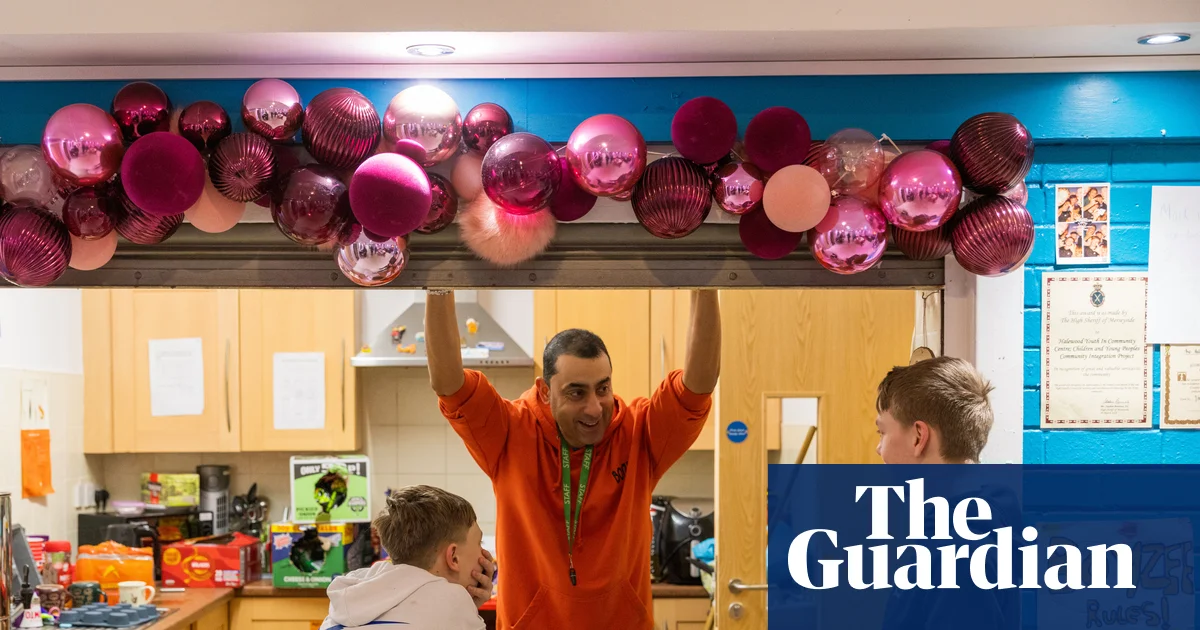
In communities like Knowsley, a stark picture emerges of young lives teetering on the edge of societal disintegration. As social commentators and sociologists warn, demographic shifts and economic deprivation have created a generation adrift without the necessary community structures to guide them. The struggles of those like Nathan Orr, a young man whose life was transformed by a local youth center, highlight the importance of accessible, sustained youth services. Yet, the ongoing cutbacks and neglect threaten to undo the fragile safety nets that provide hope and purpose to vulnerable children. This is a social issue that impacts families, school achievement, and overall community stability, demanding immediate attention before it spirals further into chaos.

Research by the Social Investment Business (SIB) and the University of Leeds reveals an alarming reality: Knowsley’s youth work “black holes”. In these areas of severe deprivation, the absence of youth services leaves children exposed to antisocial behaviors and criminal influences. The disruption extends far beyond adolescence—affecting families, limiting access to quality education, and perpetuating cycles of poverty. The borough lacks A-level provision, condemning its students to travel long distances for higher education and stifling local ambitions. With only 23% of students achieving top GCSE grades, the cycle of educational underachievement persists, undermining societal progress and reinforcing social inequalities.

On the ground, dedicated youth workers like Mark Nelson and Dawn Corrie battle to keep centers operational amid dwindling funding. Nelson warns of “being on the edge of collapse”, with the financial support only stretching a few months ahead. Their efforts are vital; as Corrie laments, many clubs have vanished over the years, leaving fewer opportunities for young people to engage in constructive activities. These centers are more than recreational spaces—they serve as essential anchors for discipline, respect, and belonging. For many youths like Nathan, the absence of such outlets would mean a higher likelihood of slipping into antisocial behaviors or worse. The societal toll is profound: families are strained, communities fractured, and generations risk being lost without intervention.

This crisis, while rooted in economic hardship, is fundamentally a moral challenge for society. As social historian Richard Hofstadter noted, societal inequalities foster “a sense of alienation and marginalization,” which can be exploited by negative influences. Yet, the stories of hope—like Nathan’s rise from the streets to become a kickboxing coach—remind us that with sustained investment and moral resolve, communities can be revived. The recent influx of government funding and initiatives to rebuild youth services offer a glimmer of hope. Still, the battle to protect our youth requires ongoing commitment, a recognition that these centers are the backbone of resilient families and strong communities. Society’s future depends on how well we nurture that next generation—by ensuring they have more than just a fighting chance, but the support, stability, and moral guidance needed to forge a brighter tomorrow.

Understanding SEND: What the reforms in England mean for our youth and society

As societies face increasingly complex social challenges, the plight of families with special educational needs has come under intensified scrutiny. Across many local councils, a profound issue has emerged: a striking gap between demand and capacity within the state-funded special education sector. With around 38,000 pupils requiring specialized educational placements, councils are often compelled to resort to paying for independent special school fees. This practice not only highlights persistent systemic gaps but also sheds light on a broader societal dilemma—how to ensure equitable access to quality education for children with special needs amidst finite resources and growing demand.

The financial burden associated with this disparity is staggering. The average cost for an independent special school place hovers around £61,500 per year, a stark contrast to approximately £24,000 per pupil in state-funded settings, according to the Institute for Fiscal Studies (IFS report). This discrepancy not only strains local council budgets but also inadvertently redirects public funds away from broader community needs. For families, these financial pressures often translate into difficult decisions—pushed between the desire for the best possible education for their children and the reality of limited public provision. The social fabric, therefore, becomes fractalized, with disparities in educational access creating ripples that extend into family stability and community cohesion.

From a sociological perspective, experts like Michael Katz, a renowned historian of social policy, note that public education should serve as an equalizer. Nevertheless, the current system’s reliance on private solutions underscores an underlying failure to provide universal, high-quality opportunities for all children, especially those with special needs. This disparity also exacerbates social tensions, as communities sense that systemic inequities threaten the foundational principle of fairness. How, then, can society bridge this gap? Some advocate for increased government funding aimed at expanding state-funded special education facilities, while others emphasize innovative community-based solutions that foster cooperation between schools, families, and local organizations. Regardless of approach, the moral imperative remains clear: every child deserves access to the education that enables their full potential.

As society stands at this crossroads, an enduring question persists: what is the true measure of a community’s progress? Is it found in the balanced budgets and statistical achievements, or in the human stories of children including those with unique needs, reaching milestones once thought impossible? Society’s challenge is not merely financial but moral—a call to deepen compassion and exemplify the resilience that defines us. For within every effort to bridge these disparities lies the seed of societal renewal; a reminder that the future belongs to those willing to confront uncomfortable truths and forge a path towards equality and inclusion. In this collective journey, hope flickers like a steadfast light—guiding society forward, one step at a time, toward a horizon where no child is left behind.

Even the Super-Rich Are Struggling with Britain’s Failing Housing Standards

Britain’s Broken Building Culture: A Reflection of Society’s Neglect of Craftsmanship

Across British communities, the crumbling quality of construction and housing reflects deeper societal shifts—marked by devaluation of skilled trades, political neglect, and profit-driven shortcuts. From the luxurious flats of One Hyde Park to the modest homes suffering from damp and mould, the disparities highlight a nation struggling under the weight of compromised standards. Even the wealthiest residents, who should enjoy the pinnacle of modern luxury, find themselves battling defective pipework and costly repairs—proof that systemic issues in construction quality are a societal crisis, impacting all levels of families and communities.

Historians and social commentators point to a long-term decline rooted in undermining vocational skills. As sociologist Dr. Anthony Giddens might observe, Britain’s abandonment of robust technical training—an outcome of policies since Margaret Thatcher’s era—has led to a dearth of qualified builders and inspectors. The once-respected role of tradespeople has been replaced by a culture of cost-cutting and deregulation, with contractors often managing their own oversight. The collapse of the Skills Training Agency in the early 1990s set off a ripple effect—causing an erosion of quality in building standards that now manifests in shoddy workmanship and structural defects. This societal neglect disproportionately harms families, forcing them to face spiraling repair costs, mould-related health issues, and safety risks that diminish the fabric of daily life.

The crisis is further compounded by regulatory failures and cultural neglect of trades. While Britain boasts thousands of rules governing architecture, the oversight mechanisms—such as the traditional clerk of works—have almost all but vanished. Instead, contractors now often perform their own inspections, creating a conflict of interest that favors cheap materials and quick turnaround over safety and durability. The rise of “design and build” contracts, which diminish architect oversight, parallels the erosion of craftsmanship. As architect Astrid Smitham explains, this new model incentivizes cutting corners, with dangerous consequences exemplified by the Grenfell Tower disaster. Such systemic issues threaten to undermine families’ safety, the value of education, and the integrity of community life.

Addressing Britain’s construction crisis requires urgent political will and cultural recognition of skilled trades’ dignity, which is currently sidelined in policymaking. Despite more than 10% of the workforce engaged in skilled trades, few MPs come from manual backgrounds—highlighting a disconnect between policy and social reality. As social commentators argue, reversing this trend involves restoring vocational education’s respectability, enforcing strict regulation for qualified professionals, and fostering a societal ethos that values craftsmanship as a moral commitment to human dignity. Without these changes, society risks prioritizing short-term profits over long-term sustainability, leaving future generations to grapple with the scars of generations of neglect.

In the end, society’s true strength lies in its ability to nurture craftsmanship, uphold standards, and prioritize human safety over profit. Society stands at a crossroads—between continued neglect and the awakening to a more resilient, skilled, and just future. As communities reflect on their crumbling homes and safety fears, there emerges an enduring hope—that through restoring dignity to the trades, revaluing vocational education, and demanding accountability, Britain can repair not only its buildings but the moral fabric of its social order. Perhaps, in that effort, society may find the resilience to rebuild itself—one brick, one skilled hand, one community at a time.

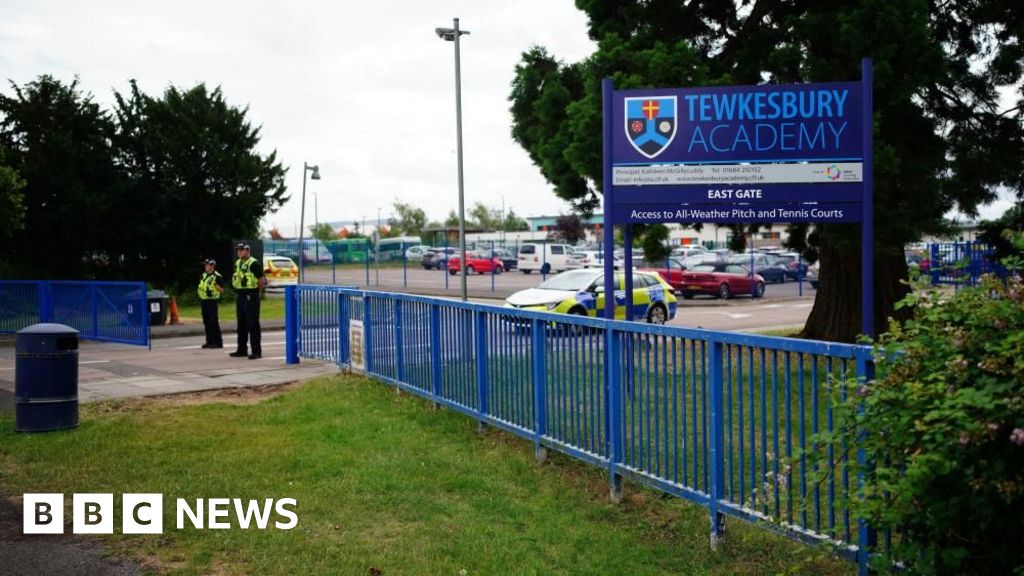
Tewkesbury Academy Teachers Strike Again Over Rising Behavior Issues Affecting Youth Development

In recent times, our educational institutions have become a microcosm of broader societal upheavals, revealing underlying tensions that threaten to destabilize the fabric of families, communities, and the future generations. As reports surface from schools across the country, it becomes evident that behavioral issues and disruptions are not isolated incidents but reflections of deeper social shifts. A striking example emerged recently when PE teacher Ian Brownhill, with over three decades of experience, expressed concern over the school’s declining discipline. Brownhill highlighted that the institution is “losing good kids” amidst rampant unruly behavior, including students going “on the rampage around site most lessons.”

This phenomenon underscores a wider societal malaise that impacts not just the educational environment but also the moral fabric of our younger generations. Sociologists such as Christopher Lasch have warned that the erosion of community values and the decline in social cohesion have a corrosive effect on youth, often manifesting as aggression and indiscipline within schools. Many experts argue that inadequate family stability, declining civic engagement, and the pervasive influence of social media contribute significantly to this decline, creating an atmosphere where respect for authority and discipline are increasingly subordinate to immediate gratification and peer validation. The social isolation and moral relativism that pervade contemporary society threaten to undermine the very core of educational discipline and community trust.

Moreover, the disruption resonates deeply with families who are trying to navigate the challenges of raising well-rounded individuals amid these chaotic influences. The disconnection between home and school environments creates a cycle where behavioral issues at school often mirror familial and societal dysfunctions. Without cohesive guidance and community support, schools become battlegrounds rather than places of learning. Historian Dr. David Hollinger emphasizes that today’s student unrest signals a need for resilient, value-driven societal structures — ones that reinforce shared responsibility among families, educators, and policy makers to restore order and moral purpose.

While these issues pose significant challenges, they also open a window for transformative change. Education authorities and communities must collaborate to foster environments that emphasize respect, accountability, and moral clarity. Solutions like increased engagement in civic education, mentoring programs, and community outreach can serve as anchors in turbulent waters. As we observe this ongoing societal saga, a question lingers: can we, as a collective, rekindle the moral compass that guides our youth and rebuild the bonds of trust and discipline critical to societal stability? The answer depends on our resilience and willingness to confront uncomfortable truths, recognizing that the future of our families and communities hinges on the moral and social groundwork we lay today. Society’s capacity to evolve, fostering hope amid adversity, remains the ultimate testament to our enduring commitment to a better tomorrow.

Are We Overdiagnosing Mental Illness? A Doctor Speaks Out on Society’s Labels

Recent reflections from a general practitioner highlight a societal crisis that transcends individual suffering: the expanding epidemic of mental health issues among populations worldwide. The toxic blend of cultural shifts, diagnostic overreach, and an increasingly mechanized healthcare model has woven a complex tapestry that deeply impacts families, education, and communities. Studies reveal that in the UK alone, two-thirds of youth report experiencing some form of mental disorder, a statistic that alarmingly illustrates a demographic in distress. This surge not only strains mental health services but also endangers the fabric of daily life—rupturing familial bonds, destabilizing classrooms, and fostering social alienation.

The core challenge lies in how society conceptualizes mental health. The proliferation of diagnostic tools like the DSM and ICD over recent decades, while useful in clinical contexts, has contributed to a pathologization of everyday human experiences. As sociologists critique, these models often impose rigid “constellations” of symptoms—**labels** that may not capture the fluid, interconnected nature of individual mental states. This tendency toward overdiagnosis and the widespread belief that internal suffering is predestined by biochemical imbalances risk reducing complex human emotions to mere categories, with significant moral and human costs. Instead, insights from cultural anthropologists suggest that different societies interpret mental distress through diverse, often more holistic lenses, emphasizing community, spirituality, and personal resilience rather than solely medicalized diagnoses.

Amidst this landscape, the role of medical practitioners emerges as both vital and challenging. The narrative of the healthcare system shifting towards protocol-driven, depersonalized care draws concern from clinicians and social observers alike. The contrast between compassionate, nuanced engagement—what Dr. M. describes as “the doctor as the drug”—and the cold prescribing practices of clinicians like Dr. Q exemplifies a broader societal drift towards efficiency at the expense of empathy. This approach risks turning mental health treatment into a series of checklist tasks rather than a process of healing rooted in understanding and human connection, which sociologists argue is essential for societies seeking to foster resilience and community cohesion.

Looking ahead, many voices in the medical and social sciences advocate for a shift from rigid labels toward a recognition of human diversity in mental experience. Philosopher and psychoanalyst Clarissa Pinkola Estés vividly describes the richness of human psychological states—“feeling powerless,” “feeling uncreative,” or “feeling stuck”—as part of the authentic human condition. The challenge involves cultivating a culture less fixated on categorization and more attentive to *each person’s unique narrative*. Societies that embrace this perspective—highlighted by figures like Shekhar Saxena—see mental health less as fate and more as a contextual, dynamic flow. Only through compassion, humility, and humility can communities foster environments where individuals can reweave their mental landscapes—transforming suffering from a sentence into an opportunity for growth.

As society stands at this crossroads, the hope is that greater understanding, less rigid classifications, and renewed compassion will empower families and communities to become safe havens of healing. The journey towards a society that recognizes mental health as part of the human tapestry—not a malfunction to be fixed but a natural variation—requires us to listen deeply, act kindly, and believe in the possibility of transformation. For, in the depths of society’s flaws and fractures, lies the enduring truth that even broken threads can be rewoven into something stronger, brighter, and more resilient—if only we dare to see beyond the labels and embrace the human story behind every mind.

Teacher disciplined over controversial student intervention

Society and Social Tensions: A Teacher’s Challenge in the Classroom

Recent reports have brought to light a disturbing incident involving a teacher subjected to liquid spray in the face during classroom activities, highlighting ongoing struggles within educational institutions and broader community dynamics. As schools serve as microcosms of society, such confrontations are not isolated events but symptoms of underlying social tensions—particularly how youth adapt to societal pressures and institutional authority. The disciplinary panel’s examination of the teacher’s reaction underscores the importance of understanding how social issues can directly impact families, educators, and the fabric of our communities.

Historians and sociologists emphasize that behavioral disruptions in schools often mirror the societal upheavals outside the classroom. Experts like Dr. Samuel Becker have argued that these instances typically stem from a breakdown in respect for authority, cultural shifts among youth, and systemic challenges in providing meaningful engagement. When a student resort to violence or disrespect, it reflects deeper issues such as

  • family instability
  • lack of access to mental health support
  • shrinking community resources

. The consequence for educators is profound: a compromise of their ability to foster a disciplined environment and uphold educational standards vital for preparing youth for responsible citizenship.

Furthermore, the incident sheds light on the moral and ethical dilemma experienced by teachers who find themselves on the frontlines of societal conflict. The reaction of the teacher, and subsequent dialogue in the disciplinary panel, reveals evolving attitudes towards authority and respect among youth. This raises critical questions:

  • Are schools adequately equipped to manage cultural tensions?
  • How do societal shifts influence students’ perceptions of discipline?

Sociologist Dr. Lisa Taylor notes that an era marked by social polarization has led to a challenging environment for educators, often leaving them in a no-win situation where their safety and authority are challenged simultaneously.

For families and communities, the ripple effects are undeniable. When youth are involved in disruptive incidents, it erodes the sense of safety and solidarity that are fundamental to community well-being. The challenge lies in fostering environments where respect, responsibility, and resilience become core values. To address these social issues, experts advocate comprehensive strategies such as

  • strengthening family support systems
  • enhancing community-based youth programs
  • reforming disciplinary policies to balance firmness with fairness

. Only through a collective effort can society begin to repair the fractures that threaten the foundation of our educational systems and larger social structures.

As society grapples with these complex issues, it becomes ever clearer that the path forward requires a renewed collective commitment—to understand, respect, and uplift the next generation. In the quiet resilience of teachers who stand amid chaos, there lies a potent reminder: amid social tensions and upheavals, hope persists. The challenge remains, however, whether society can foster an environment where respect for individual dignity is paramount—that a future can rise from the ashes of discord, built on the enduring values of community and moral integrity.

Social Media Auto Publish Powered By : XYZScripts.com