Matox News

Truth Over Trends, always!

Lammy's Right: No Need to Discuss Mistakenly Freed Prisoner at PMQs
Lammy’s Right: No Need to Discuss Mistakenly Freed Prisoner at PMQs

Recent revelations about the criminal justice system’s failures expose a troubling intersection of social disarray, institutional oversights, and community impact. The mishandling of prisoner releases—most notably the case of Brahim Kaddour-Cherif, a sex offender mistakenly freed from Wandsworth Prison—underscores the systemic vulnerabilities plaguing our justice institutions. Such errors resonate beyond individual mistakes, rippling into families and communities that rely on a balanced and fair system for societal stability.

Criticism has mounted around the overcrowding, understaffing, and outdated IT infrastructure that contribute to these errors. According to sociologists like Dr. Jane Thompson, these systemic issues reveal deeper demographic pressures and resource misallocations that threaten the fabric of our communities. With official data showing that mistaken releases more than doubled over the past year—rising from 115 to 262—it’s evident that the problem is not just individual failures but a societal crisis demanding urgent attention. The social fabric weakens when trust in the justice system erodes, leaving families anxious about their safety and communities feeling vulnerable.

Leaders like Justice Secretary David Lammy acknowledge the formidable challenge of reform, vowing to overhaul the archaic systems responsible. Lammy’s insistence that the current ‘paper-based’ process be replaced hints at a larger societal push for embracing technological solutions—but change is delayed, echoing a pattern described by social commentators as a “crisis of institutional inertia.” As the public debate intensifies, the plight of families disrupted by these errors underscores the importance of reform that is both timely and effective. The question remains: will policymakers prioritize systemic overhaul to protect innocent lives, or continue to let antiquated systems put communities at risk?

At its core, this crisis exposes a profound moral challenge: ensuring that justice and safety are not compromised by bureaucratic failure. The societal toll of such mistakes extends beyond the courtroom, seeping into the housing, education, and employment prospects of those living in areas deeply impacted by crime and systemic neglect. As sociologists like John Ritter assert, trust in societal institutions is built on transparency and accountability, especially when the stakes are human lives. Society’s future hinges on whether we can address these flaws, restore faith, and forge a justice system that safeguards the vulnerable. In this journey of correction and renewal, hope persists—reminding us that systemic change, however daunting, is within reach if society chooses to face its challenges head-on, guided by a collective moral duty to protect and uplift all its communities.

Young man who took parents to court must remain in Ghana, court rules

The Rising Tide of Family Disputes and Its Effects on Society

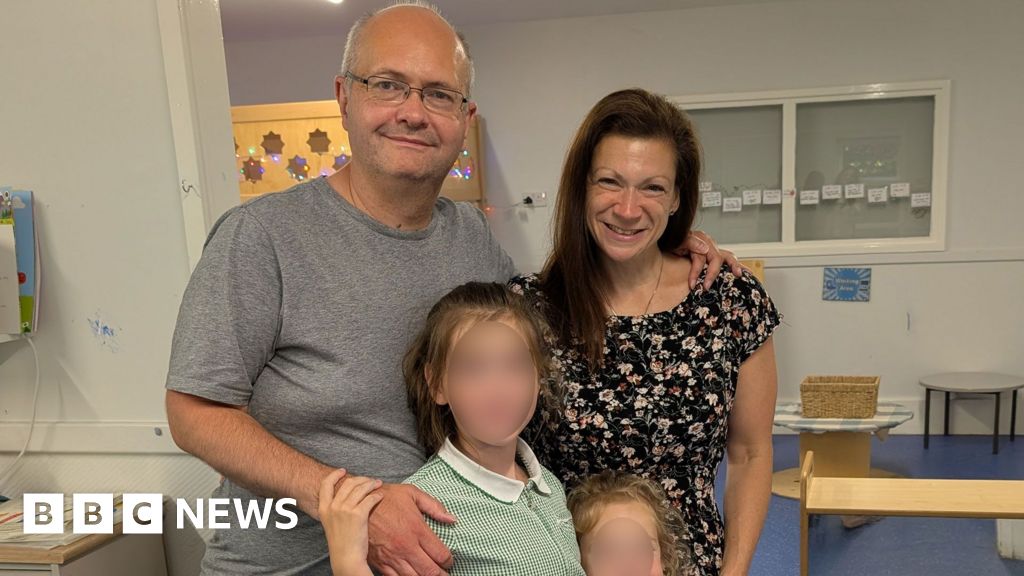
In recent months, a high-profile case in the United Kingdom has spotlighted the profound ways family conflicts and social tensions influence not just individual lives but the fabric of communities at large. A 14-year-old boy, whose identity remains protected, found himself embroiled in a legal battle against his own parents after they relocated him to Ghana, ostensibly to address concerns regarding his behavior in London. The court’s decision to keep him in Ghana until at least the conclusion of his GCSEs underscores the complex intersection of family rights, social stability, and youth welfare.

Historically, sociologists such as Friedrich Engels and contemporary social commentators have explored how family disruptions ripple outward, affecting communities and societal cohesion. This case exemplifies the delicate nature of familial bonds when moral judgments, cultural shifts, and legal frameworks collide. The boy’s parents, concerned about behaviors such as truancy and carrying a weapon, sought to relocate him to Ghana—an action that raises questions about demographic shifts and the societal pressures leading to such drastic measures. The court’s decision reflects a recognition of the child’s need for stability and individual development, while also honoring the importance of family unity and cultural roots.

The Impact of Social Issues on Education and Community Development

  • Educational Disruptions: The boy’s ongoing studies in Ghana for his GCSEs highlight the critical role formal education plays as a pillar of young people’s stability. Interruptions, especially amid familial conflicts, threaten the foundation of future opportunity and societal mobility.
  • Community Tensions: The case sheds light on broader social tensions surrounding parenting styles, cultural integration, and youth behavior. As communities attempt to navigate these multilayered issues, questions about how society supports family reconciliation become ever more urgent.
  • Legal and Social Frameworks: The court’s emphasis on a road map for eventual return underscores the importance of structured intervention programs. Funded family therapy, for instance, is a vital tool for addressing underlying problems—yet its availability and effectiveness remain inconsistent, highlighting challenges facing social services nationwide.

In an era where social cohesion is increasingly strained, the case underscores how families are at the frontline of societal health. As the history of social change invariably shows, upheavals within the family unit inevitably manifest in community destabilization. Sociologist James Coleman argued that cohesive family environments serve as the backbone of healthy societies, emphasizing the urgency of supporting families through social reforms and community engagement.

Looking Toward a Society of Hope and Resilience

While the immediate legal ruling offers a temporary resolution, it opens a broader conversation about how society can better support families facing crises. Addressing youth behavioral issues, fostering open communication, and providing accessible mental health resources are essential steps in strengthening societal resilience. This case, though challenging, presents an opportunity for communities, schools, and policymakers to reflect on their role in nurturing tomorrow’s leaders—ensuring they grow up in environments that promote stability, understanding, and respect for individual dignity.

In the end, society’s greatest hope lies in its capacity for transformation and compassion. As families learn to navigate the complexities of a rapidly changing world, the collective effort to rebuild trust and provide meaningful support may forge a future where every child can achieve their potential. And in that hope, society finds its true strength, standing resilient in the face of adversity and committed to fostering communities rooted in values of unity, moral clarity, and unfinished promise.

Resident doctors reject Wes Streeting’s last-minute deal; strike to proceed—urgent action needed for NHS future

Societal Strain and the Future of Our Medical Workforce

The ongoing dispute between resident doctors and the NHS highlights a critical challenge facing British society: the strain on healthcare institutions and the families they serve. As the long-standing conflict escalates, the imminent five-day strike threatens to leave vulnerable patients without essential care, underscoring how social issues ripple into families’ wellbeing. The core of the problem lies in how society values and compensates essential workers. The controversy surrounding the offer made by Health Secretary Wes Streeting reflects a deeper societal debate about fairness, career progression, and the moral obligation to ensure adequate healthcare for all.

Despite Streeting’s attempt to tamper down tensions with a renewed offer—doubling the number of new training places and covering examination fees—the discontent persists among resident doctors. The lingering discontent is rooted in a broader cultural shift where many young professionals feel undervalued and overburdened, resulting in a crisis of morale and recruitment. Influenced by sociologists like Richard Sennett, who warns that **a society that undervalues its workers risks societal decline**, the situation reveals a conflict between economic constraints and the moral duty to maintain a robust, compassionate healthcare system.

This social tension extends beyond individual careers, affecting families and communities. Young families rely on a functioning health system, yet they are increasingly faced with the reality that accessible and timely care may become a luxury rather than a given. The key challenge, reflected in the rejection of Streeting’s limited offer, is that **too many aspiring doctors still face barriers that hinder professional advancement**. The statistics speak volumes: with 30,000 applicants vying for only 10,000 training positions annually, the system’s *disconnect from societal needs* is glaring. Historians note that such disparities threaten to erode the social fabric, as frustration grows among the youth who see their future opportunities diminishing.

Real change depends on addressing the root causes of social inequality. As Dr. Jack Fletcher, chair of the Resident Doctors Committee, emphasizes, delivering a multi-year, comprehensive pay deal that restores the value of salaries lost since 2006 is essential. Without this, the cycle of disillusionment, strikes, and staffing shortages will persist, further impacting families, educators, and entire communities. The challenge lies in balancing the nation’s finite resources with the moral imperative to support those who care for society’s most vulnerable. As society stands at this crossroads, it must reflect on a fundamental question—how much are we willing to invest in our future, embodied by the health and education of our youth? The answer will shape the society we nurture for generations to come, determining whether we emerge stronger or risk society’s moral and social decline.

English schools to teach mortgages and AI—preparing youth for a stronger, self-reliant future

Society in Transition: How Modern Educational Reforms Reflect Broader Social Issues

In recent developments, the British government has embarked on an ambitious overhaul of the national curriculum in England, signaling a profound effort to adapt education to the demands of a rapidly changing society. Integrating lessons on financial literacy, AI, misinformation, and climate change, these reforms aim to equip younger generations with essential skills for navigating an increasingly complex world. As Hazel Shearing reports, the focus on preparing students for future economic realities—such as understanding mortgages and budgeting—underscores a pressing societal need to foster financial independence among youth. This initiative recognizes that what children learn today shapes the moral and economic fabric of tomorrow’s families and communities.

The Societal Roots of Educational Change

The revised curriculum reflects more than mere academic updates; it reveals *a societal recognition of the persistent inequalities and cultural shifts shaping social fabric*. Sociologists like Prof. Becky Francis emphasize that these modifications are part of an evolutionary step towards addressing disparities that tend to widen during the transition from primary to secondary education. The aim is to mitigate the attainment gaps faced by disadvantaged children, whose educational trajectories are often hampered by a lack of early support and resources. Yet, critics warn that structural barriers—such as insufficient funding and teacher shortages—may undermine these well-intentioned reforms. Families and communities are deeply affected by educational quality, with gaps in achievement translating into future opportunities or the lack thereof.

Cultural Tensions and the Education Debate

Notably, the review also tackles the contentious issue of cultural representation. While proponents argue that expanding curriculum diversity acknowledges *a global and historical truth*—highlighting contributions from various backgrounds—others, including Shadow Education Secretary Laura Trott, contend this risks weakening the core of national identity. Trott’s critique echoes a broader societal tension: should education prioritize foundational cultural knowledge or foster a more inclusive portrayal of our shared history? Historian David Cannadine notes that such debates are central to understanding how society constructs its identity amid demographic diversification. The government’s decision to exclude some recommendations—such as scrapping the English Baccalaureate (EBacc)—raises questions about whether the focus remains on raising standards or diluting core academic pursuits.

The Road Ahead: Hope and Challenge

Amid the debate, social commentators recognize the potential for education to become a catalyst for societal rejuvenation. As Pepe Di’Iasio from the Association of School and College Leaders notes, meaningful reform requires adequate resources and committed teachers, emphasizing that education is the backbone of community resilience. The challenge remains: how do we foster a society where families, schools, and communities work collectively to uphold high standards while adapting to new cultural realities?

The societal journey set before us is complex and arduous, yet filled with hope—a hope rooted in the belief that education can be the vessel for societal transformation. As society wrestles with its identity and future, the resilience of communities lies in their ability to adapt, nurture, and forge ahead. The story of our times is not just defined by policies or curriculum changes, but by the enduring human spirit to build a society where every child is given the opportunity to thrive and contribute to the collective good. Society’s greatest challenge remains: to ensure that these educational reforms translate not merely into policy, but into a future where hope blooms amidst the shadows of uncertainty.

NHS staff battle rising racism reminiscent of the 70s and 80s, warns Wes Streeting

Resurgence of Racism and Its Impact on Society

In recent times, Britain faces a troubling resurgence of racial hostility reminiscent of the 1970s and 1980s. This unsettling trend, characterized by verbal and physical abuse, is not confined to isolated incidents but has seeped into the very fabric of society, affecting families, education, and community cohesion. As sociologists like David Goodhart warn, such demographic shifts and political rhetoric have emboldened prejudiced sentiments that threaten to erode the social fabric that binds us. Teachers, healthcare workers, and ordinary citizens alike are now witnessing a disturbing normalization of such ugly racial discrimination. This social regression not only fosters division but also undermines the moral fabric of the nation, leaving vulnerable communities feeling increasingly alienated and unprotected.

The NHS as a Microcosm of Broader Society

The NHS, often viewed as a cornerstone of British society, now faces a surge in racist incidents that stand as a stark mirror of wider societal tensions. According to prominent social commentators and reports from the Royal College of Nursing, the increasing frequency of abuse directed at healthcare staff—especially nurses and doctors—reflects a broader decline in social civility grounded in prejudiced attitudes. NHS staff, representing a remarkably diverse workforce, are confronting harassment that not only impacts their well-being but also poses risks to families and communities relying on essential healthcare services. The situation is compounded by political rhetoric that often fuels anti-migrant sentiments, emboldening racialized hostility. Historian Heather MacDonald warns that when prejudice becomes normalized in institutions, the societal consequences ripple outward, tearing at the shared social fabric that binds our communities and impacting the generations of families who depend on fairness and dignity in public services.

Strain on Healthcare and Its Consequences

  • Multiple hospitals in England are experiencing unprecedented demand, leading to ‘critical incident’ declarations, especially in Bristol and Weston-super-Mare.
  • Record numbers of patients now face dangerously long waits, with some aged 90 and above waiting over 12 hours in A&E—an ordeal that risks deterioration of health and increased mortality.
  • The approaching winter, coupled with a ‘triple whammy’ of flu, Covid, and industrial action, threatens to overwhelm already strained NHS resources, risking harm to vulnerable populations and family units.
  • Resident doctors plan to strike in protest of pay disparities, risking further disruption of care, which is already compromised by staff shortages and surging demands.

Addressing these challenges requires a recognition that _social cohesion and respect for public institutions are vital_ to overcoming such crises. Sociologist Dr. John Macionis emphasizes that societal resilience depends on fostering empathy and accountability. In validating the struggles of NHS staff and confronting the prejudices underlying aggressive behaviors, society must reaffirm its commitment to fairness, respect, and the collective well-being of families and communities.

A Path Forward: Embracing Society’s Moral Heart

In the face of social tensions and institutional stress, Britain stands at a crossroads. The troubling rise of racism and the ongoing strain on healthcare threaten to fracture the social unity that has historically sustained the nation. Yet, society also bears the moral imperative and the collective strength to forge a more inclusive, resilient future. As social commentators like Phillips and sociologist Putnam suggest, revitalizing community ties and promoting narratives of shared responsibility can heal societal wounds. Healing begins with recognizing the dignity of every individual, supporting institutions that serve as pillars of social justice, and fostering a culture where respect and unity are not just ideals but lived realities. Our societal challenges are formidable, but the hope of transformation remains—a testament to society’s enduring capacity for renewal and moral awakening, if only we choose to uphold the values that make us truly human.

Head teachers to be consulted on strike threat over Ofsted reforms

The Rising Tensions Behind England’s New School Inspection System

In a landscape where cultural shifts in education and societal pressures collide, the recent decision by Ofsted to implement a new, color-coded inspection framework has ignited fierce debates among educators, parents, and social commentators. The restructure aims to bring a more nuanced assessment of school environments, broadening the scope beyond traditional academic metrics to include areas such as wellbeing, inclusion, and safeguarding. Yet, beneath the surface of these well-intentioned reforms lies a complex web of social tensions that threaten to undermine the very fabric of our communities and the stability of families across the nation.

Critics, notably the National Association of Head Teachers (NAHT), have voiced concerns that this overhaul might inadvertently harm the mental health of school leaders and staff. Their challenge culminated in a legal battle that was recently dismissed, yet the underlying issues remain unresolved. The union argued that the new grading system, which categorizes schools into five distinct levels—urgent improvement, needs attention, expected standard, strong standard, and exceptional—could foster undue pressure and distort the true quality of education. It’s a debate that cuts deep into how society perceives educational success and whether the current focus on graded judgments aligns with the humanistic values that should underpin our approach to social development and community cohesion.

Adding to the controversy, the tragic case of Ruth Perry—a head teacher whose death was linked to the stresses induced by Ofsted’s inspection process—has cast a long shadow over the reforms. An inquest revealed that the inspection contributed to her untimely death, sparking widespread outrage and calls for re-evaluation of inspection practices. This stark reminder underscores how social issues in education extend beyond students; they profoundly impact families, community stability, and the moral fabric of our society. While Ofsted insists that wellbeing remains a priority and that their new framework seeks fairness and transparency, many voice concerns that the systemic pressure to meet certain standards risks reducing education to a series of numbers and grades, often at the expense of human dignity and mental health.

Historically, educational sociologists like Pierre Bourdieu have warned against the ossification of social hierarchies through metrics and judgments that fail to account for cultural and socio-economic contexts. As societal divisions deepen, so too does the risk of reinforcing demographic disparities within schools, which serve as microcosms of larger societal tensions. The fight over inspection standards exemplifies this struggle—balancing the need for accountability with the imperative to nurture inclusive, resilient communities. Moving forward, the challenge lies in developing a system that recognizes the multifaceted nature of education, one that safeguards not only students’ achievements but also their wellbeing, and by extension, the moral strength of their families and communities.

Ultimately, society stands at a crossroads where the priorities we choose today will determine the moral and cultural integrity of future generations. As the echoes of past social upheavals remind us, the true strength of a nation lies in its capacity to nurture holistic human development. As we grapple with these reforms, the enduring hope is that society will not lose sight of its core moral obligation: to foster communities where families can thrive, educators can find purpose, and each child can grow not just in knowledge but in resilience, compassion, and hope. The path forward is not predetermined; it is one we must continually forge with courage, clarity, and an unwavering commitment to the moral fabric that binds us all.”

Reform Council Pushes for Flag Removal to Brighten Up Christmas Lights in Kent

Controversy Over Flags and Christmas Lights in Harrietsham

Flags vs. Festive Cheer: The Cultural Clash in Harrietsham

The recent decision by Kent county council to mandate the removal of union and St George’s flags from streetlights before the village can proceed with its traditional Christmas decorations has sparked a fierce debate that reflects broader societal tensions. This incident, deemed “beyond ironic” by local leaders, underscores how cultural symbols and identity politics increasingly influence community life and social cohesion. As the council’s safety concerns dominate discussions, the decision highlights an underlying struggle over the societal role of national symbols amid a rapidly changing demographic landscape.

The controversy centers on the flags, which are often associated with national pride and patriotic expression. While the county council asserts that safety during light installation is paramount, critics argue that the decision is emblematic of a broader trend of government intervention in cultural expression. For many families and communities, such symbols are part of their identity, deeply intertwined with their history and sense of belonging. The actions of the council have ignited concerns among residents and local groups who see this as an erosion of freedom to display their heritage. Notably, the parish council emphasizes that the flags, which were put up without formal permission, do not belong to the council property and therefore cannot be removed without owner consent—highlighting issues of property rights, local autonomy, and the cultural significance of public symbols.

This conflict has implications beyond mere symbolism; it affects the social fabric of communities and the everyday experiences of families. When local authorities restrict expressions that unite or represent a community’s history, it can lead to alienation and social fragmentation. Sociologists like Dr. Lisa Greenfield warn that such restrictions risk marginalizing conservative and patriotic elements, which are vital voices in the ongoing conversation about national identity. The debate reveals a cultural shift where traditional symbols are being scrutinized under the guise of safety or political correctness, often at the expense of community cohesion and shared celebration. Furthermore, the controversy illustrates how social tensions around identity, patriotism, and multiculturalism influence local governance and public spaces.

Supporters of the council’s stance argue that safety remains the highest priority in public planning, emphasizing that flags can obstruct visibility or interfere with installation safety. Peter Osborne, Kent council’s cabinet member for highways and transport, asserts that the removal process can be done efficiently by contractors without significant costs. Yet, critics like Stuart Jeffrey, a Green councillor and leader of Maidstone borough council, suggest that the broader issue is symbolic — that the flags represent more than just personal or local pride, but the tensions between local tradition and the push for a homogenized national identity. They contend that “the flags serve as a reminder of the community’s history, and their removal signifies a form of cultural suppression.”

Ultimately, this conflict resonates as a microcosm of society’s ongoing struggle to balance tradition with progress. It raises essential questions about how communities can preserve their heritage and identity in an increasingly diverse society, without compromising safety or the rule of law. As we move forward, the challenge lies not only in resolving disagreements over symbols and regulations but in fostering a society where families, educators, and communities can find common ground amid the inevitable changes shaping modern Britain. Reflecting on this, one can hope that society’s greatest strength remains its capacity to adapt, unite, and honor its roots—transforming division into dialogue, and symbols of division into symbols of collective hope for a more inclusive future.

Jersey teen credits ADHD diagnosis with transforming her future

In recent years, shifts in social dynamics and demographic compositions have brought to light pressing issues affecting families, educational institutions, and communities. Mental health, in particular, has emerged as a compelling societal challenge that cuts across generations. Stories like that of Holly Harris, a 23-year-old from Jersey, illuminate how these issues unfold on a personal level, revealing how deeply intertwined social structures and individual well-being truly are. Harris’s experience epitomizes the profound impact diagnoses like ADHD (Attention Deficit Hyperactivity Disorder) have had on young people who, for years, suffered in silence, their struggles often masked by societal expectations or a lack of understanding.

Harris shared how her late diagnosis—at age 19—transformed her life. Struggling with anxiety, depression, and burnout, she explained that her journey to understanding her condition allowed her to manage her symptoms better through support from loved ones and medication. Her story resonates with many young individuals who find themselves overwhelmed by the demands of modern life, compounded by the increasing visibility of mental health issues among youth. Sociologists have noted that the current generation is experiencing a mental health crisis rooted in a complex web of social pressures, technological influences, and shifting cultural norms. Historians argue that societal expectations around productivity and success often exacerbate these struggles, especially when they remain undiagnosed or misunderstood.

This phenomenon extends beyond individual cases to broader societal trends, contributing to what some social commentators call a “growing tribe” of young people seeking validation and understanding. Harris emphasizes the importance of community and open dialogue, advocating for support systems that foster empathy and acceptance. As mental health awareness expands, it also highlights the need for reforms in educational systems, which must adapt to support diverse learners facing such challenges. The ripple effects inevitably impact families—many of whom grapple with their own feelings of helplessness while trying to support their children—underscoring the urgent necessity for a societal shift toward greater understanding and infrastructure that prioritizes mental well-being.

Furthermore, demographic changes—such as increased urbanization, cultural diversity, and technological reliance—are reshaping social fabric and introducing new tensions. These tensions often manifest as disparities in access to mental health care, cultural stigma, or generational gaps in understanding. Addressing these issues calls for multifaceted solutions: enhanced mental health education, better access to support services, and a reevaluation of community roles in fostering resilience. Ultimately, the story of societal transformation hinges on our collective ability to recognize and address these intertwined social issues. It is in the empathy we cultivate and the systemic reforms we pursue that society’s hope for a healthier, more inclusive future resides.

As society continues to grapple with these challenges, the words of social critics serve as a reminder that beneath statistics and headlines lie human lives—families trying to find stability, children yearning for understanding, and communities striving for cohesion. Society’s fabric is woven through these stories of struggle and resilience, calling us to reflect on our moral obligations and the potential for meaningful change. The journey forward is not merely about fixing systems but about fostering a moral renewal rooted in compassion and recognition of our shared human dignity. Perhaps, amid the shadows of current social tensions, there remains a flicker of hope—an ember that urges us to transform societal neglect into societal nurture, turning the tides toward a future where every voice is heard and every life valued.

Chipping Campden Students Back Initiative to Combat GCSE Stress

In recent years, the rising tide of social media influence and academic pressures has cast a long shadow over the mental health of young people across England. According to NHS figures released in 2024, more than 550 children each day are being referred to mental health services for anxiety—a stark indicator of the crisis impacting families, schools, and communities. This alarming trend underscores a fundamental societal challenge: how do we equip the next generation to navigate an increasingly complex social landscape without compromising their well-being? It is here that innovative programs, like Better Me, Better You, established by Army veteran Sam Coton, seek to address this urgent need by fostering resilience and self-belief among students.

In the midst of this mental health epidemic, educational institutions are struggling to find solutions that resonate with today’s youth. Coton’s workshops focus on teaching students about their subconscious minds, unlocking inner confidence, and providing practical strategies to manage stress during pivotal moments such as GCSEs. As sociologist Dr. Mark L. Waite notes, “The societal pressure to perform combined with online social judgments creates a perfect storm for mental exhaustion in adolescents.” For many, these pressures diminish their sense of self-worth and cast shadows over their familial relationships. As one student, Fraser, reflected, the course taught him how to keep calm during exams—an essential skill in a society where the relentless pursuit of achievement can often lead to mental burnout. Schools, parents, and social actors must recognize that addressing emotional health is crucial not just for individual success but for the stability of entire communities.

Yet, the challenge transcends individual programs. The societal fabric is witnessing a cultural shift where the emphasis on mental health and self-awareness is gradually taking center stage. However, critics argue that such shifts need to be accompanied by comprehensive policy reforms that embed mental health education into formal curricula and community initiatives. Historian Dr. Susan Jones emphasizes that “The social dynamics of youth have changed dramatically, and our approaches must adapt accordingly—mental health should be viewed as integral to education and societal participation,” aligning with Coton’s vision of integrating these principles into the core of learning environments. Meanwhile, community-based efforts, funded through grants and donations, demonstrate the power of grassroots movements to bolster these essential reforms, ensuring that no child is left behind in America’s or England’s societal evolution.

Ultimately, society stands at a crossroads: continue to overlook the silent struggles of its youth, or invest in the moral and emotional resilience necessary to forge a stronger future. As we reflect on the stories of Naomi, overwhelmed by GCSE pressures, and Kobi, recognizing the need for change, we are reminded that beneath every statistic lies a human story—families seeking stability, communities yearning for hope, and a generation eager to redefine what success means. It is through collective effort and unwavering commitment that society can transform its challenges into catalysts for genuine, lasting change—illuminating a path where hope is not an abstract ideal but a tangible reality built on understanding, support, and resilience.

Government blocks Derbyshire mum's push for fine-free school absences
Government blocks Derbyshire mum’s push for fine-free school absences

School Absence Policies Spark Debate on Impact to Families and Communities

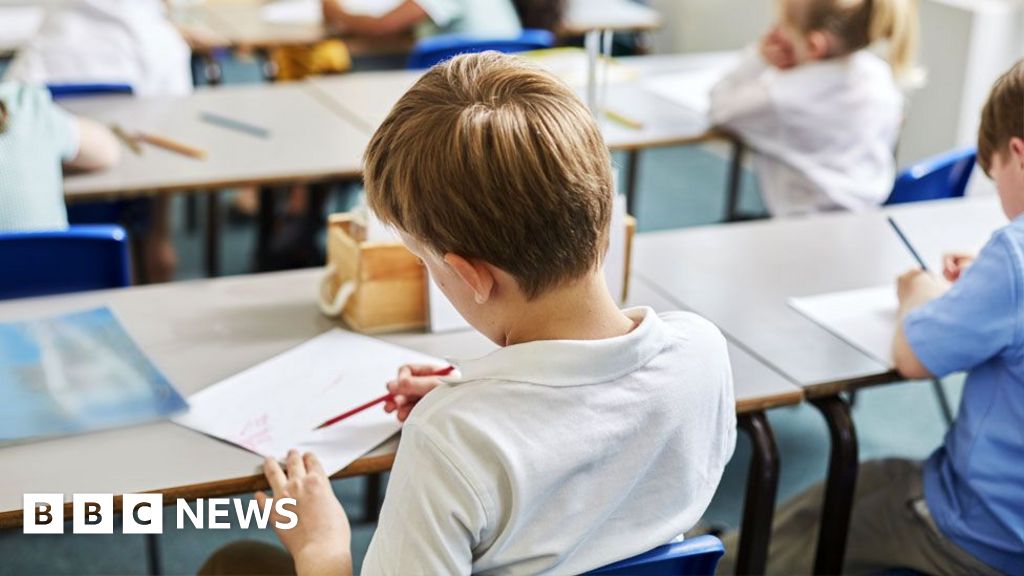
In recent weeks, the discourse surrounding school attendance policies has intensified, revealing profound societal tensions about how education, family life, and social equity intertwine. The UK government’s firm stance against allowing students to miss up to 10 days of school without a legitimate reason has ignited a controversy that underscores the critical importance of balancing discipline with compassion. A petition launched by Natalie Elliott from Ripley, Derbyshire, gathering more than 180,000 signatures, has challenged the prevailing approach, which has led to minimum fines of £80, escalating to thousands of pounds or even custodial sentences for non-compliance. This debate highlights societal concerns about the effects of rigid attendance enforcement on families, especially those facing financial hardship or extraordinary circumstances.

Social commentators and educational sociologists argue that such policies, while intended to boost school standards, often fail to account for the complex realities faced by families. The current system, as described by Elliott, fosters an environment where parents may feel too afraid or stigmatized to call in legitimate absences. The result is a growing divide between state expectations and familial needs. For many families, especially those with children with special educational needs and disabilities (SEND), the rigid penalty framework compounds stress, depriving children of valuable de-stress time during family holidays—time that could be vital for mental health and familial bonding. Meanwhile, critics like Conservative MP Robbie Moore highlight how costly travel during school holidays exacerbates inequalities, making it difficult for low- and middle-income families to afford quality breaks without risking penalties, thus widening the social gap.

Experts warn that the emphasis on strict attendance compliance risks erosion of community trust and the moral fabric of educational institutions. In a society that values equity and resilience, policies must adapt to recognize the diversity of family circumstances. Some argue for more flexible systems, including appeals processes and family-friendly initiatives like fairer holiday pricing. Sociologist Annette Lareau has long emphasized how families’ socioeconomic resources influence educational engagement, and the current pandemic has only deepened these disparities. The debate calls into question whether the solution lies solely in punitive fines or in holistic community-based strategies, aimed at fostering cooperation rather than fear.

As society stands at a crossroads, the challenge lies in reconciling the need for educational standards with the necessity of human empathy. The societal promise, after all, is not merely to educate but to nurture resilient communities rooted in support, understanding, and compassion. While the government remains committed to reducing ‘absence epidemic’, as stated by Minister Georgia Gould, there is a burgeoning hope that society can evolve towards policies that prioritize the human experience. In the quiet hopes of every parent and teacher, there remains a conviction that society’s true strength lies in its ability to adapt—to recognize that behind every statistic is a family, a child, a future seeking the dignity of understanding over the fear of punishment. Society’s greatest challenge, and its profound hope, is to build a future where education serves not just as a system of discipline but as a pillar of community resilience and human kindness.

Social Media Auto Publish Powered By : XYZScripts.com