Matox News

Truth Over Trends, always!

Mother warns: Cutting home education risks hurting our kids' future
Mother warns: Cutting home education risks hurting our kids’ future

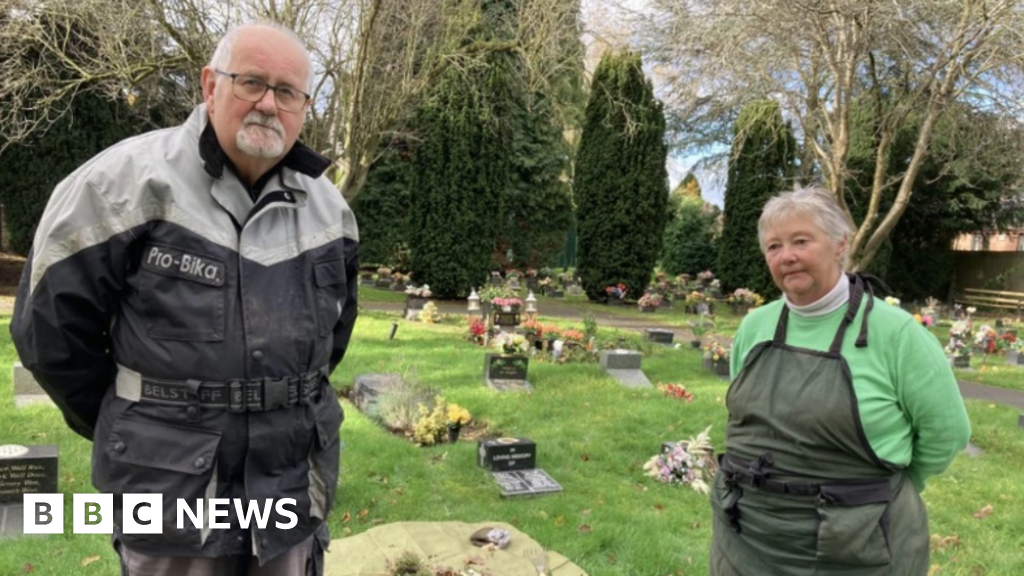
The recent announcement by Barnsley Council to reduce the number of children receiving home education by 30% has ignited a fierce debate on the state of educational choice and parental rights within the community. Campaigners and legal experts contend that such a target is not only misguided but also “unlawful,” raising serious questions about the council’s approach to individual freedoms, community wellbeing, and the role of local authorities in safeguarding vulnerable children. This controversy underscores enduring tensions between government oversight and personal liberty, with profound implications for families and social cohesion.

The push to curtail home education reflects broader concerns about safeguarding and social integration. Advocates argue that increased oversight could address potential neglect or exploitation, citing instances where home-educated children might lack access to essential resources or socialization opportunities. However, critics, including legal scholars and social commentators, point out that the government’s role should be to support and empower parental choices rather than to impose sweeping reductions. Such measures risk stigmatizing families who opt for alternative forms of learning, often rooted in cultural or moral values, and may lead to unintended marginalization of communities that value independence and bespoke education approaches.

Research from sociologists like Michael Young and James Coleman highlights that education is not solely a tool for academic achievement but a vital component of social fabric. When families face state-imposed restrictions, the ripple effects extend beyond individual children, impacting families, local communities, and the future of society itself. The community’s stability depends on fostering an environment where diverse educational choices are respected, rather than undermined by bureaucratic targets. Moreover, recent social studies emphasize that community cohesion is strengthened when families feel that their cultural and educational values are validated and protected—something that arbitrary reductions threaten to diminish.

The legal assertion that Barnsley’s target is “unlawful” emphasizes the importance of adhering to principles of parental rights and individual freedoms. As public policy increasingly intersects with personal moral judgments, the challenge lies in balancing protection with respect for personal agency. From a societal perspective, fostering an environment that supports diverse upbringing methods—be they religious, philosophical, or cultural—bolsters social resilience and promotes a multipolar society. Leaders and educators alike must consider that the strength of a society is measured not solely by its adherence to uniform standards but by its capacity to accommodate different visions of the good life.

As communities grapple with these issues, the ultimate question remains: how can society uphold safety and inclusivity without silencing the voices of families who seek to shape their children’s education beyond the conventional systems? History teaches us that transformations often begin in moments of controversy, where societal values are challenged and redefined. In this ongoing socio-educational dialogue, there lies the hope of nurturing a society that respects both individual autonomy and collective responsibility—recognizing that, beneath all policies, it is the human element—the children, the families, and the communities—that holds society’s true strength and potential. As we reflect on these struggles, we are reminded that the journey toward a more just and compassionate society is continuous, requiring vigilance, empathy, and steadfast commitment to preserving the dignity of every voice in the mosaic of our shared future.
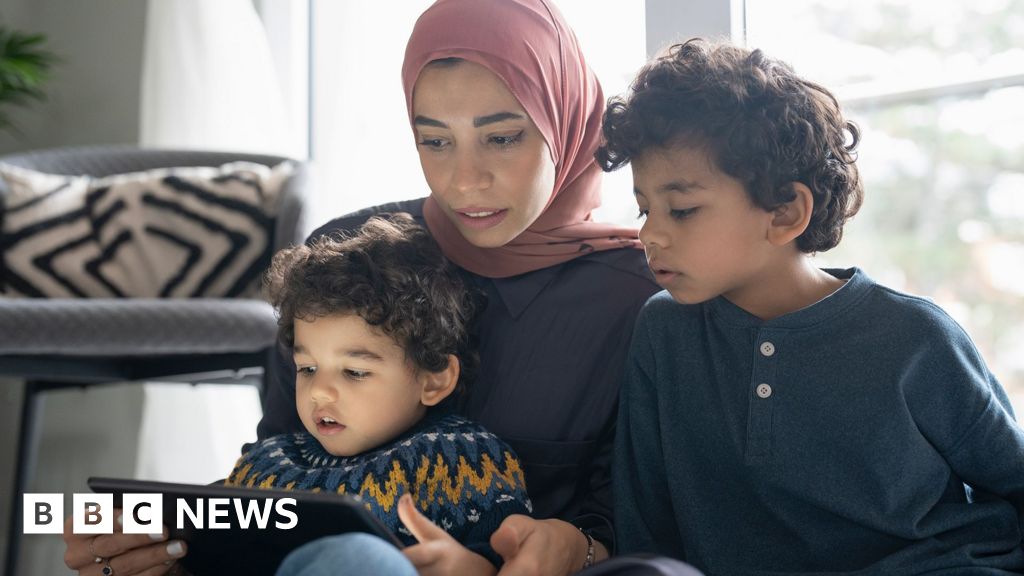
Is screen time hurting our youth? Here’s how to take control and stay balanced.

The Impact of Unchecked Screen Time on Society’s Foundations

In recent years, the proliferation of digital devices has transformed the fabric of everyday life. From smartphones and tablets to computers and gaming consoles, technology has become deeply embedded within families, educational institutions, and communities. While these advancements offer unprecedented opportunities for learning and connectivity, an alarming trend has emerged: excessive screen time is beginning to challenge the social cohesion and mental well-being of youth and families. As social commentators and scholars like Jean Twenge have argued, the overexposure to screens correlates with rising levels of anxiety, depression, and social withdrawal, particularly among adolescents. It’s crucial to understand how these shifts impact the moral fabric of society and what steps can be taken to preserve our collective well-being.

Despite the undeniable benefits of digital connectivity, the relentless encroachment of screens into daily routines often replaces traditional social interactions and physical activity. The result, as sociologist Neil Postman warned decades ago in ‘Amusing Ourselves to Death,’ is a society increasingly distracted and less engaged with authentic human relationships. For families, this translates into diminished communication, weakened bonds, and a reduced capacity to navigate conflicts or build resilience. Educational institutions face similar challenges, as teachers report declining attention spans and reduced motivation among students immersed in digital distractions. Meanwhile, communities struggle to foster the sense of shared values and collective purpose essential for social stability. The cultural shift away from face-to-face interactions risks creating a generation that is ‘connected’ in the virtual world but disconnected from real-world responsibilities and community engagement.

Recognizing these challenges, social theorists and policymakers advocate for a measured approach to screen time management.

  • Implementing family-based digital curfews and establishing tech-free zones
  • Educating youth about responsible device use and digital literacy
  • Investing in community programs that emphasize outdoor activities, civic engagement, and interpersonal skills

Such efforts aim to restore balance, nurturing a generation that values meaningful connections over mere digital consumption. Historically, societal resilience has been rooted in the strength of its communities and the moral fabric that sustains families through adversity. As sociologists like Christopher Lasch have noted, fostering local solidarity and moral responsibility can serve as a counterbalance to the individualistic tendencies fostered by digital culture. It is only by cultivating environments where face-to-face interactions are prioritized that society can hope to mitigate the isolating effects of screens. The challenge lies in guiding this transformation without resorting to censorship but through empowering families and communities to make conscious choices that uphold human dignity and social cohesion.

As society stands at this crossroads, each family, educator, and community member bears the responsibility to reflect on what future they are helping to shape. In the silent spaces between pixels and notifications, there lies an opportunity—a chance to revive our shared humanity, restore moral clarity, and reweave the social fabric torn by overreach of technology. Through targeted action and steadfast commitments, there remains hope that today’s digital age can evolve into a tool not for alienation, but for strengthened bonds and renewed communities—a society resilient enough to embrace the future while honoring its timeless human foundations.

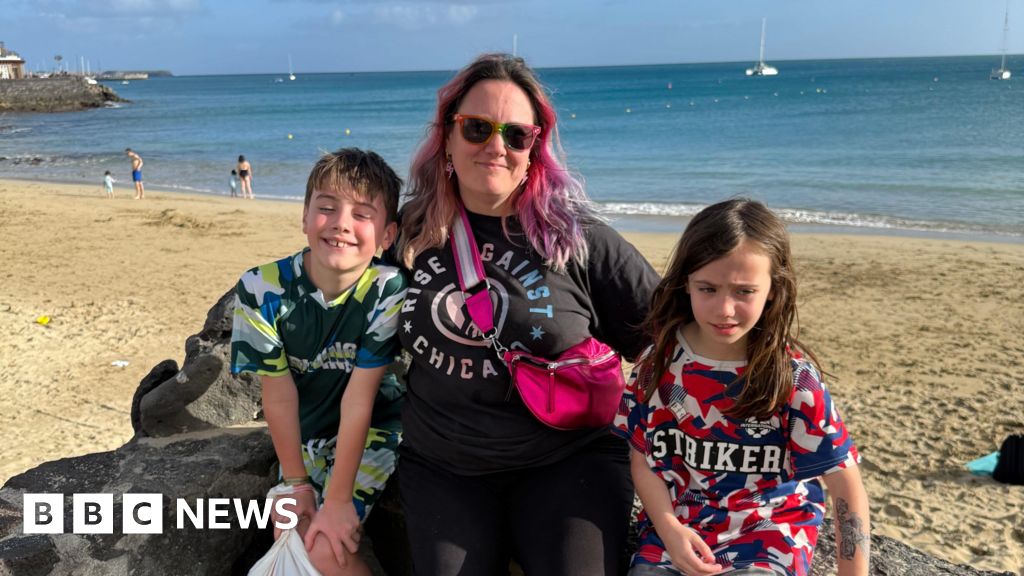
Without screens, I’d never get anything done—kids today need balance to thrive

Parents Call for Realism in New Government Screen Time Restrictions for Children

The introduction of recent government guidance aimed at **limiting children’s screen time** has ignited a nationwide debate centered on **how such policies will affect families, education, and communities**. While the intent behind these regulations is to address concerns over digital addiction and promoting healthier lifestyles, many parents are voicing the need for a *pragmatic approach* that recognizes the realities of modern life. As one parent remarked, “Policies must be *realistic* to be effective; otherwise, they risk being ignored or creating additional stress for families trying to balance work, education, and well-being.”

Social commentators and educational experts highlight that the shift in digital consumption has become an intrinsic part of daily life. According to sociologist Dr. Lisa Carter, in her 2021 analysis, the *digital landscape* has evolved from a supplementary tool to a central facet of communication, learning, and entertainment for **today’s youth**. This transformation has significant implications for **families and community cohesion**. As children increasingly navigate social interactions through screens, the challenge for parents is to establish boundaries without impeding access to educational opportunities or social development. The new guidelines, which recommend specific daily limits, reflect an understanding of this delicate balance, but also raise concerns about their *feasibility and cultural acceptance*.

Some educators and social workers observe that **schools and community organizations** are pivotal in forging a **healthy relationship with screen time**. They stress that the goal should not be an outright ban but instead fostering *digital literacy*—an essential skill in the 21st century. Historian Dr. Samuel Rodriguez notes that from a societal perspective, “the **digital age demands a nuanced approach** where children can benefit from technology while avoiding its pitfalls.” Families, he argues, need resources and support systems that help them integrate digital boundaries into their routines, rather than feel overwhelmed by restrictions imposed without context or support. These insights are vital as *social pressures* and *educational policies* intersect to shape **future generations’ relationship with technology**.

While the intentions behind the government’s guidelines are rooted in *public health and moral responsibility*, they also expose *broader social tensions* about **cultural values, youth independence, and community well-being**. Vincent Evans, a prominent social critic, warns that overly restrictive policies may inadvertently lead to **alienation** and the erosion of **family bonds**, particularly in communities where digital interaction serves as a primary link to the outside world. Moreover, the **discrepancy between policy and lived experience** underscores a fundamental challenge: **societies must find sustainable ways to address evolving social issues** that respect individual circumstances while promoting shared values.

As society grapples with these complexities, one thing remains clear: **the future of community health and family stability depends on balanced, thoughtful policies rooted in empathy and practicality**. **The societal fabric is woven through the daily interactions and moral choices families make**, especially in realms as vital as childhood development. The hope lies in fostering environments where children learn responsibility and resilience in digital spaces, guided by parents and communities committed not just to restrictions, but to cultivating a shared understanding of *how technology can serve, rather than diminish, the human experience*. In this quiet, ongoing struggle for societal harmony, perhaps the most profound transformation is the acknowledgment that **true progress begins with listening, compassion, and collective effort**—a hope that society, with all its challenges, remains capable of growth and renewal.

Parents Urged to Limit Under-Fives’ Screen Time to One Hour Daily for a Stronger Future

Amidst the rapid evolution of digital technology, society faces a critical challenge: ensuring the well-being and holistic development of our youth. Recent reports from Children’s Commissioner for England Dame Rachel de Souza and Prof Russell Viner, scientific adviser to the Department for Education, underscore a concerning trend—prolonged screen time is increasingly linked with adverse effects on children’s sleep patterns and physical activity. This emerging evidence highlights a broader societal issue, one that cuts to the core of how families, schools, and communities support the next generation.

The findings emphasize that long hours spent in front of screens—be it smartphones, tablets, or computers—are not neutral. Instead, they pose tangible risks to children’s physical health and mental resilience. Research has shown that excessive screen time disrupts sleep cycles, leading to fatigue, diminished concentration, and even emotional instability. Likewise, reduced physical activity, often a consequence of sedentary screen time, stifles vital motor development and fosters an increased risk of obesity. These issues ripple outward, affecting educational achievement and social interactions, and ultimately, the fabric of communities that depend on healthy, engaged youth.

Historically, social commentators and sociologists such as Albert Shanker and Neil Postman have warned of technological influences reshaping society’s moral and cultural standards. Today, educators and parents grapple with balancing the undeniable benefits of digital connectivity against its pitfalls. Many families experience the dilemma of regulating screen use amid busy schedules and pervasive peer pressure. Schools face the complex task of integrating technology in ways that educate without contributing to dependency or social isolation. The societal challenge lies in fostering environments where children learn to navigate digital spaces responsibly, while maintaining essential real-world skills and relationships.

This dilemma affects **families, education, and community cohesion** profoundly. Without deliberate intervention, the risk is that a generation might grow up disconnected from the physical and social realities essential for their growth. Such disconnection threatens the socio-emotional fabric of our communities, risking the emergence of individuals who are technologically savvy yet socially isolated. Solutions demand a multifaceted approach: promoting outdoor play and physical activity, integrating digital literacy into education, and fostering community initiatives that create safe, engaging spaces for children away from screens. By confronting this issue now, society preserves the moral and physical health of future generations.

Ultimately, the challenge is as old as society itself: to nurture balanced human beings capable of critical thought, empathy, and resilience. As we stand at this crossroads, the hope of transformation lies in our collective resolve to prioritize human connection and physical well-being over mere technological convenience. Society’s strength depends not solely on its innovations but on how it shapes the moral compass guiding youth toward meaningful engagement, community participation, and personal growth. In a time when digital screens threaten to eclipse the natural world and face-to-face bonds, it is the moral duty of all—families, educators, and policymakers—to rekindle our commitment to shaping a society where children are encouraged to: broaden their horizons beyond the glow of a screen, and rediscover the unanticipated power of real-world interactions.

Court rejects leniency: Man who killed pregnant girlfriend gets life behind bars, ensuring justice for women and girls

Justice and Social Tensions: The Tragic Toll on Families and Communities

The recent court decision to impose a whole-life order on Shaine March, a man convicted of murdering his pregnant girlfriend, underscores the ongoing societal struggle with social violence and justice. The case, shocking in its brutality, has cast a harsh spotlight on the pervasive danger faced by women within their own homes—an issue that profoundly affects families, education, and communities. Alana Odysseos, a young mother in her early thirties, was tragically killed in her Walthamstow residence while she was in the early stages of pregnancy, leaving behind her children and a community in mourning. Her death illustrates the critical need for society to re-examine how we handle domestic violence and prevent such horrific acts from recurring, especially given the context of her being a victim of a repeated cycle of violence linked to a criminal history that started with her killer’s earlier murder conviction.

Historically, society has grappled with injustices rooted in demographic shifts and cultural tensions that influence how justice is served. Sociology scholar Prof. Jennifer Catlin has argued that cases like March’s reflect deeper social issues, including mental health challenges and systemic failures in rehabilitative justice. March’s prior conviction for a deadly stabbing at a McDonald’s restaurant, followed by his conditional release, exemplifies how the criminal justice system struggles to balance punishment with rehabilitation—often leaving communities vulnerable to repeat offenders. Critics argue that a leniency in sentencing and inadequate management of high-risk offenders exacerbate social divides and undermine public trust. The recent court ruling—a decisive move to replace a 42-year minimum sentence with a whole-life order—signals a call for zero tolerance for perpetrators of the most heinous crimes, especially those impacting vulnerable populations such as pregnant women and children.

For families and communities, these tragedies deepen a sense of vulnerability and mistrust. Odysseos’s mother, Karen Cronin, and her community mourn the loss of a “brilliant mother,” as highlighted by social commentators who emphasize that the human toll extends beyond physical injury to social fabric. As sociologist Dr. Samuel Reynolds notes, “When violence strikes within families, it not only devastates individual lives but also undermines the social cohesion that holds communities together.” The case also elicits calls from political figures for more comprehensive approaches focusing on early intervention and preventative social programs. The need for a societal shift that emphasizes moral responsibility and community resilience is clear—protecting families from preventable tragedies requires more than strict sentences; it demands a renaissance in social values and community engagement.

The path forward, as social analysts assert, must involve addressing the challenges at their root—ranging from mental health support to educational programs that foster empathy and conflict resolution from a young age. The painful reminder of Odysseos’s death compels society to reflect on how social tensions, inadequate justice policies, and cultural shifts influence the safety and fabric of our communities. As society stands at this crossroads, it is essential to remember that behind every statistic is a human story, a family torn asunder, and a community waiting for hope. In a time of profound social upheaval, the true challenge lies in transforming grief into action—building a society where justice does not merely serve punishment but rather functions as a pillar of genuine moral progress. Only through collective effort and unwavering resolve can society hope to heal the divisions that threaten its future and forge a path toward lasting safety and dignity for all its members.

Resident Doctors in England to Strike for Six Days Over Pay Dispute

As resident doctors in England prepare to embark on a six-day strike following Easter, a stark reminder emerges of the growing fractures within our society’s public health infrastructure. The ongoing dispute, centered on fair compensation, career progression, and respect for medical professionals, underscores deeper societal issues—namely, how economic hardship and demographic shifts threaten the stability of communities, the future of our families, and the integrity of our institutions. The British Medical Association (BMA) blames the government for initiating this long, sustained protest, marking the 15th industrial action by resident doctors since 2020—a clear indication of mounting dissatisfaction among the workforce entrusted with our nation’s health.

This strike signifies more than a labor dispute; it reveals the erosion of trust in vital public institutions that underpin the fabric of our society. The NHS, traditionally regarded as the crown jewel of universal healthcare, faces the ripple effects of these disruptions. NHS leaders warn that cumulative costs of the strike could reach £300 million, a figure that reflects the unsustainable pressures on both the system and the communities it serves. Patients are forced to endure longer waits for tests, treatments, and surgeries—an unspeakable sacrifice affecting families already navigating financial and emotional stresses. Such systemic strains, sociologists say, threaten to widen the gap between those with resources and those without, fueling social divides that challenge our collective commitment to fairness and societal cohesion.

The core issue of the dispute revolves around salary restoration and career advancement. The government proposed a deal aimed at providing more frequent and fairer pay increases, acknowledging the long-standing erosion of real-term salaries since 2008-09; however, the stubborn resistance and differing interpretations of how to implement the pay rise have stymied progress. Dr. Jack Fletcher, head of the BMA’s resident doctors committee, explains that recent negotiations unraveled over the period in which the increased funding would be disbursed—a dispute that goes to the heart of how public trust in fairness and transparency can be maintained. The government’s insistence on spreading pay increases over three years, versus doctors’ demand to receive these funds upfront, reflects broader societal tensions around preferences for immediate justice versus gradual change. As sociologists note, these disagreements aren’t merely about money—they symbolize a contest over respect for professions and the societal value placed on those who serve us in our most vulnerable moments.

Ultimately, the ongoing strike exposes societal vulnerabilities rooted in economic disparities, demographic changes, and cultural shifts. With families bearing the brunt of delayed healthcare, and communities watching healthcare standards ebb away, the challenge is clear: **how do we rebuild trust and ensure fair treatment for those who care for us?** As historians observe, the story of societies constantly battling with issues of fairness, opportunity, and respect is ongoing—labor unrest is often a mirror reflecting deeper moral questions. Yet, hope persists. Constructive dialogue, renewed recognition of healthcare workers’ dignity, and targeted reforms can guide society toward a future where families, communities, and institutions work hand-in-hand for stability and growth. Society’s enduring strength lies in its ability to adapt, learn, and ultimately, transform—turning this moment of crisis into a catalyst for genuine renewal.

Youth Disrupt Education Again as Teachers Strike Over Disorderly Students

In a striking display of frustration and moral concern, teachers across the nation are initiating a 12-day walkout scheduled for March and April, citing inadequate response to persistent issues surrounding pupil behavior and classroom discipline. This collective action underscores a broader societal crisis where the foundations of education—one of society’s most vital institutions—are strained to their limits. Such protests are more than just grievances by educators; they are a transparent reflection of deep-seated tensions between the values of discipline, respect, and individual freedom, intersecting with shifts in cultural norms and growing demographic complexities.

The core of this issue lies in the erosion of traditional social structures within schools, which act as microcosms of wider community values. Teachers have long been viewed as moral custodians by their communities, tasked not only with imparting knowledge but also with nurturing responsible, disciplined citizens. However, rising challenges such as disrespectful behavior, cyberbullying, and declining parental oversight threaten this communal role. Sociologists like James Coleman have warned that when institutions such as schools falter, families and communities bear the brunt, often experiencing increased social fragmentation, juvenile delinquency, and diminished social cohesion, which in turn complicates efforts to uphold societal order.

Educational experts argue that these strikes are symptoms of broader societal shifts—not just behaviors of unruly pupils but the consequence of cultural transformations where authority is often questioned, and moral responsibility is sometimes sidelined. For many, these protests underscore the pressing need to revisit foundational values and reinforce respect and discipline within classrooms. As social commentators observe, a weakening of these core virtues endangers the moral fabric of future generations. Addressing this crisis requires a collaborative approach—strengthening parental involvement, reforming disciplinary policies, and fostering a culture of mutual respect—so that schools can once again become safe, productive spaces where families, educators, and communities work together towards shared goals.

At their heart, these protests challenge society to reflect on how social issues impact not just individual classrooms but the entire social order. When teachers, who represent society’s moral backbone, walk away from their duties, it signals a need for urgent reflection and action. As social historian David Hackett Fischer has noted, societal well-being hinges on maintaining a shared cultural ethos—one that recognizes the importance of discipline, responsibility, and respect. The future of our families and communities depends on our ability to confront these challenges head-on, forging pathways toward renewed social trust and moral clarity. In the end, society’s resilience will be measured by whether it can turn these turbulent protests into opportunities for healing, renewal, and hope, ensuring that the next generation inherits a society where justice and discipline are not sacrificed but are **fundamental pillars of our collective future**.

Public back on side: NHS satisfaction rises for first time since 2019

In recent times, Britain’s NHS has experienced a fragile resurgence, a glimmer of hope amid ongoing social struggles. According to the latest British Social Attitudes survey, public satisfaction with the healthcare system has seen a rare uptick—rising from a low of 21% in 2022 to 26%. This small but meaningful increase signals a society still grappling with deep-seated frustrations rooted in long waits, inaccessible services, and systemic inequalities that affect families, communities, and the very fabric of social cohesion. Despite this slight progress, the numbers reveal a harsh reality: over half of the population remains dissatisfied, with critical issues such as emergency care, dental services, and GP access continuing to ignite public anger.

This ongoing dissatisfaction echoes the insights of social commentators and historians who emphasize the societal costs of a failing healthcare infrastructure. Sociologists like Charles Murray and contemporary health experts warn that waiting times and accessibility are not mere administrative problems—they strike at the core of community stability. When families face the trauma of delayed care, children’s futures are compromised, and the social order erodes. The challenge is not only about providing medical treatment but restoring faith in a system designed to support the most vulnerable. Crucially, these issues extend beyond individual health; they ripple through families, schools, and workplaces, fostering a sense of societal decline that undermines national resilience.

Furthermore, social disparities are amplified by the persistent backlog and accessibility issues that continue to define the NHS experience. The survey indicates that only 22% of respondents are satisfied with A&E services and dentistry, and just 36% with general practitioner care. Such figures are more than statistics—they reflect a society where trust in public institutions is fraying, and where the moral and ethical implications of unequal access threaten social harmony. Public figures like Mark Dayan have voiced concerns that these numbers are “worse than in the 90s,” exposing the deep-rooted structural challenges that demand urgent attention. Yet, beneath the pessimism lies a collective hope—an acknowledgment that despite setbacks, incremental reforms and targeted improvements can restore a sense of hope and health for the nation’s families and communities.

Drawing from the insights of social critics and policy makers, many argue that investment, modernization, and strategic reforms are necessary to turn the tide. The government’s plan to overhaul five underperforming NHS trusts—by replacing leadership and merging failing organizations—is a step in this direction. Nevertheless, experts warn that recovery must encompass broader social reforms, including tackling inequality, improving social care, and ensuring equitable access across all demographics. This holistic approach, rooted in moral responsibility and ethical duty, aims to reconnect people with their healthcare system—restoring trust, empowering families, and fostering resilient communities. Only through such comprehensive efforts can Britain hope to reconcile the social wounds inflicted by years of neglect and mismanagement.

As society stands at this crossroads, the enduring question remains: can the collective will of a fractured nation rise above its divisions to forge a healthier, more equitable future? Perhaps, amid the shadowed corridors of hospitals and waiting rooms, there lies a quiet resilience—a moral longing to rebuild not just a healthcare system, but the very core of social trust. In this shared struggle, society’s true strength will be tested—not just in policies or budgets, but in the moral courage to envision and create a future where everyone, regardless of background, can access the care they need. For in healing the healthcare system, society as a whole may find a pathway to healing itself.

UK security warns: Hostile state threats up 50%—police chief issues urgent call to youth

In recent months, the UK has experienced a surge in national security threats, reflecting a broader shift in the geopolitical landscape and raising profound concerns within communities about safety and stability. According to authorities, there has been a 50% increase in investigations into foreign state activities—particularly from nations like Iran, Russia, and China. Such developments are not merely political headlines but deeply influence families and local communities, instilling a climate of uncertainty that jeopardizes the social fabric that holds society together. Social commentators and sociologists warn that these threats could catalyze divisions, especially when intertwined with domestic tensions that threaten the cohesion of multicultural communities.

One of the most disturbing manifestations of growing social tension surfaces in antagonism against the Jewish community. A recent attack in Golders Green, North London, saw four ambulances belonging to the Jewish charity Hatzola firebombed amid reports that the group claimed responsibility. Though the incident is officially treated as antisemitic rather than terrorism, it underscores the fragility of community safety in a society grappling with cultural shifts and demographic tensions. The Metropolitan Police have responded by deploying additional officers, firearms units, and drones to protect Jewish neighborhoods during Passover, revealing a reactive measure to a social fracture that runs deep. The attack not only endangers families’ sense of security but also fuels fears of further escalation in societal discord.

At the political level, figures like Kemi Badenoch argue that tougher immigration policies are necessary to combat antisemitism and social division. Her stance, emphasizing a departure from the European Convention on Human Rights (ECHR), reflects a broader conservative ideology that seeks to address root causes of societal friction. However, critics warn such policies risk alienating vulnerable migrant communities and hampering efforts toward social integration. The debate embodies the broader societal challenge of reconciling national security concerns with upholdings of inclusivity and human rights. As history repeatedly shows, the fragile balance between openness and security can either be a catalyst for societal harmony or a source of division—challenging families, educators, and community leaders alike.

Adding to this complex picture, prestigious institutions such as King Charles have begun to visibly support efforts to combat antisemitism, with the monarch accepting a role as patron of a charity working in this realm. The Community Security Trust (CST) sees this as a sign of societal commitment to preservation and protection, yet such gestures alone are insufficient without concrete action on societal and policy levels. As social historians suggest, the innate human desire for safety and belonging often clashes with the relentless tide of change and division. The real question becomes whether society can harness *hope* to rebuild trust, educate youth about tolerance, and foster community resilience—especially when faced with insecurities that threaten to dismantle the societal kinship that families, schools, and local communities strive to nurture amid adversity.

Ultimately, society stands at a crossroads, with the burden of safeguarding democratic values and social harmony placed upon both policy and moral responsibility. Social challenges—be it foreign interference, cultural tensions, or domestic extremism—are not inevitable but require proactive, collective effort. The hope of society’s future hinges on our capacity for moral reflection, community engagement, and shared resilience. As the shadows of discord lengthen, society must look inward and forward, contemplating whether, through courage and compassion, it can forge a society where every family can live free from fear and division, and where hope quietly stirs within the hardest of times—reminding all that even amidst darkness, society has the power to transform itself into a beacon of unity and moral strength.

Parents of tragedy victims demand tougher minibus safety rules

Community Outrage Sparks Call for Educational Transport Reforms After Tragic Loss of Students

The tragic death of 13 students from a Hagley school in a recent bus accident has reignited long-standing debates about the safety standards governing school transportation. What was initially a community tragedy has now become a catalyst for urgent calls to reform existing policies surrounding how teachers and school staff commute. As families mourn and community members grapple with the profound sense of loss, voices demanding systemic change have begun to echo nationwide, highlighting the often overlooked vulnerabilities within our education system’s logistical framework.

This incident sheds light on the broader implications of how social & institutional structures impact families, educators, and the safety of our youth. In many cases, these tragedies expose patterns rooted in underfunded infrastructure and regulatory gaps that prioritize convenient scheduling over student security. Historically, rural and underserved communities have faced disproportionate risks due to limited resources, a reality social commentators and sociologists have criticized as a systemic failure to protect the most vulnerable. Parents and guardians are now demanding stricter oversight and mandatory safety standards for school-related transportation, emphasizing that the health and safety of children should never be compromised for expedience or budgetary constraints.

In response to this crisis, many are advocating for policy changes that might include

  • Mandatory seatbelt installation on all school buses
  • Enhanced driver training and certification programs
  • Regular safety audits and inspections
  • Restrictions on teacher or staff commutes in private vehicles without proper safety measures

Representatives of local communities suggest that these measures are not merely logistical improvements, but vital components of a moral duty to uphold the ethical responsibility of safeguarding our youth. Social scientist Dr. Lauren Myers states that “public safety policies reflect our collective moral fabric; when we neglect them, we threaten the future of our society itself”. At the core of this discourse lies the question of cultural values concerning safety, responsibility, and childhood protection. As the social fabric evolves, the imperative to protect our future generations becomes a shared moral obligation, urging schools, governments, and communities to move from reactive measures to proactive reforms.

As we confront the social issue of youth safety in the context of education, it remains clear that the path forward must involve more than policy changes; it demands a societal shift in how we value and invest in our children’s safety and well-being. While families mourn and communities seek justice, there lingers a quiet hope — that through collective effort and principled action, society can turn tragedy into an awakening. In this moment of profound loss, hope resides in the recognition that meaningful change can transform our communities into safer, more resilient spaces for generations yet to come. Society’s response to this tragedy will ultimately reflect our moral clarity and commitment to safeguarding the most precious amongst us — our children.

Social Media Auto Publish Powered By : XYZScripts.com