Matox News

Truth Over Trends, always!

Growing Number of Girls Falling Victim to County Lines Exploitation, Data Reveals

Growing Crisis of County Lines Exploitation Among Girls

Recent statistics reveal a disturbing shift in the demographics of county lines exploitation, highlighting an increase in the number of girls and young women becoming victims of organized criminal networks. Data from Catch22, a leading charity supporting victims of modern slavery and exploitation, shows that these vulnerable girls now comprise 22% of its caseload in 2025—up from just 15% in the previous year. This alarming rise underscores the urgent need for society to recognize and address the gendered dimensions of exploitation that continue to operate under the radar.

Historically, county lines—the practice of drug gangs transporting illicit substances from urban to rural areas—has been stereotypically associated with young males. Yet, experts like sociologist Dr. Jane Matthews argue that this narrow perception obscures the experiences of girls who are groomed into criminal activity through emotional manipulation and social coercion. Such methods often mirror child sexual exploitation, wherein young girls are enticed into what they believe may be romantic relationships, only to find themselves trapped in a cycle of criminal involvement. This gendered understanding hampers recognition and support for girls, leaving them marginalized and disregarded in the fight against modern slavery.

The Hidden Toll on Families and Communities

The social fabric of families and communities bears the brunt of this exploitation. Families often struggle to detect early signs of grooming and manipulation, especially when exploitation occurs via social media platforms such as Snapchat, which gangs increasingly use to target children with additional vulnerabilities. Vulnerable youth—those experiencing mental health issues, substance misuse, or inadequate care arrangements—are more susceptible to grooming tactics, as highlighted by social commentators who warn of the long-term impact on mental health, educational attainment, and social mobility. The trauma inflicted upon victims reverberates beyond individual lives, weakening the resilience of entire communities and straining social support systems designed to protect at-risk youth.

The Government and Police Response: Progress and Challenges

  • In 2025, authorities successfully closed 2,740 county lines, charged 1,657 gang leaders, and seized 961 knives, reflecting a concerted effort to combat these networks.
  • The government plans to invest over £34 million in the county lines programme this year, aiming for greater disruption and victim support.
  • Police forces are prioritizing the disbandment of high-harm gangs, with an evolving approach to keep pace with ever-changing tactics.

However, critics like Marike van Harskamp argue that these efforts must be complemented by a gender-sensitive approach, recognizing that girls often fall through the cracks of current interventions. She emphasizes the necessity of framing county lines exploitation as a form of child abuse—an approach that could foster early intervention, better mental health support, and tailored rehabilitative services for victims. Van Harskamp warns that without addressing the underlying vulnerabilities—such as trauma, social exclusion, and lack of education—these cycles of exploitation will continue to trap future generations in a cycle of despair.

Reflections and Lamentations for Society’s Future

As the societal response evolves, the challenge remains rooted in understanding that these social issues are not isolated incidents but reflective of broader systemic failures—failures that allow exploitation to flourish in the shadows. From homes to schools and community centers, society must foster environments of safety and education, empowering young people with resilience and hope.

In contemplating these struggles, society reaches a poignant crossroads: continue to treat exploitation as an inconvenient flaw, or recognize it as a moral crisis demanding collective action. The hope lies in each community’s capacity to transform awareness into advocacy, in families’ perseverance to protect their children, and in policymakers’ resolve to craft solutions rooted in compassion and justice. Society’s true strength will be measured by its ability to heal these wounded threads and weave a future where no child is left behind in the shadows of exploitation.


Moms Say New School Means 15 Hours of Travel — Are Our Kids Being Shortchanged?

Reclaiming Humanity in Our Schools: A Call to Recognize Children Beyond Data

In a time when statistics and metrics increasingly dominate educational discourse, a poignant appeal from a parent has gained widespread attention: a plea for children to be seen as more than just a number on a spreadsheet. This plea resonates deeply within many communities, highlighting the ongoing tension between data-driven policies and the fundamental need for personalized, humane education. For decades, families, educators, and social institutions have grappled with the challenge of maintaining the human element amid rising bureaucratic oversight. As sociologists like Charlotte Perkins Gilman and contemporary social commentators argue, the transformation of children into mere data points risks eroding the essential bonds that foster growth, resilience, and community cohesion.

This cultural shift reflects broader demographic and societal changes. In many areas, resource allocation is increasingly tied to quantifiable outcomes, leading to a prioritization of test scores over holistic development.

  • Educational institutions under pressure to perform often resort to standardized testing, which can diminish individual attention and stifle creativity.
  • Children from diverse and often underprivileged backgrounds bear the brunt of this trend, facing systemic challenges that impede their full potential.
  • Parents and advocacy groups argue that such approaches overlook the human importance of nurturing emotional intelligence, moral character, and social skills.

Research by leading sociologists underscores how social issues directly impact families and community stability. When children are viewed narrowly—as measurable units—families feel increasingly alienated from the educational process, which can erode trust in societal institutions. Educators, caught between policy mandates and their desire to serve as mentors, often find themselves constrained, unable to foster the individual strengths or challenges of their students. Social commentators warn that this phenomenon not only hampers educational outcomes but also risks fracturing the social fabric. As communities become fragmented, the shared values that once held families together seem diminished, leaving behind a sense of societal disconnection that extends beyond school walls.

Addressing these pressing social issues requires a multifaceted approach. Many advocates propose

  • Rebuilding school curricula around values-centered education that emphasizes character, resilience, and community engagement.
  • Implementing policies that allocate resources toward mental health and social opportunities, recognizing their integral role in development.
  • Encouraging public dialogue about what constitutes meaningful education, ensuring that children are seen as individuals with unique dreams, fears, and potential.

As society stands at this crossroads, the challenge lies in transforming our educational models from repositories of data into havens of humanity. Historically, societies that valued human dignity and community — from ancient towns to modern neighborhoods — found strength in their shared stories and moral commitments. Embracing this wisdom, contemporary communities must ask themselves: *What future are we shaping for the next generation?* Will we allow a world where children are reduced to mere statistics, or will we reaffirm our duty to see them as whole beings — worthy of love, attention, and the chance to forge their own destiny? The answer lies in our collective resolve to preserve the heart of society amid its relentless pursuit of progress, reminding ourselves that behind every data point stands a face, a story, and a future worth fighting for.

Special Needs Teacher Accused of Throwing Stones at Students

Recent developments within the Build-a-Future Independent School in Boston underscore ongoing societal tensions that ripple through families, educational institutions, and local communities. As educators Thomas Hayward and Alison Simmons continue to serve within this environment, their experiences reflect broader issues of social equity, cultural integration, and resource allocation. The intersection of these concerns influences not just individual students but also shapes the fabric of society itself, revealing the complex challenges faced by suburbs and urban centers alike.

The evolving demographic landscape in Boston highlights a shifting cultural tapestry that demands an adaptable and inclusive education system. Sociologists such as Dr. William Julius Wilson have pointed out that multiethnic urban areas experience persistent inequities in access to quality education. Many families are caught in a tug-of-war between traditional community values and the encroaching effects of multicultural diversity. Schools like Build-a-Future are on the front lines, tasked with fostering an environment that respects heritage while promoting social cohesion. However, limited resources, compounded by socioeconomic disparities, challenge the ability of educators to meet this dual mandate, impacting students’ academic performance and future prospects.

The impact of these social issues extends beyond the classroom into the families and neighborhoods that these students return to each day. For many, education is not just a pathway to personal success but a vital anchor for community stability. When schools face shortages, safety concerns, and curriculum gaps, the ripple effects threaten the social cohesion of entire neighborhoods. Historically marginalized communities often encounter barriers rooted in economic inequality, which Sixties-era social critics like Michael Novak have argued create cycles of hardship that are difficult to break. As a result, the importance of targeted, community-centered educational strategies becomes paramount in breaking these cycles.

Despite the challenges, a growing movement within educational circles advocates for reforming policies that prioritize families’ voices and local community needs. Solutions include increased funding for underserved schools, expanded mentorship programs, and the integration of culturally responsive curricula.

  • Enhancing teacher training to address multicultural classrooms effectively
  • Encouraging parental involvement and community engagement
  • Implementing social-emotional learning approaches to support student well-being

. Historians and social commentators remind us that the true strength of society lies in its ability to adapt and nurture its most vulnerable members.

As Boston’s families, educators, and communities grapple with these complex social issues, the horizon remains both uncertain and hopeful. Behind every challenge lies an opportunity for renewal and societal transformation, where dedicated effort can forge pathways toward equity, unity, and resilience. In this landscape of change, society must ask itself: will it rise to the occasion, or will it allow divisions to deepen? Perhaps, amid the struggles, there is a quiet truth—that hope, when rooted in collective resolve, has the power to shape a future where every child has the chance to thrive.

Students Rally Against Teacher Shortages to Demand Change

Strategic Support for Students: Addressing Educational Pressure in Guernsey

Amid mounting concerns over academic pressures faced by students, officials in Guernsey are exploring innovative solutions to bolster educational outcomes. The possibility of deploying specialist teachers from outside the island signals an understanding that traditional classroom approaches may no longer suffice in nurturing the next generation. This initiative highlights broader societal issues regarding the escalating expectations placed on young learners, the stress they endure, and its ripple effects on families and communities.

The decision comes at a time when educators and social commentators recognize that the pressures confronting students are multifaceted. Many families are grappling with the demands of competitive academic environments, which often lead to anxiety, burnout, and a sense of inadequacy among pupils. According to sociologist Dr. Lisa Grant, “When the focus shifts solely to exam results, the holistic development of a child is compromised, impacting not only their well-being but also the stability of family units and local communities.” The involvement of specialist teachers is intended to offer targeted support, alleviate some of these burdens, and foster an environment where learning is less about pressure and more about engagement.

Incorporating external expertise aligns with global trends emphasizing mental health and student-centered learning,” notes educational historian Dr. Paul Evans. However, critics caution that merely bringing in specialists may overlook deeper structural issues, such as curriculum rigidity or societal expectations that dictate academic excellence as the primary pathway to success.

  • Many families face economic strains that hinder access to supplementary resources, intensifying disparities and academic inequalities.
  • Schools are often underfunded, limiting their capacity to offer personalized support or mental health services.
  • The societal fixation on individual achievement fosters competitive atmospheres, which can be detrimental to community cohesion and the collective well-being.

Addressing these issues requires a comprehensive approach—one that involves community engagement, policy reform, and investment in mental health infrastructure.

As society advances, the challenge remains to cultivate an environment where young people can thrive without sacrificing their mental health or social bonds. The integration of specialists into Guernsey’s educational framework exemplifies one step toward that goal, emphasizing the need for resilient communities capable of nurturing not only academically capable but emotionally healthy individuals. In the quiet hopes of a child finding joy in learning and a family standing united amidst societal pressures, dawns a new opportunity for transformation—if society dares to pursue it with earnest resolve.

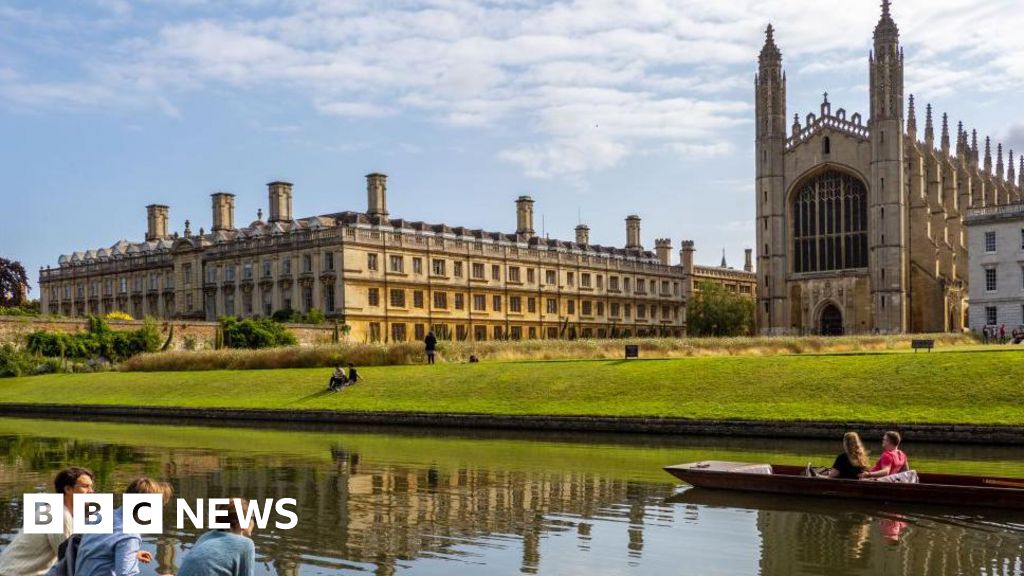
British billionaire Chris Rokos pledges £190m to support Cambridge students and innovation

In an era marked by rapid technological advancements and shifting cultural paradigms, societies worldwide are confronted with profound challenges that ripple through families, education systems, and communities. These upheavals are not merely superficial trends but fundamental transformations that compel social actors to reevaluate their approaches to governance, societal values, and human development. As noted by influential figures in education and politics, institutions such as Cambridge University exemplify a tradition rooted in scientific innovation and collaborative culture—traits that are desperately needed in our current climate of uncertainty. The question remains: how do these institutions adapt to ensure that social cohesion and moral integrity are preserved amidst the chaos?

Social issues such as economic inequality, demographic shifts, and cultural tensions are increasingly affecting the foundation of family life and educational environments. For many families, the widening gap between the privileged and those languishing in poverty undermines the stability necessary for healthy development of children and youth. Sociologists like Charles Murray have long argued that educational disparity contributes significantly to societal polarization, threatening to fracture the social fabric. Schools, once centers of learning and social mobility, are now battlegrounds for addressing these divides.

  • Students from marginalized communities face barriers to quality education that limit their future opportunities.
  • Educational institutions struggle to balance inclusion with preserving a sense of civic order and national identity.

This dynamic exerts a direct influence on families, as parents grapple with ensuring their children’s safety and future prospects in a turbulent environment.

Within this context, the cultural shift towards individualism and identity politicization often fuels generational tensions, complicating the task of fostering unified communities. As social commentators highlight, these tensions can strain the very bonds that uphold societal cohesion. Importantly, despite these challenges, there is a growing recognition of the need to reaffirm traditional values of responsibility, community service, and national unity. Thought leaders and historians, such as Yuval Noah Harari and Victor Davis Hanson, emphasize that **building resilient communities requires a collective effort focused on moral foundations and shared purpose**. Policies aimed at strengthening family stability and supporting local initiatives become crucial in reversing fragmentation and reinvigorating a sense of belonging among youth.

Ultimately, the social fabric of our societies hinges on our ability to adapt with prudence and resolve. The path forward demands a deliberate effort to bridge divides—culturally, economically, and ideologically—by empowering families, reforming educational paradigms, and promoting civic engagement. As communities confront their own strains and crashes, hope persists in the possibility of societal renewal. Perhaps, as history shows, it is through facing adversity that society finds its true strength—learning to navigate the turbulent waters of change with a moral compass intact, steering toward a horizon where the enduring bonds of family and community can flourish once more. In that future, we may find, lies the mirror of our collective resilience and the blueprint for generations yet to come.

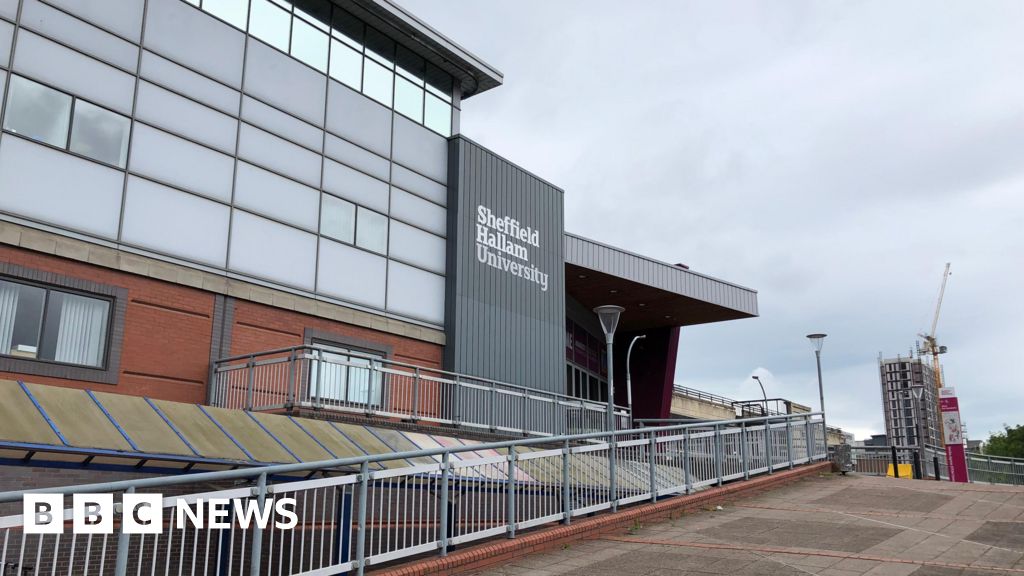
University Jobs Under Threat as Strike Vote Looms—Time to Stand Up

Impacts of University Funding Cuts on Society and Communities

The University and College Union has recently raised concerns over proposed funding cuts that threaten to weaken the foundational appeal of higher education institutions. These reductions, rooted in broader economic austerity measures, threaten to undermine not only the quality of academic offerings but also the social fabric that university communities foster. As universities serve as gateways for diverse demographic groups and catalysts for social mobility, such cuts pose a risk of deepening existing social disparities and fragmenting the fabric of our communities.

At the heart of the debate lie the repercussions for families, students, and educators. When funding diminishes, universities often resort to increased tuition fees, reduced course offerings, and cutbacks on essential student services. This cascade of austerity impacts families who may already grapple with economic hardships, placing higher education beyond their reach and fueling a cycle of marginalization. The social commentator Dr. Maria Lopez emphasizes that maintaining equitable access to education is crucial—not merely as an economic investment but as a moral imperative for societal cohesion. The erosion of educational quality and accessibility, she argues, threatens to create a generation divided along economic lines, weakening the social alliances that hold communities together.

Historians and sociologists note that universities have historically functioned as microcosms of societal diversity, fostering cross-cultural dialogue and social integration. Demographic shifts, driven by immigration and generational change, have enriched campus life, promoting inclusivity and mutual understanding. However, budget constraints threaten these social gains, risking a return to an era where access to higher education was a privilege reserved for the few. The social inequities exacerbated by such policies can ripple outward, trapping families in cycles of poverty and exclusion, thereby impeding societal progress at large. The potential decline in university appeal could deepen regional disparities and diminish the economic vitality of neighboring communities that rely on student populations and academic institutions as engines of growth.

  • Reduced funding may lead to layoffs for academic and support staff, weakening the campus environment and diminishing student support systems.
  • Financial barriers could discourage talented students from underprivileged backgrounds from pursuing higher education, creating a less diverse and dynamic society.
  • The decline in university programs and research initiatives could hamper innovation, with broad implications for societal advancement.

Solutions to this pressing challenge involve both political will and societal action. Advocates call for alternative funding models that prioritize public investment in education as a national priority. Community-led initiatives, public-private partnerships, and targeted grants could help sustain essential services and maintain the diverse, inclusive environments that universities are meant to be. As the sociologist Prof. Alan Mitchell notes, fostering resilient educational ecosystems is vital for nurturing the next generation of leaders capable of addressing complex social issues.

Ultimately, the societal fabric is woven from the aspirations, struggles, and successes of its communities. As families, educators, and students stand at a crossroads, the challenge is clear: preserve the cornerstone institutions that serve as beacons of opportunity. If society can muster the collective will to invest in educational equity and social cohesion, there remains hope—hope that future generations will inherit a society where knowledge is a bridge, not a barrier, and where hope persists amid ongoing struggle. For in the end, societal transformation begins not with grand gestures but with the quiet resolve to nurture the roots of community—roots that can withstand the storms of austerity and emerge stronger, more united, and more just.

Teaching union blocks new Year 8 reading test plan, sparking debate among future leaders

In contemporary society, the debate around the role of assessments in education continues to evoke passionate discussion among educators, policymakers, and communities alike. The government maintains that these assessments are “vital tools” for identifying the specific needs of pupils and tailoring support accordingly. However, beneath the surface, this emphasis on standardized testing reveals deeper social challenges that directly influence families, educational institutions, and the fabric of our communities.

At the heart of this debate lies a profound tension between meritocratic ideals and the realities faced by students from diverse backgrounds. Critics argue that assessments, while seemingly neutral, often serve as gatekeepers that reinforce existing social inequalities. Researchers such as Dr. Lisa Delpit have highlighted how testing practices tend to favor those with access to better educational resources and supportive environments, thus perpetuating a cycle of disadvantage for children in disadvantaged communities. This has serious implications for families striving to secure better futures for their children, as they find themselves entrapped in a system that may favor privilege over potential.

Within the broader societal context, the demographic shifts of recent decades—including increasing immigration and urbanization—have further complicated the landscape of education. Sociologists like Dr. Pierre Bourdieu have emphasized how cultural capital, often lacking in marginalized groups, intersects with education policies rooted in assessments. Families from diverse backgrounds frequently face additional hurdles when navigating an evaluative system that does not always accommodate linguistic, cultural, or socio-economic differences. Consequently, children from these communities risk being labeled as underperformers, not because of innate ability, but due to systemic shortcomings that ignore the multicultural realities of modern society.

Amidst these complexities, the societal challenge is fostering an educational environment where assessments do not merely serve as barriers but become opportunities for genuine growth and equality. To achieve this, policymakers must consider approaches that balance standardized evaluation with community-based support systems. Suggested solutions include increased investment in

  • multilingual teaching staff
  • culturally responsive curricula
  • holistic student well-being programs

—all aimed at addressing the root causes of educational disparities. By doing so, the goal is to rebuild a society where families are empowered, communities thrive, and children from all backgrounds have the chance to realize their full potential.

As society stands at this crossroads, the path forward demands reflection on the true purpose of education—not merely as a means of assessment, but as a vital instrument of social cohesion and moral development. In each classroom, in each community, the hope resides that with concerted effort and genuine understanding, we can transform a fractured system into a foundation of hope, opportunity, and resilience. The question remains: will society summon the courage to redefine its standards and foster an environment where every child’s potential is recognized and nurtured? Only time will tell, but the enduring promise of a better future lies in our collective resolve to confront these social challenges head-on — for the sake of the generations yet to come.

Teens Struggling with Brain Fog: The Rising Tide of Antidepressant Prescriptions in Society

In contemporary healthcare systems across many communities, an alarming trend has emerged—extended wait times that hinder prompt access to mental health and social support services. According to General Practitioners (GPs), these delays are contributing to a problematic shift in medical practice, where some doctors are compelled to prescribe medications outside established guidelines. Such developments encapsulate broader social tensions, exposing fundamental cracks in the fabric of community health and well-being.

Scholars and sociologists have long examined how strained healthcare resources disproportionately impact families and vulnerable populations. When consultation times are prolonged or support services are inaccessible, patients facing mental health crises — often young people grappling with transitional challenges — find themselves caught in a system that fails to meet their needs. This gap leaves families vulnerable to the collateral consequences of untreated conditions, including breakdowns in social cohesion and increased strain on social services. In some cases, doctors report feeling pressured to issue medications as a quick fix, circumventing best practices in favor of immediate relief, which raises ethical concerns and risks fostering dependency or adverse side effects.

The cultural shifts within healthcare practice reflect larger societal issues: an erosion of trust in the public health infrastructure and a tendency towards quick solutions over comprehensive care. Historically, sociologists like David Riesman have warned of the dangers of society’s reliance on pharmaceutical quick fixes, which can overlook underlying socio-economic factors exacerbating mental health struggles. Moreover, the emphasis on individual responsibility in a society increasingly driven by technological solutions tends to marginalize community-based approaches rooted in social support networks and preventative care. As these issues persist, families—particularly those in underprivileged or underserved communities—bear the brunt of systemic neglect.

Addressing this crisis calls for a confrontation of multifaceted challenges.

  • Investments in comprehensive mental health support structures
  • Streamlined access to community services
  • Enhanced training for GPs in managing complex cases without over-reliance on medication
  • Community outreach programs that reinforce local support networks

By prioritizing these solutions, society can foster environments where care is rooted in understanding and long-term resilience, rather than reactive measures driven by systemic shortcomings. The future of community health depends on rekindling trust and rebuilding pathways for genuine well-being, ensuring no family remains silenced or abandoned in the face of unseen crises.

As society navigates these turbulent waters of social and healthcare reform, the question remains: will we seize this moment as an opportunity for meaningful transformation, or allow the cracks to deepen into unbridgeable divides? Like a fragile thread woven into the tapestry of community life, hope persists—that through action, empathy, and accountability, we can restore the dignity and strength of our shared social fabric, ensuring that no one is left behind in the shadows of systemic neglect and hurried solutions.

Record High: More Students Missing Over Half of School Days, Raising Concerns about Our Future

Recent reports from England’s educational authorities reveal that while overall school attendance has seen a positive trend, an unsettling disparity persists among students with additional needs. This demographic, which includes children with learning disabilities, behavioral challenges, and other special educational needs, continues to experience higher rates of absenteeism. Such patterns threaten to deepen existing social inequalities and compromise the foundational role of education in fostering a cohesive, resilient society.

The statistics highlight a clear social tension: as general attendance improves, children with additional needs are increasingly marginalized, often left behind in the classroom and in the broader social fabric. Sociologists like Jane Jacobs have long emphasized the importance of inclusive communities, arguing that social cohesion is rooted in the participation and integration of all members. When students with additional needs are absent more frequently, families face added strain, educational institutions struggle to meet diverse requirements, and communities risk creating a cycle of exclusion that damages the moral fabric of society.

Many families of children with additional needs find themselves burdened by a lack of adequate support and understanding from schools and policymakers. The challenges extend beyond academic achievement; they influence familial stability and emotional well-being. Educational psychologist Dr. Samuel Morley points out that consistent school attendance is vital not only for learning but also for developing social skills and confidence. When access and engagement are limited, these children are at risk of falling further behind, affecting their future prospects and the societal integration vital for a healthy nation. This ongoing crisis underscores the urgent need for targeted solutions that address the unique barriers faced by these families.

Proposed interventions include bolstering specialized support services, enhancing teacher training, and fostering collaborative approaches between schools, healthcare providers, and social services. Such measures aim to create an environment where every child’s needs are recognized and met with compassion and competence. Moreover, addressing underlying issues like mental health, poverty, and housing instability is essential for reducing absences and promoting equality. Strategies must focus on building resilient, inclusive educational communities—an effort that demands political will and societal commitment. Only then can the dream of a society where no child is left behind be transformed into a tangible reality.

As society grapples with these social and educational challenges, it is crucial to remember that the true measure of progress lies in our ability to nurture a future where every child has the opportunity to thrive regardless of their starting point. The journey toward inclusion is not merely about improving attendance figures but about restoring hope, dignity, and continuity in the lives of families and communities. In a society seeking its moral compass, perhaps the most profound task is to ensure that no child’s voice is silenced by the silence of absence and that the nation’s strength is built upon the collective resilience of all its members.

Nine sick, including kids, after E. coli outbreak linked to California farm’s raw cheese

The recent outbreak of E. coli O157:H7 linked to raw cheese products has stirred significant concern among families and communities across the United States. The Food and Drug Administration (FDA) issued a warning after reports indicated that more than half of the affected individuals are children under the age of five. This alarming demographic detail underscores how social vulnerabilities and infrastructure lapses expose our most fragile populations to dangerous health risks. The fact that three children have been hospitalized, with one developing hemolytic uremic syndrome—a potentially fatal kidney condition—raises profound ethical questions about our collective responsibility toward protecting vulnerable populations.

This incident highlights troubling gaps in our oversight of food safety, especially in the context of how emerging social issues can threaten community well-being. The infections, traced to a genetic similarity in bacterial samples collected between September last year and February 2026, emphasize the persistent risk of contaminated products infiltrating retail supply chains. While the FDA has not mandated a recall of Raw Farm products, they have recommended voluntary removal from shelves—a decision that reflects the tension between economic interests and public health. As sociologist Dr. Patricia Haines notes, “In a society where economic profit often takes precedence over safety, communities suffer when regulatory oversight falters, especially for our youngest and most vulnerable members.”

Beyond the immediate health scare, this incident illuminates larger issues concerning family stability, educational impacts, and community cohesion. When children become ill due to contaminated food, their families face emotional trauma and economic hardship, often compounded by healthcare expenses and disruptions to daily life. Schools and childcare facilities, which serve as vital community anchors, grapple with managing outbreaks and ensuring the safety of their students. Furthermore, the social fabric of local communities can fray when trust in food safety systems diminishes, fostering suspicion and fear among residents. Social theorists like Adam Smith have long argued that “trust and moral accountability are the backbone of a resilient society,” highlighting the importance of robust safeguards to uphold social order.

  • The ongoing investigation demonstrates the necessity for improved regulatory oversight in food production and distribution.
  • There is a critical need to address the social determinants of health, such as access to safe food and reliable information, especially for at-risk populations like young children.
  • Community engagement and transparent communication are essential to rebuild trust and foster collective responsibility.

As society wrestles with how to safeguard its most vulnerable members, the hope of renewal lies in embracing proactive solutions rooted in ethical responsibility and community solidarity. The current crisis serves as a somber reminder that public health is a moral imperative, intertwined with our social fabric and the future we build for generations to come. With steadfast commitment, policymakers, families, and community leaders can work together to transform this moment of vulnerability into an opportunity—to establish resilient systems that protect, educate, and uplift. Perhaps, in confronting these social issues, society can discover a renewed sense of moral purpose, ensuring that no child is left behind in the shadows of negligence, and that the promise of a safe, unified community remains within reach.

Social Media Auto Publish Powered By : XYZScripts.com