Matox News

Truth Over Trends, always!

SoftBank’s Nvidia move sparks market buzz and questions linger

SoftBank’s Masayoshi Son Makes Bold Move into AI, Signaling Industry Shift

In a move that underscores the relentless pursuit of disruption and innovation, Masayoshi Son, founder of SoftBank, has liquidated his entire $5.8 billion stake in Nvidia, a leader in artificial intelligence hardware, to fully commit to AI-focused investments. This aggressive repositioning highlights the growing strategic importance of AI technology as the key driver of future market dominance. Son’s reputation for high-stakes decision-making, coupled with his history of market upheavals, positions this shift as a pivotal moment for investors looking to capitalize on AI’s potential to reshape industries.

Son’s commitment aligns with broader industry trends identified by institutions like Gartner, which forecasts AI as a multi-trillion-dollar sector poised to disrupt everything from finance to manufacturing. By reallocating his capital—once heavily tied to tech giants like Nvidia—Son is sending a clear signal that the future belongs to AI-driven business models. This move could propel SoftBank into an even more dominant position within the AI ecosystem, challenging traditional tech giants and paving the way for startups and emergent platforms to flourish. Industry analysts suggest that such a decisive refocus on AI-driven ventures might accelerate the pace of innovation and create new market leaders across multiple sectors.

Historical Context and Business Asymmetry

Son’s history of high-risk, high-reward bets has often set the stage for industry disruption. During the late 1990s dot-com bubble, he saw his net worth soar to $78 billion, only to be decimated when the bubble burst, wiping out $70 billion overnight. Despite this turmoil, Son’s legendary investment in Alibaba—made after a brief meeting with Jack Ma—turned into one of the most lucrative tech bets ever, fueling his comeback and cementing his reputation as a visionary investor. His early faith in Alibaba’s potential rewrote the narrative for Asian tech firms and demonstrated how bold bets could yield industry-shifting results.

While some have criticized Son’s willingness to stay long at the table, his pattern of daring investments, such as his backing of WeWork and Uber, reflects a penchant for embracing ambitious visions, even amid turmoil. These moves often highlight the *industry’s* tendency toward over optimism and hype cycles, but they also showcase Son’s ability to challenge conventional wisdom and amplify funding for innovation. His latest focus on AI may be part of another strategic gamble to sustain his legacy as a disruptor capable of riding the next wave of technology revolutions.

Implications for Investors and Industry Dynamics

The bold reallocation demonstrates that industry landscape is ripe for a paradigm shift driven by AI. As Elon Musk and Peter Thiel warn, *the next decade could redefine economic power — with AI at the core*. With SoftBank’s pivot, the foundational question becomes: which players will capture the value in this transformation? Companies that harness AI’s capacity for automation, predictive analytics, and autonomous systems will likely emerge as net winners, while traditional firms lagging behind risk obsolescence.

  • Increased investment in AI startups and infrastructure
  • Emergence of new business models driven by intelligent automation
  • Potential for market consolidation around AI pioneers
  • Regulatory and ethical challenges accompanying rapid technological advances

Looking forward, the technological and business implications of Son’s move emphasize an urgent need for firms, entrepreneurs, and investors to adapt swiftly. As AI continues to accelerate, those who fail to recognize its transformative potential risk becoming irrelevant in a universe where innovation and disruption are the only constants. Son’s aggressive stance reminds us that in the realm of breakthrough technology, it’s often the boldest bets that define the future.


Lovable hits 8M users, aims to ramp up corporate adoption with its AI coding revolution

Lovable Emerges as a Disruptive Force in AI-Driven Software Development

The tech industry is witnessing a notable wave of innovation, with Lovable swiftly positioning itself as a pioneering force in the burgeoning vibe coding sector. Having secured a total funding of $228 million, including a recent $200 million Series A that valued the company at $1.8 billion, Lovable exemplifies how startup agility and disruptive technology are reshaping software creation. Industry analysts, such as Gartner and MIT, highlight a clear paradigm shift where AI-powered platforms are democratizing code—enabling even the untrained to innovate.

Despite some market fatigue—Barclays and Google Trends noted a **40% decline** in traffic to prominent vibe coding services—Lovable reports robust user retention, boasting over 100% net dollar retention, which underscores its ability to generate increasing revenue from its user base. Its expanding team, now over 100 employees, including top-tier leadership imported from San Francisco, signals a strategic focus on scaling innovation and securing further market dominance. The company’s vision aligns with the broader industry goal to integrate AI seamlessly into daily business workflows, challenging traditional development norms.

Innovation and Industry Impact

Built from the open-source project GPT Engineer, Lovable aims to revolutionize how software is built—focusing on the 99% of users who lack formal coding skills. As Osika, Lovable’s founder, succinctly states, the platform’s mission is to “reimagine how you build software,” a goal that resonates with broader aspirations to foster creative democratization within tech. Companies like Fortune 500 giants are already integrating Lovable’s tools to “supercharge creativity,” signaling a significant shift in enterprise innovation strategies.

  • Features include intuitive interfaces designed to foster rapid prototyping
  • Attractive to diverse users — from corporate teams to individual entrepreneurs and students
  • Achieves significant customer loyalty with strong retention metrics

This wave of innovation dovetails with the ambitions of tech giants like OpenAI and Anthropic, whose models power platforms like Lovable while also launching competing coding agents. Industry experts warn, however, that security concerns remain paramount; recent incidents involving data leaks—such as 72,000 images containing GPS data—highlight vulnerabilities typical of rapid evolution in emergent sectors.

Business Disruption and Future Outlook

The industry’s disruption is fueled not only by technological advances but by strategic positioning. Lovable’s stance of embracing multiple players and promoting an open, collaborative ecosystem indicates an understanding that market segmentation—rather than monopolization—is the future. Disruption lies in carving out new user segments and business models, as traditional software firms scramble to adapt to AI-driven prototyping tools that enable a new level of productivity and innovation.

Looking ahead, the key question for industry stakeholders is how quickly traditional development workflows will be replaced or augmented by vibe coding platforms like Lovable. With expert forecasts from institutions such as MIT predicting sustained growth in AI-assisted software development, timeliness and security will be decisive factors for sustained success. As European and North American markets converge, early adopters stand to gain a significant competitive edge—an opportunity that demands swift action. The race for AI-enabled software innovation is accelerating, and those who leverage it now will define the technological landscape of tomorrow.

Lock in 50% Off Walmart Plus — Deal Ends December 2nd!

Walmart’s Innovative Strategies Amidst Holiday Shopping Frenzy

In a remarkable display of retail agility, Walmart is leveraging innovative marketing tactics to solidify its presence within the fiercely competitive e-commerce landscape. The company’s recent rollout of a heavily discounted Walmart Plus annual membership at just $49—half off the regular price—illustrates a targeted approach to disrupt traditional shopping patterns. by pioneering this aggressive promotional strategy, Walmart not only enhances its consumer engagement but also sets a new benchmark in subscription-based retailism, echoing the kind of disruptive innovation that analysts at Gartner see as vital for survival in today’s digital economy.

This move is not merely a sale but a calculated step to deepen market penetration during the critical holiday shopping season. Walmart plans to deploy its Black Friday deals in multiple waves, starting online at 7 PM ET on Thursday, November 13th, exclusively for Walmart Plus members. The phased rollout continues with early deals launching for the general public on November 14th and a second wave beginning on November 28th, stretching right into Cyber Monday. This strategic timing maximizes consumer engagement while subtly alerting competitors of Walmart’s intent to dominate the holiday discount narrative. Such sequencing leverages the concept of disruption, where traditional sales events are being replaced or supplemented by continuous, engagement-driven campaigns that extend consumer touchpoints over a monthlong period, fostering brand loyalty and increasing revenue streams.

Business Implications of Walmart’s Disruption Strategy

Walmart’s tactical deployment demonstrates a nuanced understanding of the shifting retail landscape, where innovation-driven customer retention and data-driven marketing are key to staying ahead. The company’s focus on subscription models like Walmart Plus not only diversifies revenue streams but also creates a sticky ecosystem that discourages consumer defection to competitors such as Amazon. According to industry experts, this approach echoes the strategies advocated by visionaries like Elon Musk, who emphasize the importance of integrated ecosystems in ensuring long-term business resilience. With the pandemic accelerating e-commerce adoption, Walmart’s seamless blending of online and in-store experiences positions it as a formidable disruptor capable of outpacing legacy retail giants.

Moreover, the ongoing integration of discount programs with digital membership services signals a paradigm shift. It not only influences consumer buying behavior but influences industry standards toward subscription-based loyalty models. The risk, however, becomes evident if automation and subscription fatigue lead consumers to question long-term value versus cost. Such concerns underscore the importance of transparency and adaptable service offerings to sustain long-term growth in a hyper-competitive market. The decision to keep the renewal process transparent—urging consumers to reassess before automatic renewal—indicates Walmart’s awareness of evolving consumer sentiments, which could be pivotal as other retailers emulate similar models.

Forward Outlook: A New Frontier in Retail Disruption

Looking ahead, Walmart’s concerted push into innovative marketing and operational strategies reflects a broader industry trend—disruption as a necessity for survival. Tech giants and retail innovators alike recognize that the future belongs to those who can deploy data, automation, and subscription services to create frictionless shopping experiences. As the global economy pivots toward digital-first strategies, businesses that adapt swiftly will lead the charge, while those clinging to traditional models risk obsolescence.

The implications extend beyond consumer savings; they foreshadow a future where disruption is not merely a competitive tactic but a core business principle. Industry leaders and investors must stay attuned to these shifts, or risk falling behind in the relentless march of technological progress. In this fast-evolving landscape, the urgency to innovate and adapt has never been greater, and the companies that recognize this now will shape retail’s future in the years to come.

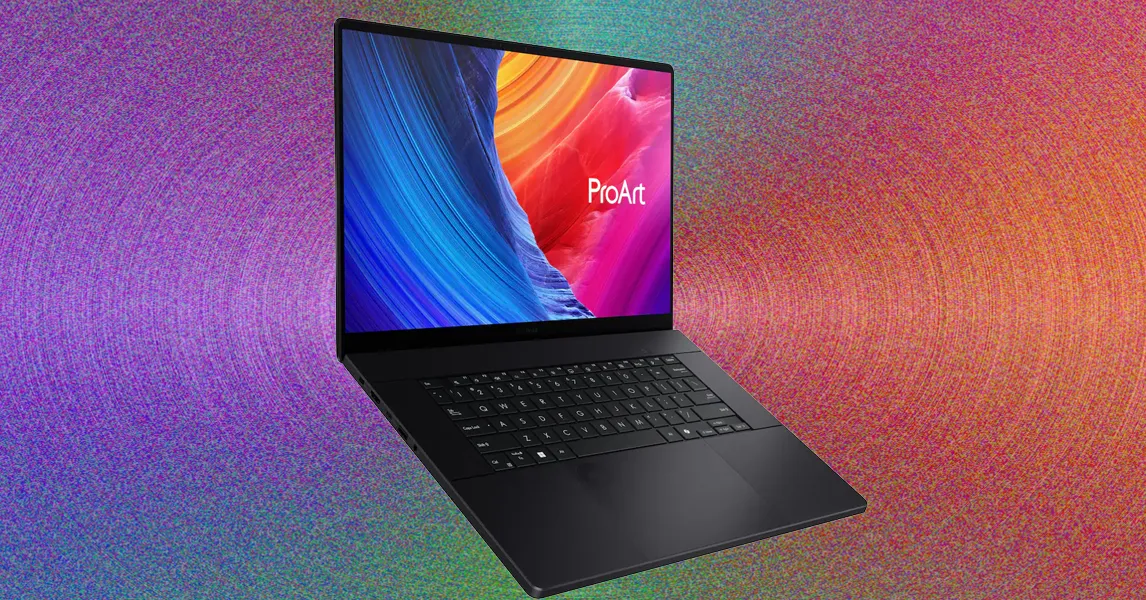
Asus ProArt P16: The Fastest Windows Laptop for Young Creators

ProArt Creator Hub: A New Benchmark in High-Performance Laptops

Tech giant Asus has unveiled the latest in their premium lineup with the ProArt 16, a laptop that pushes the boundaries of innovation in creative computing. Engineered for digital creators, designers, and tech enthusiasts seeking unrivaled performance, this machine signals a disruptive shift in how portable workstations are designed and utilized. Packed with advanced features such as a multifunctional dial, preloaded software suites, and a robust AI integration, the ProArt 16 embodies the cutting edge of technology that aims to redefine productivity standards.

The centerpiece of its innovation lies in the hardware’s connective tissue: a seamlessly integrated control dial supporting functions like zoom, frame adjustments, and system tweaks—capabilities traditionally bound to larger editing setups. When paired with the ProArt Creator Hub software, users gain extensive customization, aligning hardware controls with bespoke workflows. This is reminiscent of the disruption seen in earlier industry shifts—think Apple’s introduction of the M1 chip—yet here, the focus squarely targets creative industries. The system’s preloaded software, including Nvidia Studio Suite, Asus StoryCube, and Asus MuseTree, not only enhances productivity but also maintains an ecosystem that fosters innovation without bottlenecks.

While the hardware underlying this device offers top-tier performance—bolstered further by discrete GPUs and advanced processing—it’s the business implications that truly stand out. Industry analysts from Gartner highlight that disruptive hardware like the ProArt 16 is poised to shift the competitive landscape among high-end workstations. Its integration of AI tools through Microsoft’s Copilot+ demonstrates a strategic move toward an AI-augmented creative process, accelerating workflows and enabling productivity gains that could upend traditional creative industries. However, the high price tag of around $3,500—placing it among premium systems such as the Apple MacBook Pro M4—may limit accessibility, but it underscores a fundamental market shift towards a new class of compute-intensive, portable devices.

It’s clear from industry perspectives and expert reviews that the ProArt 16 is more than just a high-performance machine; it embodies a vision of a future where innovation in hardware directly correlates with business disruption. As Peter Thiel has noted, “The next major technological wave will be driven by hardware that bridges the gap between traditional computing and AI integration.” The strategic positioning of Asus, targeting creative professionals with this device, signals a potential upheaval in how organizations view productivity tools—favoring powerful, customizable, AI-enabled platforms that serve as complete creative hubs. With the current pace of technological evolution, waiting to adopt such innovations could mean falling behind in a fiercely competitive market, making it all the more urgent to monitor how these flagship devices influence industry standards in the coming years.

Blue Origin cancels second New Glenn launch, aims for November 12 comeback

In a notable display of disruption in space launch technology, Blue Origin has faced setbacks but remains steadfast in its pursuit to revolutionize the commercial space sector. The company’s latest attempt to launch its groundbreaking New Glenn mega-rocket, scheduled for last Sunday, was scrubbed due to a confluence of weather conditions, minor launch pad equipment issues, and the unexpected intrusion of a cruise ship into the flight path. Despite the setback, the company announced a rescheduled launch for Wednesday, November 12, signaling its resilience and commitment to innovation amidst operational hurdles. According to Blue Origin’s official updates, the FAA’s recent restrictions—stemming from the ongoing government shutdown—have complicated launch permissions, illustrating the delicate regulatory environment that emerging space enterprises must navigate.

This mission is a pivotal moment for Blue Origin as it seeks to demonstrate complete reusability of the New Glenn booster — a critical benchmark for reducing launch costs and disrupting traditional space industry economics. In its inaugural orbital attempt in January, the New Glenn reached orbit but was lost upon impact in a booster explosion. The current mission aims to test the booster’s ability to land for the first time, a feat that could significantly undermine Elon Musk’s dominion with SpaceX. As industry analysts like Gartner highlight, reusability is no longer a mere innovation but an industry standard that distinguishes a sustainable, scalable space business. The successful recovery of the booster would not only validate Blue Origin’s technical capabilities but could also recalibrate the competitive landscape—ushering in lower-cost, frequent, reliable launches that challenge space monopolies.

Beyond proving reusable technology, this mission also signals a shift towards more ambitious commercial payload deliveries. The New Glenn is tasked with carrying NASA’s ESCAPADE spacecraft, aimed at Mars exploration, and a tech demonstrator for Viasat. This aligns with a broader trend of privatization and commercialization of space, where firms like Blue Origin aim to become indispensable partners in government and commercial projects. The venture’s success will carry substantial business implications: scaling new spaceflight economies, fostering innovation ecosystems, and accelerating the transition into a weaponized, commercially driven space age. Industry leaders and analysts, including those at MIT’s Space Systems Laboratory, anticipate that the next decade will determine whether private firms like Blue Origin become long-term players—or fall prey to the harsh realities of space-scale disruption.

Looking ahead, the unfolding developments epitomize the urgency with which space enterprises must adapt to an era of rapid technological change and intense competition. As industry dynamics shift, Blue Origin’s perseverance in tackling technical, regulatory, and environmental challenges underscores a crucial takeaway: _disruption in space is no longer hypothetical_; it is happening now, and the pace will only accelerate. Tech investors and policy stakeholders must monitor these milestones closely, as the success or failure of New Glenn will likely influence the trajectory of the entire space economy—from satellite networks to lunar mining and beyond. The next few years could redefine global competitiveness in space endeavors—making the coming launch attempt more than just a routine test; it’s a critical inflection point that may dictate the future frontiers of the commercial space age.

YouTube TV, ESPN, Disney blackout: what’s really happening?

Disruption in Traditional Election Coverage: Streaming Platforms Shift Viewer Preferences

In a striking development that underscores the rapid evolution of the media landscape, recent data reveals a significant shift away from traditional broadcast networks towards popular streaming services like YouTube TV for election coverage. During the last two U.S. election cycles, the majority of viewers on YouTube TV opted not to watch established broadcasters such as ABC, choosing instead to access news through alternative online sources. This trend signals a seismic change in how younger audiences consume news — favoring accessibility and on-demand content over legacy media formats.

This pivot is emblematic of a broader disruption of the traditional media business model. With a proliferation of free, easily accessible information on platforms like YouTube and its main service, consumers are becoming less reliant on conventional broadcast channels that rely heavily on advertising and cable subscriptions. This shift represents a formidable challenge to legacy broadcasters, who are now competing in a crowded digital marketplace that prioritizes immediacy, interactivity, and personalized content. As industry analysts from Gartner and MIT observe, the market is experiencing a fundamental transformation driven by the rise of digital-native content.

From an innovation standpoint, streaming services are pioneering features that further entrench their dominance.

  • Enhanced user engagement through live commentaries and social integrations
  • Higher accessibility on multiple devices, including smartphones and smart TVs
  • Customized news feeds powered by machine learning algorithms

Meanwhile, traditional broadcasters face the dilemma of retrofitting their distribution models or risking obsolescence. Major players like Comcast and Disney are investing heavily in their own streaming platforms, yet the competitive pressure from YouTube and others remains intense.

Industry leaders and futurists such as Elon Musk and Peter Thiel emphasize that this trend toward digital disruption extends beyond news into sectors like finance, transportation, and even AI. They warn that the speed of innovation demands swift adaptation, or risk falling behind. The implications for businesses are profound: companies rooted in traditional models must innovate aggressively to stay relevant, or face declining market share and eroding influence.

Looking forward, the trajectory points toward an increasingly decentralized and democratized media ecosystem. Emerging technologies such as immersive virtual and augmented reality, alongside real-time data analytics, are poised to redefine user engagement. Governments, corporations, and consumers must move with urgency, embracing this wave of innovation to harness its full potential. The message is clear: in the race for attention in the digital age, standing still is equivalent to falling behind. The future belongs to those willing to disrupt, innovate, and lead the charge into what remains a rapidly unfolding frontier of technological progress.

2025’s Top Kindle Picks: Paperwhite, Scribe, or Colorsoft?

Amazon Unveils Revolutionary Kindle Scribes, Signaling a Paradigm Shift in E-Reading

In a bold move that underscores how innovation continues to disrupt traditional reading devices, Amazon has announced a trio of next-generation Kindle Scribes at its recent fall hardware event. These devices—ranging from a novel basic model to a premium color-screen edition—represent more than mere upgrades; they exemplify strategic technological leaps aimed at reasserting dominance in the e-reading and digital note-taking market. With features that promise faster performance, thinner profiles, and groundbreaking display technology, these Kindles are set to reshape how young consumers think about digital literacy and connectivity.

Particularly notable is the Kindle Scribe with Colorsoft display, which is the first of its kind to offer color capabilities on a page—an industry first that many analysts see as a disruptive force within the e-reader ecosystem. As business experts highlight, this innovation aligns with a broader industry trend of integrating rich media features into traditionally static devices, thereby blurring lines between e-readers and multipurpose tablets. For companies like Meta and Apple, this presents a warning: the barrier between digital consumption and interactive multimedia is collapsing, and established players focusing solely on monochrome screens risk obsolescence.

Disruptive Features and Market Implications

The new line-up introduces several milestones in e-ink technology and user experience. The series now includes models with super-slim profiles, faster processors, and a suite of innovative accessories designed for extended reading sessions—such as adjustable stands, ergonomic straps, and enhanced protection cases. This signals a strategic push from Amazon not only to capture the youth market but also to foster a new ecosystem of personalized, multi-sensory reading devices. Gartner analysts suggest that this move could catalyze a paradigm shift in how digital content is consumed in everyday life, especially as the affordability of these devices continues to improve.

  • Introduction of a color e-ink display with vibrant, high-contrast visuals
  • Enhanced software features like Word Wise, customizable fonts including Dyslexic-friendly options, and integrated web browsing
  • Expanded ecosystem with accessories tailored for comfort, portability, and multifunctionality

Furthermore, the business implications extend beyond hardware. Amazon’s strategic bundling of accommodation—like trade-in programs for older models and subscription offerings such as Kindle Unlimited and Prime Reading—demonstrates the company’s intent to create a total digital literacy environment. This aligns with MIT’s recent studies emphasizing that disruption in media consumption will increasingly hinge on integrated platforms that combine hardware innovation with content flexibility. Companies ignoring this trajectory risk losing relevance in a rapidly evolving market where the younger generation demands seamless, multimedia-rich experiences.

What the Future Holds for Industry Innovation

Looking ahead, industry experts like Elon Musk and Peter Thiel emphasize the vital importance of keeping pace with technological disruption. Amazon’s new Kindle Scribes exemplify the pioneering spirit needed to stay ahead, with their mix of versatile features, cutting-edge display tech, and expanded ecosystem. The industry faces a clear choice: it can either innovate relentlessly or fall behind, ceding ground to agile startups or tech giants willing to embrace disruptive innovation themselves. As these new devices hit the market later this year, the urgency for competitors to rethink their strategies has never been greater.

With these advancements setting a new standard, the question for the industry and consumers is no longer if, but when—and how quickly—this technology will redefine the landscape of digital reading, learning, and creative expression. The future of e-readers isn’t just about flipping pages anymore; it’s about unlocking a new dimension of connectivity, knowledge, and user empowerment—an opportunity that demands bold innovation and decisive action now.

Gene Editing Sparks New Cholesterol Breakthrough for Young Americans

Revolutionizing Heart Disease Treatment: CRISPR Breakthrough Paves the Way for Disruptive Gene Editing

In an era marked by relentless technological innovation, a groundbreaking development in gene editing technology is signaling a potential paradigm shift in healthcare. Swiss biotech firm Crispr Therapeutics has showcased promising initial results from a clinical trial utilizing CRISPR-based gene editing to lower high cholesterol levels—an international milestone in the fight against cardiovascular disease. This advancement not only underscores the disruptive potential of CRISPR technology but also highlights its capacity to revolutionize treating common, chronic conditions beyond rare genetic diseases. The results, presented at the American Heart Association’s annual meeting, have ignited a wave of anticipation about the future trajectory of biotech innovation that could redefine preventative medicine.

The trial involved a select group of 15 middle-aged participants with uncontrolled LDL cholesterol and triglyceride levels—key contributors to atherosclerosis and heart attack risk. Using a tailored infusion designed to deactivate the ANGPTL3 gene in the liver—a gene naturally mutated in some individuals to confer heart-protective effects—researchers observed an average 50 percent reduction in damaging blood fats within just two weeks. Significantly, these effects persisted for at least 60 days, indicating a durable therapeutic impact. Such potent results, achieved through a single infusion, exemplify how disruption of traditional treatment models could herald a new era of gene-based interventions that are more effective, less invasive, and potentially curative.

As noted by Samarth Kulkarni, CEO of Crispr Therapeutics, this trial underscores a pivotal turning point in CRISPR’s clinical viability, expanding its scope from rare diseases—such as sickle cell anemia, treated by the firm’s approved drug Casgevy—to widespread, common illnesses. The implications are profound for the biotech industry, which is now witnessing the pioneering of precision medicine approaches capable of tackling the very root causes of disease at a genetic level. This disruptive shift beckons a future where traditional pharmaceuticals give way to customizable, targeted gene therapies, challenging established players and attracting intensified investment from tech giants and biotech innovators eager to stake their claim in this high-stakes domain.

Critics and industry experts recognize, however, that this breakthrough arrives amid a context of cautious optimism. While the initial results display remarkable efficacy, questions remain regarding long-term safety, ethical implications, and regulatory pathways necessary to mainstream CRISPR-based treatments. Nonetheless, leading analysts from Gartner and MIT suggest that the acceleration of gene editing technology could reshape healthcare economics and patient outcomes in the next decade. The potential to diminish cardiovascular disease—arguably the most significant killer globally—could lead to dramatic reductions in healthcare costs and improve productivity by preventing debilitating events like heart attacks and strokes. Yet, this disruptive innovation also demands a vigilant approach to ensure ethical standards and equitable access, considerations that could influence the trajectory of biotech regulation in the coming years.

Looking ahead, industry leaders and investors alike are keenly aware that these initial findings could signal the dawn of a biotech revolution. As fatally high cholesterol persists as a pervasive health threat—estimated to affect about a quarter of Americans—timely and effective gene editing therapies could become the linchpin of preventive medicine. The rapid progress in CRISPR technology, backed by institutional research and high-profile figures like Elon Musk and Peter Thiel, underscores the urgency of staying ahead in this competitive race. With innovation advancing at an unprecedented pace, the coming decade promises a future where gene editing could turn the tide against one of humanity’s deadliest diseases, heralding a new age of health and economic resilience driven by disruptive biotech breakthroughs.

Is Wall Street Losing Trust in AI?

Market Turmoil Signals Growing Caution in AI Sector

This week’s significant decline in tech stocks indicates a notable shift in investor confidence toward artificial intelligence (AI), a sector long hailed for its disruptive potential. The Nasdaq Composite Index experienced a sharp 3% drop, marking its worst weekly performance since April—coinciding with major geopolitical developments and tariff threats that continue to ripple through the market. While companies like Palantir, Oracle, and Nvidia have shown resilience historically, they have suffered double-digit declines this week, with Palantir falling by 11% alone. This downturn underscores the emerging market reality: AI’s rapid innovation is not only transforming industries but also triggering heightened investor scrutiny of valuations and growth expectations.

Recent earnings reports from industry giants reveal a sobering reality: both Meta and Microsoft have reaffirmed their commitment to deepening investments in AI, spending heavily to fuel future breakthroughs. However, rather than boosting confidence, these announcements have amplified concerns about whether current valuation levels are sustainable, given the market’s already high expectations. According to several analysts, including Gartner and MIT experts, valuations appear to be stretched and susceptible to sharp corrections amid ongoing geopolitical and economic uncertainties. Jack Ablin, chief investment officer of Cresset Capital, succinctly summarized the mood: “Just the slightest bit of bad news gets exaggerated… and good news isn’t enough to overcome this high bar of expectation.”

The disruption driven by AI innovation remains unprecedented, with some industry leaders arguing that the broader industry might be overestimating its near-term potential. Market shifts—marked by frequent overhypes and corrections—highlight the urgent need for a strategic reassessment among investors and tech firms alike. As Elon Musk and Peter Thiel have previously warned, disruptive technologies-driven sectors face a delicate balance: pushing the frontier of what’s possible while managing the inherent risks of overvaluation and market sentiment volatility. The current trend underscores a pivotal moment for AI, where foundational breakthroughs are increasingly intertwined with market narratives—potentially setting the stage for either explosive growth or painful corrections.

Looking ahead, the future of AI and related technologies hinges on how well industry leaders navigate this turbulence. Disruption remains inevitable; however, the business implications are clear: those who can harness genuine innovation without succumbing to hype-driven bubbles will shape the next era of technological dominance. The coming months promise heightened scrutiny, but also unparalleled opportunities for pioneering companies ready to redefine the boundaries of what AI can achieve. In this rapidly evolving landscape, urgency, foresight, and strategic resilience will separate winners from the rest—a principle that every forward-thinking tech enterprise must heed now, more than ever.

Top 42 Must-Watch Netflix Shows You Can’t Miss in 2025

Disruption in Streaming: The Industry’s Next Chapter

As the digital entertainment landscape continues to evolve at breakneck speeds, streaming services stand at the forefront of a transformative era driven by relentless innovation and disruptive shifts. From the departure of industry giants like Henry Cavill in The Witcher to groundbreaking animation such as Arcane, companies are redefining how stories are told and consumed. This seismic shift signals a new phase where content is not only more diverse and daring but also deeply intertwined with technological advances, forcing legacy media players and new entrants to rethink their strategies.

Innovation and the Power of Disruption

In recent years, the industry has embraced collaborations between traditional media and cutting-edge tech, exemplified by Netflix’s bold experimentation with animation styles in Love, Death + Robots and the adoption of AI-driven content curation. Market analysts like Gartner emphasize that the integration of artificial intelligence, virtual reality, and immersive storytelling will be decisive in capturing the hyper-connected, youth-oriented consumer base. These ventures aim to disrupt the static binge model, shaking up audience engagement and monetization strategies while setting new standards for interactive and personalized experiences.

Business Implications and Industry Evolution

Major entertainment firms recognize that disruption demands agility and innovation. The strategic focus on original content, innovative storytelling formats, and international markets has become more critical than ever. For example, the resurgence of regional productions like *North of North*, and international hits such as Squid Game, showcase how breaking industry norms creates global cultural phenomena. Furthermore, platforms are increasingly investing in multi-genre and diverse storytelling—ranging from gritty crime thrillers like Black Doves to speculative sci-fi in Pantheon—to appeal broadly and lock in differentiated audiences.

Industry Outlook: A Race Toward the Future

The foundation laid by current digital innovations indicates that the future belongs to those who prioritize technological disruption and emerging consumer trends. Experts from MIT and industry leaders like Elon Musk have warned that the next era of entertainment will be defined by hyper-realistic virtual worlds, AI-generated content, and enhanced viewer immersion. In this landscape, traditional content pipelines must adapt rapidly, leveraging big data and AI to anticipate viewer preferences and deliver tailor-made experiences that transcend conventional paradigms. The advent of live-action AI-driven shows, coupled with interactive narratives exemplified by Black Mirror and Arcane, signals a future where content is no longer static but a fluid, participatory experience facing an urgent need for innovative business models to stay competitive.

In conclusion, the streaming industry is entering a phase of unprecedented disruption, where innovation, technological integration, and bold storytelling will determine the winners and losers of this new digital era. The question is not if but when traditional media giants will fully embrace or be displaced by these revolutionary trends. As the digital frontier expands, stakeholders must act swiftly—embracing innovation is no longer optional but essential for survival in the fiercely competitive, fast-changing future of entertainment.

Social Media Auto Publish Powered By : XYZScripts.com