Blue Origin Achieves Milestone with Second-Stage Landing of New Glenn Rocket, Signaling Disruption in Space Launch Industry
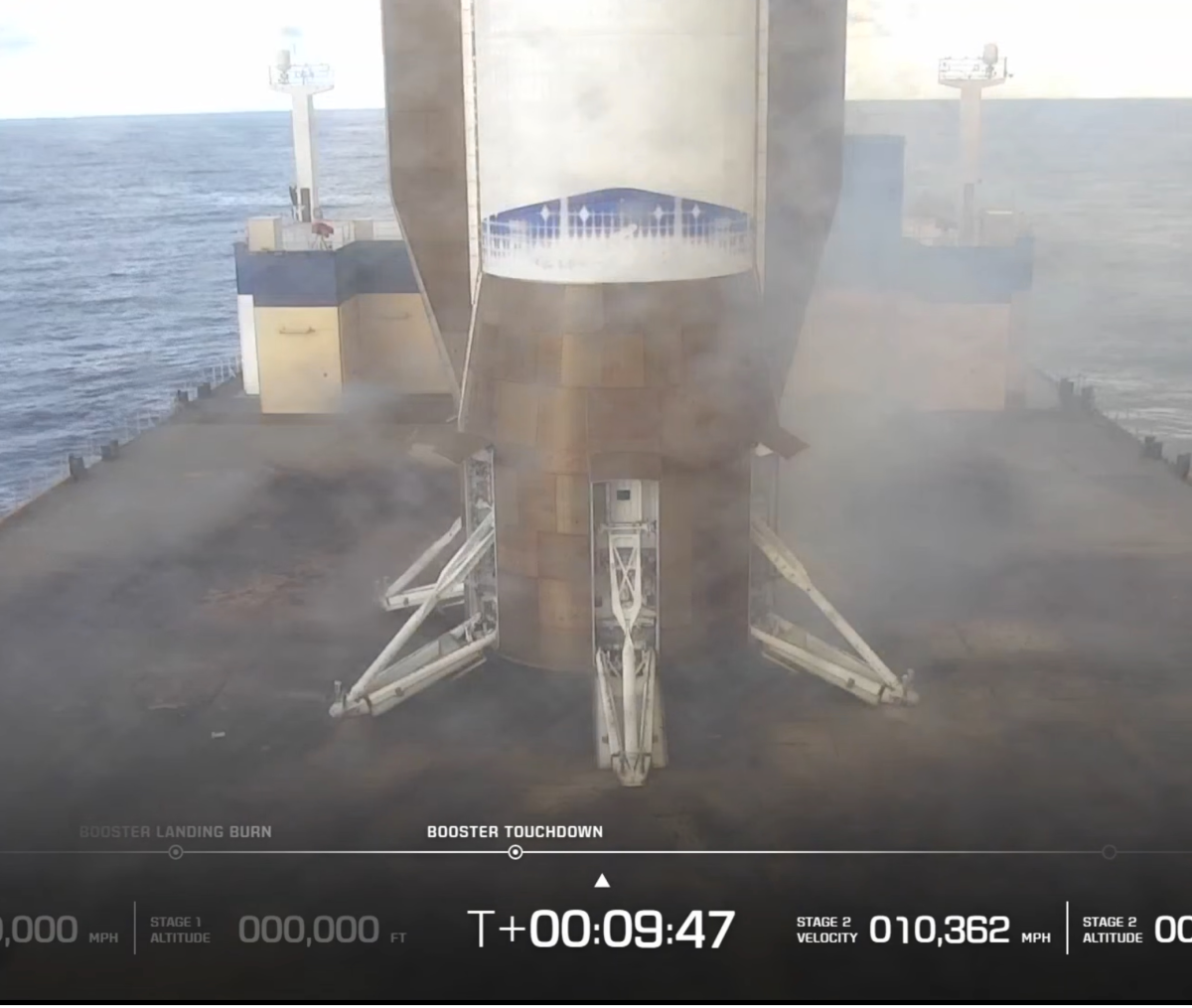
In a remarkable display of technological innovation and launch system resilience, Jeff Bezos’ Blue Origin has successfully landed the booster of its New Glenn mega-rocket on a drone ship in the Atlantic Ocean, marking only its second-ever launch attempt. This achievement positions Blue Origin as a formidable competitor to SpaceX, which pioneered reusable rocket landing technology. Such a feat demonstrates the rapid advances in space transportation, fundamentally altering the commercial space landscape.
The October 12th flight from Launch Complex 36 in Cape Canaveral is a testament to Blue Origin’s commitment to innovation, as it illustrates their ability to develop reliable reusability at scale for heavy-lift vehicles — crucial for future payloads to the Moon, Mars, and beyond. The successful recovery of the 189-foot booster is significant not just as a milestone but as a disruptive breakthrough with potential to reduce costs and increase launch cadence across the industry. Meanwhile, the spacecraft payload, cargo for NASA consisting of twin spacecraft destined for Mars, underlines the capabilities of New Glenn as a platform for complex interplanetary missions—emphasizing its role in the emerging space economy.
Market Implications and Industry Disruption
While SpaceX led the charge in reusability, Blue Origin’s recent success is expected to accelerate the pace of industry-wide innovation. Experts from MIT and industry analysts like Gartner now see disruptive potential in heavy-lift reusable rockets, envisioning a future where multiple players provide competitive launch services with significant cost savings. The fact that Blue Origin’s booster successfully touched down after a previous failed attempt signals a clear shift in competitive dynamics, especially as new entrants and traditional players alike scramble to secure a foothold in this high-stakes market.
- Potential for reduced launch costs, fostering new business models
- Enhanced payload capacity for government and commercial missions
- Accelerated development of lunar infrastructure and Mars exploration missions
Recent developments reinforce the idea that disruption is inevitable in space transportation. Companies now race toward sustainable and reusable platforms, with Blue Origin’s progress prompting increased investment and innovation. Elon Musk’s SpaceX has already set the bar high, but the latest success from Blue Origin indicates a broader industry shift towards more economical and reliable off-planet logistics. As Peter Thiel and other visionary investors note, the race for space dominance is entering a critical phase, with game-changing implications for global geopolitics and economic expansion.
Looking Ahead: The Future of Space Innovation
As the industry stands on the cusp of a new era, the urgency to innovate remains paramount. Reusability, payload flexibility, and cost-effective access to space are no longer aspirational goals but definitive markers of success. With Blue Origin’s recent advancements, stakeholders across government, academia, and private sectors must prepare for a future characterized by rapid technological evolution and unprecedented disruption. The upcoming years will be pivotal, as these emerging players push boundaries, challenge traditional monopolies, and unlock new economic opportunities beyond Earth’s orbit. Investors, policymakers, and entrepreneurs should heed the evolving landscape—with the clock ticking, tomorrow’s space economy is shaping today.