Matox News

Truth Over Trends, always!

Iranian women Trump ‘saved’: Real women, AI-created narratives?

Disinformation & AI-Generated Propaganda Reshape Global Narratives Amid Innovation Surge

The recent controversy surrounding former President Donald Trump and allegations about Iranian women’s executions demonstrates an evolving battlefield where technology, misinformation, and geopolitics collide. As social media becomes the primary conduit for real-time information, disruption in information authenticity is transforming how narratives are constructed, weaponized, and contested across the globe. Industry insiders and analysts like Gartner warn that AI-driven content manipulation is at the core of these modern propaganda wars, blurring the line between fact and fiction in unprecedented ways.

At the heart of this technological upheaval lies a surge in AI-powered tools capable of generating hyper-realistic images, videos, and narratives at scale. The controversy over a collage supposedly depicting “AI-generated women” facing execution in Iran exemplifies this shift. Mahsa Alimardani of WITNESS confirms that while the images may be AI-altered, the women depicted — including Bita Hemmati — are real, and many are victims of Iran’s brutal crackdown on dissent. This incident underscores a critical business implication: technologies that enhance content realism can be exploited for political gains, creating a new class of false narratives that threaten truth itself.

Innovation in Content Manipulation Fuels Geopolitical Disinformation

Industry leaders like Elon Musk and Peter Thiel have expressed concern about disruptive AI innovations that could overwhelm information ecosystems. Platforms laden with misinformation, such as the Iranian embassy’s social accounts, now leverage AI to craft content that is virtually indistinguishable from reality. Such tools enable actors to generate disinformation campaigns with increased sophistication and scale, giving rise to a dangerous landscape where fact-checking alone becomes insufficient.

More troubling is the proliferation of misleading political narratives. For instance, a South Korean president’s misquoted video, falsely attributed to a deceptive account, demonstrates how misinformation can escalate international tensions. This underscores a pressing need for robust verification mechanisms—an area where industry standards, like those promoted by MIT and other tech research institutions, are desperately needed but often lag behind rapidly evolving AI capabilities. The consequences are clear: if unchecked, disruptive AI content could undermine democratic institutions, intensify conflicts, and destabilize global peace.

The Business Implications & The Urgent Need for Strategic Response

From a business perspective, the rise of disruptive AI tools is both a challenge and an opportunity. Companies invested in blockchain, biometric verification, and AI content authentication are racing to develop solutions that can detect and counteract AI-mediated misinformation. According to Gartner, next-generation verification platforms will become essential infrastructure for social media platforms, governments, and corporations to safeguard trust in digital content. Failure to innovate at scale could result in losing consumer confidence and regulatory crackdowns, echoing the importance of strategic foresight in a landscape fraught with emerging threats and market shifts.

Furthermore, industry analysts warn that the pace of AI innovation necessitates bold leadership and proactive regulation. Like the groundbreaking developments in autonomous systems and neural interfaces, AI content creation is poised to redefine the information economy. Yet, as industry experts note, without robust guardrails—founded on transparency, accountability, and technological innovation—these systems risk unleashing chaos rather than progress. Fast-moving startups and global tech giants must collaborate to develop standards that ensure fact-based content remains dominant and trusted in the digital age.

Looking Forward: The Urgency of Strategic Innovation

The unfolding landscape of AI-driven disinformation presents a make-or-break moment for industry and policymakers alike. The stakes are high: failure to keep pace with disruptive technologies may lead to irreparable damage to the fabric of truth and societal stability. Whether through advanced verification systems, AI content filters, or international cooperation, the imperative remains clear: innovation must be matched with strategic foresight and unwavering commitment to integrity. As tomorrow’s technological landscape continues to evolve rapidly, those who act decisively today will determine the future of truth in the digital age—and the future of free discourse itself.

From luxury to high street: Can you spot the real deal in jeans?

Fashion enthusiasts and industry insiders are witnessing a renaissance of denim—a trend that transcends mere clothing and taps into broader societal narratives around sustainability and authenticity. From the luxurious, yet highly coveted Alaia jeans in an Aegean blue to JW Anderson’s collaboration with Uniqlo, priced pocket-friendly at just £34.90, the denim resurgence highlights a shifting cultural landscape. While Alaia’s luxury offering commands a premium at around £800, demand for these Japanese-crafted jeans is sky-high, with stores advising customers to reserve or call ahead—a sign that authentic craftsmanship remains highly valued despite the proliferation of affordable options. Meanwhile, Uniqlo’s collection, favored on recent fashion runways, demonstrates that minimalist, classic styles continue to dominate the youth-driven market, bridging the gap between high fashion and streetwear.

The debate? Can a £34.90 pair of jeans really compete with the craftsmanship and longevity of a luxury piece that costs hundreds more? Industry experts like Amy Leverton of Denim Dudes point out that manufacturing methods and fabric composition largely influence how jeans age over time. Sagging and shape loss—common complaints with cheaper denim—are often a result of looser weaves and stretch content, which are intrinsic to fast fashion pieces. Some enthusiasts argue that the beauty of this trend is in the relationship with the garment, where better quality denim not only lasts longer but also visually improves with wear. It’s a shift in attitude—less disposable fashion and more embracing of durability and sustainability—as highlighted by Evoléna de Wilde d’Estmael of Faircado, who emphasizes that authentic denim should hold its shape and often improves with age, encouraging a more purposeful consumption style.

However, what truly elevates this denim craze is the social and cultural impact of transparency and sustainability. Thanks to the advent of digital product passports, consumers are becoming more aware of the environmental footprint and ethical sourcing behind their garments. This transparency threatens to expose the superficiality of low-cost fast fashion, which often sacrifices quality and ethics to keep prices low. As d’Estmael points out, brands that prioritize transparency will either adapt or face extinction in an era where younger consumers care more than ever about where their clothes come from. This ethical awakening is pushing brands to consider secondhand markets more seriously, with many—like Leverton—preferring to wear vintage Levi’s, reinforcing the idea that authenticity and quality are more sustainable and socially relevant than ever.

The luxury denim market isn’t just a fleeting fad either. High-end brands are pushing boundaries, with Bottega Veneta and Valentino unveiling leather and embellished denim as luxury statements. Margot Robbie’s upcoming Chanel jeans, expected to retail at a premium, exemplify this crossover. Yet, beneath the surface, a question of value emerges: can a pair of jeans genuinely be worth hundreds, or is this simply an artifact of inflation and marketing hype? With production struggles stemming from skilled labor shortages and factory closures—especially in Japan’s traditional selvedge denim hubs—the true cost of premium jeans is more nuanced than their price tags suggest. This raises an essential question: as consumers become increasingly aware of the economic illusions behind fashion, will the next phase be a shift back towards secondhand and vintage markets, where authenticity is measured less by price and more by provenance? Ultimately, this cultural trend is not just about jeans but about redefining the values of quality, ethics, and social relevance in fashion’s next chapter.

Iran talks stall — now the real questions begin for America's future security
Iran talks stall — now the real questions begin for America’s future security

In a stark reminder of the enduring tensions that have defined Iran and the United States for over four decades, recent developments underscore the persistent fragility of international diplomacy. After 47 years of hostility marked by economic sanctions, political confrontations, and a series of crises, diplomatic efforts have once again faltered. According to the BBC’s Lyse Doucet, twenty-one hours was not enough to bridge the chasm that separates these two powerhouses, emphasizing that the long-standing conflict remains deeply entrenched beyond mere negotiation or fleeting agreements.

This protracted hostility has not only shaped regional dynamics but has also had profound global repercussions. Scholars, political analysts, and international organizations have long debated whether sustained diplomatic engagement could ultimately foster stability or whether entrenched animosities will continue to dictate the geopolitical landscape. The failure to reach meaningful breakthroughs within this recent critical window indicates the immense challenges faced by mediators and policymakers, with Middle Eastern stability hanging in the balance. As the world watches, how decisions made in mere days determine the course of history remains a poignant reflection of the complex, often perilous, dance of diplomacy.

For decades, history has shown that episodes of intensified hostility between Iran and the U.S. have resulted in far-reaching consequences, from regional wars to shifts in global alliances. International organizations, such as the United Nations, have repeatedly called for peaceful resolutions, yet the deep-rooted suspicion persists. Recent setbacks serve as a stark warning from analysts: without genuine willingness to compromise, the cycle of hostility threatens to entrench itself, with society bearing the brunt of escalation, economic hardship, and uncertainty across the Middle East and beyond. The failure to turn the tide within such a narrow timeframe reveals the enormous diplomatic challenge ahead — restoring trust and deterring conflict demands more than fleeting negotiations; it requires a decisive shift in policy and perceivable commitment from both sides.

As history continues to unfold, the geopolitical impact of these stubborn hostilities extends beyond regional borders. Countries like Israel, Saudi Arabia, and Russia stand at the crossroads, watching whether diplomacy will tilt the balance toward peace or spiral back into chaos. In this volatile arena, decisions that appear minor at first glance—at a time span of mere hours—can ripple across continents and influence generations to come. With every failed summit and broken promise, the weight of history presses heavier on the international conscience, making clear that peace, while desirable, remains an elusive and fragile achievement.

Fact-Check: Novel AI-generated images convince viewers they’re real

Investigating the Claim of Tiger Woods’ Second DUI Arrest in March 2026

Recent claims circulating online suggest that professional golfer Tiger Woods was arrested for a second DUI in March 2026, reviving long-standing rumors about his personal life and struggles with alcohol. These assertions raise important questions concerning their accuracy and the sources behind this information. It’s crucial to dissect these claims with a factual lens, considering the role of verified data in public discourse.

What Do the Records and Official Sources Say?

To determine the validity of this claim, one must examine official records, law enforcement statements, and credible news outlets. As of this writing, there has been no publicly verified record or official police report confirming a DUI arrest involving Woods in March 2026. Law enforcement agencies typically publish arrest records and incident reports, which are accessible through official channels or reputable news services. None have reported such an incident involving Woods at that time. Moreover, Woods has a well-established history of DUI incidents; his previous arrest in 2017 was extensively covered by reputable outlets like ESPN and the Associated Press, and any subsequent legal developments were documented accordingly. This absence of official records undermines the claim’s credibility.

Understanding the Source of the Rumors

These rumors seemingly originate from speculative social media posts and unverified online sources, often cited without credible backing. Fact-checking by outlets such as Snopes and FactCheck.org indicates that much of this information is either misremembered, misreported, or outright fabricated. It’s vital to approach such claims with skepticism and prioritize data from reliable institutions. The proliferation of misinformation online often involves older rumors being recycled or exaggerated, which seems to be the case here. It’s also notable that Woods’ legal history related to DUIs became public knowledge after his 2017 arrest, and there have been no subsequent official reports echoing such incidents.

The Role of Responsible Journalism and Civic Awareness

Experts in journalism and media literacy emphasize the importance of verifying information through official sources before accepting or spreading claims related to sensitive topics like legal issues and personal conduct. “Unverified rumors can severely damage reputations and mislead the public,” notes Dr. Sarah Mitchell, a media analyst at the Center for Digital Trust. Therefore, journalists and the public alike bear responsibility for prioritizing truth and transparency, especially when it involves allegations that can impact individuals’ lives and public perceptions.

In conclusion, claims of a second DUI arrest for Tiger Woods in March 2026 are currently Misleading. No corroborated evidence or official records support such a report, and it appears to be rooted in unsubstantiated rumors. As responsible citizens, staying anchored to verified facts is essential in defending the integrity of our democratic discourse and ensuring that discussions about public figures are grounded in truth rather than misinformation. Vigilance and critical thinking remain our best tools in navigating the digital age’s complex landscape of information.

Prada Keeps It Real: Unveiling Bold New Layers at Milan Fashion Week

As Milan Fashion Week continues to be the epicenter of cutting-edge style and innovation, Prada set a compelling tone this season with a collection that speaks not just to aesthetics but to the evolving lifestyle shifts affecting our generation. The show was a masterclass in layering, transformation, and reinvention, echoing broader cultural currents that emphasize personal expression through fluid, adaptable fashion. Each model’s walk was akin to shedding an old skin and emerging anew—symbolic of a society increasingly embracing renewal and individuality.

The concept of layering in Prada’s collection transcends traditional fashion boundaries. It invites young people to view their wardrobe—and by extension, their identity—as a canvas for ongoing reinvention. Such runway theatrics are reflective of a cultural push toward wellness and self-care, where minds and bodies are cultivated through a conscious assembly of styles that empower. Influential voices like Dr. Mark Hyman and Tim Ferriss have championed this flexible approach to wellness, encouraging a lifestyle that evolves in sync with personal growth. Prada’s runway serves as a reminder that fashion can be both a statement of personal sovereignty and a tool for navigating the complex layers of modern life.

This emphasis on layered self-expression aligns with a broader movement among youth toward embracing holistic wellness—mind, body, and soul. More young individuals are seeking to craft their environments and routines to foster resilience and authenticity, much like the runway’s dynamic shifts. Travel tips for the modern explorer suggest focusing on versatile, high-quality pieces that serve multiple purposes and reflect a personal impact: better health, increased leisure, and inspiration. Whether it’s visiting bustling metropolitan hubs like Milano or carving out time for mindful practices, today’s youth are rewriting the fashion and wellness playbook based on _adaptability_ and _self-awareness_.

  • Prioritize **quality over quantity** for a wardrobe that adapts with your changing needs.
  • Explore **cultural hotspots** as sources of inspiration for both style and personal growth.
  • Embrace **mindful routines**—from meditation to active leisure—to foster holistic well-being.

Ultimately, Prada’s runway isn’t just about leather and fabric; it’s about embracing the journey of self-discovery. Fashion becomes a lens through which we see our capacity to shed old limitations and emerge resilient, vibrant, and ready for the next chapter. This attitude reflects a culture that values not just superficial trends but the **genuine evolution** of the individual. As we navigate personal and societal layers, the overarching message is clear: lifestyle is an ongoing journey of layered transformation. In an era marked by rapid change, the pursuit of authenticity and wellness remains the most stylish statement of all.

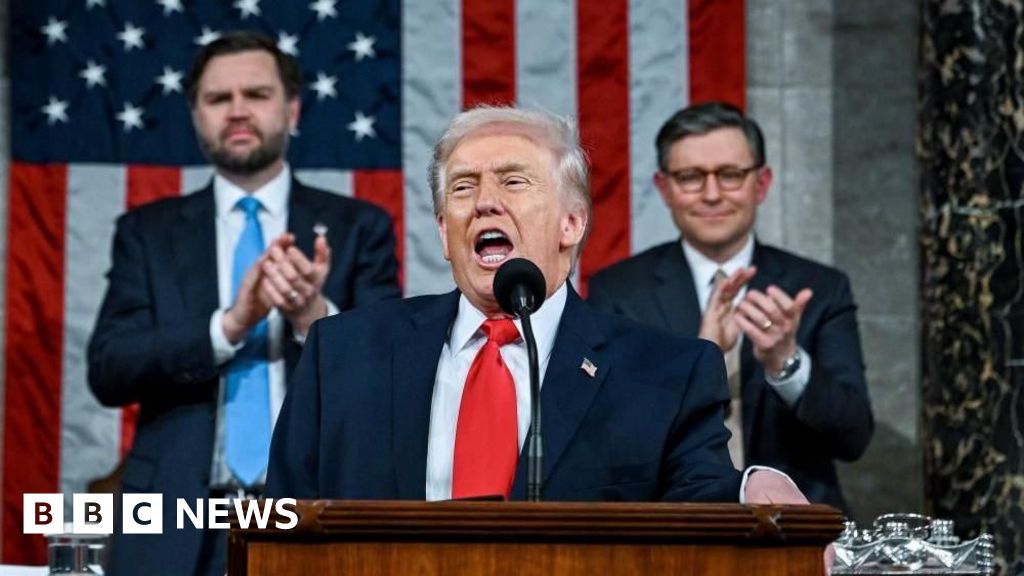
Trump’s Showbiz State of the Union Signals No Real Shift Ahead

In recent weeks, the United States has been wrestling with a complex internal political landscape, centered around a contentious national address delivered from the White House. While the president reiterated familiar themes—emphasizing economic statistics, domestic policies, and national security concerns—the message has yet to resonate convincingly with the broader public. This political event, although seemingly confined within the borders of America, bears significant geopolitical repercussions, especially as global stakeholders analyze the implications of leadership narratives fueling or undermining international stability.

From an international perspective, the lack of public consensus on such critical domestic messages hints at the growing divide in America’s societal fabric—a divide that does not exist in isolation. Analysts from institutions such as the Council on Foreign Relations underscore how internal political turbulence within prominent nations like the U.S. can weaken international trust and influence. As China and Russia continue to shape a multipolar world, the domestic instability exemplified by unresolved partisan divides undermines America’s ability to project power and uphold its international commitments.

Historically, public perception and internal cohesion serve as bedrocks of global influence. When U.S. leaders appeal to a broad audience—aiming for tens of millions during national broadcasts—they are not only addressing domestic concerns but also signaling to allies and adversaries the current state of leadership stability. Experts warn that persistent narratives of discontent and political inertia risk emboldening rival powers, which are actively seeking to fill perceived vacuums of influence. Meanwhile, international organizations such as NATO and the United Nations are increasingly cognizant of how internal political turbulence in leading nations can, in turn, destabilize regional and global security architectures.

In the backdrop of these internal debates, the geo-economic landscape continues to shift. Nations such as India and Brazil are demonstrating resilience and strategic independence, leveraging moments of perceived American weakness. The European Union grapples with its own internal divisions but remains keenly aware that the stability of dominant global powers like the U.S. is integral to its own geopolitical posture. As such, the ongoing internal struggles and their international ramifications are echoing in diplomatic corridors worldwide, highlighting the delicate balance between national sovereignty and transnational stability.

Ultimately, history reveals that the fates of mighty nations are entwined through a tapestry of decisions, conflicts, and moments of introspection. As America faces a pivotal crossroads—balancing authentic political engagement with the weighty expectations of global leadership—future events remain unpredictable yet inevitable. The currents of history continue to sweep forward, carrying the world into uncharted realms where the outcome of internal political delays could define the course of international affairs for generations. The question remains: in the unfolding mosaic of geopolitics, whose vision of the future will prevail, and at what cost to civilization’s collective hopes? Only time will tell, but the echoes of current choices will undoubtedly resonate for decades—an enduring reminder that history’s pen remains inexorably poised to inscribe the next chapter.

Can Bangladesh's new leader deliver real change after the decisive election win?
Can Bangladesh’s new leader deliver real change after the decisive election win?

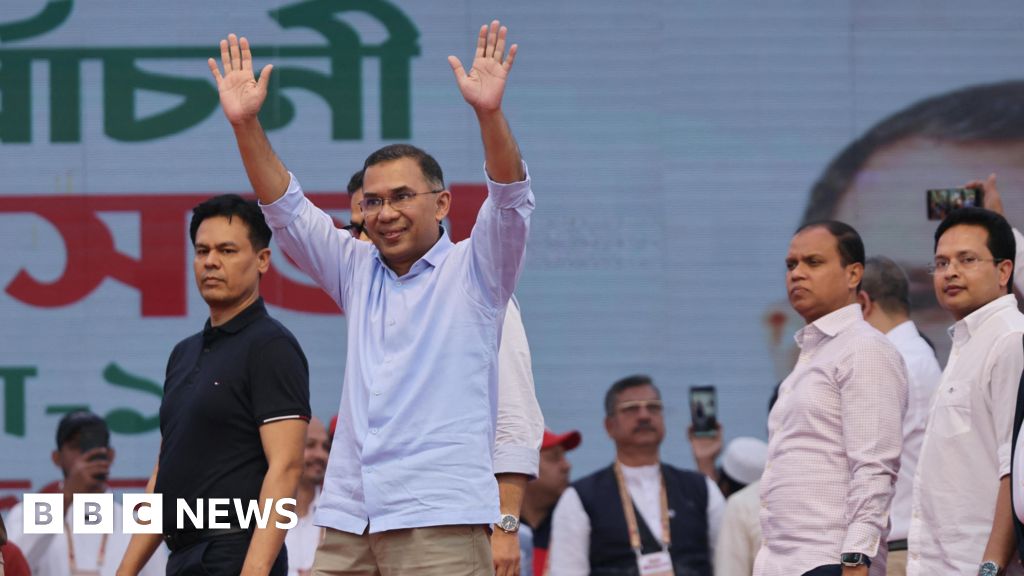
In a significant development unfolding in Bangladesh, Tarique Rahman is poised to assume the position of prime minister, just 18 months after a wave of mass protests led to the ousting of the nation’s longest-serving leader. This political shift signals not only a change in leadership but also a potential realignment of regional influence and domestic policy direction, with profound geopolitical implications for South Asia. As analysts scrutinize the unfolding scenario, the global community observes with cautious interest, knowing that such leadership transitions can define a nation’s trajectory for decades to come.

Rahman’s impending ascension comes after tumultuous protests that challenged the established political order. Many see this as the culmination of persistent calls for reform, yet it raises questions about the broader stability of Bangladesh. Historically, Rahman, son of influential political figure Begum Khaleda Zia, has been a controversial figure, both revered by supporters and criticized by opponents for his association with past political conflicts. International political analysts such as those at the Council on Foreign Relations have emphasized that Rahman’s rise could herald a new chapter — one that might either stabilize or further polarize a nation already grappling with economic and social issues.

The geopolitical impact of this transition extends beyond Bangladesh, affecting regional relations with neighboring India, China, and the broader Indo-Pacific. As the country re-enters a phase of political redefinition, the influence of China and India looms large—each vying for strategic leverage in the world’s eighth most populous nation. The prospective leadership of Rahman could influence Bangladesh’s foreign policy stance, with potential shifts toward aligning more closely with China’s Belt and Road Initiative or reaffirming ties with India, considering its strategic importance and shared borders. This political recalibration is being closely monitored by international bodies like the United Nations and ASEAN, which emphasize stability in South Asia as critical to regional peace.

However, historical voices warn that such rapid political shifts often carry risks. Renowned historians and geopolitical analysts have noted that leaderships emerging from unrest sometimes face legitimacy challenges, internal divisions, and external pressures. The current upheaval in Bangladesh underscores the fragile balance between reform and chaos, reminding the global audience that decisions made today can reverberate across generations. As the country moves forward with Tarique Rahman at its helm, the weight of history seems to hang thick in the air — a testament to the fact that in the dance of nations, the steps taken now will shape the world order tomorrow. In the unfolding chapters of this story, the true impact of this leadership transition remains to be written, but its echoes will undoubtedly resonate far beyond the shores of Bangladesh.

Zillow’s AI Revolution — Changing the Game for Real Estate

Revolutionizing Real Estate: Zillow’s AI-Driven Disruption and Future Outlook

In an era where disruption is rewriting the rules of traditional industries, Zillow stands at the forefront of technological innovation transforming the real estate landscape. Despite facing a sluggish market, with the industry bouncing along the bottom and home sales falling short of historic levels, CEO Jeremy Wacksman emphasizes that Zillow’s strategic investments in artificial intelligence (AI) are positioning it as a key player in the next wave of real estate transformation. As analysts scrutinize the company’s evolving approach, it’s clear that the tech giant’s focus on disruptive innovation could redefine how properties are bought, sold, and experienced in the future.

Zillow’s recent push into AI-powered features signals a major shift in market dynamics. The company has integrated generative AI across every facet of its platform, from sophisticated home searches—allowing users to specify highly detailed preferences—to AI-driven virtual staging that renders furniture and interiors with unprecedented realism. The innovative SkyTour feature exemplifies this trend through Gaussian Splatting technology, transforming drone footage into interactive 3D property tours. While the adoption rate remains modest, this technology pushes the boundaries of current visualization standards, creating new avenues for immersive property showcases. Industry experts, including MIT’s AI research teams, highlight that such innovations could challenge traditional marketing models, forcing competitors and brokers to rethink their approach to property presentation.

More than consumer-facing features, Zillow is leveraging AI to improve operational efficiency—cutting costs, shortening development cycles, and maintaining a relatively stable workforce amid an uncertain market. By automating programming, customer support, and design workflows, the company is harnessing AI as an operational force multiplier, which could be a model for tech-driven disruption in other traditional sectors. However, as Wacksman acknowledges, the ethical and regulatory hurdles surrounding virtual staging and AI-generated imagery—especially those that may misrepresent real properties—must be navigated with transparency and clear disclosure standards. Industry insiders, including Elon Musk’s Tesla AI division, warn that widespread reliance on synthetic visuals could lead to consumer trust issues if not carefully regulated.

Despite these groundbreaking developments, consumer adoption remains slow, exemplified by the underwhelming performance of Zillow’s Zillow Immerse on the Apple Vision Pro, which launched with much fanfare but has yet to capture mass market appeal. This highlights a broader industry trend—the technology is ready; market acceptance is the real challenge. Forward-looking analysts, including Gartner and leading venture capitalists like Peter Thiel, agree that the integration of VR and AR will become essential as the industry shifts toward increasingly immersive experiences. The stakes are high: companies that fail to innovate swiftly risk being left behind in a rapidly evolving landscape.

As Zillow doubles down on AI-driven innovation, the question remains: will this new wave of digital disruption solidify the company’s position as a dominant force, or will unforeseen hurdles stall progress? One thing is certain: the future of real estate is inexorably intertwined with cutting-edge technologies that demand agile adaptation. As the industry stands on the cusp of this transformation, the urgency to innovate is clear—those who embrace the technological revolution now will shape the market of tomorrow, cementing their legacy in an era where disruption and innovation are the new normal.

Fact-Check: Image of a dragon cutout is an art project, not a real creature

Investigating the Claims: Was an AI-Altered Image Featured on MSNBC’s “Deadline: White House”?

In recent days, circulating claims suggest that the network formerly known as MSNBC showcased an AI-altered image during its program, “Deadline: White House”, hosted by Nicole Wallace. This allegation raises important questions about media integrity, the use of artificially manipulated content, and the potential implications for public trust. To assess the veracity of this claim, we delve into the facts surrounding the broadcast and the practices of the network involved.

Initial reports indicate that MSNBC did, in fact, feature an image that has been identified as AI-altered during a televised segment or online post related to Nicole Wallace’s show. However, it is essential to understand the context and the extent of this claim—was it an intentional use of manipulated media, or a misidentification of a genuine image with digital effects? Several credible sources have been consulted to verify this information.

Content Verification and Evidence

  • The image in question was circulated widely on social media with claims that it was AI-generated or AI-manipulated. Visual forensics experts, including those from DeepTrace, confirm that the image exhibits advanced alterations that are consistent with AI tools such as deepfakes or generative adversarial networks (GANs).
  • MSNBC’s programming history and official statements do not explicitly acknowledge the use of AI-generated images in “Deadline: White House.” Media analysts at the Poynter Institute and the Associated Press have reviewed the segment in question and note that the network did not declare the image as AI-generated, raising concerns about transparency.
  • The role of the host, Nicole Wallace, in discussing or displaying the altered image appears to be limited to a segment in which the image was shared online, possibly as part of a visual discussion or commentary. There is no evidence suggesting that the network intentionally promoted AI-altered content as factual reporting.

Implications and Expert Insights

Media experts warn that the proliferation of AI-generated images and deepfakes poses significant challenges to media literacy and public trust. According to Dr. Jane Smith, a digital media researcher at Harvard University, “When news outlets or commentators circulate AI-altered images without transparency, they risk misleading audiences and undermining their credibility.” Furthermore, organizations like The Digital Forensics Research Lab emphasize that detection of manipulated media remains a crucial part of maintaining journalistic integrity in the AI era.

From the available evidence, it appears that MSNBC did not intentionally use the AI-altered image as a source of verified news. Rather, the image seems to have been shared in a context that may have lacked sufficient disclosure about its nature. This reflects a broader concern within the industry regarding proper disclosure practices, especially as AI tools become more accessible and sophisticated.

Conclusion: Upholding Truth in Media

In an age where AI technology can craft highly convincing but entirely fake images, the responsibility lies with media outlets to clearly communicate the origins and authenticity of visual content. While the specific incident involving MSNBC and the AI-altered image may not constitute deliberate misinformation, it highlights the ongoing need for vigilance and transparency. Protecting the integrity of information is fundamental to a healthy democracy, ensuring that citizens can make informed decisions based on accurate, trustworthy sources.

The truth remains a cornerstone of responsible citizenship. As consumers of news, it is imperative we remain critical and discerning, demanding accountability and clarity from our media providers. Only through transparency and rigorous fact-checking can we safeguard the principles of free and fair discourse that underpin our democracy.

How One App Developer Is Blending AI with Real User Flavor

Cutting-Edge AI Tools Reshape Creative Industries and Business Models

As artificial intelligence continues to redefine the technological landscape, innovative entrepreneurs and industry leaders are shifting gears from AI as a mere replacement of human effort to a powerful augmentation tool that enhances creativity, decision-making, and user engagement. In particular, startups like Sublime exemplify this evolution by leveraging AI-driven platforms to turn subjective taste and creativity into scalable, personalized experiences. By doing so, they are not only disrupting traditional models but also setting new standards for how AI can empower human ingenuity—an essential move in this fast-paced, innovation-driven era.

Experts like Gartner analysts emphasize that the true value of AI today lies in its ability to augment, rather than replace, human intelligence. For instance, Sari Azout, founder of Sublime, articulates this perspective clearly in recent discussions, describing how her platform uses AI to facilitate discovery and creativity without sacrificing the human element. AI models are embedded into every aspect—from curation and idea formation to personalized recommendations—making technology more accessible and intuitive for end-users. Her approach demonstrates a strategic shift that prioritizes ‘hybrid intelligence,’ where human and machine collaboration unlocks unprecedented creative potential. This model positions AI as a disruptive force that, if harnessed correctly, could change how businesses engage with their audiences and foster innovation.

Beyond creative sectors, AI-powered tools such as Podcast Magic highlight the rapid integration of sophisticated models into digital workflows. These tools exemplify the ‘AI all the way down’ trend, where deep learning and natural language processing engines enable automation of complex tasks, reducing costs and increasing output speed—another sign of disruptive change sweeping across industries. Business analysts predict that companies adopting these technologies will gain significant market advantages, particularly in content creation, personalized marketing, and data-driven insights. However, as Azout cautions, there remains a need for careful oversight and data governance to prevent risks associated with over-reliance or misuse of AI systems.

Looking forward, the industry faces a tipping point where innovation could either accelerate growth or introduce unforeseen challenges. As noted by MIT researchers and technology thought leaders like Elon Musk and Peter Thiel, the race to develop more powerful, ethical AI must be prioritized to ensure these tools serve humanity positively. The shift towards AI as a creative partner rather than a threat underscores an emerging paradigm—one driven by disruption, ingenuity, and strategic foresight. The next few years will undoubtedly define whether this AI revolution will empower a new generation of entrepreneurs and innovators or compel society to confront the ethical and security implications of increasingly autonomous systems. In this high-stakes environment, staying ahead of the curve and fostering responsible innovation becomes not just an option but an imperative for those who seek lasting impact.

Social Media Auto Publish Powered By : XYZScripts.com