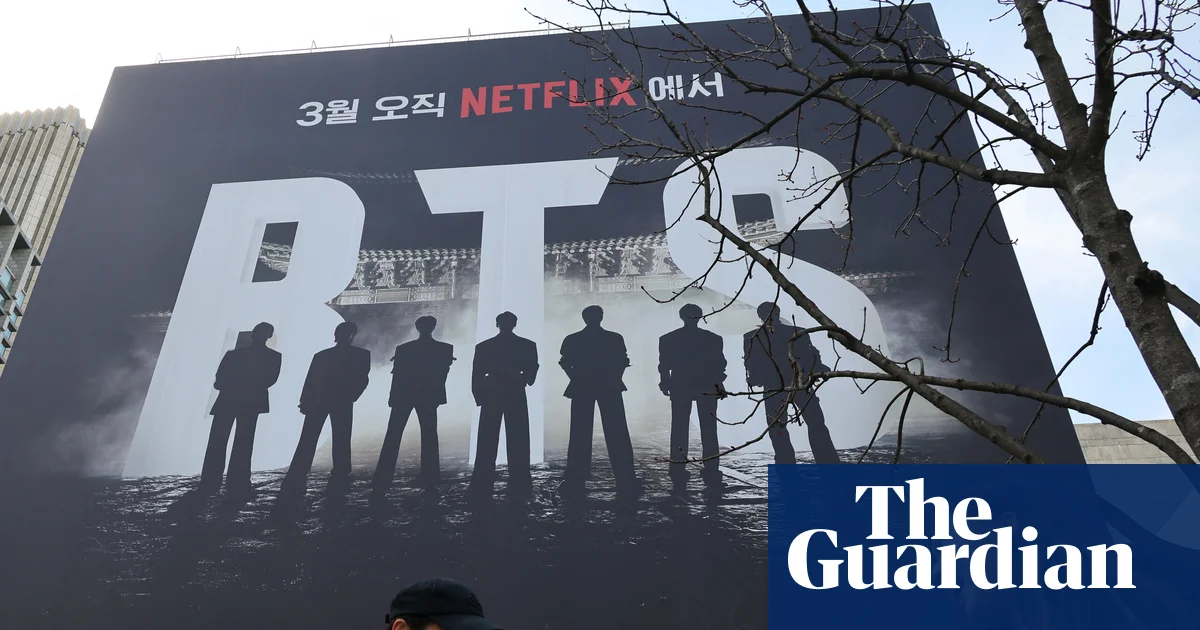
In an era where cultural influence acts as a modern soft power tool, South Korea’s iconic K-pop group BTS has once again demonstrated its expansive global reach. Their recent album Arirang, named after a quintessential Korean folk song symbolizing longing and national identity, signals a conscious reaffirmation of cultural roots amidst international pop dominance. The group’s return to the stage for a landmark concert at Seoul’s historic Gyeongbokgung Palace – a site echoing the nation’s enduring sovereignty – underscores not only their musical evolution but also their role as ambassadors of Korean heritage on a geopolitical stage.
The Saturday night concert, with an expected audience of 260,000, marks the end of a nearly four-year hiatus during which all seven members served compulsory military service. The event is more than a mere reunion; it symbolizes South Korea’s strategic cultural diplomacy as the group plans an 82-date world tour. BTS’s decision to perform in a historically charged and politically significant site signals a confident narrative that Korea’s modern identity is deeply intertwined with its history and sovereignty. International analysts have noted that this move enhances the nation’s prestige while sending a message of resilience and cultural vibrancy, especially amidst geopolitical tensions in the region.
Regional tensions remain high as North Korea’s ongoing provocations and the strategic stationing of South Korean and allied forces at the heavily fortified border continue to define security dynamics. Yet, culturally, Korea is asserting itself as a unified voice through events like this concert, with historians pointing out that the incorporation of traditional symbols in contemporary music and public events not only strengthens national pride but also enhances South Korea’s soft power. International institutions and global observers have increasingly recognized that the nation’s cultural diplomacy, exemplified by BTS, plays a vital role in shaping perceptions of Korea’s strength and stability in a turbulent geopolitical landscape.
Critics and analysts alike observe how Korea’s cultural exports serve as tools to bolster its standing amidst global rivals, notably China and Japan. The strategic display of sovereignty through cultural initiatives aligns with the country’s broader policy of strengthening national identity on the world stage. As experts warn, these decisions are not purely symbolic; they directly influence how societies perceive their collective strength and resilience in a modern era where perceptions often translate into political and economic influence. With the world watching, BTS’s remarkable journey underscores a broader narrative: that of a nation’s enduring quest to define itself not only through politics and diplomacy but through the cultural narrative it projects into the global arena.
Indeed, as history continues to unfold, the significance of this moment extends beyond entertainment — it embodies the enduring clash of identity, sovereignty, and soft power. Today’s youth may find inspiration in the powerful symbolism of BTS’s return, yet history reminds us that such cultural milestones are chapter markers in a story that underscores Korea’s unwavering pursuit of sovereignty and global recognition. The stakes are high; the future unwritten. With each note played beneath the shadow of history’s grand stage, the weight of geopolitical ambitions presses on like an endless overture, leaving the international community to watch, wait, and wonder: what will be the next act in this unfolding saga?”