Matox News

Truth Over Trends, always!

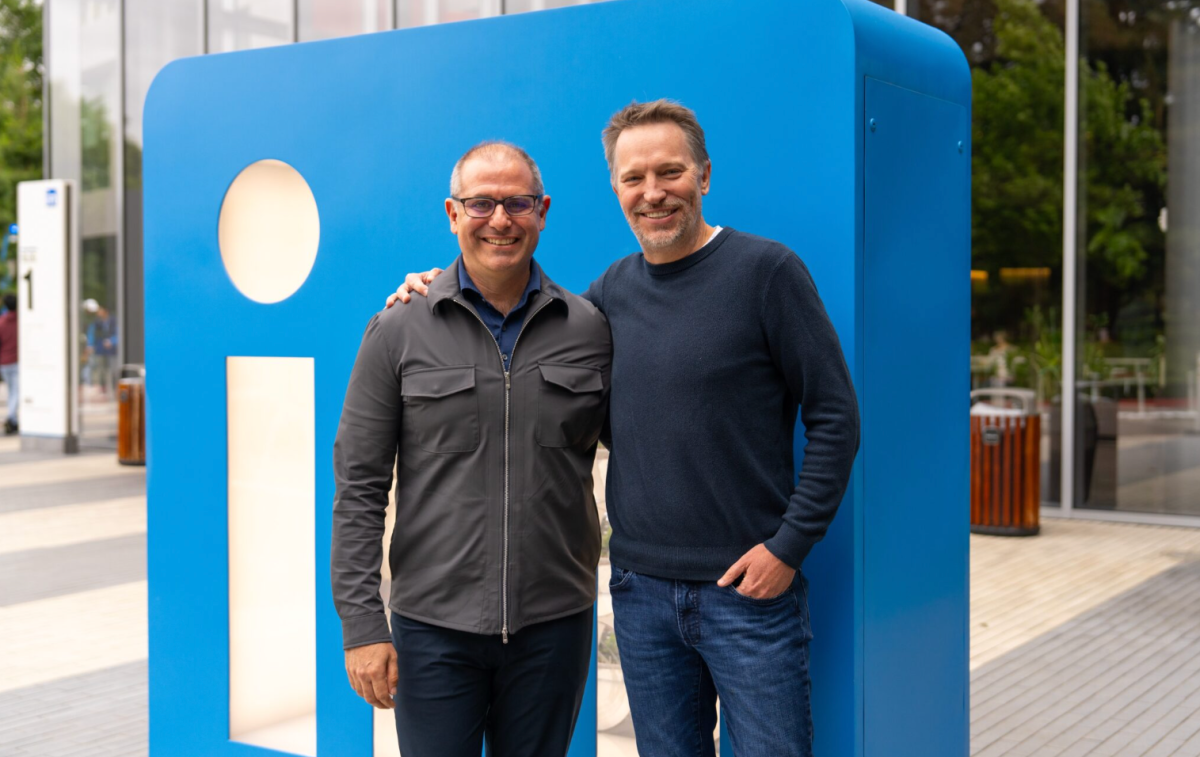
LinkedIn CEO Steps Down – No Need for Emotional Farewells, Just the Future Ahead

LinkedIn’s Leadership Shift Signals a New Era of Innovation and Market Disruption

In a move that underscores the relentless pace of transformation within the tech industry, Ryan Roslansky has announced his departure as CEO of LinkedIn after an impactful six-year tenure steering the platform through rapid growth and technological evolution. The company has appointed Dan Shapero, its current COO, as the new CEO, marking a strategic pivot that could accelerate innovation and reshape the professional networking landscape. This leadership change arrives at a critical juncture where the intersection of AI, data-driven insights, and business connectivity is redefining industry standards.

LinkedIn’s ascent has been marked by a relentless drive to leverage disruptive technologies—most notably artificial intelligence and machine learning—to enhance user engagement, facilitate talent acquisition, and empower enterprise solutions. Under Roslansky’s leadership, the platform integrated features such as AI-powered content recommendations, precision targeting for recruiters, and expanded learning modules. Now, with Shapero at the helm, analysts anticipate an intensified focus on market differentiation through innovation, setting the stage for a possible acceleration in growth and diversification of revenue streams. Such strategic realignment could challenge traditional professional networks and catalyze a new wave of startup activity targeting freelancer platforms, remote work tools, and AI consulting.

From an industry perspective, this leadership transition is poised to trigger significant shifts across multiple dimensions. Gartner and leading tech think tanks have identified AI-driven enterprise solutions as the primary driver of next-generation productivity enhancements. The key question for investors and competitors alike is whether LinkedIn under new leadership will continue to disrupt ecosystem standards or if it will face challenges in maintaining its dominant trajectory. Notably, the move aligns with broader market trends emphasizing digital transformation and workforce automation, which have been accelerated by recent global economic shifts and the proliferation of remote work.

The business implications are profound.

  • The potential for integrated AI tools to streamline recruitment, onboarding, and professional development could redefine talent engagement strategies.
  • This shift could create a competitive moat for LinkedIn, shielding it from emerging platforms that are leveraging new AI models and data analytics.
  • Emergent industry players, such as Glassdoor and Indeed, must now innovate aggressively to maintain relevance in a rapidly evolving digital landscape driven by social networking and enterprise SaaS integration.

Esteemed innovation figures like Elon Musk and Peter Thiel have long championed the importance of disruptive leadership to stay ahead of the curve. With the tech giant’s new leadership, the industry is witnessing a pivotal moment that could see LinkedIn redefine its role as not just a networking tool but as an indispensable hub for AI-enabled, highly personalized professional ecosystems. As the platform navigates this transition, stakeholders must remain agile and vigilant, recognizing that this leadership change could catalyze the next wave of market disruption—with profound implications for the global workforce and the future of work itself.

In conclusion, the leadership shift at LinkedIn exemplifies the dynamic tension between innovation, disruption, and strategic positioning. This transition underscores the urgency for industry players to harness emerging technologies proactively, lest they fall behind in an intensely competitive environment. As the platform enters its next chapter, it promises to be a bellwether for broader industry trends—where the convergence of AI, data, and connectivity will determine the future trajectory of the global professional landscape. The clock is ticking for businesses and entrepreneurs eager to capitalize on what’s next—an era where agility and innovation are the keys to sustained success.

UK economy defies expectations with 0.5% growth ahead of Iran conflict

The United Kingdom has experienced a surprising economic uptick, with official data revealing a 0.5% growth in February. This increase, reported by the Office for National Statistics, was unexpected and initially suggested a resilient economy before the ominous shadow of ongoing conflicts cast a pall over prospects for 2023 and beyond. The revision of January’s flat earnings to a modest 0.1% growth further underscores a fragile recovery. Yet, the dawn’s brightness appears to be fleeting, as the looming crisis in the Middle East threatens to sideline hopes for sustained economic momentum. Economists, who had previously anticipated only a slight 0.1% expansion, now grapple with the harsh reality that geopolitical upheavals can swiftly dismantle economic resilience.

The crisis’s core — the effective closure of the Strait of Hormuz — has propelled oil and gas prices to heights not seen in recent memory, forcing analysts and international organizations to re-evaluate forecasts for UK growth in 2026. This strategic waterway, vital for global energy supplies, has become an arena of conflict and uncertainty, with far-reaching geopolitical consequences. The surge in energy costs is fueling inflationary pressures, compelling monetary authorities to consider interest rate hikes, which could choke off economic growth and deepen societal strains. As the International Monetary Fund and other global analysts alarmingly adjust their outlooks, the message is clear: The ripples of Middle Eastern conflict are spreading across global markets, reshaping the economic landscape.

Meanwhile, surveys reflect a sharp decline in business and consumer confidence within the UK, signaling growing concern about the country’s economic future. Investors and policymakers alike are wary of the war’s impact, suspecting that escalating inflation may necessitate higher interest rates—a move that risks stifling investment and employment. Experts warn that the long-term geopolitical repercussions could be profound, destabilizing societies and fostering a climate of uncertainty that hampers vital economic reforms. The conflict’s influence extends beyond mere market fluctuations, touching the very fabric of society, and raising questions about leadership, national security, and strategic alliances. The United Kingdom finds itself at a crossroads, caught between economic recovery and the volatile tides of regional conflict.

Within this tumultuous context, the broader geopolitical battle emerges as a defining feature of the 21st century’s initial decades. Historians and analysts have long warned of the dangerous escalation when regional powers contest vital chokepoints and resources. Today’s crisis exemplifies these warnings; the closure of the Strait of Hormuz not only threatens the UK and Western economies but also signals a potential shift towards a new era of instability. As global institutions grapple for influence and direction, the weight of history presses heavily upon the decisions made in this crucible of conflict. The outcome is uncertain, but the message is unmistakable: the decisions taken in the coming months could reshape the international order itself, forging a new chapter marked by uncertainty and upheaval.

As the world watches, the unfolding story of this conflict is akin to a shadow creeping across the pages of history—a reminder that in the theater of geopolitics, the pen can be as powerful as the sword. Today, nations stand at a critical juncture; tomorrow, the narrative may be one of resilience or ruin. While the dust from current battles settles, one truth remains: the global stage is set for an epoch-defining chapter, and the outcome will determine the course of history for generations to come. The question is not if but how humanity will confront its most daunting challenges, as the weight of destiny presses upon us all.

Stay Ahead of the Game: Today’s Hints and Answers for April 8, 2026—Your Guide to Crushing the Day!

The New Wave of Mind Games: How Puzzles Like Hurdle Are Reshaping Youth Culture

In recent months, a surge in popularity for brain-teasing games like Hurdle has captured the attention of young audiences worldwide. These puzzles, reminiscent of classics like Wordle and Sudoku, are not just fleeting trends but emblematic of a larger shift toward cognitive engagement and social sharing among the youth. Unlike traditional gaming, which often emphasizes high-action or immersive storytelling, this new genre champions mental agility and social media virality. Influencers and trendsetters are now showcasing their puzzle-solving prowess, turning these activities into cultural phenomena that blend casual entertainment with mental fitness.

This trend reveals a notable social shift: a collective desire to demonstrate intellectual capability in a digital space increasingly driven by quick, sharable moments. Platforms like Twitter, TikTok, and Instagram are saturated with puzzle solutions, hints, and challenges—transforming these games into social currencies. As sociologist Dr. Lisa Carter notes, “The young generation is expanding the concept of play, integrating mental exercises into daily digital interactions to forge a sense of identity rooted in problem-solving and resilience.” These puzzles often feature clues that are both challenging and playful, such as the Hurdle game’s five rounds of word guesses, each revealing a piece of societal and cultural commentary, whether it’s the emphasis on composure or the playful hints about a cat breed like Tabby.

This rising trend also signals a broader tendency toward individual mastery and social recognition. Young users are nominating their favorite creators who excel at these puzzles, further blurring the lines between gaming and social validation. Mashable aptly underscores this, inviting fans to nominate their favorite creators today. What makes these games truly impactful isn’t merely their entertainment value but their ability to serve as markers of cultural literacy and social engagement. For instance, the puzzle theme revolving around animals or common objects — like bench or islet — subtly reflects a society that values quick thinking and collective participation, akin to a modern-day mental agility contest.

The social relevance of these games extends beyond personal satisfaction—they are a mirror to the changing face of social interaction. As youth engage with these puzzles, they are also engaging in a form of social storytelling, showcasing their reasoning skills and cultural awareness. Hand in hand with an increasing focus on mental fitness, this trend embodies a cultural shift embodying innovation, social connection, and the pursuit of quick-wittedness. Analysts speculate that if this momentum continues, we’ll see a new wave of interactive social platforms that prioritize cerebral engagement as a core feature, turning mental agility into a new form of social capital.

The Next Big Question

As these puzzle-based trends become embedded within youth culture, the true question remains: Will the next era of social media evolve into platforms that prioritize cognitive challenges over superficial entertainment? The emergence of puzzle-centric games like Hurdle and their viral spread point to a future where mental fitness might intersect with social validation in unprecedented ways. What if tomorrow’s social networks could harness this trend to foster community, competition, and even education—all through the lens of mental agility? The evolution of these games could very well redefine how young generations connect, challenge, and identify themselves—raising a vital question for the future of digital culture and social interaction: Are we entering a new age where brains are the ultimate currency?

Iran Hits Kuwait’s Oil Assets Ahead of OPEC+ Supply Talks

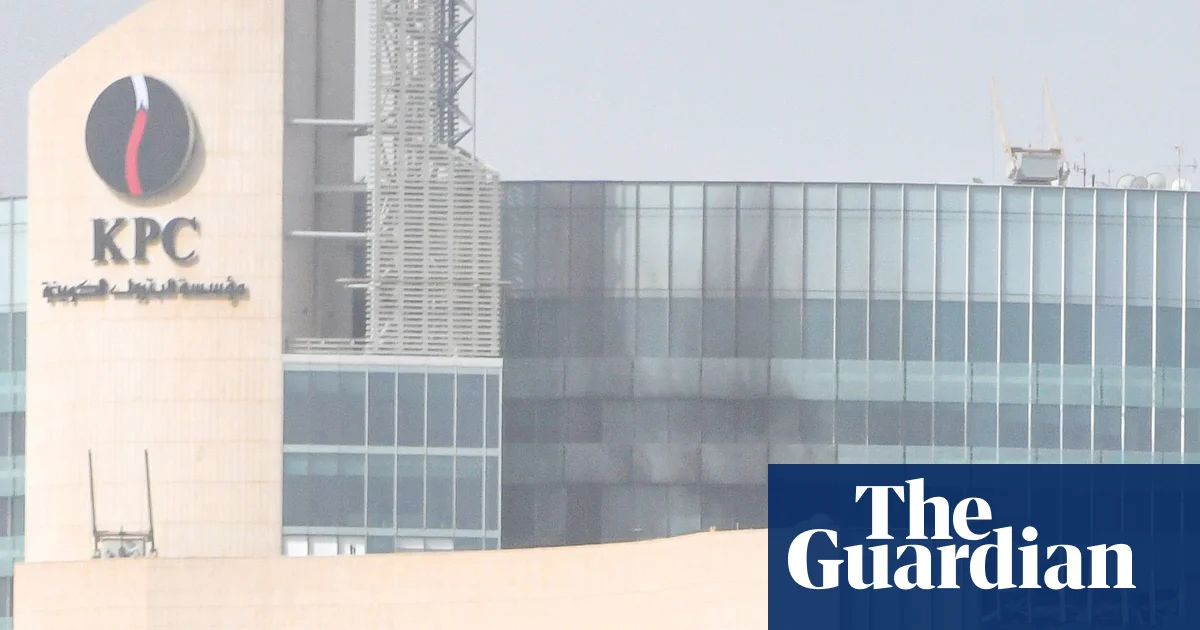
In a stark demonstration of the escalating tensions in the Middle East, Iranian drones have recently struck vital Kuwait oil infrastructure, inflicting “severe material damage” and threatening to further destabilize global energy markets. The attacks targeted petrochemical facilities, power and water desalination plants, and government offices, causing fires, damage, and potential long-term disruptions. The Islamic Revolutionary Guard Corps claimed responsibility, asserting that these strikes form part of Iran’s broader response to ongoing regional hostilities. These developments underscore the fragile security environment in the Gulf, where strategic interests and regional rivalries continually threaten the stability of global oil supplies.

This assault comes on the heels of a series of aggressive moves by Iran amid a tense backdrop of conflict involving the US and Israel. Just hours before the attack, members of OPEC+—the cartel of major oil-producing nations—convened to discuss measures to bolster oil output, ostensibly to counter the effects of Iran’s recent tightening of the Strait of Hormuz. Yet, Iran’s effective blockade, which prevents about 20% of global crude oil from passing through the strategic waterway, remains a major obstacle to stabilizing the world’s energy markets. Analysts warn that the damage inflicted on critical infrastructure could take months or even years to repair, with the geopolitical impact reverberating through markets and societies worldwide.

Meanwhile, the broader regional conflict is intensifying, with Iran rejecting ultimatums—such as the one issued by Donald Trump—threatening to destroy Iranian infrastructure if Tehran refuses a peace deal. Israeli strikes in Iran’s petrochemical sector have already resulted in casualties, while Iran retaliates by striking targets across neighboring nations like Qatar and Oman. This cycle of aggression risks spiraling into a regional crisis with worldwide consequences. The ongoing violence and ongoing U.S.-backed sanctions further exacerbate Iran’s resolve, and many international observers—including historians like Robert Kaplan—warn that this is a turning point that risks transforming the Middle East into a prolonged theater of conflict, with oil being a pivotal prize.

While the OPEC+ nations have acknowledged the immense costs and logistical hurdles in restoring damaged facilities, they continue to press for increased oil output—initially agreed upon at a modest 206,000 barrels per day—hoping to keep global markets from tipping into chaos. However, the underlying issue remains Iran’s blockade of the Strait of Hormuz, which, even with increased production, cannot fully compensate for the disruptions caused by war and sabotage. The surging oil prices—up more than 50% year-to-date—have already driven energy costs sky-high in the UK, US, and beyond, inflating everyday expenses from fuel prices to heating bills, and fueling political debates. As energy costs tighten economic pressures on consumers and governments alike, the stakes are clear: this is more than a regional conflict; it’s a crisis with the potential to reshape international power dynamics.

As the world watches a specter of chaos unfold in the Persian Gulf, the question remains whether diplomacy can stem the tide of violence or if history will record this moment as the beginning of a new era of rivalry and resource conflict. The geopolitical chessboard is shifting rapidly, with each move echoing across continents: from the streets of London to the corridors of the United Nations, where the weight of history presses heavily. In a future yet unwritten, this struggle for control over energy routes and regional influence could determine the fate of nations, societies, and the global order—if it is not already too late to steer away from the precipice.

Crack the Code: Today’s Hurdle Tips & Tricks for April 5, 2026—Stay Ahead of the Game!

In an era where digital entertainment often leans heavily on fast-paced action and fleeting social media trends, puzzle games are carving out a surprising yet impactful niche in the youth lifestyle landscape. Recent viral hits like Mashable’s “Hurdle” game, a multi-round word and logic puzzle, exemplify how these cerebral challenges are captivating the younger generation. The game’s structure—spanning five increasingly complex rounds—invites users to engage in critical thinking, pattern recognition, and strategic guessing, making it an appealing social activity that fosters mental agility and collaborative engagement. With hints, solutions, and community sharing, puzzle games are redefining what it means to be entertained in the digital age.

This renaissance of puzzles is not merely about mental exercise; it’s about social relevance and cultural influence. Today’s youth are fueling a shift toward appreciation for more “mindful” forms of digital entertainment, contrasting with the rapid dopamine hits of traditional social media. Influencers and content creators, such as those nominated on platforms like Mashable, rediscover the joy of problem-solving and intellectual challenge, turning what was once considered solitary activity into social currency. The communal nature of sharing hints, answers, and strategies creates a sense of belonging—an online tribe united by the love of unraveling mysteries. Analysts suggest this trend aligns with a wider cultural urge for authenticity and mental stimulation, offering a refreshing antidote to the superficial scroll.

Moreover, the viral growth of puzzle competitions—from Wordle to Mahjong and Sudoku—illustrates how the genre is embedding itself into youth routines and social media feeds. These games, often accessible on smartphones and web platforms, are transforming leisure time into opportunities for personal growth and social bonding. They also serve as a gateway for younger audiences to cultivate skills like patience, strategic thinking, and even resilience—traits often associated with traditional forms of education but now making waves in the online gaming landscape. Creative formats like Mashable’s “Hurdle,” with its teaser hints on words such as “SPOUT,” “LUNGE,” “FLAME,” “CRASH,” and “SHINE,” spark curiosity and foster a culture of shared challenge, blurring the lines between gaming and social activism.

Yet with this surge in popularity, a compelling question arises: what’s next for puzzle culture? Will these cerebral pursuits evolve beyond casual entertainment into something more integrated with our daily lives and societal values? Experts ponder whether future interfaces will combine augmented reality with puzzle-solving, turning urban exploration into interactive riddles or personal development into game-based learning. As digital natives continue to prioritize authenticity and mental wellness, could this trend signal a fundamental shift—where the pursuit of knowledge and mental agility becomes the new social currency? The next chapter of this puzzle culture might not just redefine how we entertain ourselves but could also embed itself into the core of our societal evolution, asking us all to contemplate: are we poised to turn mental agility into the **next big social movement**?

Trump to Join Supreme Court Birthright Citizenship Fight—Big Clash Ahead

In a move that could reshape the fabric of American law and have far-reaching geopolitical impact, President Donald Trump is set to attend the United States Supreme Court today as it deliberates a landmark case questioning the legality of his administration’s attempt to end birthright citizenship. This case has ignited a fierce debate over the interpretation of the 14th Amendment, a cornerstone of American constitutional law, and signals a potential shift in the nation’s approach to immigration and its constitutional foundations.

Trump’s executive order, issued upon his return to the White House, declared that children born to illegal immigrants or visa-holders in the United States would no longer be automatically granted citizenship. While lower courts swiftly blocked the order, citing the Citizenship Clause of the 14th Amendment—stating that all persons born on US soil are citizens—the Trump administration countered that the clause was originally intended solely for the rights of former slaves. They argue that the current interpretation—that virtually anyone born within US borders receives citizenship—oversteps the original intent of the amendment, which was passed post-Civil War to secure rights for newly freed African Americans. This interpretation is contentious, as many legal scholars, including those at the Council on Foreign Relations, warn that altering this understanding could undermine decades of legal stability and provoke international backlash, especially from nations with large diasporas seeking to exploit US birthright laws.

The case, titled United States v Wong Kim Ark, originally established in 1898 that birthright citizenship applies regardless of parental nationality, provided the child’s parents had U.S. domicile. The Trump administration now seeks the Supreme Court to revisit and reinterpret this precedent, emphasizing the notion of “subject to the jurisdiction thereof” and claiming that the current scope facilitates practices like birth tourism—a phenomenon where foreigners travel to the US to give birth and secure citizenship for their offspring, incentivizing illegal immigration. Historians such as Prof. Linda Greenhouse caution that such reinterpretations threaten to erode the clarity of the Constitution, risking legal chaos that could destabilize societal order and impact international relations profoundly.

The conservative-majority Supreme Court, which has previously supported Trump’s policies on immigration and national security, is likely to deliver a ruling by the end of June. A ruling favoring the Trump view could revolutionize US immigration policy, prompting an overhaul in how citizenship is awarded and possibly precipitating a wave of legal battles. Such a shift could redefine the face of American society, impacting immigrant communities and sparking internal divisions—an outcome that international analysts predict might weaken America’s moral authority globally. As the world watches, the courtroom drama unfolds into a pivotal chapter in 21st-century geopolitics, with the potential to challenge the very notion of national sovereignty and sovereignty itself.

With the stakes this high, each decision at this juncture of American legal history echoes beyond the borders of Washington and into the geopolitical landscape. As international organizations such as the United Nations monitor the proceedings, the possibility of a redefined US citizenship law raises questions about the future of global migration, refugee policies, and the stability of bilateral relations. The course resolved today will either reinforce the constitutional safeguards that have underpinned American identity for over a century or mark a new era of ambiguity and upheaval. As history’s pen hovers over this momentous chapter, the weight of unseen consequences presses down—reminding all that the decisions made today will shape the world’s order for generations to come.

Stay Ahead: Trendy Lenovo Chromebook, Perfectly Portable and Now 70% Off!

The New Wave of Budget Tech: Affordable Devices as Cultural Icons

In an era where consumer culture often equates performance with high price tags, a new movement is quietly reshaping how young, budget-conscious users approach technology. The recent surge in affordable refurbished devices, exemplified by products like the Lenovo 11.6-inch Chromebook 100E Gen 2, showcases a shift towards making everyday tech more accessible and socially relevant. Once considered merely utilitarian, budget laptops now carry a cultural weight that resonates with a generation craving both affordability and authenticity.

From Niche to Mainstream: The Power of Affordability and Convenience

Tech influencers and sociologists note that the consumer demands of younger demographics are evolving beyond flashy specs to prioritize convenience, portability, and value. The refurbished Chromebook market has become a prime example, offering devices like the Lenovo Chromebook at a staggering 70% off, transforming what was once considered low-end into a staple for students and casual users. Top trends suggest that this pivot is rooted in a deeper social shift — a move towards appreciating practical, no-frills tech that fits seamlessly into a digital lifestyle without breaking the bank.

This emerging trend underscores the social relevance of accessible technology. It’s no accident that young creative minds and activists are championing devices like these, viewing them as tools for self-expression and equal opportunity. Unlike elitist tech that symbolizes status, affordable gadgets symbolize democratization — a rallying cry for a generation that values inclusivity and pragmatism.

The Cultural Impact and Future Questions

The cultural impact of this trend extends beyond mere utility. It’s redefining how society perceives product value and tech accessibility. Influencers and analysts such as sociologist Dr. Jane Harper highlight that these devices are becoming status symbols of resilience and resourcefulness. As the market for refurbished gadgets continues to grow, it raises a provocative question: Will the future of consumer electronics shift away from premium branding towards a new ethos of practicality and community-driven technology?

Ultimately, the next big question isn’t just about bargain tech; it’s about how this movement influences the broader social fabric. Will we see a new cultural narrative that prizes smart spending and inclusive innovation, or will the allure of status continue to dominate? As young people increasingly redefine what it means to be “connected,” perhaps the true innovation lies in redefining how society values accessibility, community, and purpose in the tech space.

UK borrowing jumps unexpectedly to £14.3bn in February, signaling tough times ahead

The United Kingdom faces an increasingly precarious economic landscape as new official figures reveal a higher-than-expected monthly deficit of £14.3 billion. The Office for National Statistics (ONS) attributed this widening gap to the timing of government debt repayments, underscoring the fragility of fiscal measures in a turbulent geopolitical climate. While the government has successfully reduced the current budget deficit for the first eleven months of the fiscal year by 21.1%, reaching £62.1 billion, the outlook remains uncertain. Analysts warn that rising energy prices, inflation, and interest rates—driven by ongoing conflicts in the Middle East—could soon jeopardize the £23 billion buffer the Chancellor, Rachel Reeves, claims to have left against fiscal rules. The economic decisions made today could shape Britain’s capacity to withstand the storm of international turbulence, with experts emphasizing how vulnerable the nation’s fiscal stability truly is in the current global context.

The UK’s approach has been to balance increased borrowing for investment projects with significant tax hikes, aiming to shrink the deficit while fostering economic growth in an uncertain environment. Prime Minister Reeves contends that her government’s strategy has bolstered the nation’s resilience, citing recent tax revenue increases and targeted energy bill cuts from April. However, critics from economic think tanks and international bodies warn that these measures might be insufficient as external shocks intensify. The Bank of England remains cautious, holding interest rates at 3.75%, with hints that they could rise if inflationary pressures escalate—particularly in light of rising oil prices above $100 a barrel and the effective closure of the Strait of Hormuz.

International analysts and economic historians note that the UK’s fiscal maneuvering is occurring against a backdrop of rising geopolitical risks. As entities like the IMF and OECD warn of heightened global instability, Britain’s monetary policy decisions are scrutinized for their potential to either mitigate or exacerbate vulnerabilities. The ongoing conflict in the Middle East has global reverberations—disrupting energy supplies, pushing inflation upwards, and making interest rate adjustments more complex. The “turning point” in international stability could dramatically reshape economic forecasts, with the UK caught between safeguarding fiscal credibility and responding to the unpredictable tides of global conflict.

In the grand narrative of history’s unfolding, Britain’s fiscal response today may be remembered as either a calculated resilience or a perilous gamble. As the world watches shadows lengthen across geopolitics and economies brace for the storm, the decisions made in Westminster will echo through generations. When future historians look back, they may see these years as a crucible—testing whether a nation grounded in free enterprise and strategic foresight could withstand the relentless march of global chaos or succumb to the weight of its own vulnerabilities. In the end, the question remains: whose fate will be written in the ashes of this turbulent era? The answer, like history itself, remains *unwritten*.

BTS Drops New Album Arirang Before Comeback Concert—Fans Already Ahead of the Game

BTS Drops New Album Arirang Before Comeback Concert—Fans Already Ahead of the Game

In an era where cultural influence acts as a modern soft power tool, South Korea’s iconic K-pop group BTS has once again demonstrated its expansive global reach. Their recent album Arirang, named after a quintessential Korean folk song symbolizing longing and national identity, signals a conscious reaffirmation of cultural roots amidst international pop dominance. The group’s return to the stage for a landmark concert at Seoul’s historic Gyeongbokgung Palace – a site echoing the nation’s enduring sovereignty – underscores not only their musical evolution but also their role as ambassadors of Korean heritage on a geopolitical stage.

The Saturday night concert, with an expected audience of 260,000, marks the end of a nearly four-year hiatus during which all seven members served compulsory military service. The event is more than a mere reunion; it symbolizes South Korea’s strategic cultural diplomacy as the group plans an 82-date world tour. BTS’s decision to perform in a historically charged and politically significant site signals a confident narrative that Korea’s modern identity is deeply intertwined with its history and sovereignty. International analysts have noted that this move enhances the nation’s prestige while sending a message of resilience and cultural vibrancy, especially amidst geopolitical tensions in the region.

Regional tensions remain high as North Korea’s ongoing provocations and the strategic stationing of South Korean and allied forces at the heavily fortified border continue to define security dynamics. Yet, culturally, Korea is asserting itself as a unified voice through events like this concert, with historians pointing out that the incorporation of traditional symbols in contemporary music and public events not only strengthens national pride but also enhances South Korea’s soft power. International institutions and global observers have increasingly recognized that the nation’s cultural diplomacy, exemplified by BTS, plays a vital role in shaping perceptions of Korea’s strength and stability in a turbulent geopolitical landscape.

Critics and analysts alike observe how Korea’s cultural exports serve as tools to bolster its standing amidst global rivals, notably China and Japan. The strategic display of sovereignty through cultural initiatives aligns with the country’s broader policy of strengthening national identity on the world stage. As experts warn, these decisions are not purely symbolic; they directly influence how societies perceive their collective strength and resilience in a modern era where perceptions often translate into political and economic influence. With the world watching, BTS’s remarkable journey underscores a broader narrative: that of a nation’s enduring quest to define itself not only through politics and diplomacy but through the cultural narrative it projects into the global arena.

Indeed, as history continues to unfold, the significance of this moment extends beyond entertainment — it embodies the enduring clash of identity, sovereignty, and soft power. Today’s youth may find inspiration in the powerful symbolism of BTS’s return, yet history reminds us that such cultural milestones are chapter markers in a story that underscores Korea’s unwavering pursuit of sovereignty and global recognition. The stakes are high; the future unwritten. With each note played beneath the shadow of history’s grand stage, the weight of geopolitical ambitions presses on like an endless overture, leaving the international community to watch, wait, and wonder: what will be the next act in this unfolding saga?”

Exciting Showdown Ahead: Top Teams Gear Up for Youth Championship Showdown!

Potential Upset Alert: Double-Digit Seeds Eyeing the Second Round

The NCAA Tournament is always a platform for surprises, and this year’s edition is no exception. As the brackets unfold, the question arises: which double-digit seeds are poised to make a memorable run? According to ESPN’s Basketball Power Index (BPI), there are a few standout teams that fans should keep an eye on as the tournament progresses.

Among the lower seeds, Team X emerges as a formidable contender. The BPI suggests that their recent performances indicate they are ready to challenge higher-ranked opponents. With standout players like Player A consistently lighting up the scoreboard, averaging 20 points per game over the last few fixtures, it’s clear they have the firepower needed for an upset. “We are confident in our ability to take down anyone in our path,” Coach B stated, emphasizing the team’s focus on teamwork and resilience.

Another potential underdog, Team Y, is creating buzz thanks to their gritty style of play. The combination of solid defense and sharp shooting could set the stage for an unexpected advancement to the second round. Notably, they successfully executed a clutch three-pointer with just seconds left in the last game, a moment that seemed to breathe new life into their tournament aspirations. This critical shot not only altered the game’s momentum but also showcased the player’s ability to perform under pressure.

  • Player C from Team Y averaging 15 rebounds per game
  • Coach D‘s strategy emphasizes tight defense and fast breaks
  • Both teams showcase depth and versatility in their rosters

As the tournament progresses, these underdogs remind us that anything can happen in the world of college basketball. It ultimately isn’t just about the scoreboard; it’s about passion, heart, and the spirit of competition that unifies players, fans, and communities alike. The NCAA Tournament serves as a celebration of resilience in sports, reminding everyone that every game is an opportunity, and every player has a chance to leave their mark. As we watch these intrepid teams battle for glory, we see that the heart of sports reveals itself not only in victories but in the moments that inspire us all.

Source link

Social Media Auto Publish Powered By : XYZScripts.com