Global Implications of Natural Disasters: Sri Lanka’s Battle Against Cyclone Ditwah
The recent devastation wrought by Cyclone Ditwah in Sri Lanka exemplifies how natural disasters are not merely humanitarian crises but also significant geopolitical turning points. With over one million residents affected, the island nation’s worst weather event in recent memory has exposed both the vulnerabilities and resilience of its societal fabric. Experts warn that climate-induced catastrophes will increasingly test the limits of nations like Sri Lanka, forcing a reevaluation of regional security and international aid strategies.
Analysts note that President Anura Kumara Dissanayake’s declaration of a state of emergency underscores the gravity of the crisis. The country’s military has swiftly deployed helicopters and rescue teams, with aid pouring in from around the world. However, questions about how the government handled weather warnings and preparedness are fueling political tensions, with opposition lawmakers accusing authorities of negligence. In a broader context, these internal conflicts threaten to undermine national unity at a critical moment, illustrating how a natural calamity can amplify political fractures. International organizations such as the United Nations are closely monitoring the situation, emphasizing that disasters like Cyclone Ditwah often serve as crucibles that reveal a nation’s capacity for social cohesion.
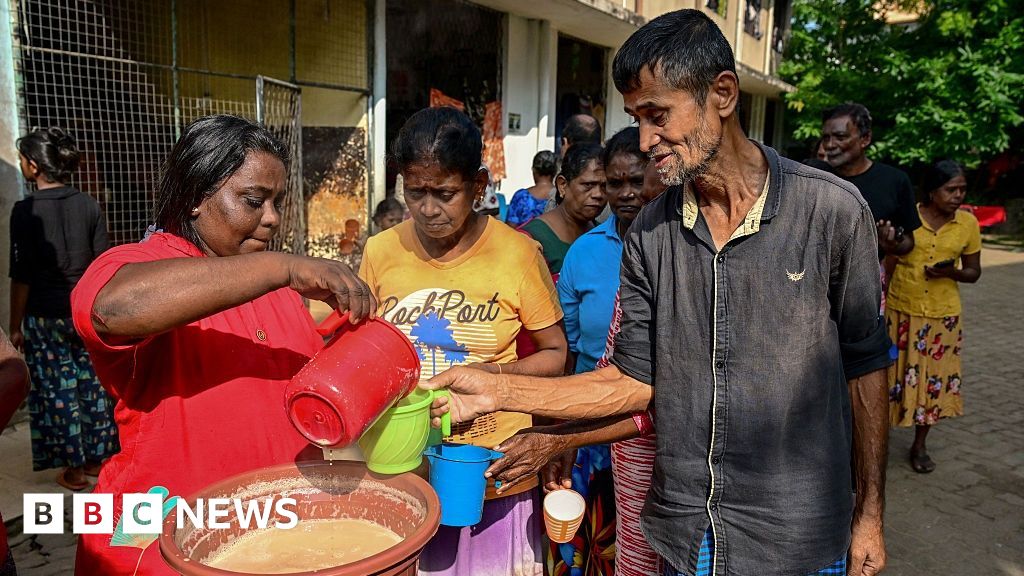
Within the country, grassroots activism has surged as communities rally to combat despair. In Colombo’s Wijerama neighborhood, volunteers—many previously involved in protests against the previous government’s economic mismanagement—are now channeling their energy into relief efforts, running community kitchens and organizing aid distribution.
- Activists have compiled hundreds of requests for help, prompting a coordinated effort with authorities.
- Volunteer groups have reactivated networks used during past crises, demonstrating a continuity of civil society’s resilience.
Despite the political discord at the national level, the people’s spirit of communal aid remains unbroken. Social media campaigns have created a public database of donations and relief needs, embodying a crucial shift from government-led to community-driven responses. As historians and analysts observe, this grassroots mobilization could serve as a template for future resilience, asserting the importance of civil society at a time when national institutions face scrutiny and criticism.
The international community continues to play a vital role, with foreign aid and humanitarian organizations providing critical supplies and expertise. Yet, the crisis in Sri Lanka also underscores the fragile geopolitics underscoring the region. With regional powers poised to influence recovery strategies, questions arise about how India, China, and Western nations will approach the evolving crisis—balancing aid, political interests, and regional stability. Historically, such environmental calamities have acted as catalysts for international intervention, but also as flashpoints for strategic competition, thereby reshaping the regional order.
As Sri Lanka faces an uncertain path to recovery, the lessons learned resonate far beyond its shores. The unfolding story of resilience amid chaos is a stark reminder that history is often written in moments of crisis, where societal bonds are tested and definitions of sovereignty are challenged. With each rescue, each act of solidarity, the island’s narrative blends into a larger tapestry of human endurance—yet the shadow of future storms looms large, urging the world to confront the reality that natural disasters are not on the decline, only escalating.
Indeed, the future hinges on whether nations will heed the warnings and act decisively or allow the currents of catastrophe and conflict to wash away the fragile hopes for stability. As history continues to unfold in Sri Lanka, the weight of the present demands that we recognize—
This is not merely a story of floods and rescue but a harbinger of the geopolitical shifts and societal transformations that define our era. The pages of history are turning, and it remains to be seen whether the forces of unity or division will dominate in this chapter of human resilience.