Matox News

Truth Over Trends, always!

Every 80 Seconds: UK Young People Face Rising Cancer Crisis

UK Society Confronts Rising Cancer Treatment Challenges and Broader Social Impacts

The steady rise in cancer diagnoses across the United Kingdom reflects deeper societal shifts that threaten the fabric of families and communities. According to recent reports, one person receives a cancer diagnosis every 80 seconds, a staggering statistic that highlights how carcinogenic lifestyle factors such as obesity continue to influence public health. Instances of cancer have increased from 610 to 620 per 100,000 people in the span of a decade, underscoring the widening gap between societal health crises and our institutions’ responses. While progress in survival rates has been notable—more individuals are living longer post-diagnosis—the pressure on NHS services hampers the ability to sustain this positive trend, threatening to reverse gains made over decades.

Social and Institutional Strains Amplify Human and Family Hardships

  • The NHS, a pillar of public healthcare, faces unprecedented demand, with cancer waiting times deteriorating to record lows. This results in delayed diagnoses and treatments, which exponentially impacts families—parents, children, and elderly dependents—caught in the uncertainty and fear of illness.
  • More than 107,000 patients in the UK waited over 62 days for treatment in 2025, emphasizing how institutional fragility can translate into personal tragedy. These delays not only affect patients’ physical wellbeing but also create profound emotional and financial trauma within families, who often bear the burden of caregiving and additional expenses.
  • In emergency care settings, over 13,000 patients endured more than three days in A&E waiting for admission or discharge—an occurrence that compromises family stability and community trust in healthcare systems. As Mumtaz Patel, president of the Royal College of Physicians, poignantly noted, some patients prefer death at home rather than face such institutional neglect.

Policy Responses and the Need for Societal Commitment

The UK government’s recent national cancer plan signals a recognition of these mounting challenges. However, declaring ambitious goals is not sufficient; tangible funding, staffing, and infrastructural support must follow to truly transform care delivery. Social commentators highlight that the ongoing resource deficit risks halting progress in early detection and treatment, which are critical in reducing mortality and alleviating the emotional toll on families.

Towards innovative solutions, Cancer Research UK advocates for widespread implementation of screening programs—especially for cancers like lung cancer—and the accelerated adoption of advanced diagnostic tests. While government commitments aim to address these issues, regional disparities remain stark; northern parts of the UK are particularly underserved, with calls for national investment resonating across social sectors. As a sociologist might observe, these disparities threaten to deepen societal divisions, impairing community resilience and social cohesion.

Reflecting on Society’s Path Forward

Society’s social fabric is stretched by these health crises, revealing vulnerabilities rooted in demographic shifts and the systemic neglect of preventive care. Yet, amidst these daunting challenges, hope persists. The promise of policy and societal will to bolster healthcare and address emerging social inequalities remains a testament to human resilience. Society faces a moral imperative: to nurture not only the health of its individuals but the strength of its families and communities. It beckons a future where hope is not born from promises alone but woven into a collective effort to redefine society’s capacity for care, compassion, and resilience—ultimately, a society ready to transform adversity into purpose.

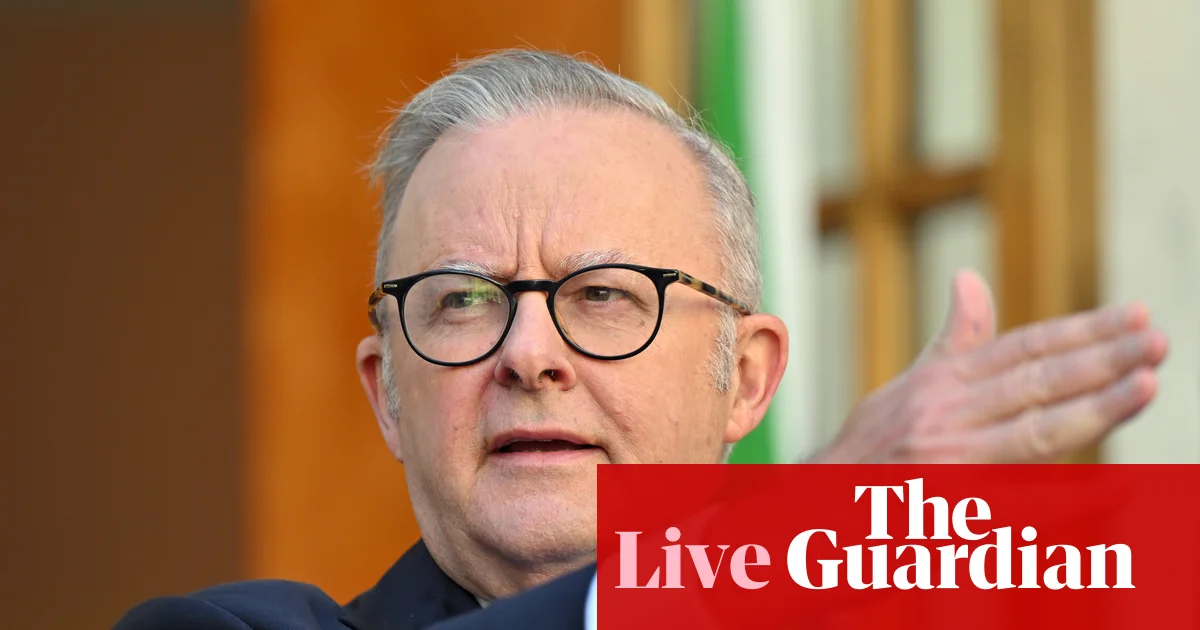
Australia News Live: Albanese Announces National Cabinet to Tackle Ongoing Fuel Crisis this Week

Global Tensions Rise as Middle East Conflict Sparks Economic Uncertainty

In a stark reminder that geopolitical conflicts are no longer confined to distant borders, recent events in the Middle East have sent ripples across the global economy, highlighting the interconnected nature of international affairs. Since the United States and Israel launched military strikes against Iran on 28 February, the region has descended into a complex conflict with profound consequences not only for localized populations but for nations worldwide. The unfolding crisis underscores how international decisions can reverberate through markets, societies, and the balance of power, demanding a nuanced global response.

Major powers and international organizations are closely monitoring the situation, recognizing that the opening or closing of vital shipping lanes such as the Strait of Hormuz carries weight far beyond the immediate region. Historians and analysts warn that this conflict could signify a turning point in regional stability, with world leaders advocating for a permanent resolution. Among them, Anthony Albanese, Prime Minister of Australia, has emphasized the long tail of economic shocks that such conflicts can produce, warning that no nation is immune to their effects—highlighting the age-old truth that in the era of globalization, regional upheavals quickly become global crises.

As the conflict persists, national leaders are convening to strategize responses. Albanese has announced plans to reconvene the national cabinet in the coming days to address rising fuel prices and supply concerns. His government has indicated that, although there are no immediate plans to escalate military involvement, Australia intends to play a constructive role in diplomatic negotiations. This approach reflects a broader international consensus on seeking a negotiated settlement, as echoed by Penny Wong, Australia’s Foreign Minister, who expressed the country’s desire for the full reopening of critical shipping lanes—an essential step toward stabilizing global energy markets.

The regional conflict in the Middle East has ignited a global energy crisis that analysts warn could have enduring repercussions. Energy prices have surged, affected supply chains, and increased economic uncertainty among nations that rely on the strategic flow of oil and gas. International organizations such as the International Energy Agency are sounding warnings about the potential for prolonged volatility. Meanwhile, historians and geopolitical experts draw parallels to past conflicts, warning that unresolved tensions could lead to a broader confrontation, with the stakes for nation-states and their populations growing ever higher. The resolution of this crisis hinges on diplomatic agility and a recognition that the pursuit of peace benefits all.

As stories unfold and diplomatic efforts continue, the question remains: how will this pivotal chapter in history shape the global order? Will nations succumb to the pressures of conflict, or will they forge a path toward lasting peace? The weight of decisions made in these critical moments will echo through the corridors of history, defining the next chapter of international relations. The unfolding saga reminds us all that in our interconnected world, the fate of distant nations is intertwined with the prosperity, security, and stability of societies everywhere. As the world waits and watches, the true impact of this crisis will be felt long after the bombs fall silent – a stark testament that in the theater of geopolitics, history is always still being written.

Mexico's Sheinbaum rejects 'diplomatic crisis' claims over Spain conquest spat
Mexico’s Sheinbaum rejects ‘diplomatic crisis’ claims over Spain conquest spat

In a surprising development, Mexico’s current president has publicly stated that there were never tensions over Spanish colonization, a stark departure from historical narratives that often position the colonial past as a source of lingering conflict. This statement challenges long-held perceptions in the international community and signals a possible shift in Latin America’s diplomatic discourse. Historically, the colonial era remains a touchstone for debates surrounding identity, sovereignty, and historical grievances. However, the recent comments suggest a move toward reconciliation or, at least, a reframing of the narrative by Mexico’s leadership.

Amid the backdrop of regional geopolitics and evolving relationships within North and Central America, experts and international organizations have taken close note. Some analysts interpret the statement as a strategic diplomatic act aimed at fostering stronger ties with European nations, particularly Spain. While many historians and international observers recognize the enduring importance of colonization’s legacy—highlighted in studies by organizations such as the United Nations Department of Economic and Social Affairs—the Mexican president’s remarks may be an effort to build bridges rather than deepen historical wounds. This narrative shift could redefine regional power dynamics, especially as Latin American countries grapple with how their colonial past shapes present-day policies and societal identities.

The geopolitical impact of this narrative change is significant. Universities, think tanks, and political analysts suggest that Mexico’s stance might be aimed at aligning itself more closely with European nations, seeking economic and diplomatic benefits in an increasingly interconnected world. Such statements could influence international dialogues on reparations or historical accountability, which remain tense and divisive in many other parts of the region. Furthermore, Mexico’s move may serve to distance itself from the compromises and conflicts of the past, signaling a desire to focus forward on issues like economic development, national sovereignty, and regional stability. These decisions affect not only diplomatic relations but also how societies within Latin America confront and debate their colonial histories, often intertwined with present-day social and economic inequalities.

Experts such as political scientists and historians caution that this moment—a seemingly simple presidential statement—carries the weight of history’s ongoing narrative. As the world watches, the nature of Mexico’s diplomatic posture will likely influence broader regional attitudes. Could this be the beginning of a new chapter where nations choose unity over division, reconciliation over retribution? Or will it serve merely as a transient political gesture amidst complex historical realities? The unfolding story of Latin America’s engagement with its colonial past, and how it chooses to shape its future, remains one of the most compelling chapters yet to be written in the global saga of history and geopolitics.

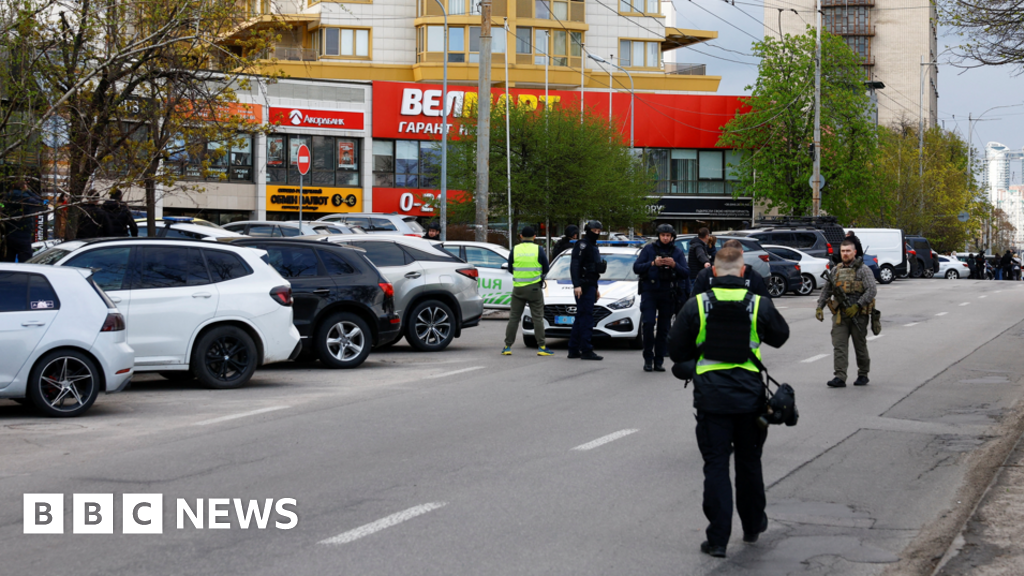
Kyiv Gunfire Tragedy: At Least Two Dead as Hostage Crisis Unfolds

Ceasefire Holds as Middle East Confronts Escalating Violence

In a development that has sent ripples across the geopolitical landscape, authorities in the Middle East have announced that the suspected gunman responsible for recent violence has been neutralized in a police shoot-out. According to the country’s interior minister, the perpetrator was killed after a fierce confrontation, bringing a temporary halt to the immediate threat of ongoing chaos. This incident underscores the persistent instability in the region, where decades of conflict continue to shape the political and social fabric of nations.

This event was quickly viewed as a pivotal moment by international observers and analysts, with many highlighting the importance of maintaining security and preventing further escalation. The conflict—which has involved multiple factions vying for control—remains deeply rooted in historical grievances and geopolitical rivalries. Experts from organizations like the United Nations have warned that while the arrest or killing of key figures offers momentary relief, the fundamental issues must be addressed through sustained diplomatic efforts. The incident also calls into question the security strategies employed by regional governments amid an increase in armed incidents and violence.

The geopolitical impact of this development cannot be overstated. Countries such as Israel, Palestine, and neighboring Arab states are watching with keen interest, knowing that each flashpoint in the region can quickly escalate into wider conflicts affecting global stability. The recent violence acts as a stark reminder that international cooperation and adherence to peace treaties—such as the contentious Oslo Accords—are fragile and often tested. The US and European Union have reiterated calls for restraint, emphasizing the importance of diplomatic engagements rather than military responses, which risk prolonging the unrest.

Historical analysts emphasize that such incidents often serve as turning points that either lead toward reconciliation or further chaos. According to renowned geopolitical strategist Dr. William Carter, “While the quick resolution in this case may appear to stabilize the situation, it is only a temporary halt. The root causes—deeply embedded in territorial disputes, economic hardship, and political marginalization—must be confronted if lasting peace is to be achieved.” This sentiment echoes past lessons: violence in the region often reignites unless comprehensive diplomatic efforts are prioritized. How nations respond in the coming weeks will determine whether the current moment becomes a prelude to reconciliation or a catalyst for further upheaval.

As darkness falls and authorities declare an end to immediate violence, the ongoing narrative of the Middle East remains unwritten. The recent shoot-out is a stark reminder that in this volatile landscape, history continues to be shaped by decisions made in boardrooms, battlefields, and diplomatic chambers. The world stands at a crossroads, watching whether this precarious pause will evolve into a genuine path toward peace—or a tragic footnote in the relentless saga of conflict. The weight of history presses heavily on this moment, reminding all that even in darkness, the light of hope flickers—its future uncertain, but its significance undeniable.

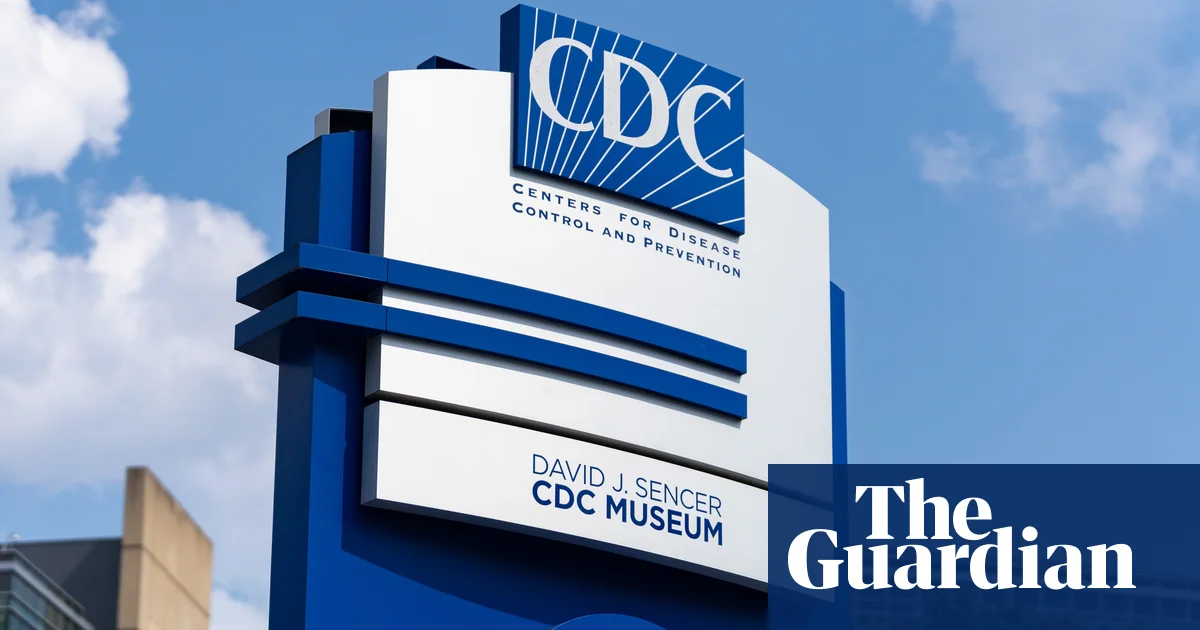
CDC Leadership Crisis: 80% of Top Posts Vacant, Work Stalls, Morale Drops – RFK Jr.

In recent months, America’s once-reliable public health institutions have revealed disturbing cracks that threaten the very fabric of our society. The Centers for Disease Control and Prevention (CDC), a cornerstone of the nation’s health defense, is currently mired in a crisis of leadership and purpose. Nearly eighty percent of its top director positions remain vacant, leaving the agency adrift and unable to effectively combat infectious diseases, monitor maternal and infant mortality, or oversee vital vaccination policies. Such a chaos-filled landscape exposes the fragility of our societal safeguards and underscores how demographic shifts and cultural tensions intertwine with the erosion of public trust.

This leadership gap doesn’t merely hinder bureaucratic efficiency—it directly impacts families, education, and entire communities. When health agencies lack clarity and direction, the ripple effects are felt at ground level. Senior CDC officials warn that without decisive leadership, the agency’s ability to respond to an emergent pandemic could be compromised, risking the lives of the most vulnerable—children, pregnant women, at-risk populations. Sociologist Dr. Samuel Peters warns that such erosion of institutional integrity fosters a sense of societal abandonment, especially among communities already grappling with the consequences of inequality. The societal fabric strains further when vital health data—such as infant mortality rates or disease outbreaks—are compromised or viewed through distorted political lenses, diverting society from genuine progress towards public well-being.

Amidst this turmoil, the political landscape remains tumultuous. The appointment of Erica Schwartz as CDC director under former President Trump’s administration aims to temporarily patch the gaps, but systemic issues run deeper. Notably, since Kennedy’s appointment as health secretary, over 2,400 CDC staff members have either been fired or resigned, leaving remaining personnel destabilized and demoralized. Many describe the agency as being in a state of “pandemonium,” with key positions left unfilled for months—an unsettling scenario when national security hinges on swift, informed decision-making during health crises. Social commentators like historian Dr. Anthony Rogers note that this fracturing of expertise and trust could set the stage for society’s wider health to become a victim of political struggles rather than science-based solutions.

As the nation witnesses this institutional breakdown, the questions remain: How can society hope to regain its health security? What role do cultural values and moral responsibility play in restoring trust and accountability in public institutions? Experts emphasize that rebuilding the leadership and integrity of organizations like the CDC is paramount to protecting families and fostering resilience within communities. The crisis reveals more than just bureaucratic failures—it exposes the moral imperative to prioritize human life above political expediency. Although the societal shadows grow long, history shows that through dedication, moral resolve, and collective effort, the nation can illuminate a path back from chaos. Society must reflect on how social issues—interwoven with cultural tension and political partisanship—affect the health and hope of future generations, inspiring a society that refuses to accept dysfunction as inevitable and strives instead to heal its deepest wounds.

Australia News: Govt Launches Campaign to Cut Fuel Use Amid Ongoing Supply Crisis

As the world grapples with ongoing disruptions to global supply chains, **energy security** has become an increasingly critical issue. Australia, a nation heavily dependent on imported fuel, has recently taken strategic steps to mitigate the potential fallout from these unprecedented challenges. The Australian government has launched a nationwide advertising campaign aimed at encouraging its citizens to reduce fuel consumption amidst persistent shortages. This initiative underscores the broader dilemma facing nations worldwide: balancing immediate energy needs with long-term geopolitical stability. Federal officials, including Transport and Infrastructure Minister Catherine King, emphasize the importance of public cooperation in navigating these turbulent times, while highlighting the delicate interplay between national policies and global supply dynamics.

In a move that signals Australia’s intent to diversify its fuel sources and safeguard its energy supplies, Prime Minister Anthony Albanese recently negotiated a bilateral agreement with Singapore. This pact seeks to ensure mutual access to fuel supplies, a strategic maneuver aimed at reducing reliance on unstable regional logistics and geopolitical chokepoints. However, experts warn that this isn’t a quick fix. Energy Minister Chris Bowen warns of a *“long tail”* of supply disruptions—meaning the ripple effects of the conflict in the Middle East, particularly the ongoing instability in the region’s oil-producing territories, may linger well beyond the immediate crisis. This foresight highlights the interconnectedness of global oil markets and the vulnerability of nations significantly dependent on imports.

From an international perspective, analysts view Australia’s approach as a microcosm of what many nations are forced to confront: how to maintain economic stability and societal wellbeing amid uncertain geopolitical tensions. The global energy crisis has become a crucial flashpoint, especially as OPEC nations and other key producers make unpredictable decisions affecting supply and prices. Several international organizations, such as the International Energy Agency, have issued warnings about the risk of prolonged instability, urging nations to bolster strategic reserves and explore alternative energy sources. Nonetheless, the reality remains stark: the decisions made today—whether to diversify supply routes or to incentivize domestic production—will shape the geopolitical landscape for decades.

Historians and analysts alike recognize that energy conflicts often serve as catalysts for larger geopolitical shifts. As nations scramble to protect their interests, new alliances are forged, and old rivalries are reignited. The current global supply chain crisis and the response of individual countries illustrate a broader truth: in an era of interconnected vulnerabilities, decisions made in Canberra, Washington, or Beijing resonate far beyond their borders and contribute to a sweeping story of strategic recalibration. This fragile balance of power and resource has the potential to ignite conflicts, alter alliances, or even redefine notions of sovereignty. As history continues to unfold, one thing remains certain—the weight of this new age of energy diplomacy will be felt for generations, shaping the geopolitics of the 21st century with every critical decision.

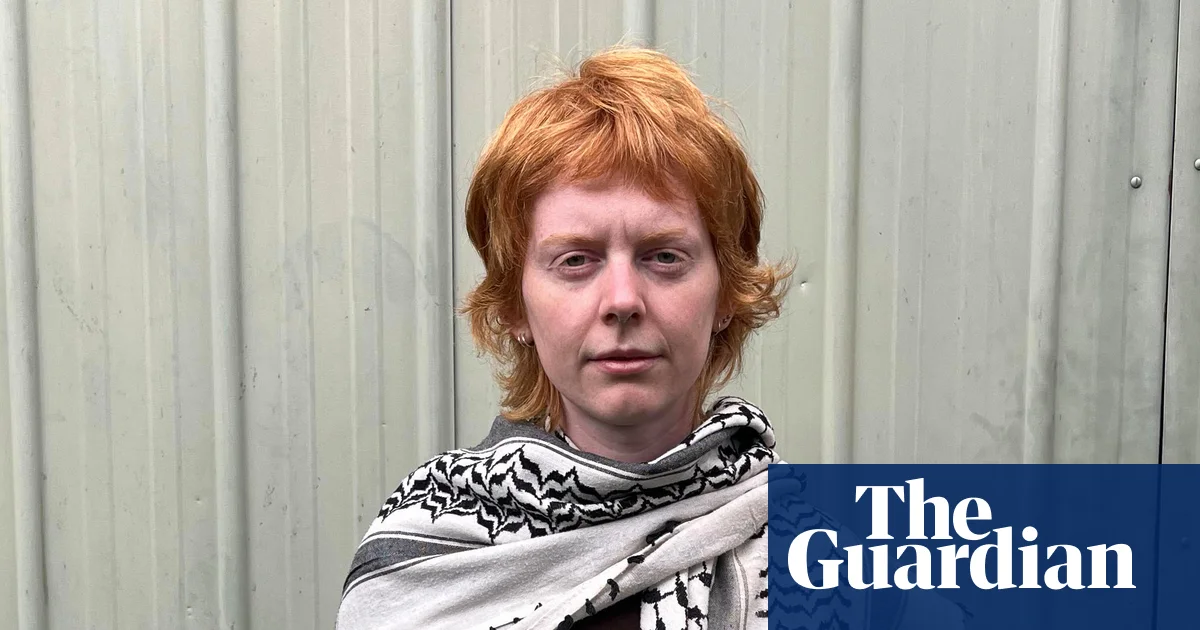
RMIT Drops Charges Against Student Who Called Out University’s Role in Gaza Crisis

Controversy at RMIT University Sparks International Debate Over Academic Freedom and Ethical Defense Collaboration

In a resolute stance that underscores the ongoing clash between free speech and national security concerns, RMIT University recently dropped a misconduct case against a student, Gemma Seymour, who publicly criticized the institution’s involvement in military research linked to weapons manufacturing. Seymour, a fine arts student, faced potential suspension following a social media video in which she called for the closure of the university’s Sir Lawrence Wackett Defence and Aerospace Centre. The controversy ignited a broader debate on academic independence, with many viewing it as a pivotal moment in how societal activism intersects with institutional policies, especially in a geopolitical landscape marred by conflicts in Gaza and beyond.

The underlying conflict extends far beyond a single university. Seymour’s attack on RMIT centred around the institution’s collaboration with prominent weapons companies, including Boeing and the Australian Defence Forces, which are key players in Australia’s defense industry. The university justified surveillance and the subsequent threat of misconduct proceedings by citing the risk to staff and research facility safety posed by publicly sharing detailed location data on social media. This incident vividly illustrates the broader tension faced by academic institutions worldwide—balancing the core values of free speech against the perceived need for security and institutional reputation amidst escalating global tensions. As defence and aerospace research become increasingly politicized, universities risk becoming battlegrounds not just of science but of ideological confrontations.

Analysis from international think tanks and security experts emphasizes the geopolitical impact of these debates. The inclusion of the U.S. Department of Defense and multinational corporations like Boeing in Australian defense initiatives signifies a deepening integration of allied military interests. Critics argue that such collaborations effectively amplify the risk of entrenching global conflicts—with weapons used in conflicts such as the recent Israeli operation in Gaza, where civilian casualties, including children, have garnered international outrage. Organizations like Amnesty International have highlighted how weapon manufacturing ties feed into killing machines that perpetuate cycles of violence and suffering. Many analysts contend that allowing university research to bolster these industries tacitly endorses or prolongs conflicts, raising profound ethical questions about the role of academia in geopolitics.

The public fallout and university responses also showcase shifting global narratives—where the fight for academic integrity now often coincides with global human rights debates. Seymour’s emphasis on the university’s “blood on its hands” encapsulates a rising sense among youth and progressive groups that institutions are complicit in genocides and conflicts through the supply chain of war technology. This trend echoes international calls for de-escalation and a reevaluation of military-industrial collaborations, as seen in several countries grappling with the moral implications of such partnerships. Historians and scholars warn that these moments of reckoning could reconfigure future policies, compelling institutions to account for their global responsibilities in peace and security.

As the world watches this unfolding story, the stakes have never been higher. The details of university collaborations, the ethical dilemmas of defense research, and young activists’ crusades against militarism are all intertwined threads in a complex tapestry of power, morality, and geopolitics. With the global conflict in Gaza serving as a stark reminder of what is at risk, it is clear that history is now writing its next chapter—one that may determine whether nations and societies heed the call for peace or succumb to the relentless march of war. In this pivotal moment, the weight of history seems to hang heavy, casting long shadows across the battlefield of ideas and the corridors of power.

Schools in knife crime zones to receive targeted crisis training for students

Government Launches Initiative to Tackle Knife Crime in Schools

In a decisive move to address the rising concern of knife-related violence among youth, the government has announced a new partnership aimed at providing comprehensive training for school leaders. This initiative underscores the recognition that schools serve not only as educational institutions but also as vital community anchors. By equipping educators with the tools to identify and mitigate risks associated with knife crime, policymakers aim to foster safer environments where young people can learn and grow free from the threat of violence. Yet, such measures also highlight deeper sociocultural shifts and systemic challenges that demand a broader societal response.

Social Tensions and the Erosion of Community Bonds

Historically, communities have played a crucial role in shaping the moral fabric and social cohesion of young people. However, many areas experiencing socioeconomic decline have seen a breakdown of these communal bonds, creating fertile ground for youth to become embroiled in gang culture and illegal activities. Sociologists like Robert Putnam have documented how social capital—the networks of trust and cooperation—has diminished in disadvantaged neighborhoods. This erosion leaves at-risk youth more vulnerable to peer pressure and violent influences, ultimately impacting families and the wider social fabric.

Educational Challenges and the Role of Schools

Schools are often considered the frontline in the fight against youth violence, but they face complex challenges rooted in educational inequalities and resource limitations. Many educators report feeling ill-equipped to handle these issues without proper training or support systems. The new program seeks to arm school leaders with insights into risk indicators and intervention strategies, emphasizing that prevention begins with understanding the social contexts students navigate daily. Historical patterns show that when educational institutions are disconnected from community realities, efforts to curb violence are less effective—underscoring the need for holistic, community-inspired approaches.

Challenges and Prospective Solutions for Society

  • Developing integrated community programs that combine education, mental health services, and social support networks.
  • Enhancing youth engagement initiatives to foster leadership and positive social identity.
  • Supporting families through outreach and parenting programs that reinforce community values and resilience.
  • Addressing the root causes of youth disenfranchisement, such as unemployment, inequality, and limited access to quality education.

The contemporary challenge is not solely about reactive measures but about healing the societal wounds that have deepened over decades. Thought leaders like sociologist Charles Murray have argued that a culture of responsibility and opportunity is essential to reversing trends of youth violence. As communities grapple with demographic shifts and cultural tensions, it becomes imperative for society to adopt a comprehensive approach—one that emphasizes not only law enforcement but also moral education, social cohesion, and economic empowerment. Ultimately, safeguarding our youth requires that we reflect on the societal values we uphold and the future we seek to build—a future where safety and opportunity are accessible to all.

Australia News Live: Albanese Fights Fuel Crisis, Roberts-Smith Headed to Court

In a world witnessing seismic shifts in energy diplomacy and geopolitical alignments, Australia finds itself at a pivotal crossroads. Recent high-level discussions between Prime Minister Anthony Albanese and Chinese Premier Li Qiang reveal a cautious yet strategic approach to regional energy security amidst rising tensions and uncertain global markets. As regional and international power equations evolve, nations are recalibrating their alliances and resource dependencies with a mixture of diplomacy and assertiveness, recognizing that today’s decisions will echo through the corridors of history for decades to come.

The core of these diplomatic efforts centers on securing vital fuel supplies, with China playing a critical role as either partner or rival in the future energy landscape. The agreement to increase communication and cooperation on energy matters underscores a diplomatic acknowledgment that stability in fuel imports, particularly jet fuel, is fundamental to Australia’s economic resilience. However, international analysts, such as those from the International Energy Agency, warn that regional cooperation might be fragile, heavily impacted by the ongoing conflicts in the Middle East and escalating tensions with Iran. The ever-present risk of supply disruptions has prompted leaders like Albanese to prioritize diplomatic engagement, but the real question remains—how long can the fragile balance hold before geopolitics and competition threaten to unravel these fragile agreements?

Simultaneously, domestic political actors like Matt Canavan of Australia’s Nationals advocate for a more assertive, tariff-led economic revival. His proposals include reviving tariffs and closing borders to mass migration, emphasizing a nationalist, protectionist stance aimed at shielding Australia’s industries from global economic pressures. Such rhetoric taps into wider fears of economic encroachment, and even echoes echoes of America’s Trump-era policies. Historians and policy experts warn this path risks deepening international tensions and reintroducing economic nationalism as a primary tool of sovereignty. Yet, in an era of changing alliances, the decision to pursue such protectionism will profoundly influence how Australia positions itself within the broader Indo-Pacific arc of influence.

Moreover, the trial of Ben Roberts-Smith, Australia’s most decorated soldier, for alleged war crimes in Afghanistan, brings into focus the darker dimensions of military engagement and national identity. His courtroom appearance not only scrutinizes Australia’s military conduct but also raises questions about the toll of global conflicts and the responsibilities of modern states. International organizations and defense analysts warn that such debates have geopolitical repercussions, shaping perceptions of Australia’s global role. This ongoing saga reminds the world that history’s unfolding often bears scars—both visible and unseen—that influence foreign policy, domestic stability, and moral authority. As the legal proceedings unfold, the weight of history looms, echoing both the heroism and the moral ambiguities of a nation shaped by war and diplomacy alike.

In the broader canvas of world affairs, these intersecting developments reveal a landscape where strategic energy partnerships, nationalist policies, and military reckonings are interconnected strands of a complex geopolitical tapestry. As leaders and citizens grapple with the choices before them, they are writing a new chapter—one that may redefine alliances, resource control, and the moral fabric of nations. The future belongs to those who understand that in the theatre of history, every decision, every conflict, and every accord is a stroke on the vast canvas of human destiny—an unfolding story that demands vigilance, resilience, and a keen awareness of how the dynamics of today will shape the history of tomorrow.

Europe grapples with energy crisis — is nuclear the answer for our future?

Over the past three decades, Europe’s energy landscape has undergone a dramatic transformation that underscores the continent’s evolving geopolitical vulnerabilities. In 1990, roughly **one-third** of Europe’s electricity needs were met through nuclear power — a significant share that symbolized a push for energy independence and a strategic move away from fossil fuels. However, recent reports reveal that this figure has plummeted to an average of **15%**, signaling a shift away from nuclear energy and a growing reliance on imported fossil fuels, primarily from geopolitically unstable regions. The decline in nuclear capacity has left Europe “completely dependent on expensive and volatile imports,” a vulnerability that poses both economic and security risks amid a rapidly changing global landscape.
This decline in nuclear energy is not merely a matter of energy policy but a critical **geopolitical impact** with far-reaching consequences. As Europe pivots away from local, low-cost power sources, it finds itself increasingly exposed to the whims of international markets and authoritarian regimes. Countries like **Russia** and **the Middle Eastern nations** have emerged as dominant exporters of oil and natural gas, wielding their energy resources as geopolitical instruments. The European Union’s energy dependency has been closely scrutinized by analysts and historians alike, warning that this reliance grants external actors leverage over European sovereignty. Prominent think tanks and groups such as the European Policy Centre warn that Europe’s hurried exit from nuclear energy, driven by social pressures and policy shifts, risks compromising its ability to maintain energy security amidst ongoing international tensions.

Decisions made at the policy level have broad societal impacts, including economic stability, environmental sustainability, and national security. The decline in nuclear energy, seen by some as a move towards greener alternatives, is criticized by others as a shortsighted gamble that leaves Europe vulnerable to global market fluctuations. Experts argue that such tactical errors are rooted in an increasing **politicization of energy policy**—one that sometimes ignores strategic considerations in favor of populist appeals. As the continent faces energy prices soaring and supply disruptions becoming more frequent, nations are confronted with a stark choice: bolster nuclear and domestic energy sources or deepen dependence on external powers. The outcome could determine whether Europe can maintain its economic vitality or fall into a cycle of instability and external manipulation.

Historical and international analyses concur that the shifting tides of energy policy are among the most defining issues of the 21st century. The consequences extend well beyond economics, touching the core of sovereignty, security, and societal resilience. As **NATO** officials and global strategists monitor Europe’s energy vulnerabilities, the stakes are clear: the decisions taken today will forge the future of their geopolitical stability for generations to come. In this high-stakes game of resource diplomacy, the loudest voices warn that Europe’s retreat from nuclear power might be a pivotal turning point—*one that could mark a new era of external dependence and geopolitical vulnerability in the continent’s modern history*. The pages of history are still being written, with each decision unfolding a new chapter in the ongoing struggle over energy, influence, and sovereignty across the world stage.

Social Media Auto Publish Powered By : XYZScripts.com