Hong Kong’s Electoral Drama Unfolds Amidst Tragedy and Tightened Grip
As Hong Kong gears up for its latest election for the Legislative Council (LegCo), the city finds itself caught in a confluence of political control, societal tension, and recent tragedy. The election, slated for 26 November, serves as a crucial barometer of public sentiment—yet, beneath the surface lurks a deeper story of Beijing’s tightening grip on the former British colony. Since Beijing’s sweeping electoral changes in 2021, orchestrated to cement pro-Chinese loyalty, participation has plummeted, with just 30% voter turnout last cycle—a reflection not merely of apathy but of targeted suppression of dissenting voices.
A Response to National Security and a Suppression of Dissent
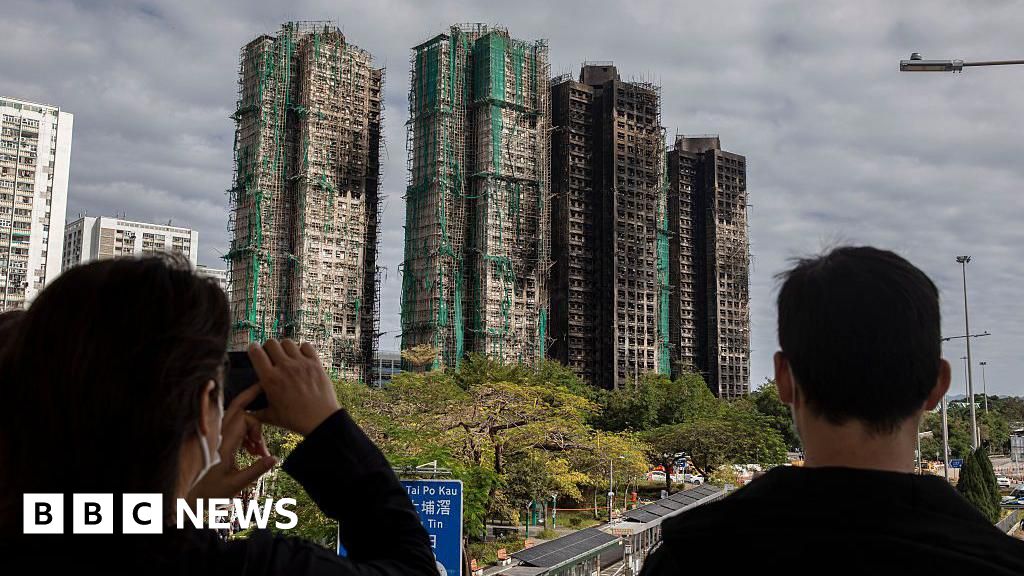
All candidates contesting this year’s LegCo have been strictly vetted, ensuring only those loyal to China are permitted to stand, effectively marginalizing opposition parties and pro-democracy advocates. According to analysts from international think tanks and statements from Beijing’s officials, the reform was deemed essential to restore “stability” following the tumult of the 2019 protests. Yet critics interpret this overhaul as a deliberate neutering of Hong Kong’s semi-autonomous institutions, undermining democratic principles and silencing protests. The recent crackdown following the Tai Po fire—Ironically, a disaster that claimed nearly 160 lives—exemplifies this approach. Authorities have detained those seeking independent inquiries and taken swift measures such as banning public dissent, further entrenching the narrative of an unyielding, if not increasingly authoritarian, regime.
The Fire, the Aftermath, and the Political Repercussions
The devastating fire at the Wang Fuk Court—Hong Kong’s worst in over 70 years—has reshaped the political landscape. Rescue efforts spotlighted deficiencies in building safety standards, exposing the vulnerabilities of aging infrastructure and igniting anger among residents. In response, authorities created an independent committee to investigate and have already made arrests, including those of suspected manslaughter, ostensibly to demonstrate accountability. However, the swift move to clamp down on dissent—detaining a petition signer for sedition and removing related internet content—illustrates how even tragedy is politicized to serve the regime’s interests. The incident has temporarily suppressed electoral campaigning, with protests and carnivals canceled, as the government seeks to mold public perception and demonstrate control.
Government Messaging and the Future of Hong Kong
Despite the turmoil, the government, led by Chief Executive John Lee, insists that the elections will proceed as planned. The narrative promoted by Beijing and Hong Kong’s authorities hinges on framing participation as a patriotic duty—an act of love and responsibility for the city’s future. State propaganda, including animated mascots and a catchy campaign theme, aims to rekindle voter enthusiasm, especially among pro-establishment supporters. Yet many analysts, including Hong Kong-based political scholars, predict the vote will reflect resignation rather than genuine support. The significant departure of seasoned lawmakers—particularly those over 70, like Regina Ip, nicknamed the “Iron Lady”—further signals an erosion of traditional political resistance. Pressure from Beijing has unofficially encouraged these retirements, consolidating an already tightly controlled political arena.
In this moment, as Hong Kong navigates the aftermath of tragedy and political repression, the city’s story remains fluid—an unresolved chapter shaping an uncertain future. The balancing act between suppression and the silent yearning for true autonomy leaves the world watching, with history bearing witness to whether Hong Kong can forge a new path or capitulate entirely to the evolving grip of a command-driven empire. The weight of these decisions stretches across generations, and the outcome will undeniably echo through the annals of history, leaving a question hanging in the air: What kind of future will emerge from these ashes?