Matox News

Truth Over Trends, always!

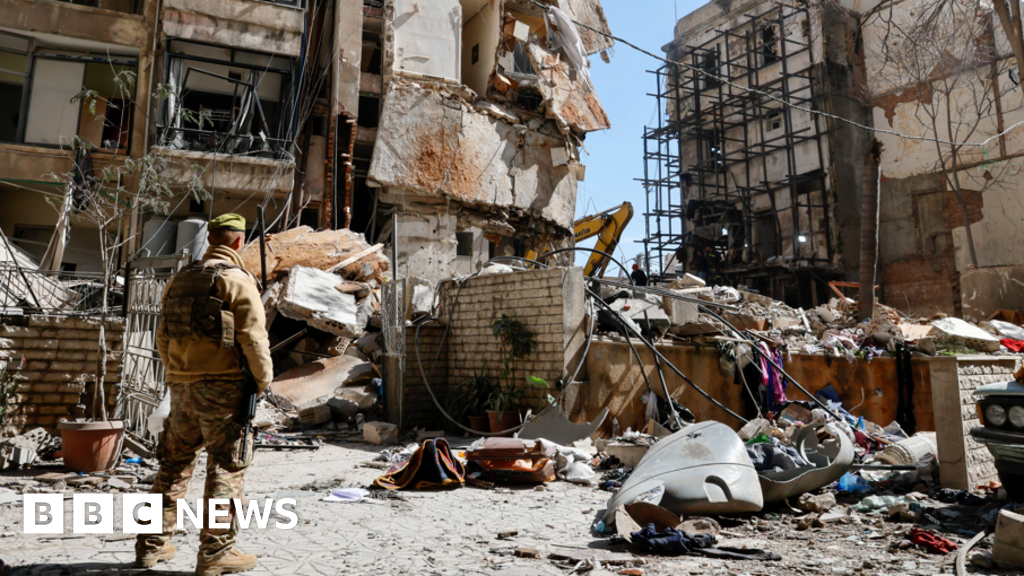
Lebanon believed in peace—then Israel hits back with deadly strike

The recent declaration by Israel that Lebanon is not included in the ceasefire agreement brokered by the United States signifies a complex escalation in the ongoing regional tensions between Israel and Iran-backed entities. As the US facilitates diplomatic efforts to halt the broader conflict, the explicit exclusion of Lebanon highlights the fragile and unpredictable nature of Middle Eastern diplomacy. Analysts warn that this division could lay the groundwork for further destabilization, with profound geopolitical impacts reverberating across borders and societies.

At the core of this development lies the intricate web of alliances and enmities defining the region. Israel‘s stance reflects its caution in engaging with negotiations that exclude key actors like Hezbollah—a powerful Shia Islamistmilitia based in Lebanon and openly supported by Iran. The tension underscores a broader strategic calculus: while the US endeavors to leverage diplomatic channels to de-escalate confrontation with Iran, it faces the hard reality that regional allies and adversaries remain deeply divided. This division is emphasized by the fact that, according to some international experts, the exclusion of Lebanon from the ceasefire could be a strategic move by Israel to pressure Lebanese authorities and Hezbollah into reconsidering their stance during the ongoing conflict.

History has taught us, as noted by prominent defense analysts and scholars, that such exclusions often deepen regional fissures and can lead to unintended consequences. The United Nations and influential international bodies have expressed concern over the potential for renewed hostilities and the risk of broader regional proliferation of violence. The turning point in diplomatic negotiations underscores an ominous reality: the region’s volatile balance is susceptible to shifts driven by both military actions and diplomatic fissures. Lebanon’s omission from the ceasefire signifies not only a strategic decision but also a symbolic line in the sand that could influence future negotiations and regional stability.

As the world watches this unfolding chapter, historians and geopolitical analysts emphasize the significance of these developments in shaping the future landscape of the Middle East. The decision not to include Lebanon in the ceasefire pathway opens new questions about the possible escalation of hostilities and the fragile peace that remains at risk. With Iran’s influence wading deeper into regional affairs and Israel reaffirming its security parameters, the region faces a potentially turbulent period—an uncertain echo of a legacy that will be written by the decisions of today and the unforeseen consequences of tomorrow.

In the shadow of these geopolitical chess moves, history continues to unfold — a stark reminder that in this layered and turbulent landscape, peace remains an elusive prize, perched on the edge of shifting alliances and unspoken red lines. The question remains: how will this new dynamic reshape the contours of Middle Eastern conflict, and what future sacrifices will be required in an arena where diplomacy is continually tested by the harsh realities of power and survival? The weight of history presses down, unwavering, as the actors of this global theatre play their parts in a story still being written.

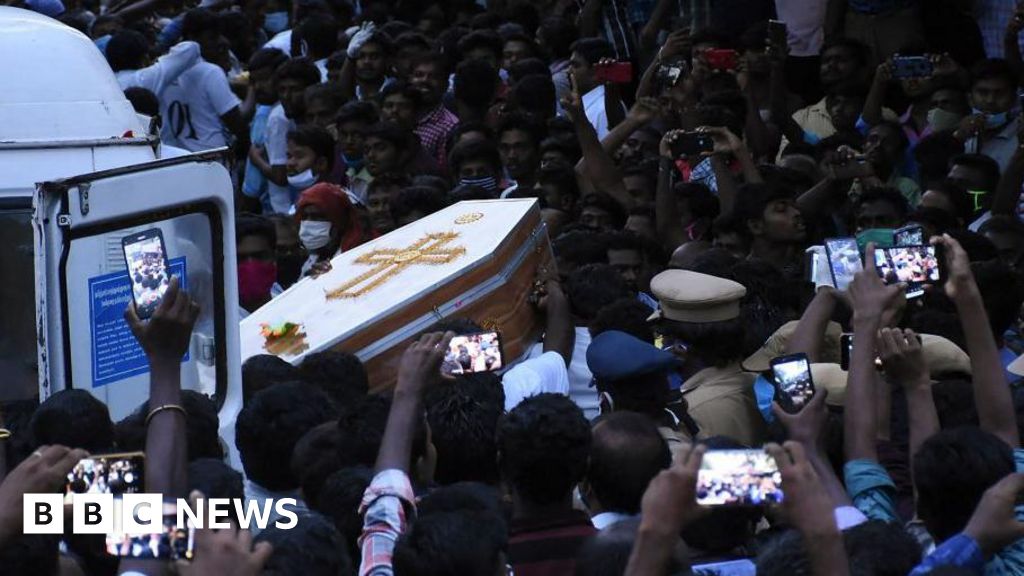
Nine Indian officers face death over deadly Covid-era custody deaths

In a heartbreaking incident that has captured international attention, a father and his son tragically died in custody after being detained on suspicion of violating COVID-19 lockdown rules in 2020. This event, while seemingly localized, underscores the profound geopolitical ramifications of pandemic-related enforcement policies, revealing tensions between national security measures and civil liberties. As countries around the world grappled with the unprecedented challenge of containing the virus, the tragic deaths serve as a stark reminder of the human cost embedded within urgent legal and social responses.

Authorities in the involved nation justified the arrests as part of broader efforts to maintain public order during a period of global crisis. However, critics and human rights watchdogs have questioned the proportionality and transparency of such actions. Prominent international organizations, including the United Nations Human Rights Council, issued statements emphasizing the importance of safeguarding fundamental freedoms even amid emergency measures. Analyzing the incident, many historians and political analysts suggest it highlights the delicate balance policymakers must strike—between safeguarding societal health and respecting individual rights—a debate that remains unresolved in many nations. This tragic case underscores how decision-making during crises can have profound consequences, influencing societal trust and the rule of law.

Furthermore, this event has intensified international discourse surrounding government overreach and the potential misuse of power. Several countries, especially those with emerging authoritarian tendencies, observed the case with increasing concern. Experts warn against the normalization of punitive measures that bypass judicial processes, cautioning that such practices could pave the way for erosion of civil liberties on a wider scale. The incident echoes historical warnings from scholars like Hannah Arendt and George Orwell, emphasizing the importance of vigilance and the preservation of individual rights even in times of crisis. As nations confront the ongoing pandemic, the decisions made in the coming months will almost certainly influence the trajectory of civil liberties and governmental authority for decades to come.

In the grand scope of geopolitics, the incident reveals how a moment of tragedy can catalyze wider debates about law, order, and morality. It also affirms that the choices enforced during global emergencies inevitably ripple across societies, shaping national identities and international relations. The memory of the father and son’s deaths will serve as a stark moral compass—warning future policymakers and citizens alike of the peril of sacrificing fundamental rights in the name of security. As history continues to unfold, the question remains: will this tragedy be a catalyst for reform and accountability, or merely another chapter in the ongoing saga of nations wrestling with the balance of power and humanity? The answer lies within the unfolding narrative, still being written amidst a turbulent global landscape.

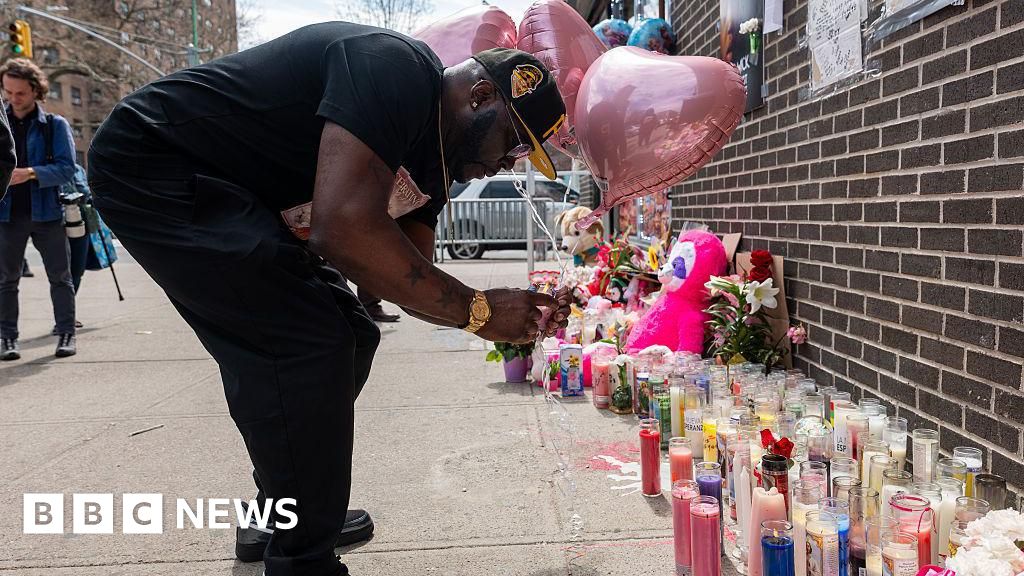
Man arrested in New York after deadly shooting of baby in stroller

In a recent and disturbing development, law enforcement officials have arrested two men in connection with the shooting of a seven-month-old baby in Williamsburg, stirring widespread concern across local communities and raising questions about increasing violence and instability. While on the surface this case pertains to a tragic crime in a specific American neighborhood, the implications extend far beyond borderlines, underscoring ongoing societal struggles that intersect with international issues of security, governance, and social cohesion.

The incident, which shocked residents and enraged advocates for safety, parallels broader themes of rising urban violence plaguing major cities worldwide. Analysts from organizations like the Global Security Initiative emphasize that such acts of violence serve as microcosms of larger, systemic challenges faced by nations attempting to maintain order amidst economic disparities, political unrest, and social fragmentation. The arrest signifies a crucial step in upholding justice, yet also highlights the pervasive nature of instability that global institutions warn could escalate if left unaddressed. Defense alliances and local governments alike are watching with concern, recognizing that localized violence can sometimes serve as a proxy for larger geopolitical tensions.

Experts on international security note that how nations respond to internal crises influences their global standing and stability. The United States, amidst its own domestic upheavals, finds itself under scrutiny for managing violence and social divisions. The Biden administration’s efforts to curb urban violence are often criticized for policy inconsistencies, a fact not lost on international observers who view internal stability as a precursor to effective diplomacy and global influence.
Furthermore, the recent arrests in Williamsburg could be seen as a microcosm of the climate of unrest that many governments are struggling to contain. Underlying these incidents are complex issues like economic inequality, racial tension, and institutional failures — all of which resonate with global narratives where internal societal battles often influence foreign policy decisions and international relations.

The arrest in Williamsburg underscores the fragile nature of social order and the critical importance of law enforcement in maintaining public trust. However, as historians and security analysts warn, these moments of crisis are often turning points — opportunities to chart new courses or deepen divisions. Institutions such as the United Nations have long advocated for integrated approaches to stability that blend security, social development, and economic resilience. Yet, the story in Williamsburg reminds us that borders are porous and conflicts transcend geography. The repercussions of such localized violence ripple outward, affecting national pride, international relations, and the very fabric of societies worldwide.

As the justice system moves forward with the case, the weight of history and the uncertainty of the future hang heavily in the air. The unfolding response to this tragedy may yet serve as a catalyst for change — or as a stark reminder of the ongoing struggles that define our era. In a world teetering on the brink of transformation, each event, no matter how small, becomes part of the larger narrative of history — a story still being written, with stakes higher than ever before.

Nepal’s former PM detained over deadly protest crackdown—justice demands accountability

In a stark reminder of the volatility that continues to shape Nepal’s political landscape, recent reports highlight that more than 70 lives were lost during an uprising last year that led to the ousting of Prime Minister Oli’s government. This tragic episode underscores the fragility of Nepal’s democratic institutions amid ongoing internal conflicts and regional tensions. Analysts and international observers warn that such disturbances not only threaten domestic stability but also have far-reaching geopolitical implications for South Asia, a region already strained by geopolitical rivalries and economic uncertainties.

The uprising, driven by mounting grievances against corruption, perceived authoritarianism, and economic hardship, culminated in violence that shocked neighboring nations and international actors. The death toll, exceeding 70, signifies a turning point in Nepal’s recent history, illuminating the dangers inscribed in unresolved political crises. The international community, including entities like the United Nations and regional partners, has called for restrained diplomacy, urging Nepali leaders to prioritize reconciliation and democratic resilience over continued confrontation. This upheaval has once again placed Nepal under the global spotlight, positioning it as a symbolic battleground for broader regional influence and ideological clashes.

Several years of political instability have cast a shadow over Nepal’s future trajectory, as historians and geopolitical analysts emphasize. The recent turmoil is often contrasted with the nation’s strides towards democratization after decades of monarchy and conflict. However, the lingering effects of corruption, ethnic tensions, and border disputes with India and China complicate Nepal’s path forward. International organizations have expressed concern that such internal unrest might foster space for external actors to weaponize instability—potentially amplifying regional conflicts and undermining efforts for sustainable peace.

The implications of last year’s uprising extend well beyond Nepal’s borders, serving as a cautionary tale for neighboring countries and emerging democracies worldwide. As Nepal grapples with political upheaval, the {/* underscore that decisions made now will dictate future stability, peace, and regional influence. The international community must learn from this turbulent episode—balancing diplomatic engagement with decisive support for democratic governance—to prevent further descent into chaos.

Yet, amidst the chaos, the unfolding narrative remains a poignant reminder: history’s pages are being written not by distant spectators but by those brave enough to shape their future amid conflict and upheaval. As Nepal stands at this critical juncture, the world watches with bated breath, aware that the decisions of today will resonate across decades to come. This is the peril—and the promise—of history’s ongoing march, where the weight of human aspiration and geopolitical ambition collide in the crucible of a nation’s destiny.

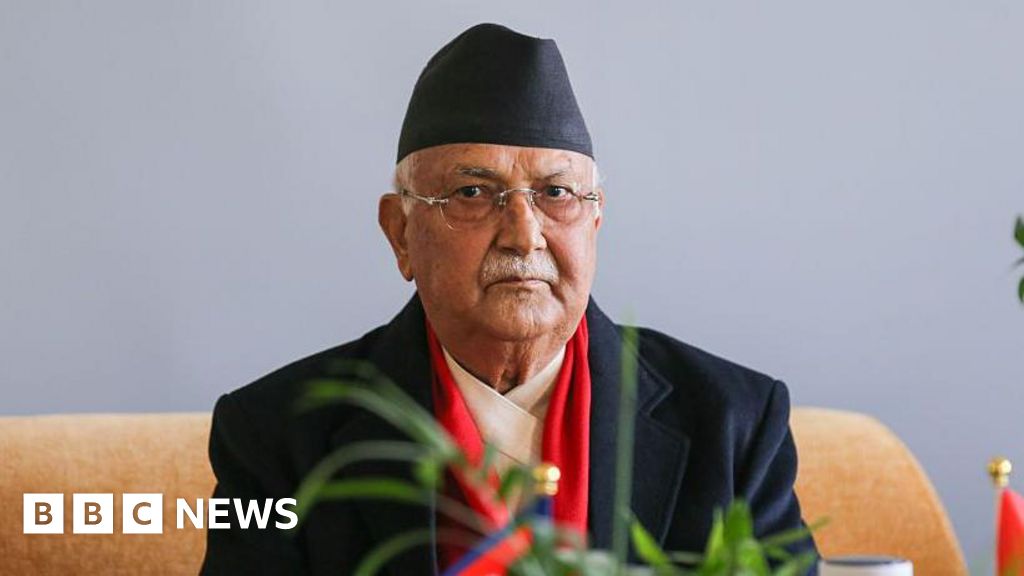
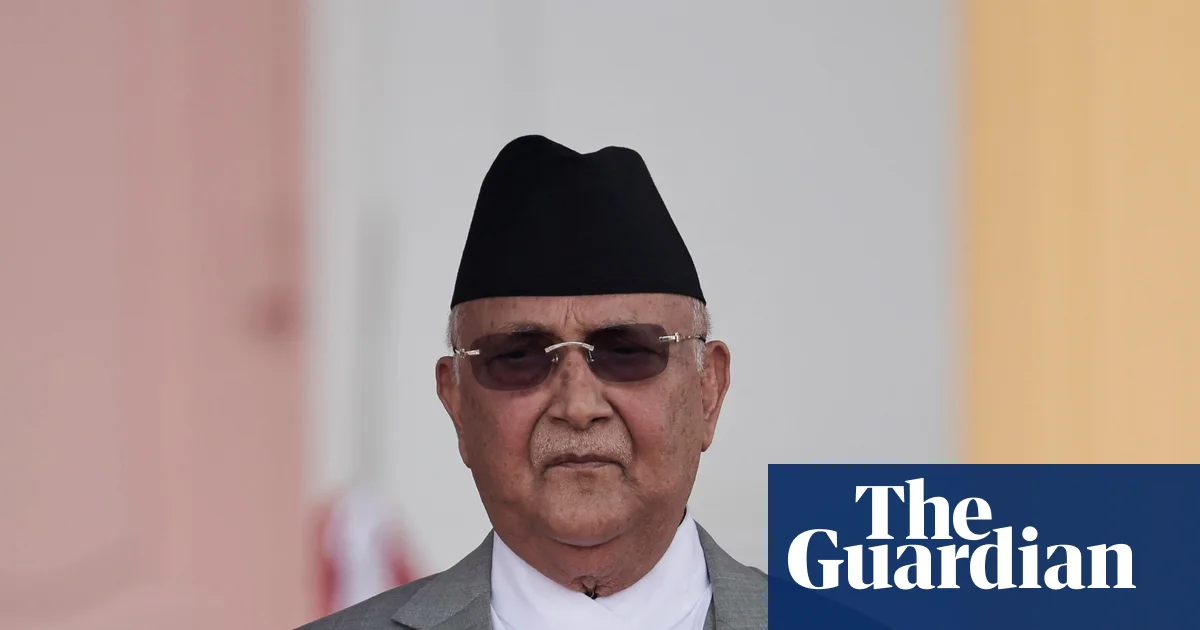
KP Sharma Oli, ex-PM, detained over suspected role in deadly protest crackdown in Nepal

Nepal’s Political Landscape Shifts as Former Prime Minister KP Sharma Oli Faces Justice

The arrest of KP Sharma Oli, Nepal’s former prime minister, marks a profound turning point in the country’s ongoing struggle for justice and political accountability. Oli, who has served three terms in office, was detained early Saturday morning on charges related to his alleged role in the deadly crackdown against youth-led protests that erupted last year. The protests, largely driven by Gen Z activists upset over social media bans, corruption, and nepotism, left dozens dead, with the political climate reaching a boiling point. Oli’s detention, along with that of his former home affairs minister Ramesh Lekhak, underscores a growing international and domestic consensus that impunity for state violence cannot be tolerated. This dramatic move signals a possible dawn of accountability in Nepal, an essential shift in a nation long plagued by political turbulence and weak rule of law.

The recent developments come scarcely days after Balendra Shah—widely known as Balen—was sworn in as Nepal’s new prime minister, in a victory triumphing over entrenched veteran politicians. Shah’s campaign was rooted in promises of justice for the September protests, which led to violent clashes, arson, and the collapse of the previous government. His rise is being viewed by analysts as a revolt against the corrupt old political guard—a coalition that had long controlled Nepal’s political scene amidst widespread allegations of nepotism and mismanagement. Influential think tanks and international observers emphasize the geopolitical impact of this fresh political wave, seeing Nepal’s shift as part of a broader regional push against corruption and authoritarian tendencies. Still, the specter of state violence and political repression hangs heavy, prompting cautious scrutiny from global watchdogs about the rule of law in the Himalayan nation.

The arrest of Oli, a figure deeply entangled in Nepal’s recent troubled history, is also a reflection of the country’s intense internal struggle for justice. The government-backed report, leaked publicly, accuses Oli, Lekhak, and police leadership of negligence—recommending severe prison sentences for their alleged failure to prevent the deadly shootings. The warning from police spokespeople that the arrests follow an investigation commission’s recommendations illustrates an emerging precedent: holding former leaders accountable, even decades after their tenure. Such actions resonate globally, echoing the recent movements in other post-authoritarian states where historical violence is confronting long-standing immunity. The international community, including regional powers like India and China, is watching closely, aware that Nepal’s internal stability and how it handles the justice process will influence the geopolitical balance in South Asia for years to come.

In the wake of these upheavals, Shah’s government faces monumental challenges that extend beyond domestic politics. The conciliation between old and new, the rebuilding of trust, and the enforcement of justice are critical for the country’s future stability. The fate of Oli and those involved in the deadly crackdown will reverberate far beyond Kathmandu’s borders, serving as a potent reminder that history often demands a steep toll before justice can be served. As Nepal stands at this crossroads, the country’s path remains uncertain—an unfolding narrative with the potential to redefine regional geopolitics, but also a stark warning: when the pursuit of justice collides with entrenched power, the resulting storm can shape the course of history itself.

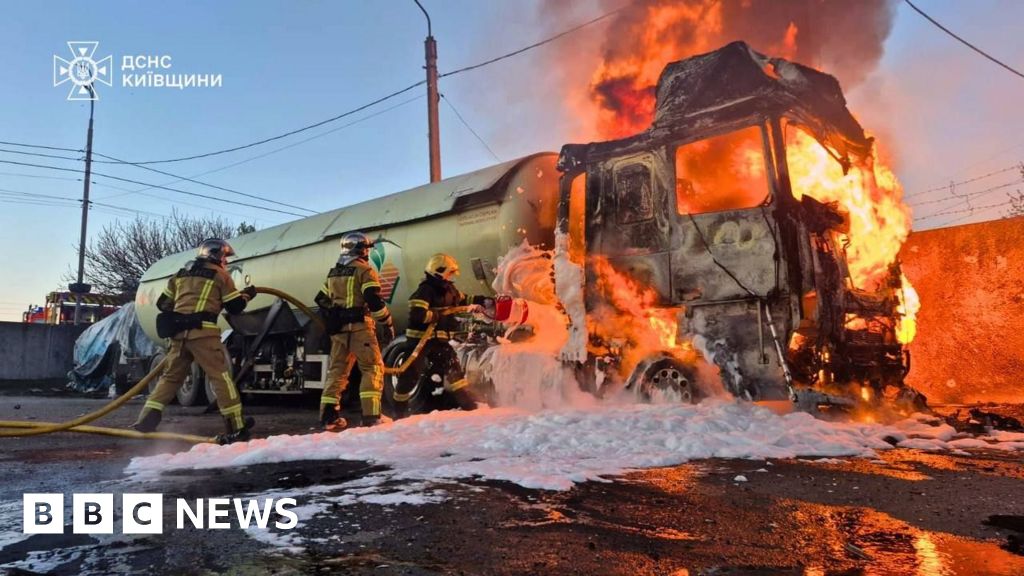
South Korea car parts plant erupts in deadly blaze, thick smoke fills the sky

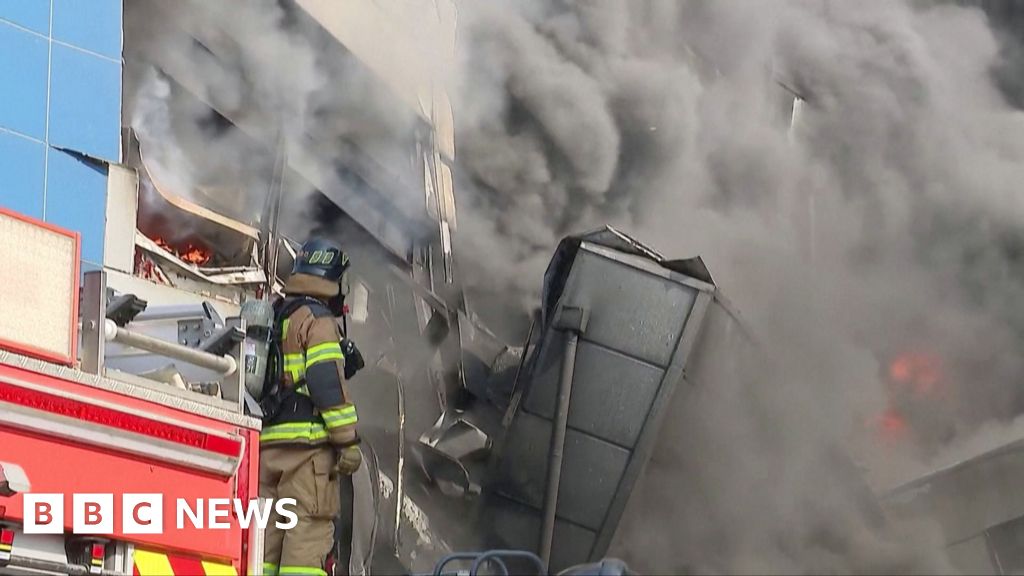
In a devastating incident that underscores ongoing safety concerns within South Korea, authorities reported that a tragic fire at a car parts manufacturing plant in Daejeon resulted in at least 10 confirmed fatalities and left four individuals still unaccounted for. The blaze, which raged through the facility, not only caused significant loss of life but also injured 59 others, highlighting vulnerabilities in industrial safety protocols amidst rapid economic growth and technological advancement. Local responders faced immense challenges, with videos revealing towering flames and thick smoke consuming the structure, rendering firefighting efforts arduous and dangerous.

The firefighting team revealed that their initial inability to enter the burning building was primarily due to fears of imminent collapse, a decision that speaks volumes about structural safety standards and emergency preparedness within the country’s industrial sector. Overnight, responders shifted towards a cautious but relentless search for survivors and victims, as authorities confirmed that the fire had spread rapidly and was difficult to contain. While the cause of the fire remains under investigation, preliminary assessments suggest it could be linked to equipment failure or lapses in safety measures—a recurring concern in many of the region’s manufacturing zones. Such tragedies often force international observers, including analysts and safety experts, to question whether South Korea’s rapid industrialization has come at the expense of workers’ safety and working conditions.

  • Globally, this incident illustrates the persistent risks inherent in modern supply chains, which are heavily reliant on factories in nations like Korea.
  • It has reignited debates about the adequacy of safety regulations in countries that are pivotal to global manufacturing, especially as South Korea remains a linchpin in the international electronics and automotive sectors.
  • Furthermore, critics point out that such tragedies could lead to increased calls for stricter regulations, which might impact operational costs and global competitiveness of South Korean firms.

International organizations and industry watchdogs have issued statements warning that this incident exposes the vulnerabilities of globalized manufacturing networks. The International Labour Organization and regional safety agencies emphasize that, amidst economic ambitions, *worker safety and infrastructural integrity must remain a top priority*. Historians like Dr. Han Soo-Young warn that repeated industrial accidents unveil a pattern of superficial compliance and reveal a deeper need for systemic reform. The incident in Daejeon serves as a stark reminder that, in the relentless pursuit of economic growth, societal costs such as lives lost and communities shattered often go unnoticed until tragedy strikes.

As South Korea grapples with this disaster, the international community watches with a mixture of concern and anticipation. Will the government enforce more rigorous safety standards? Or will economic imperatives continue to overshadow the imperative to safeguard lives? This event symbolically echoes the broader geopolitical landscape, where nations are judged not solely on their economic achievements but on their ability to protect the most vulnerable within their borders. The legacy of this fire, like the smoldering remnants of the destroyed plant, is a haunting reminder: in the course of history’s relentless march, human lives are the ultimate measure of progress. And as the ashes settle over Daejeon, the world waits—uncertain of the fateful balance between industrial ambition and human safety, knowing that history’s next chapter is yet to be written.

Afghanistan Blames Pakistan for Deadly Hospital Attack in Kabul

Escalating Tensions in South-Central Asia: Cross-Border Conflict and Humanitarian Crisis

The recent escalation of hostilities along the Afghanistan-Pakistan border has alarmed international observers and reignited fears of a broader regional conflict. Reports of airstrikes targeting a hospital in Kabul, reportedly causing hundreds of casualties, have fueled accusations and denials, with Afghanistan alleging Pakistani military strikes as the cause of the devastating attack. Conversely, Pakistan has dismissed these claims, asserting that its military operations only targeted militant infrastructure without causing civilian casualties. This diplomatic standoff underscores a deeper geopolitical crisis, where accusations of cross-border terrorism and territorial infringements threaten to destabilize an already fragile region.

International organizations and analysts are raising alarm over the potential for a wider conflict that could destabilize the entire South Asian subcontinent. The UN Security Council recently adopted a resolution urging Taliban-ruled Afghanistan to combat terrorism more effectively while condemning all forms of terrorist activity. However, the underlying accusations of harboring militant groups such as the Pakistani Taliban continue to poison bilateral relations. Experts warn that persistent cross-border clashes—fueled by a complex web of militant networks, historical grievances, and strategic interests—could lead to an all-out regional war if not managed swiftly and judiciously. The breaking point remains fragile, and the lines between warfare and diplomacy are dangerously blurred.

History studies and international analysts like those at the International Crisis Group highlight that such tensions are not new but are exacerbated by recent political shifts. The Taliban’s return to power in Afghanistan, coupled with Islamabad’s persistent accusations of Kabul providing safe havens for militants, creates a perfect storm of mistrust. Additionally, Pakistan characterizes its military operations as necessary measures against terrorist threats, asserting that their target sites are precise and without collateral damage. Meanwhile, Afghanistan responds with devastating images of hospital ruins and mass casualties, which further galvanize internal outrage and international concern. As both sides dig in, the risk of unintentional escalation grows—a dangerous game that could ignite a much larger conflict with unpredictable consequences for global security.

Ultimately, this crisis exemplifies the dangerous intersection of geopolitics, militant extremism, and national sovereignty shaping the 21st century landscape. The world watches with mounting trepidation as the consequences of diplomatic failures threaten to spiral into the chaos of prolonged warfare and human suffering. The weight of history hangs heavily on the shoulders of international leaders, who must navigate these treacherous waters—not merely for regional stability but for the future of global peace itself. As the shadows deepen over Kabul and Islamabad, the unfolding story continues to write itself in the blood of innocents and the decisions of nations—an ominous reminder that in this shattering era, history remains an unfinished, all-consuming narrative, waiting for its next chapter.

Kenya ravaged by deadly floods as heavy rains persist—62 lives lost

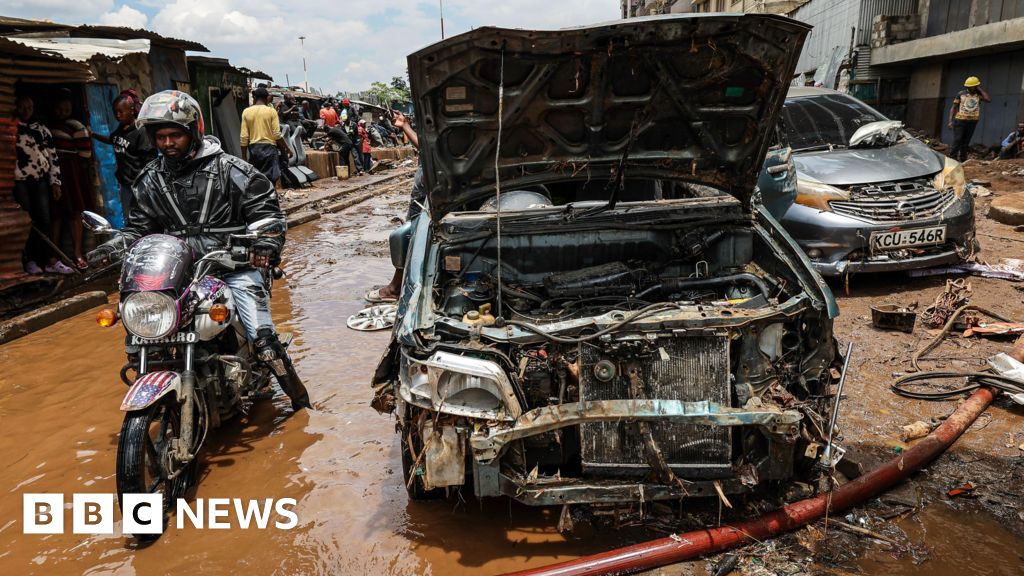
In a distressing reminder of the increasing frequency of climate-induced disasters, Nairobi experienced a recent incident where eleven individuals had to be rescued overnight after their minibus became stranded in rising floodwaters. This event, though localized, underscores a broader and troubling pattern impacting many regions around the world, particularly in Africa’s urban centers. As climate change accelerates, low-lying and rapidly urbanizing cities like Nairobi are becoming increasingly vulnerable to extreme weather, threatening lives, infrastructure, and economic stability.

The incident’s immediate aftermath has caught the attention of international organizations such as the United Nations, which has repeatedly issued warnings about the growing climate crisis and its disproportionate impact on developing nations. Climate experts warn that these floods are not isolated incidents but part of a troubling trend linked to rising global temperatures—phenomena that many analysts attribute largely to increased greenhouse gas emissions from industrialized nations. The geopolitical impact of such events extends beyond environmental concerns; it touches on issues of migration, urban planning, and economic resilience, compelling nations to confront the pressing realities of a warming world.

Furthermore, Kenya’s government has faced mounting pressure to improve urban infrastructure and enhance resilience to natural disasters. Critics argue that insufficient investment in drainage systems and disaster preparedness have left residents vulnerable, especially in densely populated districts. International observers and civil society groups stress that these failures do not occur in isolation but are symptomatic of broader governance and policy shortcomings. As environmental conditions worsen, the debate over climate justice—who bears responsibility and who bears the consequences—becomes unavoidable. Historically, few issues have highlighted the stark disparities between global North and South as vividly as climate adaptation and disaster response, fueling ongoing tensions on the diplomatic stage.

The rescue of the stranded passengers, though hailed as a human triumph, serves as a stark warning of the wider geopolitical repercussions. Flooding and other climate disasters threaten to destabilize nations, disrupt supply chains, and trigger new waves of migration—an inevitable consequence that could exacerbate existing geopolitical conflicts and test the resilience of international institutions. In global forums, leaders and policymakers grapple with the complex task of balancing economic development with environmental sustainability. As world leaders convene to discuss climate action, the importance of swift, coordinated international response becomes ever more apparent—yet many critics argue that promises remain unfulfilled, and real change is slow or insufficient.

As history continues to unfold, the event in Nairobi functions as a microcosm of larger, global struggles—a reminder that decisions made today shape the future of nations and societies. Whether it is through infrastructural investments, international cooperation, or the urgent reevaluation of policies, the world stands at a pivotal juncture. Will nations rise to confront the mounting challenges of climate change and protect their people, or will neglect and geopolitical squabbles deepen the crisis? The answer remains uncertain, but one thing is clear: history is watching, and the outcomes of this era could very well define the destiny of countless communities across the globe.

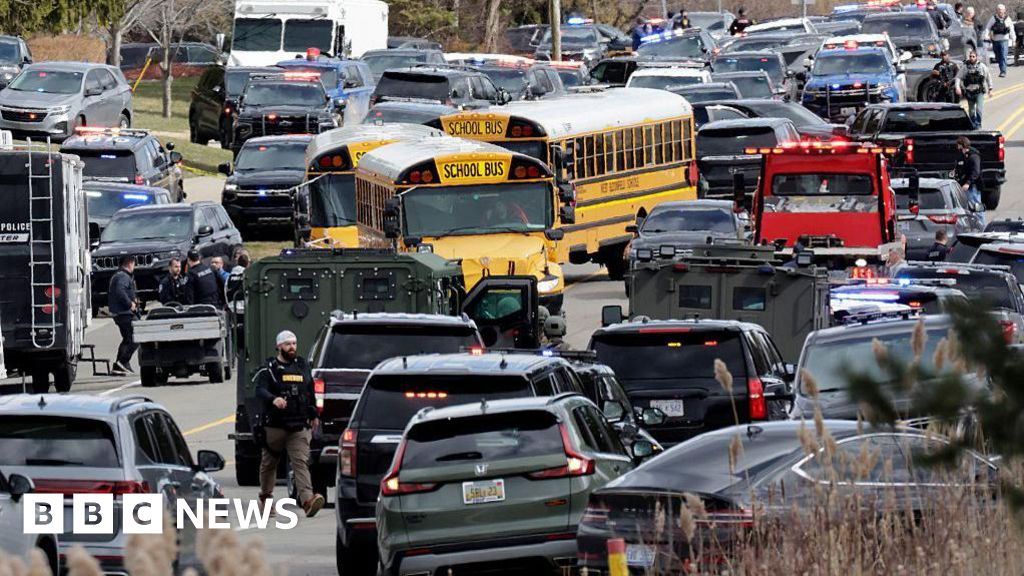
Suspect killed after attempting deadly attack on Michigan synagogue

In a concerning development that underscores rising tensions worldwide, the FBI has announced that an incident occurring recently is under investigation as a targeted act of violence against the Jewish community. This move signals not only the gravity of the event but also highlights an escalation in attacks directed at religious and ethnic minorities across the globe. With political rhetoric and extremist ideologies fueling divisions, authorities now face the formidable challenge of safeguarding vulnerable populations amidst a shifting geopolitical landscape.

Historically, acts of violence against minority groups have often presaged broader societal fragmentation. Experts from international institutions, such as the United Nations, have repeatedly warned about the dangerous consequences of unchecked hate crimes, noting that such events often serve as catalysts for social upheaval. Analysts emphasize that movements driven by nationalist, supremacist, or divisive narratives tend to gain momentum during periods of political uncertainty, amplifying the threat of violence. The recent FBI statement underscores how, in the digital age, radicalization can rapidly manifest into dangerous acts, impacting diplomatic relations and domestic stability alike.

The geopolitical impact of these incidents extends beyond national borders. Countries that harbor large Jewish communities or are engaged in ongoing conflicts with extremist factions have become increasingly vulnerable to retaliatory violence and diplomatic tensions. The incident’s investigation may influence international relations, particularly if it connects with broader plots or extremist networks. As geopolitical analysts caution, when acts of terror strike minority communities, the repercussions ripple through diplomacy, security policies, and societal cohesion in multiple nations. This event comes at a time when many governments are reevaluating their counter-terrorism strategies amidst a backdrop of global instability and ideological conflict.

Through the lens of history, such episodes are reminders that the struggle over identity, security, and sovereignty is far from over. Prominent historians have noted that societies often grapple with these issues during moments of change, potentially marking turning points in national narratives. International organizations, meanwhile, stress the importance of unity in the face of division, urging countries to combat hate with resilience and strengthened cooperation. Yet, as events unfold, the shadow of history reminds us that the choices made today will shape the very fabric of future societies. As night falls on a fragile world, the weight of this unfolding saga leaves one question posed to all: how will nations rise to meet the tide of hatred, or succumb to it?

Nineteen charged over deadly Moscow concert bombing—justice for victims ahead of the new year

In a chilling act of violence that has sent shockwaves through the international community, gunmen launched a deadly assault at the Crocus City Concert Hall near Moscow in 2024. The attack resulted in the tragic loss of 149 lives and left more than 500 others wounded, marking one of the deadliest incidents on Russian soil in recent history. The incident underscores the persistent threat of terrorism that continues to challenge the stability of Russia and, by extension, the broader security architecture across Eurasia.

Initial investigations suggest that the attack was meticulously planned, with evidence pointing to a sophisticated operational network. The Russian authorities quickly identified the attackers as linked to extremist factions operating in the North Caucasus, a region long plagued by insurgency and unrest. Yet, this massacre has reignited debates about the effectiveness of Russia’s counter-terrorism measures and the regional stability of Eurasia. Analysts from the International Crisis Group warn that without comprehensive strategies that address underlying socio-economic grievances, such tragedies could become more frequent. The geopolitical implications of this violence extend beyond Russia’s borders, influencing regional security alliances and international counter-terrorism efforts.

This attack also poses profound questions about how decisions made by global powers impact nations and societies. As Russia tightens its internal security protocols, Western nations are compelled to reconsider their diplomatic and military strategies in the region, particularly in relation to the ongoing conflicts in neighboring Ukraine and the broader Middle East. Some experts argue that such acts of terrorism threaten the fragile stability that global institutions like the United Nations and NATO seek to preserve. The incident serves as a stark reminder that security concerns transcend borders and that cooperative international action remains vital in counteracting the root causes of extremism.

Historians and geopolitical analysts have long emphasized the importance of understanding how cultural, economic, and political tensions are manipulated by militant groups to serve their agendas. The International Institute for Strategic Studies (IISS) highlights that such attacks are not isolated acts but symptom of deeper conflicts. As nations grapple with the fallout, many worry whether this horrific event will mark a turning point in Russia’s internal policies or if it will further polarize the region. The weight of history presses down heavily, reminding the world that the cycle of violence could either be broken through decisive, inclusive action or continue to spiral into chaos. As 2024 unfolds, the world watches with bated breath—each new day carrying the potential to alter the course of history forever.

Social Media Auto Publish Powered By : XYZScripts.com