Global Implications of Epstein Files: A Web of Power, Corruption, and Cover-Ups
In a move that underscores the persistent shadows cast by elite influence and international power networks, the recent disclosure of over 20,000 pages from the estate of the late Jeffrey Epstein has ignited a geopolitical firestorm. These documents, publicly released by US lawmakers, include private communications between Epstein, high-profile figures, and prominent political actors, revealing a tangled web of accusations, clandestine relationships, and allegations of misconduct that span multiple nations and societies.
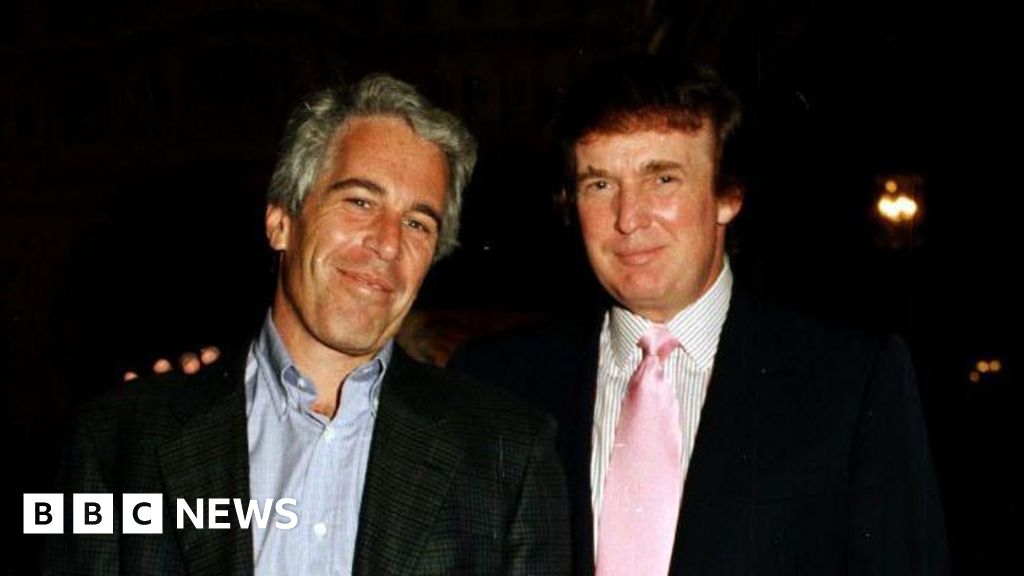
Among the revelations is a series of emails that directly implicate President Donald Trump, although the White House quickly dismissed the documents as a “manufactured hoax.” Nevertheless, the contents illuminate a broader pattern of how powerful figures discreetly interacted with Epstein’s circle—a network that included royalty, politicians, and influential businessmen. For instance, a 2011 email from Epstein to his confidante Ghislaine Maxwell mentions Trump in a cryptic tone: “That dog that hasn’t barked is Trump,” referencing a victim who reportedly spent hours at Epstein’s residence with the president. The White House vehemently denies any involvement or wrongdoing, emphasizing Trump’s past actions of expelling Epstein from his club years earlier. Yet, the issue persists: how much did known elites know, and what consequences did their associations entail?
The Depths of Power and International Ties
Beyond the American scandals, the documents reveal troubling links to international figures, notably Lord Peter Mandelson, a key British political figure previously associated with the UK’s Labour Party. An email from Epstein in 2016 highlights ongoing contact, with Epstein commenting on Mandelson’s birthday and referencing the forthcoming US presidential election. These exchanges point to a disturbing reality: epitome of elite complicity stretches across borders, shaping policies and attitudes that influence millions. Moreover, the inclusion of Prince Andrew and the mention of allegations involving minors and massaging scandals exposes a pattern of powerful individuals attempting to shield their reputations amid mounting evidence.
Historic analysts warn that such exposure challenges the veneer of civility projected by global elites, hinting at a larger narrative: the entrenchment of social hierarchies that perpetuate misconduct and undermine transparency. International organizations and human rights advocates have long called for full accountability and the dismantling of covert influence networks. As the documents continue to surface, the international community faces a pivotal choice: either continue to turn a blind eye or confront a deeper truth about power’s corrupting influence on society’s foundations.
Voices of Survivors and the Weight of History
Victims and advocates have responded passionately, demanding complete transparency. A prominent survivor emphasized that the emerging revelations raise more questions than answers, asserting that the survivors deserve justice and full disclosure. The public now watches as the narrative shifts from whispered rumors to documented proof, challenging the very fabric of political and social foundations worldwide. These revelations are more than scandal—they are a mirror reflecting the urgent need for systemic reforms.
As history’s pen continues to write, the once-hidden depths of Epstein’s network have begun to expose a global system where influence, greed, and depravity intersect with devastating consequences. The documents serve as a stark reminder: history’s most pivotal moments are often born in darkness, waiting for the light of truth to break through. The question remains—how will the weight of this emerging chapter reshape society’s understanding of justice, power, and accountability?
For now, the story unfolds—an unending saga of shadows lurking behind the corridors of power, waiting to be illuminated.