Matox News

Truth Over Trends, always!

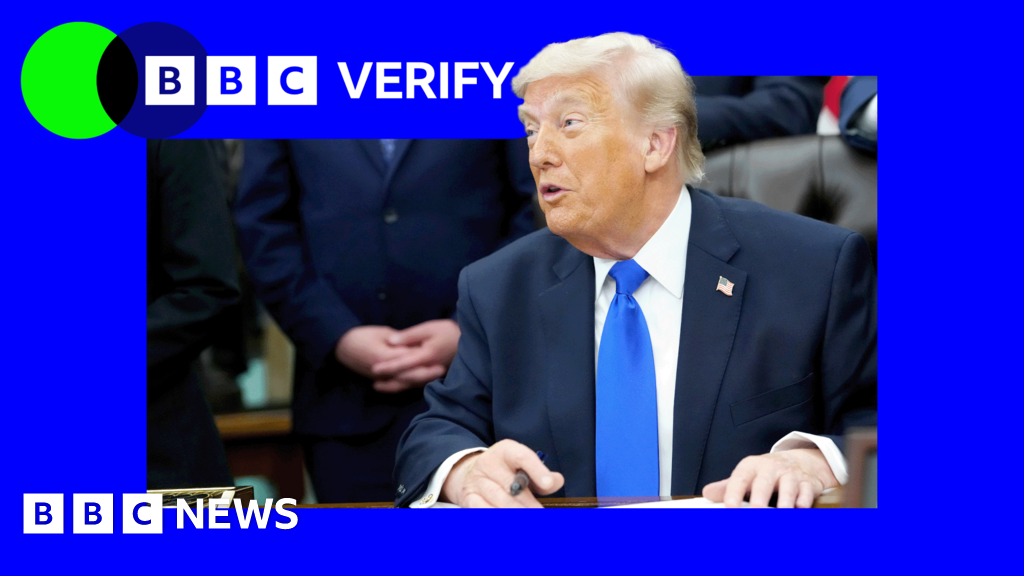
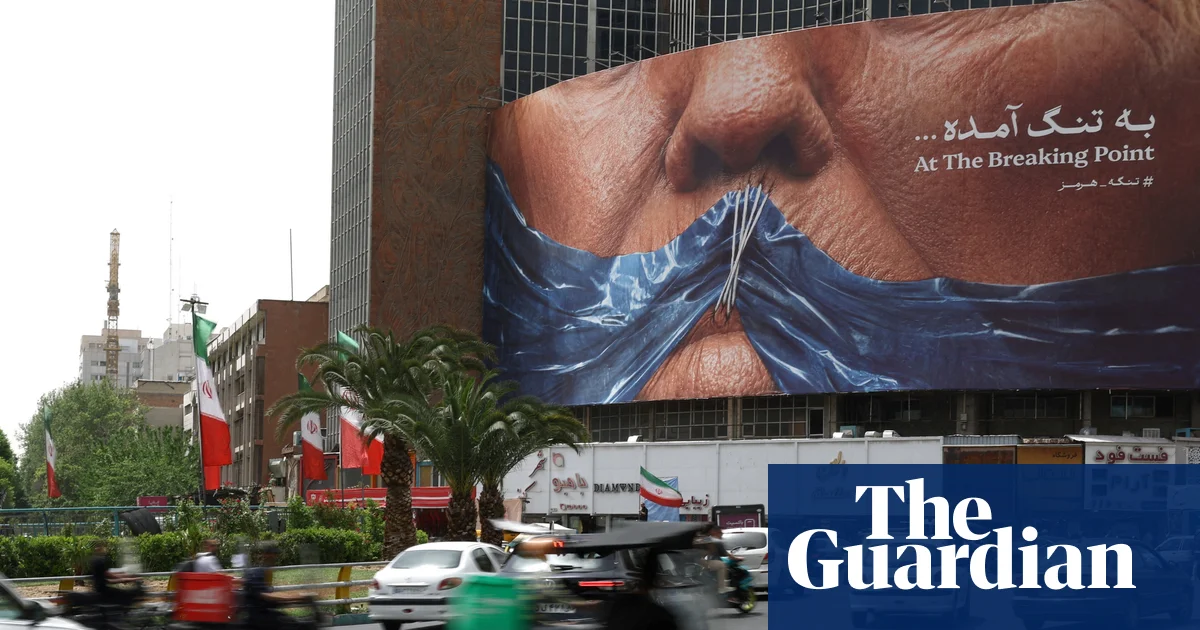
Iranian women Trump ‘saved’: Real women, AI-created narratives?

Disinformation & AI-Generated Propaganda Reshape Global Narratives Amid Innovation Surge

The recent controversy surrounding former President Donald Trump and allegations about Iranian women’s executions demonstrates an evolving battlefield where technology, misinformation, and geopolitics collide. As social media becomes the primary conduit for real-time information, disruption in information authenticity is transforming how narratives are constructed, weaponized, and contested across the globe. Industry insiders and analysts like Gartner warn that AI-driven content manipulation is at the core of these modern propaganda wars, blurring the line between fact and fiction in unprecedented ways.

At the heart of this technological upheaval lies a surge in AI-powered tools capable of generating hyper-realistic images, videos, and narratives at scale. The controversy over a collage supposedly depicting “AI-generated women” facing execution in Iran exemplifies this shift. Mahsa Alimardani of WITNESS confirms that while the images may be AI-altered, the women depicted — including Bita Hemmati — are real, and many are victims of Iran’s brutal crackdown on dissent. This incident underscores a critical business implication: technologies that enhance content realism can be exploited for political gains, creating a new class of false narratives that threaten truth itself.

Innovation in Content Manipulation Fuels Geopolitical Disinformation

Industry leaders like Elon Musk and Peter Thiel have expressed concern about disruptive AI innovations that could overwhelm information ecosystems. Platforms laden with misinformation, such as the Iranian embassy’s social accounts, now leverage AI to craft content that is virtually indistinguishable from reality. Such tools enable actors to generate disinformation campaigns with increased sophistication and scale, giving rise to a dangerous landscape where fact-checking alone becomes insufficient.

More troubling is the proliferation of misleading political narratives. For instance, a South Korean president’s misquoted video, falsely attributed to a deceptive account, demonstrates how misinformation can escalate international tensions. This underscores a pressing need for robust verification mechanisms—an area where industry standards, like those promoted by MIT and other tech research institutions, are desperately needed but often lag behind rapidly evolving AI capabilities. The consequences are clear: if unchecked, disruptive AI content could undermine democratic institutions, intensify conflicts, and destabilize global peace.

The Business Implications & The Urgent Need for Strategic Response

From a business perspective, the rise of disruptive AI tools is both a challenge and an opportunity. Companies invested in blockchain, biometric verification, and AI content authentication are racing to develop solutions that can detect and counteract AI-mediated misinformation. According to Gartner, next-generation verification platforms will become essential infrastructure for social media platforms, governments, and corporations to safeguard trust in digital content. Failure to innovate at scale could result in losing consumer confidence and regulatory crackdowns, echoing the importance of strategic foresight in a landscape fraught with emerging threats and market shifts.

Furthermore, industry analysts warn that the pace of AI innovation necessitates bold leadership and proactive regulation. Like the groundbreaking developments in autonomous systems and neural interfaces, AI content creation is poised to redefine the information economy. Yet, as industry experts note, without robust guardrails—founded on transparency, accountability, and technological innovation—these systems risk unleashing chaos rather than progress. Fast-moving startups and global tech giants must collaborate to develop standards that ensure fact-based content remains dominant and trusted in the digital age.

Looking Forward: The Urgency of Strategic Innovation

The unfolding landscape of AI-driven disinformation presents a make-or-break moment for industry and policymakers alike. The stakes are high: failure to keep pace with disruptive technologies may lead to irreparable damage to the fabric of truth and societal stability. Whether through advanced verification systems, AI content filters, or international cooperation, the imperative remains clear: innovation must be matched with strategic foresight and unwavering commitment to integrity. As tomorrow’s technological landscape continues to evolve rapidly, those who act decisively today will determine the future of truth in the digital age—and the future of free discourse itself.

Billionaire Investor Sues Trump Family’s Crypto Firm Over Alleged Extortion

In a development that has sent shockwaves through the international financial and tech sectors, billionaire investor Justin Sun has initiated a lawsuit against the family-run World Liberty crypto venture, citing a loss of $45 million following his substantial investment in their tokens. This legal action not only highlights the volatile nature of the emergent cryptocurrency landscape but also underscores broader concerns about transparency and regulation within this rapidly expanding economic frontier.

The clash has immediate geopolitical implications that extend beyond the realm of individual investors. As Sun’s lawsuit unfolds, financial authorities and regulatory bodies across multiple jurisdictions are paying close attention. Many analysts warn this case could become a \u201Cbenchmark\u201D for future governmental crackdowns on unregulated digital assets, especially amid a global push for stricter oversight of cryptocurrencies. According to leading economic historians and international organizations such as the International Monetary Fund and World Bank, this conflict is emblematic of a larger struggle—one where nascent blockchain innovations collide with entrenched financial regulatory frameworks, often with unpredictable repercussions for ordinary citizens and national economies alike.

For U.S., European, and Asian regulators, such disputes serve as a crucial test case. The case reveals the urgent need for a cohesive global approach to regulate digital asset markets, which remain plagued by a patchwork of rules and inconsistent enforcement. Potential consequences range from increased regulatory clampdowns to restrictions on cross-border crypto transactions, thus altering global trade flows and investment strategies. Some experts suggest this crisis could accelerate a shift toward clearer international standards, yet others warn of the risk that overregulation might stifle innovation and push activity into clandestine channels, threatening the very essence of a decentralized digital economy.

As Justin Sun and the World Liberty family prepare for court proceedings, the broader battle over control, legitimacy, and the future of digital currencies remains unresolved. Observers like geopolitical analyst Dr. Michelle Porter emphasize that this incident is a harbinger—signaling a critical juncture where economic, legal, and technological forces collide. Her warning echoes a warning often sounded by historians: that history’s most pivotal moments often arise from conflicts that challenge the status quo, shaping the landscape for generations to come. With many nations watching closely, the outcome of this lawsuit could well alter the very fabric of the digital economy, embedding lasting lessons for investors, regulators, and societies worldwide.

As the story continues to unfold, the tale of Justin Sun’s legal challenge against World Liberty stands as a stark reminder of the tumultuous path humanity treads in the quest to harness the revolutionary potential of cryptocurrency. In a world teetering between innovation and regulation, the true impact of this clash remains uncertain—yet its echoes will resonate through history, hinting at a future where old paradigms are finally challenged by new, unpredictable forces. The narrative of global finance is still being written, and with every passing chapter, the stakes grow higher—shaping the destiny of nations and societies in ways that may never be fully understood.

Trump slows Iran deal push after busy day of diplomacy

The international spotlight has been fixed on the United States amid a series of strategic maneuvers suggesting a potential reassessment of its impending engagement in South Asia. Recent reports indicate that key figures within the US diplomatic and security establishment, including special envoy Steve Witkoff and Jared Kushner, observed an apparent shift in their diplomatic posture. Rather than proceeding directly to Islamabad as initially scheduled, these senior officials diverted to Washington D.C., signaling a pause rather than a definitive move forward. Meanwhile, the head of negotiations, Vance, was seen entering the White House for urgent policy consultations, highlighting the intensity of the internal debates within the Biden administration.

This development coincides with mounting concerns about regional stability and the fragile balance of geopolitical power. As the US debates its next steps, analysts fear that this hesitance could mayhem ripple across broader strategic landscapes. Historically, the decisions made by superpowers in moments of uncertainty have profound and lasting consequences. Some experts argue that such diplomatic backtracking might reflect internal assessments of risks associated with escalating conflicts or unintended escalation, especially in a region as volatile as South Asia. The implications for Pakistan and its neighbors are critical; a delay could either be a calculated effort to recalibrate US policy or a sign of underlying disagreements within Washington about the best approach to regional influence.

International analysts, including those from The Council on Foreign Relations and London-based think tanks, warn that “U.S. indecisiveness can inadvertently empower regional adversaries” and that delays often fuel uncertainty. The strategic calculus appears to be shifting, as how decisions are made now will influence the geopolitical landscape for decades to come. The possible postponement of a critical diplomatic move indicates a moment where geopolitical impact might result in an even more complex environment – one where alliances are tested, security dilemmas deepen, and the balance of power continues to fluctuate.

As history hangs in the balance, global audiences are left pondering the lasting significance of these momentous decisions. Will this pause mark a strategic recalibration aimed at stability, or is it a harbinger of deeper instability? The unfolding narrative of diplomatic diplomacy and regional confrontation remains uncertain, yet unmistakably pivotal. The choices made in these tense and shadowed corridors will echo through the corridors of history, shaping the course of nations, the lives of millions, and the global order itself. The weight of the future now rests on the uncertain pivot of men whose decisions are watched by the world, as the unfolding story continues to be written amid the tumult of geopolitics.

Virginia voters approve new congressional maps, signaling a shift away from Trump influences

Redistricting Battles Shift the Geopolitical Landscape in the United States

The recent redistricting decisions across key battleground states in the United States underscore the ongoing *battle* over control of Congress, with profound geopolitical implications. In Virginia, voters approved new congressional maps aimed at boosting Democratic prospects in the upcoming midterm elections. This development forms part of a broader strategic chess match, where each side attempts to influence the balance of power in Washington through manipulated district boundaries. Such efforts are not merely local political maneuvers—they resonate globally, showcasing how **domestic electoral processes** can ripple outward, affecting international perceptions of stability and governance.

Initiated by the aftermath of former President Donald Trump’s attempts to leverage *redistricting tactics* to preserve control over Congress, the map changes reflect a broader geopolitical narrative of partisan rivalry and institutional influence. After Trump’s proxy efforts in Texas to redraw lines and oust Democratic lawmakers, California and Virginia followed suit with their own measures, setting the stage for a heated contest over *who controls the narrative and, ultimately, policymaking*. Analysts and historians, like Dr. Emily Carter from the International Policy Institute, emphasize that these map redraws serve as *turning points*—where domestic political battles could influence broader international stability if unchecked.

The **U.S.** is witnessing a strategic battle that extends beyond borders, with international organizations warning of *potential destabilization* should partisan redistricting become unchecked. The success of Virginia’s referendum—supporting *nonpartisan redistricting*—might embolden other states to resist partisan manipulation. Notably, this victory has garnered reactions from influential figures, including Barack Obama, who celebrated the outcome and its implications for fair electoral processes. Meanwhile, Republican leaders such as Ron DeSantis are positioning themselves to capitalize on the momentum, with plans to redraw Florida’s districts in the upcoming special legislative session. *This potential shift could reshuffle the political deck and influence U.S. foreign policy*, especially as the country faces mounting international challenges.

Moreover, the direct *geopolitical impact* of redistricting is evident in the escalating rhetoric from both sides. House Democratic leader Hakeem Jeffries issued stern warnings to Republican efforts in Florida, emphasizing that corruption of the electoral process would only create \“more prime-pick up opportunities for Democrats\”. Such statements illustrate the high stakes involved—*a battle over ideological dominance that could determine America’s role on the world stage*. With Missouri, North Carolina, and Utah also engaging in redistricting, the political landscape remains dynamic, while international observers watch keenly, aware that **internal american politics** often set the tone for global alignments in a turbulent geopolitical epoch.

As history prepares to write its next chapter, the recent wave of redistricting decisions exemplifies how the resilience of democratic processes is often tested amid fierce ideological rivalries. The outcome of these battles may well foretell the future shape of America’s domestic and international policy landscape. In a world where the *fate of nations hinges on a line on a map*, the unfolding redistricting saga stands as a stark reminder: history remains an ongoing story, and its next pages are yet to be written, shaped by choices made today.

Oil rises as Trump announces seizure of Iranian vessel—shaking up markets.

The recent attack on Iran by the United States and Israel on 28 February has ignited a volatile shift across global energy markets. Since this aggressive move, traders and analysts worldwide have noted unprecedented swings in oil prices, which threaten to destabilize economies dependent on stable energy supplies. The move signals a possible escalation of regional conflict with profound implications for global security and economic stability. In minutes, markets reacted with volatility, sending shockwaves through oil futures and prompting reevaluations of risk by investors and policymakers alike.

The attack, widely condemned as a significant escalation in tensions surrounding Iran’s controversial nuclear program, has prompted alarm among international observers. According to analysts from the International Energy Agency (IEA), this conflict could trigger supply disruptions in the Middle East—a region that accounts for a substantial share of global oil production. Historical patterns suggest that such conflict-driven disturbances tend to drive prices sharply upward, creating economic headwinds for nations across Europe, Asia, and North America. Experts warn that a prolonged military campaign or escalation could lead to an energy crisis that reverberates far beyond the Middle East, impacting everything from transportation costs to manufacturing output worldwide.

Beyond raw energy costs, the geopolitical impact extends into diplomatic territory. Many nations are compelled to reassess their alliances and strategic interests as regional stability hangs in the balance. Countries like Russia, China, and the European Union have started calling for restraint, though some are also hinting at their own strategic interests in the current chaos. Decisions made in the coming weeks could reshape energy dependencies and influence global power structures. The United Nations has urged de-escalation, but critics warn that the current trajectory risks transforming a regional conflict into a broader confrontation, especially if other powers are pulled more directly into the fray.

Historically, such moments of conflict have often illustrated how fragile the foundation of global peace and economic stability can be. As noted by several distinguished historians and geopolitical analysts, the current crisis echoes past instances where regional conflicts rapidly expanded, prompting intervention or escalation that reshaped the international order. The G7 nations and other major economic blocs are closely monitoring developments, aware that the fallout from this attack could influence the trajectory of international policymaking for years to come. This is a diplomatic test for the global community — a moment where choices carry enormous weight, determining whether the world trends toward cooperation or descends into chaos.

As the dust settles, the world watches with bated breath, the shadow of history looming large. The decisions made today—whether to pursue cautious diplomacy or unleash further military strikes—may set the course for future generations. The unfolding saga in the Middle East is not just a regional dispute; it is a defining chapter in the ongoing struggle for global stability, where every move echoes through the corridors of power and every headline marks a turning point in history’s relentless march.

U.S. Seizes Iranian-Flagged Ship Amid Rising Tensions, Trump Calls for Strong Action

In a development that has captured global attention, Tehran has thus far remained silent regarding a recent incident whose details remain shrouded in mystery and geopolitical significance. This silence comes at a critical juncture as the United States prepares for a second round of diplomatic talks, aimed at de-escalating tensions and reviving diplomatic accords. As the world watches with cautious optimism and growing concern, analysts warn that this silence from Iran could presage tough negotiations ahead, with uncertain outcomes for regional stability and international diplomacy.

The incident, which occurred within a complex web of regional and global interests, highlights the fragile state of diplomatic relations between Washington and Tehran. High-level officials in the US have signaled a willingness to engage, yet recent developments reveal lingering mistrust and the risk of escalation. The United States is increasingly aware that its ability to secure a strategic realignment depends heavily on Iran’s next steps, particularly in light of ongoing concerns over Iran’s nuclear program and regional influence. Some analysts, including senior diplomats and geopolitical observers, have cautioned that this silence, combined with Iran’s recent actions, could signal either a calculated defiance or a prelude to genuine negotiations.

Historically, such moments serve as flashpoints that could redefine regional order. The United States, along with its allies, continues to view Iran’s nuclear ambitions as a paramount threat, fueling an array of economic sanctions and diplomatic isolations. Conversely, Iran perceives these measures as unjust pressure, advocating for national sovereignty and a strategic return to the international fold through negotiations. International organizations like the United Nations have called for restraint, but many experts emphasize that the real decision-makers are now navigating a labyrinth of trust, power, and strategic interests. The outcome of the upcoming talks could either propel peace or ignite further confrontation.

Assessments from international scholars, including historians specializing in Middle Eastern geopolitics, suggest that each step in this ongoing crisis is etched into the larger narrative of global power shifts. As US and Iranian officials prepare to meet again, the weight of history hangs heavily over the proceedings. The decisions made today may echo for generations, shaping a future where diplomacy either prevails or succumbs to the tides of war. With geopolitical stakes reaching new heights, the next chapter remains unwritten, yet undeniably decisive in the unfolding saga of 21st-century geopolitics.

As the international community braces for what could be a pivotal breakthrough—or a catastrophic breakdown—the path forward remains perilous and uncertain. The world holds its breath, aware that the future of peace in the Middle East and beyond hinges on these delicate negotiations. The pages of history continue to turn, each moment pregnant with the possibility of profound change or unthinkable conflict, as the weight of destiny presses heavily upon the shoulders of today’s leaders.

Israel and Lebanon Agree to 10-Day Ceasefire, Trump Confirms

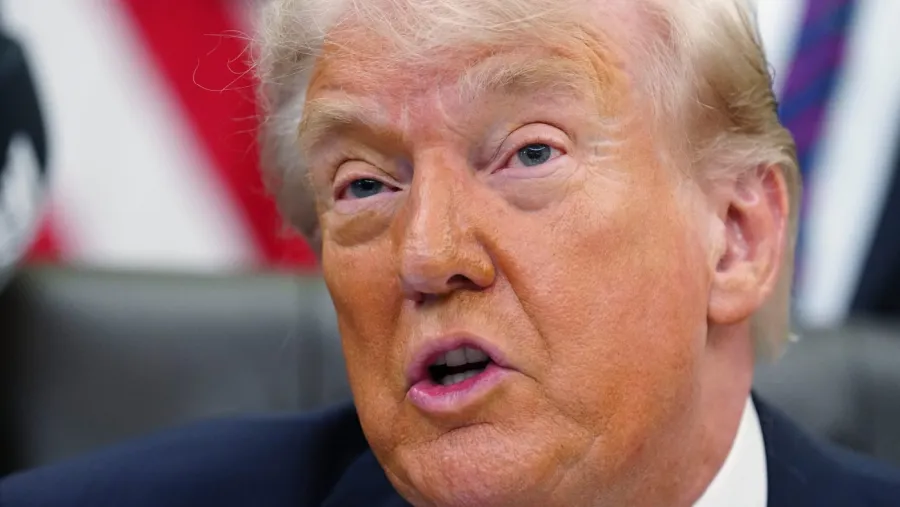
The United States and Iran are once again edging toward a critical diplomatic juncture, as discussions for a second round of peace talks take place in Pakistan. These negotiations, which hold the potential to redefine regional stability, are closely watched by global powers and regional neighbors alike. According to recent statements in Washington, President Donald Trump indicated that pre-negotiation progress has been substantial, with both sides reaching consensuses on several key issues. Notably, Iran is reported to have committed to not developing nuclear weapons “beyond 20 years.” However, Trump emphasized a stark warning: “if there is no deal, fighting resumes.”

This development signals a possible shift in the complex geopolitical chess game that has long defined the Middle East. The U.S.-Iran relationship—fraught with decades of hostility, sanctions, and proxy conflicts—may be approaching a pivotal turning point. International analysts suggest that such negotiations could either open avenues for peace or trigger renewed regional turmoil. According to the International Institute for Strategic Studies, the potential for a nuclear agreement could significantly alter the balance of power, especially given Iran’s strategic position and regional influence. Yet, skeptics warn that any agreement lacking firm enforcement mechanisms risks merely postponing confrontation, leaving regional and global stability hanging in the balance.

The implications of these negotiations extend well beyond bilateral relations, affecting global security and economic stability. For the United States, success in these talks would serve as a significant victory in the ongoing effort to contain Iran’s nuclear ambitions, which many see as a threat to both regional allies and international peace. Conversely, a failed attempt risks exacerbating conflicts in Syria, Iraq, and Yemen, as well as emboldening Iran’s regional policies. As noted by geopolitical analysts, the outcome will shape the future contours of international diplomacy, potentially encouraging other states to seek unilateral nuclear capabilities if perceived as the only reliable safeguard against intervention.

Historically, conflicts of this magnitude have proved to be turning points—moments when the course of history can shift dramatically based on diplomatic choices made in such vulnerable windows. The works of historians remind us of the thin line between peace and war, often dictated by negotiations and compromises amid fierce national interests. The current situation therefore carries the weight of the future—whether the world will see a genuine step towards peace or plunge into another cycle of hostility as negotiations collapse. As the world holds its breath, one thing remains undeniable: the decisions made today will echo through the corridors of history, shaping the fate of nations and societies for generations to come. A new chapter is being written—its narrative still uncertain, its outcome yet to be determined, but its significance indelible in the fabric of global history.

Vought’s Cuts Harm Lives: Activists Disrupt Trump Budget Hearing

The United States, long seen as a global leader in health and development aid, is witnessing a disturbing shift that threatens to reshape its international influence. Recent domestic debates over funding for PEPFAR (President’s Emergency Plan for AIDS Relief) highlight a broader strain within Washington’s foreign policy, raising questions about how much of its power and moral standing the US is willing to sacrifice. Despite bipartisan support in Congress, the Trump administration’s deliberate slashing of aid—particularly the nearly halving of global health spending in the upcoming fiscal year—signals a shift towards prioritizing domestic issues over international commitments. International analysts warn that such decisions weaken not just US credibility but also the entire framework of global health governance, which relies heavily on American leadership and resources.

The controversial move to impede funds for HIV/AIDS programs, which have historically saved millions of lives worldwide, echoes a troubling trend toward austerity in American foreign aid policies. The GAO (Government Accountability Office) recently found that funds intended for PEPFAR are being impounded—an act contrary to the Impoundment Control Act. This bureaucratic maneuver effectively withholds the money despite formal approval by Congress, manifesting a direct challenge to the legislative branch’s authority. Critics, including health organizations and international observers, interpret this as not only a breach of process but also a form of sabotage against one of America’s most successful health initiatives. As historian Michael O’Hara warns, such sustained neglect could irrevocably undermine America’s moral authority in the world’s health crises, encouraging rival nations to fill the void.

  • In the first year of these cuts, an estimated 780,000 lives were lost due to diminished aid, with projections suggesting millions more could succumb if current policies persist.
  • Congress approved funding for PEPFAR at $4.6 billion, yet operational delays and obstruction hinder the actual disbursement of these funds to vital organizations on the ground.
  • The administration’s rejection of the aid—a core element of bipartisan consensus—aligns with a broader pattern of U.S. disengagement from global leadership, especially on issues perceived as foreign policy liabilities.

This retreat has profound geopolitical impact. Newly empowered rivals such as China and Russia are stepping into the vacuum, expanding their influence under the guise of offering aid and strategic partnerships. Their growing presence in Africa, Southeast Asia, and Latin America challenges the traditional dominance of Western-led institutions. Meanwhile, how the U.S. handles its foreign aid policies influences societal perceptions of American promises and commitments abroad. When aid is withheld or politicized, it not only jeopardizes public health but also diminishes trust among emerging nations that have historically looked to the U.S. as a symbol of stability and generosity.

International organizations like the WHO and UNAIDS express concern that such policy shifts could set a dangerous precedent, eroding the global consensus on shared responsibility for health crises. Experts warn that failure to sustain aid efforts risk creating a global environment where poverty, disease, and instability become intertwined, fueling cycles of chaos that threaten regional and international stability. The political struggles inside Washington thus have consequences that extend far beyond borders, shaping the future of international order in unpredictable ways.

As history unfolds in these tense corridors of power, the question remains: will the U.S. restore its commitment and leadership in global health, or will it cede its moral authority to rivals eager to exploit its retreat? The current clash over aid funding is not merely a budgetary dispute but a crucial battleground where the future of American influence and the lives of millions hang in the balance. In the end, the decisions made today will echo through history, dictating whether the U.S. remains a beacon of hope or a shadow on the global stage—a choice with ramifications that extend beyond the immediate and into the very foundation of international stability.

Trump Praises Magyar’s Future Potential, Slightly Cuts Distance from Orbán – Europe Live

In a remarkable turn of events, Hungary’s new leadership under Péter Magyar has signaled a decisive break from the legacy of Viktor Orbán, causing ripples across European geopolitics. Following Hungary’s recent elections, Magyar, representing the opposition Tisza party, has finalized plans to swiftly establish a new government by mid-May. This transition marks a significant departure from Orbán’s long-standing rule, with Magyar emphasizing the importance of “restoring the rule of law” and rehabilitating Hungary’s fractured relationship with the European Union (EU), which had been riddled with recurrent conflicts over legal standards and funding compliance.

One of the earliest steps announced by Magyar involves a pivotal overhaul of Hungary’s state-controlled media landscape. In a move aimed at dismantling years of government propaganda, Magyar openly declared intentions to suspend the ongoing news broadcasts of state media outlets like Kossuth Rádió and M1 TV, promising a transition toward unbiased and transparent journalism. This ambitious attempt to restore media independence echoes broader efforts often championed by Western democracies to strengthen societal trust and institutional integrity. International observers, including prominent analysts and watchdogs, view this as a deliberate effort to dismantle media propaganda under Orbán’s regime, potentially setting a precedent across the region.

Meanwhile, the European Union’s stance appears cautiously optimistic. The EU’s defense commissioner, Andrius Kubilius, indicated that a “new wind is blowing” in Hungary, expressing readiness to implement a significant €80 billion loan to Ukraine, contingent on Hungary removing its veto—which has delayed a €90 billion aid package for Kyiv. Magyar’s government hints at concessions, stating it would drop the veto as long as Hungary retains its opt-out clause and is not required to contribute to the loan, as previously agreed with Orbán’s administration. This demonstrates Hungary’s strategic leverage and its ongoing negotiation on the terms of EU funding, which remains a focal point of contention.

Domestically, Magyar’s approach signals a period of internal upheaval, with plans to replace the outgoing president, Tamás Sulyok, seen as a symbol of Orbán’s authoritarian tendencies. Magyar declared that Sulyok was “unworthy of representing the unity of the Hungarian nation” and suggested he should step down or could be forcibly removed. This internal power struggle underscores the broader aim of Magyar’s coalition to reshape Hungary’s political and media institutions fundamentally, pushing towards a more democratic and rule-of-law oriented governance model.

As history continues to unfold, the implications are profound. The emergence of a government promising transparency and media reforms, coupled with Hungary’s cautious engagement with the EU, presents a pivotal moment for Central Europe. This is a story not merely of political transition but of a nation potentially rewriting its identity amidst forces seeking to redefine the balance of sovereignty and integration in Europe. Such choices will reverberate beyond Hungary’s borders, challenging longstanding alliances, and testing the global community’s resolve to uphold democratic principles amid shifting geopolitical tides. The world watches with bated breath as Hungary’s future, teetering on the brink of reform or retreat, writes the next chapter in the history of freedom and sovereignty.

Middle East Tensions: US Claims Iran’s Economy Blocked, Trump Signals Talks Revival Amid US-Israel Pressure

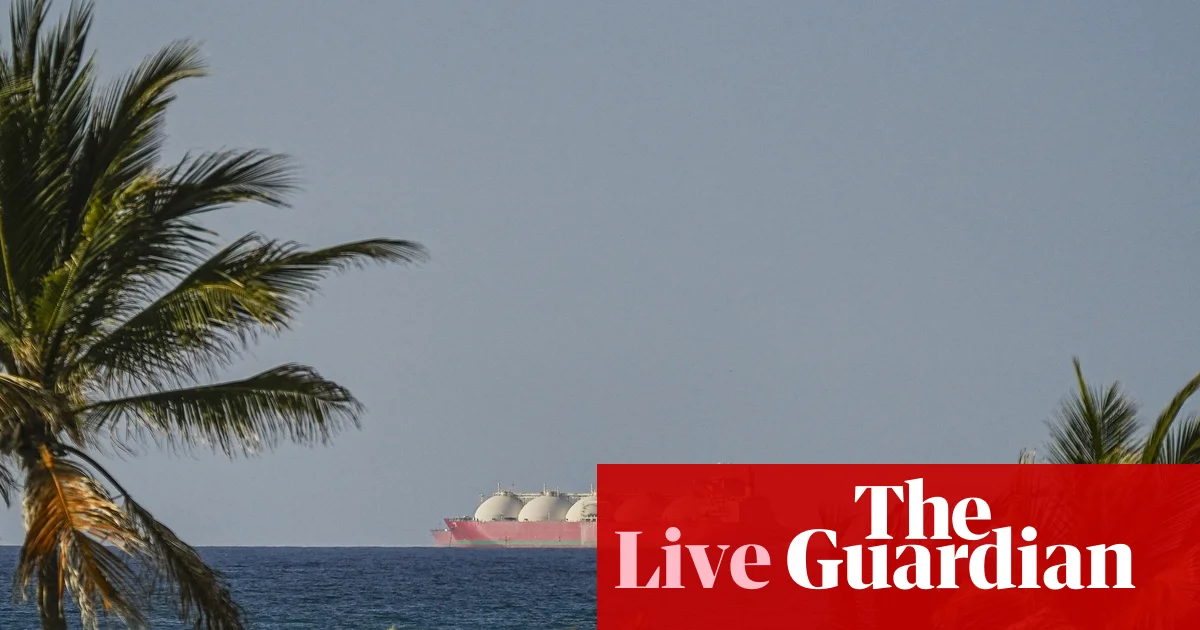
In an era defined by shifting alliances and relentless strategic chess, the United States has escalated its stance against Iran with a sweeping naval blockade aimed at crippling the regime’s economic capacity. Ostensibly designed to pressure Iran back to the negotiating table by severing its oil revenues, this move has sent shockwaves through the global energy markets. Despite Iran’s resilience—exporting nearly 1.84 million barrels of oil daily—its ability to access vital shipping channels, especially via the Strait of Hormuz, has been severely constrained since early March. The blockade’s effect is profound: experts warn it could remove up to two million barrels of oil from the market each day, further tightening an already strained supply and destabilizing energy prices worldwide.

Amid the tumult, US military efforts to establish secure passage for non-Iranian vessels have been met with skepticism. The Pentagon claims that more than 20 ships have transited the Strait of Hormuz since the blockade’s inception; however, maritime analysts, including data firms like Kpler, report that actual traffic remains significantly below typical levels—just six vessels on the first day. Maritime historian Salvatore Mercogliano emphasizes the high commonality of operational risks in the region: “The operating environment remains high risk, limiting any meaningful recovery in flows.” The palpable uncertainty among shipowners underscores America’s strategic gamble: maintain maritime dominance while risking a broader economic backlash. Critics contend this brinkmanship could backfire, catalyzing a global recession if tensions escalate further.

The geopolitical ripple effects are unmistakable. President Biden, along with allies such as Britain and France, have convened in a series of diplomatic efforts aimed at safeguarding international shipping. Notably, the upcoming summit in Paris seeks to craft a mprehensive, multinational plan to reopen the Strait of Hormuz—a vital artery for global commerce. Meanwhile, in the Middle East, Lebanon and Israel continue fragile negotiations under the shadow of renewed conflict; Hezbollah launched rocket salvos at northern Israeli towns just hours after these talks commenced, highlighting the persistent volatility. Former analyst comments suggest these developments are not isolated but interconnected, embodying a broader regional struggle where proxy conflicts threaten to ignite a wider war—one with the potential to reshape alliances and influence the balance of power for decades to come.

Adding tangled layers to this geopolitical crisis, Pakistan‘s prime minister Shehbaz Sharif is engaging in diplomatic shuttle diplomacy, traveling to Saudi Arabia, Qatar, and Turkey this week to forge regional pacts and facilitate a possible resumption of Iran-US negotiations. The unfolding diplomatic dance hints at the persistent hope among regional leaders that dialogue, not conflict, will ultimately prevail. However, Trump’s recent comments—implying that a deal with Iran could be imminent and criticizing allies like Italy for perceived inaction—further complicate the landscape. As historians like Michael Eisenstadt warn, these transient flashes of diplomacy are often overshadowed by entrenched mistrust and strategic interests that resist easy resolution.

In the weight of history’s unfolding chapter, the world watches as these high-stakes maneuvers threaten to spiral into a global conflagration or, conversely, forge paths toward fragile peace. The outcomes hinge on decisions made in smoke-filled diplomatic rooms and across tumultuous seas. As the tug-of-war over the Strait of Hormuz intensifies, the international community stands at a crossroads, caught between the forces vying for dominance. In the shadows of these battles, the true aim remains elusive: can diplomacy overtake power, or will this era be remembered as the dawn of a new, darker chapter of global conflict?

Social Media Auto Publish Powered By : XYZScripts.com