Geopolitical Turmoil in Tanzania: A Nation at Crossroads
In a sharply escalating crisis, Tanzania finds itself caught in a maelstrom of violence and international warning. Recent reports, verified by BBC and multiple sources, reveal a brutal suppression of protests that erupted amidst contested presidential and parliamentary elections. The scenes emerging from cities like Dar es Salaam, Mwanza, and Arusha depict a nation grappling with deeply rooted political unrest and a government willing to marshal lethal force. The aftermath—hundreds of casualties, detained opposition figures, and a near-total internet blackout—illuminates a troubling chapter in Africa’s ideological landscape, casting long shadows over regional stability.
The elections that sparked these protests were marked by allegations of systematic suppression. Incumbent President Samia Suluhu Hassan secured an overwhelming 98% of the vote, in a result viewed with skepticism by opposition leaders and international observers. Opposition figures faced arrests, bans, and restrictions, raising significant questions about the nation’s democratic trajectory. The OHCHR warned that at least 500 lives have been lost, with many more injured or detained—harsh indicators of a government cracking down on dissent with indiscriminate violence.
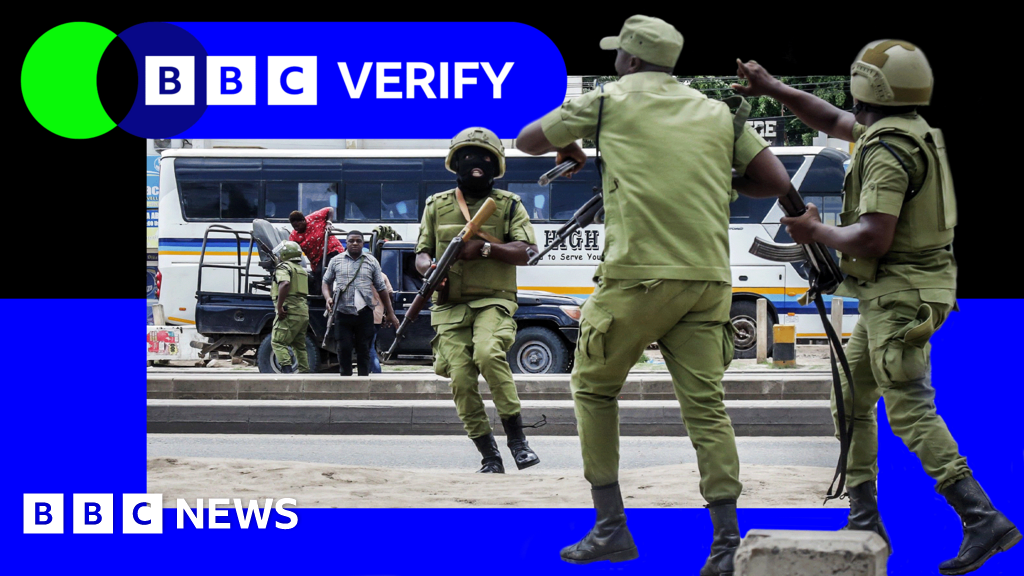
The violence peaked on the streets of Dar es Salaam, where heavily armed police units confronted young protesters, firing tear gas, live rounds, and pursuing fleeing crowds in a display of force reminiscent of authoritarian regimes. Eyewitness videos depict harrowing scenes: bodies lying beside main roads, bloodstains marking streets, and hospitals overwhelmed with casualties. Analysts specializing in African geopolitics suggest that this brutal repression is a deliberate effort to silence the younger generation, a movement frustrated by economic stagnation and entrenched political leadership. The international community faces a critical test—whether to condemn these actions or accept them as the new normal, thereby emboldening tyranny across the continent.
As the UN calls for investigations into the killings and violations, the Tanzanian government remains defiant, refusing to release detainees and refusing to admit fault. The region’s stability hangs in the balance; a failure to address these widespread abuses threatens to destabilize a vital corridor in eastern Africa. Historically, analysts have warned that unchecked power and suppression often lead to long-term chaos, reminiscent of past coups and civil conflicts. Tanzania’s current path could either become a cautionary tale or a testament to resilience, depending on the course of events in the coming weeks.
In this unfolding story of loss and resilience, every gunshot, every life lost, becomes a part of the broader narrative in Africa’s ongoing struggle for real democracy and national sovereignty. The world watches as a nation’s future hangs on a knife’s edge, with history waiting to record whether Tanzania’s currents of repression will ultimately lead to reform or further turmoil. Humanity must grapple with the weight of this moment, knowing that the choices made today will echo through generations to come—a stark reminder that some chapters of history are written in blood, and the struggle for freedom remains as urgent as ever.