The Catastrophic Wake of Hurricane Melissa: A Turning Point for Jamaica and Global Responses
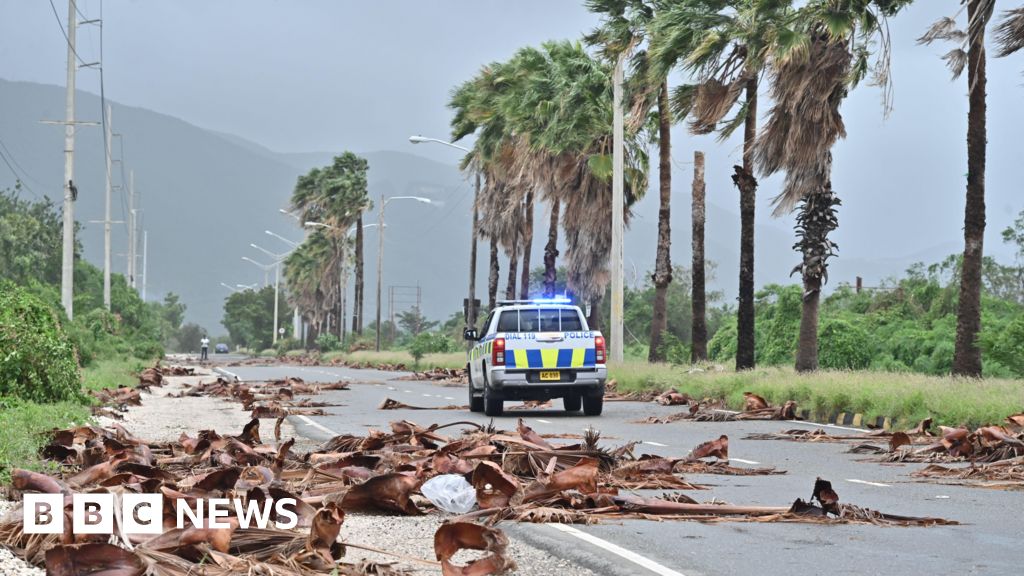
The recent devastation wrought by Hurricane Melissa has cast a stark light on the vulnerabilities of Caribbean nations amidst accelerating climate change. With sustained winds peaking at a formidable 298 km/h (185 mph), it surpasses the intensity of some of history’s most devastating storms, including Hurricane Katrina. As this cyclone tore across Jamaica, it left behind scenes reminiscent of apocalyptic movies—homes destroyed, floodwaters engulfing entire communities, and local infrastructure all but obliterated. Governments and international organizations are now confronting an urgent question: how will nations like Jamaica recover and adapt to an increasingly hostile climate?
The immediate geopolitical impact of such a natural disaster extends beyond national borders, highlighting the importance of international cooperation. Despite Jamaica’s efforts, the island’s infrastructure—its hospitals, roads, and power grids—has been deeply compromised. Prime Minister Andrew Holness issued a declaration of a disaster area amidst widespread destruction, warning of “significant damage” and the peril of lost lives. In response, international aid agencies and neighboring nations are mobilizing resources, but the scale of devastation underscores a global challenge: climate change-driven storms are becoming more intense and unpredictable, affecting vulnerable nations and challenging traditional disaster response frameworks.
Historians and climate analysts warn that the rapid strengthening of Hurricane Melissa—a category five storm at its peak—reflects broader trends associated with climate change, notably the abnormally warm Caribbean waters providing fuel for storms to escalate swiftly. Some experts argue this pattern is a harbinger of more frequent and severe hurricanes in the future, forcing nations to rethink their infrastructural resilience and emergency preparedness. Meanwhile, international economists and development experts note that Jamaica’s economy, heavily reliant on tourism and agriculture, faces a bleak near-term outlook. The destruction of crops in St Elizabeth, known as the “breadbasket,” and the damage to Montego Bay’s tourism infrastructure could set back the island’s economic recovery years if adequate international support and policies are not swiftly enacted.
Beyond immediate relief efforts, this catastrophe exposes the broader geopolitical importance of climate resilience. Countries are increasingly expected to shoulder responsibility—both individually and collectively—to mitigate environmental impacts and protect their populations. Global institutions such as the United Nations are sounding alarms about the cascading consequences of neglecting climate adaptation, from rising sea levels to displacement and economic instability. The situation in Jamaica underscores how decisions made today—whether in the form of international treaties or national climate policies—will profoundly shape the societal fabric of future generations. As the storm’s aftermath continues to unfold, it marks yet another chapter in a mounting narrative: that of a fragile world grappling with the realities of an increasingly volatile climate.
As history continues to write itself, the true test lies ahead. Will nations muster the collective will to confront climate change head-on, or will they be left to face the relentless fury of nature unprepared? The answer, now more than ever, remains a question of global resolve—the weight of history pressing down as the skies clear over Jamaica, leaving the world to ponder whether this catastrophe will serve as a warning or a call to action. One thing is certain: the storm has passed, but the battle for resilience and stability is only just beginning.