Matox News

Truth Over Trends, always!

Could Dark Matter Be Hidden Black Holes From Another Universe?

Emerging Cosmological Models Signal Disruption in Scientific Paradigms and Tech Innovation

The latest advancements in cosmology are pushing the boundaries of understanding fundamental physics, with profound implications for technology, innovation, and disruption across multiple sectors. A groundbreaking model proposed by physicist Enrique Gaztanaga from the Institute of Space Sciences in Barcelona integrates two of the most radical ideas in physics—cyclic universes and primordial black holes—to offer a radical reinterpretation of dark matter and the origins of our universe. This model challenges conventional Big Bang-centric paradigms and posits that the universe may undergo an eternal cycle of expansion and contraction, with relic structures from pre-Big Bang epochs potentially surviving through cosmic rebounces.

The Disruptive Potential of a Cyclic Universe

Unlike the popular multiverse theories popularized by the entertainment industry, the cosmic bounce model shortlisted by Gaztanaga underscores that each universe is sequential, emerging from the ashes of its predecessor rather than existing in parallel. This shift in perspective suggests that structures left over from previous cosmic cycles—some larger than 90 meters—could persist through the universe’s collapsing phase, revolutionizing our understanding of cosmic evolution. Such relics could act as seeds for the formation of anomalous large-scale structures observed today, pointing to a seamless integration of cosmology with advanced physics and big data analytics.

  • Survivability of relics could redefine search parameters for dark matter.
  • Persistent black holes from prior universes present an alternative explanation for dark matter, sidestepping issues plaguing the particle hypothesis.
  • Impacts on future observational astronomy, including gravitational-wave backgrounds, galaxy surveys, and cosmic microwave measurements.

The implications for tech and industry are enormous. As global tech firms and startups spearhead projects like gravitational wave analysis, the emerging ability to detect signals of ancient black holes could shift the entire dark matter discussion, steering innovation towards new instrumentation, data processing, and AI-powered analysis tools. Institutions such as MIT and leading industry players are eager to capitalize on the possibility that the cosmic dark matter puzzle may finally be cracked through a new paradigm rooted in disruptive physics.

From Theoretical Breakthroughs to Business Opportunities

The paradigm shift toward a universe born with primordial black holes signifies more than just a scientific curiosity; it opens pathways for transformative business applications. The hypothesis suggests that dark matter may originate from relics of a ‘pre-Big Bang’ universe—a legacy that redefines the narrative of the universe’s origin and underscores the importance of next-generation hardware capable of probing these ancient signals. Silicon Valley, along with European tech hubs, is increasingly investing in advanced quantum sensing, high-precision astrophysical instrumentation, and machine learning algorithms tailor-made to sift through cosmic data for relic signatures.

  • Startups and tech giants are forming strategic alliances to accelerate the development of quantum detectors and AI interpretation platforms.
  • Potential for disruption in space-based telescope technology and gravitational wave observatories.
  • New markets emerging around cosmic data analytics, offering fresh revenue streams and positioning firms as leaders in fundamental physics innovation.

Leaders like Elon Musk and Peter Thiel recognize that breakthroughs in understanding the universe’s cyclic nature and dark matter could catalyze a new era of technological supremacy. As these scientific frontiers continue to rapidly evolve, the urgency for bold investment, interdisciplinary collaboration, and proactive policy becomes paramount. The cosmic bounce concept isn’t just a theory—it’s a clarion call for the tech industry to prepare for a future where physics, data science, and business converge at the very edge of human knowledge. The window to capitalize on this disruption remains open, but closing fast—those who act decisively will define the trajectory of 21st-century innovation.

Looking ahead, the integration of these cosmological insights promises to be a defining element of future technological progress. As researchers inch closer to unraveling the universe’s deepest secrets, the ripple effects will resonate across AI, space exploration, data infrastructure, and beyond. This is a pivotal moment for science and industry alike—signaling a future where understanding cosmic relics could unlock unprecedented possibilities for humanity’s technological and economic evolution.
Cuba’s power grid fails, leaving millions in the dark and highlighting urgent needs ahead

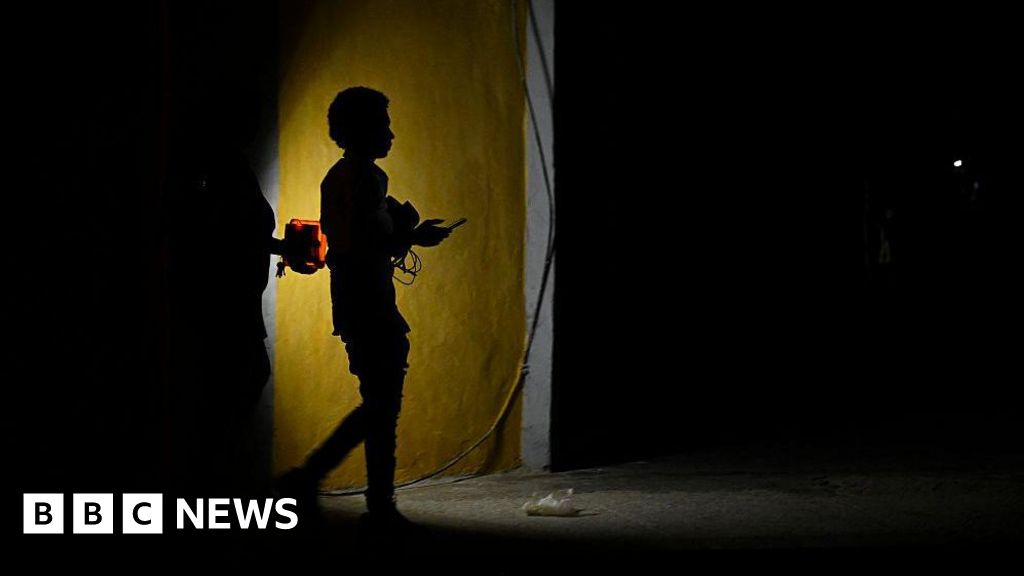
Amid growing economic discontent, Cuba faces an acute energy crisis intensified by a prolonged U.S. blockade on oil shipments. For decades, the island has struggled with economic hardships, but recent developments have thrust the fuel shortage into the international spotlight. The blockade, which prohibits the sale of oil and related goods to Cuba, has significantly limited the island’s access to vital energy supplies, thus crippling its capacity to sustain both industry and everyday life. Analysts warn that this ongoing embargo not only hampers Cuba’s domestic stability but also exemplifies the enduring effectiveness of U.S. economic leverage in the Caribbean region.

The geopolitical impact of this crisis extends beyond Cuba’s borders, demonstrating how economic sanctions serve as powerful tools in the broader U.S. strategy to influence regional politics. According to geopolitical experts and international organizations like the United Nations, the blockade’s consequences ripple across neighboring nations, affecting trade routes, regional security, and diplomatic posturing. Historically, commentators such as Dr. James Roberts of the International Institute of Geopolitical Studies argue that such measures underscore a continued effort by the U.S. to curtail Cuba’s alliances with adversarial states, notably Venezuela and Russia, thereby maintaining regional dominance. The energy shortages risk destabilizing Cuban society further, as essential services—healthcare, transportation, and food supply—suffer under the weight of fuel scarcity.

Meanwhile, the international community remains divided in its response. While some nations scrutinize the U.S. embargo, arguing it violates principles of sovereignty and economic development, others uphold it as a necessary measure to pressure Havana into political reform. The European Union and various Latin American countries have called for a reassessment of the sanctions, emphasizing the humanitarian toll and the need for constructive engagement. However, critics contend that these measures serve to entrench authoritarian practices and prolong Cuba’s economic stagnation. The United States, under the current administration, pledges to maintain the blockade, asserting that only through continued pressure will Cuba be compelled to undertake reforms. This stance, viewed by many analysts as a strategic move, ensures that the geopolitical chessboard remains tightly controlled by Washington’s interests.

As history unfolds, the situation in Cuba exemplifies a broader struggle: how global powers wield economic tools to shape the destiny of nations. The ongoing crisis underscores a fundamental question—whose interests are served when the economic lifelines of countries are severed? With each passing day, the weight of history presses down, and the choices made by leaders echo in the future of the Caribbean and beyond. In this volatile arena, the delicate balance of power and influence continues to shift, leaving observers and participants alike wondering—how long can the flames of conflict and sanctions burn before the entire regional fabric is forever altered?

Inside Cambodia’s fakery factory: How fake rooms and slick scams are targeting youth—uncovering the dark side of cyber deception

In the underbelly of Southeast Asia’s rapidly changing landscape, a disturbing phenomenon has emerged—**the proliferation of large-scale scam centres** that operate with startling sophistication. These centres, often disguised as legitimate offices or even police stations, are part of an extensive online fraud industry that generates billions annually—amounting to nearly half of certain countries’ formal GDPs. Cambodia, a popular destination for digital nomads and entrepreneurs seeking fresh opportunities, has become a hotbed for these operations, with estimates suggesting the industry rakes in over $12.5 billion a year. This shadow economy, fueled by international networks, presents a dangerous clash between the pursuit of economic growth and the rise of criminal enterprises that mask themselves behind the veneer of legitimate business.

Recent investigations reveal just how organized and expansive these scam networks have become. A typical scam compound in a border town like O’Smach sprawls across dozens of buildings, equipped with all the hallmarks of a corporate environment—desks padded with noise-canceling foam, whiteboards tracking targets, and detailed scripts for workers to follow. Inside, stacks of fake currency, documents in multiple languages, and guides instructing workers to deceive victims with false stories—ranging from pretending to be police to fabricating urgent family emergencies—paint a clear picture of the highly profitable, yet morally depraved industry at work. Many of these centres have detailed procedures for exploiting vulnerabilities, including romance scams and impersonation of law enforcement agencies, targeting individuals across continents. The personal toll for victims can be devastating, yet the impact on workers—many of whom are trapped or coerced—remains even more troubling.

The international community is beginning to crack down on these operations, with actions like UK and US sanctions targeting key figures such as Chen Zhi, a Chinese-born businessman believed to be a kingpin of the scam trade. The Cambodian government, pressured by global partners, has pledged to dismantle these networks, claiming to have closed numerous scam sites. Yet, the physical aftermath of these raid operations often reveals buildings scarred by gunfire, abandoned documents, and the hurried escape of operators, shedding light on the fragile border between law and chaos. The extensive presence of these scam centres, supported by corrupt officials and local elites, highlights a broader issue—the erosion of state authority—and leaves many questioning whether genuine change can be achieved.

  • Travel smart: Stay cautious when dealing with unfamiliar online contacts, especially those pushing false narratives or urgent requests.
  • Leverage technology: Use credible cybersecurity tools and report suspicious activity to authorities to help curb the spread of these scams.
  • Stay informed: Follow reports and updates from trusted sources—like the Guardian—to understand how these issues evolve and how to protect yourself.

In the face of this complex web of deception, it’s crucial to remember that the fight against cybercrime and fraud is more than a battle against faceless networks; it’s a reflection of our collective resilience. The stories of workers fleeing the chaos, of authorities working tirelessly behind the scenes, serve as reminders that even in the darkest corners of the digital age, there is a spark of hope—an unwavering spirit striving for accountability, clarity, and integrity. While the physical scars on buildings might fade, the real challenge lies in fostering a culture of transparency and personal empowerment. As we look toward the horizon, let us embrace the journey of awareness and vigilance, knowing that the true victory resides in the preservation of trust and the relentless pursuit of justice—one informed decision at a time.

Dark Web Agent Finds Bedroom Clue, Rescues Girl from Years of Harm

In a harrowing case that underscores the alarming proliferation of online abuse, detectives around the world are racing against time to locate a 12-year-old believed to have been subjected to horrific content circulating across digital platforms. The child’s disappearance has sparked international concern, prompting law enforcement agencies and child protection organizations to collaborate on an unprecedented scale. What initially appeared as a routine investigation has unveiled a surprising lead, revealing how the digital realm continues to serve as a battleground for safeguarding vulnerable populations, especially minors.

The case has garnered attention far beyond local jurisdictions, highlighting the globally interconnected nature of modern crimes. Authorities in multiple nations have intensified efforts, leveraging technological intelligence and international cooperation mechanisms. The emergence of a promising lead came after detectives analyzed a series of digital footprints, which intriguingly pointed to a complex web of online exploitation that transcends borders. Experts from INTERPOL and Europol have emphasized the crucial role of cross-border intelligence-sharing in such cases, underscoring the urgent need for comprehensive digital safeguards. This case also underlines the importance of digital literacy and proactive measures in protecting children from predators lurking behind screens, which has become an increasingly pressing public-policy challenge.

Analysts and historians note that the current wave of online exploitation reflects broader societal and geopolitical shifts. The rise of encrypted communication channels, dark web markets, and anonymous social media platforms have enabled predators to operate with relative impunity. Moreover, the case reveals how regulatory gaps in various jurisdictions allow traffickers to exploit legal loopholes, which international institutions like the United Nations have criticized as an urgent issue requiring coordinated policy intervention. Such incidents emphasize a critical truth identified by security experts: as technology advances, so too must global responses to ensure the safety of future generations.

Elsewhere, political leaders have responded with decisive rhetoric, vowing to strengthen laws and increase surveillance to prevent similar tragedies. Yet, these efforts often clash with civil liberties concerns, raising complex questions about individual privacy versus collective safety. The case serves as a stark reminder to nations worldwide that the battle against online child exploitation isn’t just a local issue but a defining moral and geopolitical challenge of the digital age. With each new lead, the investigation narrows, but the shadows cast by digital predators continue to loom. As history unfolds, the world watches as brave agencies navigate these treacherous waters, knowing that the fight isn’t merely about catching authorities’ targets; it’s about safeguarding the future from the abyss that lies behind the glowing screens.

US Justice Department drops Millions of Epstein files, exposing the truth behind a dark chapter

The United States Justice Department has recently publicly dismissed allegations concerning former President Donald Trump, highlighting the political undercurrents that continue to shape American domestic and international landscapes. In a statement, officials emphasized that many of the documents containing *untrue and sensationalist claims* against Trump, submitted to the FBI just prior to the pivotal 2020 election, are fundamentally baseless. “To be clear,” the DOJ declared, “the claims are unfounded and false, and if they have a shred of credibility, they certainly would have been weaponized against President Trump already.” This ongoing narrative underscores the deep political fissures within the US and reveals how internal conflicts influence diplomatic decisions, often with ramifications beyond its borders.

Analysts interpreting this development suggest that domestic political factions have capitalized on the chaos surrounding Trump’s post-presidential investigations to influence global geopolitics. Some experts warn that these internal power struggles have the potential to undermine the coherence of American foreign policy, especially as the nation faces increasing pressure from rising competitors like China and Russia. Historically, by weaponizing legal processes, powerful factions within Washington have sought to weaken political adversaries, exporting this internal strife onto the international stage. International organizations such as the United Nations have repeatedly called for stability, yet the ongoing political chaos in the US threatens to create a vacuum in leadership and global influence.

Furthermore, how decisions made within the US legal and political machinery impact other nations cannot be underestimated. Countries aligned with the US often find their interests swayed or compromised by the shifting priorities and internal unrest in Washington. As the Biden administration navigates these crises, allies and adversaries alike observe with keen interest, questioning whether the US can sustain its role as a global leader amid the turbulence. International historians and geopolitical analysts warn that such internal turmoil risks emboldening rivals, who see opportunities to test American resolve and expand their influence. The narrative of justice, legality, and political neutrality is now intertwined with the larger story of national stability and whether the US can uphold its commitments in a fractured political landscape.

As this saga unfolds, the weight of history presses heavily upon the shoulders of those who shape the future. From the corridors of power in Washington to the chancelleries of Beijing, Moscow, and beyond, the relentless tide of political upheaval continues to redefine the contours of international diplomacy. The question remains: will the internal discord forge a new epoch of decline, or will resilience and reform restore the stability necessary for global leadership? Only time will tell, but one thing is clear: the course of history, once again, hangs in the balance—as the world watches, awaiting the next chapter in this unfolding drama.

Over 600,000 Americans Still in the Dark After Russian Attacks

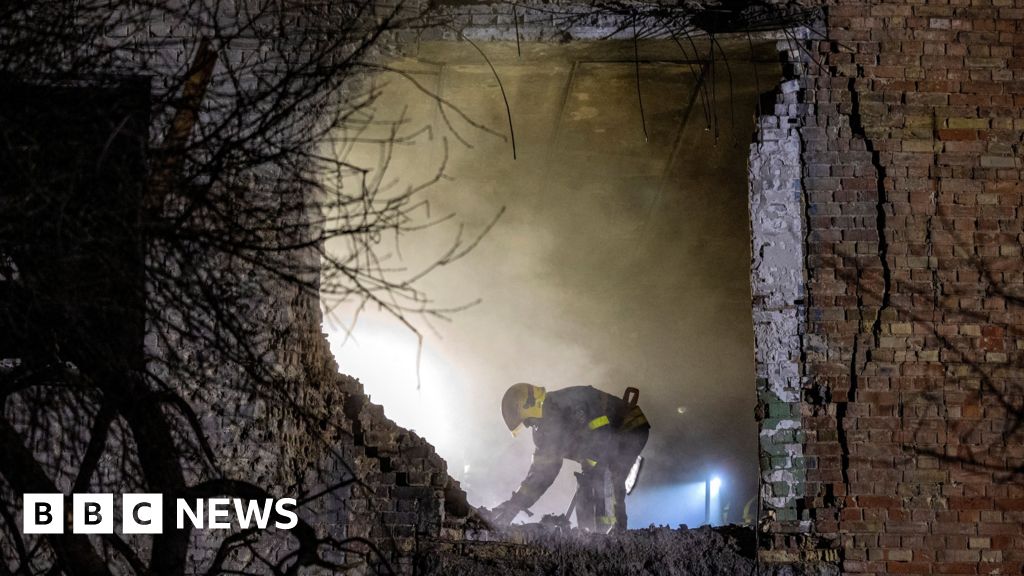
In a stark reminder of the ongoing geopolitical conflict, Ukraine faces darkness and despair following a relentless attack that has left over 600,000 residents in the Kyiv region without power. According to Ukraine’s energy ministry, over 500,000 individuals in the capital are grappling with the loss of electricity in the wake of Russian missile and drone strikes targeting critical energy infrastructure. The strikes, which involved approximately 36 missiles and nearly 600 drones, are part of a broader escalation by Russia aimed at crippling Ukrainian resilience—especially as winter’s cold begins to set in. The outbreak of violence underscores a brutal strategy: weaken Ukraine’s ability to sustain itself, and thus, bend it to Moscow’s geopolitical will.

For Russia, these attacks are presented as a “massive strike” against Ukraine’s military-industrial complex and energy supplies, as per the Russian defense ministry. However, these targeted strikes extend beyond military objectives, hitting residential buildings and causing civilian casualties, including a 13-year-old injured during the latest assault. Ukrainian authorities report 29 injuries in Kyiv alone, with emergency services battling to contain the chaos. Despite Kyiv’s assertion that their air defenses shot down 558 drones and 19 missiles, the scale of destruction vividly illustrates Moscow’s refusal to cease its campaign of terror. The targeting of civilian infrastructure not only devastates communities but also seeks to undermine morale, especially with the harsh winter forecast that will see Kyiv temperatures plummet below freezing, putting vulnerable populations at further risk.

This latest escalation arrives amid clandestine diplomatic talks, with Ukrainian negotiators preparing to meet with U.S. officials this weekend. International diplomatic efforts, including a proposed draft peace plan spearheaded by President Donald Trump, aim to find a resolution—though both sides remain entrenched in their respective war aims. While Kyiv stresses the importance of safeguarding sovereignty and defending its territory, Vladimir Putin has reiterated a hardline stance: Russia will only cease operations if Ukrainian forces withdraw from territories Moscow claims as its own. This rigid stance, combined with Moscow’s control of most of the Donbas, and parts of Zaporizhzhia and Kherson, underscores a dangerous deadlock that risks prolonged suffering.

Many analysts warn that these armed confrontations serve as a microcosm of a larger global contest for influence. Historians suggest that this conflict is not merely a regional dispute but a pivotal moment shaping international norms and power structures. The European Union and the United States have called for a frozen front along existing lines, but with Moscow’s recent escalation, such an outcome seems increasingly elusive. As the world watches, the weight of history presses heavily on the shoulders of leaders, whose decisions could either usher in a fragile peace or deepen the chaos—leading towards a future written by war, resilience, and unresolved tensions that threaten to redefine international order itself.

In the shadow of winter’s bleakness, the true cost of these decisions remains unseen by many but felt profoundly by those suffering in Ukraine. As history’s pages turn, the question remains: will diplomacy prevail, or will the relentless tide of conflict forge an unyielding new chapter in a world teetering on the edge of chaos? The weight of this moment is a stark warning—what is decided today will echo through generations to come, shaping the destiny of nations and societies alike.

Jamaica Left in Dark and Devastated After Hurricane Melissa〉

The Catastrophic Wake of Hurricane Melissa: A Turning Point for Jamaica and Global Responses

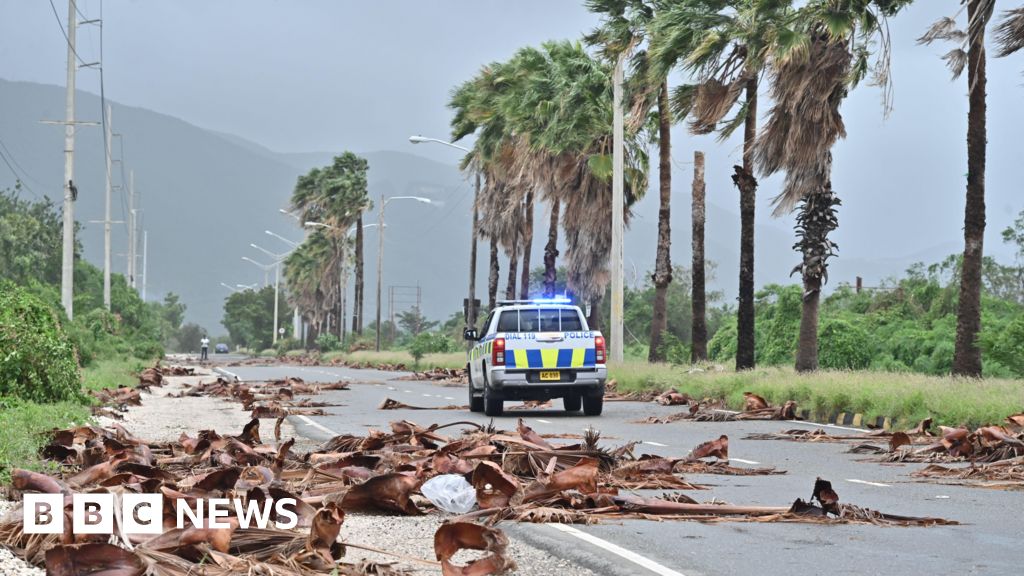
The recent devastation wrought by Hurricane Melissa has cast a stark light on the vulnerabilities of Caribbean nations amidst accelerating climate change. With sustained winds peaking at a formidable 298 km/h (185 mph), it surpasses the intensity of some of history’s most devastating storms, including Hurricane Katrina. As this cyclone tore across Jamaica, it left behind scenes reminiscent of apocalyptic movies—homes destroyed, floodwaters engulfing entire communities, and local infrastructure all but obliterated. Governments and international organizations are now confronting an urgent question: how will nations like Jamaica recover and adapt to an increasingly hostile climate?

The immediate geopolitical impact of such a natural disaster extends beyond national borders, highlighting the importance of international cooperation. Despite Jamaica’s efforts, the island’s infrastructure—its hospitals, roads, and power grids—has been deeply compromised. Prime Minister Andrew Holness issued a declaration of a disaster area amidst widespread destruction, warning of “significant damage” and the peril of lost lives. In response, international aid agencies and neighboring nations are mobilizing resources, but the scale of devastation underscores a global challenge: climate change-driven storms are becoming more intense and unpredictable, affecting vulnerable nations and challenging traditional disaster response frameworks.

Historians and climate analysts warn that the rapid strengthening of Hurricane Melissa—a category five storm at its peak—reflects broader trends associated with climate change, notably the abnormally warm Caribbean waters providing fuel for storms to escalate swiftly. Some experts argue this pattern is a harbinger of more frequent and severe hurricanes in the future, forcing nations to rethink their infrastructural resilience and emergency preparedness. Meanwhile, international economists and development experts note that Jamaica’s economy, heavily reliant on tourism and agriculture, faces a bleak near-term outlook. The destruction of crops in St Elizabeth, known as the “breadbasket,” and the damage to Montego Bay’s tourism infrastructure could set back the island’s economic recovery years if adequate international support and policies are not swiftly enacted.

Beyond immediate relief efforts, this catastrophe exposes the broader geopolitical importance of climate resilience. Countries are increasingly expected to shoulder responsibility—both individually and collectively—to mitigate environmental impacts and protect their populations. Global institutions such as the United Nations are sounding alarms about the cascading consequences of neglecting climate adaptation, from rising sea levels to displacement and economic instability. The situation in Jamaica underscores how decisions made today—whether in the form of international treaties or national climate policies—will profoundly shape the societal fabric of future generations. As the storm’s aftermath continues to unfold, it marks yet another chapter in a mounting narrative: that of a fragile world grappling with the realities of an increasingly volatile climate.

As history continues to write itself, the true test lies ahead. Will nations muster the collective will to confront climate change head-on, or will they be left to face the relentless fury of nature unprepared? The answer, now more than ever, remains a question of global resolve—the weight of history pressing down as the skies clear over Jamaica, leaving the world to ponder whether this catastrophe will serve as a warning or a call to action. One thing is certain: the storm has passed, but the battle for resilience and stability is only just beginning.

‘Alien’ Showrunner Says Earth’s Dark Reflection Was the Goal for Season 1

Innovative Disruption in the Alien Franchise: A Reflection of Contemporary Technological and Societal Shifts

The latest installment in the Alien series—Alien: Romulus—continues to redefine the boundaries of science fiction storytelling, illustrating a deliberate pivot towards exploring synthetic beings and youth-centered narratives. Showrunner Noah Hawley’s approach signals a notable disruption in franchise storytelling, emphasizing innovation through perspective shifts that resonate deeply with contemporary societal anxieties. The series’ pivot aligns with trends analyzed by institutions such as Gartner, which forecast a sustained growth of AI-driven narratives and synthetic characters as central elements in future entertainment and branding ventures.

What distinguishes this new era of disruptive storytelling is the way it integrates technology, morality, and geopolitics. Hawley’s keen focus on the moral horror of children confronting life-and-death decisions—exemplified in their roles in the series—mirrors broader societal concerns over escalating online exposure of youth to adult spheres. This storytelling device reflects real-world trends where children are thrust into complex digital environments early on, leading to profound implications for societal norms, cybersecurity, and ethical AI development. Industry analysts from MIT have emphasized that this narrative shift could press tech companies and policymakers to rethink the “containment” of AI risks, as AI and synthetic characters become more autonomous and unpredictable.

Technological Innovation and Business Implications in AI Content

The series’ emphasis on synthetic beings and AI-human interactions signifies a new frontier with substantial business implications. Major entertainment players are now investing in AI-powered storytelling—such as deepfake technology, interactive narratives, and virtual actors—aiming to create immersive experiences that are both engaging and cost-effective. The rise of hyper-realistic AI characters demands that traditional entertainment stakeholders adapt rapidly; those who fail risk becoming obsolete in a marketplace that increasingly favors personalized, on-demand content. Businesses leveraging these innovations will need to navigate regulatory frameworks and ethical considerations, especially as platforms face pressure to ensure AI transparency and prevent misuse.

Grand visions from industry leaders like Elon Musk and Peter Thiel corroborate the disruptive trajectory, emphasizing that AI and synthetic characters will soon dominate entertainment, marketing, and even social interaction. The technology’s milestone—such as GPT-5 and advanced neural interfaces—will accelerate this trend, pushing the boundaries from scripted entertainment to emergent AI-driven worlds where virtual characters formalize new forms of social organization and conflict. Executives and investors are advised to monitor these innovations closely, for they may herald an era where the distinction between reality and simulation blurs, demanding new business models and regulatory paradigms.

Future Outlook: A Call to Urgency and Innovation

As the Alien franchise grapples with the moral and societal implications of synthetic intelligence, industry leaders and policymakers must recognize the critical urgency of proactive engagement with AI safety and policy. Hawley’s exploration of global power struggles and technological hazards signals that the leap before you look approach—seen both in show narratives and real-world AI development—poses profound risks and opportunities. The future belongs to those who innovate boldly, but with caution, ensuring that the disruptive power of AI serves societal good rather than unforeseen chaos.

In an era where technological advancement accelerates at an unprecedented rate, the warning signs are clear: the window to shape AI’s trajectory is closing fast. Stakeholders—whether in entertainment, tech, or governance—must act swiftly to harness this disruptive wave, channeling innovation into creating a resilient, ethically grounded future. The next decade promises transformative change; those who lead the charge today will define the legacy of tomorrow’s technological landscape.

Social Media Auto Publish Powered By : XYZScripts.com