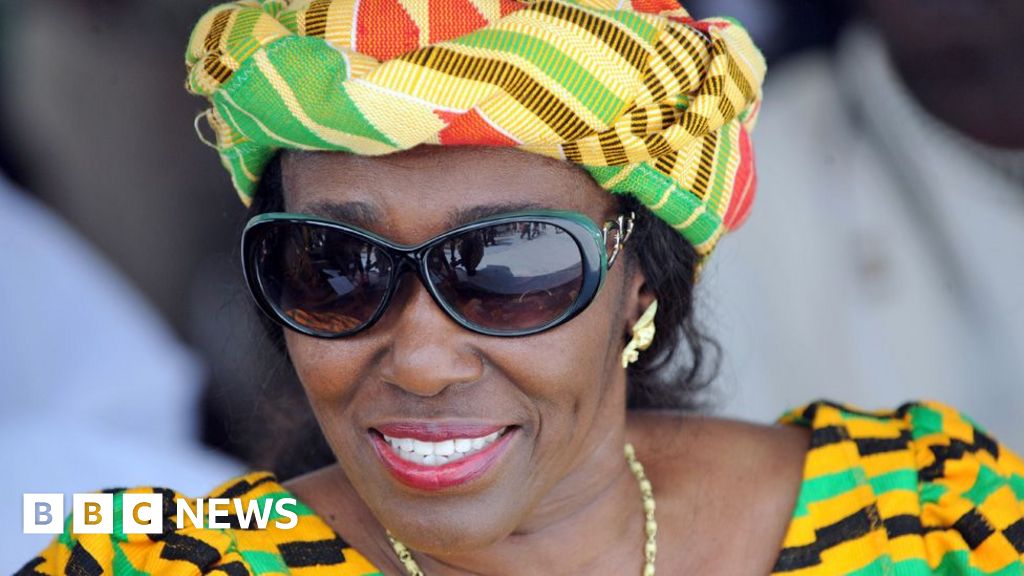
Ghana Mourns the Passing of Nana Konadu Agyeman-Rawlings
The recent death of Nana Konadu Agyeman-Rawlings, at the age of 76, marks the end of an era in Ghana’s history. Revered as a pioneering women’s rights advocate, influential politician, and former First Lady, her passing ignites reflections on her multifaceted impact on both her nation and the broader geopolitical landscape. Her death, announced amidst widespread social media tributes, underscores how individual leaders influence societal change—effects that ripple beyond national borders, shaping regional dynamics and international perceptions of progress and tradition.
Agyeman-Rawlings, widow of Jerry Rawlings, Ghana’s longest-serving leader, played a pivotal role in the country’s political evolution. Her husband, who led two military coups before twice ascending to the presidency through multiparty elections, was a figure of both admiration and controversy. As First Lady, she not only supported his leadership but also carved out her own influential space, founding the 31st December Women’s Movement—a vital platform advocating for women’s empowerment and economic independence. Her advocacy contributed significantly to Ghana’s constitutional protections for gender equality, including reforms in the 1992 Constitution that integrated women’s rights into the nation’s foundational legal framework.
From a geopolitical impact perspective, Agyeman-Rawlings’ efforts resonated beyond Ghana’s borders. Her push for gender equality and social inclusion positioned her as an informal ambassador of progressive values within West Africa—an area often marred by political instability and social inequalities. Historians and analysts note that her influence laid groundwork for regional gender initiatives, encouraging neighboring nations to reevaluate their own policies. The international community’s attention to her advocacy highlights how localized leadership can spark broader conversations on human rights, development, and the role of women in politics—issues at the heart of many global development agendas.
The political landscape in Ghana remains deeply intertwined with her legacy, especially as her family engaged directly with President John Mahama earlier this week to notify him of her passing. The country’s parliament has adjourned in solemn respect, signaling recognition of her contribution to national progress. Yet, her ambition extended beyond her role as First Lady; her bid for the NDC presidential candidacy in 2012 reflected her broader vision for leadership—an aspiration that, despite its defeat, cemented her status as a key figure in Ghana’s ongoing political narrative. Her story underscores how decisions at the individual level can influence societal trajectories, especially in developing democracies eager to balance tradition with progress.
As Ghana, Africa, and the international community mourn this remarkable figure, the question remains: what will her enduring legacy inspire in the years ahead? The debate over gender equality, political inclusion, and social justice continues to shape the global conversation. Heritage and history, often fleeting in the face of current events, become the weighty substance of tomorrow’s history. For now, her story closes one chapter but leaves the future wide open—an unfolding narrative of resilience, advocacy, and the relentless pursuit of societal change, carried forward by generations yet to come. Nature’s course may seem inevitable, but it is the choices of leaders—then and now—that determine whether history’s next pages will be written by progress or regression.