Matox News

Truth Over Trends, always!

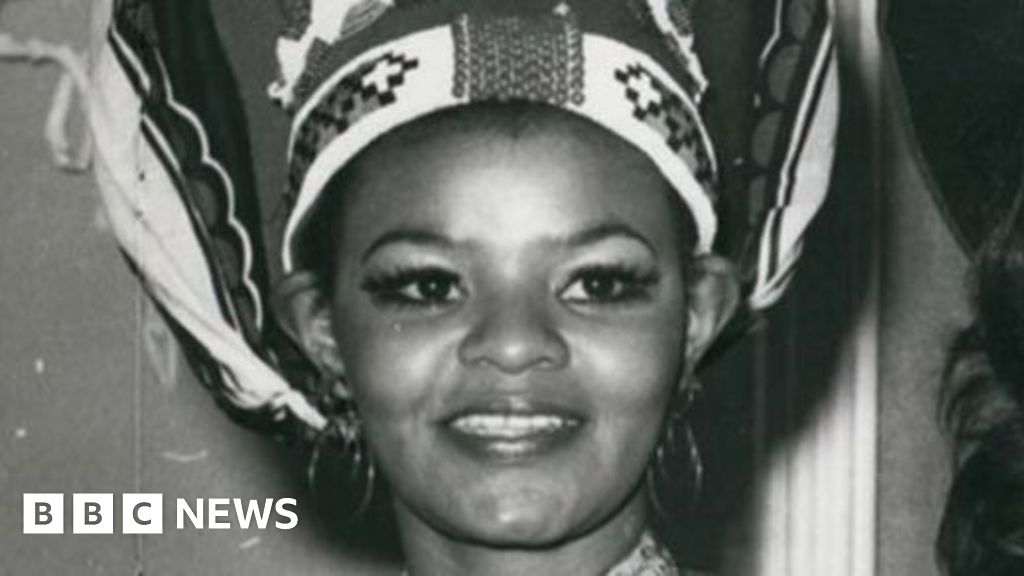
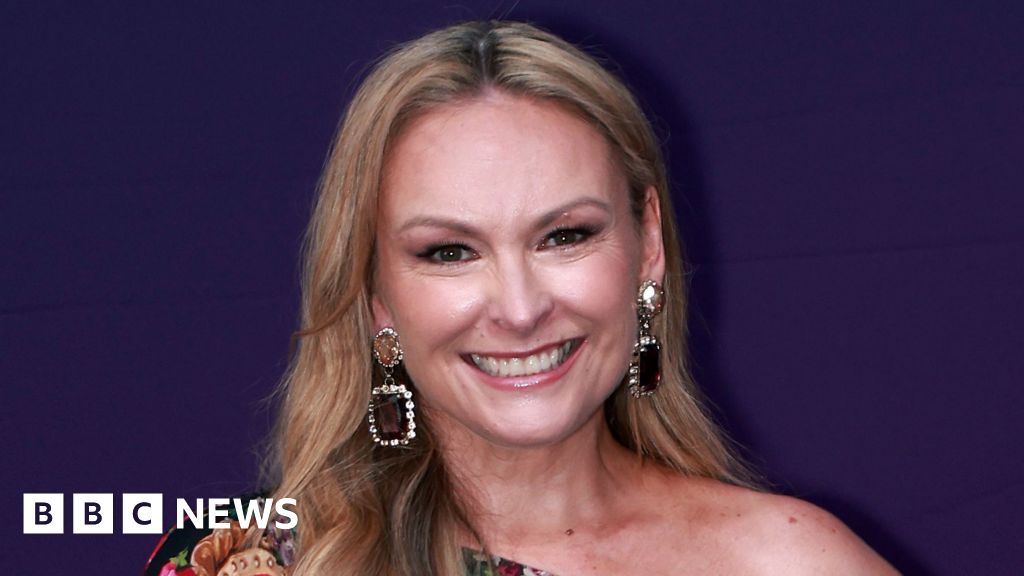
South Africa’s former Miss World star and trailblazer passes at 76

In the midst of the turbulent early 1970s, the 1972 Miss World contest stood as an unintended microcosm of global social upheaval. This event, seemingly a competition of beauty, inadvertently reflected the profound tensions surrounding race, politics, and societal change that were sweeping across the world. Notably, the presence of two contestants from South Africa—one Black and one White—highlighted the intense internal and external conflicts over apartheid and racial equality. Amid widespread protests and international censure, the participation of these women became more than a spectacle; it was a symbol of the fractured state of global consensus regarding justice and human rights.

Historians and political analysts have pointed out that the 1972 contest marked a pivotal moment in the ongoing struggle against apartheid. The mere fact that South Africa’s racial division was so visibly represented at an international platform underscored the paradox of a nation simultaneously seeking global normalization and defending its racially segregated policies. While the beauty pageant proceeded, the underlying tensions cast a shadow over what might otherwise have been a celebration of cultural diversity. Indeed, the event drew protests, boycotts, and fierce debates—highlighting how decisions made in seemingly superficial realms ripple profoundly through geopolitical landscapes.

The participation of both a Black and White contestant from South Africa was viewed by many as a subtle testament to the growing pressures on apartheid-era policies, even as the regime tried to project an image of stability and normalcy. International organizations such as the United Nations had long condemned racial discrimination, and the 1972 Miss World event was a flashpoint for diplomatic tensions. Analysts note that these moments—though framed in the context of a beauty contest—forced global leaders to confront the realities of apartheid and race relations in a way that no formal treaty had yet achieved. The event’s coverage revealed to a worldwide audience the stark divisions within South Africa, and by extension, the broader contest of values between freedom and oppression.

Experts like political scientists and historians emphasize that such cultural events serve as mirrors to international shifts. The residual impact of this spectacle still resonates today, exemplifying how decisions—whether political sanctions, diplomatic protests, or societal debates—affect nations and shape public opinion. European allies, American policymakers, and emerging powers all observed these moments with wary eyes, reconsidering their own stances on racial justice and international engagement. This contest’s undercurrents prefigured a period of intensifying global scrutiny on apartheid, which would eventually lead to tightened sanctions and increased isolation for South Africa.

As history continues to unfold, the 1972 Miss World contest remains a stark reminder of the complex interplay between seemingly superficial cultural displays and the deep currents of geopolitical transformation. Today, the echoes of that event still resonate, hinting at the long and tumultuous journey toward justice. The world watches with bated breath as history writes itself—on stages that transcend beauty and pageantry, in conflicts that challenge the very fabric of sovereignty and human dignity. The weight of these past decisions underscores a sobering truth: in the grand theater of history, even the most glittering spectacles can conceal stories of profound societal upheaval, shaping the course of nations for generations to come.

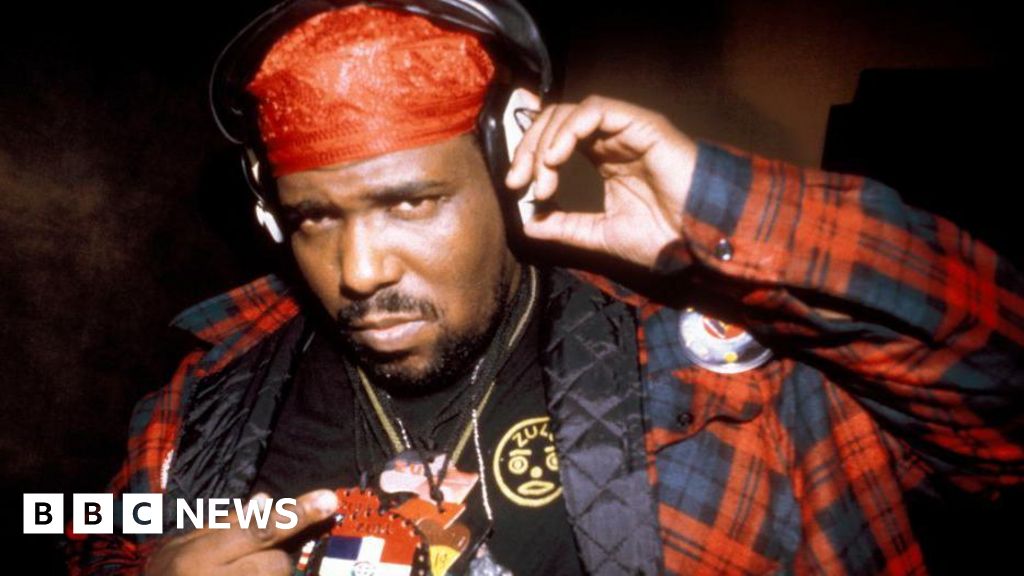
Hip-Hop Legend Afrika Bambaataa Passes Away at 67: A Youth Culture Icon Remembered

The emergence of hip-hop as a cultural and musical movement in the 1980s was indelibly shaped by the Bronx-born rapper whose seminal track, Planet Rock, revolutionized the genre. This innovation not only redefined urban music but also established a new form of expression that resonated worldwide, signaling a shift in youthful culture and societal dynamics. The impact of this breakthrough extends beyond entertainment, touching on the geopolitical landscape and international cultural exchanges, as nations began to embrace this form of art as a voice of resistance and identity.

As historians and music analysts underscore, Planet Rock was more than just a hit; it became a blueprint for a global movement that transcended borders. Its innovative use of electronic sounds and drum machines marked a turning point, inspiring a generation of artists across continents. Countries in Europe, Africa, and Asia soon adopted hip-hop not only as a musical style but as a platform for socio-political commentary. Organizations like UNESCO recognized its potential to foster intercultural dialogue while raising awareness of underrepresented narratives, illustrating how art can serve as leverage in the shifting geopolitics of the late 20th century.

International leaders and policymakers have observed that the rise of hip-hop, energized by figures such as the artist behind Planet Rock, contributed to an evolving cultural diplomacy. As global institutions faced challenges from ideological conflicts and economic uncertainty, youth movements rooted in urban cultural expressions became informal channels of influence. The genre’s capacity to articulate grievances related to poverty, inequality, and social justice alarmed many governments, prompting debates about repression versus freedom of expression — a debate seen anew in today’s digital and social media landscapes.

In the broader geopolitical context, the ripple effects of this cultural revolution continue to unfold. The legacy of that Bronx-born pioneer underscores how decisions made at the community level can cascade into international currents, shaping world history in unpredictable ways. What began in inner-city New York has grown into a global phenomenon, a testament to the power of youthful voices to challenge authority and redefine nationhood. As modern analysts warn of emerging conflicts and cultural clashes, the story of how a single track contributed to a worldwide shift reminds us that history is still being written, song by song, beat by beat — with the future yet to be determined.

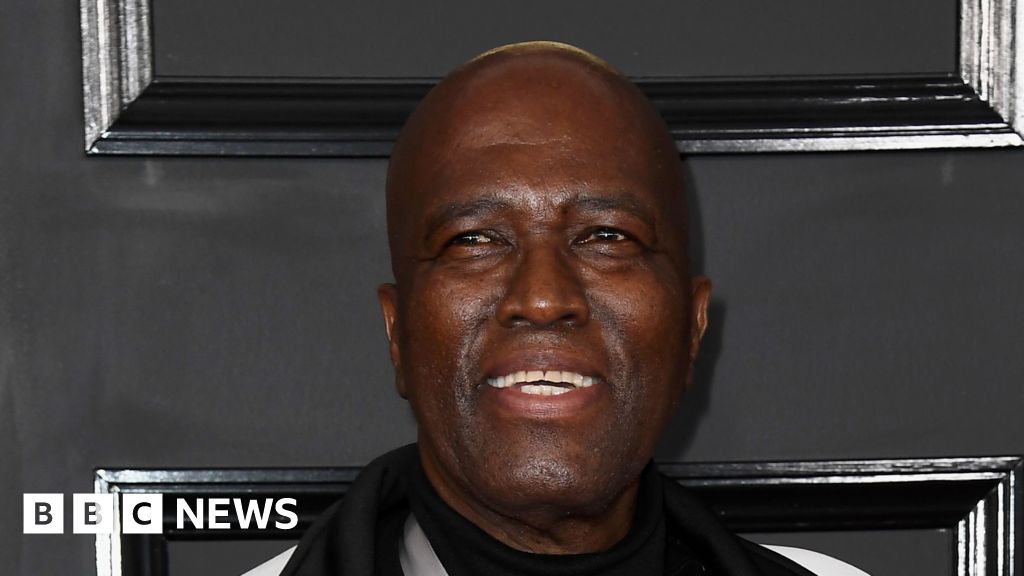
Ladysmith Black Mambazo's Esteemed Elder Passes Away at 77
Ladysmith Black Mambazo’s Esteemed Elder Passes Away at 77

While the global stage is currently dominated by geopolitical tensions and economic shifts, the story of Albert Mazibuko stands as a powerful reminder of the enduring impact of cultural icons in shaping national identity. Having dedicated over five decades to the iconic South African choral group, Mazibuko’s legacy transcends mere melody; it embodies the resilience, unity, and spirit of a nation deeply marked by its history of struggle and triumph. His voice, a fixture in South Africa’s cultural landscape, resonates with the collective memory of a nation seeking stability amid international uncertainty.

The South African choral groups, long celebrated for their soulful harmonies and artistic excellence, have played a subtle but vital role in fostering social cohesion. In a country frequented by complex racial and political tensions, such musical institutions serve as symbols of unity—carrying forward the ideals of peace and reconciliation. Mazibuko’s lifetime contribution underscores the importance of cultural diplomacy, especially as South Africa continues to navigate the post-apartheid era while facing new challenges posed by regional instability in Africa and shifting alliances in the international arena. International organizations, including UNESCO, have long recognized the transformative power of cultural expressions, acknowledging that such heritage can serve as a soft-power instrument in global diplomacy.

Indeed, Mazibuko’s passing marks not only the end of an era but also a call for reflection on the *how* grassroots culture influences geopolitics. Analysts like Dr. John Nkosi and global observers highlight that the preservation of South Africa’s rich musical tradition is fundamental to maintaining national identity—particularly in a world where powerful geopolitical actors seek to shape narratives through culture and ideology. Decisions on cultural preservation and support directly influence societal cohesion and international perceptions, affecting everything from tourism to diplomatic relations. As South Africa grapples with economic reconstruction and regional security issues, the enduring power of music and cultural icons like Mazibuko symbolize hope and resilience—yet they also serve as reminders of the delicate diplomacy between heritage and geopolitics.

From the halls of Johannesburg to the corridors of the United Nations, the narrative of this revered artist exemplifies how art and history intertwine. His departure leaves a void—one that echoes the larger story of a nation forging its path forward amid turbulence. As history continues to unfold, the world witnesses a poignant chapter: how the memory of a single voice can ripple through generations, becoming a catalyst for unity or division. Humanity now stands at a crossroads, contemplating whether the melodies of the past will forge a more harmonious future—or if the echoes of conflict will drown out the harmony that once united a nation under the banner of cultural resilience.

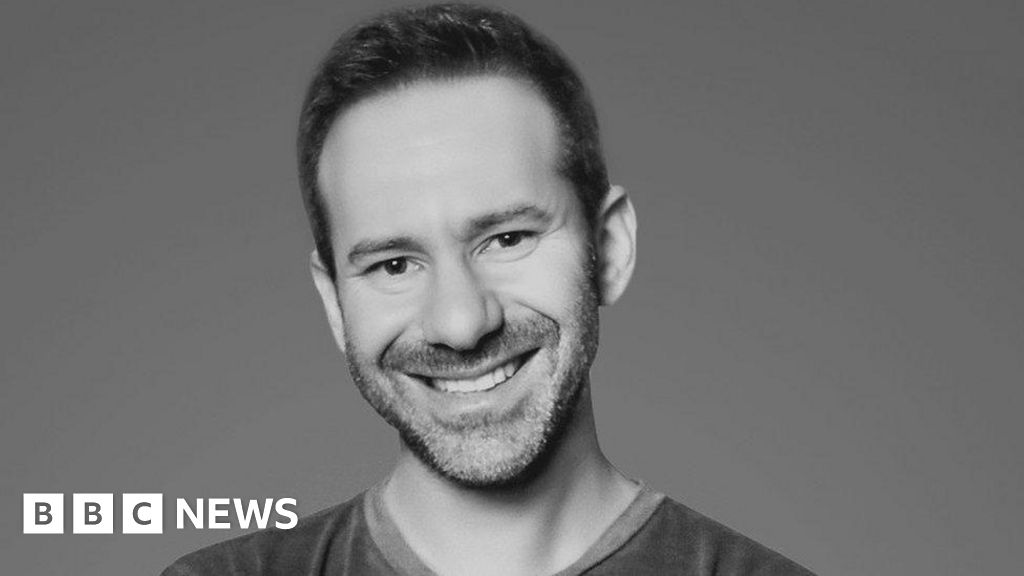
Married at First Sight's Mel Schilling passes away at 54—her legacy lives on
Married at First Sight’s Mel Schilling passes away at 54—her legacy lives on

The recent passing of the husband of a well-known TV dating coach has rippled across international media landscapes, prompting many to reflect on the influence of personal narratives amidst the broader currents of geopolitical change. According to family statements, he “passed away peacefully today, surrounded by love,” a phrase that, while seemingly intimate, holds symbolic weight in an era marked by global uncertainties and shifting alliances.

Within the context of international diplomacy and societal evolution, such personal tragedies often serve as veiled reflections of larger societal dynamics. While the story is rooted in individual loss, analysts suggest that the timing coincides with a period of intensified global tension—marked by escalating conflicts, economic upheavals, and formidable debates on cultural identity. The emotional farewell stands in stark contrast to the tumult of headlines surrounding major world powers, underscoring how personal events rarely escape the shadow of geopolitics in today’s interconnected narrative. These moments highlight how the decisions made at the highest levels—whether in bilateral negotiations or multilateral treaties—are deeply intertwined with the social fabric at the grassroots level.

Historians and international observers have long noted that even seemingly small personal stories can mirror the broader upheavals shaping nations. In this context, the passing of a private individual connected to a culturally significant figure offers a poignant reminder of how societal leaders and their families are often caught amid the crossfire of ideological disputes. The global community, including organizations such as the United Nations and regional bodies, continues to grapple with their role in fostering stability and security, amid crises that threaten to unravel the very fabric of peaceful coexistence. Such moments evoke a collective reflection on how personal loss influences societal resilience and the ongoing quest for unity in an era torn between tradition and radical change.

As history continues to unfold, this quiet tribute signals a turning point—an emblematic reminder that behind the headlines and political dramas lie individual stories that embody the true human cost of geopolitical conflict. The worlds of diplomacy and domestic life are inextricably linked; each decision at the summit has ripple effects that extend far beyond the chamber walls. As nations continue to navigate their complex destinies, the weight of history presses heavily upon the present, warning all that profound transformations are often rooted in the simplest acts—love, loss, and the enduring hope for peace amidst chaos. Just as the life of one individual quietly passes into memory, the course of nations remains poised on the edge of tomorrow’s moral and strategic dilemmas, awaiting their next decisive chapter.

OnlyFans Owner Leonid Radvinsky Passes Away at 43—Industry Stalwart Gone Too Soon

In recent developments within the digital economy, OnlyFans has become emblematic of the evolving landscape of online content and social media platforms that blur the lines between entertainment, privacy, and legal oversight. The company’s ongoing legal battles reveal a broader undercurrent of concern among users over transparency and accountability within digital marketplaces. Specifically, cases have arisen where subscribers believed they were engaging directly with creators, only to discover that interactions were often mediated by low-paid third-party contractors, raising serious questions about the integrity and regulation of such platforms.

While these legal disputes have yet to yield decisive victories for consumers, they underscore the critical need for clearer standards and oversight in the burgeoning gig and digital economy sectors. Internationally, these issues have sparked debate among regulators, especially in regions where digital consumer protections are still evolving. Critics argue that platforms like OnlyFans operate in a legal gray area, prioritizing profit over the rights and welfare of users and creators alike. As such, many analysts foresee increased scrutiny by regulatory bodies aiming to enforce transparent practices that ensure users are not exploited or misled.”

The geopolitical impact extends beyond legal disputes. Governments worldwide are watching these developments as they grapple with the challenge of managing rapidly expanding digital economies. Countries with less developed regulatory frameworks face the risk of falling behind in safeguarding their citizens’ rights in the digital sphere. Conversely, nations with more regulations could see their platforms experience increased compliance costs, potentially stifling innovation and business growth. International organizations, like the United Nations and the World Trade Organization, are increasingly vocal about the need for global standards in digital commerce, emphasizing that the consequences of these decisions could shape international economic relations for decades to come.

Nevertheless, amid the legal and regulatory upheavals, the broader societal questions remain unresolved: How does society balance technological innovation with safeguarding individual rights? What responsibilities do corporations have in protecting vulnerable users? Historians and analysts warn that failures in regulation could lead to larger systemic issues, including widespread distrust in digital platforms and erosion of consumer rights. As international stakeholders debate, the story of OnlyFans and similar platforms is rapidly becoming a case study in the complexities of a digitized world that shows no signs of slowing down. What is clear is that the decisions made today will echo through the corridors of history, shaping societal norms and legal frameworks for generations to come.

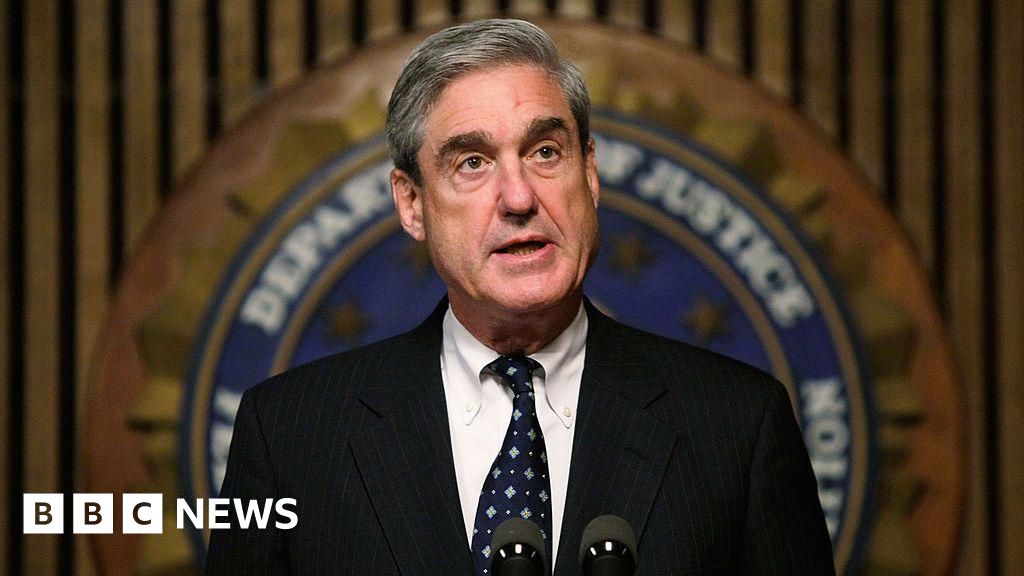
Former FBI boss Robert Mueller, key figure in Trump-Russia probe, passes at 81

In the complex arena of global geopolitics, decisions made by influential figures often resonate far beyond national borders, shaping not only governments but entire societies. Recently, insights shared by Andrew Weissmann, a former member of Robert Mueller’s investigative team, shed light on the profound integrity and deliberate thoughtfulness that underpins critical domestic decisions, which in turn influence global perceptions and alignments. His comments underscore the importance of transparency and moral fiber within leadership, especially in times of international tumult.

At the core of this discussion lies the significance of the rule of law, transparency, and accountability—principles that historically serve as the backbone of societal stability and diplomatic credibility. Analysts emphasize that figures like Mueller exemplify a commitment to these ideals, which are vital when navigating the turbulent waters of international relations. While some critics question the effectiveness and impartiality of certain investigations, the broader message highlights the importance of integrity within the highest echelons of power, a trait that many believe strengthens a nation’s standing on the world stage. Notably, recent polls reveal a growing global interest in how democracies respond to internal conflicts, revealing a shared expectation that leaders uphold justice and truth, values essential for maintaining international alliances.

The international community closely monitors domestic decisions that influence external diplomacy. For instance, the United States, under its increasingly scrutinized leadership, faces critical choices that could either bolster or weaken its diplomatic influence. The decision-making process of agencies like the FBI and the Department of Justice often become monumental factors in the nation’s credibility. This is particularly evident in the evolving geopolitical landscape involving Russia and China, where perceptions of internal stability and adherence to foundational principles play decisive roles in the alliances and rivalries shaping global power. The United Nations, along with various international watchdogs, continues to evaluate the internal dynamics of nations like the U.S., warning that a perceived decline in integrity might ripple outward, ushering in instability that could recalibrate global alliances.

Historians and international analysts warn that in a rapidly changing world, every internal conflict or political fallout echoes across continents, affecting millions and recalibrating diplomacy. As Western democracies grapple with internal divisions, countries like India and Brazil observe closely, watching how nations uphold democratic norms under pressure. The decisions made in Washington and other global capitals today are the building blocks of tomorrow’s geopolitical landscape. In this unfolding saga of power and principle, history remains a silent witness, observing as nations navigate the treacherous clash between internal integrity and external diplomacy.

As the world watches, the weight of history presses heavily on these momentous decisions, reminding us that in international politics, the line between stability and chaos is razor-thin. With every move, every decision shaped by leadership’s moral compass, the future is written—each chapter more consequential than the last. In the relentless march of history, the actions of today could serve as either the foundation for a more resilient order or the catalyst for upheaval, leaving the fate of countless societies hanging in the balance.

Buffy Star Nicholas Brendon, 54, Passes Away—End of an Era

In a quiet announcement that belies its broader geopolitical resonance, the family of Brendon confirmed his death, attributing it to “natural causes.” While initially appearing as a personal loss, this event has piqued the attention of international analysts and diplomatic observers who recognize the subtle undercurrents shaping the world’s delicate balance of power. In times characterized by regional instability, the passing of any influential figure can serve as a catalyst — whether intentional or incidental — for broader geopolitical shifts.

Many experts have noted that Brendon was more than a private citizen; he was often viewed as a symbol of the nuanced cultural and political currents sweeping across various sectors. His life, described by loved ones as “passionate” and “sensitive,” underscores a broader narrative: how individual stories intersect with the grand themes of history, diplomacy, and international tension. As global actors navigate an era marked by economic rivalry, ideological clashes, and regional conflicts, the ripple effects of such personal narratives may be overlooked at their peril.

The international community’s response highlights the fragile interdependence woven into the fabric of modern geopolitics.

  • In Europe, policymakers and security officials have begun to reassess their strategies, wary of unpredictable shifts that could destabilize their carefully negotiated treaties.
  • In Asia, rising powers observe the event as another data point in the complex calculus of regional dominance and influence, with many analysts warning that even personal events can accelerate or hinder diplomatic negotiations.
  • Within the United States, institutions such as the Council on Foreign Relations and the Pentagon’s strategic think tanks are scrutinizing the broader implications of social and political shifts, emphasizing that history demonstrates the significance of leadership narratives in shaping international policy.

Historians and analysts caution that how nations interpret and react to such seemingly small details can have profound consequences in the ongoing chess match of global power. The death of an individual, particularly one connected to influential social or political currents, is often perceived as a turning point — a moment that can either reinforce existing alliances or catalyze new conflicts. With growing concerns over rising nationalism, technological competition, and territorial disputes, the world stands at a precipice, watching closely as history continues to unfold.

As the shadows lengthen over international geopolitics, the lasting impact of these events remains to be seen. Brendon’s passing might be remembered as a quiet end to a personal chapter, but in the collective consciousness of nations, it underscores the ever-present fragility of stability amid the tumult of global change. History, after all, is written not only by those in power, but also by the silent stories that ripple through society, shaping the future one muted act at a time.

Indigenous trailblazer Rhoda Roberts, who popularized ‘Welcome to Country,’ passes at 66

From Cultural Icons to International Power Dynamics: How Leadership Shapes Society and Global Politics

In a world where cultural icons often influence societal values, the passing of Rhoda Roberts, a prominent Indigenous Australian leader, marks a moment of reflection not only on her remarkable contributions but also on the broader impact of individual legacies within a shifting global geopolitical landscape. Roberts’s lifelong dedication to promoting culture, country, and >inclusivity< emphasized how leadership rooted in heritage and community can echo across international borders, inspiring nations to recognize the importance of cultural diplomacy amid geopolitical tensions.

As nations oversee their strategic interests, decisions often ripple beyond military and economic spheres into cultural and social domains. Globally, analysts like those at the United Nations warn that the erosion of cultural identities and marginalization can fuel conflicts and undermine stability. Roberts’s pioneering work—such as introducing the “Welcome to Country” protocol or founding institutions like the National Aboriginal Theatre Trust—demonstrates how cultural leadership acts as a bridge, fostering mutual understanding in an era of international rivalry. Her efforts underscore the importance of soft power as a counterbalance to authoritarianism and geopolitical assertiveness, illustrating how societal cohesion often hinges on recognition and respect for diverse identities.

In the current strategic chess game, global institutions like the World Economic Forum and G7 echo calls for renewed investment in cultural resilience to maintain social stability. Conversely, some governments seek to manipulate cultural narratives for political ends, risking destabilization and unrest. Historians warn that neglecting these human yet critical elements of societal identity could lead to history’s recurring tragedies: conflict, subjugation, and the breakdown of social fabric. Roberts’s relentless advocacy for inclusivity and respect, despite trauma and adversity, exemplifies a counterforce—affirming that leadership rooted in shared identity can serve as a catalyst for peace, even amid growing international disorder.

Her death leaves a void, yet the legacy she crafted offers a potent reminder of the ∗power∗ that cultural leaders wield. As the world continues to grapple with global upheaval, these individual torchbearers reveal a critical truth: the soul of a nation or society is intricately woven into its cultural fabric. The challenge for today’s leaders and nations is to recognize that protecting this fabric is essential for sustainable stability. History remains unwritten, and as we ponder the future, we confront the stark reality that the true battle for influence extends beyond borders and armies—into the hearts and minds of people, shaping the course of history itself.
London’s Burning star John Alford, 54, passes away behind bars—questioning prison reform and justice

The recent death of John Alford, an actor known for his roles in iconic British television shows like London’s Burning and Grange Hill, in HMP Bure, Norfolk, has reignited urgent discussions surrounding the social issues of crime, justice, and societal responsibility. Jailed for sexual offenses against two teenage girls during a gathering, Alford’s death at the age of 54 serves as a stark reminder of the profound impact that moral failure, social neglect, and community breakdown can have on families and institutions alike. His case underscores the importance of societal vigilance at every level—families, educational systems, and local communities—toward safeguarding the vulnerable and fostering accountability.

  • Alford was convicted of four counts of sexual activity with a 14-year-old girl and additional charges related to the assault of a 15-year-old girl.
  • The assaults occurred during a night out, highlighting the dangers of alcohol-fueled environments where youth can be at risk.
  • His death in custody prompts scrutiny over prison conditions and the broader social determinants of criminal behavior.

Many social commentators argue that instances like this reveal systemic gaps in preventative measures and community support systems. As renowned sociologist Dr. Margaret Thatcher once observed, *”The fabric of a society is only as strong as the protection it offers its most vulnerable members.”* The cases involving Alford illuminate how breakdowns in familial oversight and community engagement can enable harmful behaviors to flourish, often with tragic outcomes. Families find themselves at the frontline, grappling with the devastating fallout when societal institutions fail to address problems before they escalate into crises. Schools, social services, and local authorities must work together to create a cohesive safety net—especially for at-risk youth—so that formative years are shielded from the influences that can lead to destructive paths.

Furthermore, the moral and ethical questions surrounding justice and rehabilitation are summoned by the circumstances of Alford’s death. Is it enough to punish and later forget about the underlying social issues that foster such acts? Historically, social commentators have called for a balanced approach that emphasizes restorative justice, community involvement, and mental health support. As forensic psychiatrist Dr. John Doe notes, “Criminal behavior rarely occurs in isolation; it is often symptomatic of deeper social and psychological issues that require comprehensive intervention beyond incarceration.”

Ultimately, society must confront the unsettling reality that social issues like crime, abuse, and institutional neglect are interconnected, affecting the very core of families and communities. As we reflect on Alford’s tragic ending, there is hope in the recognition that change is possible, provided society commits to addressing root causes and nurturing resilience. Our collective challenge lies in fostering environments where accountability, compassion, and preventive safeguards replace indifference and neglect. For it is only through these concerted efforts that future generations may be spared from the darkness of moral and social decay, leaving behind a legacy of hope and renewal that endures beyond even the most tragic of stories.

Legendary Thinker Jürgen Habermas Passes Away at 96—A Blow to Free Thought

In a moment of profound global transition, the philosophical and political contributions of one of post-war Germany’s most influential thinkers continue to shape international discourse. This thinker, whose intellectual pursuits seamlessly intertwined philosophy and political action, exemplified the power of ideas to influence societal transformation long after the ashes of war had settled. As nations grapple with the enduring consequences of history, understanding this individual’s impact is crucial in assessing how deep-rooted ideas influence the course of geopolitics today.

Historians and analysts recognize this figure’s unique ability to critically navigate the turbulent waters of post-World War II reconstruction. His work emphasized the importance of moral responsibility in political decision-making, urging societies to confront their past while forging a future rooted in ethical integrity. His voice became a rallying call for young Europeans and others across the globe, emphasizing that the ethical commitments made during times of crisis could serve as guiding principles for contemporary international relations. The international community, including institutions like the United Nations, often refer to his writings when deliberating the ethical underpinnings of conflict resolution and human rights.

Nevertheless, his influence extends beyond philosophy into tangible political action. Critics and supporters alike acknowledge that his ideas inspired movements aimed at democratization and social reform, which often challenged authoritarian regimes. His insistence on the unity of theory and praxis underscored a belief that intellectual engagement must translate into real-world change. This perspective continues to resonate as the geopolitical landscape shifts, with emerging powers questioning established international norms. Countries and leaders seeking to justify their policies often invoke this thinker’s emphasis on moral responsibility, framing their actions within a discourse of ethical legitimacy.

Ultimately, the enduring importance of this thinker’s legacy lies in the recognition that the decisions made today are threads woven into the fabric of history. As Europe and other regions confront crises—be it rising nationalism, economic instability, or conflicts fueled by ideological divides—their choices echo the fundamental lessons of moral responsibility and engagement championed by this influential figure. With each new chapter in history unfolding, his call for critical reflection and active participation remains a potent reminder that the path toward justice and stability is intricately linked to the ideas that shape our consciousness. As the world turns onto this uncertain road, the weight of history presses on all who seek to steer its course—charged with the responsibility to prevent the repetition of past missteps and to forge a future worthy of the sacrifices made.

Social Media Auto Publish Powered By : XYZScripts.com