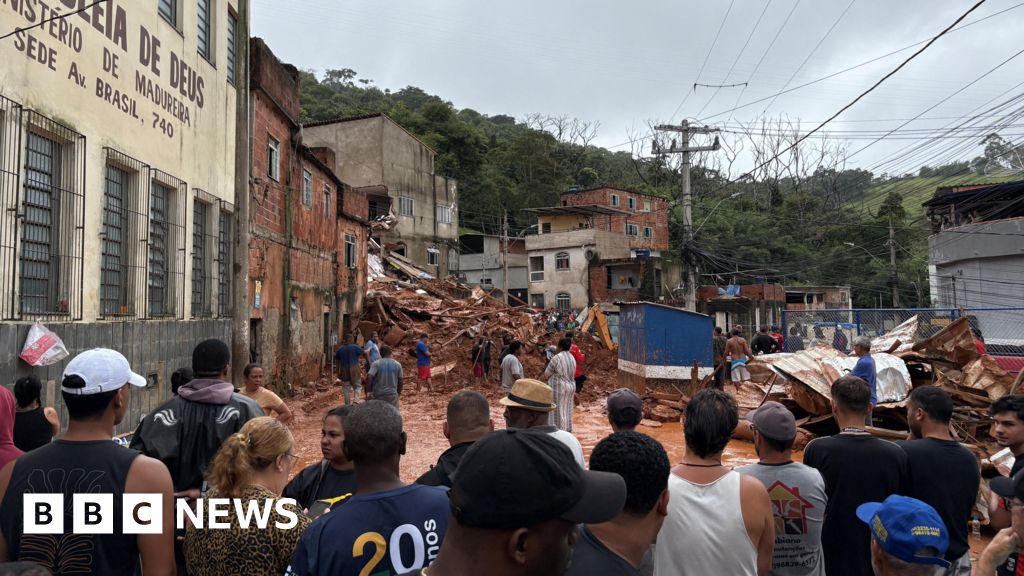
In a harrowing reminder of the ever-present vulnerability of urban populations to natural disasters, Juiz de Fora has become the center of international attention following recent catastrophic events. Hundreds of residents have been displaced amidst a surge in infrastructure collapse, while dozens are still reported missing as rescue operations continue into the night. The disaster underscores the ongoing challenges faced by cities worldwide in balancing rapid development with disaster preparedness, especially within vulnerable geopolitical regions.
As the world scrutinizes the unfolding crisis, experts point to a broader pattern of environmental and infrastructural neglect fueling such disasters. According to international climate analysts and urban planners, climate change—once dismissed as a distant threat—is now manifesting through increasingly extreme weather events. These conditions exacerbate the fragility of urban infrastructure, especially in fast-growing cities like Juiz de Fora, located in a geopolitically sensitive area of Brazil. The incident highlights how neglect of preventative measures can turn natural events into devastating tragedies, fueling migration pressures and social unrest.
The global geopolitical impact of such crises extends beyond local borders, emphasizing the importance of international cooperation. Countries in the Global South, including Brazil, are often at the receiving end of climate-induced calamities with limited resources for effective response. Analysts from organizations like the United Nations warn that if global powers do not prioritize climate resilience and infrastructure modernization, similar disasters will continue to threaten societal stability across vulnerable regions. Coupled with political instability and economic challenges, these catastrophes threaten to impinge on international security and economic stability—factors that global leaders cannot afford to ignore.
Historically, cities have been battlegrounds of progress and setbacks, echoing the words of prominent historians who have long emphasized that such moments are turning points in history. The ongoing crisis in Juiz de Fora illustrates how decisions made—or neglected—in urban planning and climate resilience can have profound, enduring consequences. According to analysts, whether nations choose to confront these vulnerabilities or ignore them today will shape the future of global stability, with some arguing that the current failures could be seen as warnings of a more tumultuous era ahead. The echoes of past failures resonate now; time is running out for decisive action designed to prevent future tragedies.
As rescue teams scour the debris-strewn streets and international observers reflect on the tragedy, one thing remains clear: the unfolding event is not just a local catastrophe but a stark symbol of the collective responsibility nations bear. With each displaced family and each unresolved missing person, the weight of history presses down—an indelible reminder that the path to resilience must be forged before the next calamity strikes. The world watches, aware that the lessons learned here—urgently, and with resolve—will determine whether history’s next chapter is one of recovery or further chaos.